Alumni
This month, we are looking at Hurstville Public School history from both sides of the teacher's desk, bringing together the memories of four remarkable alumni and one legendary former educator whose combined eras span nearly half a century of school life. Each story speaks of a school culture deeply rooted in kindness, patience, and a shared community spirit that transcends the decades.
| Name | Role & Era at HPS | Defining Moments |
|---|---|---|
| Florence | Student 1926–1932 | Hurstville Public was the first step into a life of advocacy of public education |
| Thea | Student 1960–1966 | Writing with real ink and acting as Classroom Ink Monitor |
| Mrs Van | Teacher 1970–1986 | Teaching a class of 50 in the dark during freezing winters |
| Charles | Student 1975–1977 | Making papier-mâché volcanoes and celebrating the 100th Centenary |
| Sharon | Student 2001–2003 | Sewing fabric art and eating sausage rolls in crinkly plastic wrapping |
| Jason | Student 2008–2009 | Serving as SRC Captain and running the big playground playing "tips" |
Florence McIlhagger (Class of 1932)
Thea Webster Née Piper (Class of 1966)
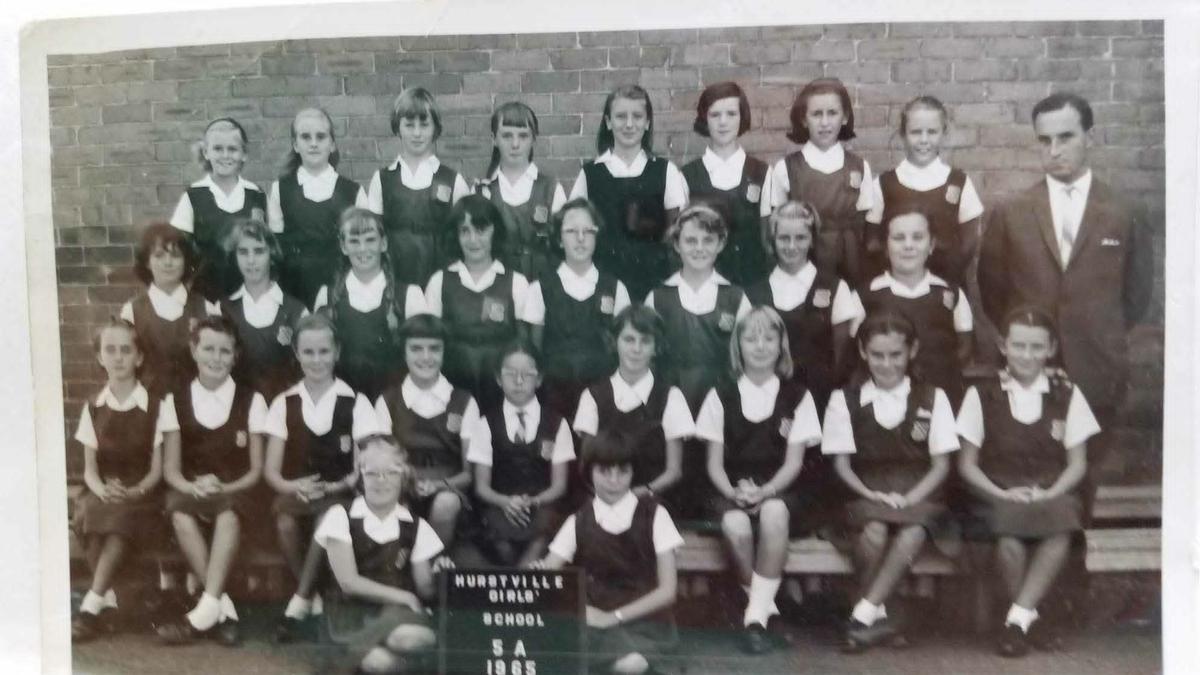
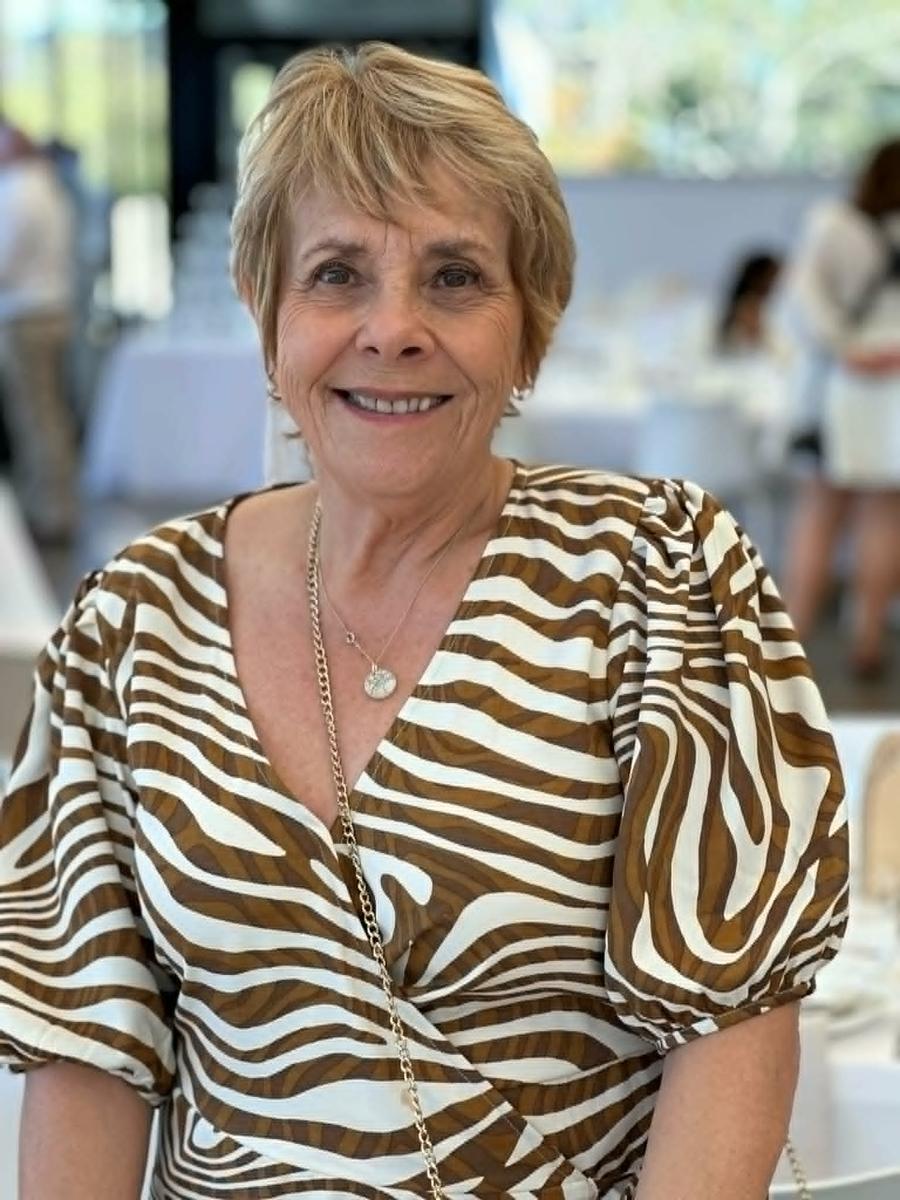
For Thea Webster, Hurstville Public School was the backdrop to her entire childhood. Starting Kindergarten in 1960 and staying right through to the end of Grade 6 in 1966, Thea witnessed firsthand a fascinating era of rapid cultural and societal change.
Classroom Life in the 1960s
Stepping into a HPS classroom in the early 1960s felt very different from the schools of today. Thea fondly remembers sitting at heavy, old-fashioned wooden desks built for two, which were permanently bolted to the floor with intricate iron lacework.
Before the advent of modern stationery, students wrote exclusively in pen and ink. Thea even held the prestigious title of "Ink Monitor," a role that required her to carefully mix and prepare the ink to fill the individual inkwells built directly into the student desks. It wasn't until she reached year 5 and year 6 class that students were finally permitted to use the "modern" invention of ballpoint pens!
Navigating the Sydney weather was also a test of resilience. In the freezing winter months, the classrooms were warmed by old coal fire heaters that had been converted to gas. In the blistering heat of summer, air conditioning was non-existent.
"There was only one big fan that was shared between quite a few classrooms," Thea recalls. "It was sooo hot!"
Witnessing History: The Great Decimal Shift
Academically, Thea’s cohort had to be incredibly adaptable. In her early primary years, she mastered mathematics using the traditional British currency system of pounds, shillings and pence. Then, in 1966, her very final year at HPS, Australia officially introduced decimal currency. Thea and her classmates had to quickly pivot and relearn how to add up using dollars and cents.
Through all these changes, it was the wonderful educators who anchored Thea's experience. Her absolute favourite was Miss Malay in 1964. She also holds fond memories of Mr. Richards, her teacher for Class 5A in 1965 and again for 6A in 1966, whom she remembers as a truly great educator.
A Career of Service and Global Adventure
The foundational years at HPS led Thea to Kingsgrove High School, where she completed her School Certificate in 1970. Ready for a practical change of pace, she transitioned to Secretarial College in 1971, a move that successfully launched her professional life. The true highlight of her career followed shortly after, defined by a dedicated 10-year tenure providing vital secretarial support within the NSW Police Department.
Since her school days, Thea has been extremely lucky to travel the world and build a beautiful life. But no matter how far she has traveled, the bonds formed on the Hurstville playground have remained unbroken. To this day, Thea counts among her closest, lifelong friends the very people she met at primary and high school.
Sylvia Van Der Straaten (Mrs Van, HPS 1970-1986)
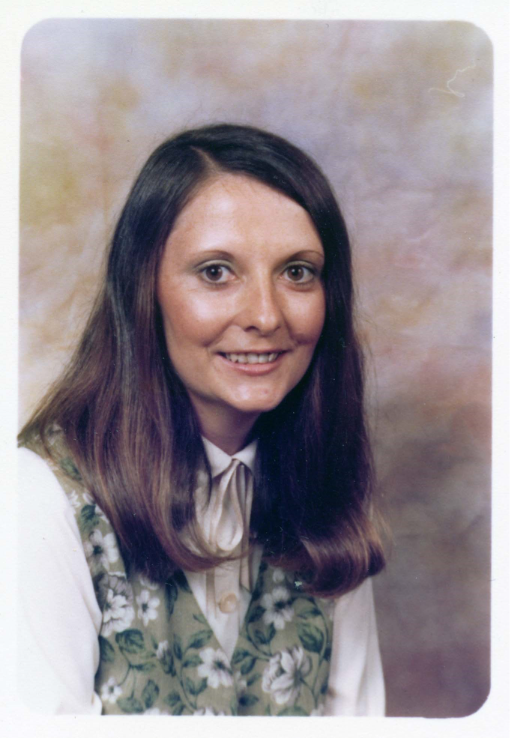
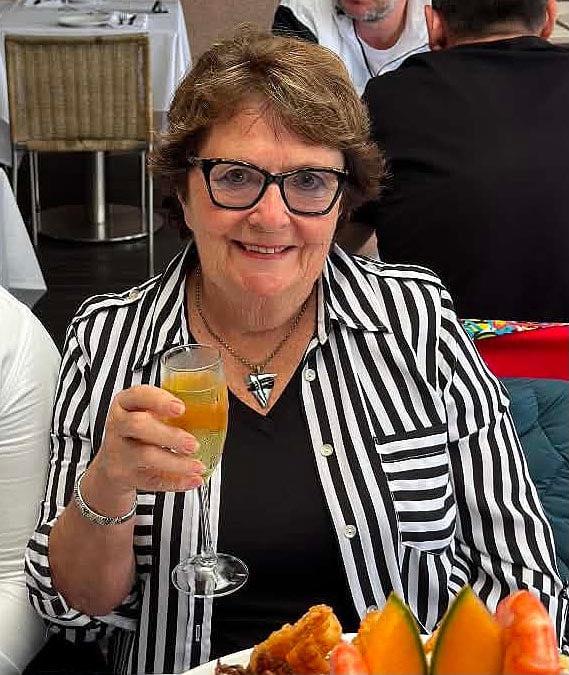
When Sylvia transferred from Queensland to Sydney in mid-1970, her very first year in the teaching profession, she stepped straight into historical chaos. New South Wales was facing a severe teacher shortage, frantically recruiting staff from the US and Canada. The Department of Education was so desperate that high school teachers with zero primary school training were being placed in early childhood classrooms under the hilarious impression that "infants children just played all day!"
Told by the Department to simply find a house first, Sylvia secured accommodation and was promptly appointed to the Hurstville Infants Department. It was the beginning of a memorable 16-year chapter that would see her become one of the school’s most beloved early educators.
Two Separate Worlds: The Infants and the Primary
To turn the clock back to 1970 is to look at a completely different school campus. Back then, Hurstville operated as two virtually distinct entities: the Primary Department and the Infants Department.
Occupying the end of the school closest to Orange Lane under Infants Mistress Nina Magrath, the Infants staff and students were entirely segregated from the older kids. Boys and girls were separated in the playground, and the Infants teachers never crossed into the Primary buildings. In fact, Sylvia didn't even know the Primary teachers' names!
"This strict separation must have made the transition from Infants to Primary incredibly daunting for the children," Sylvia reflects. "In reality, it was just like changing to a completely new school—and added to that, there were male teachers!"
Rose Bouquets and Winter Hardships
Despite the physical segregation, the local community wrapped the school in warmth. In the 1970s, Hurstville was a beautiful, blooming rose-growing area. Most mothers were homemakers, and children regularly arrived on Monday mornings clutching fresh-cut flowers from their home gardens to decorate "Mrs Van’s" desk and also sending her home with another fresh bouquet every Friday afternoon.
However, the physical conditions on Orange Lane were deeply primitive compared to today. The classrooms featured bare wooden floors, no electric lighting, and antiquated gas heaters that teachers hesitated to light. On wet winter days, the rooms became freezing and dark, often too dark to even read a book.
Compounding the cold was a strict Department policy: a teacher had to be absent for three consecutive days before a casual replacement could be hired. As winter illnesses spread, Sylvia’s class of 36 would regularly swell to 50 children crammed into a single dark room.
The playground presented its own challenges. The hard bitumen caused far too many skinned knees, meaning that a turn on the school's single, tiny strip of green grass was considered an extraordinary luxury.
Milk Machines and Steam Trains
Despite the primitive infrastructure, school life was packed with adventure. Excursions were massive, highly anticipated, fueled by a dedicated army of parent volunteers.
Sylvia fondly recalls taking the children to the Rotolactor at Menangle to marvel at an innovative circular automated milking machine. Other highlights included walking the classes down to Allawah Station to board an old steam train, exploring the rockpools at Cronulla beach, and running intensive two-week swimming blocks at Bexley and Sans Souci pools.
Witnessing a Multicultural Transformation
Over her 16 years, Sylvia sat on the frontline of Hurstville's incredible demographic shift. In 1970, every single student in her class had been born in Australia, with the exception of one little French girl.
Over the decade, a wave of immigrants arrived in Hurstville. Italian, Greek, Yugoslav, and Lebanese families settled in the area, followed by the school's very first Chinese immigrant students in the mid-1980s. To support this changing community, the Department introduced English as a Second Language (ESL) classes, beautifully pioneered at HPS by Egyptian-born teacher Mrs. Jane Attia.
By the time the school's grand 100th Birthday Centenary arrived in 1976, another massive administrative milestone had occurred: the Infants and Primary departments officially integrated into one unified Hurstville Public School.
The Unforgettable Storm of 1986
Of all her memories, none is seared more deeply into Sylvia's mind than the terrifying hailstorm of October 1986. The sky turned pitch black just as the children safely filed inside from recess. From her upstairs classroom, Sylvia watched in disbelief as cricket-ball-sized hail pelted the school. Within minutes, the roofs of the kindergarten rooms and lower toilets were completely blanketed in a solid sheet of white, looking exactly as if it had snowed.
The aftermath was sheer destruction. Outside, every single teacher’s car was peppered and dimpled with ice dents. The local panel beater next door was kept in business for a year, and a massive queue of desperate locals stretched all the way down Forest Road outside O'Brien Glass to replace shattered windows.
The Belltower and Beyond
Sylvia spent her final years at HPS teaching in the iconic Belltower right on Forest Road, specifically the room with the high windows. Space was so tight that her class, 2V, and Mrs. Pat Noonan’s class, 2N, shared the top floor, right across from the Opportunity A (OA) class taught by the delightful Mr. Joe Symonds. On biting winter days, the savory smells of the local KFC would waft right across the road into their lesson.
Sylvia finished her wonderful tenure at Hurstville at the end of 1986, continuing her teaching career at Miranda North Public School until her retirement in 2010. Today, she pours her enduring passion into family history research. She is now an accomplished, published historian, with her research books proudly preserved for future generations in the National Library of Australia and the State Library of New South Wales.
Sylvia's Reflection on HPS
"The hardships and triumphs alike shaped an extraordinary community. I remain deeply grateful for my years spent teaching the beautiful children of Hurstville, which set the foundation for a long, rewarding career."
Charles James (Class of 1977)
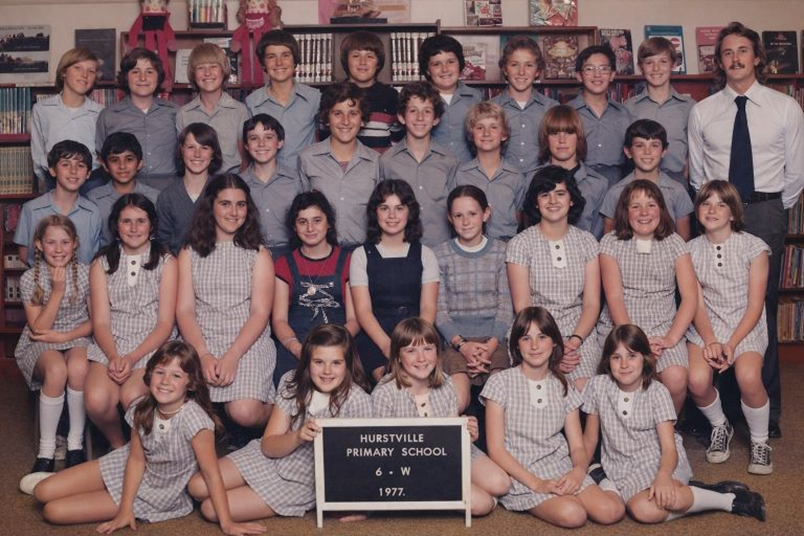

For Charles, walking through the gates of Hurstville Public School in the year 1975 was a moment filled with both the nervous fear of the unknown and the immense excitement of starting a new school in a completely new country. Though born in Japan, Charles was actually arriving at a place deeply tied to his family's roots; his family had just emigrated back to Australia, returning to the very suburb where his father and grandparents had been born and bred. Charles quickly found his footing in this familiar yet new territory, embracing a deep love for education and study that would define not only his schooling but his entire professional life.
Sun-Drenched Memories & Sticky Treats
Charles fondly recalls his days as a Year 6 student, spending recess and lunchtime at the bottom of the school playground. Tucked away under the shade of the trees, he and his friends would gather on the classic aluminium bench seats, enjoying the ultimate treat of Sunnyboy.
Classroom life was equally memorable, sparked by hands-on, collaborative projects. Charles vividly remembers constructing a massive volcano using papier-mâché, chicken wire, plaster, and paint. It was a creative team effort that did more than just pass the time, it ignited a lifelong curiosity about nature and the world around him.
Role Models & Lifelong Lessons
Year 6 also introduced Charles to his first male teacher, Mr. Wayne Gordon. As a young boy navigating a new country, Charles looked up to Mr. Gordon as role model and a guiding figure.
Beyond the academics, the playground at Hurstville taught Charles his most enduring life lesson: the importance of getting along with everyone. Even in the mid-1970s, Hurstville Public School was a vibrant, multicultural hub, and learning to connect with peers from all walks of life laid the groundwork for his future. After graduating from HPS, he carried that motivation into Hurstville Boys High, where he achieved 1st in class during Year 7. Today, Charles channels his lifelong knack for connecting with people into his professional life, spending his 9-to-5 leading and coaching teams to help them achieve their absolute best.
Witness to History: The 1976 Centenary
The absolute pinnacle of Charles’s time at Hurstville was witnessing the school’s massive Centenary celebrations in 1976. It was a major event that captivated the entire wider community. Charles recalls the buzz of visiting politicians and a milestone tree-planting ceremony where the oldest surviving student and the youngest student came together to plant a piece of the school's future.
Charles even remembers the special, soft-cover magazine-style book published to mark the 100-year milestone—a keepsake he is currently hunting through his archives to find!
HPS in Three Words: "Multicultural, Inspiring, Grounding"
My Wish for HPS: "I hope that Hurstville Public School continues to provide an excellent education for every single student who walks through its classrooms."
Sharon Jiang (HPS 2001-2003)
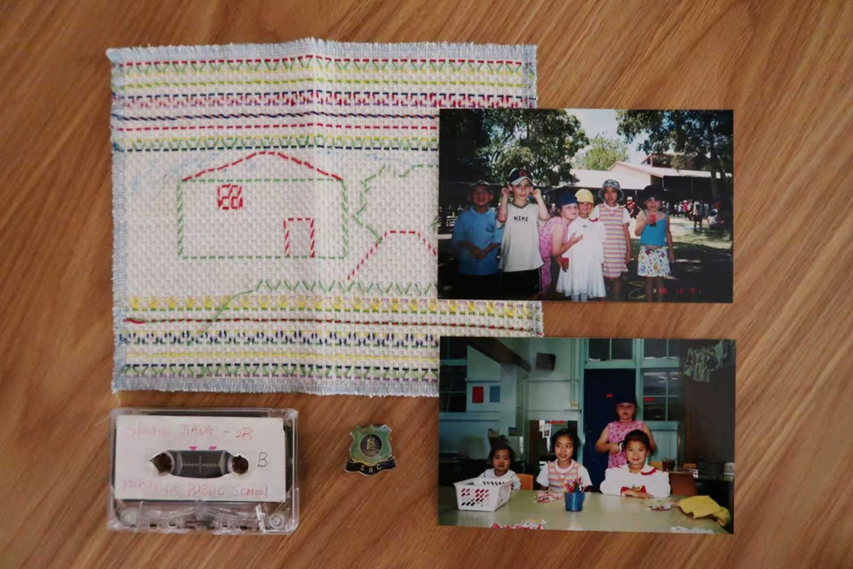

When Sharon Jiang first walked through the gates of Hurstville Public School as a young child arriving from China, she didn't know a single word of English. Yet, the overwhelming memory she carries from her time at HPS (Kindergarten to Year 2) is one of profound warmth. From the teachers to her peers and the general staff, Sharon was met with a culture of gentleness, patience, and open arms, a foundational experience that shaped her outlook on life.
The Newspaper Ritual That Shaped a Career
While Sharon attended a few different schools on her journey to graduating from St George Girls High School, it was her Year 2 teacher at HPS, Ms. Bennett (Class 2B), who left the most enduring mark. To this day, Sharon regards her as one of her favourite educators of all time.
Every week during English class, Ms. Bennett would read an article straight from the newspaper to the children.
"This had such a lasting impact on me because it developed my curiosity for people, society, culture, and the world in general," Sharon reflects. "I remember thinking how cool it would be to interview notable people and have your work published. It’s no wonder I grew up to study journalism."
Ms. Bennett’s classroom was also a place of hands-on creativity. Sharon fondly recalls sewing classes where they learnt to manipulate needles and craft simple designs on fabric—a piece of childhood "art" that Sharon actually still treasures today.
An Early Entrepreneurial Spirit
That early love for creativity blossomed into a full-blown entrepreneurial spirit by the time Sharon reached high school. Riding the cultural influence of Lana Del Rey, a teenage Sharon launched a fashion blog and an Etsy store selling handmade floral crowns.
It was a massive success in the early days of fashion new media. By age 16, Sharon was attending Australian Fashion Week, seeing her products featured in major fashion magazines, and shipping her floral crowns to far-flung corners of the globe, including small Russian towns and the Arctic circle!
Wanderlust & The Family Business
Sharon’s tertiary years at the University of Technology Sydney (UTS)—where she completed a double degree in Communication (Journalism) and International Studies—brought even more adventure. She spent a golden year living in Montpellier in the South of France, travelling to 15 European countries, and properly connecting with her now-partner while exploring Barcelona, Santorini, and Venice.
Today, after a successful decade-long career in corporate media, Sharon is channeling her diverse skill set into a brand-new challenge: learning the ropes of her family's travel business. Working side-by-side with her dad in a marketing and new business development role, she is helping implement new tech, drive social media content, and open new markets. The role has also thrown her into the ultimate deep end: re-learning Chinese!
Nostalgia & A Wish for the Future
If Sharon could step into a time machine for a single HPS school lunch, she knows exactly what she would pick: a classic school canteen sausage roll, specifically the ones wrapped in that wonderfully crinkly, crunchy plastic packaging.
As HPS celebrates 150 years, Sharon hopes the school’s core values remain exactly as she left them.
A Lesson for Life: "The school fostered a culture of warmth and gentleness in how we interacted with each other, respected our teachers, and spoke to ourselves. One playground lesson I actively try to use today is kindness."
My Wish for HPS: "HPS is a school that warmly opens its arms to diversity and truly wants to help students from a minority culture. I hope the school’s openness and compassion never changes."
Jason Luo (Class of 2009)
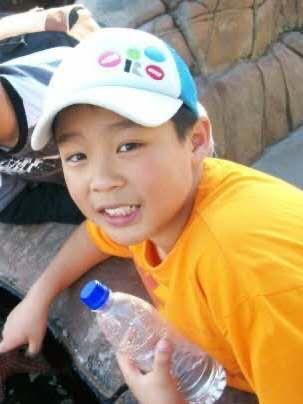

When Jason joined Hurstville Public School in 2008 for the Year 5/6 Opportunity Class (OC), he hit the ground running. Not only did he thrive academically, but his natural leadership skills quickly shone through, culminating in his election as the school's SRC Captain—a milestone he still considers the absolute pinnacle of his time at HPS.
Running the Big Playground & Chasing Sunnyboy
For Jason, the physical landscape of HPS was defined by one main thing: space. He fondly remembers the massive, sprawling main playground, which served as the ultimate arena for high-stakes games of tips with his mates across the bitumen.
When the lunch bell rang, there was only one playground treat on Jason’s mind: the iconic, frozen Sunnyboy. Navigating those two fast-paced years of upper primary school was made all the better by his main OC teacher, Miss Florence, who provided a supportive and enriching classroom environment that set Jason and his peers up for future academic success.
Constructing a Career of Excellence
The strong foundation Jason built at HPS launched him straight into Baulkham Hills High School, one of the state's top selective schools. His post-school journey took him to university, where he initially tested the waters in law before realizing his true calling lay elsewhere. He transferred into Project Management, applying his trademark work ethic to finish his degree with an outstanding 6.25 GPA.
Today, Jason puts those skills to use in a high-stakes, fast-paced environment, managing multi-million dollar construction projects right in the heart of the Sydney CBD.
Beats, Breaking, and Building Friendships
Beyond his corporate success, Jason has maintained a deeply creative and active lifestyle. During his university days, he served as the President of the street dance club, teaching hip-hop, breakdancing, and popping—a passion that grew out of his time doing competitive street dance. When he isn't managing major construction sites or hitting the gym, Jason shares his love of music by tutoring students on the weekends.
Life at home has reached wonderful new milestones, too—Jason celebrated getting married last year!
Looking back, the most enduring lesson Jason took from the HPS playground was a simple but profound one: the power of reconciliation and compassion.
"Be kind always and don't make fun of others". After a misunderstanding with a peer when they were young, they spoke it through, apologised, and ended up becoming incredibly good friends.
My Wish for HPS: "HPS gave me so many lifelong friendships growing up. My hope is that the school always continues to be a place where deep, lasting friendships are born."