
Assistant Principal Report
Helping Your Child with Maths – A Parent’s Guide
Young children learn maths long before they start school. Everyday conversations and play at home help build confidence with numbers, shapes, patterns and measurement. Research shows these early skills strongly support later success in both numeracy and literacy.
Easy Ways to Build Maths into Daily Life
You don’t need worksheets—just talk, notice and play.
- Compare everyday objects: Which is heavier? Which holds more?
- Explore shapes: circles, squares, triangles, cylinders, boxes.
- Talk about position: behind, beside, outside, opposite.
- Notice and extend patterns: clothing, tiles, leaves, toys.
- Use time words: yesterday, next, morning, weekend, summer.
- Talk about routines: What happens first, next and last?
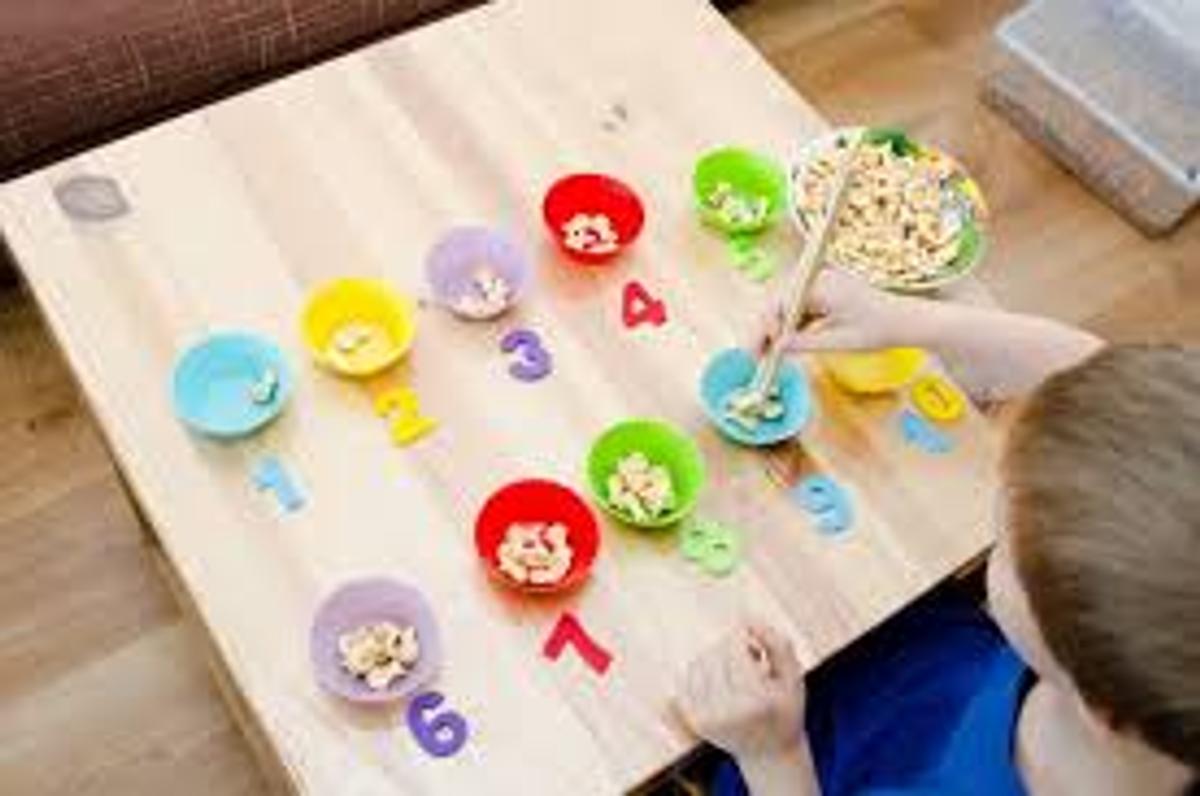
- Count anything and everything—steps, snacks, toys.
- Compare numbers: Who has more? Who has fewer?
- Recognise quantities without counting (e.g., two vs. four items).
- Show different ways to make a total using toys or counters.
- Match number names, written numbers and real quantities.
Simple Games That Grow Maths Skills
- Cooking together: measure, pour, count and compare ingredients.
- Card & dice games: Snakes and Ladders, Go Fish, matching games.
- Everyday maths: using maps, reading signs, recognising coins.
- Story time: talk about the order of events and describe shapes or sizes in pictures.
These games build mathematical language and problem-solving—without feeling like “work.”
Make It Fun. Make It Relevant.
Children learn best when maths connects to the world around them.
Try on a walk or at the park:
- Compare trees, cars or rocks—Which is taller? Which is heavier?
- Count parked cars or steps to the next corner.
- Time how long it takes to reach the playground.
- Talk about temperature or how fast you’re walking.
- Collect shells or leaves to make repeating patterns.
- Play Maths I Spy: “I spy something taller than Mum!”
Even babies notice differences in shapes and quantities—so it’s never too early to talk about what you see.
The Big Message
You don’t need to teach maths. You just need to talk, explore and play. Every small moment helps build your child’s confidence and curiosity.
Dani Bird
Assistant Principle
