
Deputy Principal, Wellbeing
- Miss Kristen Waldron
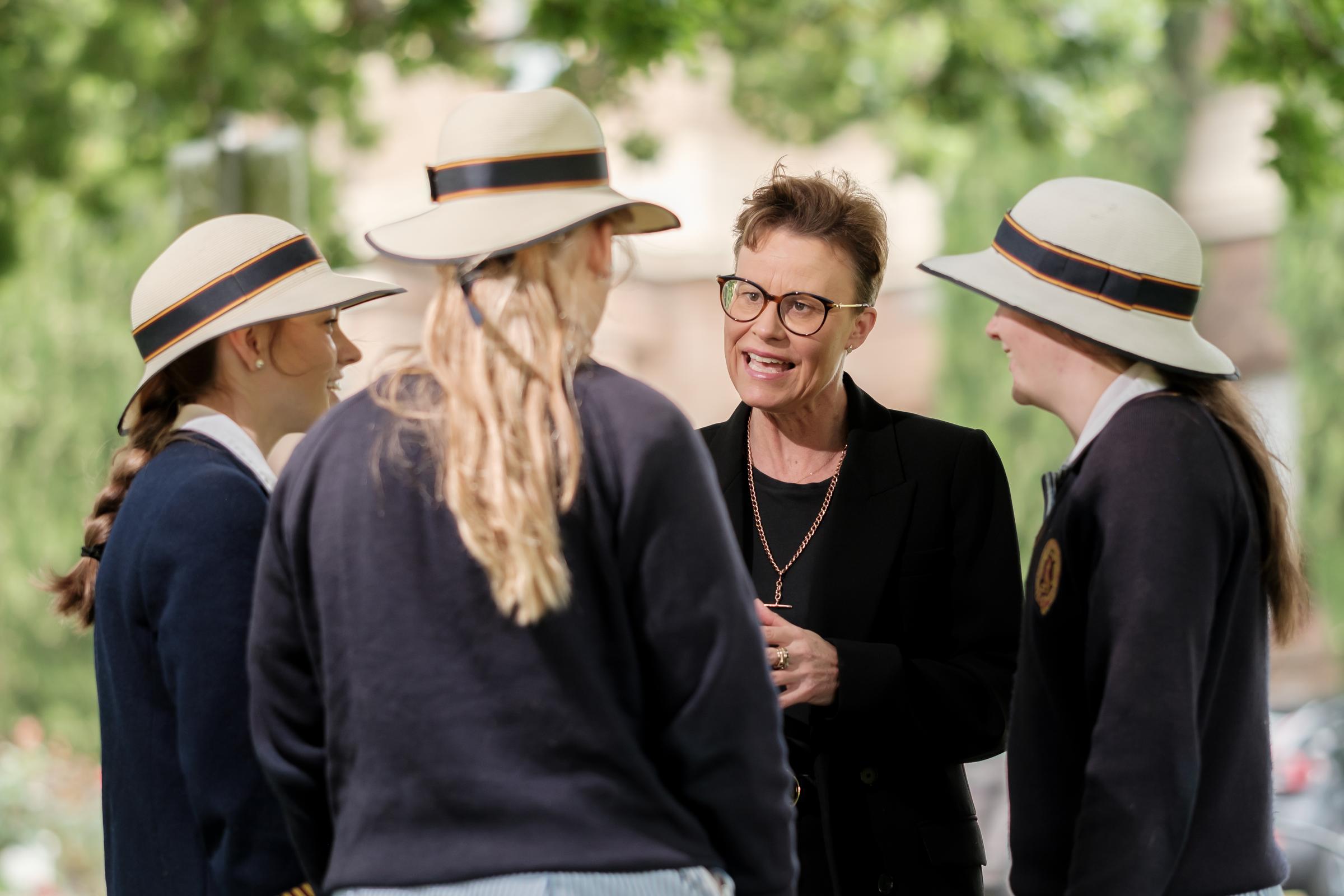
Deputy Principal, Wellbeing
- Miss Kristen Waldron
Helping Kids Cope With Cliques
What's a Clique?
Friendship is an important part of kids' development. Having friends helps them be independent beyond the family and prepares them for the mutual, trusting relationships we hope they'll establish as adults.
Groups of friends are different from cliques in some important ways:
Members of the clique usually follow the leader's rules, whether it's wearing particular clothes or doing certain activities. Cliques usually involve lots of rules — implied or clearly stated — and intense pressure to follow them.
Kids in cliques often worry about whether they'll still be popular or whether they'll be dropped for doing or saying the wrong thing or for not dressing in a certain way. This can create a lot of pressure. Kids may be pressured to take risks like steal, pull pranks, or bully other kids in order to stay in the clique. Kids also can be pressured into buying expensive clothing or getting involved in online gossip and teasing.
Cliques are often at their most intense in middle years, but problems with cliques can start as early as 4th and 5th grades.
When Cliques Cause Problems
For most kids, the pre-teen and teen years are a time to figure out how they want to fit in and how they want to stand out. It's natural for kids to occasionally feel insecure; long to be accepted; and hang out with the kids who seem more attractive, cool, or popular.
But cliques can cause long-lasting trouble when:
How Can Parents Help?
As kids navigate friendships and cliques, there's plenty parents can do to offer support. If your child seems upset, or suddenly spends time alone when usually very social, ask about it.
Here are some tips:
If your child is part of a clique and one of the kids is teasing or rejecting others, it's important to address that right away. With popular TV shows from talent contests to reality series glorifying rude behavior, it's an uphill battle for families to promote kindness, respect, and compassion.
Discuss the role of power and control in friendships and try to get to the heart of why your child feels compelled to be in that position. Discuss who is in and who is out, and what happens when kids are out (are they ignored, shunned, bullied?) Challenge kids to think and talk about whether they're proud of the way they act in school.
Ask teachers, guidance counsellors, or other school officials for their perspective on what is going on in and out of class. They might be able to tell you about any programs the school has to address cliques and help kids with differences get along.
Published by Kids Health: kidshealth.org
MISS KRISTEN WALDRON
Deputy Principal Wellbeing