
Health & Wellbeing @ NLPS

Peer Mediators
Last week, 12 Year 5 and 6 Junior School Council (JSC) representatives participated in Peer Mediation training with Sam. We learnt about our role as Peer Mediators, how to help calm students when resolving conflicts, and what our responsibilities involve.
We explored the importance of not taking sides and learnt about how the brain works (especially what happens when the amygdala is activated), so that we can better support students to feel calm again. We also role-played different scenarios to practise responding in a range of situations.
Another important focus of the day was learning what good listening looks like, including how to show we are listening through our body language. We also discussed the importance of being upstanders and supporting younger students when they may need help.
Peer Mediation will begin next week, and we will be out in the yard every recess to support students. We are very excited and grateful to take on this leadership role and will do our very best to help students across our school. It was a fantastic day and we learnt so much!
Zari and Sarsha
Year 5
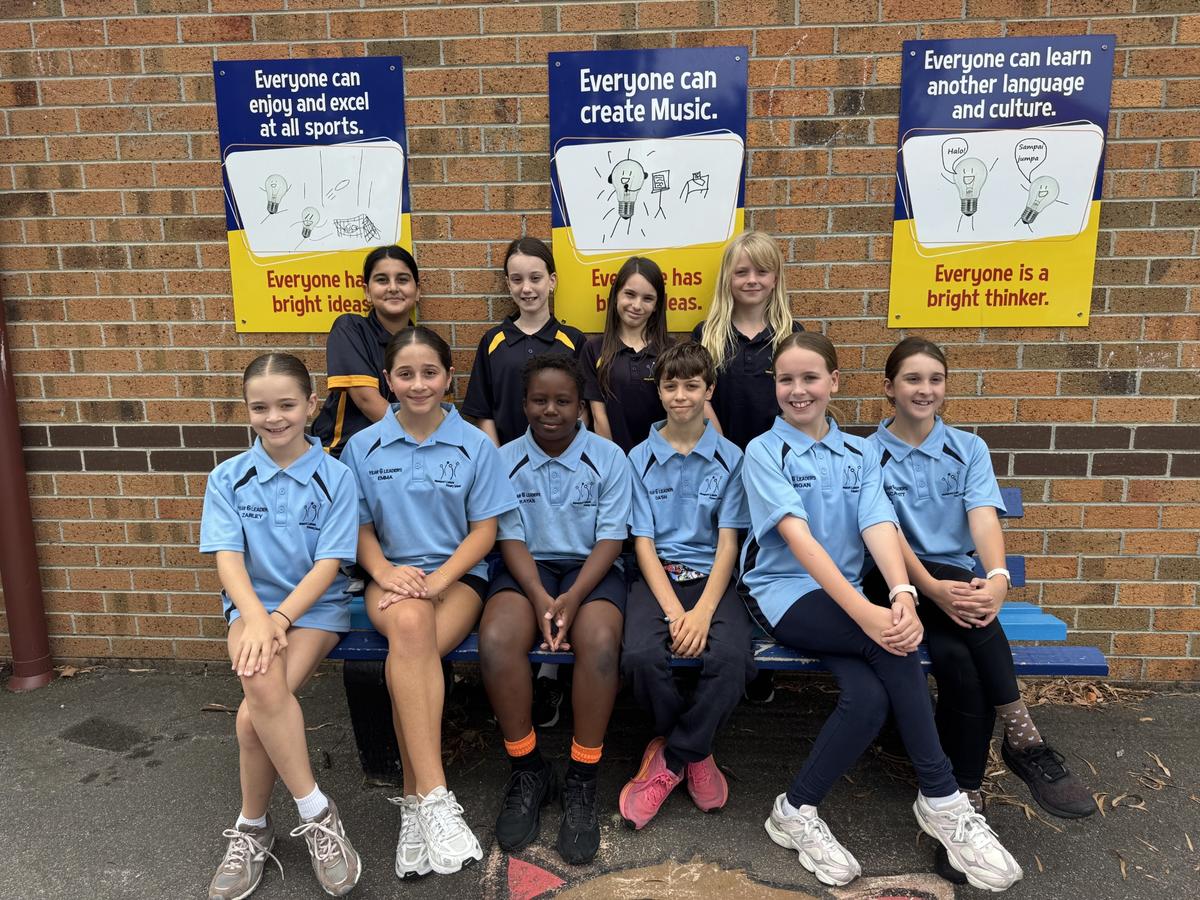
Junior School Council (JSC)
At Newport Lakes Primary School, we recognise Student Voice as a powerful driver of learning, ensuring all students can participate, lead, and help shape their education. We are proud to announce our newly elected Junior School Councillors (JSC) from Years 1–6, who will meet fortnightly to represent their peers and contribute to informed decision-making across the school.
JSC members will receive their badges at assembly on Friday 13th March from 2:30pm, alongside our House, Band, and Art Captains.
This is a wonderful opportunity to recognise and celebrate the leadership and commitment of our student representatives. Parents and carers are warmly invited to attend and share this proud moment with their children.
- 1HW - Abby L
- 1TD - Thomas P
- 1BS - Lola D
- 2CB - Aden A
- 2LC - Milo W
- 2MS - Hamish K
- 2DO - Nikita J
- 3MW - Shay K
- 3MK - Finn T
- 3LL - Ed G
- 3HJ - Harriet Mc
- 4RW - Talarah K
- 4AD - Charlotte D
- 4TC - Zayn A
- 5KP - Leo G & Audrey B
- 5MM - Harvey C & Sarsha M
- 5LP - Zari U & Thea D
- 6JB - Morgan Mc & Zarley G
- 6ED - Scarlett E & Rayan I
- 6JK - Dash Mc & Emma P
We look forward to seeing you there!
Warmly,
Diana, Michelle and Sam
JSC Coordinators
Why Happiness Isn’t the Goal
As parents and carers, we all want our children to be happy. It is natural to wish for sunshine and smiles every day because that is love in its purest form. As a mother, I sometimes find myself trying to give my daughter advice or fix things, when what she actually needs is for me to hold a space for her feelings and just listen. It feels instinctive to take away any discomfort she has or to rescue her from sadness or frustration. I want to protect her from what feels hard.
However, current research in child emotional development shows that stepping in too quickly to solve emotional discomfort can unintentionally teach children to avoid their feelings rather than understand them. When we allow children to experience emotions with support instead of immediately fixing the situation, we help them build emotional awareness and resilience that lasts into adulthood (Lin & Faldowski, 2023; Cooke et al., 2019).
Sadness, nervousness, frustration, and worry are feelings that come and go, and they are just as natural as joy and excitement. Research shows that experiencing a full range of emotions is not only normal, it is healthy. Children who are supported to feel all their feelings, including the difficult ones, grow in emotional strength over time. Neuroscience and developmental science tell us that emotions help children learn about themselves and the world. Sadness teaches them what matters, nervousness can spark preparation and growth, and even frustration can build strength and creative problem-solving skills (Chu Lin et al., 2024).
Why 'Not Being Happy' is Still Okay
Happiness is wonderful, but it is not constant. Even adults, who have more life experience and coping tools, do not feel joyful every moment of every day. Research on emotional wellbeing suggests that people who learn to accept their negative emotions rather than push them away tend to feel better overall and adapt more flexibly to life’s challenges (Ford et al., 2018). Teaching children that emotions are information rather than something to fear supports healthy emotional understanding.
When children feel safe to express their full emotional experience, they build the ability to recognise and respond to feelings. This emotional regulation helps them navigate challenges, form strong friendships, and face new experiences with confidence (Lin & Faldowski, 2023; Chu Lin et al., 2024).
How We Can Support Children Through Tough Emotions
Here are some helpful ways we can support children:
Hold Space With Presence
Instead of minimising feelings by saying “It’s okay, don’t worry,” acknowledge them with words like “I can see you are really sad” or “That was hard to go through.” Naming feelings helps children begin to understand them.
Listen More and Fix Less (This one deserves a post-it note somewhere at my home!)
We naturally want to solve problems for our children, but sometimes what they need most is to feel truly heard. Calm and attentive listening teaches them that emotions are not scary.
Teach Skills Gently
Once a child feels understood, guide them through ways to calm their body or think through what might help. Simple strategies include breathing exercises, grounding activities, or gentle conversation.
Model Emotional Balance
Children learn from watching us. When we show that we sometimes feel nervous or sad, and that these feelings come and go, we give children permission to feel their own emotions without shame.
The Bright Side of the Tough Days
Difficult emotions actually help deepen our appreciation for the good emotions. Research shows that children’s ability to adapt to stress and recover from emotional challenges is strengthened when they notice and respond to their emotions with awareness and support. This mindful recognition of feelings builds emotional flexibility that serves them well throughout life (Cooke et al., 2019).
In this way, each emotion, whether easy or hard, contributes to emotional intelligence. The strength behind every joyful moment comes from knowing it is real because children have felt deeply and have been supported along the way.
However, if you notice your child’s feelings or behaviours are lasting more than a couple of weeks, or affecting their school, friendships, or day-to-day life, it is important to speak with your child’s teacher. Together, we can help your child grow not just to be ‘happy,’ but also emotionally healthy and resilient.
Sam Meddis
Mental Health and Wellbeing Leader