
From the Assistant Principal
This is Bindi.
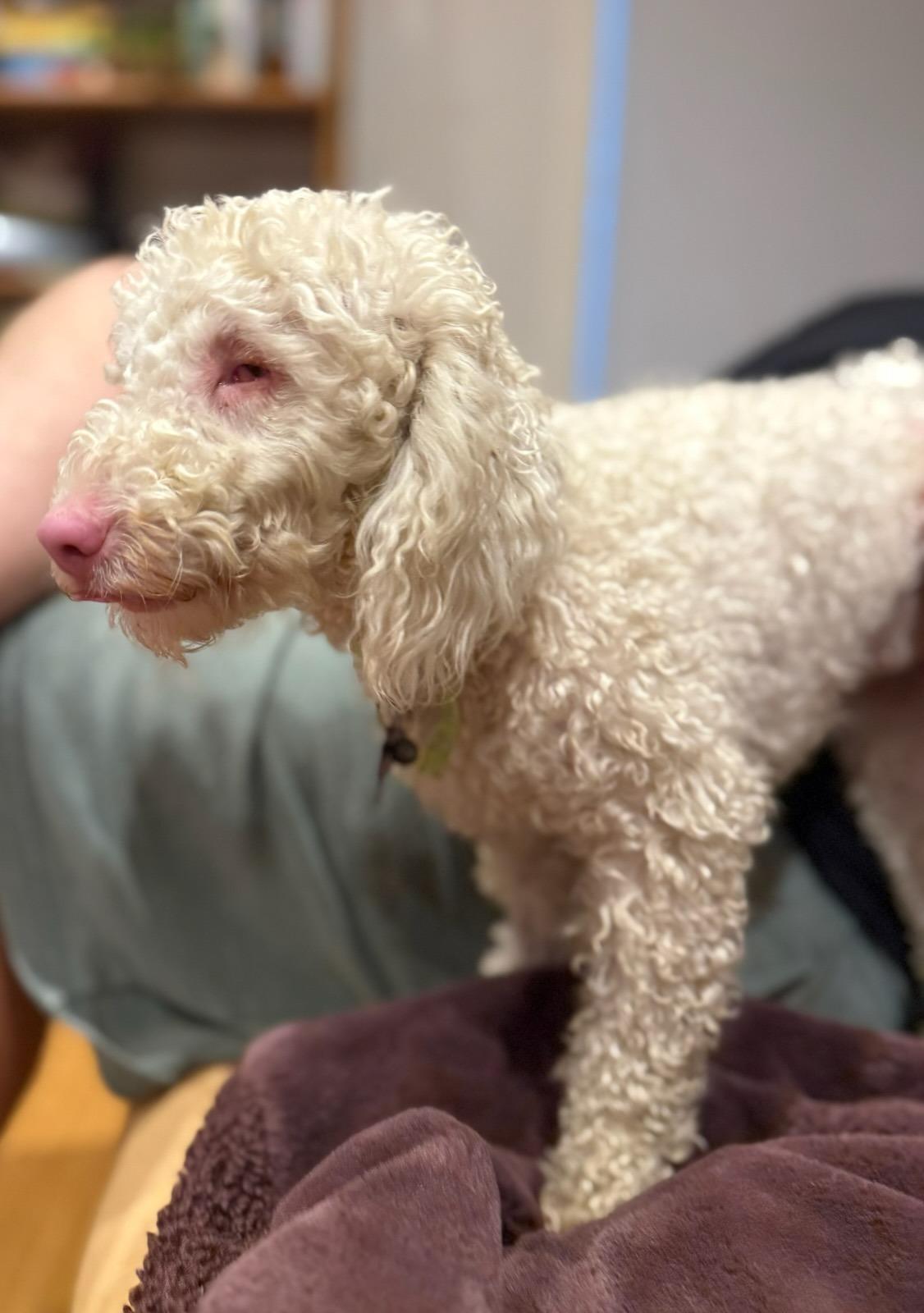
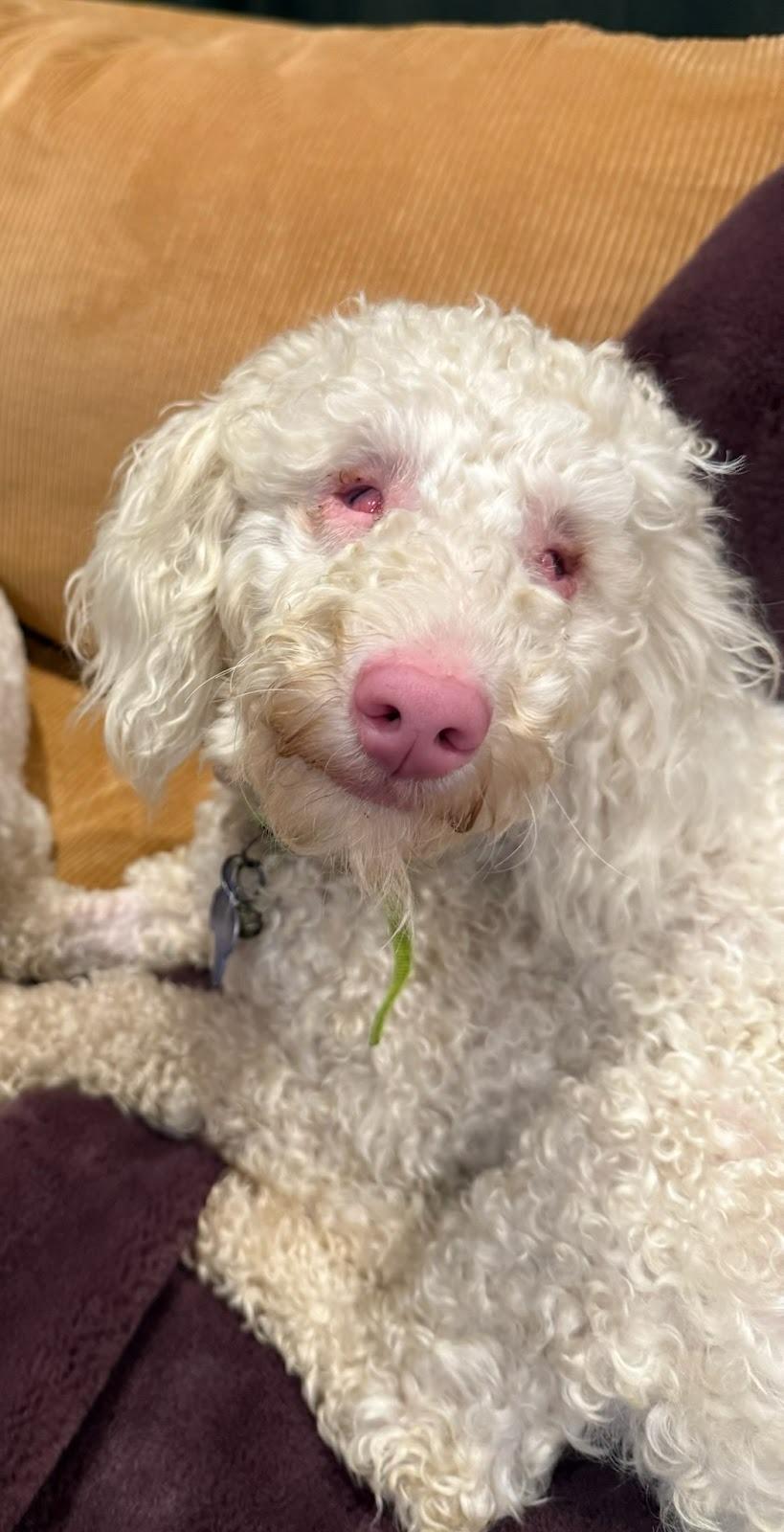
She’s a two year old miniature poodle that was recently rescued from a puppy farm, and is now loving life with a small crew of foster dogs at my place.
Bindi is blind.
She’s deaf.
And she is quite possibly the happiest, friendliest dog you’ll ever meet.
She greets every new person with complete trust. She maps the world through smell and touch. She bumps into things, recalibrates, and keeps going, her tail always wagging.
Finding homes for foster dogs has quietly become a bit of a hobby of mine. There’s something special about watching a dog who hasn’t had the best start in life slowly learn that the world can be safe, kind, and full of second chances.
It does make you think about privilege.
Many of our students begin life with extraordinary advantages; safety, opportunity, education, healthcare, encouragement. Not every child, and not evenly distributed - but compared to much of the world, they have a remarkable head start.
At Newport Lakes Primary School, compassion is one of our values for a reason.
Research consistently shows that explicitly teaching empathy and compassion improves not just wellbeing, but academic outcomes. Students who feel safe, seen, and connected, are more likely to take risks, regulate their emotions, and persist when work becomes challenging. We also know from cognitive science that young people thrive when they feel psychologically safe. A culture of compassion quite literally creates better conditions for deep thinking and growth.
Academic success matters. But so does the kind of humans our students become. The ability to notice someone struggling, to include rather than exclude, to use privilege to lift others; these are the habits that shape strong communities long after school reports are forgotten.
Because without compassion, privilege can quietly turn into entitlement.
Most of us have a story from our childhood that we look back on with a cringing shiver (or more than one story in my case… I’ll tell you about the time I ruined Christmas another day) when our wants outweighed our awareness of others.
Schools are not just places where children learn to read, write, and think. They are places where young people learn to notice others. To include. To advocate. To show care when it would be easier not to.
Bindi doesn’t know she’s blind and deaf. She simply trusts that the world will meet her kindly.
Our hope for our students is not that life will always be easy - but that they will grow into adults who choose kindness, especially when they don’t have to.
And if you happen to be looking to add a small, very joyful, very wiggly poodle to your family… come and see me.
Mat Williamson
Assistant Principal (and always happy to be outnumbered by dogs)