
Year Seven-Nine
Coaching Parade Campus

Year Seven-Nine
Coaching Parade Campus
Welcome back to Term Two! We hope all of our students and families had a restful and enjoyable break. It has been wonderful to see students returning ready to learn and reconnecting with their teachers and peers.
As we begin the term, we would like to remind students and families of a few important expectations that help ensure a positive and productive start to each school day.
Students are expected to attend school each day in full school uniform. Wearing the correct uniform helps build a strong sense of community and pride in our school.
If a student needs to attend out of uniform for any reason, we kindly ask that they bring a note from home or that a parent/carer emails their Homeroom teacher to let us know. This helps us support students quickly and means our staff do not need to follow up with a phone call home during the school day.
A reminder that students should arrive at school before 8:45am to allow time to organise themselves and be ready for learning when classes begin. Students arriving after 8:50am are required to sign in through the office.
Starting the day on time helps students settle into learning routines, connect with their peers, and avoid missing important instructions and learning opportunities.
Thank you to all families for your ongoing support in helping our students start each day ready to learn. We are looking forward to a fantastic Term Two together.
A reminder that the Big Science Competition is coming up for students who have signed up to participate.
The competition will take place during Period 1 – Enrichment at Coaching parade Campus on the following dates:
Year 8: Wednesday 6 May
Year 9: Thursday 7 May
Year 7: Tuesday 12 May
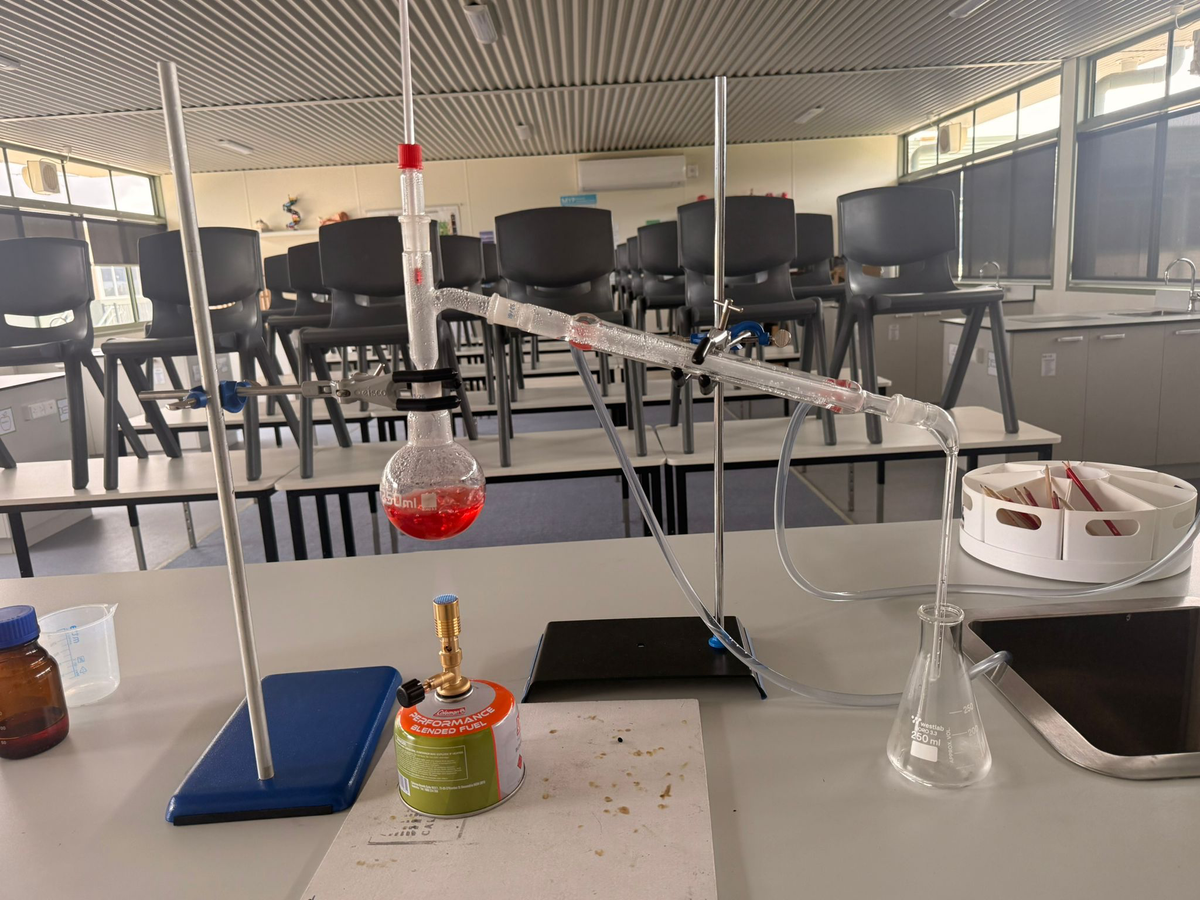
Over the last few weeks our Year Seven students examined the three states of matter, solids, liquids, and gases, and explored how particles behave in each state. They investigated changes of state such as melting, freezing, evaporation, condensation, and boiling, helping them understand how matter can change form.
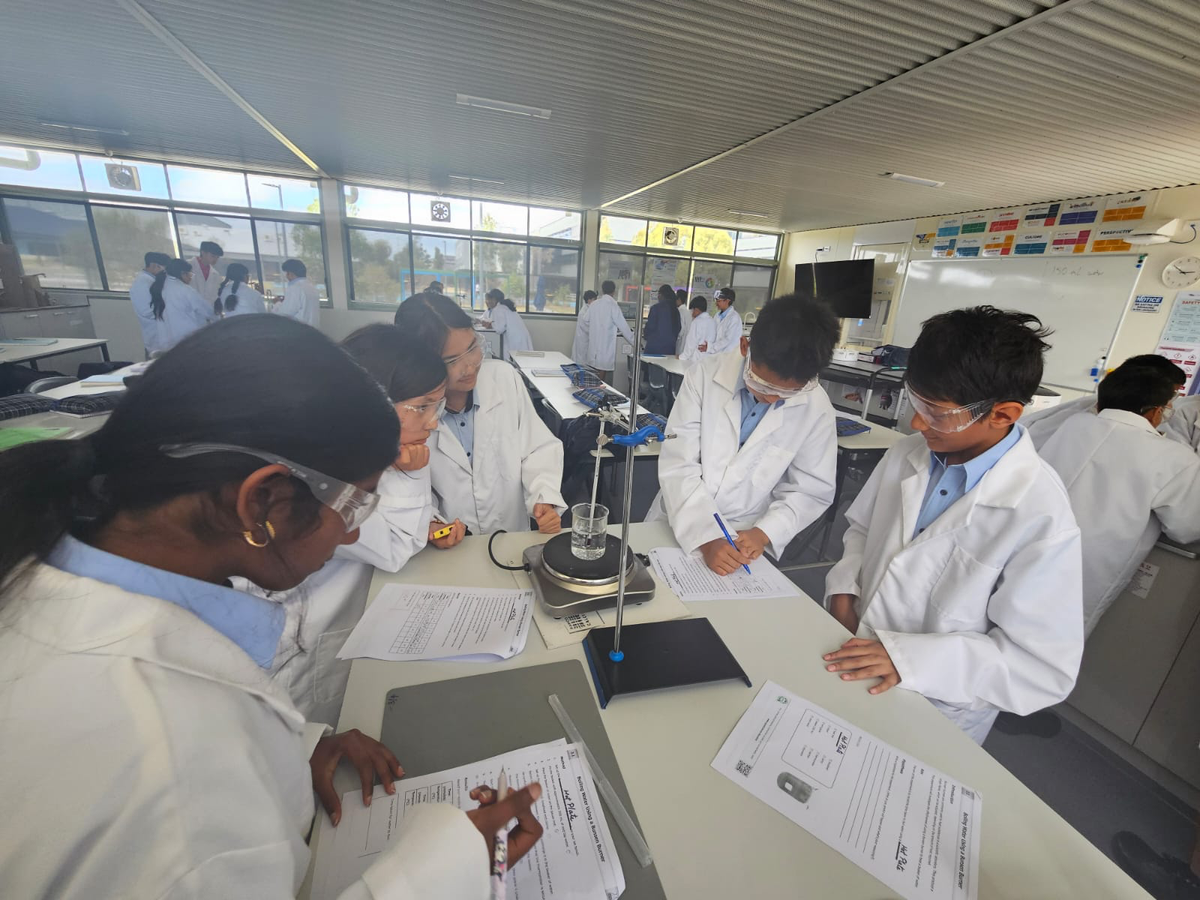
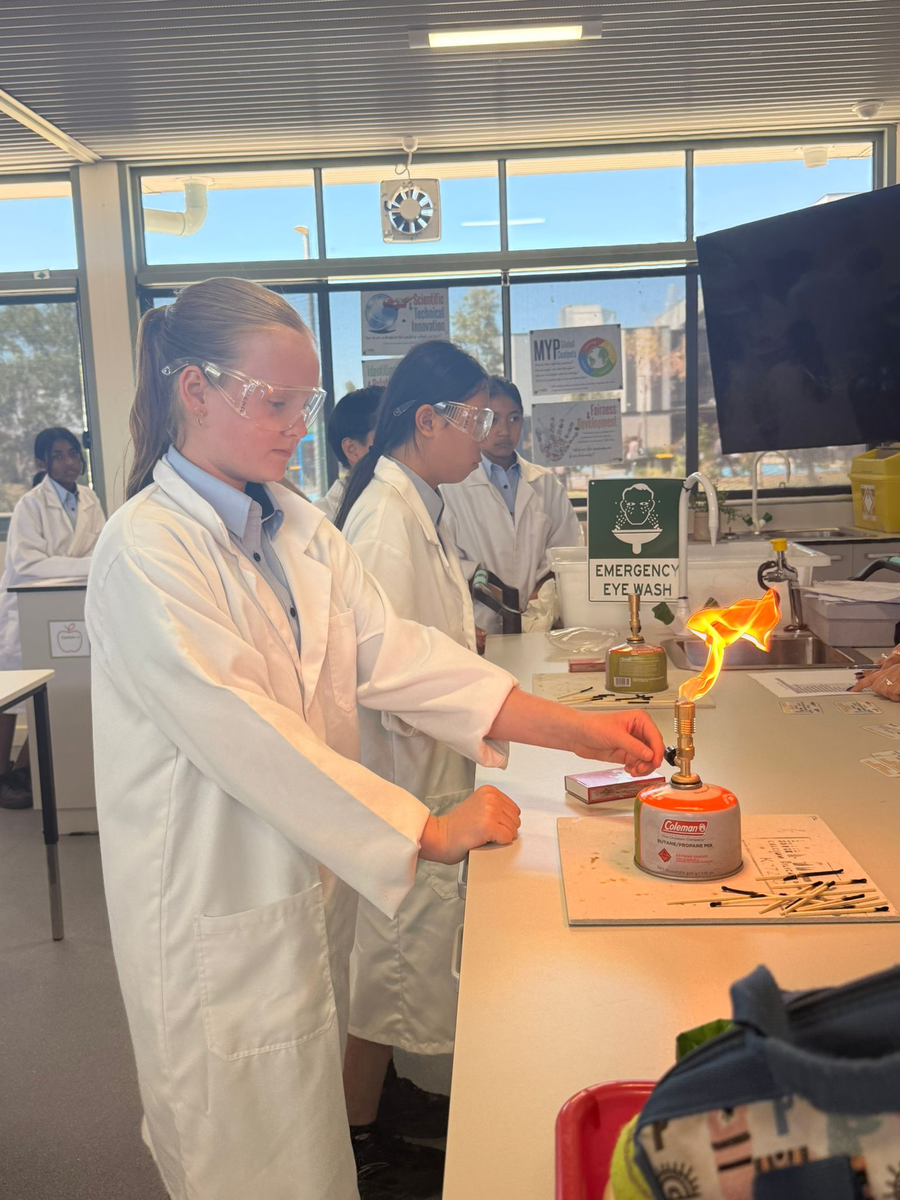
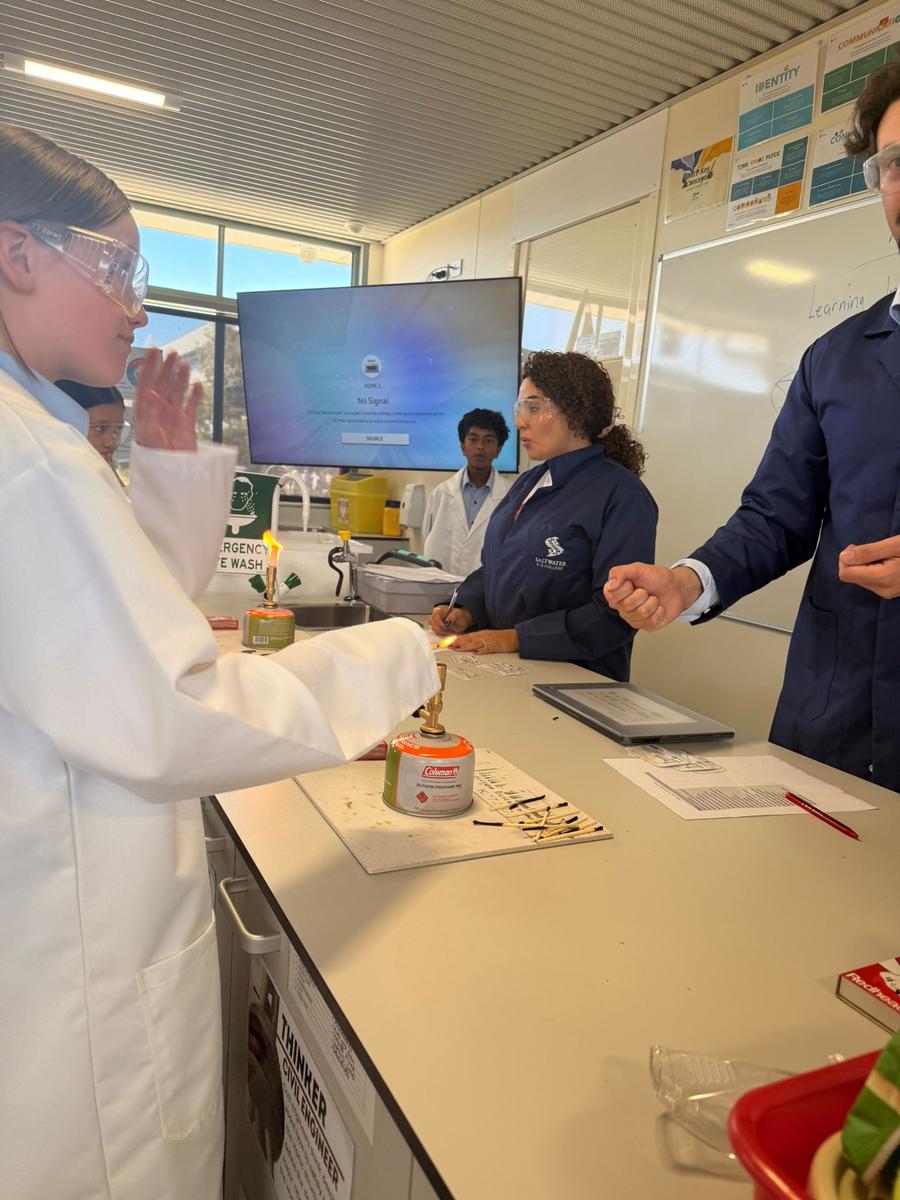
Throughout the term, students developed their practical laboratory skills by learning about science safety rules and becoming familiar with common laboratory equipment. They also worked towards earning their Bunsen burner licences, demonstrating safe and responsible use of this important piece of equipment.
This term, Year Seven students will begin studying Physics, with a focus on forces and simple machines. They will investigate how pushes and pulls affect motion and how machines such as levers, pulleys, gears, and ramps can make work easier.
Well done to Year Seven students for their curiosity, effort, and enthusiasm throughout the term.
Last term in Year Eight Science, students explored the fascinating world of cells and body systems. They learned about the differences between plant and animal cells, including the key parts of each cell and the important jobs these structures perform.
Students also developed their practical science skills by using microscopes to observe cells more closely. This helped them build confidence with laboratory equipment while making scientific observations and recording what they could see.
As part of their learning about body systems, students investigated how different organs and systems work together to keep living things functioning. This week, they will extend this learning through a heart dissection, giving them the opportunity to examine the structure of the heart and better understand how it supports the circulatory system.
This term, the Year Eight students will be shifting their focus to Physics. They will be learning about types of energy, energy transformations and transfers, and simple electricity and circuits. Students will continue to build their scientific thinking and practical investigation skills through hands-on activities and experiments.
Well done to Year 8 students for their curiosity, focus, and enthusiasm. We are looking forward to another exciting term of Science learning ahead!
This term, our Year 9 students have begun their second unit of Biology with an exciting hands-on investigation. They started by learning how to safely swab everyday items to test for the presence of bacteria. Using agar plates, students collected samples from common objects such as keys, shoes and computers.
The results were eye-opening, with many students surprised by just how much unseen microbial life exists in their daily environment.
As the term progresses, students will build on this foundation by exploring DNA and genetics. They will investigate how genetic information is passed on and begin to understand what makes each individual unique.

In Year Seven Business Studies, we have covered important topics related to money management and financial literacy for students. We discussed the basics of currency and teaching students the value of money. We also explored the concept of cheques and how they are used for making payments, emphasising the importance of writing them properly and securely.
Additionally, we delved into the differences between credit and debit cards, highlighting the pros and cons of each and how they impact a student's financial decisions. We also explored various payment methods available to students, including cash, electronic transfers, and mobile payments, to help them understand the different ways they can manage their money. We also provided tips on buying wisely, teaching students to budget and prioritise their expenses to make informed purchasing decisions.
Lastly, we discussed the benefits and risks of buying and selling online, guiding students on how to spot scams and protect their personal information. We emphasised the importance of conducting research before making any online transactions and provided tips on safely navigating e-commerce platforms. By educating students on these topics, we hope to empower them to make smart financial decisions and develop good money habits for the future. Thank you for your continued support in helping us educate our Year Seven students on financial literacy.

In Year Eight, we discussed important topics related to consumer protection, loans, and budgeting. It is crucial for our students to understand their rights as consumers and how to protect themselves from scams and fraudulent practices. We encourage you to have open discussions with your children about being cautious when making purchases and to always research companies before doing business with them.
Additionally, we touched on the importance of proper budgeting and financial planning. Teaching your children to create a budget and stick to it can help them develop good financial habits for the future. We recommend sitting down with your students to discuss their expenses, income, and savings goals to ensure they are on the right track towards financial stability.
Lastly, we covered topics such as price fluctuations, investing, buying a car, and renting or buying property. These are important aspects of personal finance that your children will encounter as they enter adulthood. It is essential for them to understand the risks and benefits associated with each of these financial decisions. We hope this newsletter provides you with valuable information to help your children navigate the complex world of personal finance.
In our recent Year Nine classes, students have been delving into the world of career planning and job hunting. They have been learning about the skills and qualifications needed to succeed in their desired fields, as well as how to effectively search for job opportunities. This knowledge will serve them well as they prepare for their future career paths.
Students have also been introduced to the fundamentals of business management, including the history of management, organisational environments, and cultures. They are learning about the different management styles and approaches that have evolved over time, as well as how to navigate the complex organisational structures and dynamics of the business world.
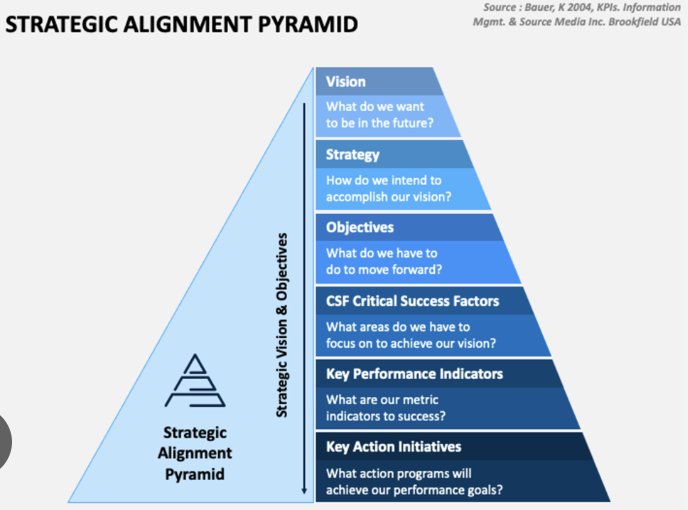
As part of their studies, students have been exploring strategic management concepts such as planning, goal setting, and organisational strategy. They have also been introduced to important tools and frameworks such as Porter's 5 Forces, BCG Matrix, and SWOT Analysis, which will help them analyse and make strategic decisions in real-world business situations. These skills will be crucial as they embark on their careers and navigate the competitive business landscape.
Thank you for your continued support as we guide and empower your children to succeed in their academic and professional pursuits.