
News from our Assistant Principal
Louise Gordon| Assistant Principal
News from our Assistant Principal
Louise Gordon| Assistant Principal
Semester Two student reports will be sent out to parents on Friday, 12th December via COMPASS.
Parents of Year Six students are reminded to print a copy of their child’s report before the end of the year as access will be removed after the 17th December 2025.
Parents, this is a special time for you to praise the efforts of your child for the school year. The level of effort a child puts into their work is important to acknowledge in addition to the level of performance grade awarded. Praise this where appropriate. Comparative tables for grades Year 1 - Year 6 will be available from the office.
Parents are asked to contact their child’s class teacher via email to organise an interview time, if they would like to discuss the Semester Two report.
The last school assembly for student awards will be Friday 12th December.
The whole school end of year Mass will be celebrated on Tuesday 16th December commencing at 9.30am.
At the conclusion of this Mass awards will be presented to acknowledge outstanding student engagement in learning and to those students who have modelled the Mercy values.

Students will have the opportunity to meet their teachers and class peers for the 2026 school year on Wednesday 17th December 2025.
Student resource lists for the new school year will be communicated via Compass after this day.
Parents are reminded that once class groups have been announced there will be no changes in relation to student placement.
As we approach the busy holiday season, we would like to kindly remind everyone of the importance of ensuring student safety, particularly in the lead-up to Christmas.
Due to increased traffic around our school grounds and surrounding local business areas during this time of year, we ask that parents refrain from parking in these areas when dropping off or picking up students. This includes Caringbah Hotel, Dan Murphy, staff car park and Burns Lane. This will help ensure a safer environment for our children, staff, and the wider community.
We appreciate your cooperation in keeping our school community safe and look forward to your continued support as we work together during this busy time of year.

Parents please be reminded that Our Lady of Fatima is a NO NUTS school with many students having a variety of allergies. We recommended that lolly bags, chocolates etc are not sent to school for birthdays or events.
In addition we ask that students don’t give out Christmas candy canes. Students can give Christmas cards but please refrain from giving candy canes/lollies.
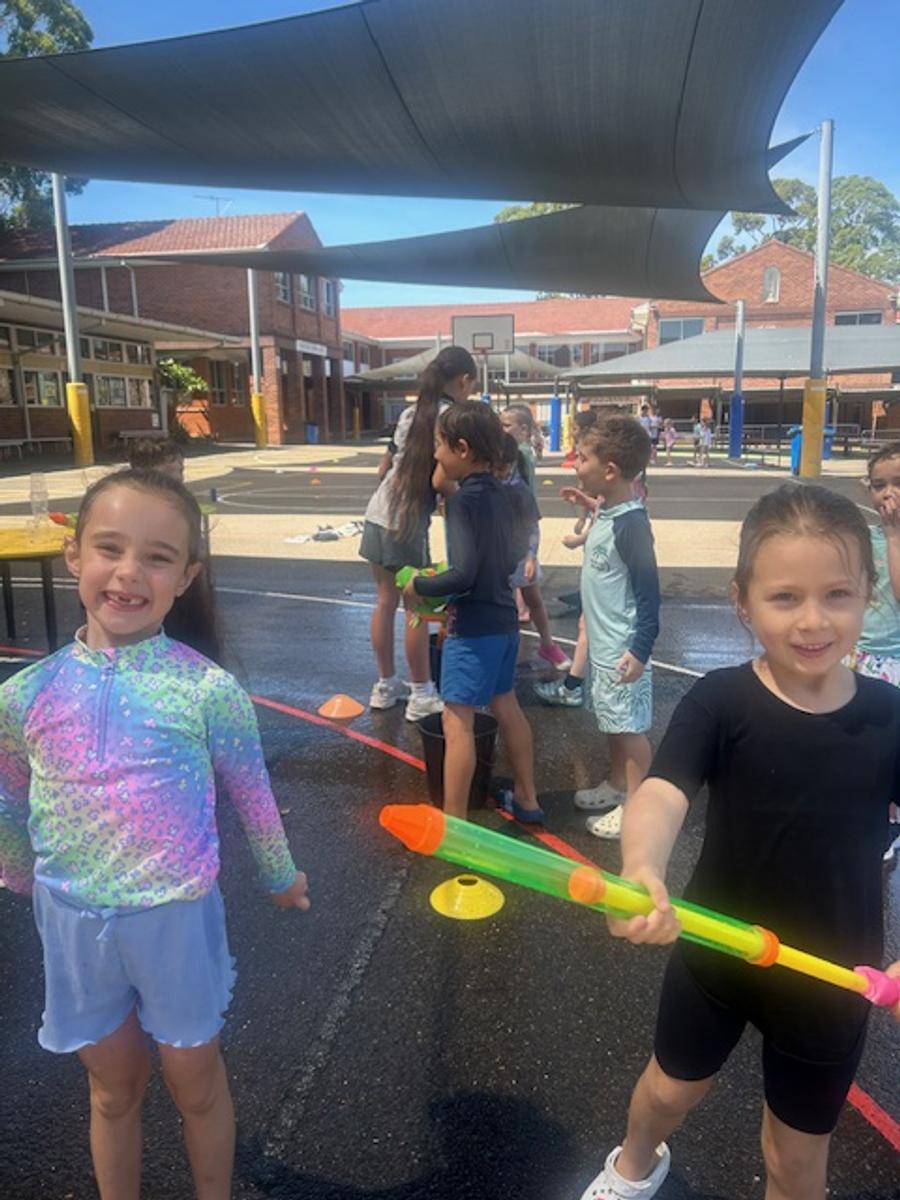
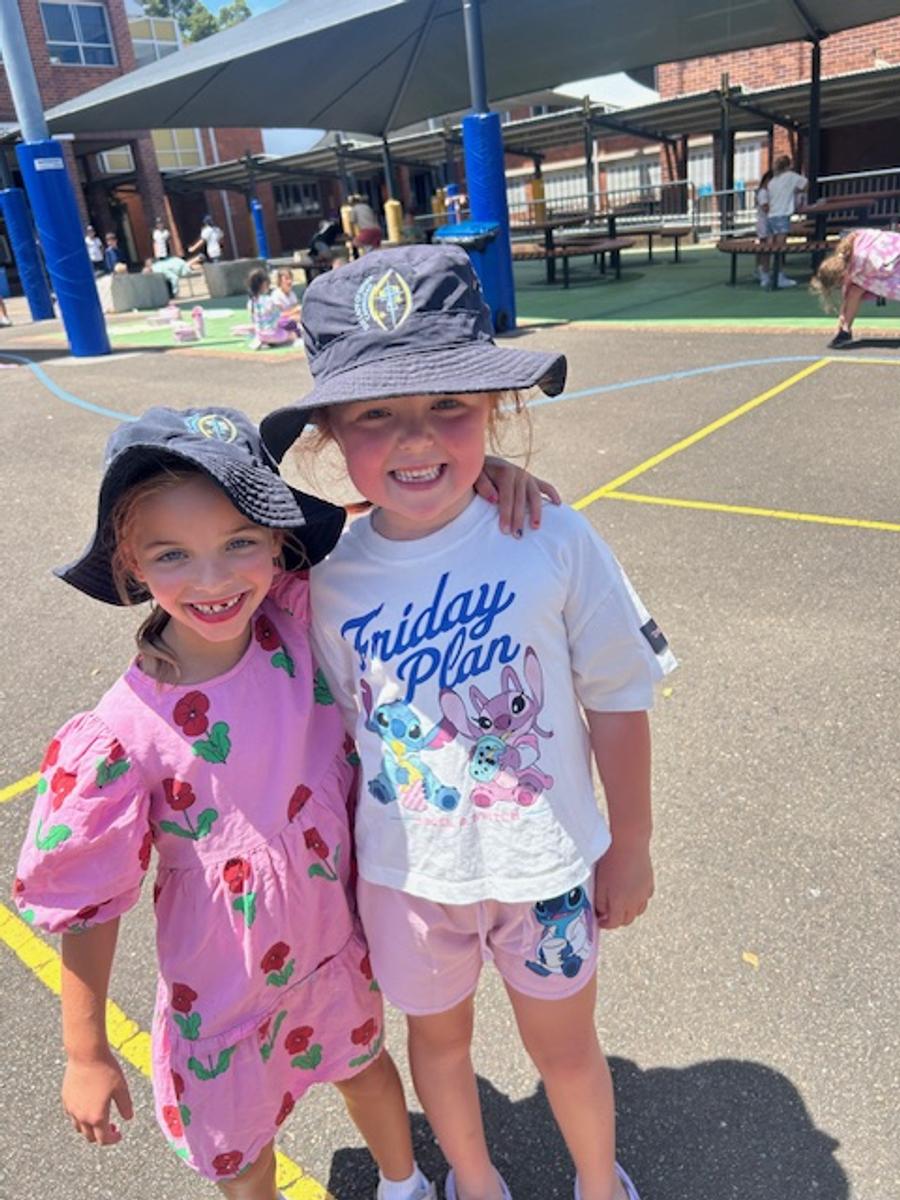
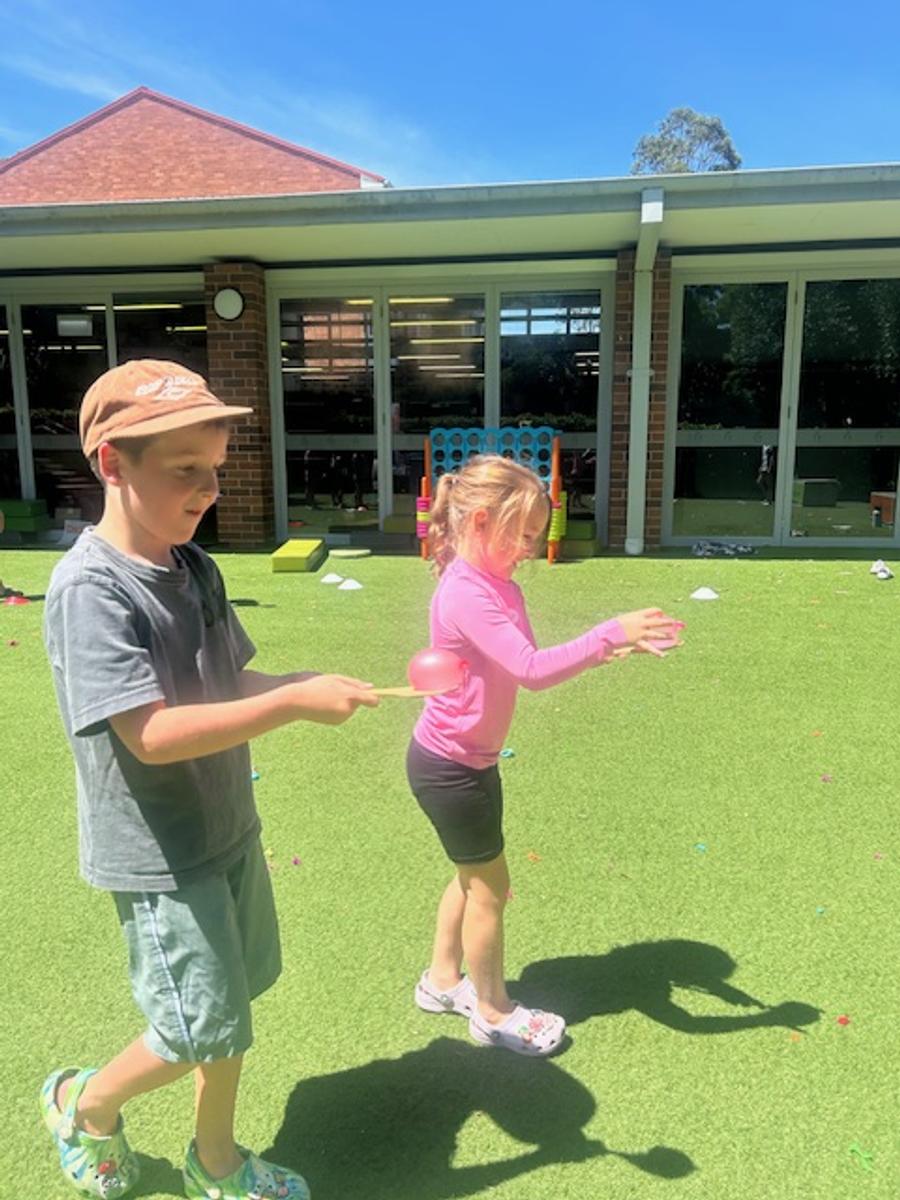
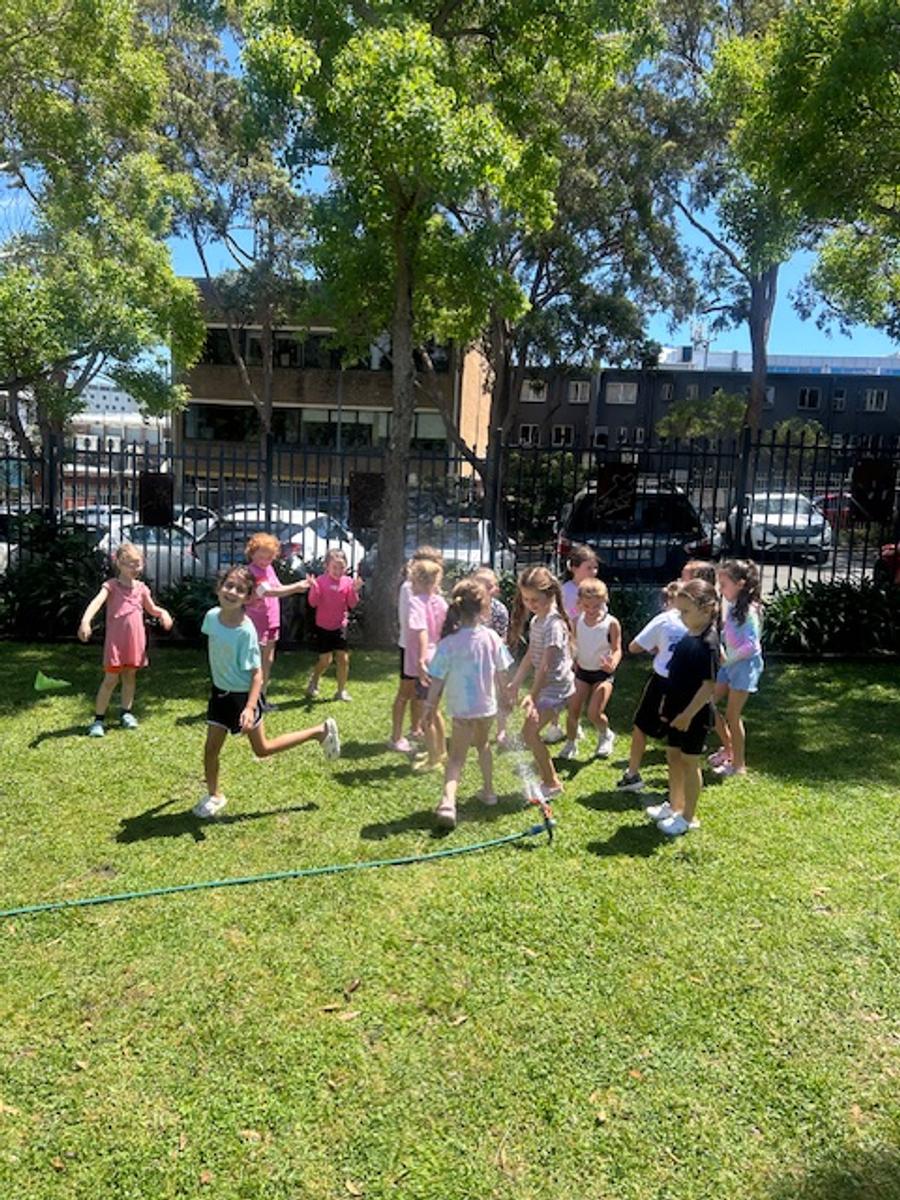
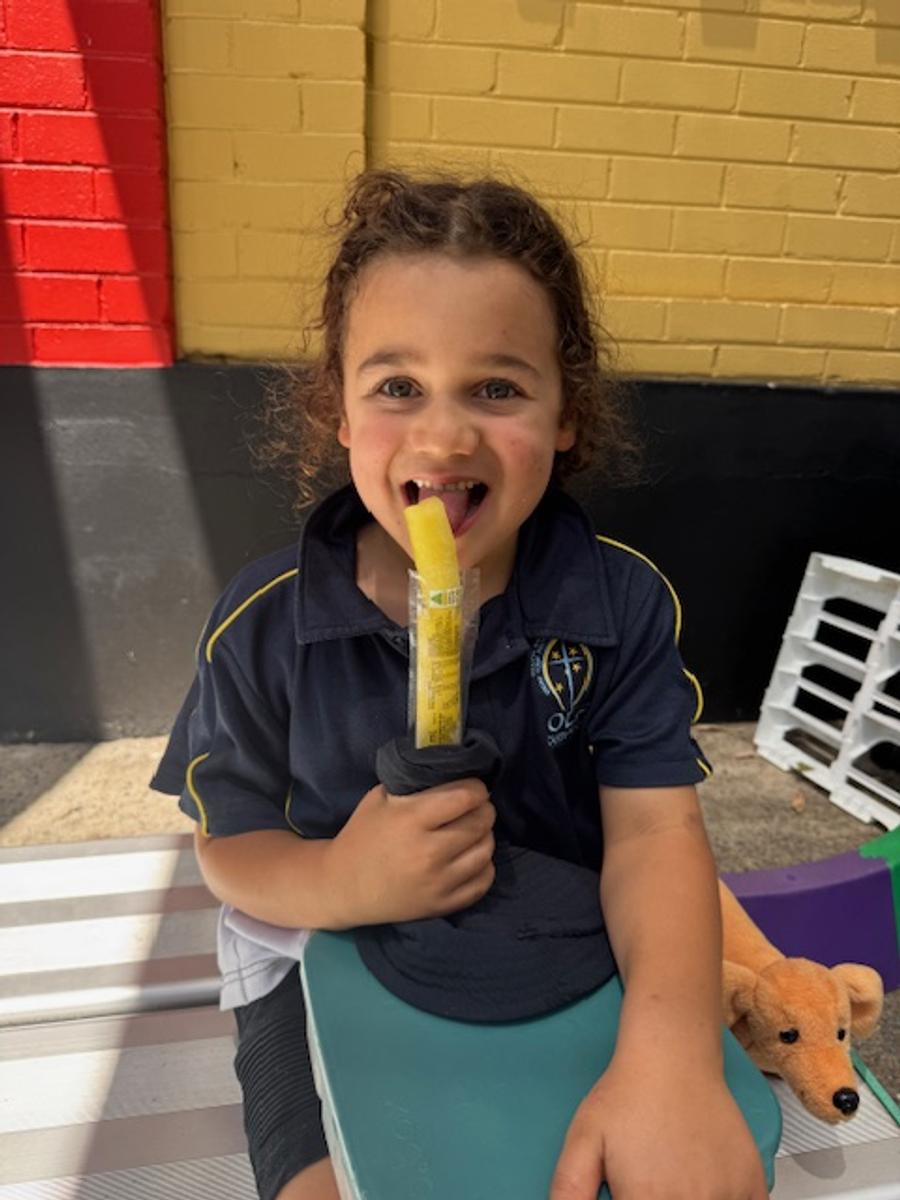
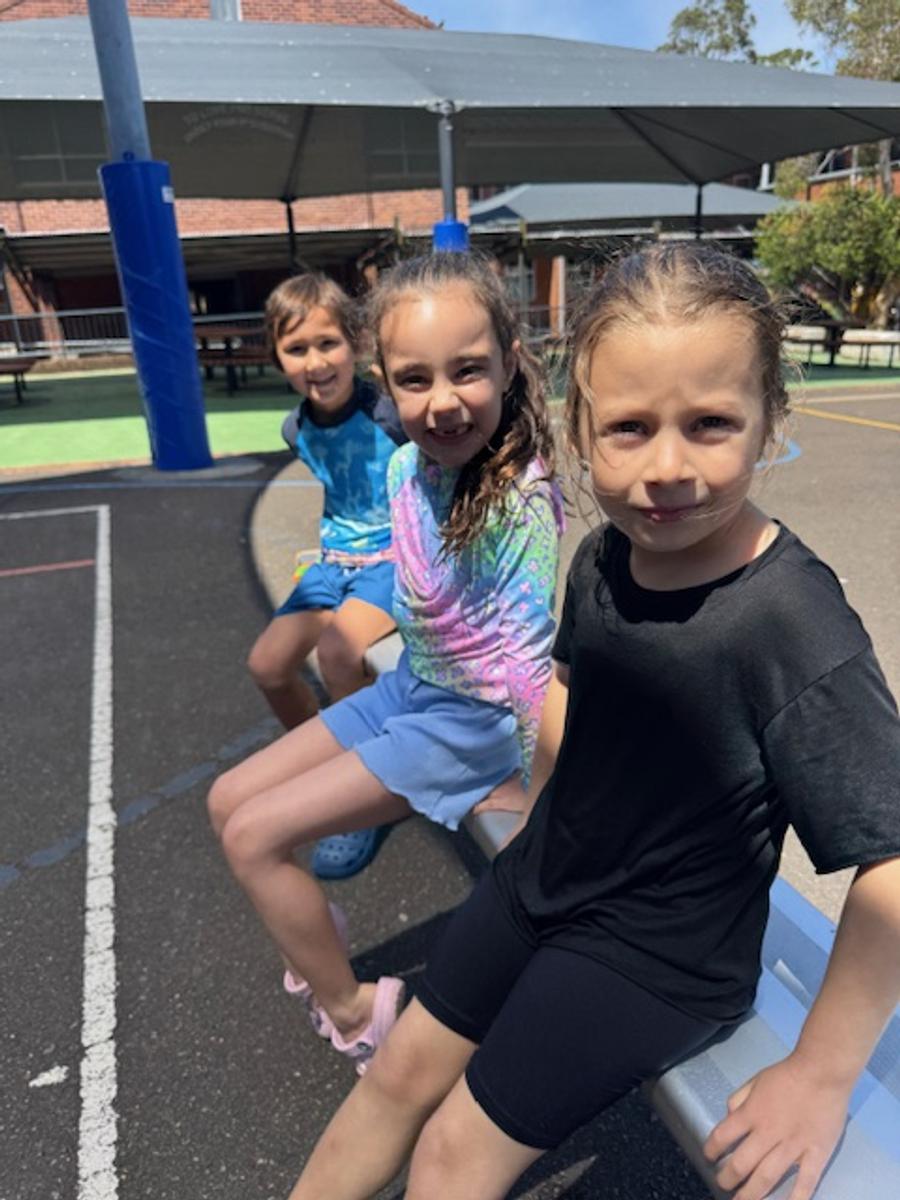
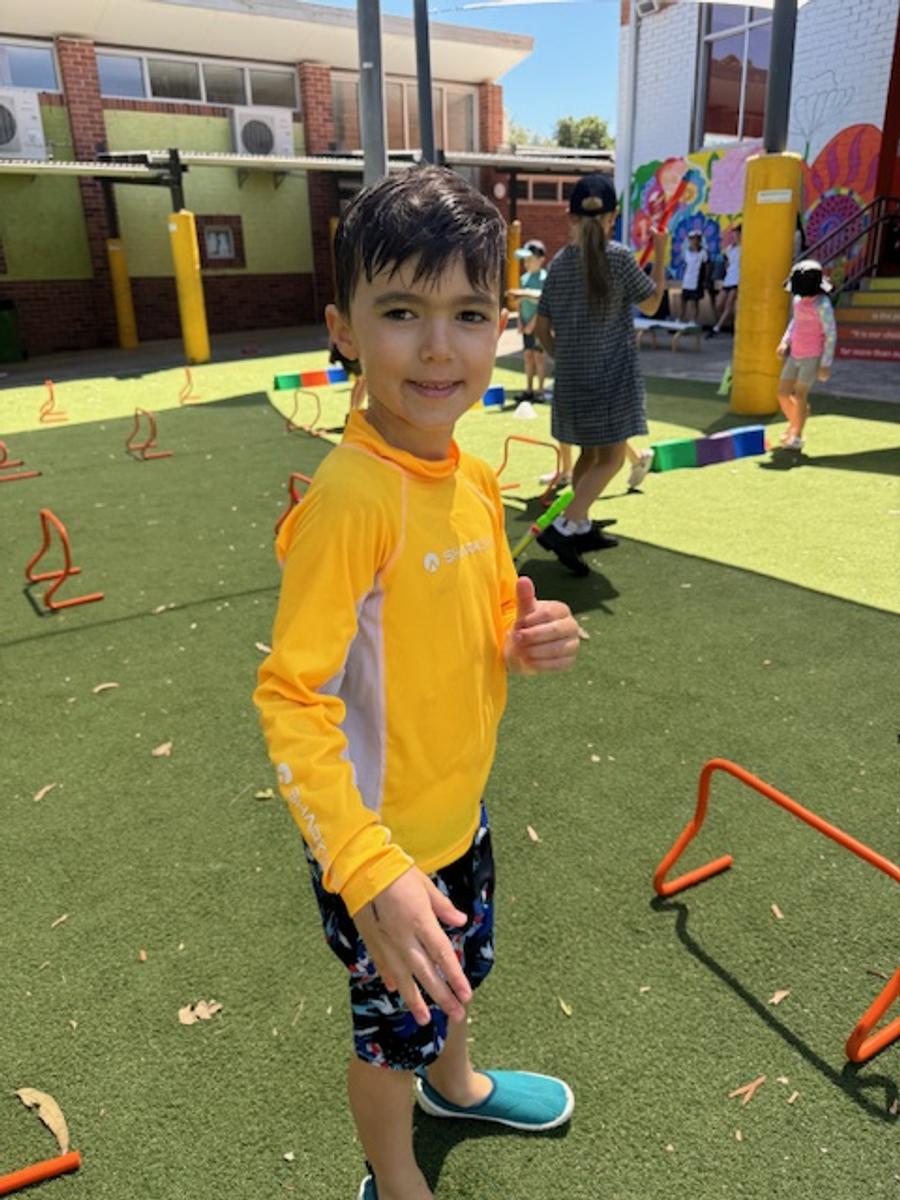
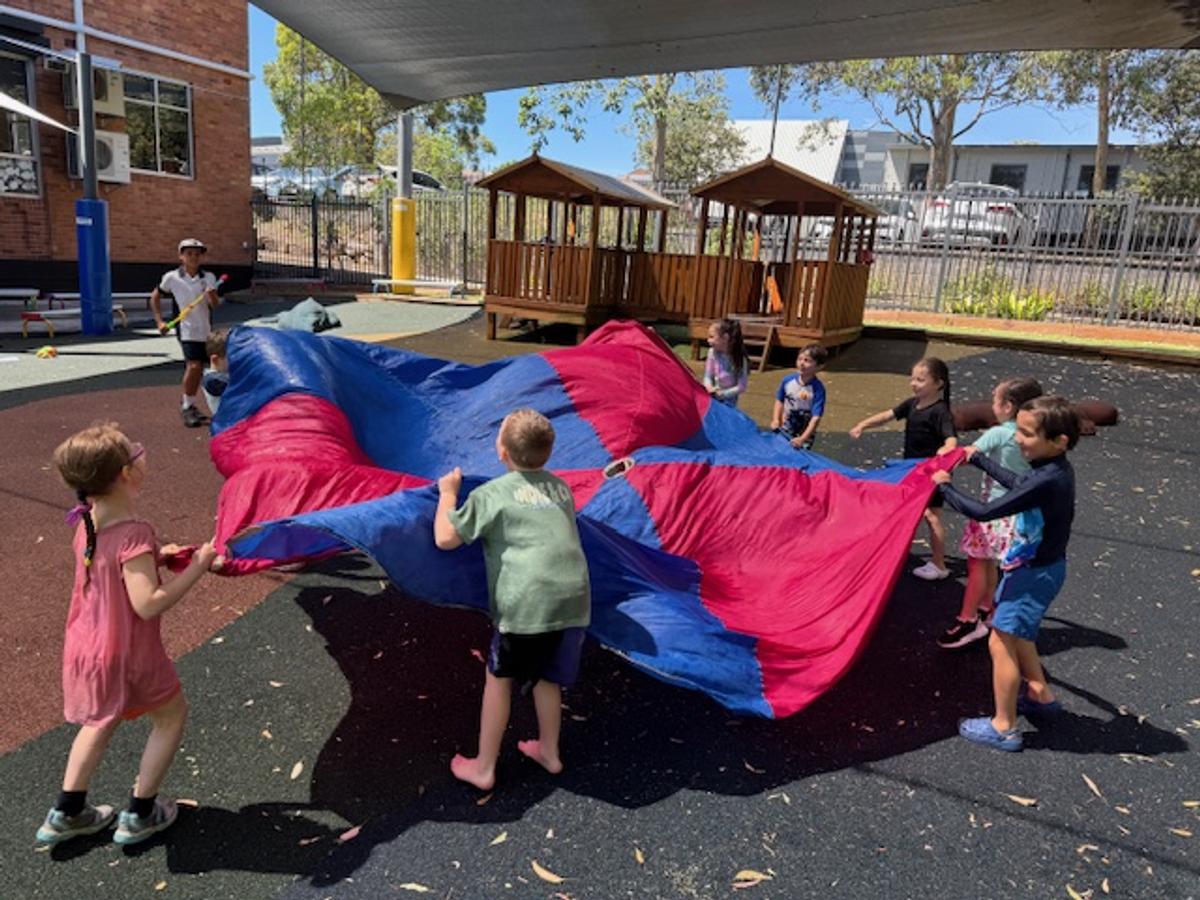
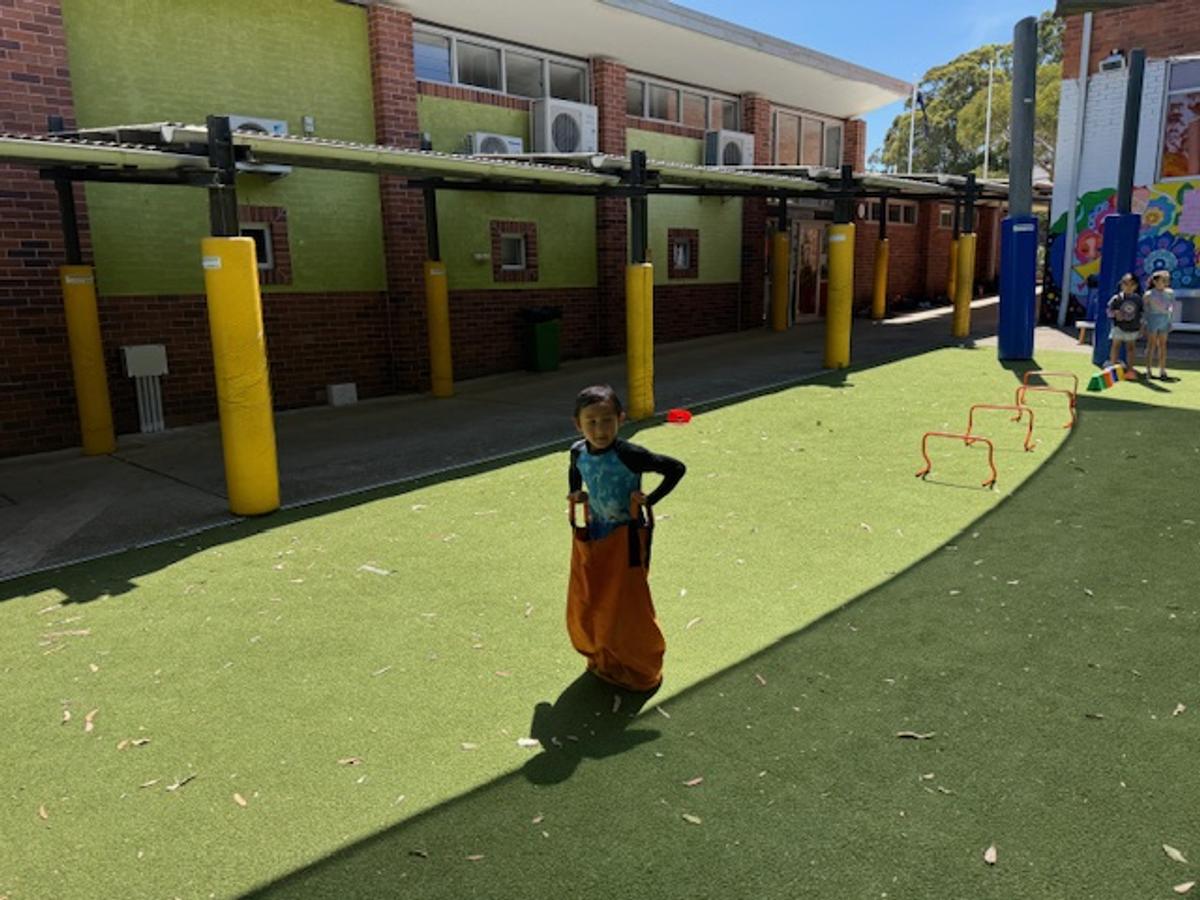
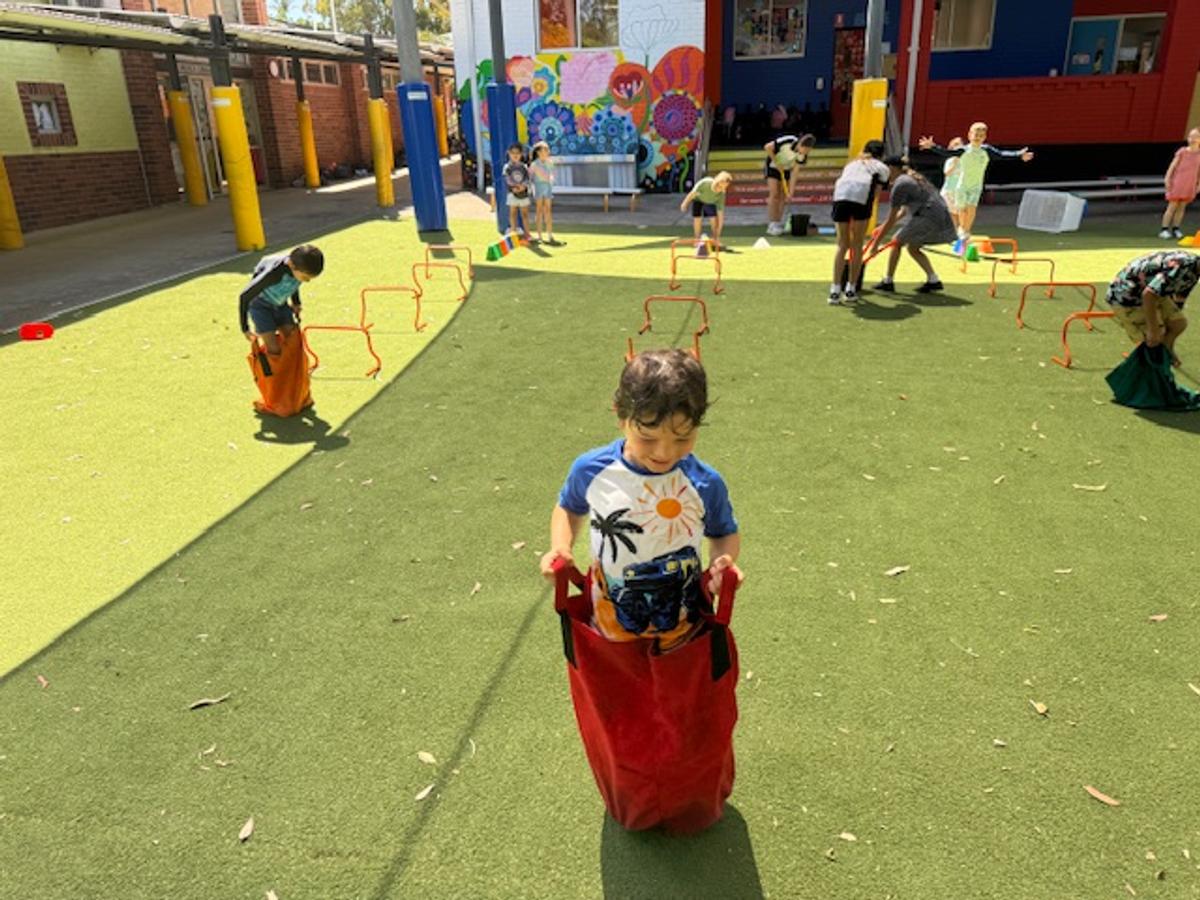
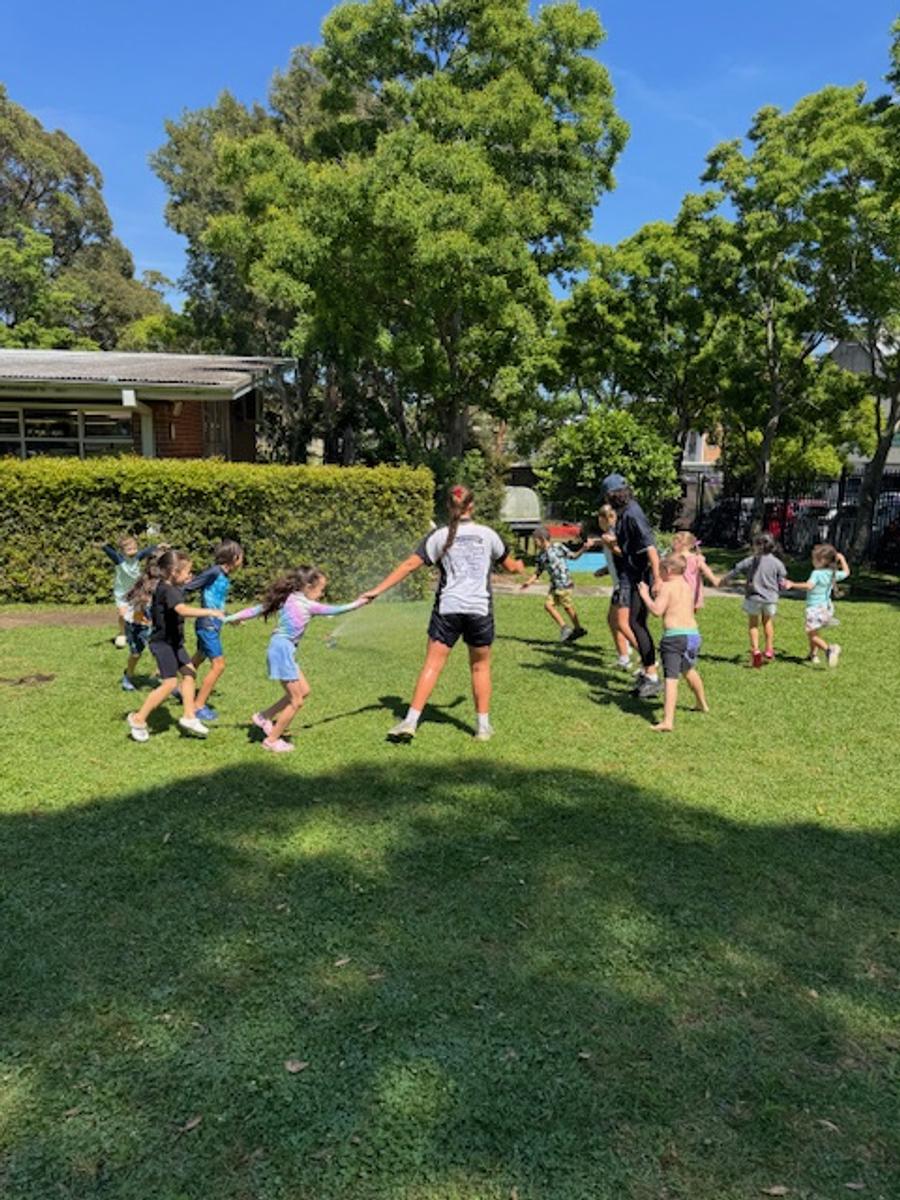
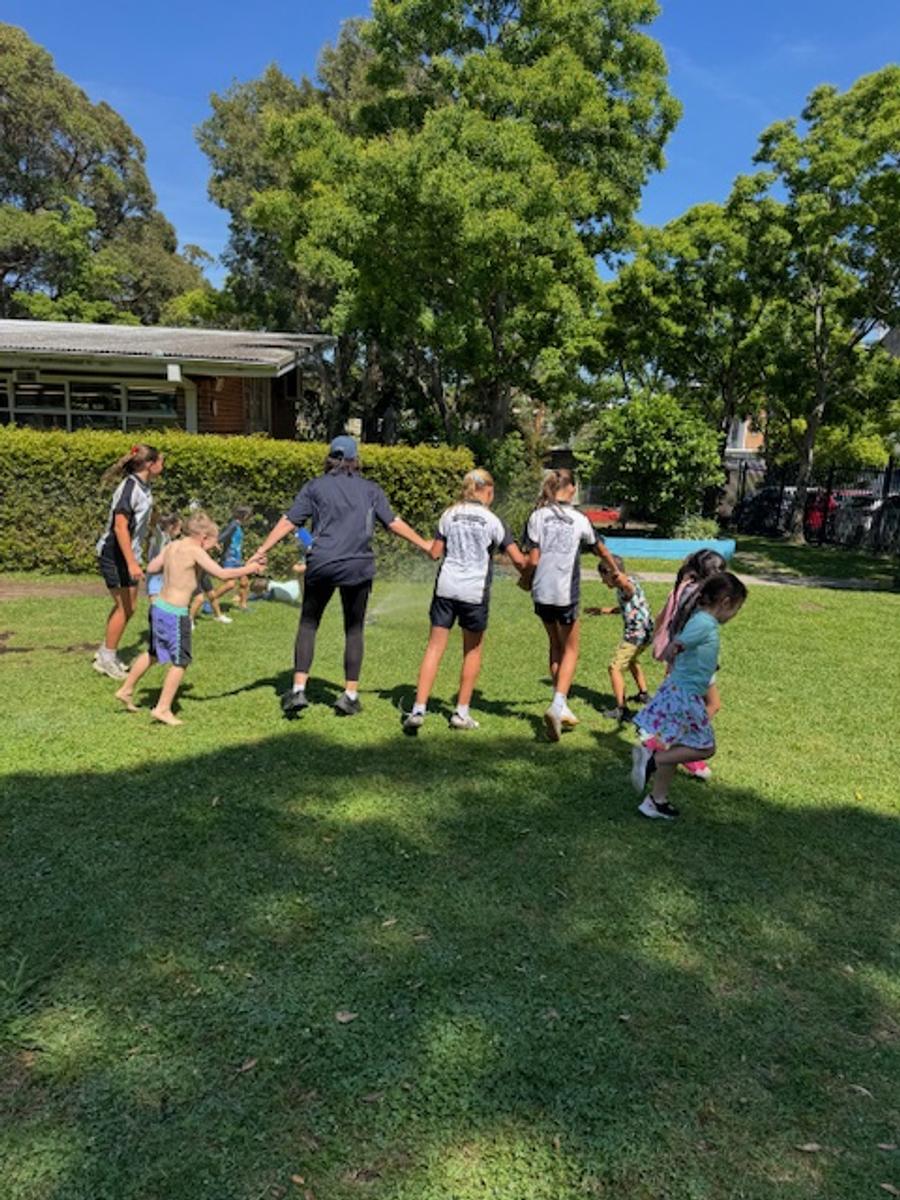
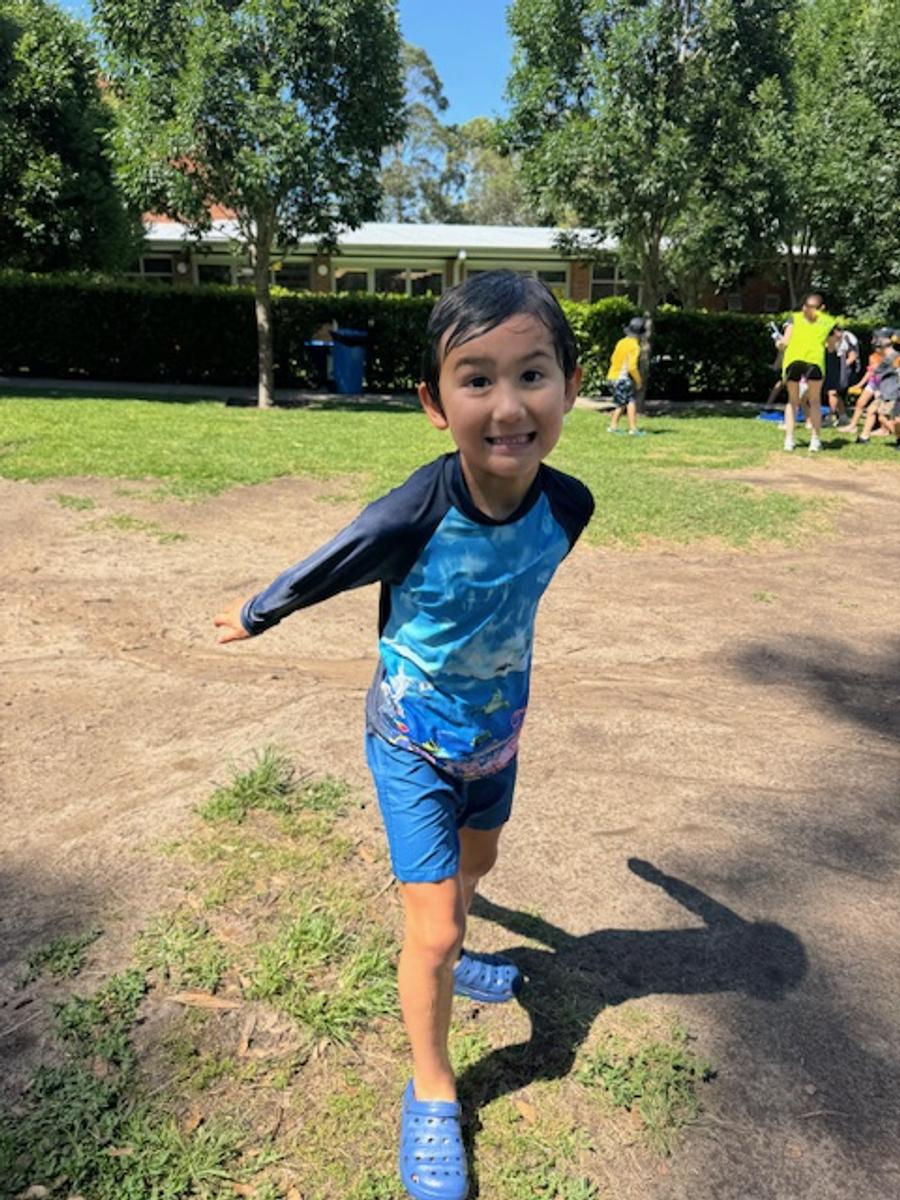
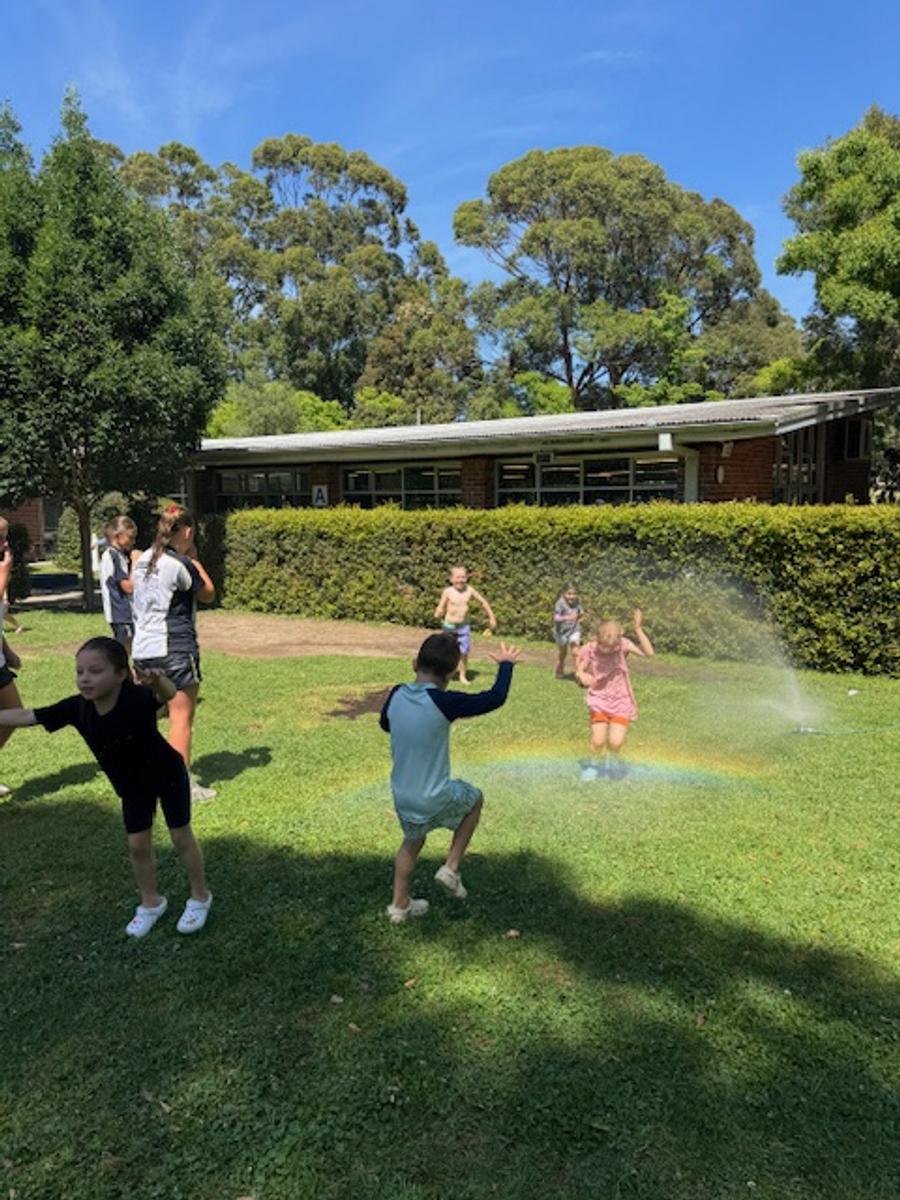
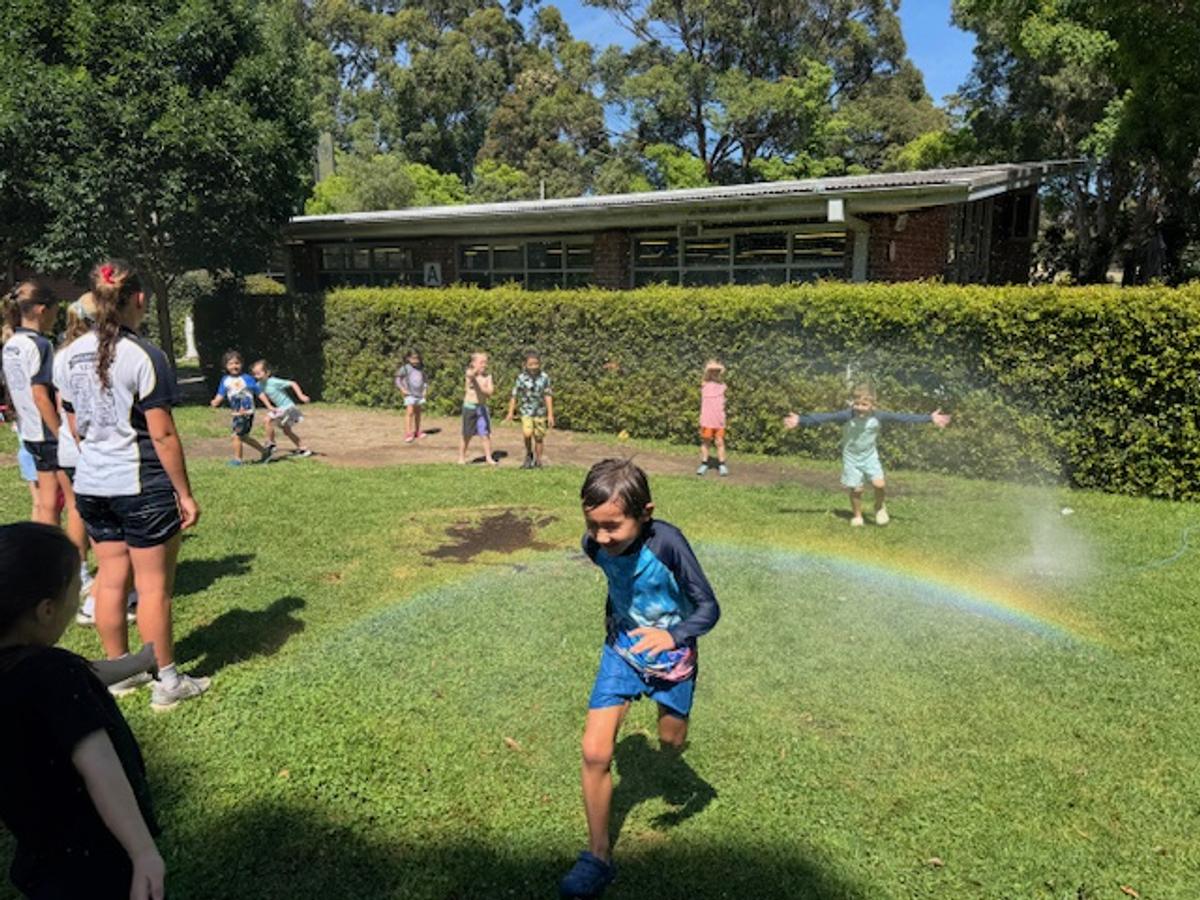
The Water Fun Day was a huge success with our K-1 students. Thank you to our Year Six students for organising a great day filled with fun, games and ice blocks!

We invite all families to join the Christmas Eve Paraliturgy as we prepare our hearts for the birth of Jesus.
Date: Wednesday, 24 December

Time: 5:30pm

Our Lady of Fatima Parish

In today's digital age, social media platforms like TikTok have become incredibly popular among teenagers. While these platforms offer entertainment and a sense of community, they also pose significant risks, especially when it comes to dangerous pranks and challenges. As parents, it's crucial to understand these risks and how they can impact your child's brain development and decision-making abilities.
The appeal of TikTok pranks
TikTok is known for its viral trends and challenges, many of which are harmless and fun. However, some pranks can be dangerous and even life-threatening. Teens are often drawn to these pranks because they seek social approval and enjoy the thrill of taking risks. Unfortunately, their developing brains make them more susceptible to engaging in risky behaviors without fully understanding the consequences.
Brain development in teenagers
During adolescence, the brain undergoes significant changes. The prefrontal cortex, responsible for decision-making, impulse control, and understanding consequences, is one of the last areas to mature, typically not fully developing until the mid-20s (1). This means that teenagers are more likely to act on impulse and less likely to consider the long-term effects of their actions (2).
The limbic system, which governs emotions and rewards, develops earlier and is highly active during the teenage years (1). This imbalance can lead to heightened sensitivity to peer pressure and a stronger desire for immediate rewards, making teens more prone to participate in risky pranks they see on TikTok (3).
The consequences of dangerous pranks
Engaging in dangerous TikTok pranks can have severe consequences. Some pranks involve physical harm, such as the "choking challenge," which has led to fatalities (4). Others can result in legal trouble, damage to property, or long-term psychological effects. Teens may not fully grasp these potential outcomes due to their still-developing ability to predict consequences (2).
How parents can help
Open Communication: Talk to your children about the dangers of participating in risky pranks. Encourage them to think critically about the content they consume and share on social media.
Set Boundaries: Establish clear rules regarding social media use and monitor their online activities. Explain the importance of making safe and responsible choices.
Educate About Brain Development: Help your teens understand how their brains are still developing and why they might be more inclined to take risks. This knowledge can empower them to make better decisions.
Encourage Positive Activities: Promote involvement in safe, constructive activities that provide a sense of accomplishment and social connection without the risks associated with dangerous pranks.
By staying informed and actively engaging with your children, you can help them navigate the challenges of adolescence and social media safely. Let's work together to ensure our teens make smart, safe choices in the digital world.
1 Teen Brain Development: Timeline, Effects, Factors - Healthline
2 Teen Brain: Behavior, Problem Solving, and Decision Making - AACAP
3 Teen brains are wired to take risks, but that can be a good thing
4 10 Dangerous TikTok Challenges Parents Need to Know About
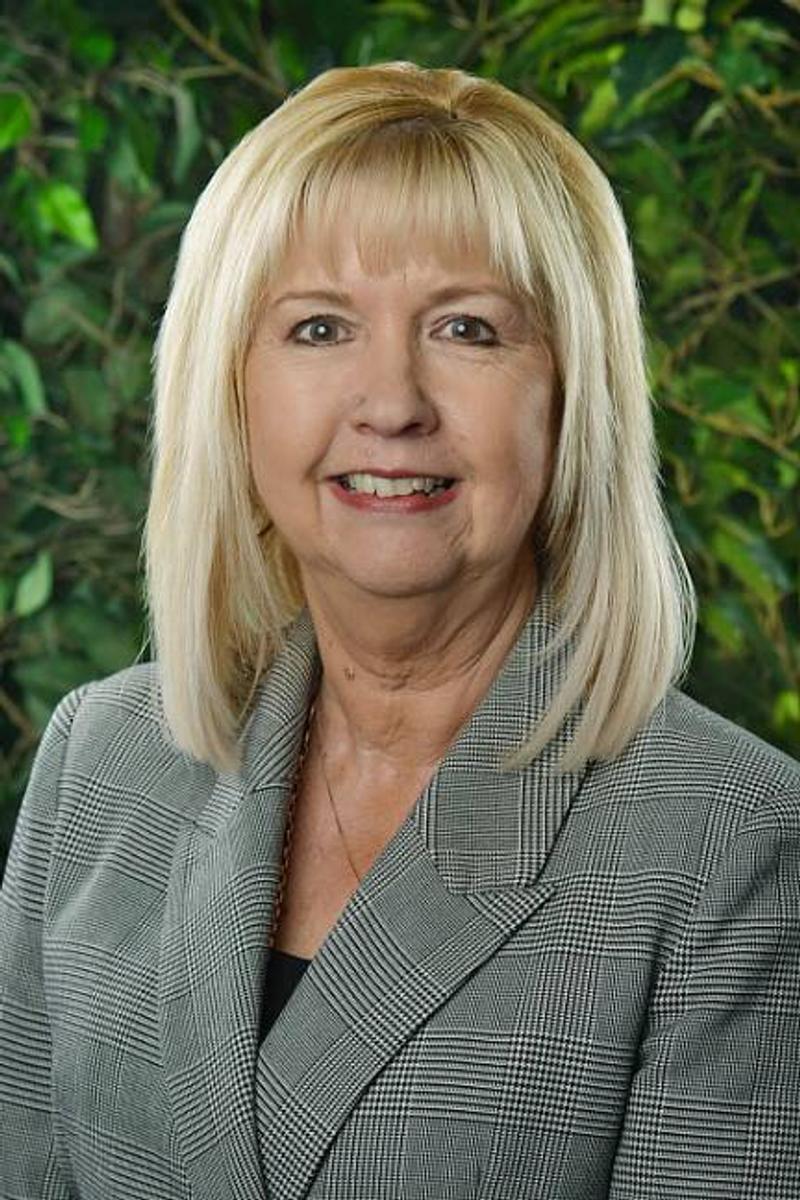
Louise Gordon | Assistant Principal