
Literacy
Summer Reading
Literacy
Summer Reading

The ‘summer slide’ describes the phenomenon where students experience a decline in their retention of academic content due to an extended break from the classroom. Some studies have shown that students can lose one to two months of learning, with greater declines noticed in higher year levels due to infrequency of practice (Bullard, 2025).
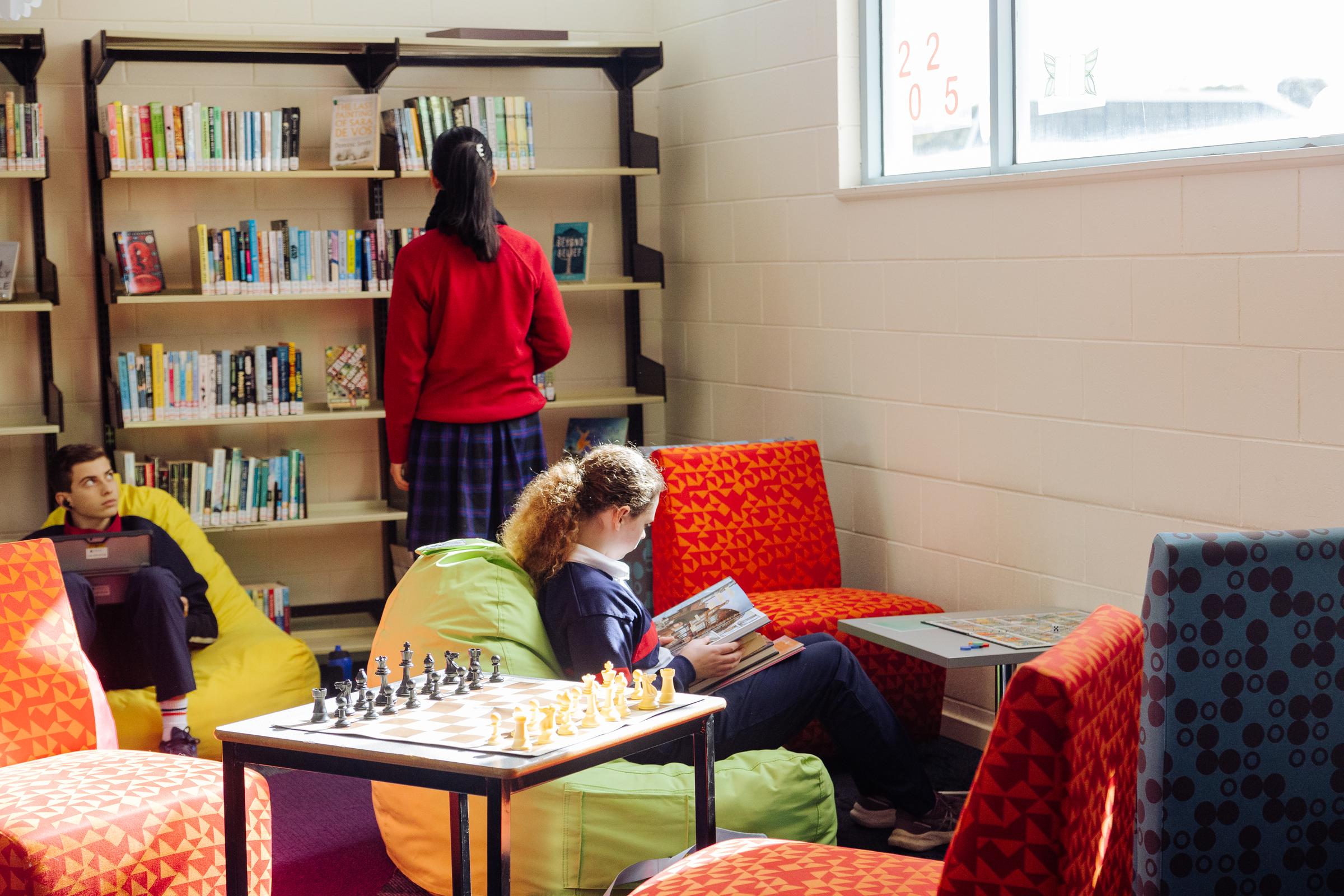
In order to circumvent this academic decline, we strongly encourage all students to embrace summer reading to continue learning and expand literacy skills. According to Merga (2025) ‘Once students learn how to read, the volume of reading they achieve has a positive influence on their reading achievement.’ This is because reading exposes student to new words, expanding their vocabularies and perception of the world. It also fosters prior knowledge which is a key resource that helps student decode and comprehend texts. Students who read frequently are more likely to score better in both Mathematics and Science (Merga 2025). This is due to the transferable value of strong literacy skills which are essential in every area of academic learning.
Reading also has many real-world advantages. Research by the Organisation for Economic Co-Operation and Development (2019) found that people who read often have higher academic results, better physical and mental health outcomes and stronger community engagement. The same studied also found that those with successful reading abilities had increased employment opportunities and job satisfaction (OECD, 2019).
So, how important is it for parents, guardians and teachers to encourage reading? Interestingly, young people have reported changes in levels of encouragement received from their parents and teachers over time, with more support received in the earlier years of schooling than the later years (Merga, 2018). This may be due to the perception that students no longer need parental support once they can read for themselves. Despite achieving reading independence, it is vital that young people continue to receive encouragement to read from both their home and school environments. A key predictor of how frequently a child will read is parental involvement in encouraging reading (Scholastic, 2015).
You may be wondering, what type of material should I encourage my child to read? Put simply, not all reading is equal. Jerrim and Moss (2019) concluded that ‘the reading of fiction is the most beneficial to academic achievement.’ This is because fiction exposes students to sophisticated text structures, vocabulary choices and requires students to engage in complex cognitive processes. The key to engaging children in reading fiction is finding the right book that speaks to their personal preferences and interests.
Christmas Gifts
Why not take the opportunity to purchase a book that you think your child will enjoy? You may even select a classic that was a source of pleasure for yourself as a child. Paper books are preferrable to electronic books as they reduce the distractibility.
Visit Your Local Library
Did you know that Eastern Regional Libraries allows children to have their own library card? Summer could be a great opportunity to visit the library and browse the collection.
Read or Listen to Audiobooks While Travelling
With many families travelling over the summer break, it presents the perfect opportunity to listen to an audiobook on long car trips or find a thrilling novel to read on a long plane flight.
While parents may be concerned with the academic benefits to reading, it is important to remember that pleasure is a key motivator for children to read. We want students to experience the delight of being transported to a fictional world and becoming emotionally invested in the narrative. When children become immersed in reading, they develop their inner reading voice as eloquently expressed by one of our Year 7 students, ‘I hear myself narrating in my head. I do accents. I hear my own voice saying, what are you doing?!’ Ultimately, when students enjoy reading, they will be more motivated to continue the practice. Finding the right book is key to reading success.
At Oxley, we want all our students to develop a lifelong love for reading that extends far beyond the classroom walls. We encourage all students to embark on a reading adventure this summer holiday.
Rebekah Paul
Literacy Coordinator