Science
Year 7
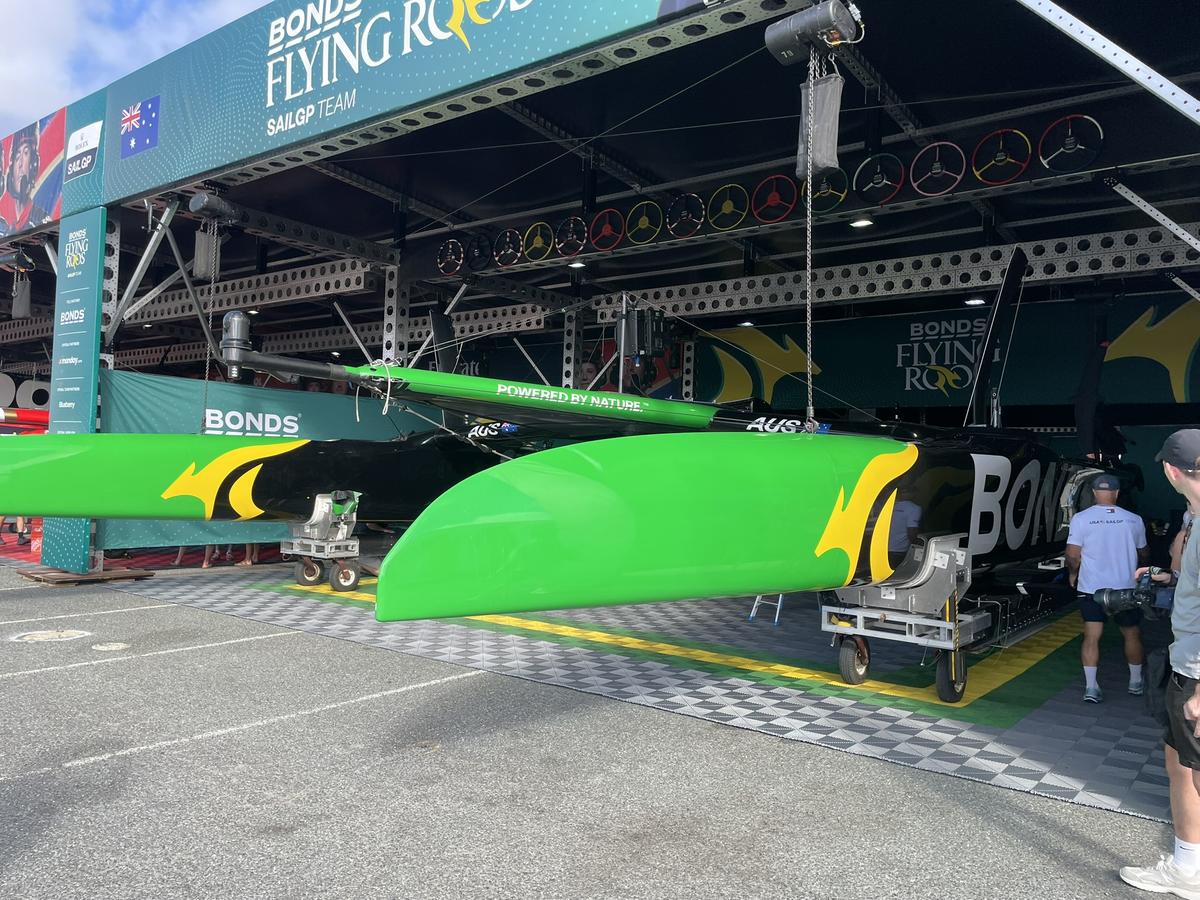
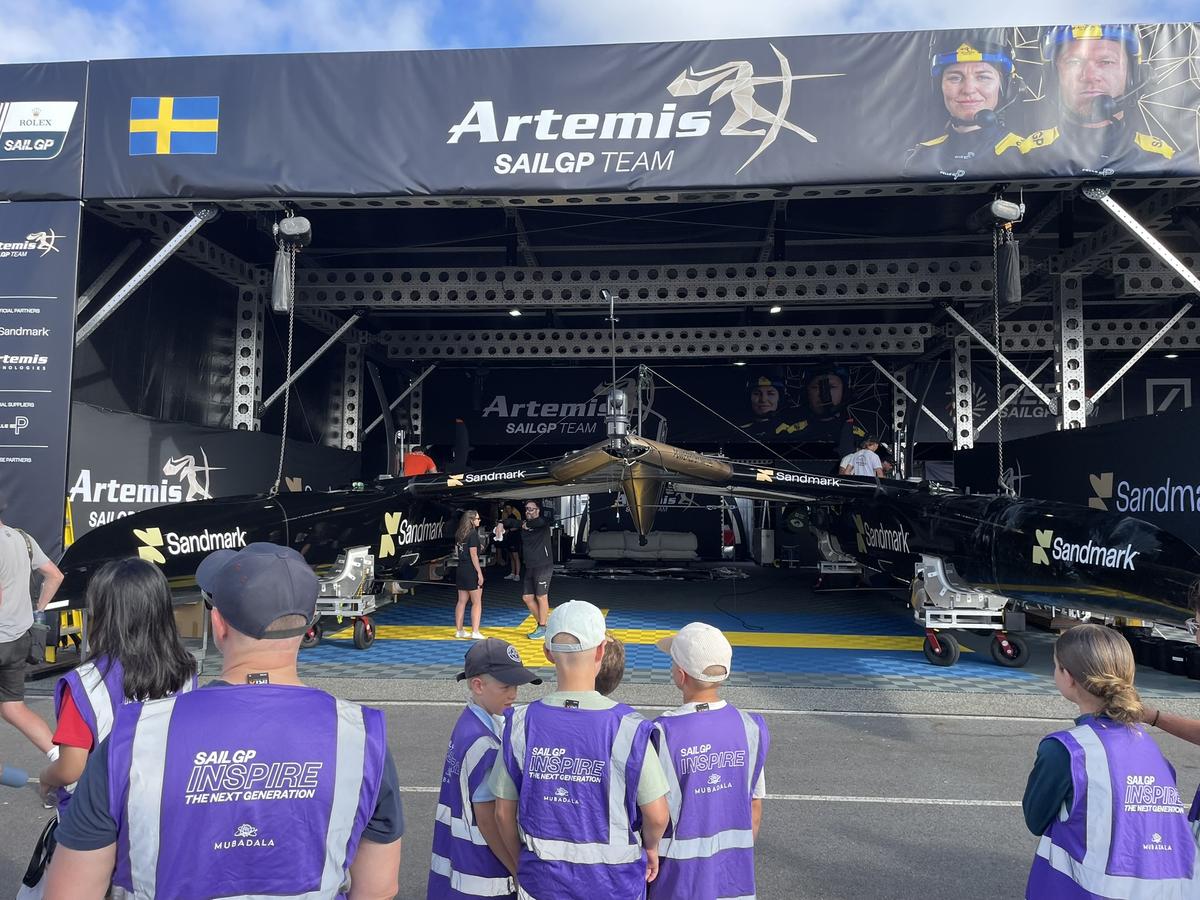
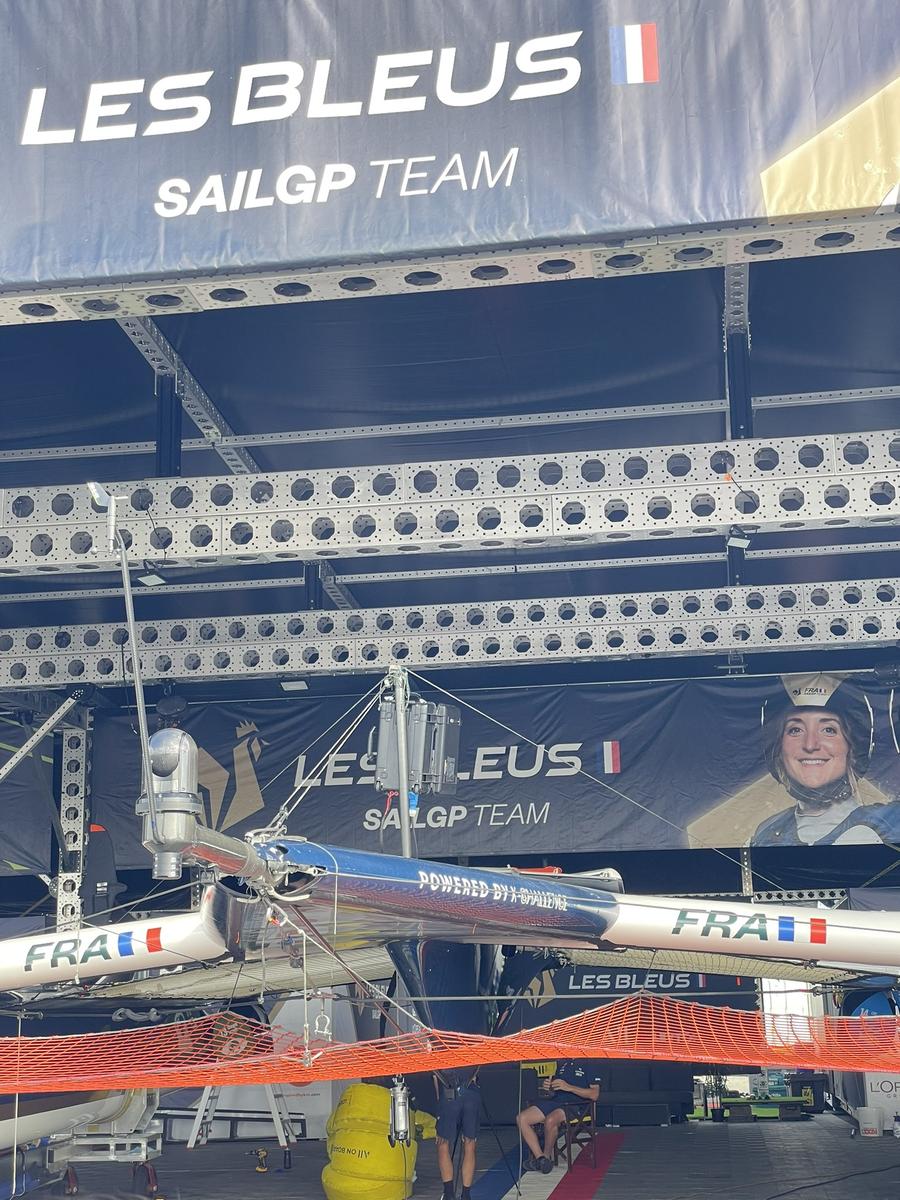
SailLAB: Year 7 Extension students are learning about how boats float; how does the hull shape of a boat influence its buoyancy? We have learned briefly about buoyancy and gravity forces and Archimedes' principle – the displacement of water. Using this knowledge, their challenge is to design a boat hull made of alfoil and test its capacity to hold marbles. The boat holding the most marbles before sinking wins.
In Year 7 Science, students have completed their Measuring Friction investigation, and we are now learning about Simple Machines. Many classes have begun exploring their knowledge of levers with a catapult challenge, “Launching boulders” (paper balls) to see whose design throws the boulder the furthest.
Year 8
Students in the Year 8 extension classes completed their Term 1 project on satellites, and we are pleased to announce that our Applecross teams achieved top-10 results across the country! As a result, our school was awarded specially designed parachutes designed for satellite launches from Robinson Aerospace.
Year 9
Year 9 students are about to participate in a day of learning on the land at Wireless Hill in partnership with the Humanities and Social Sciences department. Science is leading students up the hill to learn and apply various aspects of Ecology, with a particular focus on biotic and abiotic factors, animal and plant adaptations, and tropisms. Students are exploring how living and non-living components of ecosystems interact, and how organisms are adapted to survive in their environments. Students have been invited via Consent2Go and are expected to attend this day. Students are advised to bring packed lunches, water bottles and wet weather gear in the event of rain. We look forward to getting our hands dirty with volunteers from the Friends of Wireless Hill to help revegetate the area following last year's bushfire. Following the excursion, the Year 9’s will complete an in-class assessment with data collated from the excursion.
We also have a free dingo experience incursion arranged for Week 7: to observe two dingoes and listen to a presentation on their unique biological and ecological traits and their role as Australia's apex land predator. Look out for the Consent2Go notice coming soon.
Our extension classes have partnered with Murdoch University this term with the ‘Fauna in Schools’ program, whereby students will establish habitats and set up trail cams in non-pedestrian areas throughout the school to record any animal activity.
Year 10
Year 10 students are currently studying the Biology topic, focusing on DNA, genetics, and inheritance. Students are investigating how genetic information is stored, replicated, and passed from one generation to the next. They are also exploring DNA structure, dominant and recessive traits, Punnett squares, and how inherited disorders are passed on. Students have also been preparing for their first formal high school exam. This assessment will cover both Chemistry and Biology and will give students their first experience with this important upper school assessment format. We strongly encourage students to study consistently in the lead-up to their examinations and to make full use of their directed study lessons next week to revise key concepts.
Our extension classes have been exploring STEM, Biomimicry, and Fighting Physical and Neurological Disease. They will build on this knowledge further by participating in a Medical and Molecular Science excursion sponsored by the Murdoch School of Medical, Molecular and Forensic Sciences. Students will visit the Murdoch Personalised Medicine Centre to investigate treatments for rare diseases and generate innovative ideas for their STEM Mobility and Recovery Aid project in Term 3.
Year 11 ATAR Human Biology
Students have been learning about the Digestive and Musculoskeletal Systems this Term. We have learned how our body digests and absorbs dietary carbohydrates, proteins, and fats, and what specialised structures or processes it uses. We have also learned about the Sliding filament theory our muscles use to contract, and how our bones are not only vital for structure and protection but for making the cells that our circulatory and immune systems need.
Year 12 ATAR & General Human Biology
The Year 12 ATAR group have been learning about our Immune System and how our lines of defence protect us from pathogens. From the broadest responses our bodies have to the most specific, students know how our bodies wage war against these invaders to keep us healthy. We cover a short amount of Biotechnology before heading into revision before the exam weeks.
The General class completed their EST in Week 4, and then moved onto their learning and projects around Immunity as well. This leads to a large investigation on Kitchen Hygiene at the end of the term.
Year 11 General Psychology
In this first unit of General Psychology, students have begun exploring the factors that influence how we think, feel, and behave. They first examined the concept of personality, considering how we become who we are and whether people can truly change. They also explored what intelligence really means, traced the history of intelligence testing, and questioned whether a person’s intelligence can be defined by a single score. Students are now turning their focus to communication, investigating both verbal and non-verbal elements and creating a skit to demonstrate how communication styles can affect relationships with others.
Year 11 Psychology
Students have been studying lifespan psychology and learning how humans develop across their entire lives, from infancy through old age, examining changes in thinking, behaviour, and social and emotional functioning. More recently, students have focused on cognitive development (a theory proposed by Piaget) and its role in shaping children's understanding. To extend their classroom learning, the Year 11s designed and conducted their own Piagetian tasks and administered them to some willing Year 7 and 9 students. This hands-on investigation gave students the chance to act as real researchers — designing tasks, recording observations, and then analysing and interpreting their findings. Based on Piaget's theory, students predicted that Year 7 and Year 9 participants — both firmly within the formal operational age range — would demonstrate consistent abstract and logical thinking across all tasks; however, they found this was not always the case!
Year 12 Psychology
Students have been studying learning theories, including classical conditioning, operant conditioning and token economies. Students have learnt about famous studies, such as Pavlov’s dogs and Watson and Rayner’s “Little Albert” study, to deepen their understanding of how behaviour can be learned through associations and reinforcement.
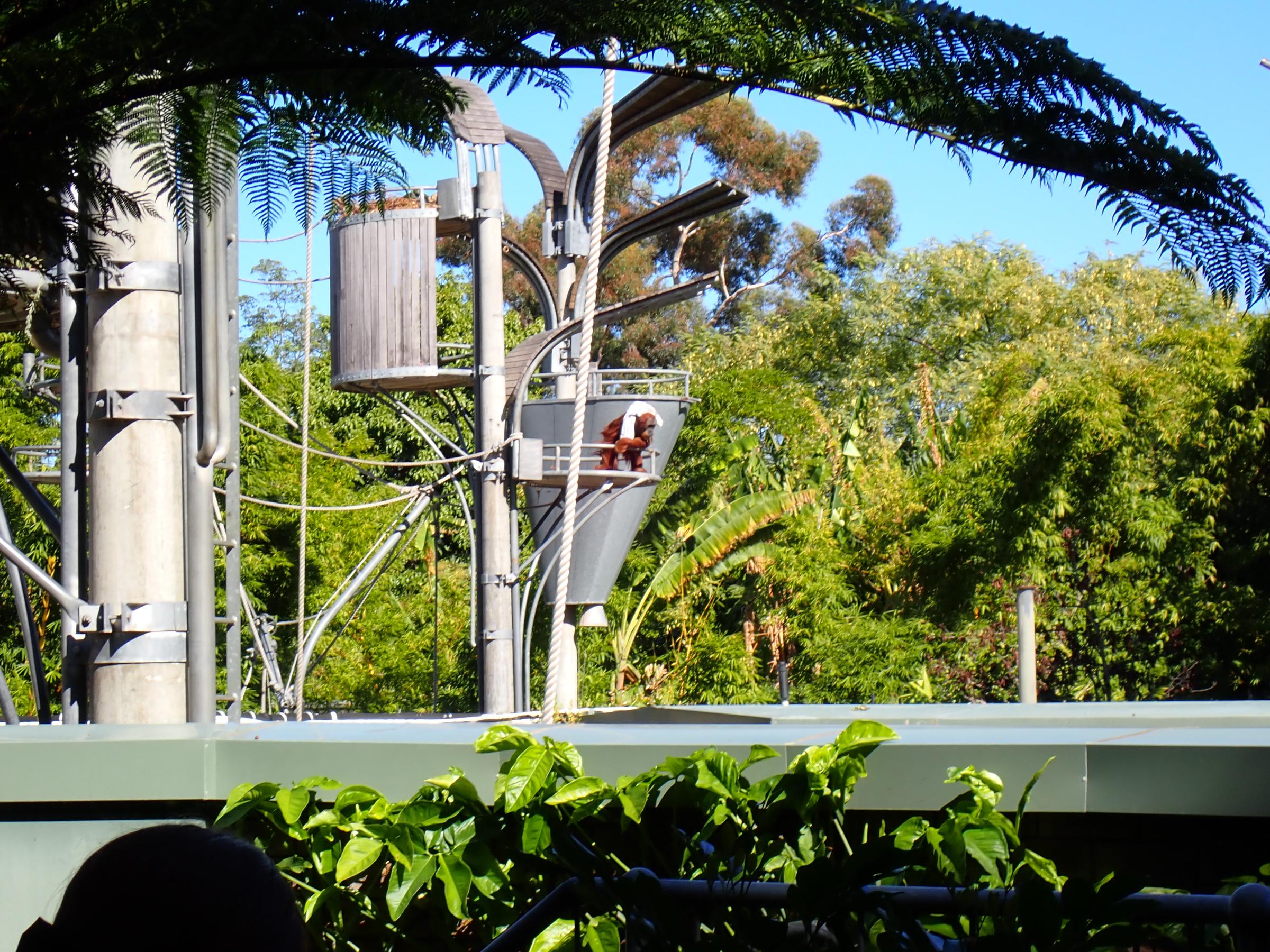
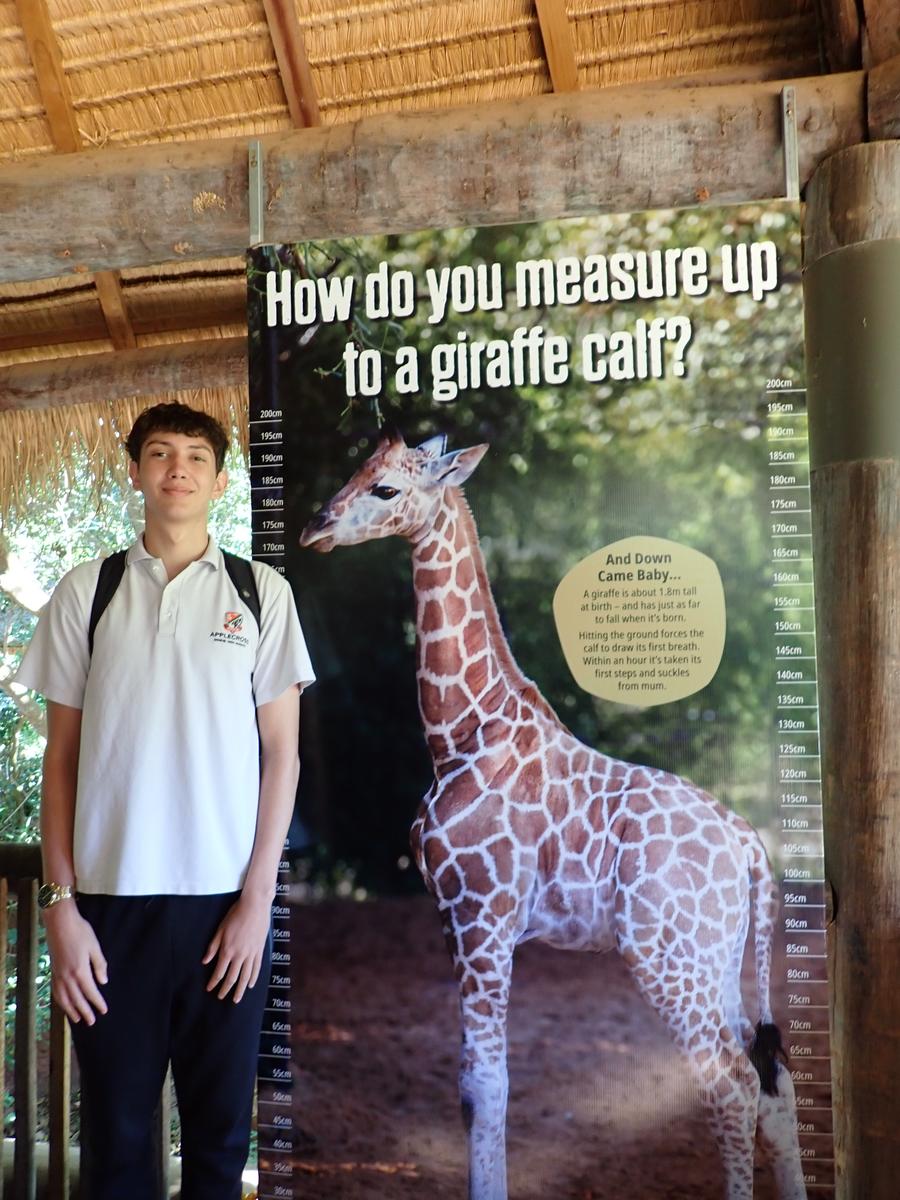
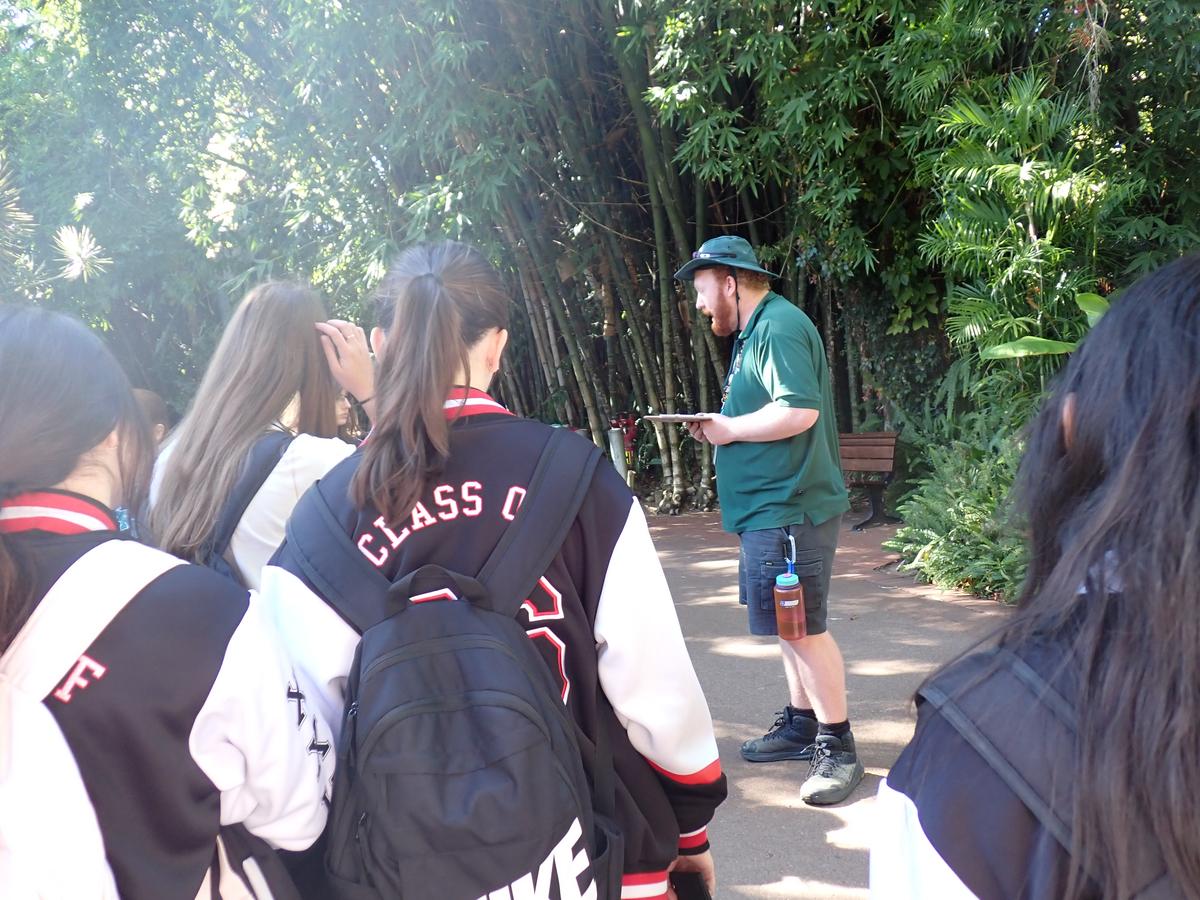
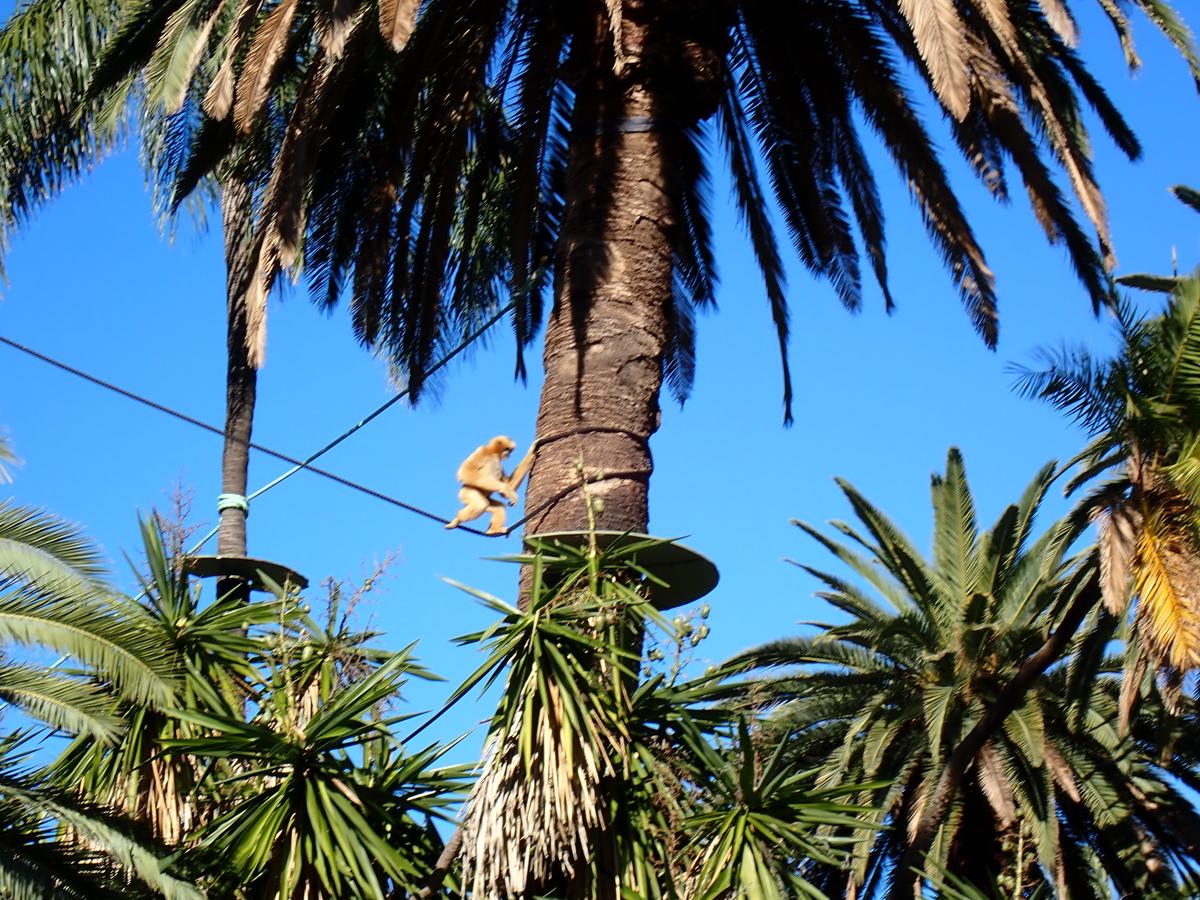
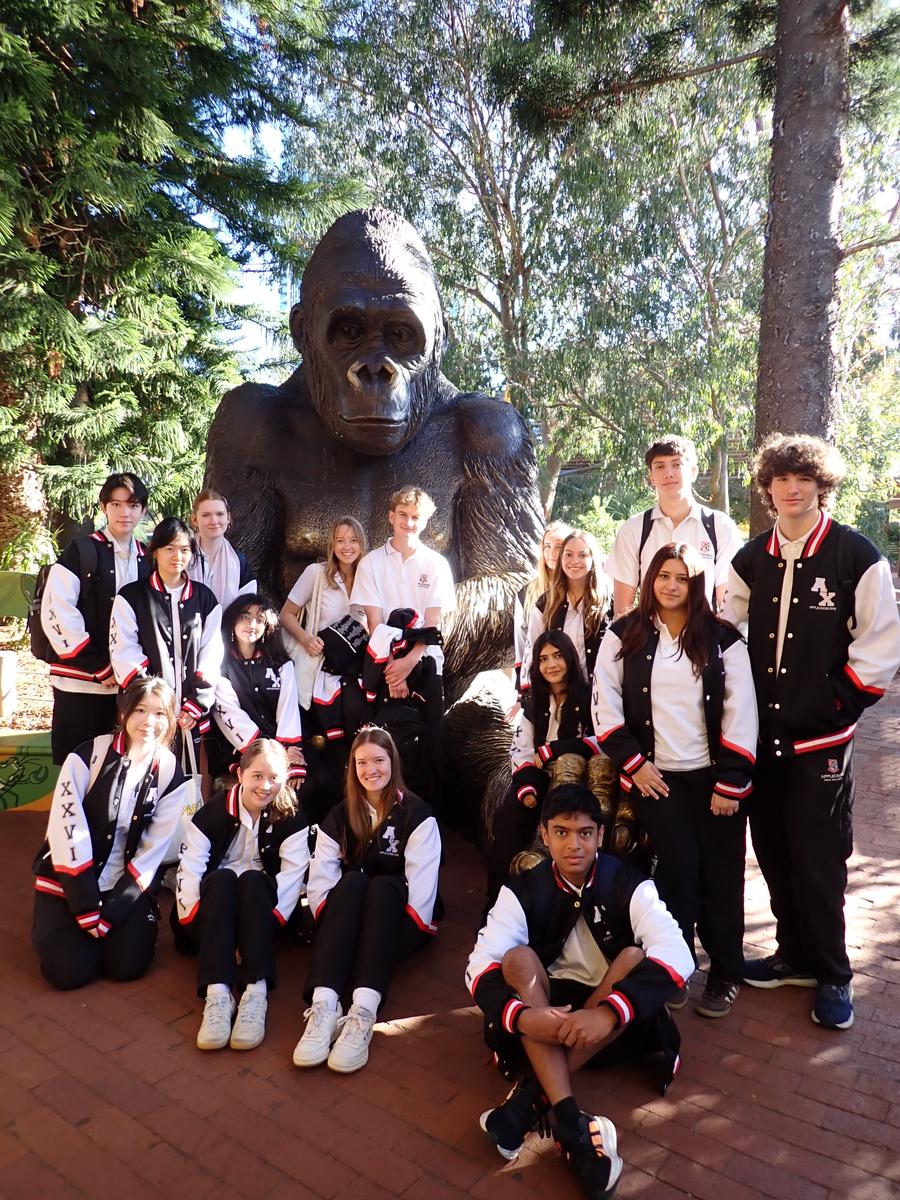
To extend their classroom learning, students recently attended Psychology Day at Perth Zoo, where they investigated how psychological principles are applied in real-world animal management and welfare practices. During the excursion, students learned how zookeepers use both classical and operant conditioning to safely care for and train animals. One example involved the zoo’s Komodo dragon, which has been trained to voluntarily move onto scales for weigh-ins in exchange for a food reward. This operant conditioning technique allows keepers to monitor the animal’s health while reducing stress and maintaining safe interactions for both staff and the animal.
Year 12 ATAR Chemistry
Students have recently completed a series of engaging practical investigations exploring redox reactions in action. By constructing both electrochemical and electrolytic cells, they have directly observed electron transfer and the conversion between chemical and electrical energy, strengthening their understanding of key redox concepts through hands-on learning.
We have also offered students the opportunity to take part in the upcoming Titration Stakes, an inter-school analytical chemistry competition focused on accuracy and precision in volumetric analysis, where students apply their titration skills to determine unknown concentrations in a timed practical challenge.
The International Chemistry quiz is open to all students.
We thank the students for their ongoing enthusiasm in class and wish them the best of luck in their exams!
Karen Smith, Head of Science Learning Area