Science
Hands-on Learning!
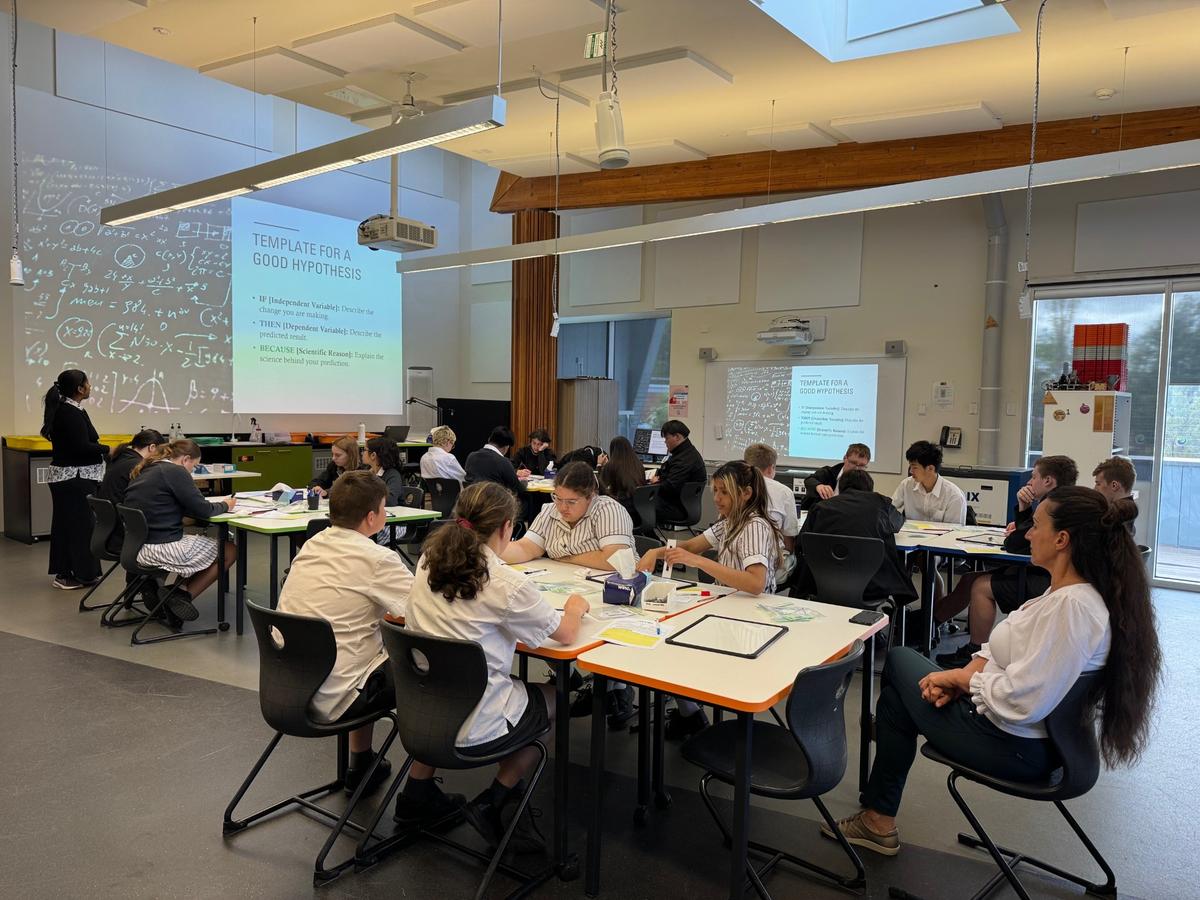
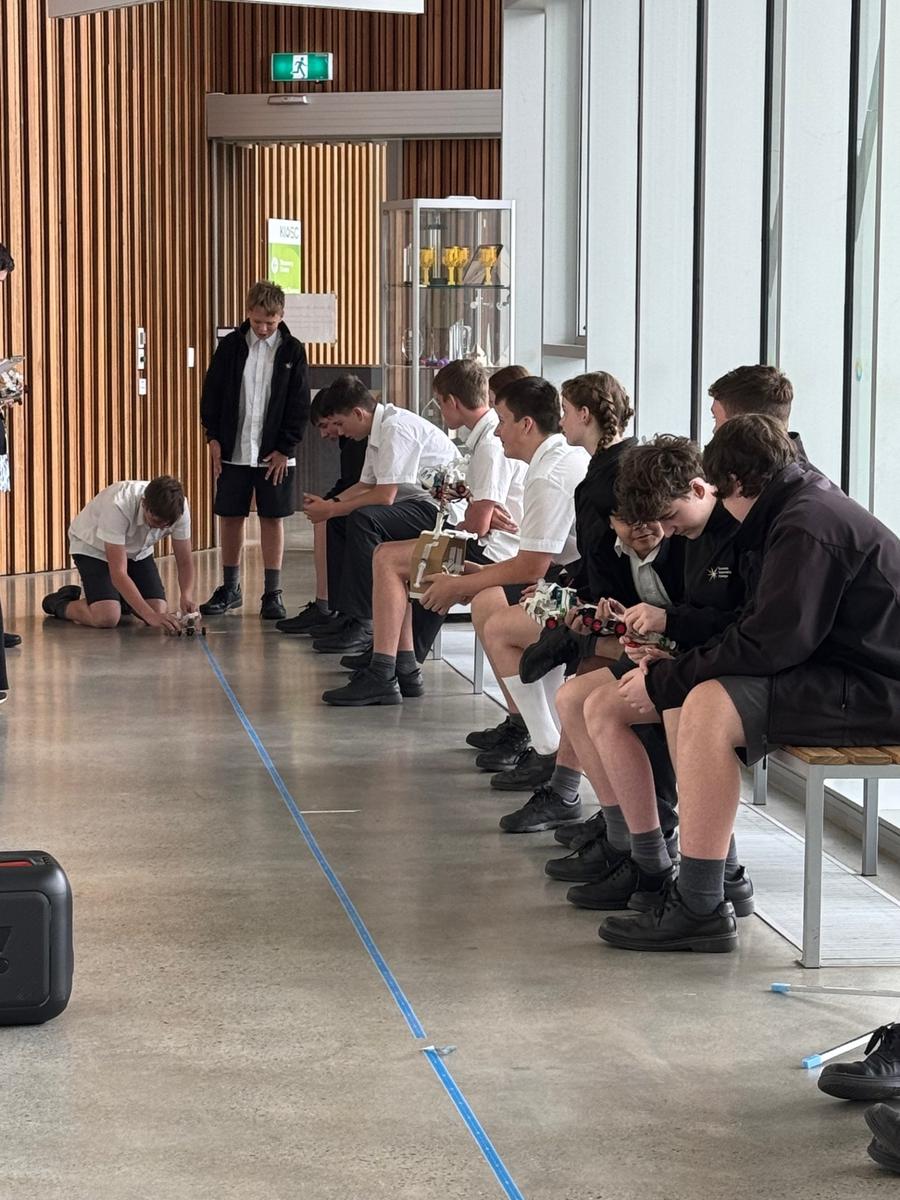
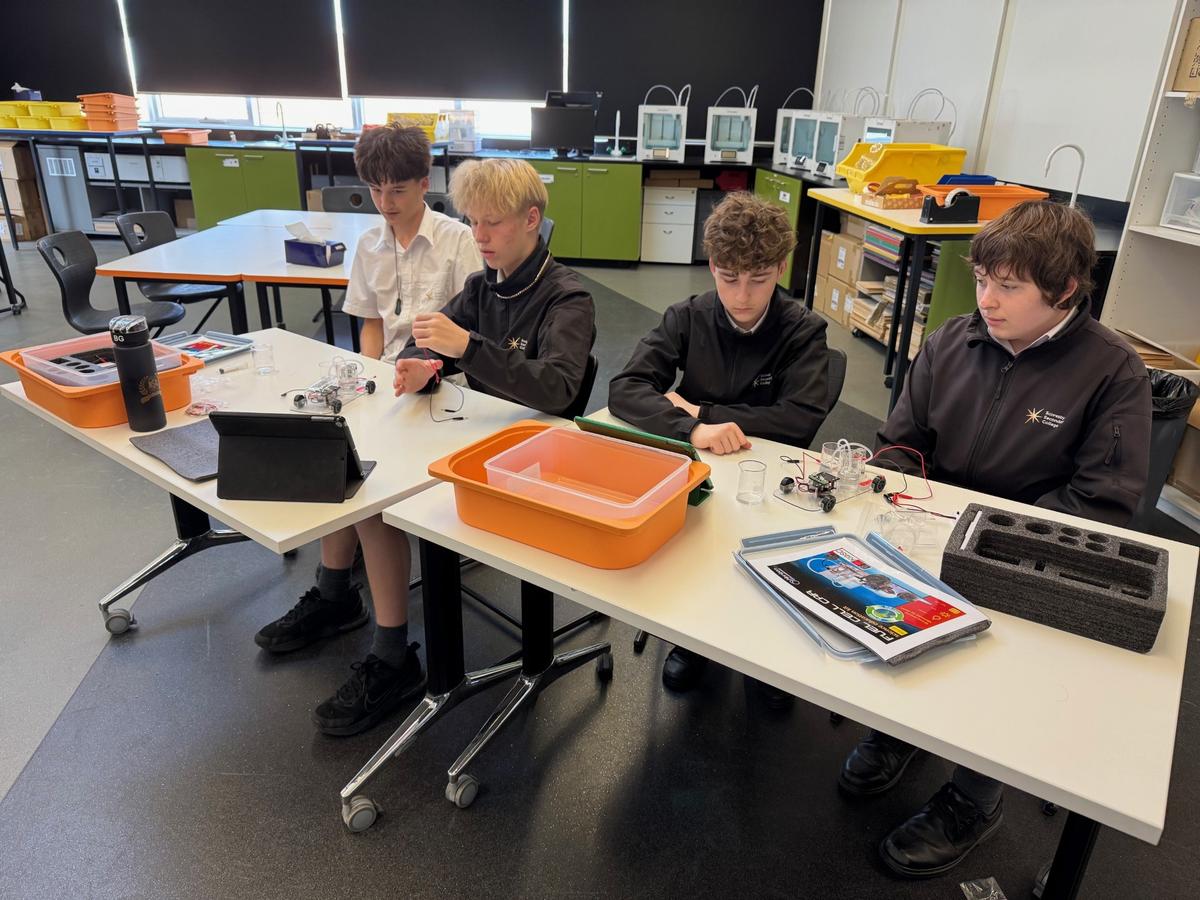
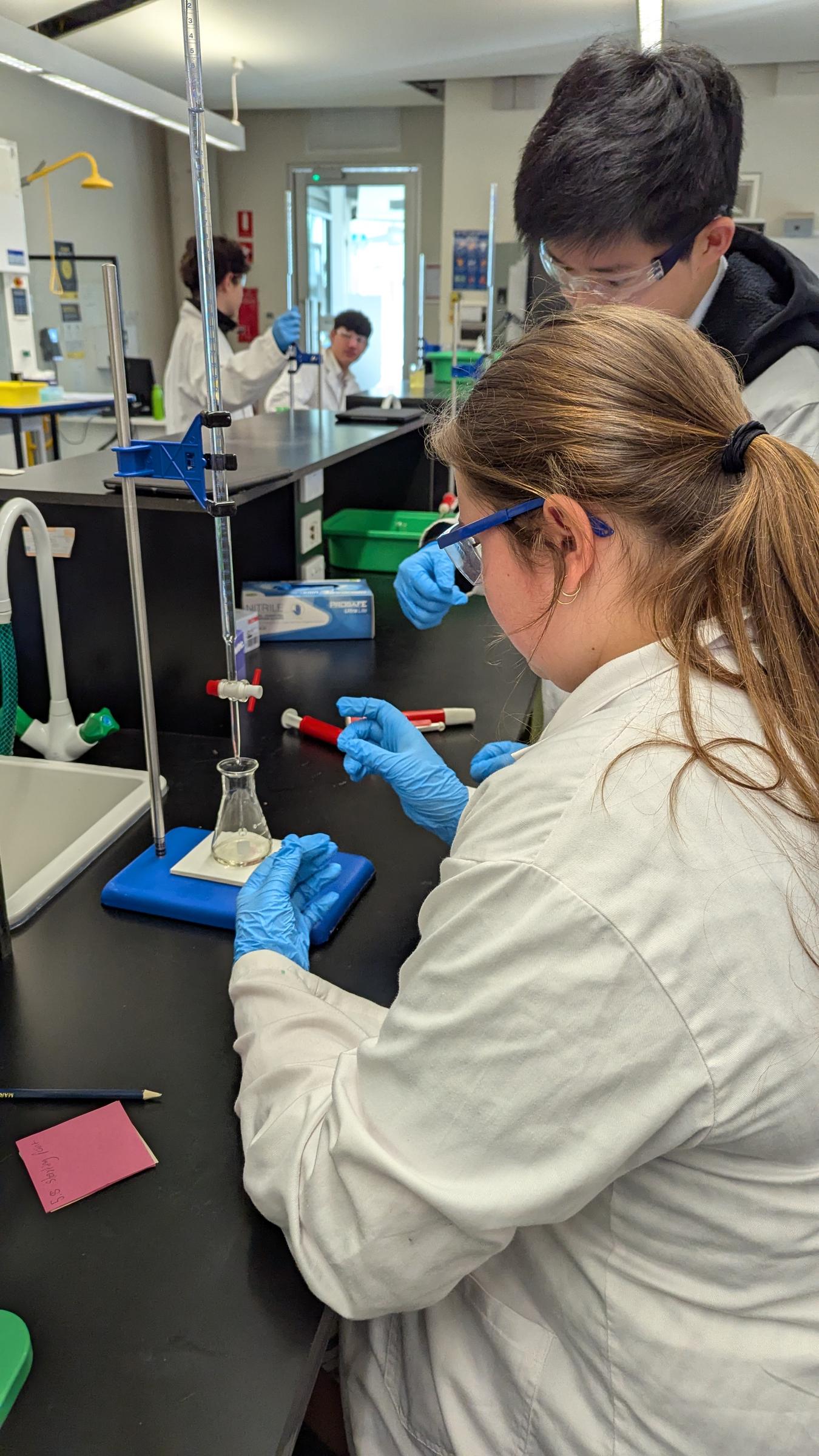
Students from across the Science Domain recently had the opportunity to participate in a series of hands-on learning programs at KIOSC. These immersive experiences allowed students to engage with cutting-edge scientific technologies and develop the inquiry and problem-solving skills essential for future STEM pathways. Each program provided authentic, real-world applications of classroom learning and helped students build a deeper understanding of how science is shaping our future.
Year 9 Science - Green Energy Revolution
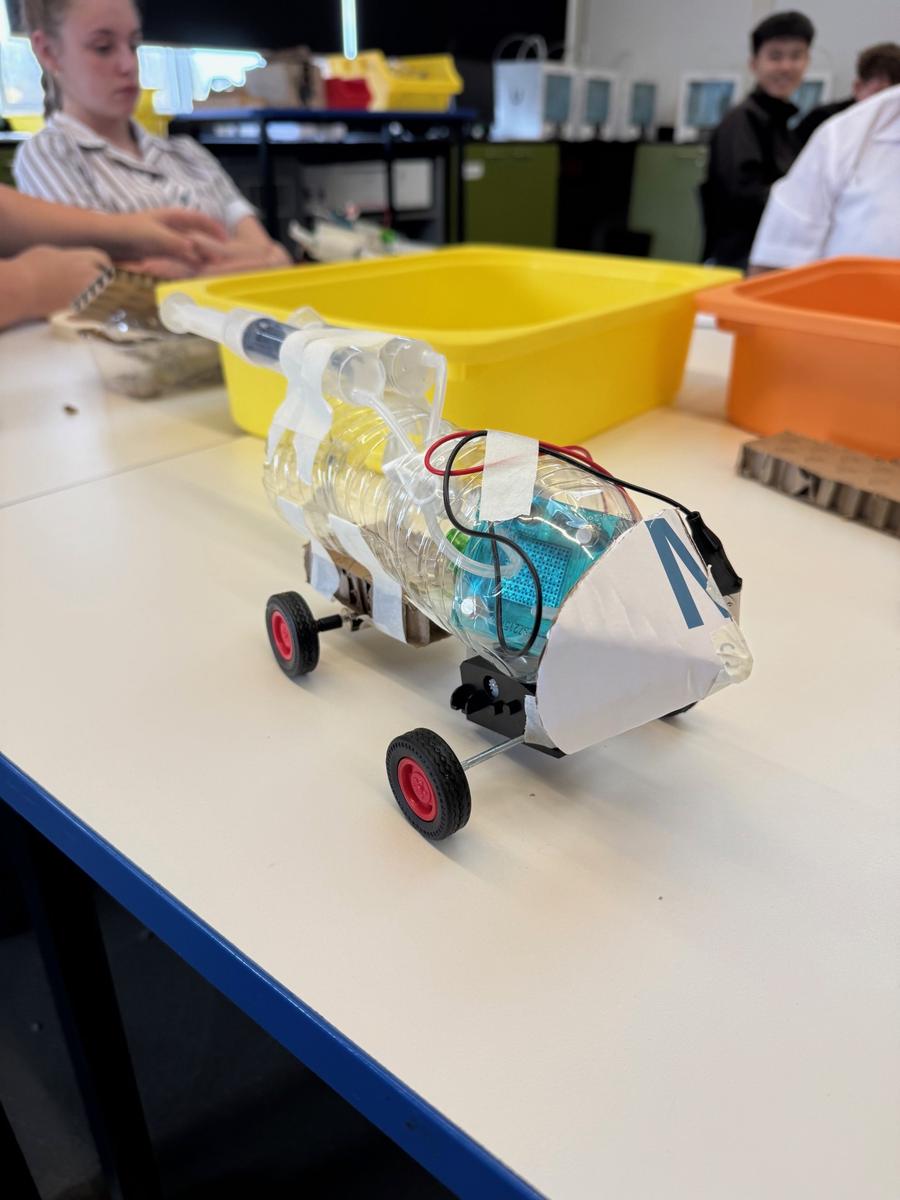
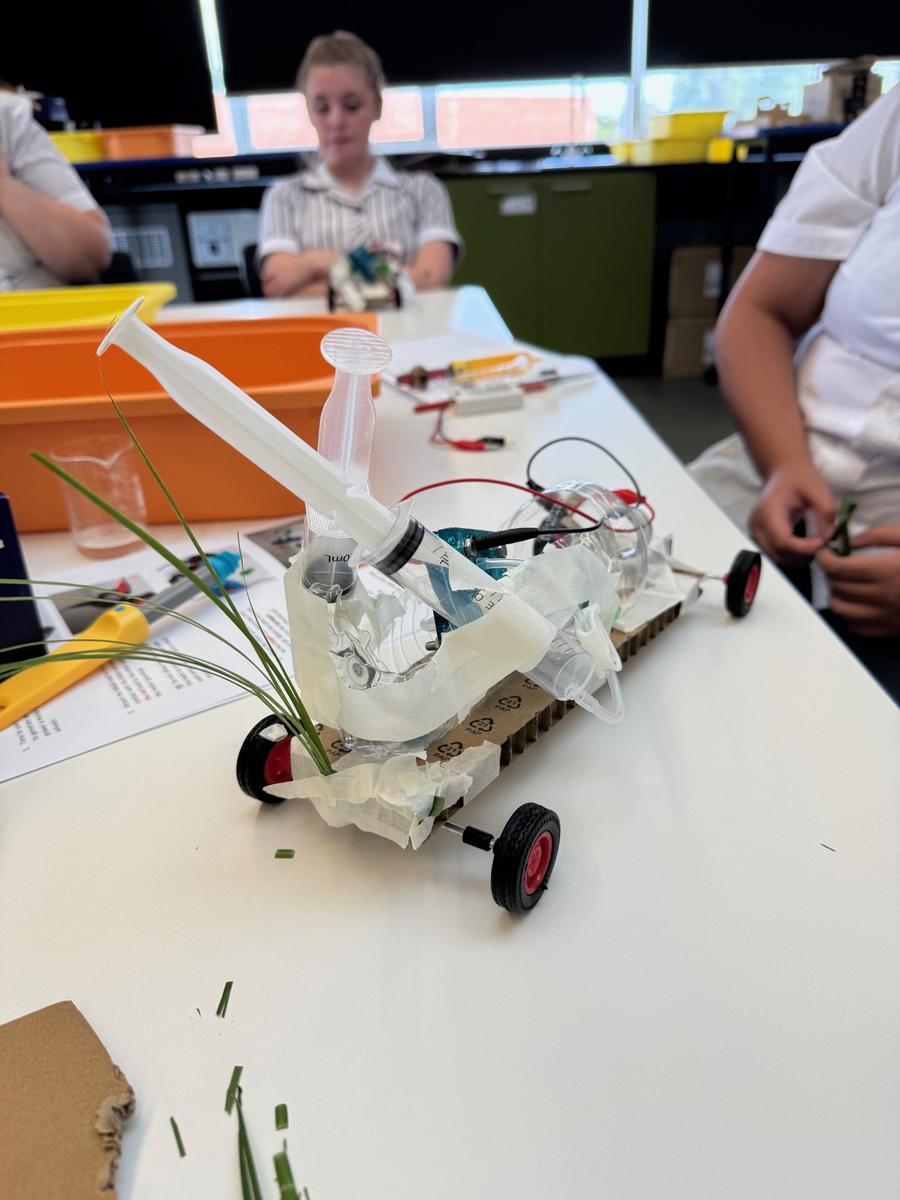
Year 9 students explored emerging energy technologies that are transforming the way we generate, store, and use energy. Through hands-on investigations and interactive demonstrations, students examined renewable energy sources such as hydrogen fuel cells, solar power, and sustainable energy systems.
They developed an understanding of the scientific principles behind these technologies and considered their role in addressing global challenges such as climate change and energy sustainability. This experience helped students connect their classroom learning to real-world innovations that will shape the future.
Year 10 Science - Science in Real-Life
Students in Year 10, participated in the 'Science in Real-Life' program, where they developed and applied essential Science Inquiry Skills in authentic scientific contexts. Students designed investigations, collected and analysed data, and evaluated the reliability and validity of their results.
This program directly supports the Victorian Curriculum F-10 and provides valuable preparation for VCE Science subjects. Students gained confidence in scientific thinking, problem-solving, and analytical skills that will support their transition into senior science studies.
VCE Physics (Unit 1) - Thermodynamics and Energy-Efficient Design
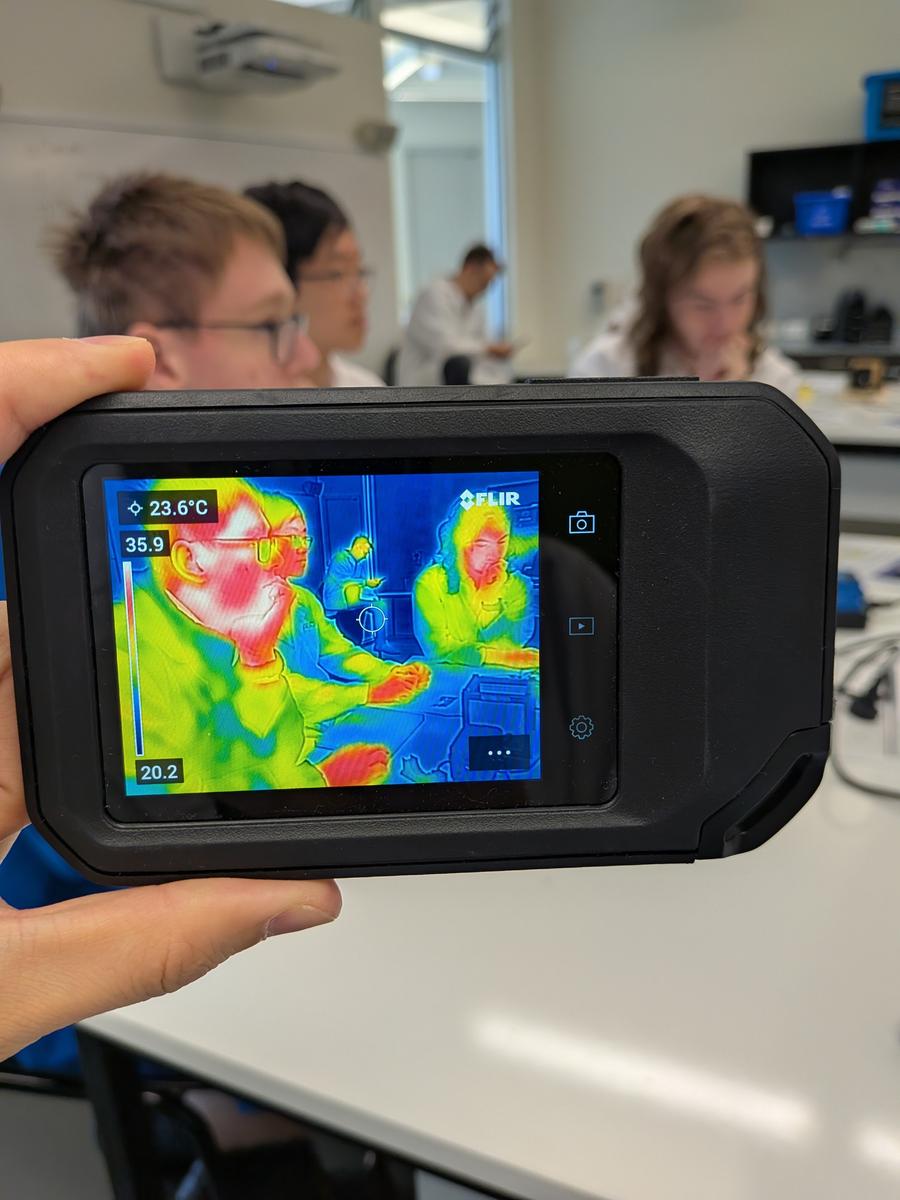
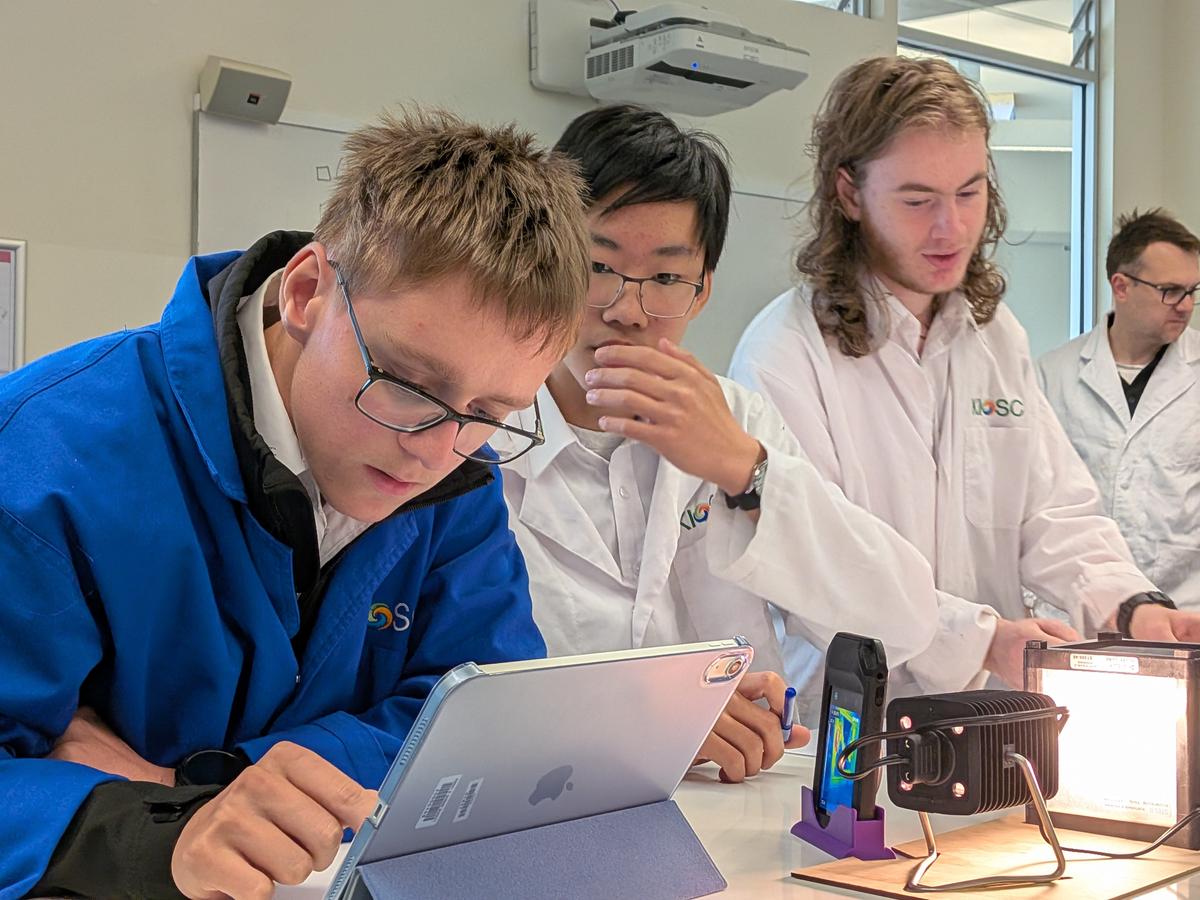
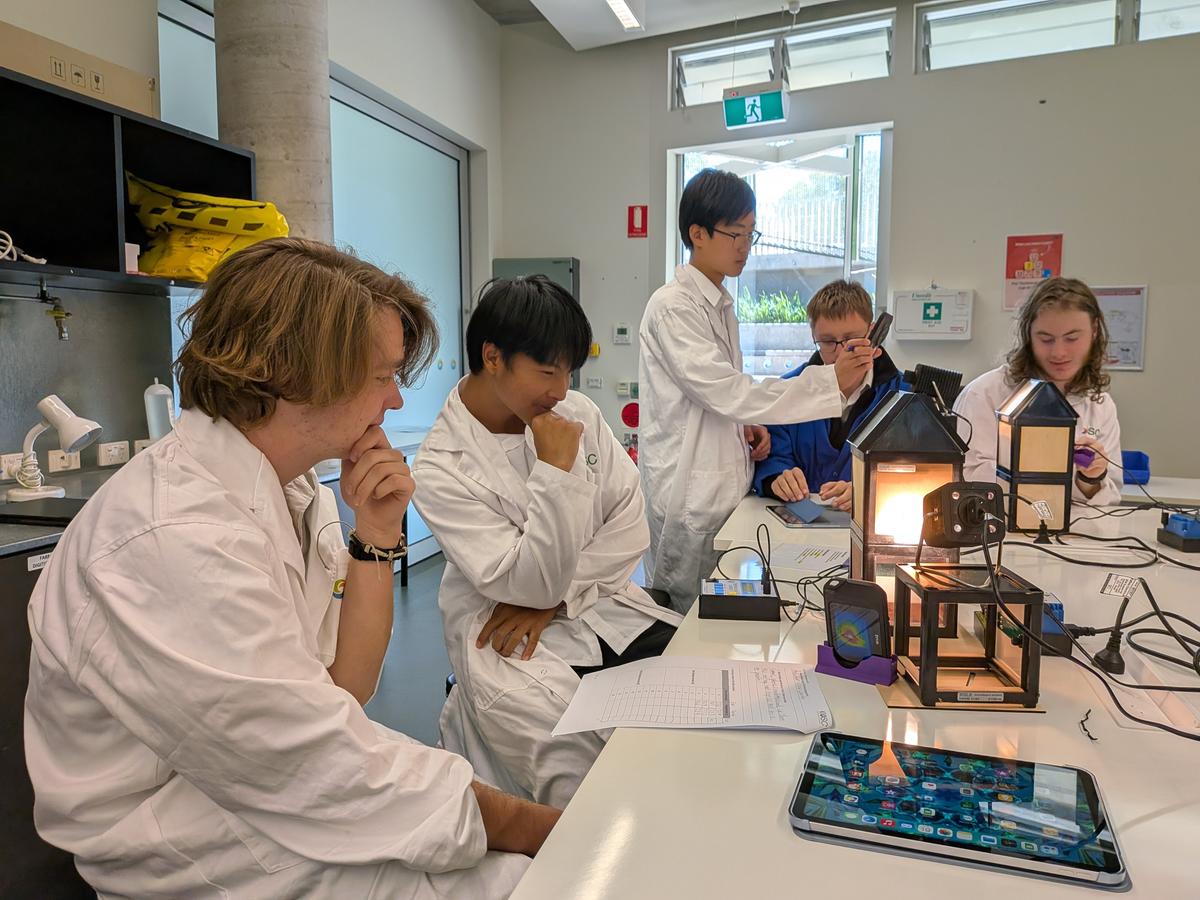
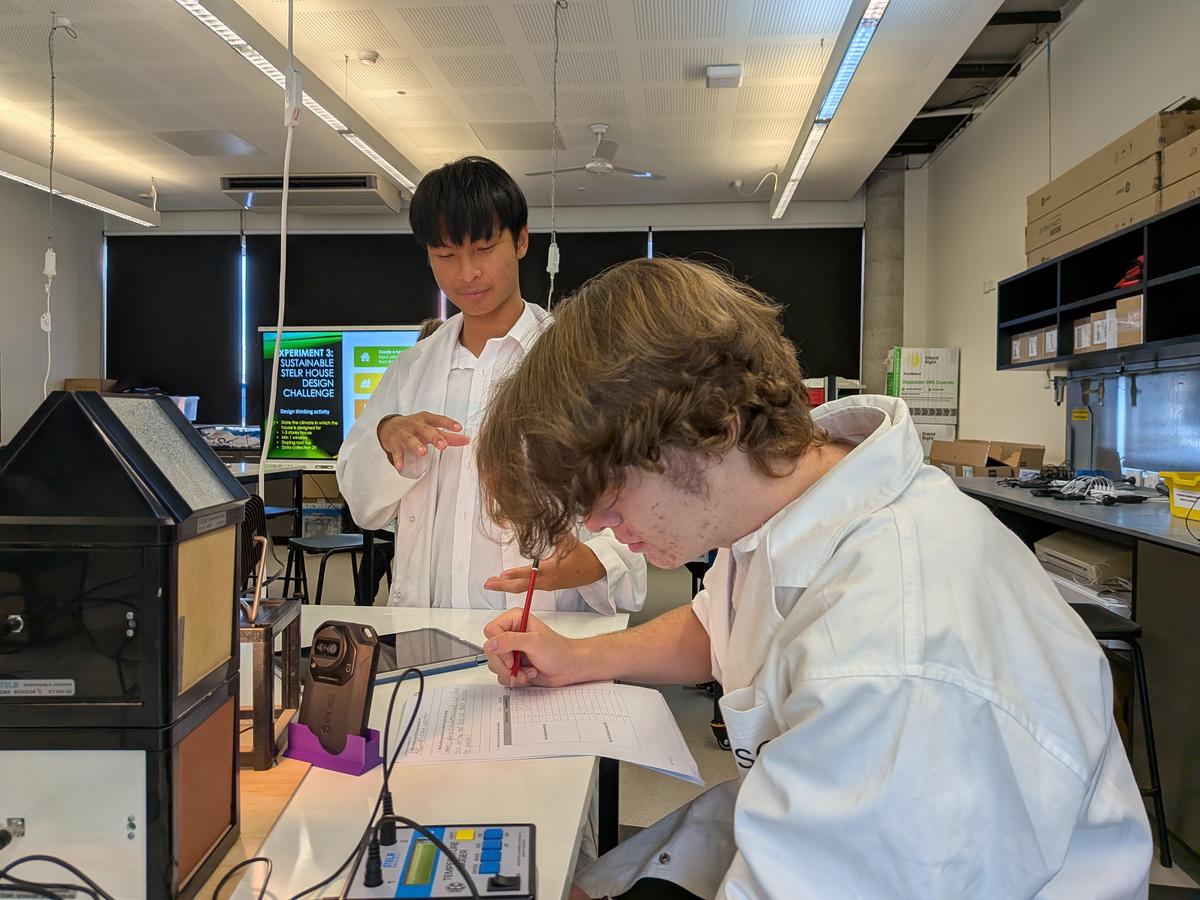
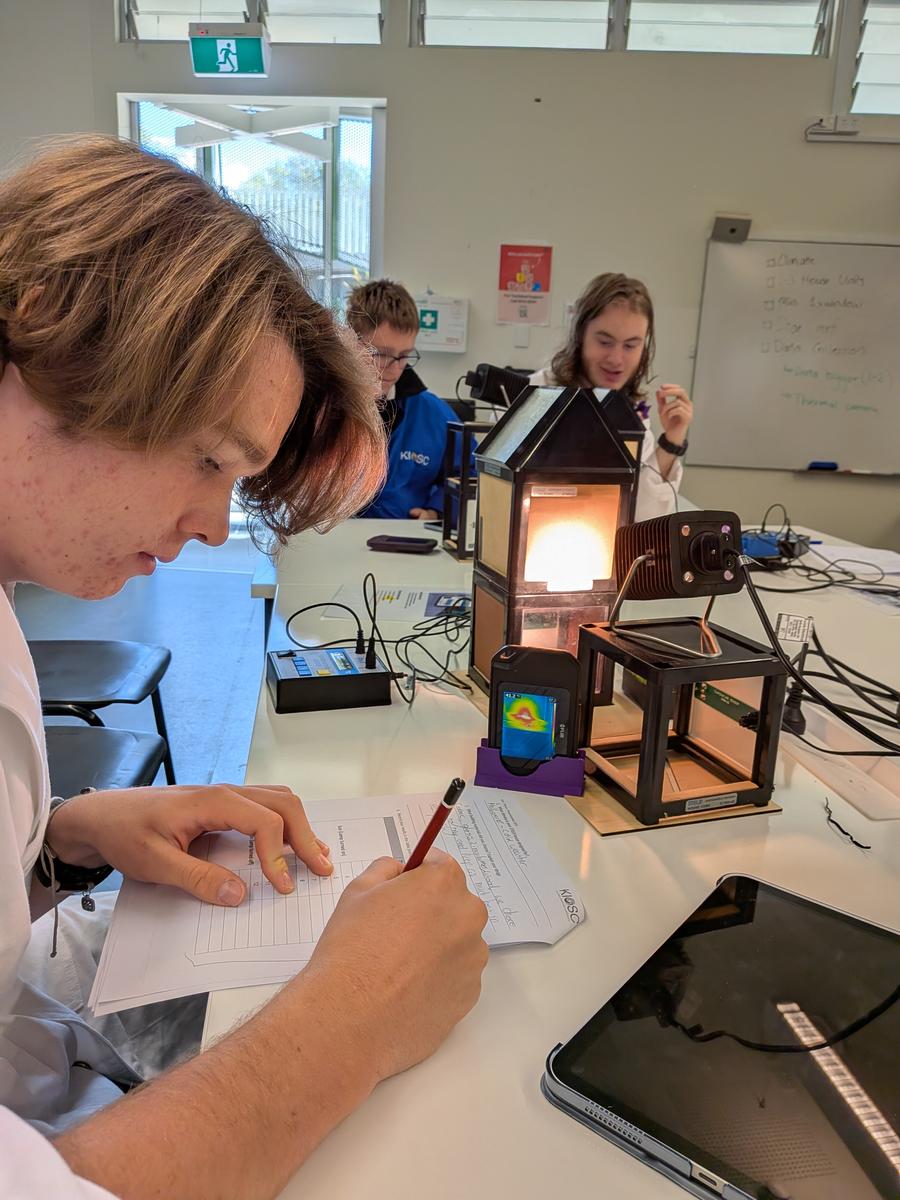
VCE Physics students explored the principles of thermodynamics and heat transfer through the use of infrared (IR) imaging technology.
Students investigated how thermal energy moves through different materials and how heat loss can be identified and minimised. Using this knowledge, students applied physics concepts to design energy-efficient homes that require minimal energy input to maintain comfortable living conditions. This activity provided valuable insight into how physics is applied in engineering, architecture, and sustainable building design.
These excursions highlight the importance of experiential learning and our ongoing partnership with KIOSC. Opportunities like these inspire students, strengthen their scientific understanding, and demonstrate the real-world relevance of science in solving modern challenges.
Mr George Wardle
Science Domain Leader