From the Classroom
Junior Unit Tells All
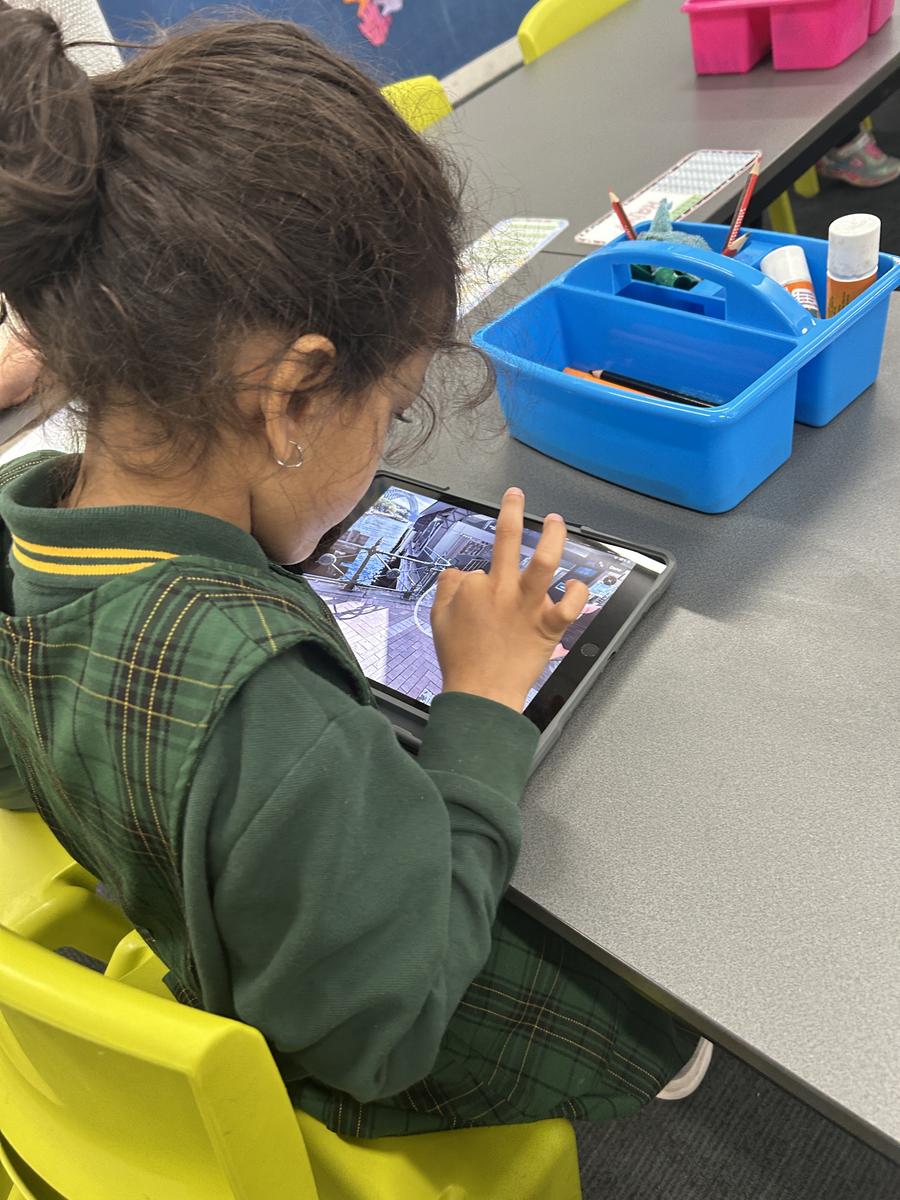
Junior B have begun a new English Unit, on narrative. Students are exploring the structure of narrative stories with a particular focus on setting. This week, we explored the setting of our text ‘A Bag and A Bird’, Sydney. We looked at the main attractions of the city showcased in the text and learned how to use Google Maps to find places and ‘look around’. As this unit continues, students will begin to use their learning to construct their own stories.
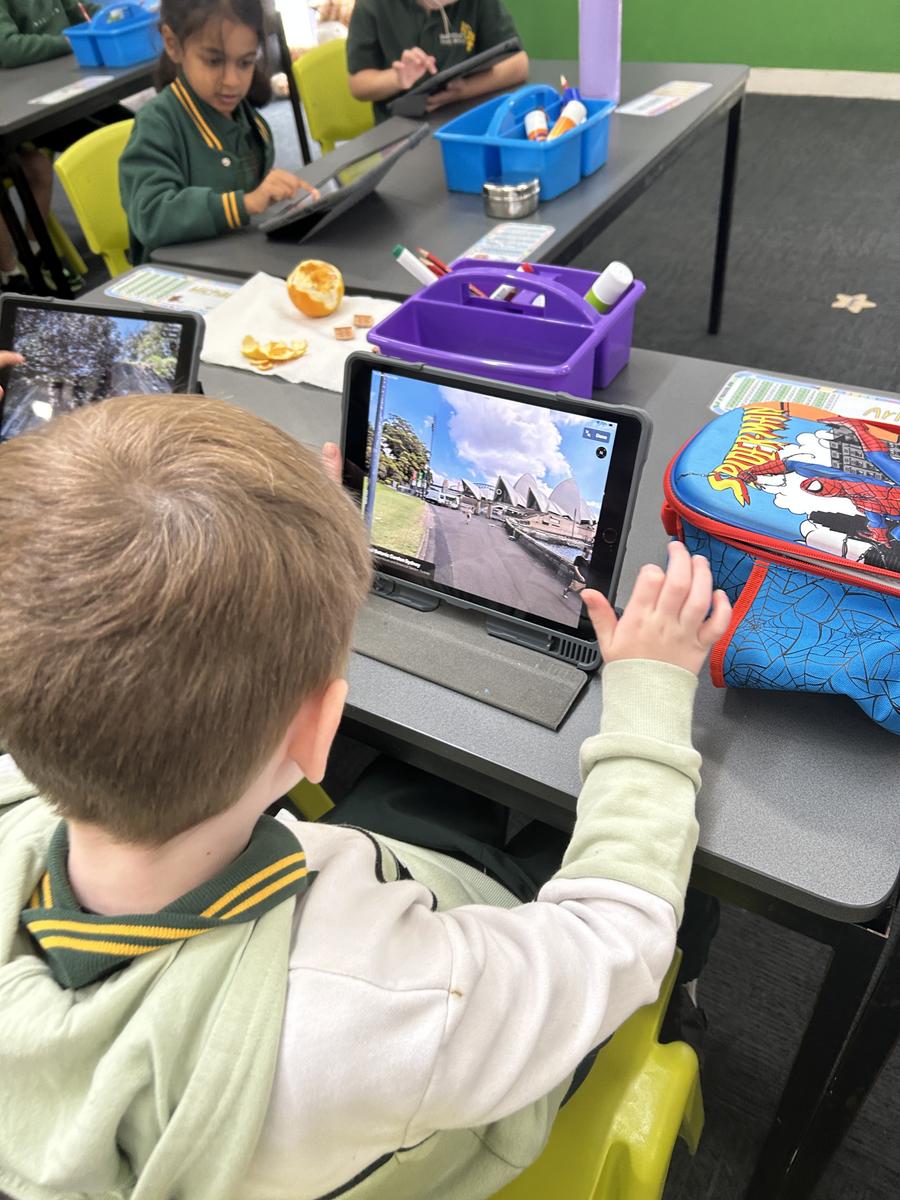
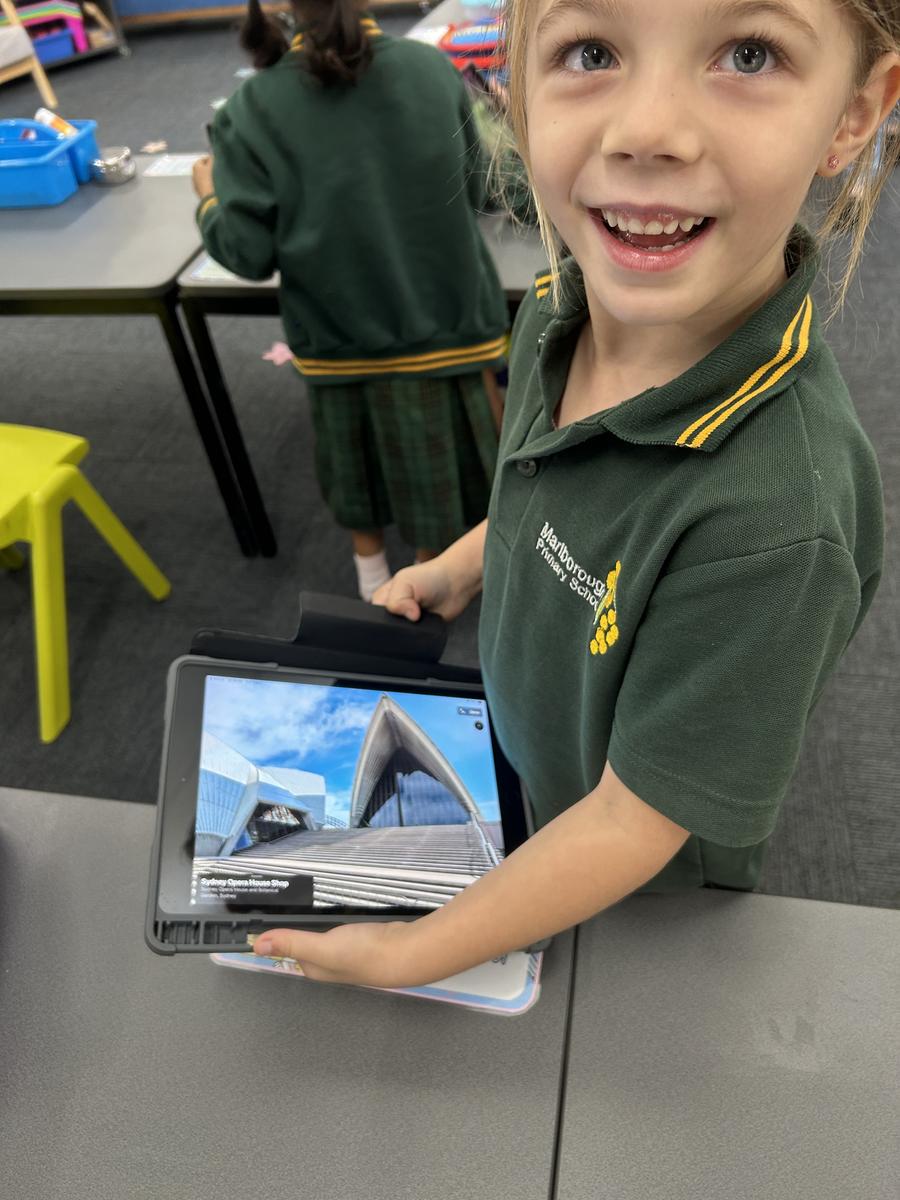
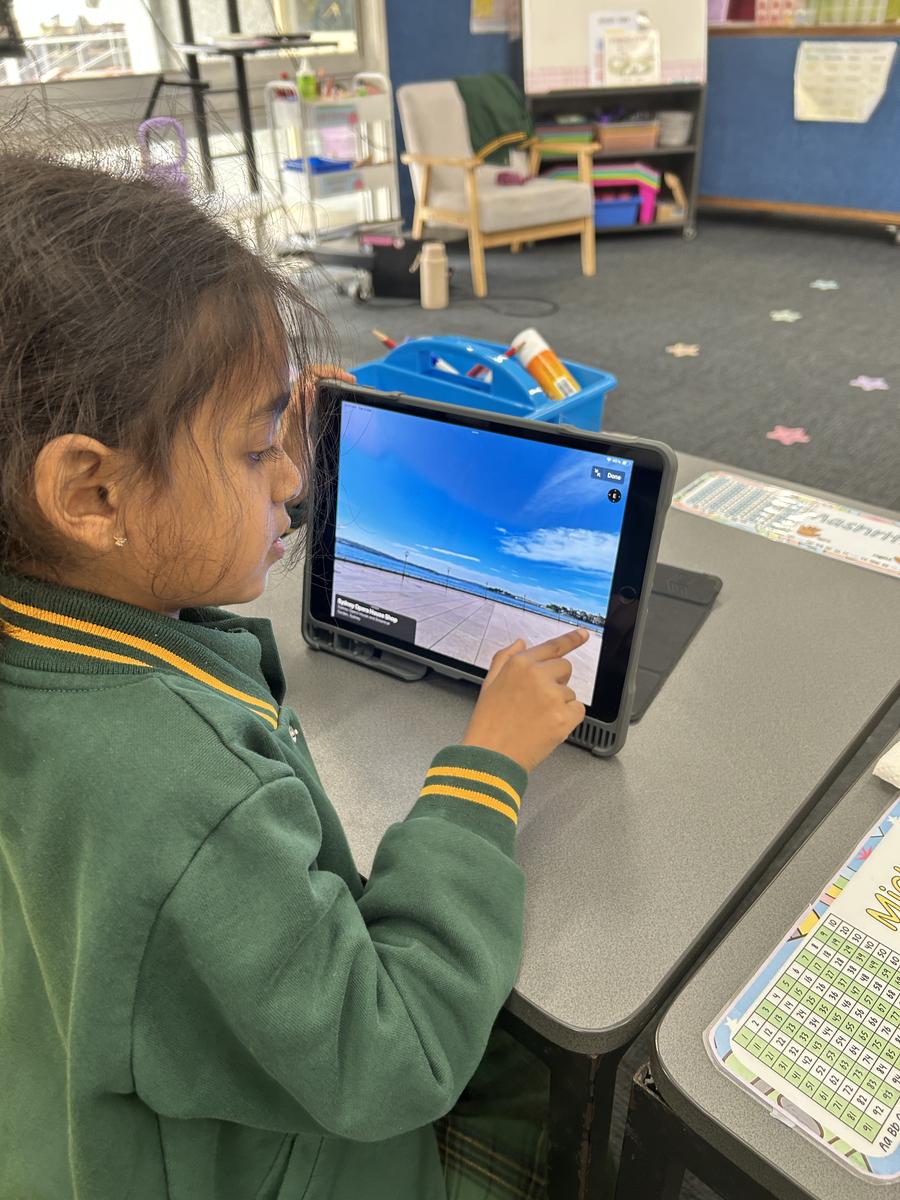
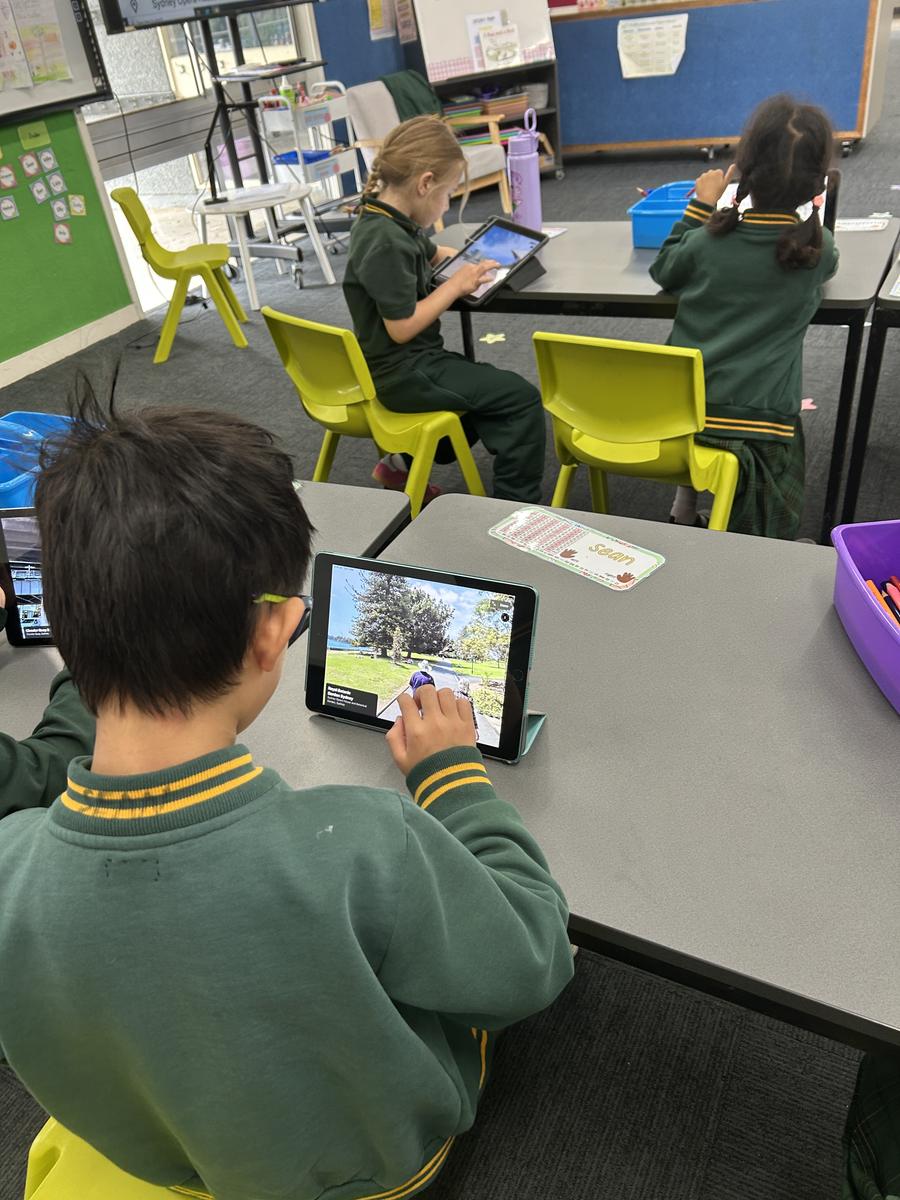
In Maths, Junior B have been continuing their Place Value unit, learning how to order numbers from smallest to largest, estimating and rounding numbers and splitting 2 digit numbers into groups of tens and ones. In Science, Junior B have continued to look at how the Earth’s axis effects the weather seasons, we have had a specific focus on our Indigenous Weather seasons and how our natural environment looks in each of these seasons.
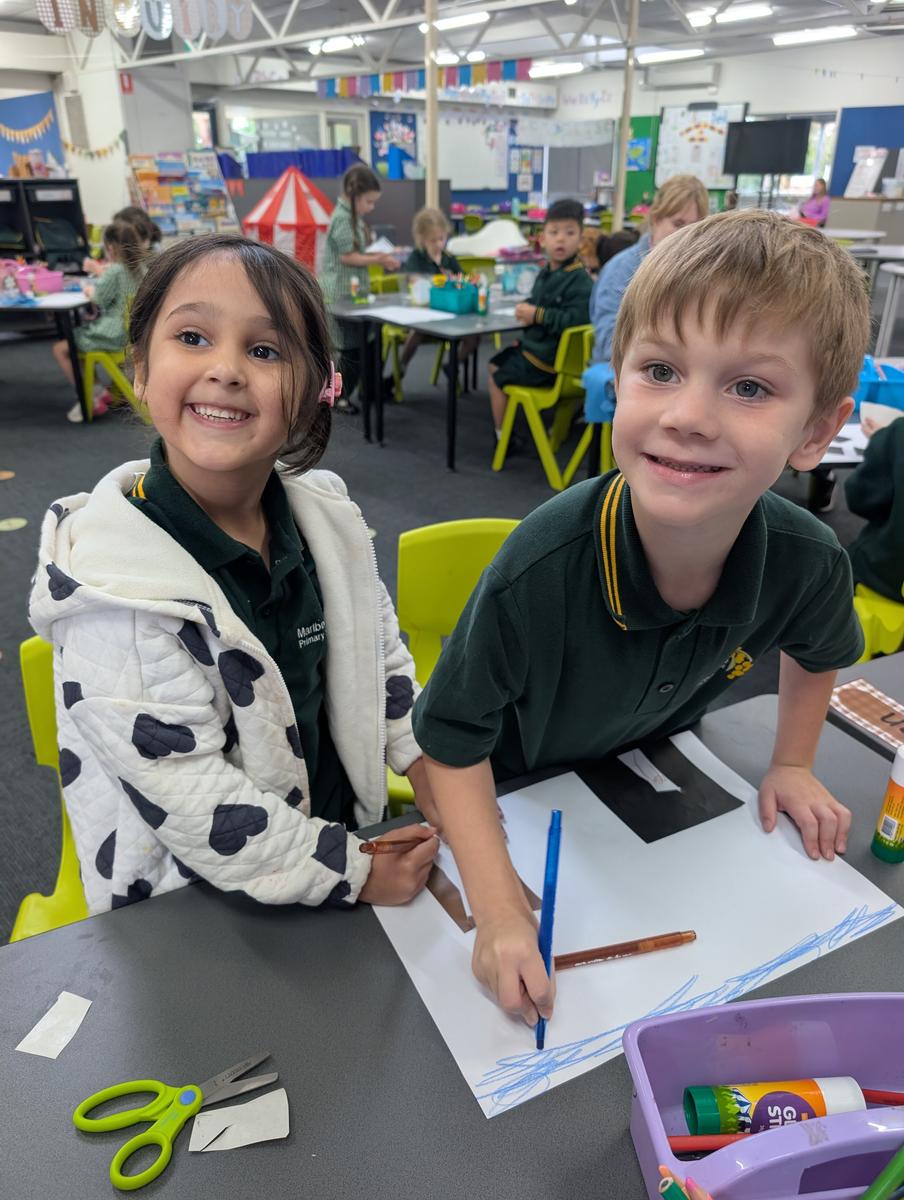
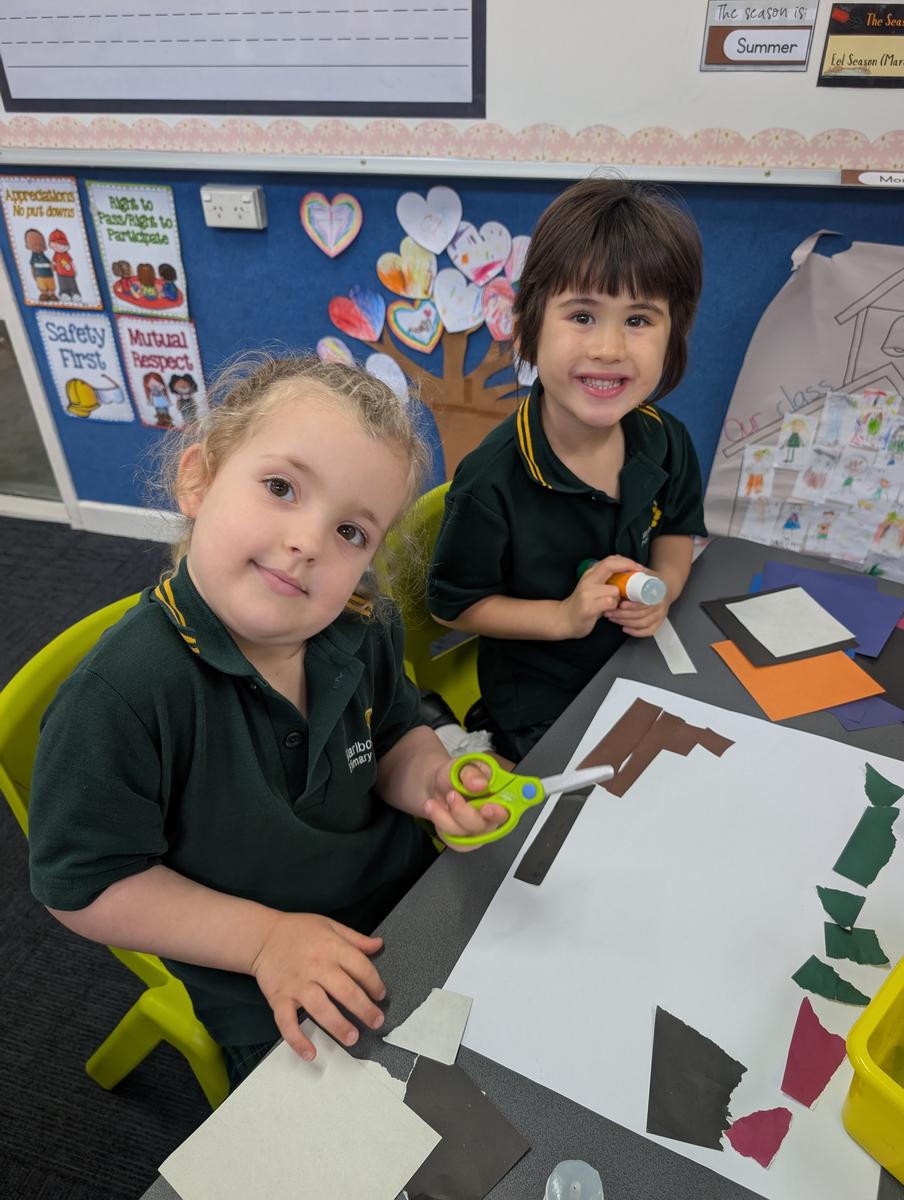
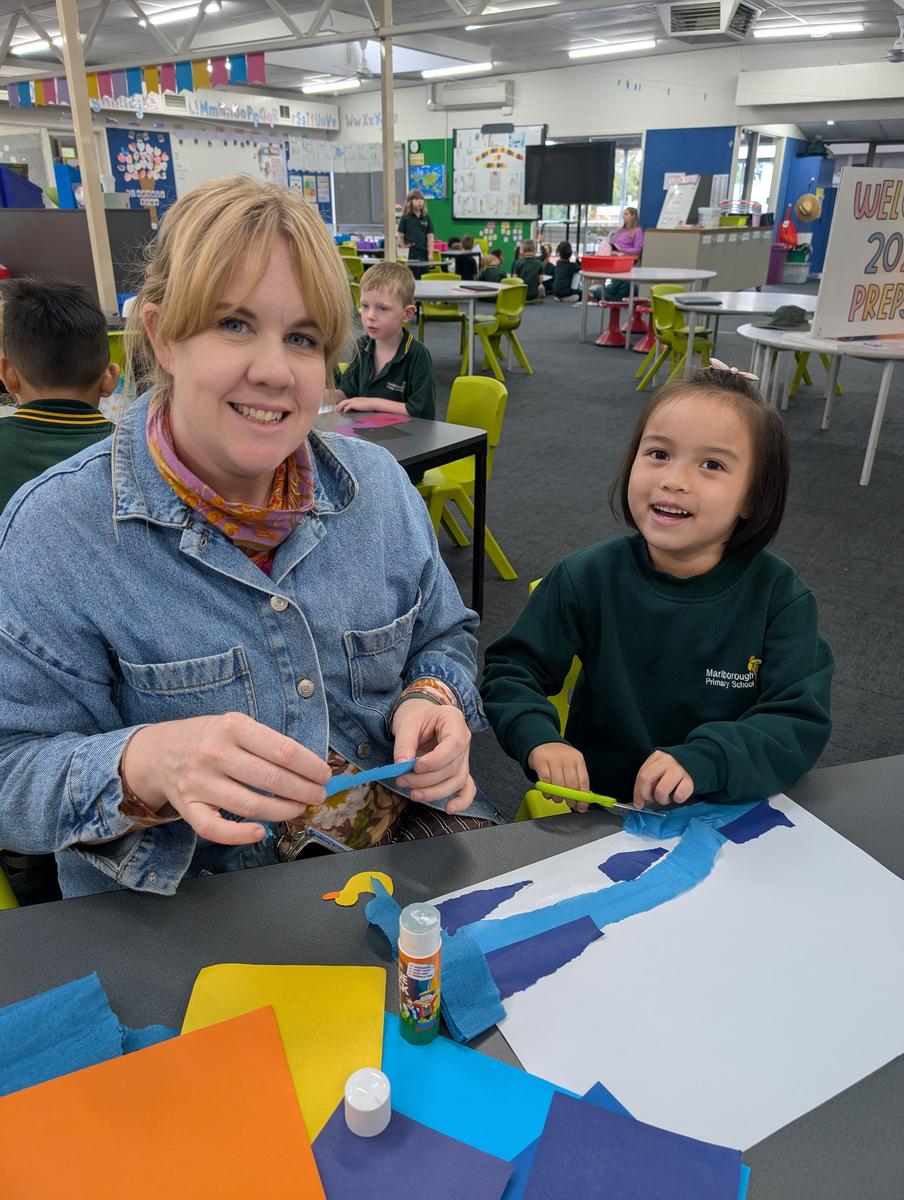
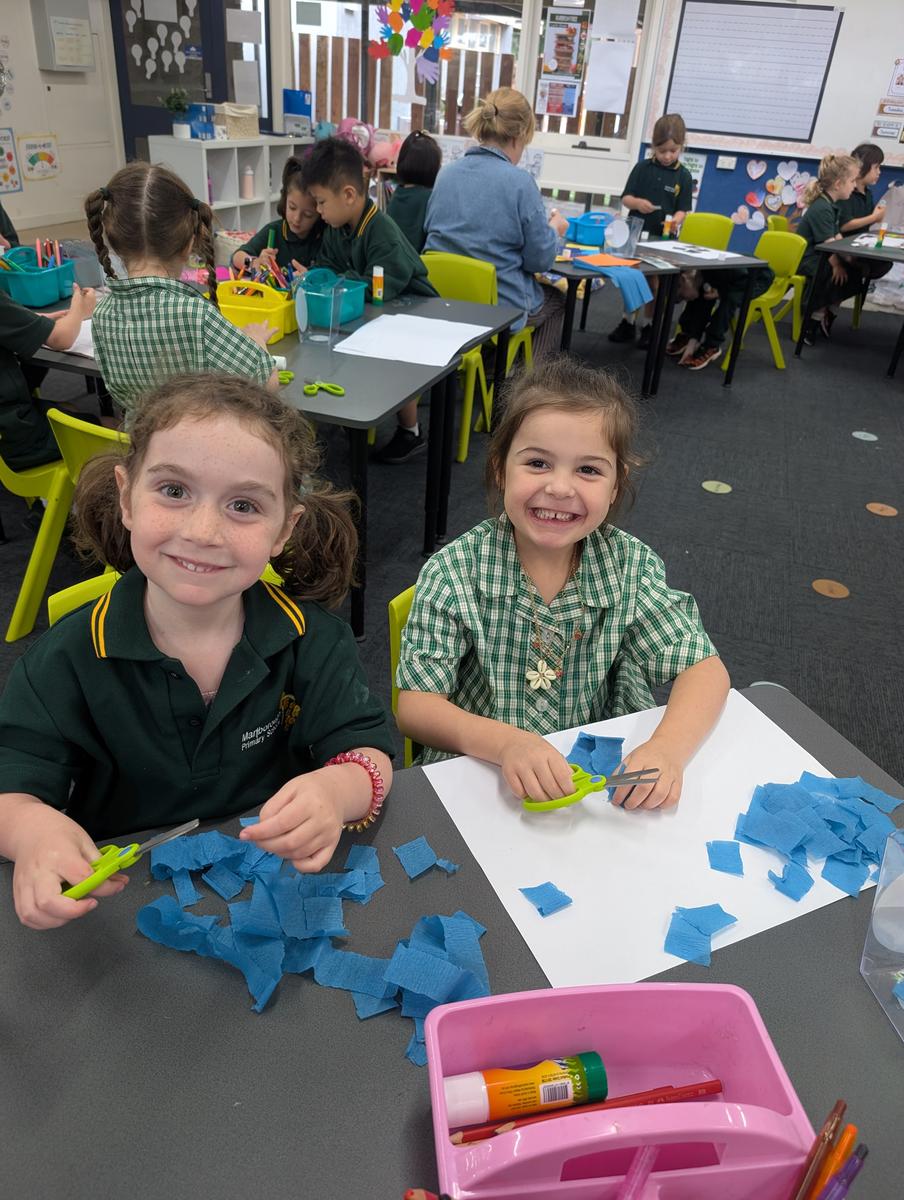
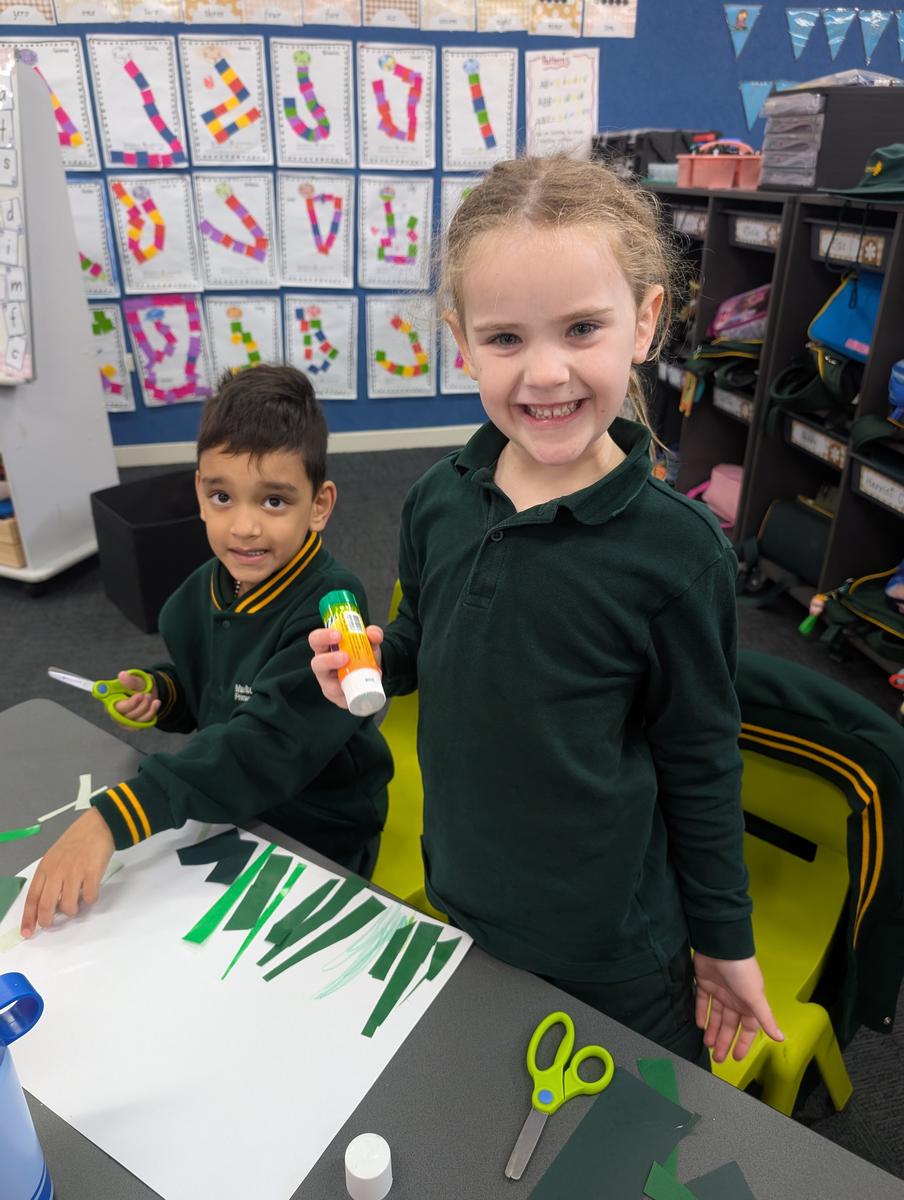
Over the past week, Junior A has been exploring the world of narratives. We’ve been diving into the story We’re Going on a Bear Hunt, and the students even choreographed their own actions to bring the book to life! They had a wonderful time being creative and were so eager to share their unique thoughts and ideas. In another lesson, we created fabulous collages representing the beginning, middle, and end of the story, with students working beautifully in pairs to recreate different scenes.
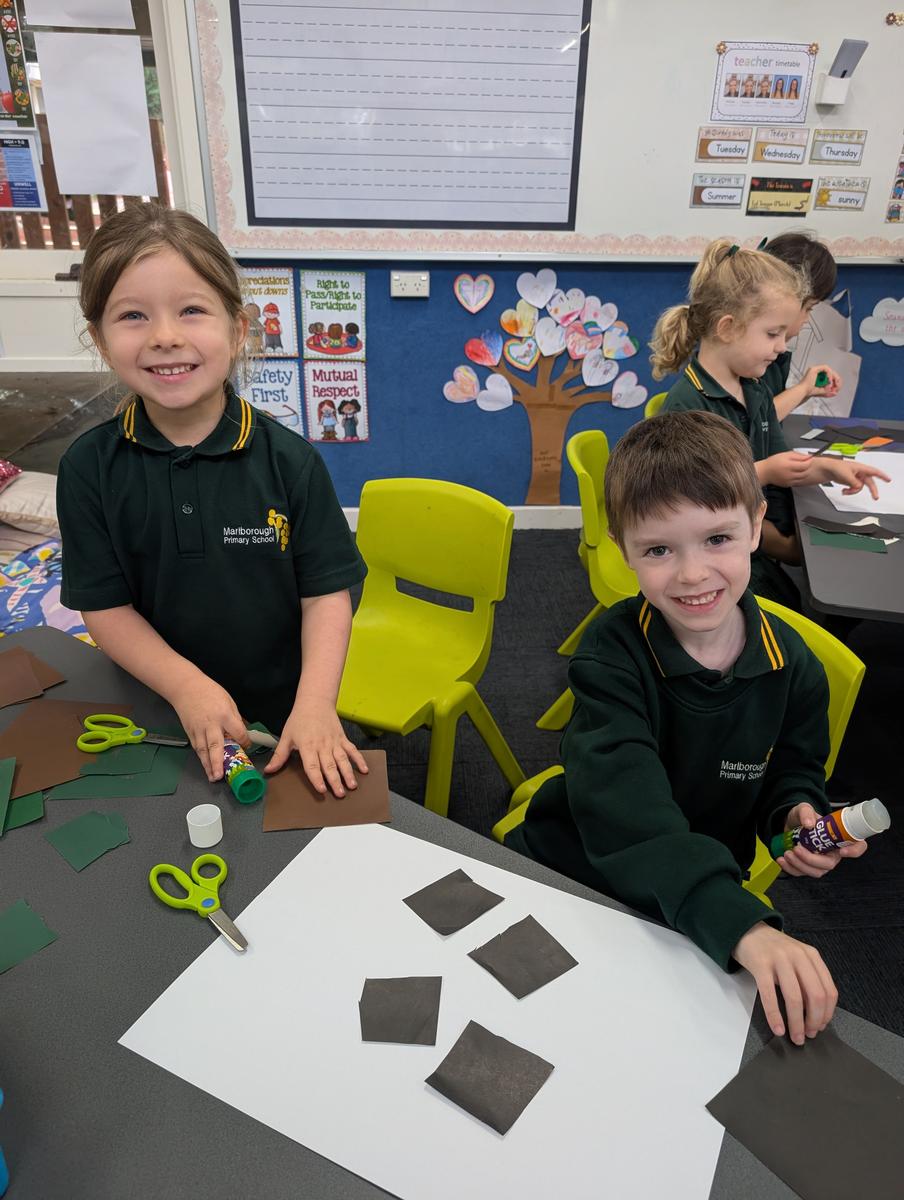
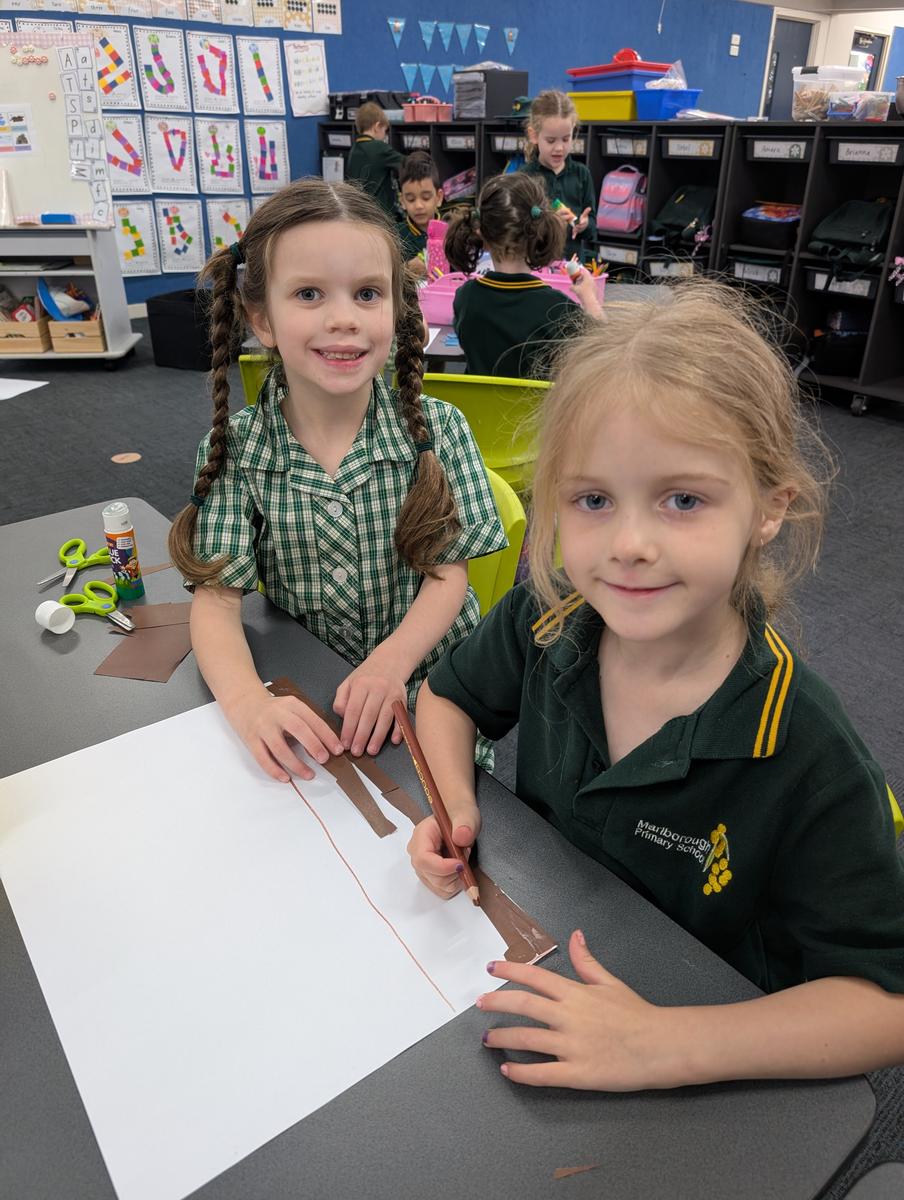
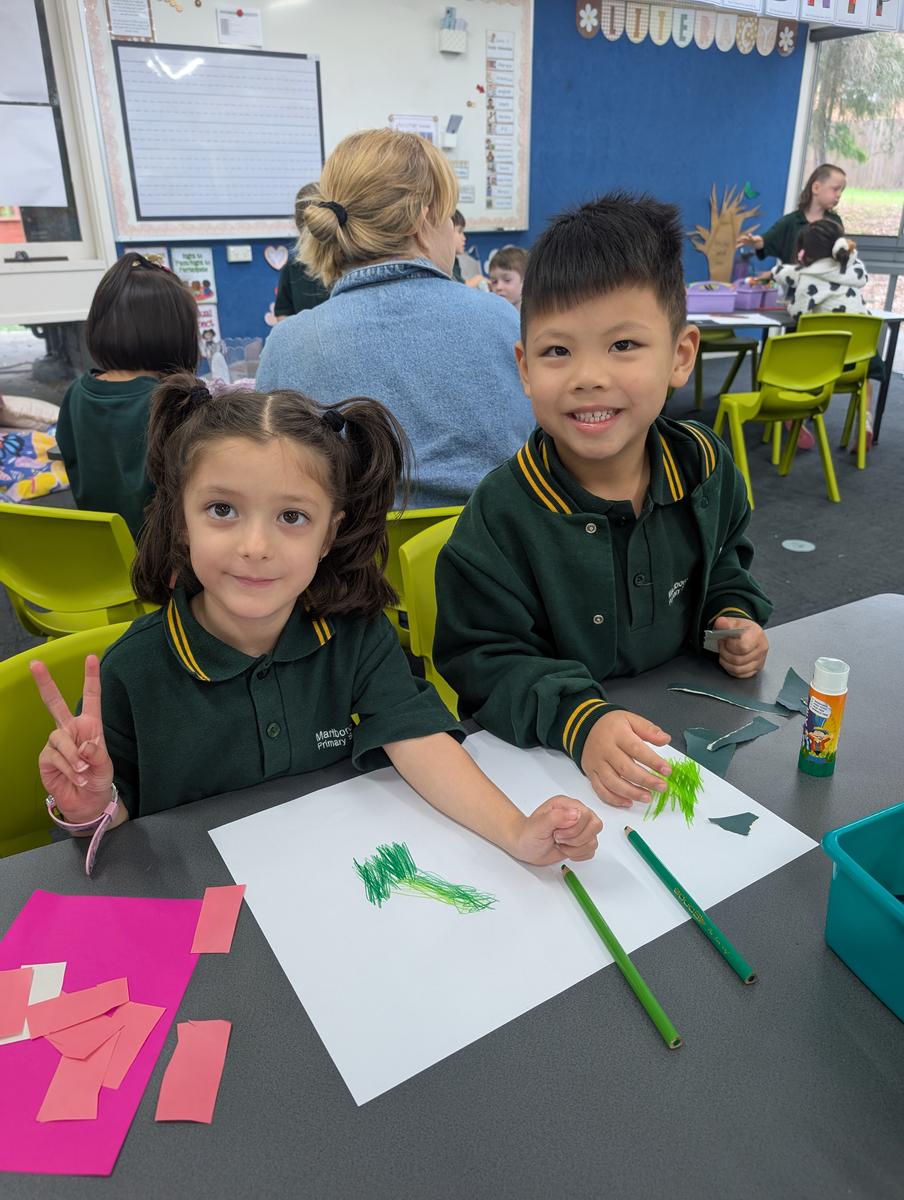
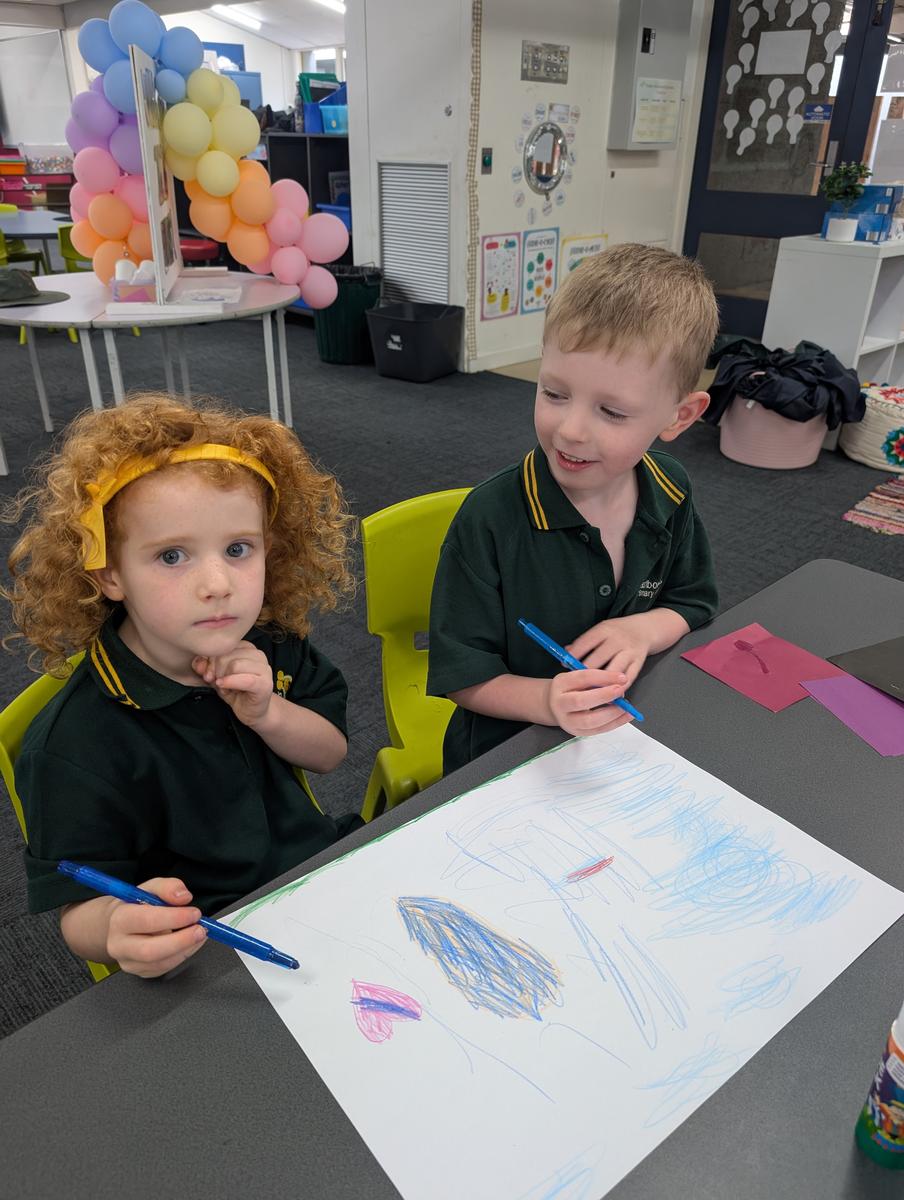
In Maths, Junior A have been working hard creating and identifying quantities to 10. They practised their counting skills by clipping pegs onto dinosaurs. Then they completed their own dinosaurs by rolling a number, writing it down, and drawing the matching number of spikes.
In Science, students are studying the differences between animals. They have observed a variety of animals and have shown their scientific understanding by identifying and describing these animals and labelling different parts.
Middle Unit News
In English this week, Middle A have completed Blueback, by Tim Winton. Students have thoroughly enjoyed following the journey of Abel and his special connection with Blueback. Many students shared how strongly they connected to the characters, particularly admiring Abel’s bravery and his mother Dora’s determination and care for the environment.
Throughout our study, we explored:
- 🌊 Themes of environmental protection and caring for our oceans
- 💛 Respectful relationships between people and nature
- 🌱 The importance of standing up for what is right
- 🐟 How authors develop characters and settings to send powerful messages
Students engaged in thoughtful discussions, reflected on the moral of the story, and made meaningful connections between the novel and real-world environmental issues. It has been wonderful to see their empathy, curiosity and passion shine through during class conversations and activities.
We are very proud of the way students have engaged with this rich Australian text and the maturity they have shown in exploring its important messages.
Middle A have begun exploring the text Sophie Scott Goes Southwhich is a children’s picture book by Alison Lester about a 9-year-old girl’s month-long journey to Antarctica on an icebreaker with her father, the ship's captain. Written in diary format, the story describes her experiences seeing penguins, seals, icebergs, and the southern lights, as well as navigating a blizzard. The students have had opportunity to unpick each diary entry by identifying the key points and highlights which is being placed onto a classroom timeline within the classroom.
We are looking forward to exploring this text further and un packing what is invloved in an Antarctic exploration.
In Numeracy, students are wrapping up our Place Value unit. Throughout the unit, students have been developing a deeper understanding of how our number system works.
They have been learning to:
- 🔢 Read, write and represent numbers in different ways
- 🧱 Use base-ten materials to model thousands, hundreds, tens and units
- 🔄 Rename numbers flexibly (e.g. 1,234 as 12 hundreds and 34 ones)
- 📏 Round numbers to the nearest 10, 100 and 1,000
- 🔍 Compare and order numbers using mathematical reasoning
Students have shown great growth in confidently explaining their thinking and using correct mathematical vocabulary. We have particularly focused on understanding the value of each digit, rather than just reading the number.
It has been wonderful to see students challenge themselves, apply their knowledge to problem-solving tasks, and build strong number foundations that will support future learning in all areas of mathematics.
In Weeks 7 and 8, our Grade 3 students will be participating in National Assessment Program – Literacy and Numeracy (NAPLAN).
NAPLAN assesses students in:
- 📖 Reading
- ✍️ Writing
- 🔤 Language Conventions (spelling, grammar and punctuation)
- ➗ Numeracy
We approach NAPLAN as just one part of our overall assessment and learning journey. Students have been building their skills through regular classroom learning, and we encourage them to simply try their best and approach each session with a calm and positive mindset.
You can support your child by:
- Ensuring they get a good night’s sleep
- Providing a healthy breakfast
- Encouraging a relaxed and confident attitude
- Reassuring them that effort is what matters most
We are proud of the hard work our students demonstrate every day and look forward to supporting them throughout the NAPLAN period.
Senior Unit
Over the next fortnight in English, students will continue building their comprehension and writing skills. We will be discussing the behaviour and decisions of characters in texts and summarising the key messages authors are trying to communicate. Students will also explore how illustrations and other visual features help shape meaning.
In Math's, our focus will be on decimals and their connection to fractions, percentages and measurement. Students will explore how metres and centimetres relate to tenths and hundredths, expressing these using decimal and fraction notation. They will engage in tasks that require them to represent, compare and order decimal numbers, and convert between decimals, fractions and percentages. We will also continue with regular fluency tasks to strengthen students’ quick recall and build confidence with number facts and efficient calculation strategies.
In Weeks 7 and 8, our Year 5 students will take part in NAPLAN, which assesses Reading, Writing, Language Conventions and Numeracy. At school, we have been helping students feel confident and supported by revising important concepts, practicing key skills and familiar question types, and encouraging them to ask questions if they are unsure. We encourage students to approach each session with a positive mindset and simply do their best.
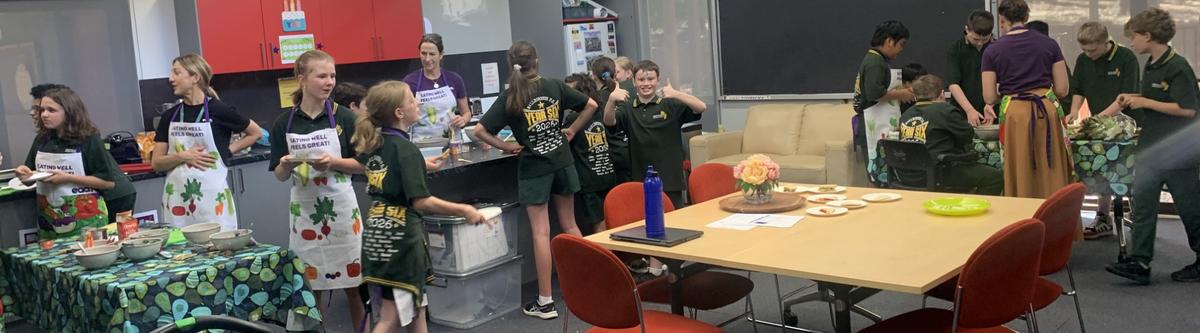
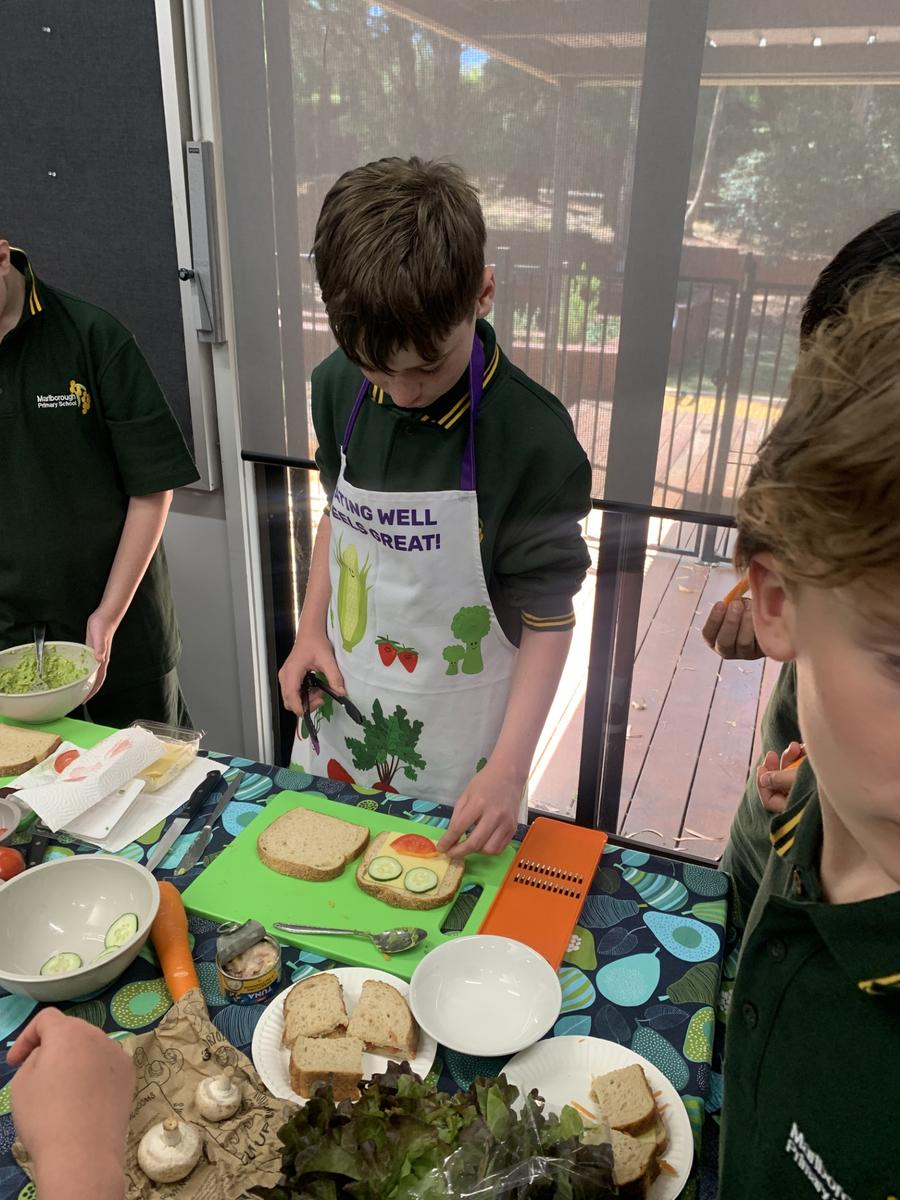
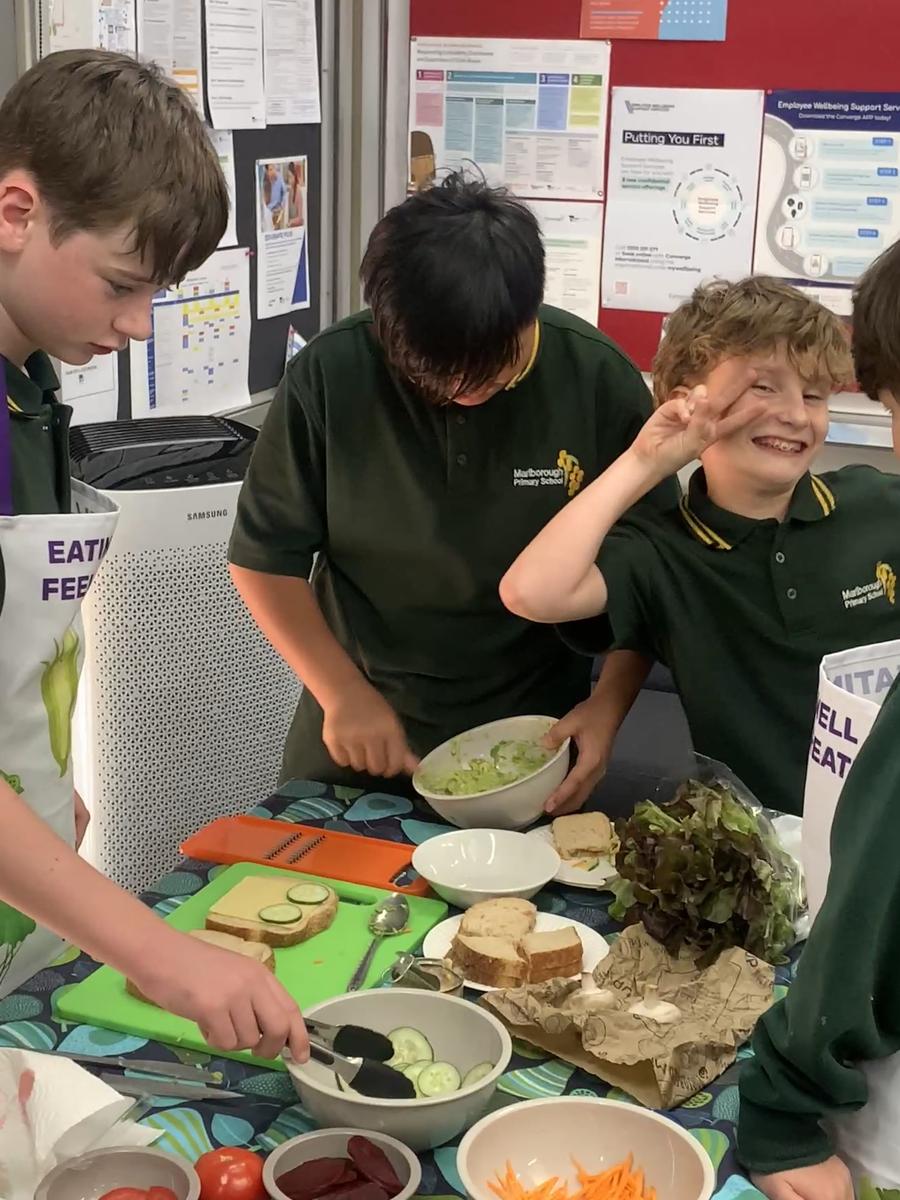
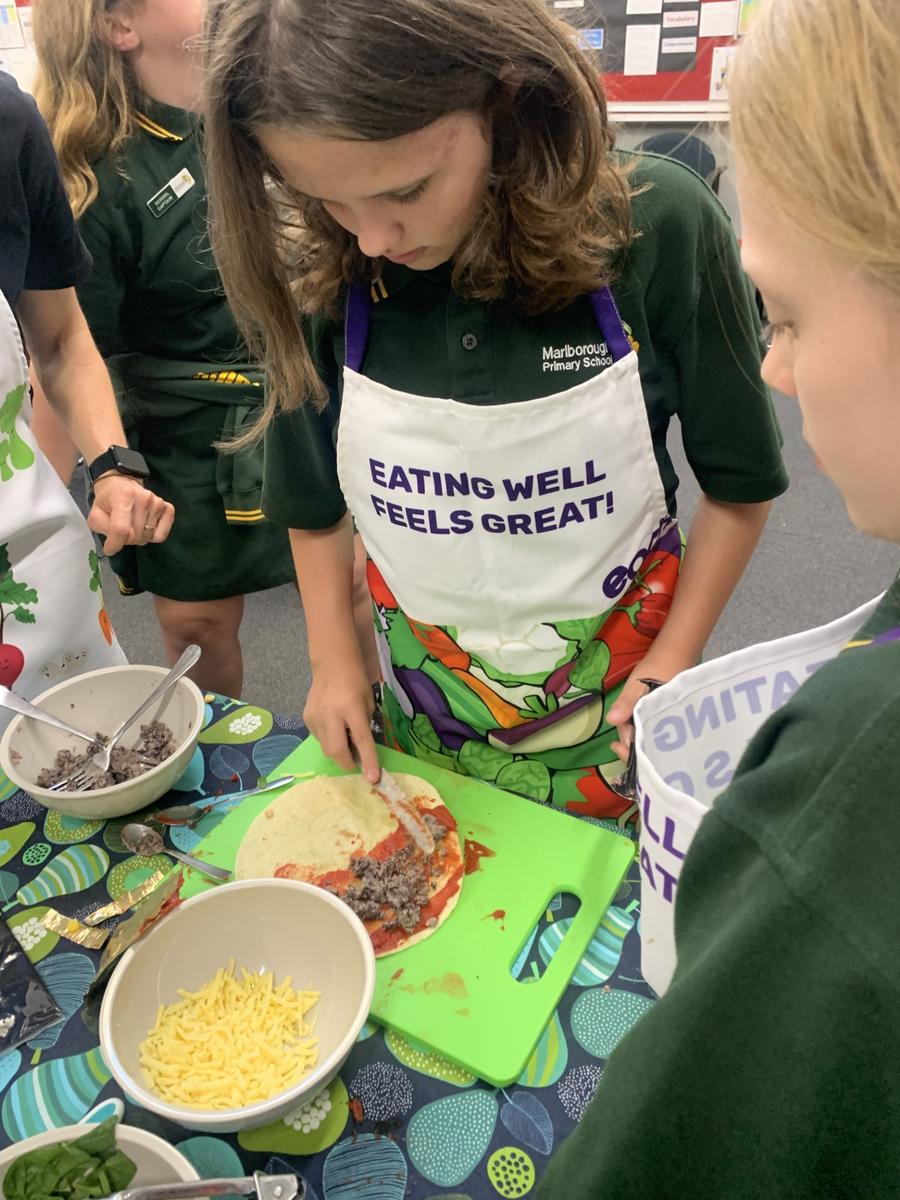
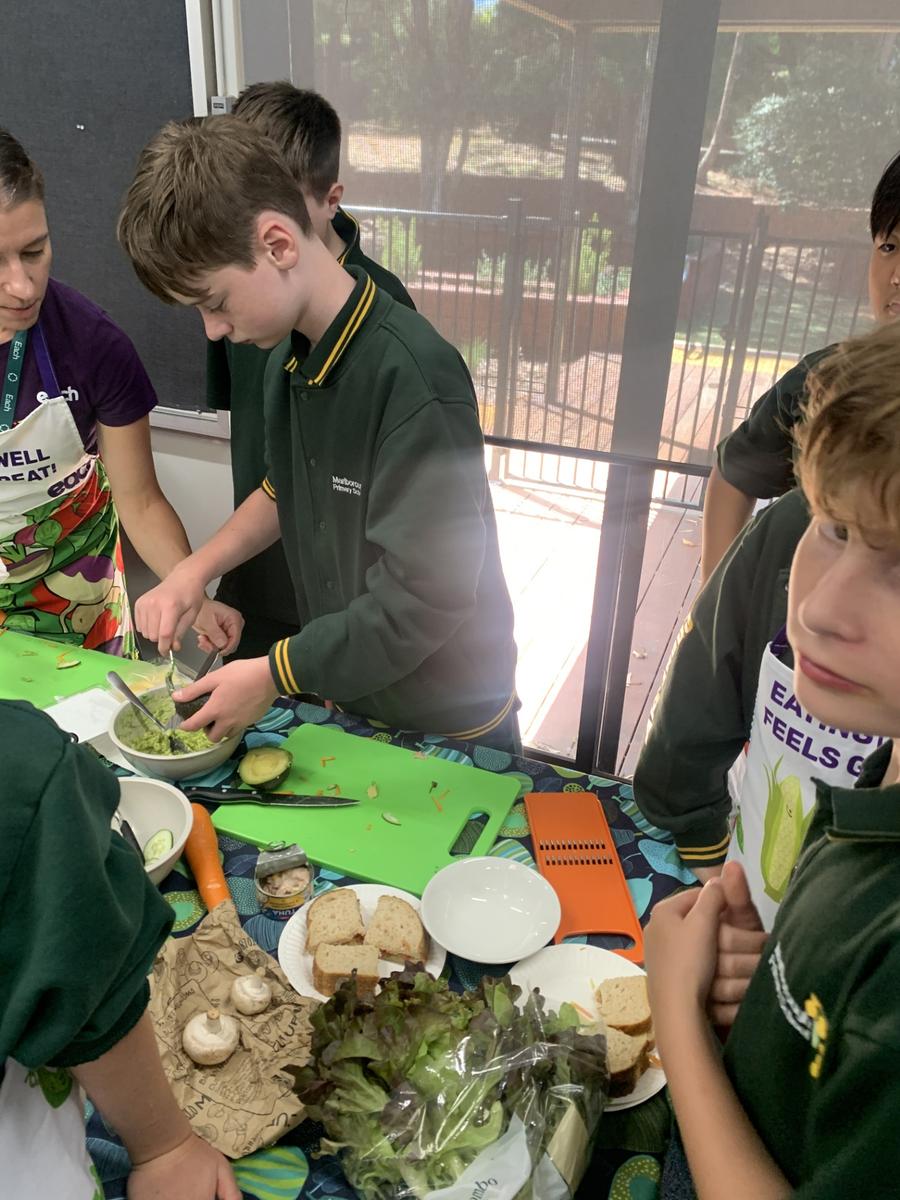
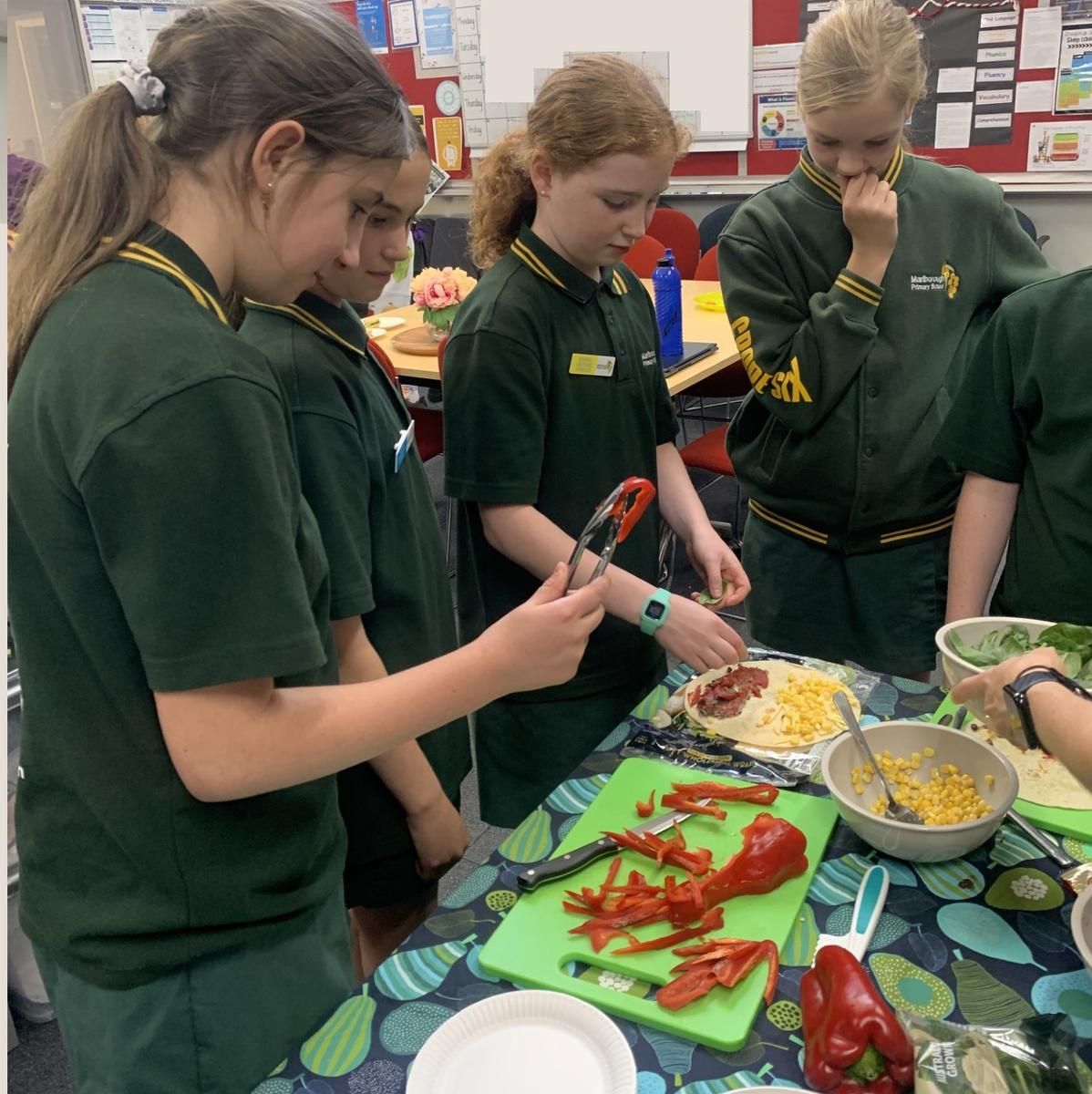
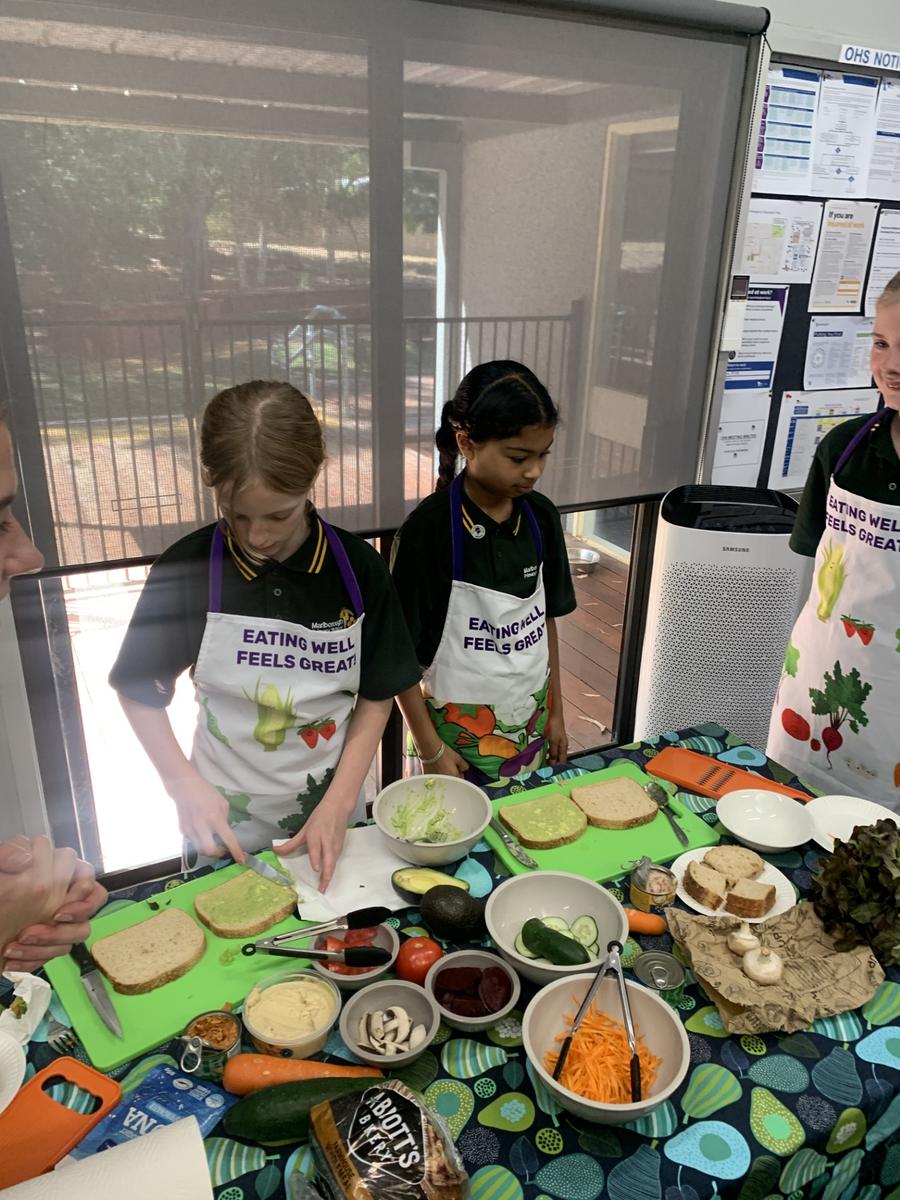
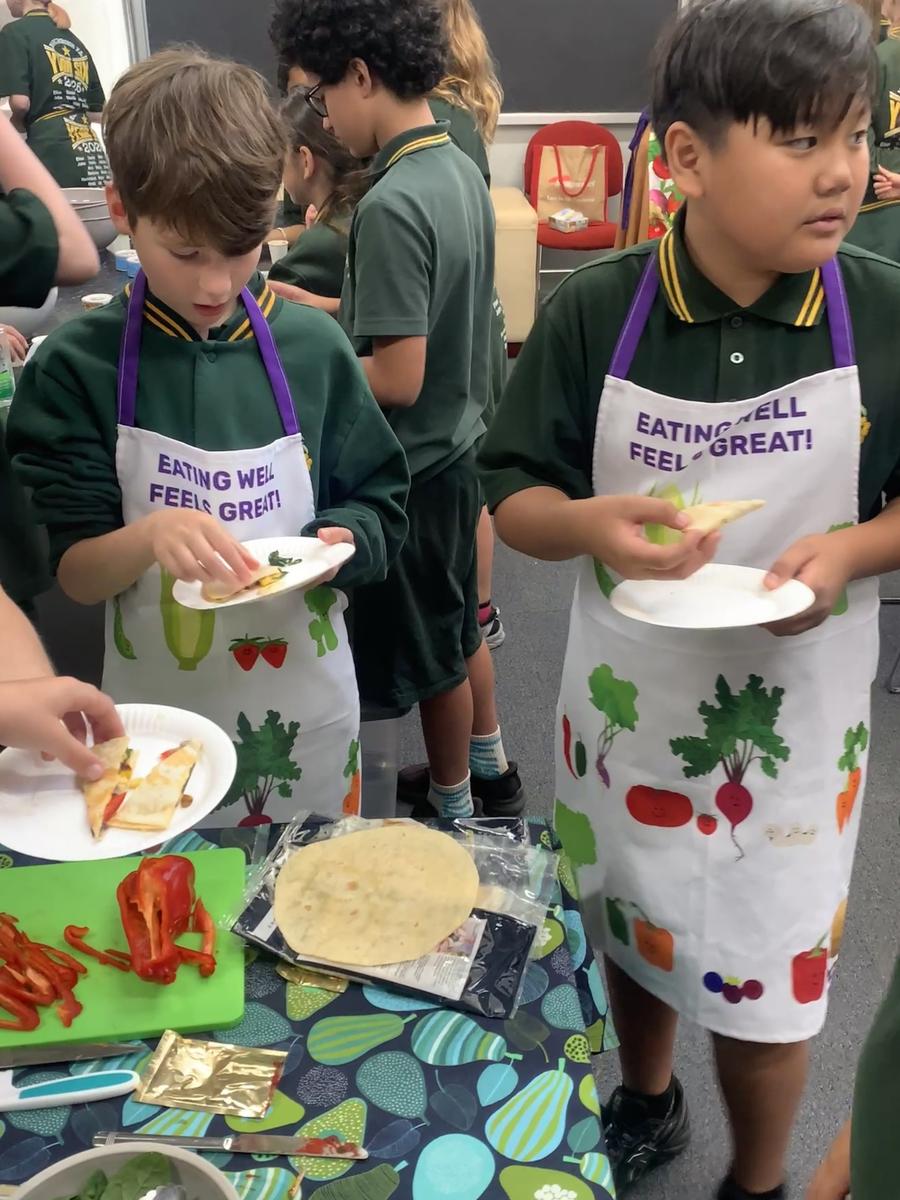
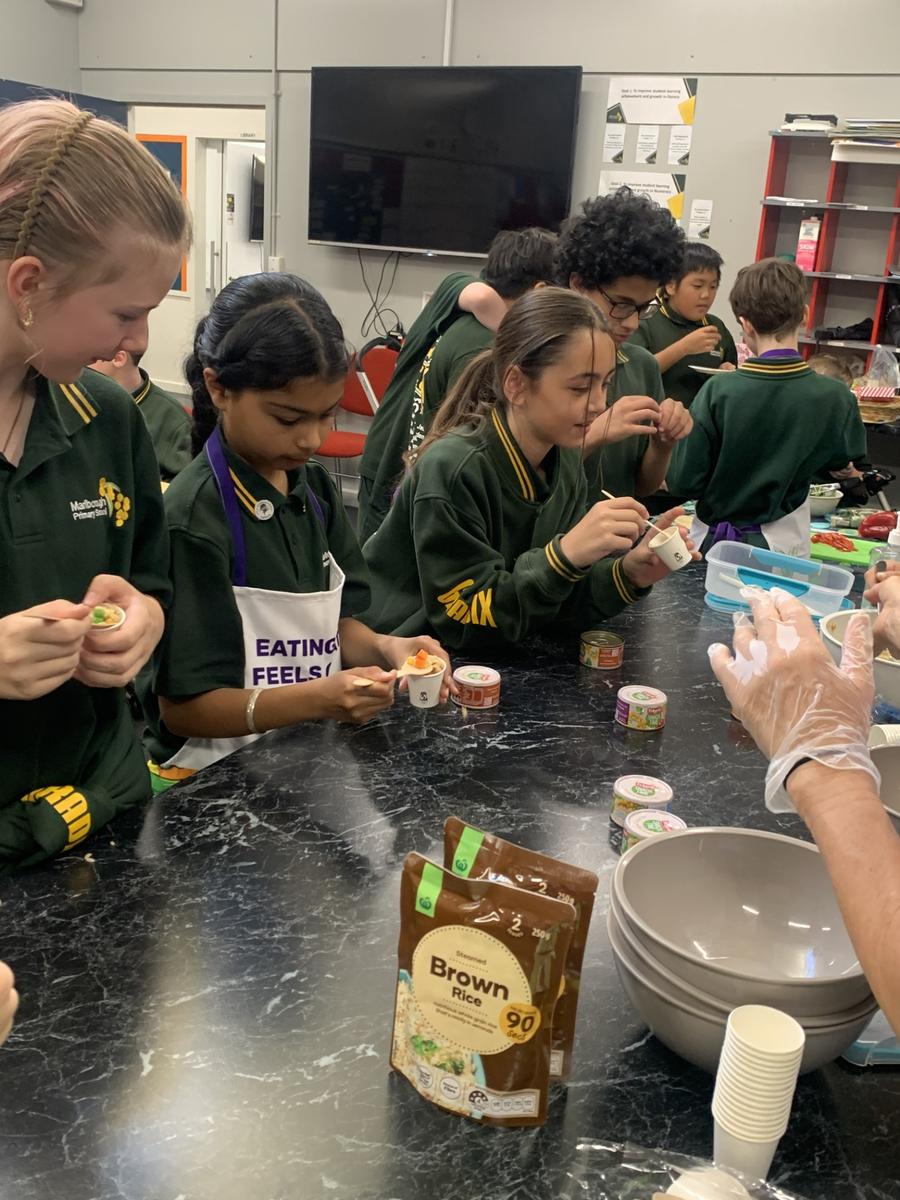
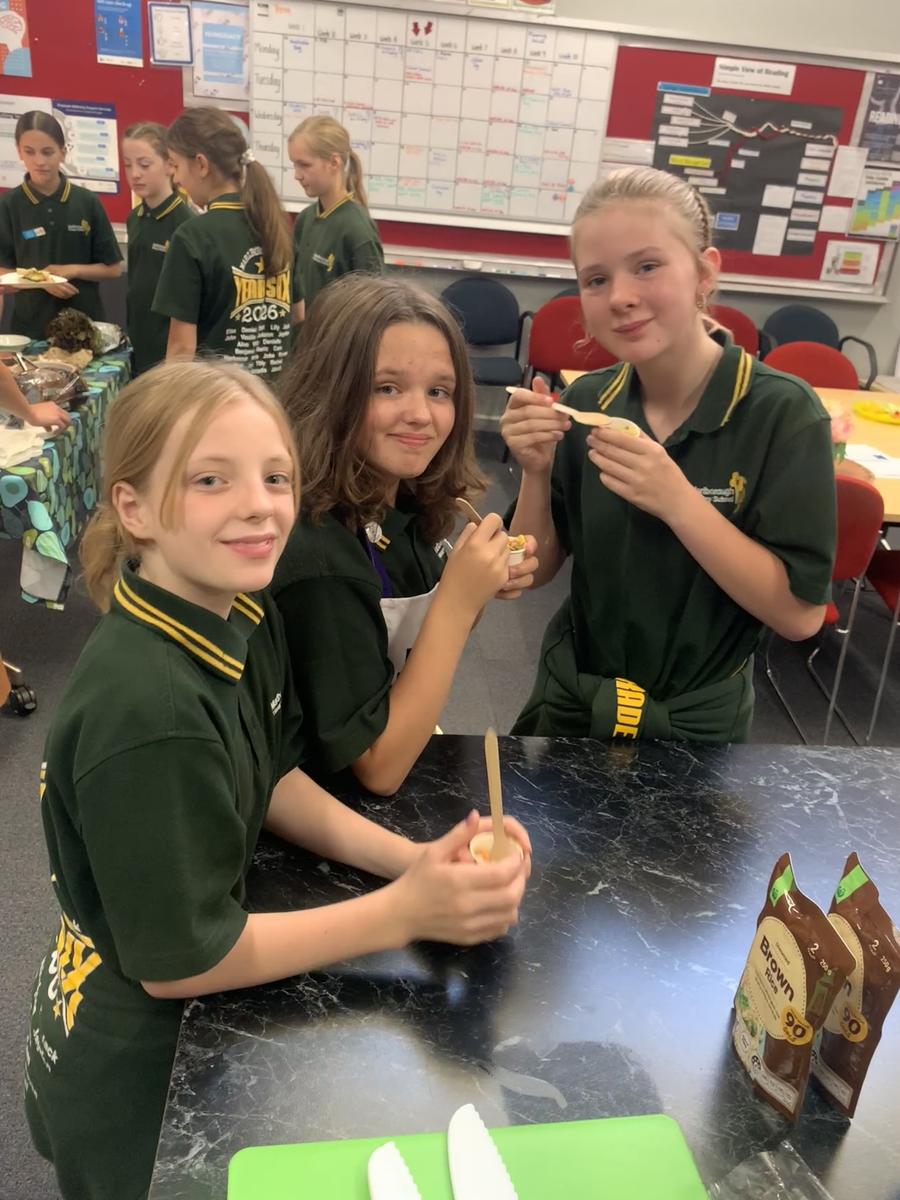
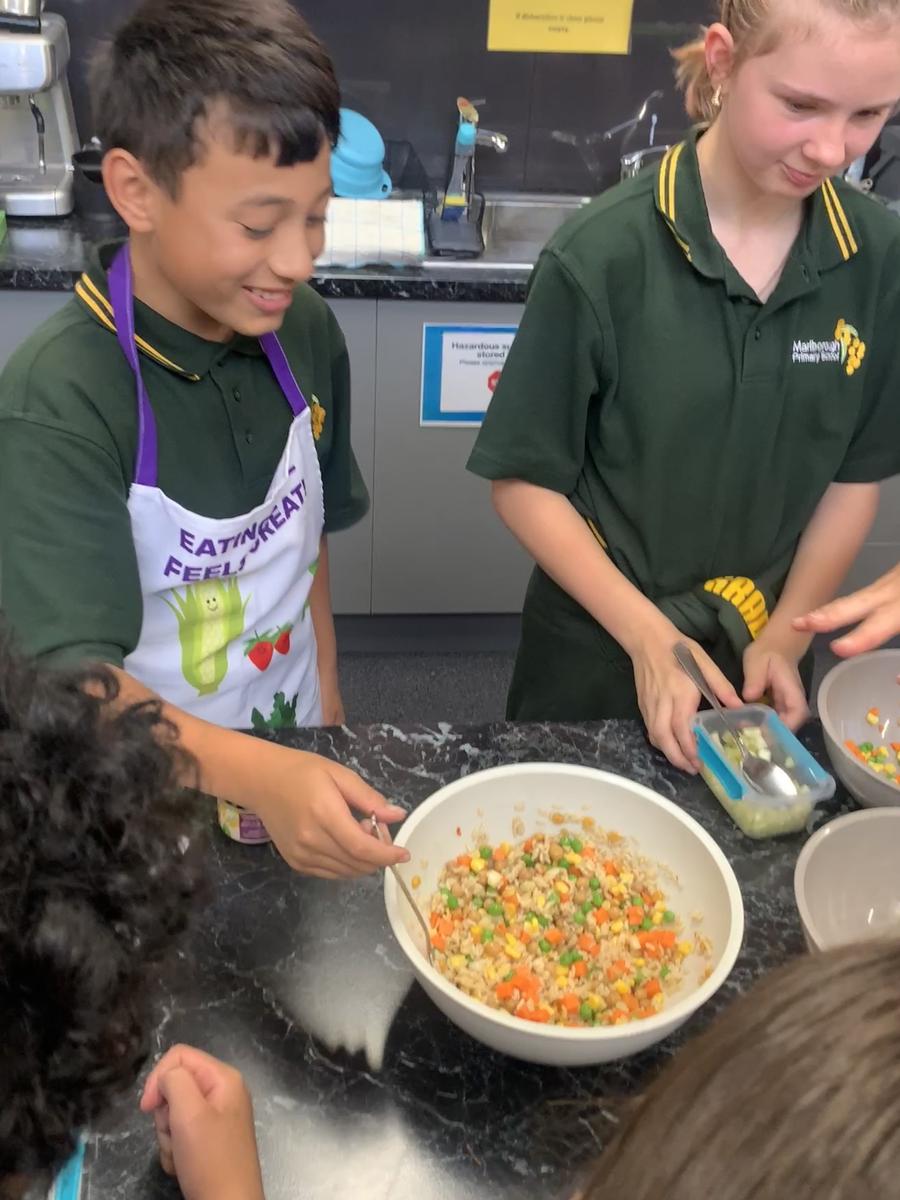
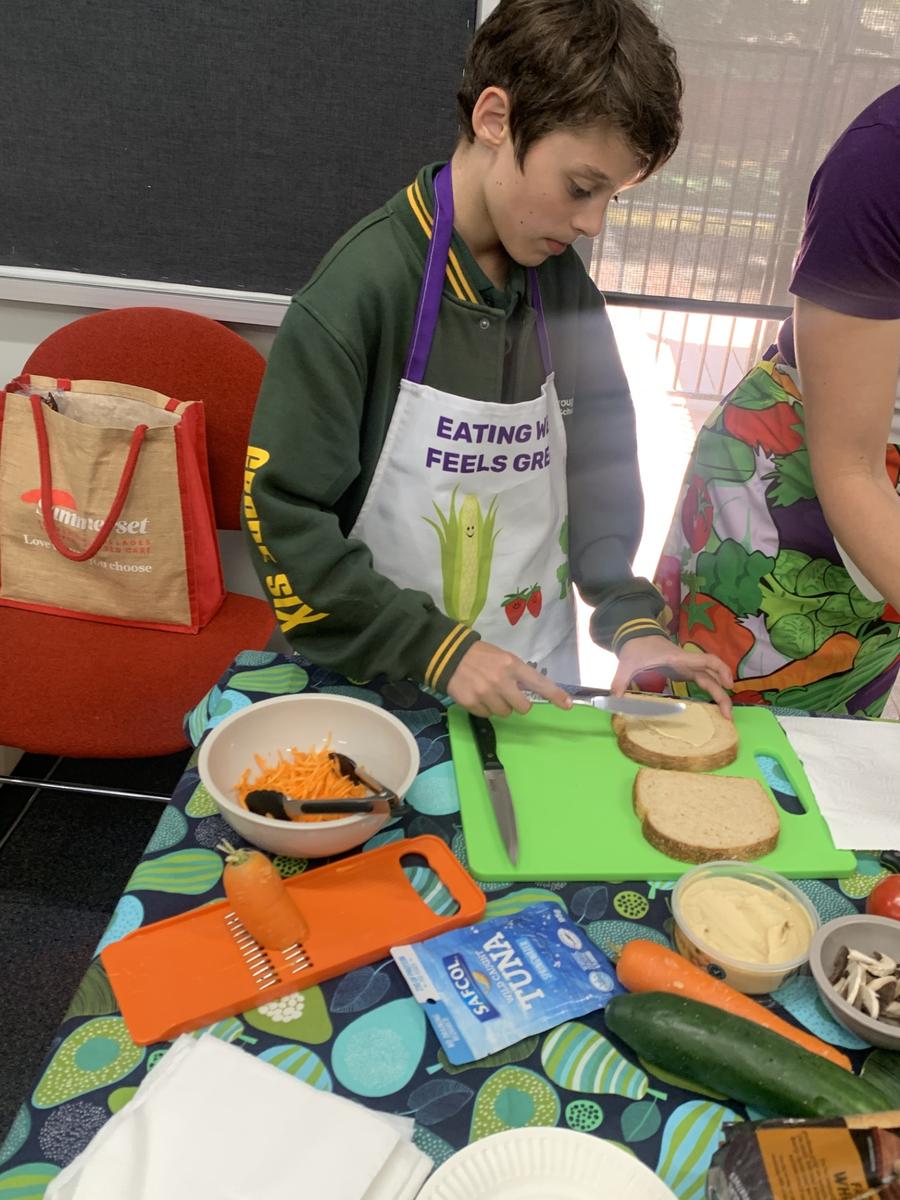
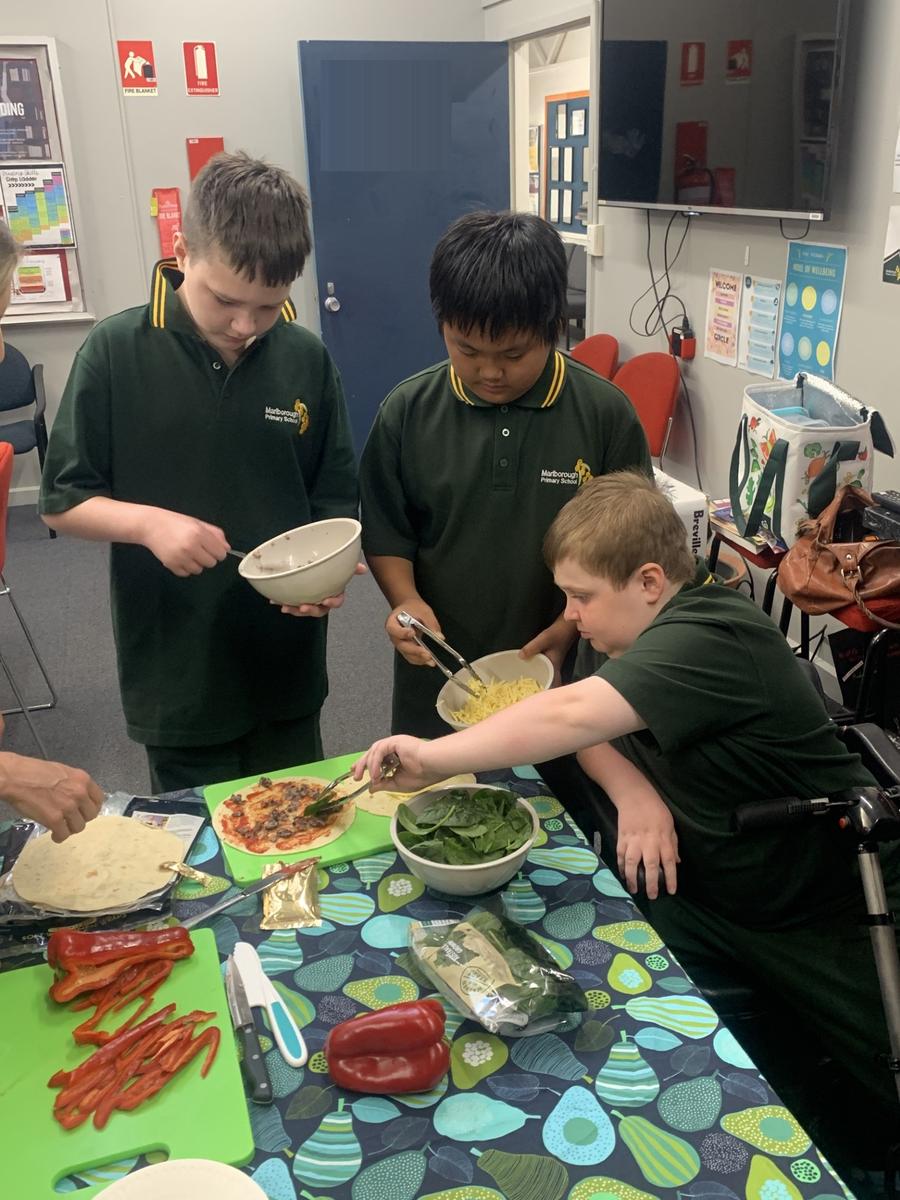
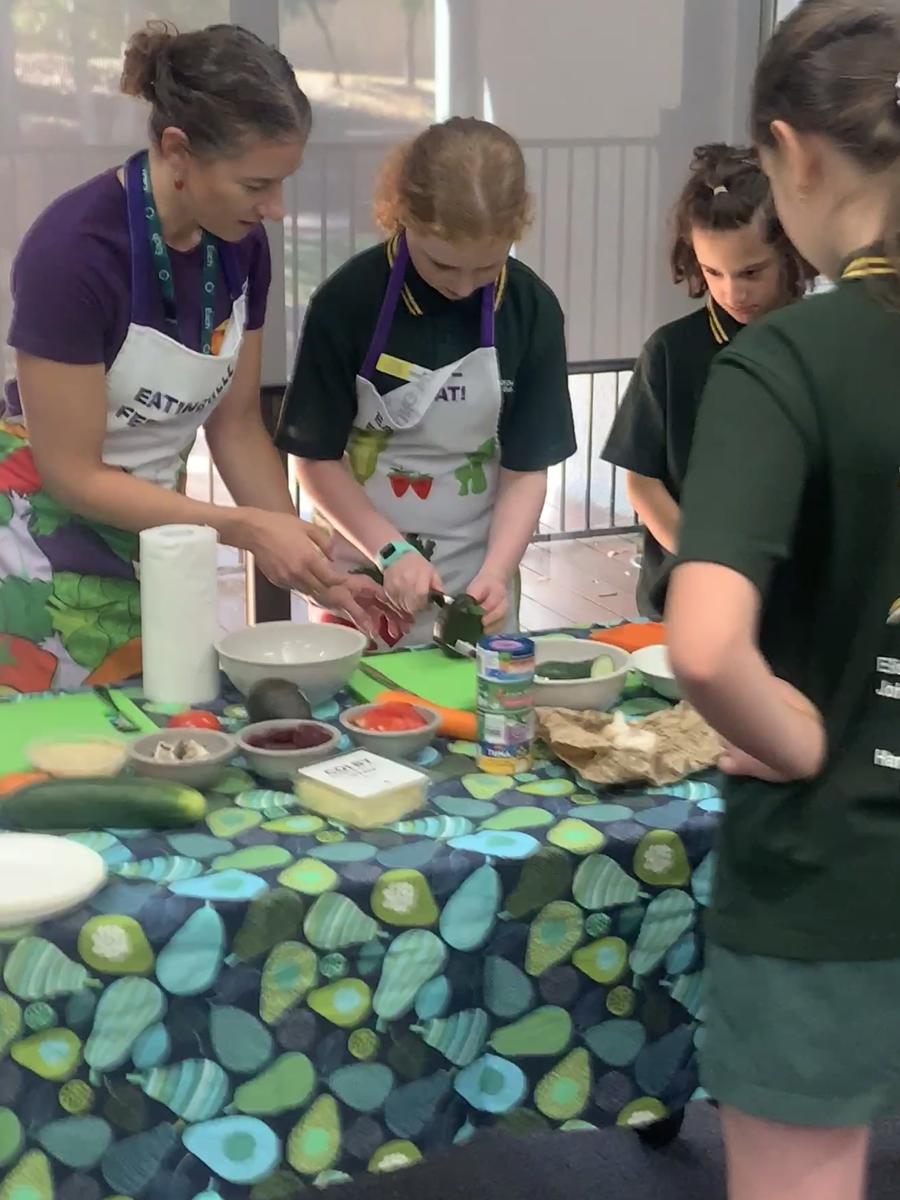
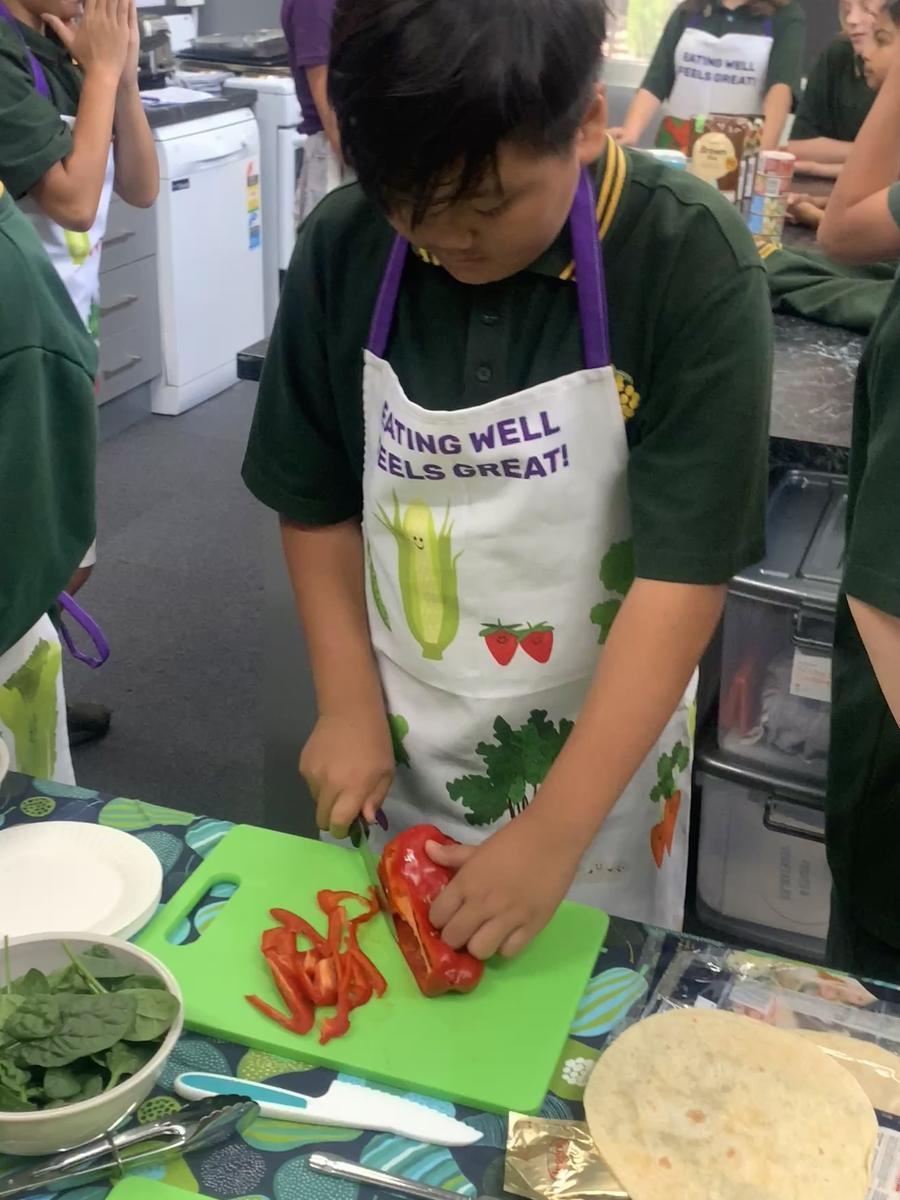
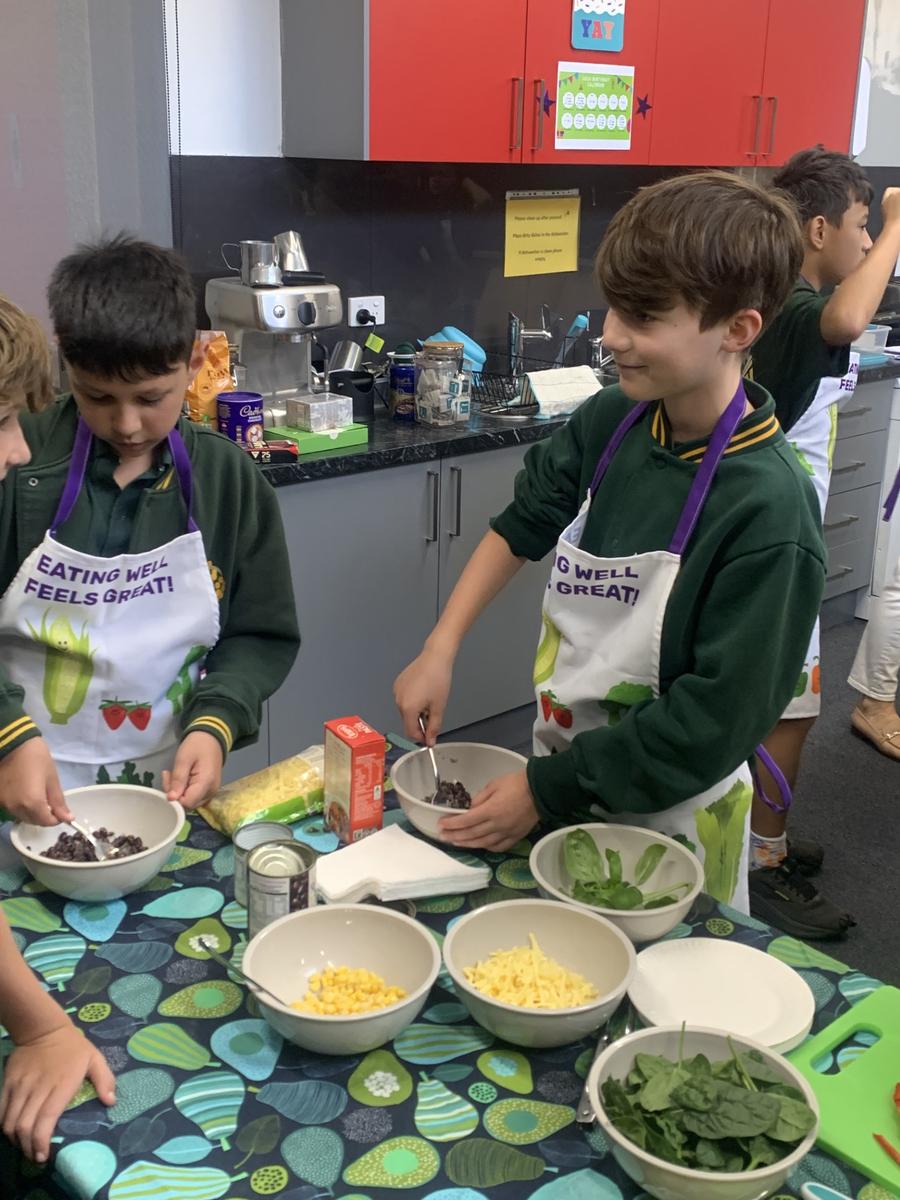
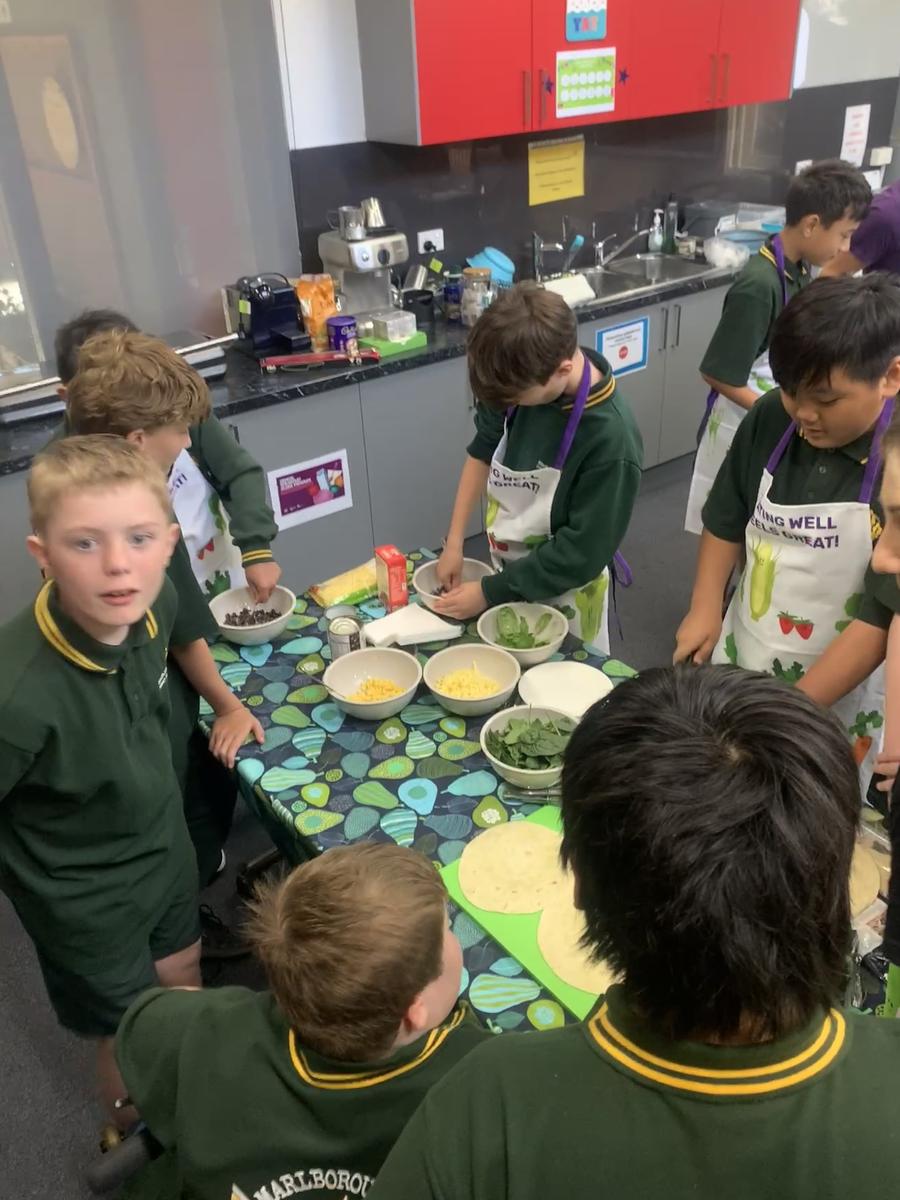
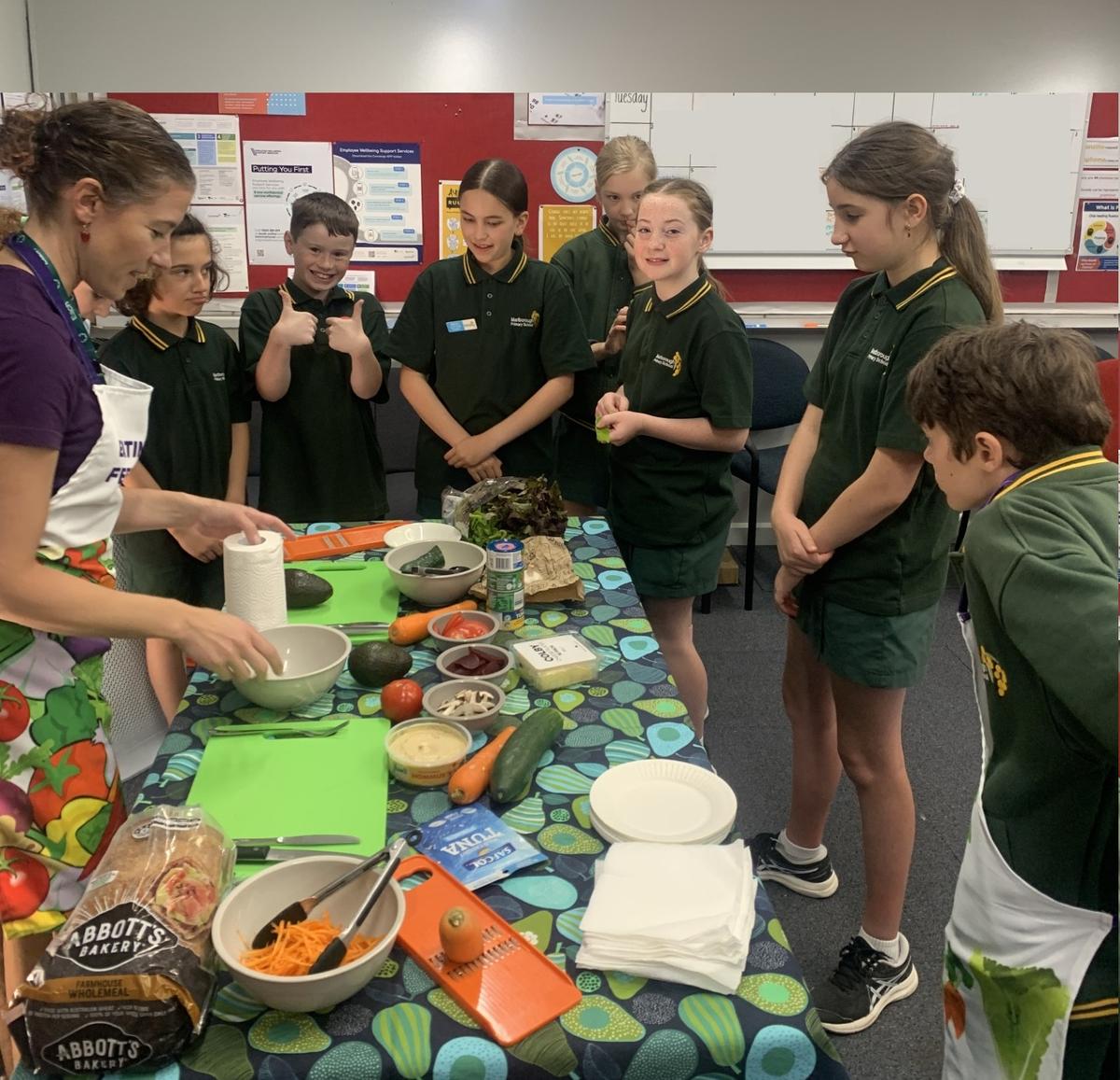
Last week, our Year 6 students participated in the Everyday Lunches session run by EACH. The session began with a mindful eating activity, where students focused on their senses - noticing the smell, texture, appearance and taste of food. They revised the main food groups before rotating through three practical stations: preparing rice bowls with vegetables, making quesadillas and assembling sandwiches. It was wonderful to see many students trying new foods and learning simple, practical ways to prepare healthy meals independently.