
First Aid
Protecting against diphtheria
There are diphtheria outbreaks happening in some parts of Australia, especially in regional and remote areas of the Northern Territory, Western Australia and South Australia. There have been no cases identified in Victoria to date.
Vaccination is the best way to protect against getting very sick from diphtheria. Everyone should stay up to date with their vaccinations.
Travel to higher risk areas over the school holidays
If your family is travelling to a higher risk area, the Department of Health recommends that you:
- check your family’s diphtheria vaccinations
consider getting vaccinated if you or your family have not had a diphtheria vaccine in the past 5 years.
You can check your diphtheria vaccination records:
- on your Medicare online account through MyGov or by contacting the Australian Immunisation Register on 1800 653 809
- on your personal health records, such as your childhood immunisation records
by speaking to your GP, immunisation provider or Aboriginal Health Service.
You can also check if your family is up to date with other vaccinations before travel in Australia or overseas.
About diphtheria
Diphtheria is a serious infection. It can affect the skin or the nose, throat and airways. In severe illness, it can affect the heart, kidneys and nerves.
It is spread through close contact with an infected person, through skin sores, or droplets from coughs, sneezes and saliva. Sometimes it can spread through contact with contaminated items such as towels or shared objects.
People who are not fully immunised have higher risk of severe illness. Pregnant women, children aged under 5 years and those with weakened immune systems also have higher risk.
Free diphtheria vaccinations
Vaccination is free for:
- people aged less than 20 years who need a catch-up vaccination
- refugees and humanitarian entrants
- pregnant women
- some Aboriginal and Torres Strait Islander people.
For more information about eligibility, refer to the Department of Health’s diphtheria booster vaccination campaign.
Vaccination is available at your GP, local pharmacist, local council or Aboriginal Health Service. Call ahead to see if you are eligible for a free vaccine.
Find out more
For more information, refer to:
- Better Health Channel for information on finding your immunisation records
- Department of Health for information about free booster vaccine eligibility
- your GP, local pharmacist, local council or Aboriginal Health Service
Sprains and strains
sprains-and-strains
Soft tissue injuries may be sudden (acute) or long-standing (chronic).
Soft tissues include ligaments, muscles and tendons.
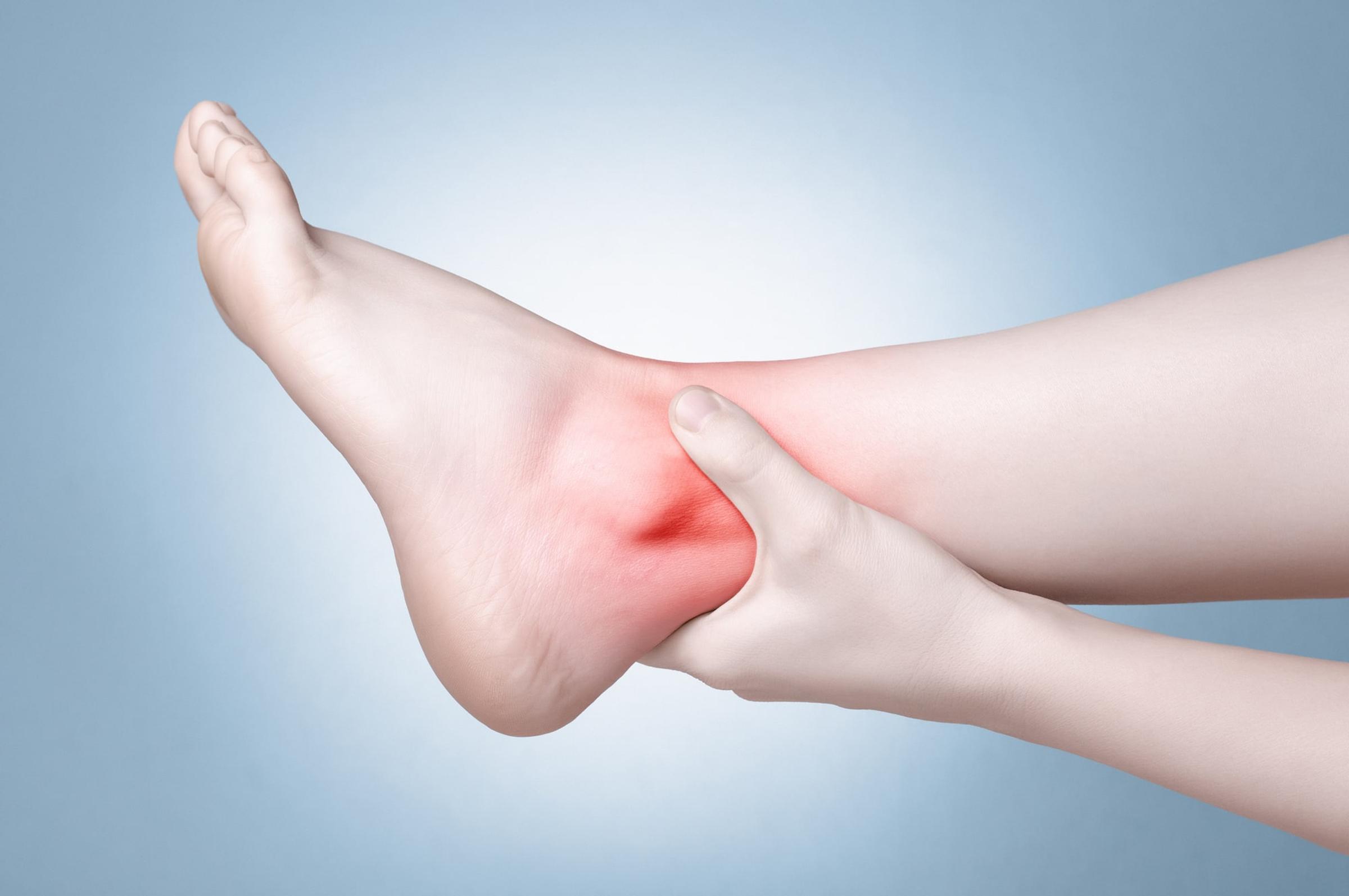
A sprain is an injury to the ligaments and capsule of a joint in the body.
A strain is an injury to muscles or tendons.
Healing depends on various factors including the type of tissue and severity of injury, treatment undertaken, previous injuries, and the age and general health of the person.
Causes of sprains and strains
Soft tissue structures are made from bundles of fibres. Muscles and tendons contain specialised cells that monitor the degree of contraction and stretch.
With general use, muscles gently contract to resist overstretching. However, sudden twists or jolts can apply greater force than the tissue can tolerate, resulting in a tear or rupture of the fibres. The damage to these fibres triggers an immune reaction called inflammation.
Inflammation results in the classic swelling, redness and tenderness associated with sprains and strains.
Injuries to soft tissues such as ligaments, muscles and tendons can come on suddenly and occasionally be recurrent or get worse over time.
A sudden injury is often related to a specific incident and is termed an acute soft tissue injury. Acute usually means the injury has occurred within the previous 72 hours.
An injury that has been present for at least 3 months is often referred to as a chronic soft tissue injury.
Sprains
Joints are stabilised by a joint capsule and supported by tough bands of connective tissue called ligaments.
The entire joint is enclosed inside a membrane filled with lubricating fluid, which helps to nourish the joint and provide extra cushioning against impact.
A sprain is an injury that involves tearing of the ligaments or joint capsule or both.
Common sites for sprains include the thumb, ankle and knee.
Strains
Muscles traverse across joints and are anchored to bones via tendons. Muscles can cross either one joint (single-joint muscles) or 2 or more joints (multi-joint muscles).
Muscles contract (or shorten) and pull on their tendon insertion into the bone and thus produce movement of a joint. Multi-joint muscles (like the hamstrings, quadriceps and our main calf muscle) are injured at much higher rates than single joint muscles.
Injury to these tendons or the muscles themselves is called a strain.
Common sites for strains include the calf, groin and hamstring.
Symptoms of sprains and strains
The symptoms of a sprain or strain may include:
- pain
- swelling
- stiffness
- reduced function.
First aid for sprains or strains
Suggestions for immediate treatment of acute sprains or strains include:
- Stop your activity.
- Rest the injured area.
- Put icepacks on the area for 20 minutes every 2 waking hours, separated from the skin by wet towelling.
- Compress or bandage the injured site firmly, extending the wrapping from below to above.
- Elevate (raise) the injured area above heart height whenever practical.
- Avoid heat, alcohol, running and direct, firm massage of the affected area in the first 72 hours after the injury, as this can increase swelling.
- If symptoms get worse in the first 24 hours, see your doctor for further medical investigation.
Treatment for sprains and strains
Most soft tissue injuries take a few weeks to heal, depending on the severity of the sprain or strain.
It’s important to get the correct treatment as soon after the injury as possible to help faster recovery. See your doctor or physiotherapist if you don’t have full function of the area, or if the pain and swelling don't subside after a couple of days.
Treatment may include:
- exercises – under the guidance of your doctor or other health professional, to promote healing, strength and flexibility
- bracing and external supports – to help protect the injured area and allow greater participation in normal daily activities whilst the injury heals
- manual techniques – such as mobilisation and massage
- electrotherapy
- pain-relieving medication – talk to your doctor or pharmacist before taking any medications, as they can sometimes disrupt the healing of soft tissue injuries
- gradually introducing activities to back-to-normal levels.
Severe injuries, where the tissue has completely ruptured, may need surgery.
Where to get help