Learning About Learning:
Principals' Professional Growth Cycle Conference:
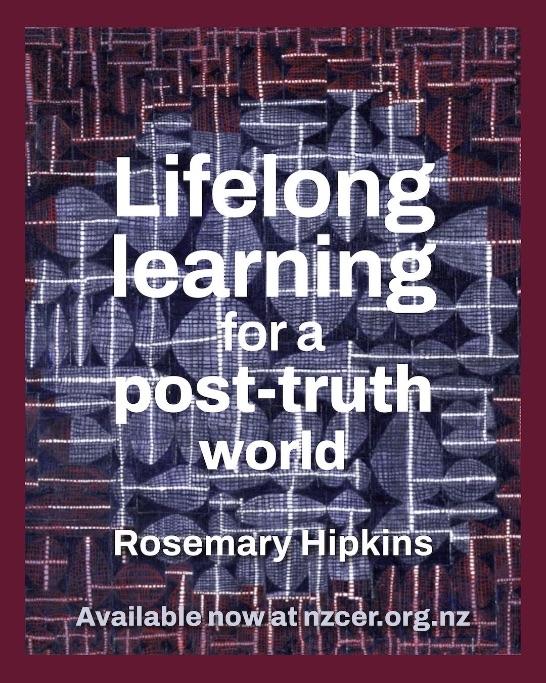
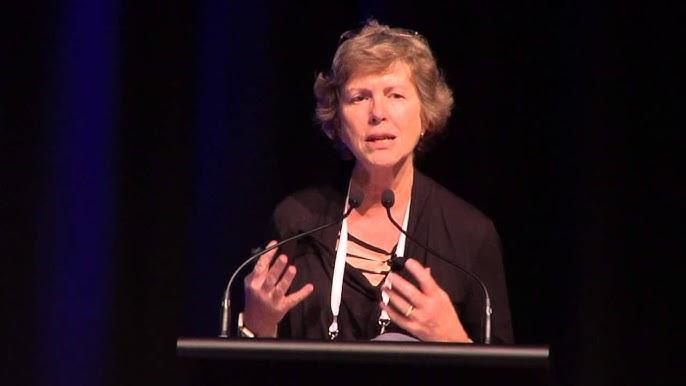
Lifelong Learning in a Post-truth World Based on the work of Dr Rosemary Hipkins:
The Challenge
* Rosemary Hipkins’ core challenge is this: schools can no longer treat learning as simply acquiring correct information. Children need to understand how knowledge is made, tested, trusted, challenged, and used.
* In a post-truth world, critical thinking is not enough on its own. Learners also need humility, curiosity, ethical judgement, cultural grounding, and the courage to live with complexity.
* This speaks directly to our Western Heights vision, “Our Children, Our Land, For Our Future.”
* The work also aligns with our WHS priorities: learner agency, te ao Māori, HOPE, digital discernment, AI safety, environmental responsibility, and values-based leadership.
* Our leadership challenge is to make this practical: a way of designing learning where children ask, “How do we know? Who says? What evidence matters? What do we do with what we now understand?”
We are educating young people in a post-truth world—a context where:
Misinformation and disinformation are widespread
Opinions can carry as much weight as evidence
Digital platforms amplify bias, emotion, and selective narratives
This raises a critical question: What does it mean to be an educated person today?
Key Shift Required: From Knowing → Understanding
Knowledge
It is no longer enough for students to know things. They must understand:
- How knowledge is created
- Who creates it and why
- How it is tested, challenged, and validated
👉 Education must move from content delivery to knowledge critique and construction.
The Role of the Learner
Learners need to become:
- Critical thinkers – able to question sources and claims
- Sense-makers – able to navigate complexity and uncertainty
- Ethical participants – aware of impact, perspective, and responsibility
- Collaborators – able to engage with diverse viewpoints
This is about building capability, not just accumulating knowledge.
The Role of the Teacher
Teachers are central—but their role is evolving:
- From expert deliverer → learning designer and co-inquirer
- From answer provider → question facilitator
- From neutral transmitter → reflective meaning-maker
👉 Teachers must examine their own assumptions about knowledge before they can support students to do the same.
Knowledge Matters—But Differently
Knowledge is still vital, but It must be understood as constructed and contested, not fixed. Students should encounter multiple knowledge systems (e.g., scientific, cultural, Indigenous perspectives)
Learning should emphasise connections, patterns, and context
Implications for Practice
In classrooms, this might look like:
- Exploring real-world issues with no single “right” answer
- Teaching students to evaluate sources and evidence explicitly
- Designing learning that requires dialogue, debate, and reflection
Making thinking visible:
How do we know this? Who benefits? What’s missing?
Big Idea
Education in a post-truth world is not about helping students navigate certainty— it is about equipping them to navigate uncertainty with confidence, curiosity, and care.
A Reflective Prompt for Us
How often do our learning tasks ask students to question knowledge, not just use it? Whose knowledge is centred in our curriculum—and whose is missing?
Are we preparing learners to consume information, or to critically engage with it?