Level 3: Connect
Kylie Clarke 3A, Jenny Dare 3B, Carmen Leal and Isabella Nocera 3C

Level 3: Connect
Kylie Clarke 3A, Jenny Dare 3B, Carmen Leal and Isabella Nocera 3C
Congratulations to our fabulous students for completing their NAPLAN assessments.
Homework Week 9 and 10
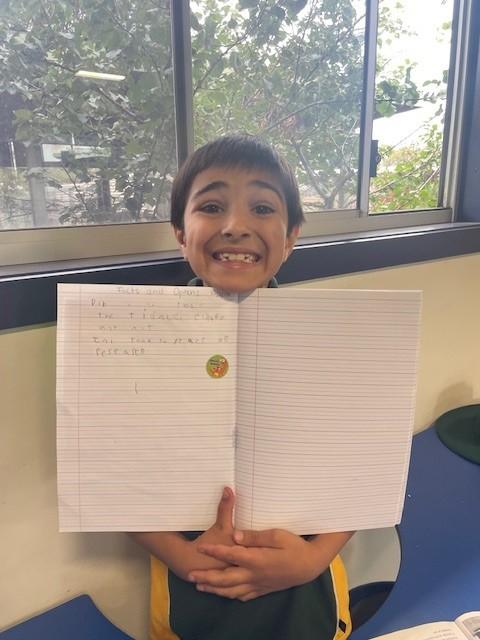
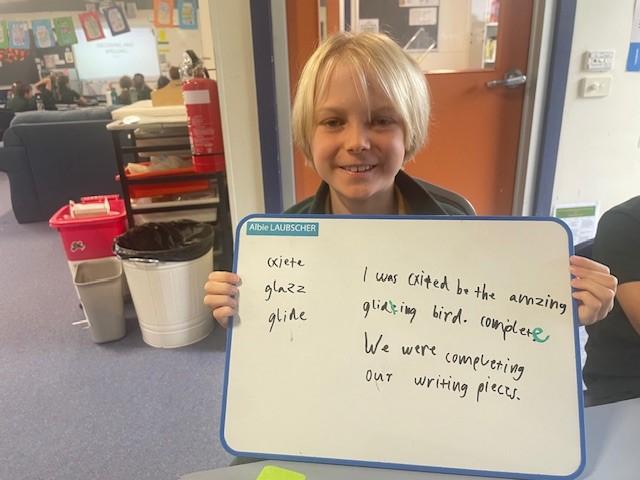
Over the past 2 weeks, our students have been busy building their reading confidence and comprehension skills. We have explored a range of different text types and have been practising how to read accurately and fluently. Students have been using their phonic knowledge, as well as semantic and grammatical clues, to help them make meaning as they read. They have also been encouraged to re‑read and self‑correct when something didn’t quite sound right or make sense.
Alongside our reading fluency work, we have been developing our comprehension strategies. Students have been learning to visualise, predict, make connections, summarise, monitor their understanding, and ask questions as they read. These strategies have helped us analyse texts more deeply and build both literal and inferred meanings by thinking about the context, text structures and language features.
We have also been practising reading short passages and applying our comprehension strategies to understand what we have read. As part of our preparation for NAPLAN, students have had opportunities to look at different question types, recognise what each question is asking, and locate the key information needed to respond accurately.
Specialist Timetable
| Class | Tuesday | Wednesday | Thursday | Friday | |
|---|---|---|---|---|---|
| 3A | PE, Art, Science | Library | |||
| 3B | Art, PE, LOTE | Library | |||
| 3C | Library | Science, Art, PE |
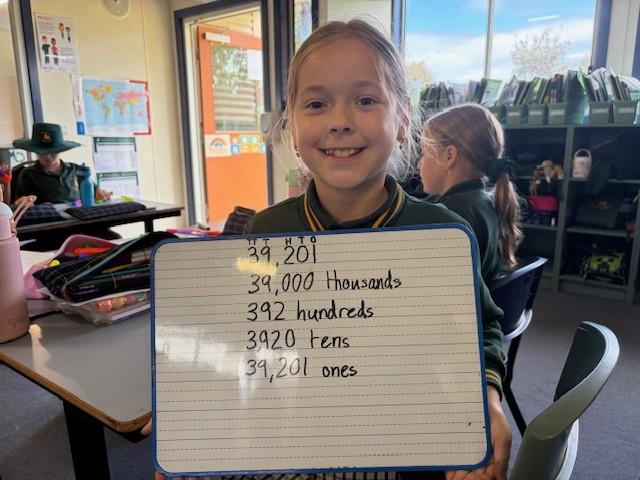
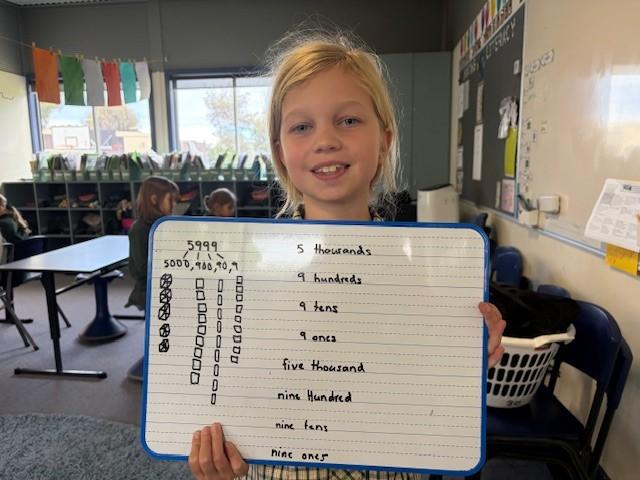
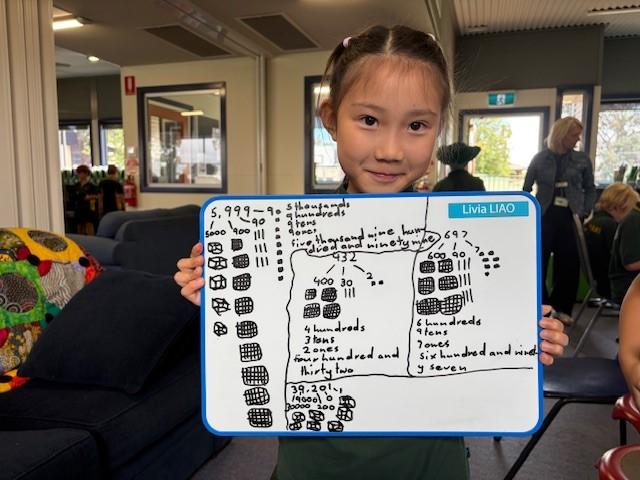
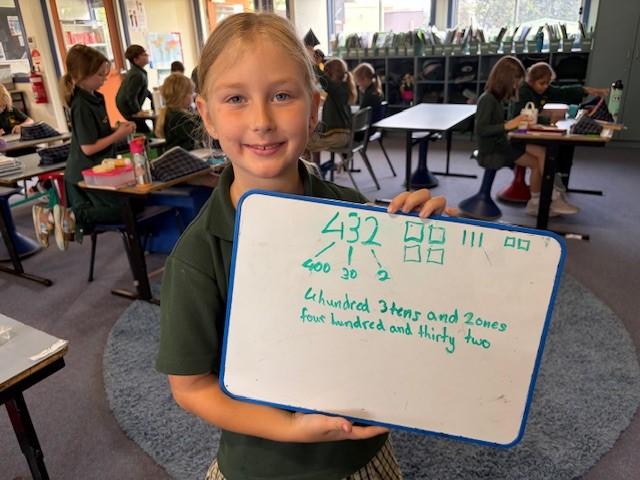
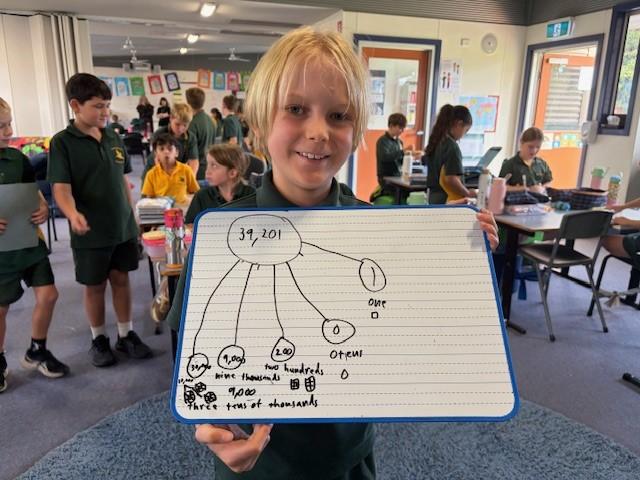
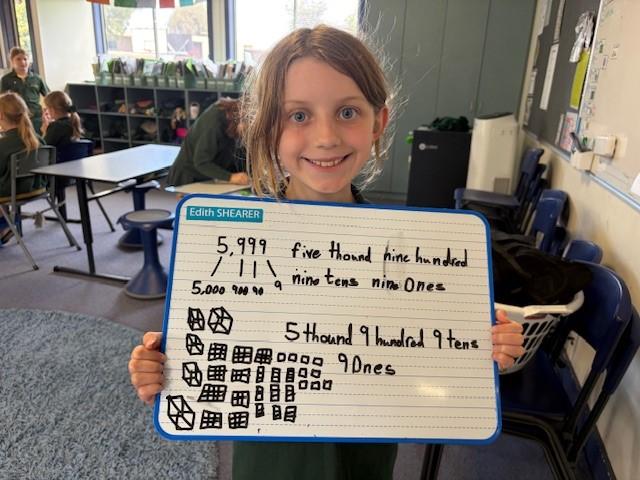
In Maths this fortnight, students have been developing a deeper understanding of place value and how it helps us work efficiently with numbers up to at least 10 000. We explored how numbers can be partitioned, rearranged and regrouped to support mental strategies, calculations and problem‑solving.
Students learned that 10 000 can be represented in different ways—for example, as 10 thousand, 100 hundreds, 1000 tens, or 10 000 ones. They practised explaining and justifying why they chose to partition or regroup numbers in particular ways, depending on what made a calculation easier or more efficient.
To apply these skills, children worked in groups to create colourful posters showcasing their understanding of partitioning numbers. Each group demonstrated a range of strategies and representations, and it was wonderful to see the creativity and teamwork as they shared what they had learned.