Wellbeing

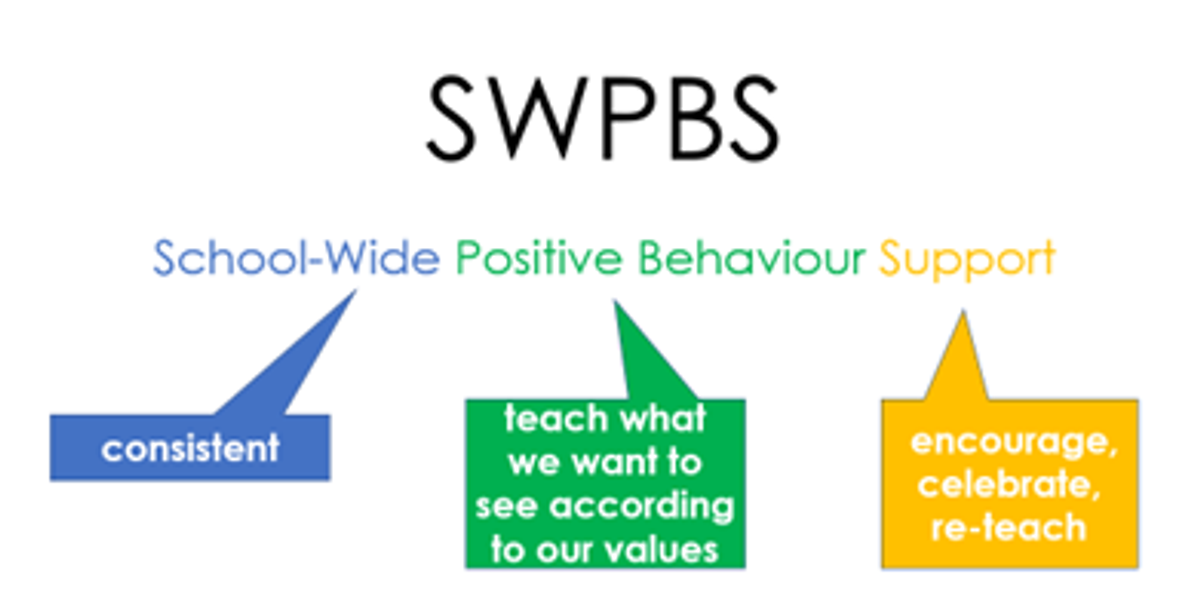
SWPBS Update
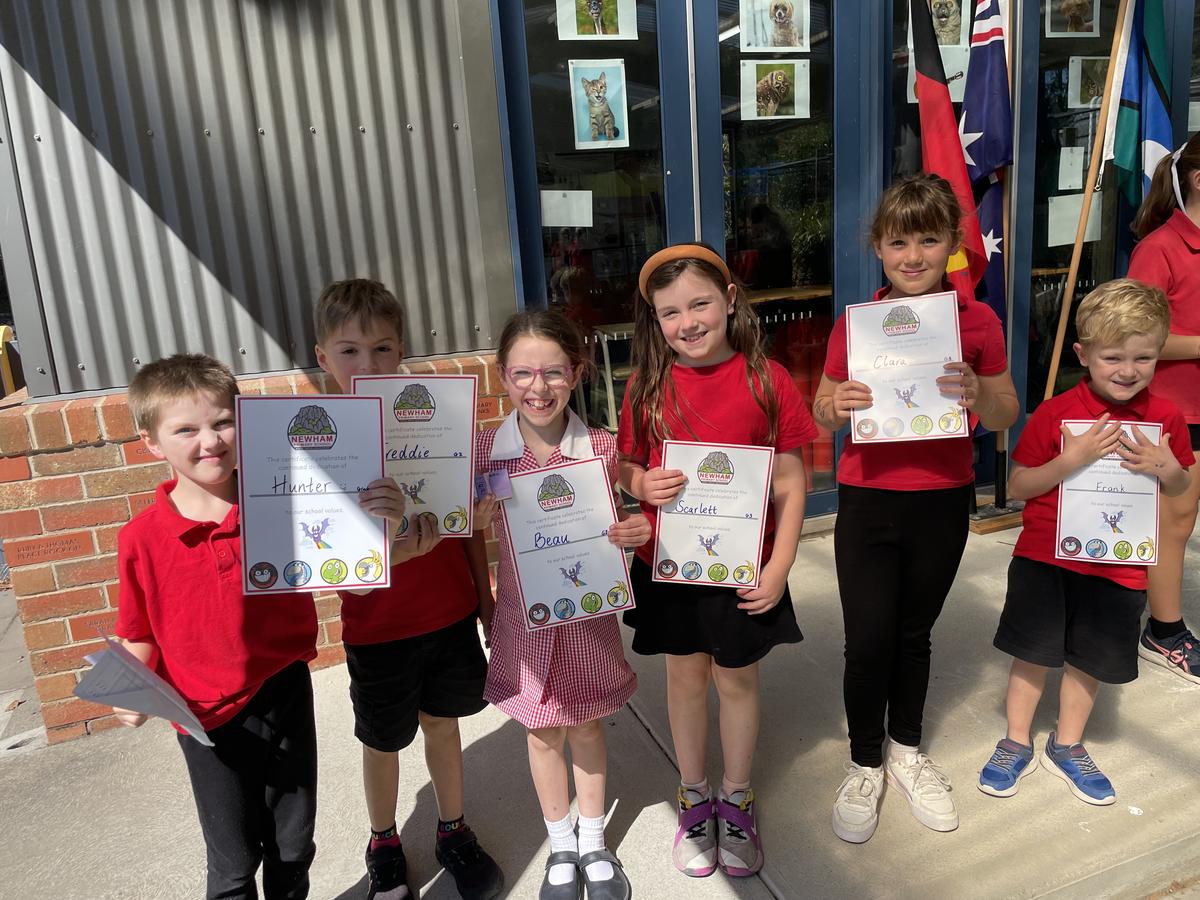
Well done to the students who received a certificate last week! Fantastic efforts showing our values during playtimes.
Focus on: Resilience
Each newsletter this term, we'll zoom in on the expectations for one of our values. In class, students are clearly taught and given opportunities to practise these expectations. Teachers aim to use this language to praise and reinforce students following expectations, and to remind and reteach when students aren't.
This week, we're looking at the expectations for students demonstrating Resilience.
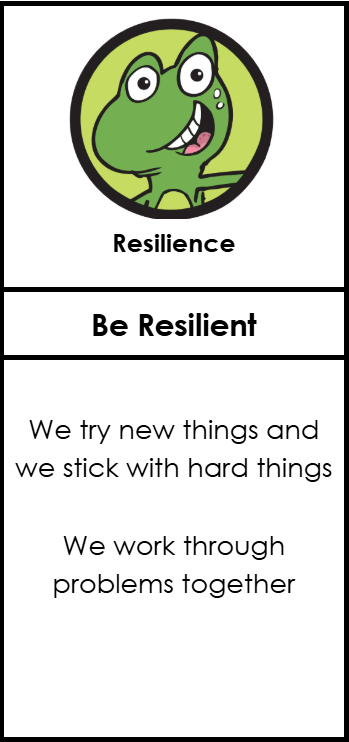
We try new things and we stick with hard thingscan mean...
- Have a go
- Encourage yourself
- Celebrate mistakes
- Keep practising
- Try a different way
Ask for help when stuck
We work through problems togethercan mean...
- Use a talking or serious voice, face and body - not a fighting voice or body
- Choose words that help instead of hurt
- Be brave and redo hurtful moments
- Be kind and let people try again
- Assume the best
- Get a teacher’s help with bigger problems
Child Development & Wellbeing Information
Each week I try to share some info and resource recommendations in the newsletter.
This week: Growth Mindset
Good learners have a growth mindset. It's something we try to build in our students, and which parents can help foster in children too.
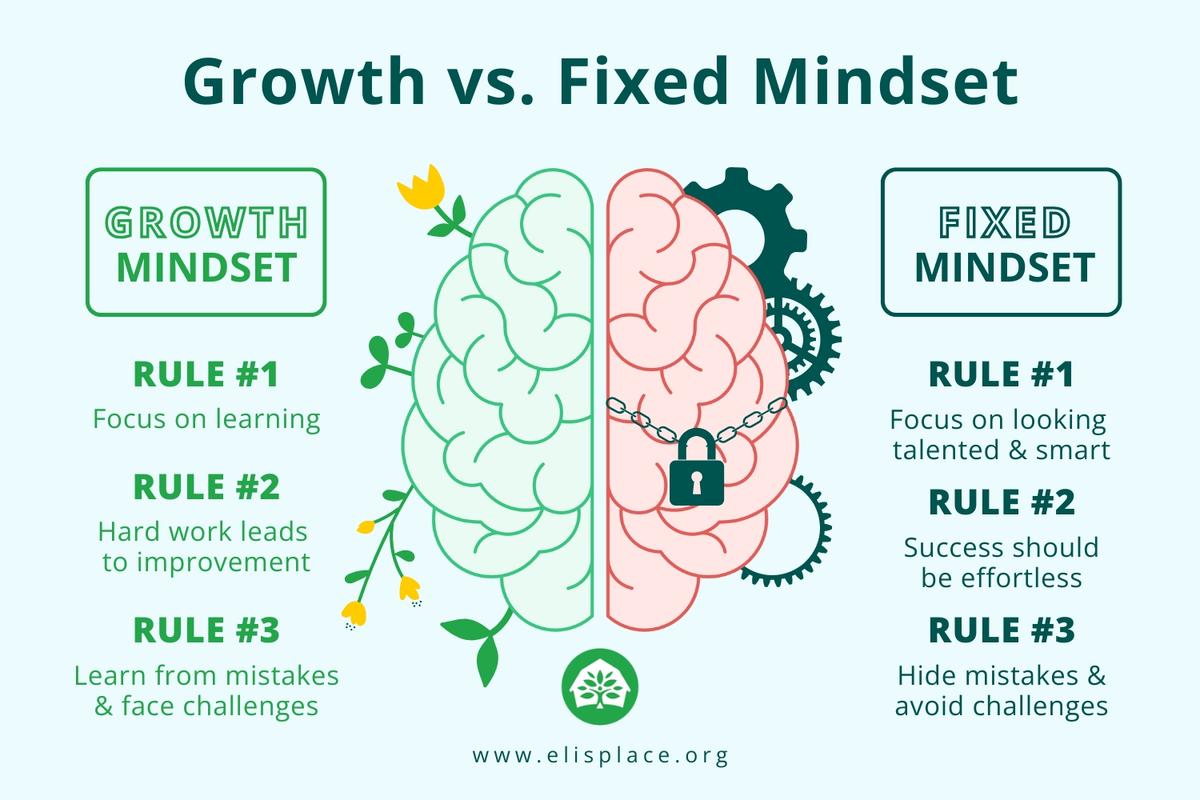
From the article Building a Growth Mindset (Anglicare Victoria)...
One way to build resilience is to encourage what is known as a growth mindset. This term was developed by Dr Carol Dweck, who is an expert in motivation. Growth mindset is the opposite of what Dr Dweck called a fixed mindset. A growth mindset is based on the belief that we can grow our abilities, while a fixed mindset is based on the idea that we have a fixed amount of ability that cannot change. A growth mindset recognises and values the process of learning as much as the results, unlike a fixed mindset, which leads to comparisons and judgments based on success only.
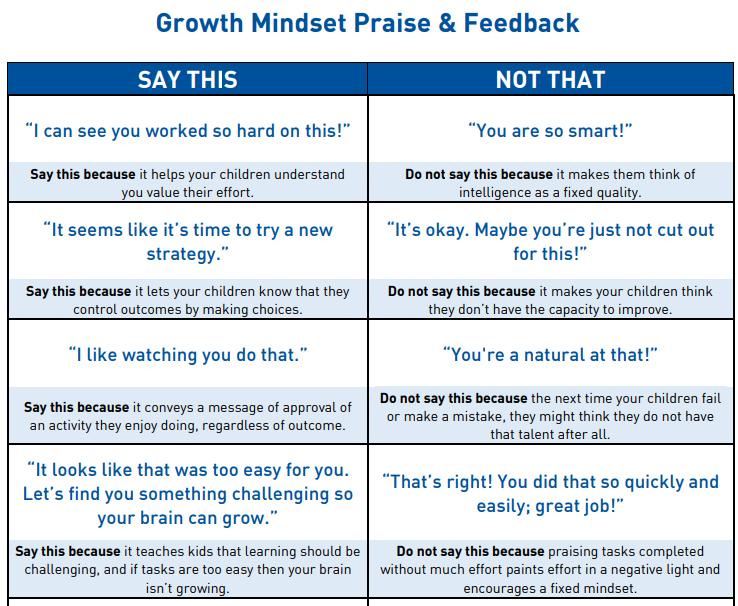
How parents can help build a growth mindset...
- Specific praise and feedback focusing on effort
- Encourage your child to see the power of yet -
Child: I am hopeless, I can’t throw a ball like everyone else.
Parent: I can see that you can’t throw a long way YET. Let’s practice together and I am sure your throwing will improve.
- Celebrate learning from mistakes
- Model your own growth mindset with "think alouds" and actions - let them see you trying new things and persisting through challenges
Mental Health Support
If you or your child need confidential advice or someone to talk to, here are some readily available support services…
Kids Helpline
Call 1800 55 1800. Or webchat via kidshelpline.com.au
Kids Helpline is Australia’s free and confidential 24/7 online and phone counselling service for young people aged 5 to 25.
Beyond Blue
Call 1300 22 4636. Or webchat via www.beyondblue.org.au
Our free telephone and online counselling service is open 24/7 for everyone in Australia. No matter who you are, or how you're feeling, reach out to our free counselling services for support – we'll point you in the right direction so you can get the help you need.
MensLine Australia
Call 1300 78 99 78. Or webchat via mensline.org.au
MensLine Australia offers free professional 24/7 telephone counselling support for men with concerns about mental health, relationships, anger management, family violence (using and experiencing), stress, and suicidal thoughts.
Family Relationships Advice Line
Call 1800 050 321 Mon-Fri 8am to 8pm; Sat 10am- 4pm
Anyone can call the Advice Line, a national telephone service about family relationships. They help with strengthening family relationships, helping families stay together and assisting families through separation. More information here: www.familyrelationships.gov.au/talk-someone/advice-line