
Resilience, Rights & Respectful Relationships
Wellbeing Update
Resilience, Rights & Respectful Relationships
Wellbeing Update
In today’s world, young people face more challenges than ever before — from navigating friendships and emotions to understanding their place in a diverse and rapidly changing society. The Resilience, Rights and Respectful Relationships (RRRR) program helps equip students with the social and emotional skills they need to thrive — both in and beyond the classroom.
What is RRRR?
RRRR is a series of research-informed learning experiences created by the Department of Education to be delivered as a whole-school approach. RRRR is designed to promote emotional intelligence, positive relationships, and respect for self and others. It encourages students to build resilience, understand their rights and responsibilities, and develop empathy and inclusiveness.
Through classroom lessons, discussions, and practical activities, students explore topics such as:
Why it matters
RRRR isn’t just about preventing bullying or promoting wellbeing — it’s about building a culture of respect and safety. By empowering students with these life skills, teachers are helping them form positive relationships, make ethical decisions, and become compassionate citizens who value diversity and equality.
The RRRR curriculum recognises the important role schools play in supporting and promoting the mental health and wellbeing of children and young people.
The RRRR curriculum weaves perfectly with the School Wide Positive Behaviour Support (SWPBS) framework, with its focus on pro-social behaviours, personal responsibility and positive relationships.
How is it taught?
At Fairfield Primary School all classes have a dedicated 50-minute RRRR lesson each week. Classroom teachers deliver these lessons, with an emphasis on each classroom being a ‘safe social space’ for participation and learning of all students.
Examples of student work
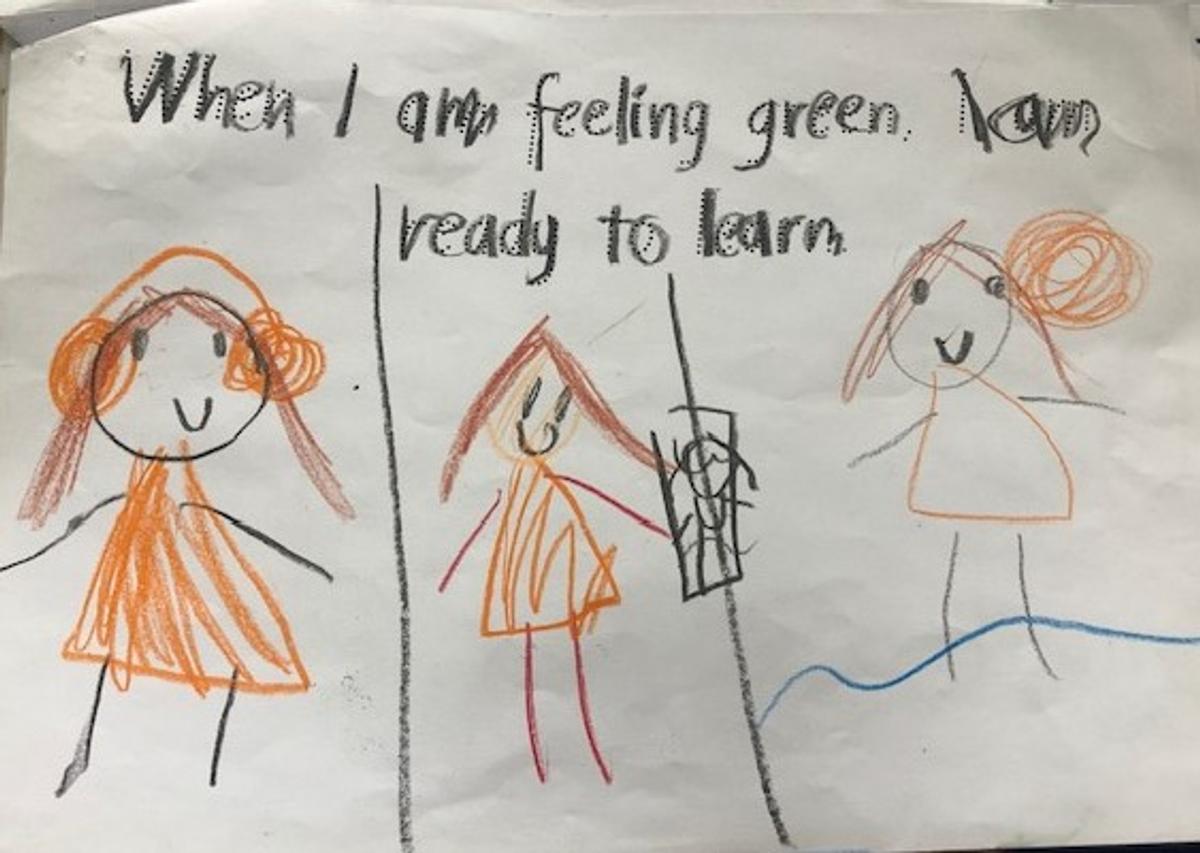
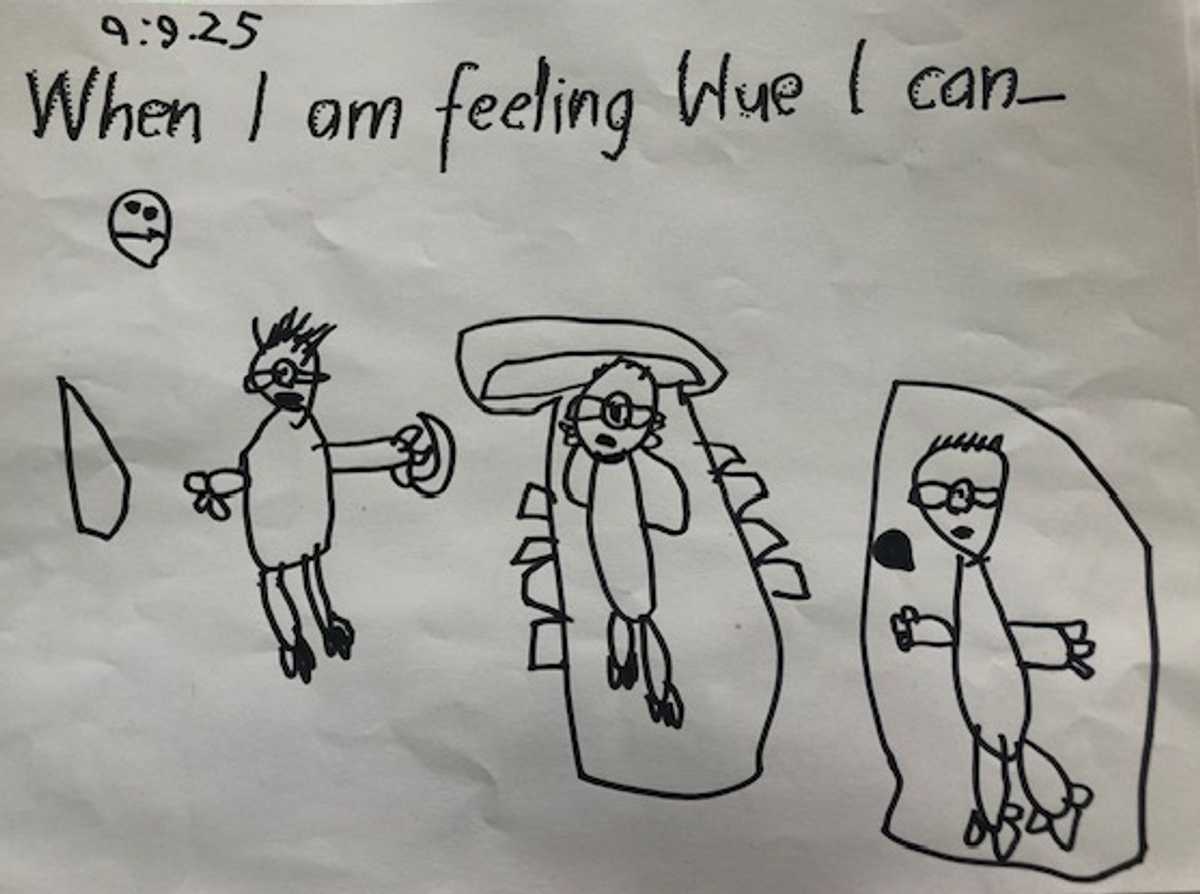
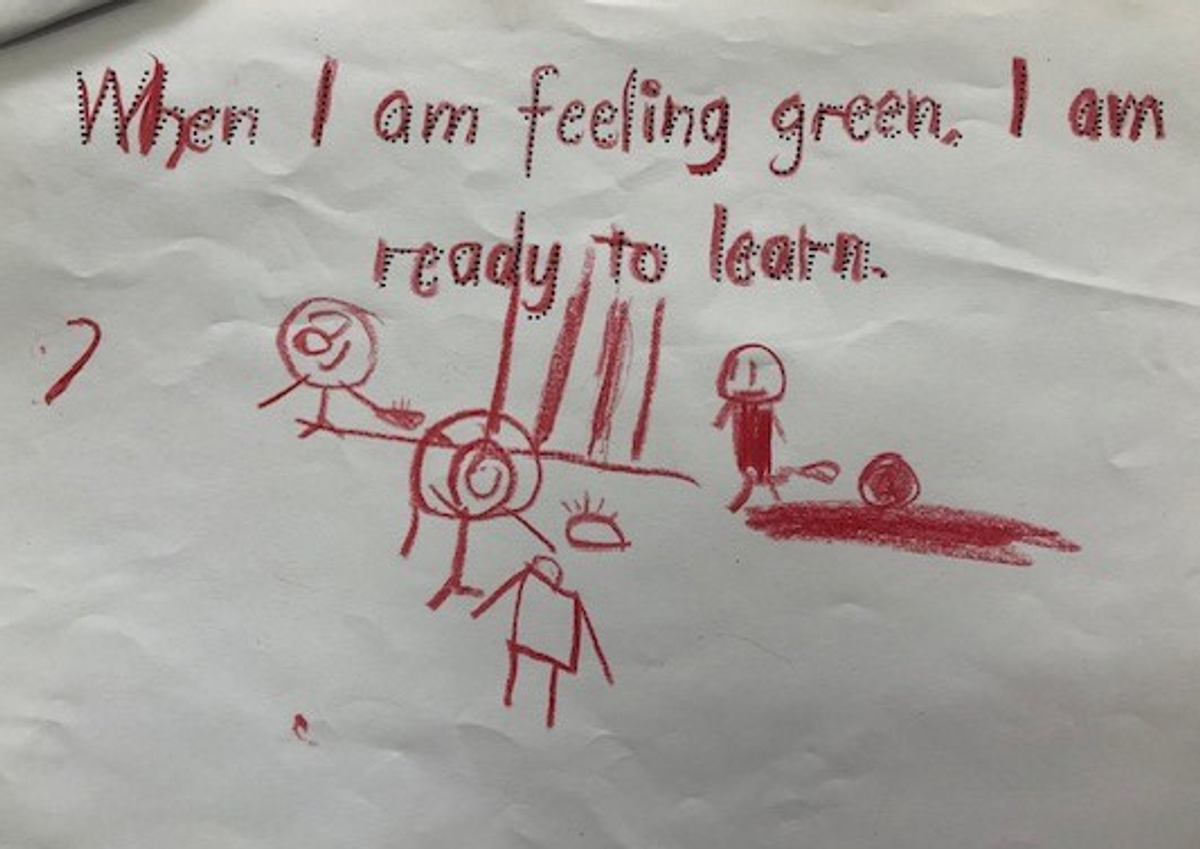
Foundation students have created a ‘Calming Strategies’ booklet with images they have drawn of personal strategies they can use.
To get to the green zone I can listen to music, draw a picture or walk in the sun. When I feel green, I feel happy, calm and ready to listen. ~ Thea, FA
You can use this book to keep calm when something not calm happens. When you are blue you feel hurt or sad. I can feel blue if someone gets angry with me. I can eat a banana, rest on my bed or go in my room. ~ Leo, FA
When you are green you are focused and serious. I can get my brain working. I’ve been learning about capacity in maths and doing things on time, like doing up your shoes if you’re going to a party. ~ Floyd, FA
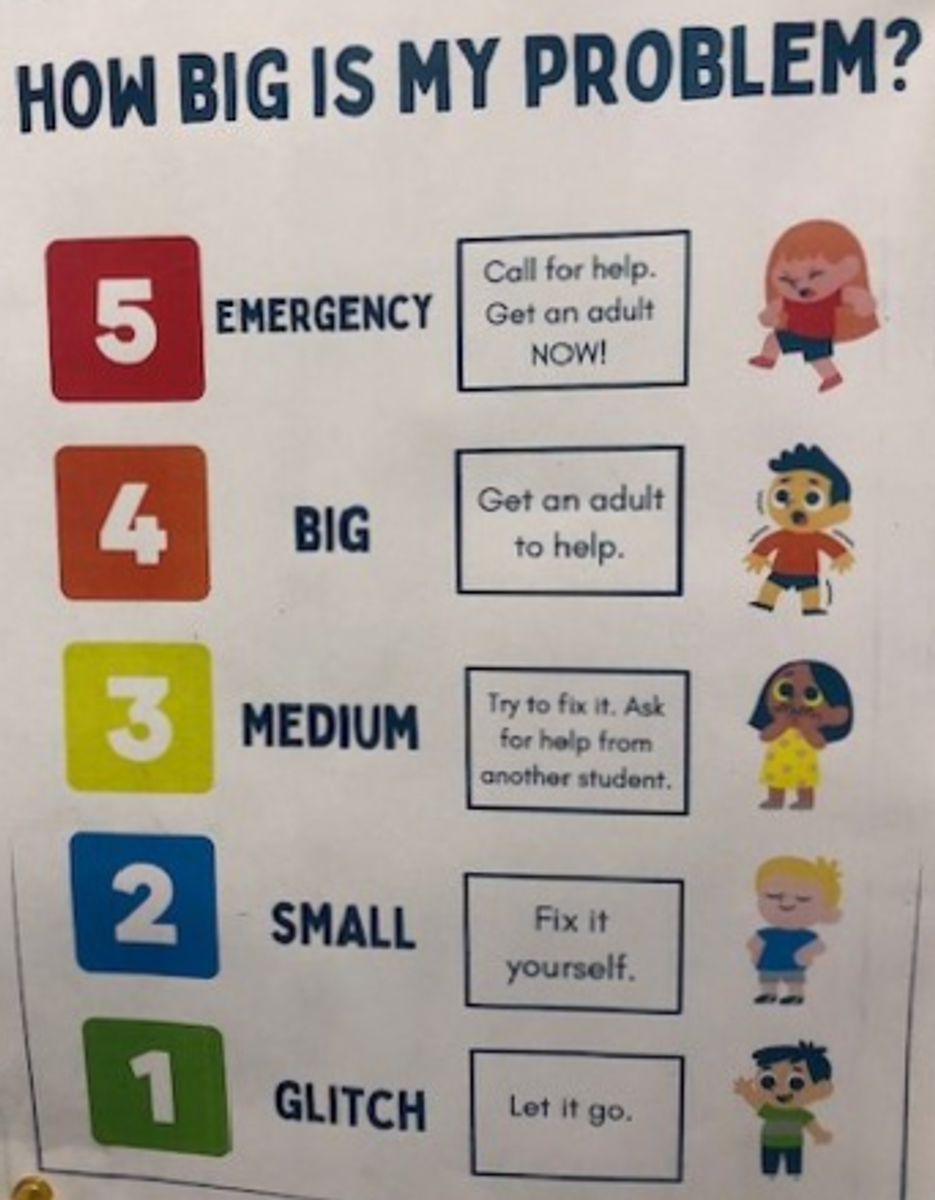
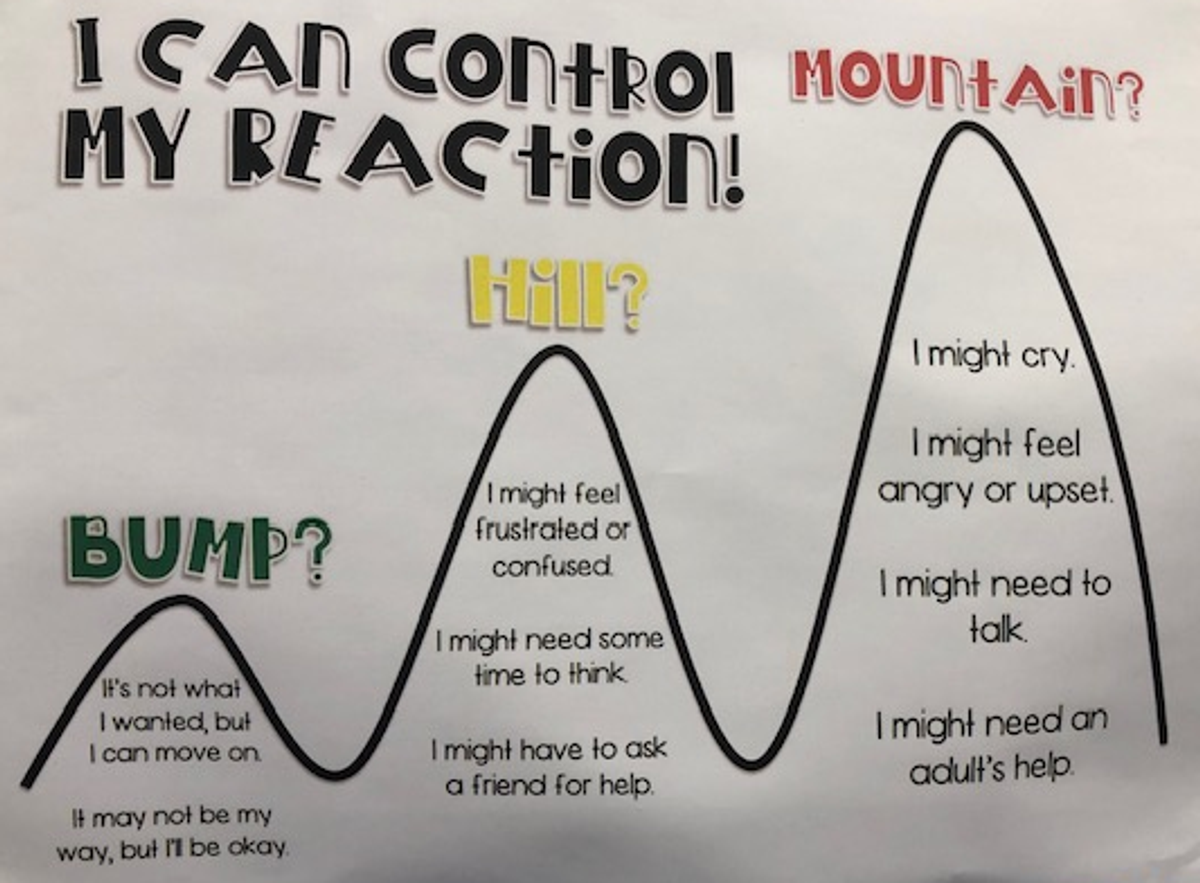
Grade 1 students have been learning about thinking about the size of the problem, and having an appropriate reaction.
- A glitch is when sometimes it’s just too much for people, so you walk away. ~ Amelie, 1A
- My brother and me were having a fight about which one was bigger, a bed or a table, and I knew it was a glitch so I let it go. ~ Lani, 1C
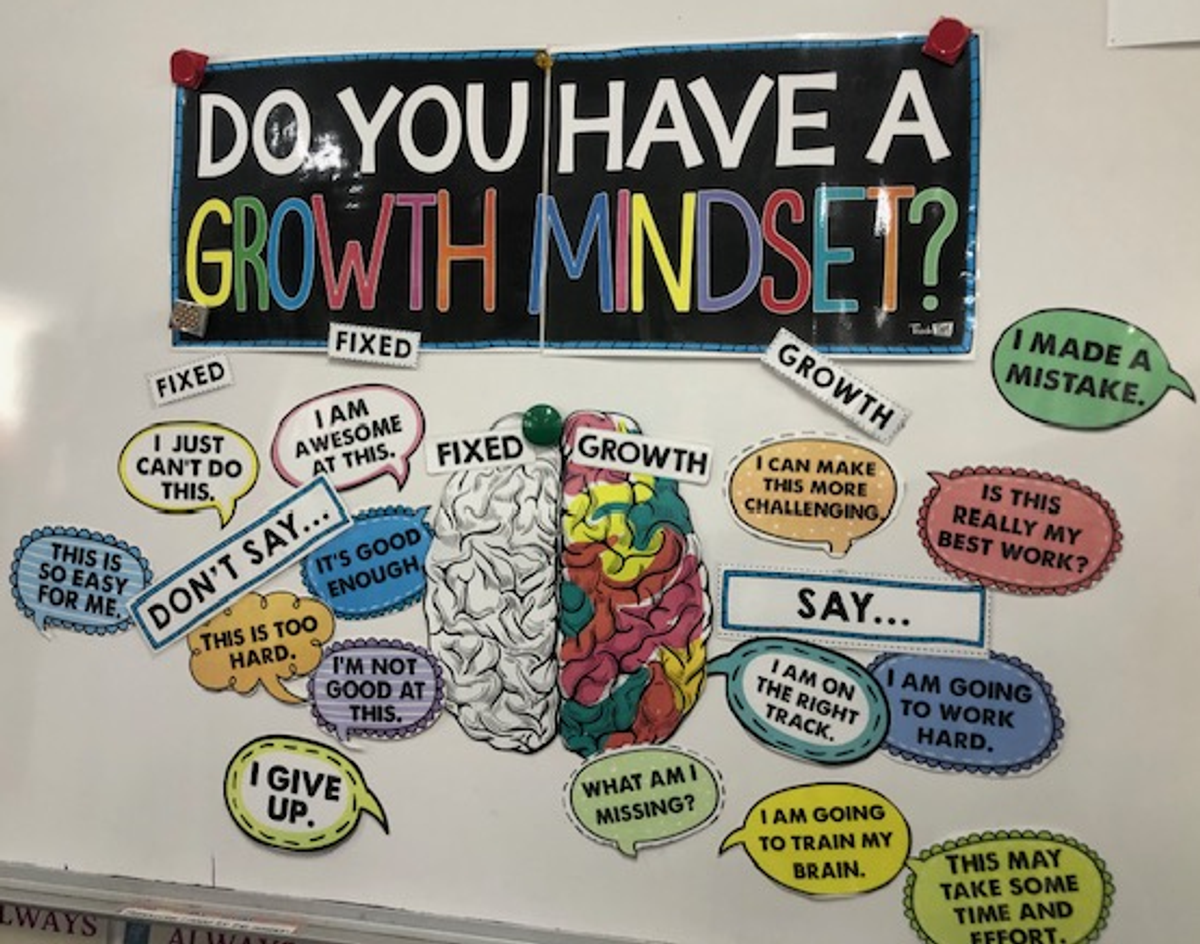
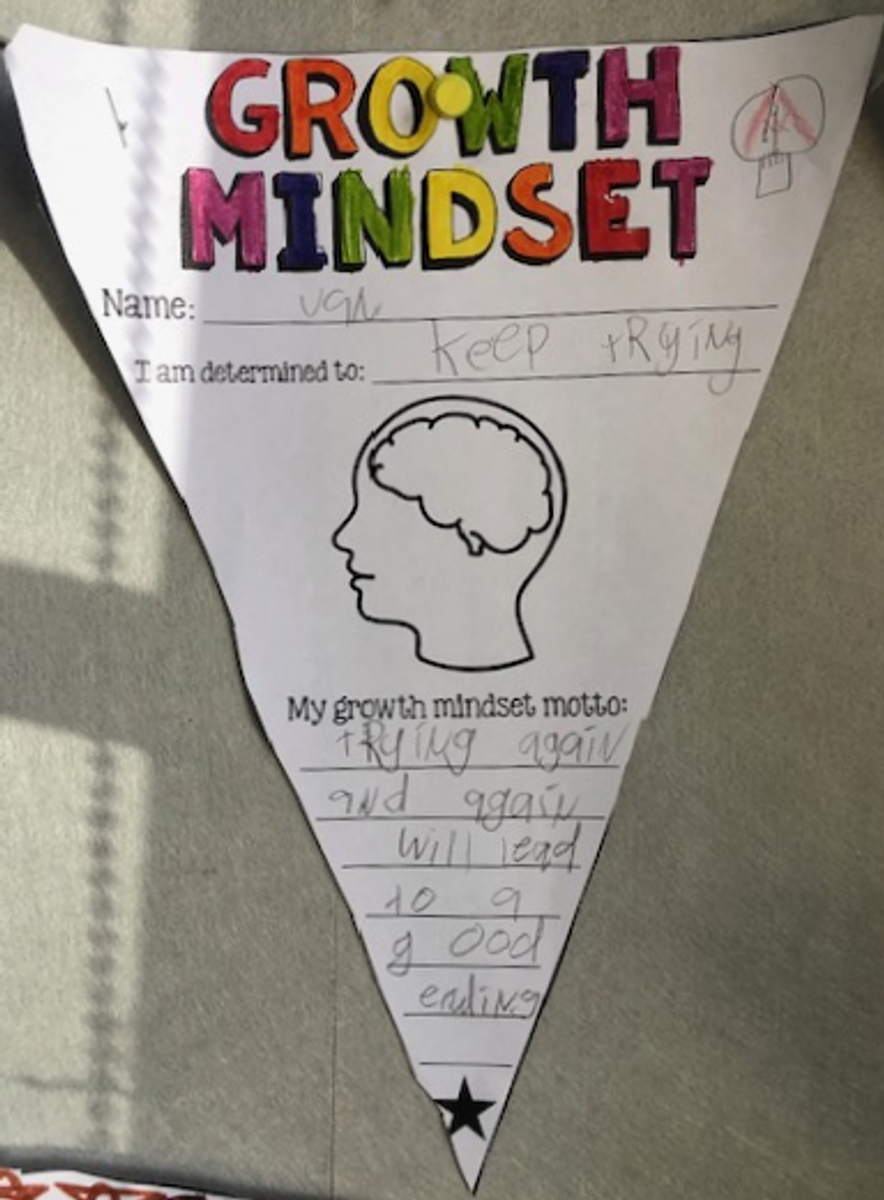
Grade 2 students have been learning about having a growth mindset.
Growth mindset reflection
With the growth mindset you have a positive mind, a healthy mind. It makes you smarter. When I’m writing if it’s hard I think ‘I can do this’. ~ Julius, 2A
A growth mindset reminds us that we can do anything if we try it. ~ Selina, 2A
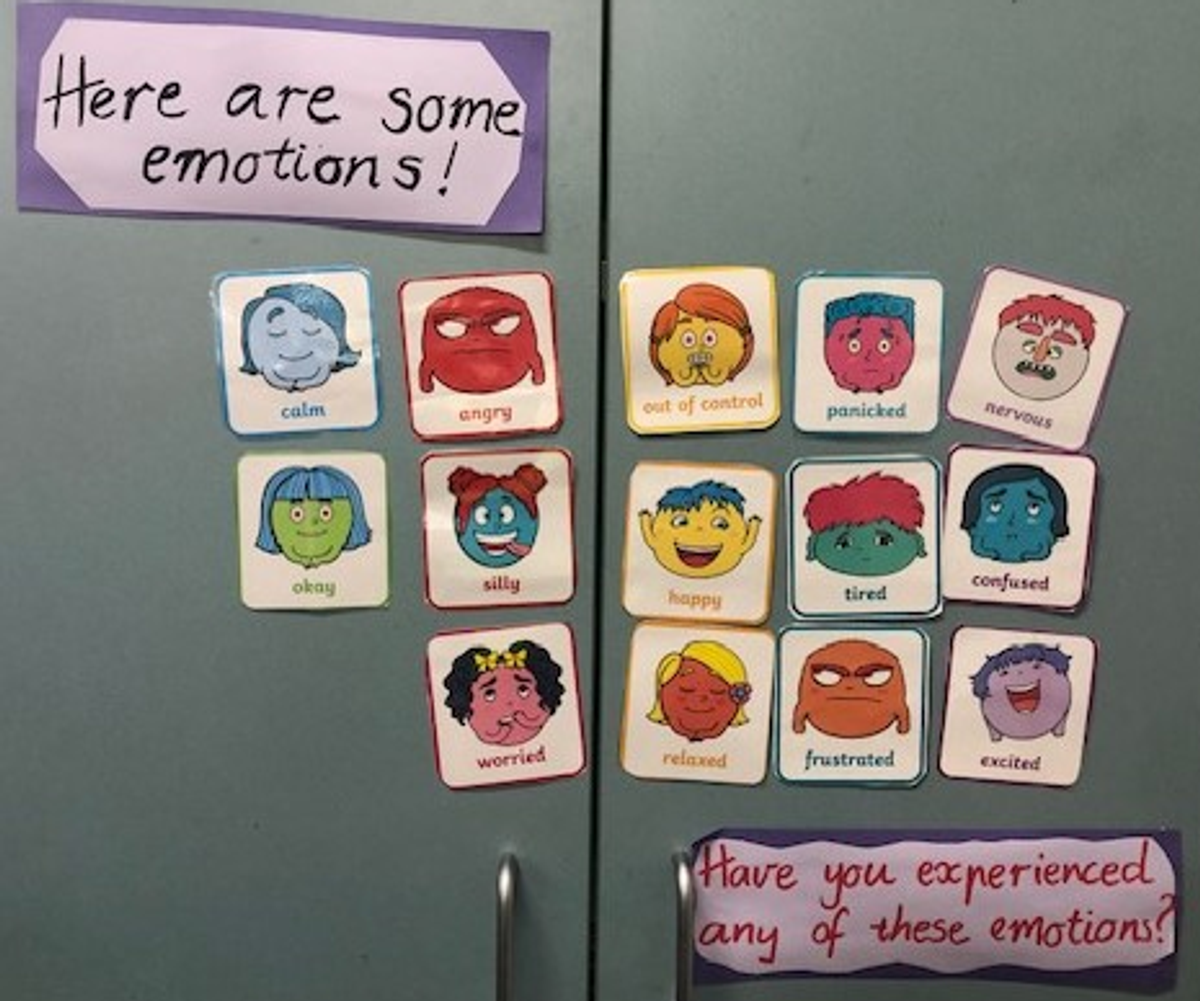
Emotions reflection
If you’re feeling an emotion, you can look at them and pick a feeling then tell your teacher and they can give you an option of something to help you feel better. If I was worried, I could hug a squishmallow or go to the calming corner. ~ Frankie, 2A
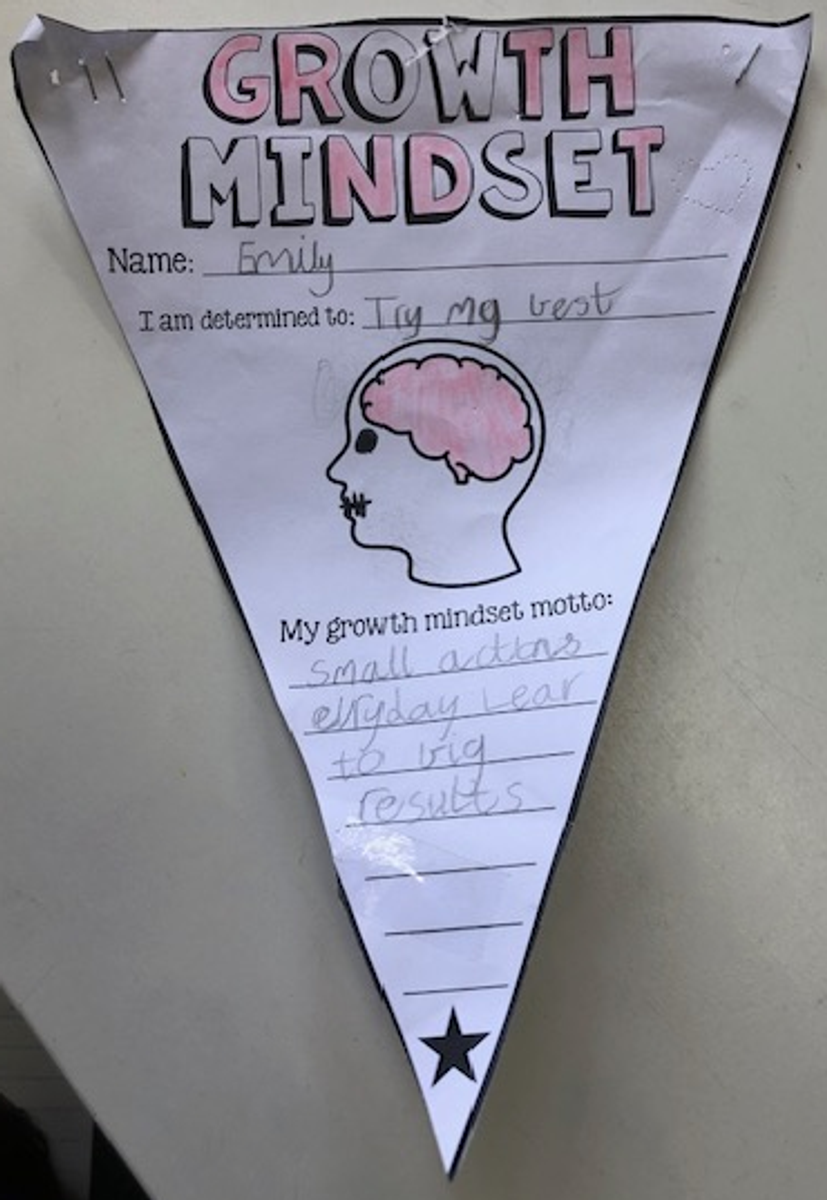
Grade 3 students have also learned about fixed mindsets.
It’s important to have a growth mindset not a fixed mindset. Fixed is when you think you can’t do what you’re focussed on, but a growth mindset is when you try different things, and you don’t give up. ~ Emily, 3C
Having a growth mindset is like being resilient and trying again and again and not giving up. ~ Van, 3C
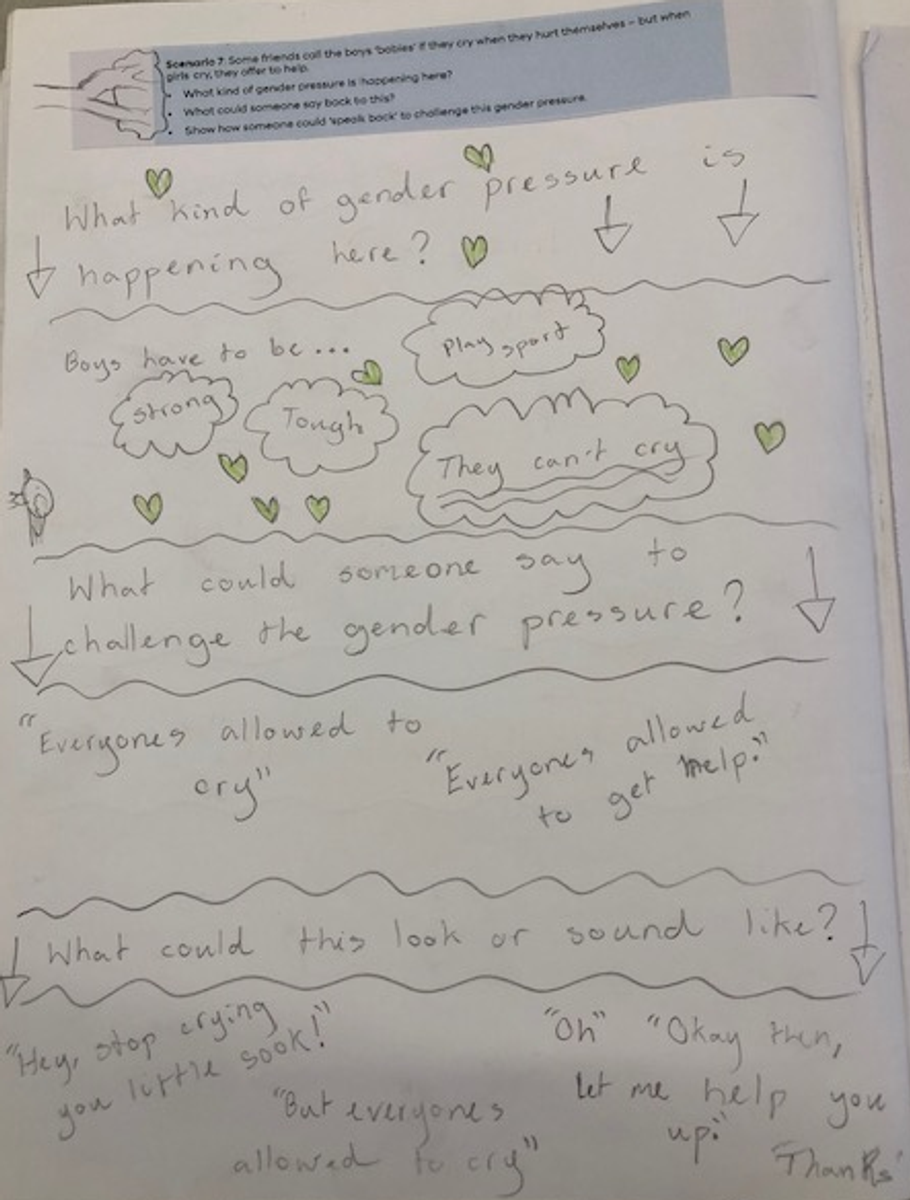
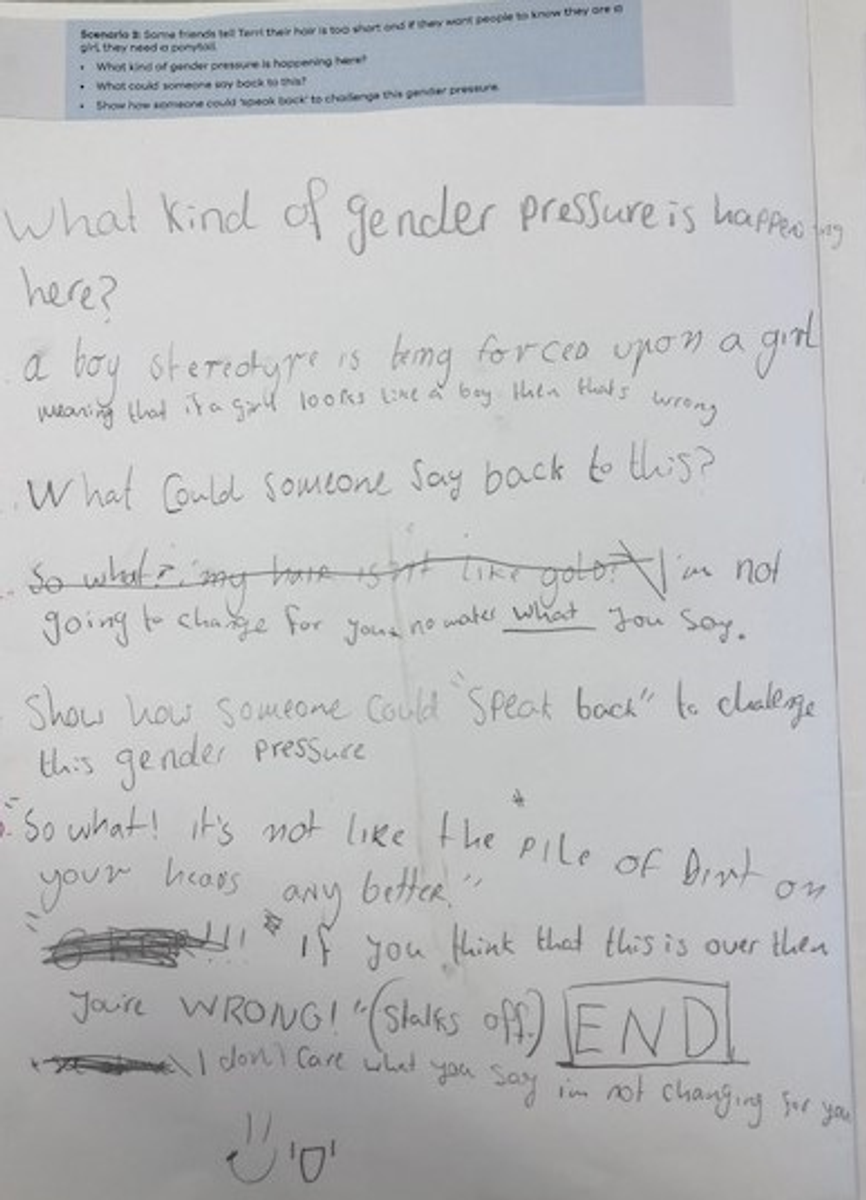
Grade 4 students have recently been learning about gender pressure.
We had some scenarios, and we had to answer three questions. I think the most important part for me was ‘Everyone is allowed to cry’. Doing activities like these helps you to know what to say if you ever get in a situation like this. ~ Sophie, 4C
Doing RRRR gives you some ideas of what to do if this happened to you, or if you were with someone it happened to. It might also stop people from making those comments now that they have learned about it. ~ Jojo, 4C
The curriculum
Like to know more? You can view the RRRR curriculum here:
~ Cathy Turner, Wellbeing Leading Teacher