
What you need to know
Key industry developments

What you need to know
Key industry developments
Priority: High, NSW Principals & PMs
👓 1 minute read (Full article 4 mins)

The pressure on property managers can no longer be dismissed as part of the job.
Of 542 property managers who responded to a recent REINSW survey, 85.8% said they had experienced burnout, 82.8% had felt physically unsafe and 76.6% had experienced verbal abuse. More than 70% had considered leaving the profession.
Legislative change is adding directly to the strain. Almost half of respondents said recent reforms added four or more hours to their working week.
The findings show the human cost of continually adding new rules, processes and responsibilities to an already demanding role. Property managers are being left to explain government decisions, manage conflict and carry the compliance risk.
It’s important that we recognise and thank Alexandra Haggarty (FN Maitland) for helping bring these concerns to government through her work on the REINSW Property Management Committee.
Use your next property management team meeting to identify pressure points and practical support, and don’t forget about the Real Care App as well as First National’s Workplace Health & Safety resources.
Priority: Medium – Australia, Principals & Sales Agents
👓 1 minute read

Members have a reason to revisit how portal advertising is presented to vendors and landlords. Following an ACCC investigation, REA Group has given a court-enforceable undertaking to remove restrictions from its contracts with real estate agencies.
The changes address requirements to list all or most properties on realestate.com.au and incentives tied to premium advertising. The ACCC says these arrangements could restrict competition and client choice.
Review your agency’s revised terms and the options offered to clients. Explain the price, coverage and suitability of each campaign without assuming the changes will automatically reduce advertising costs.
Priority: High, New Zealand Principals and Sales Agents
👓 1 minute read
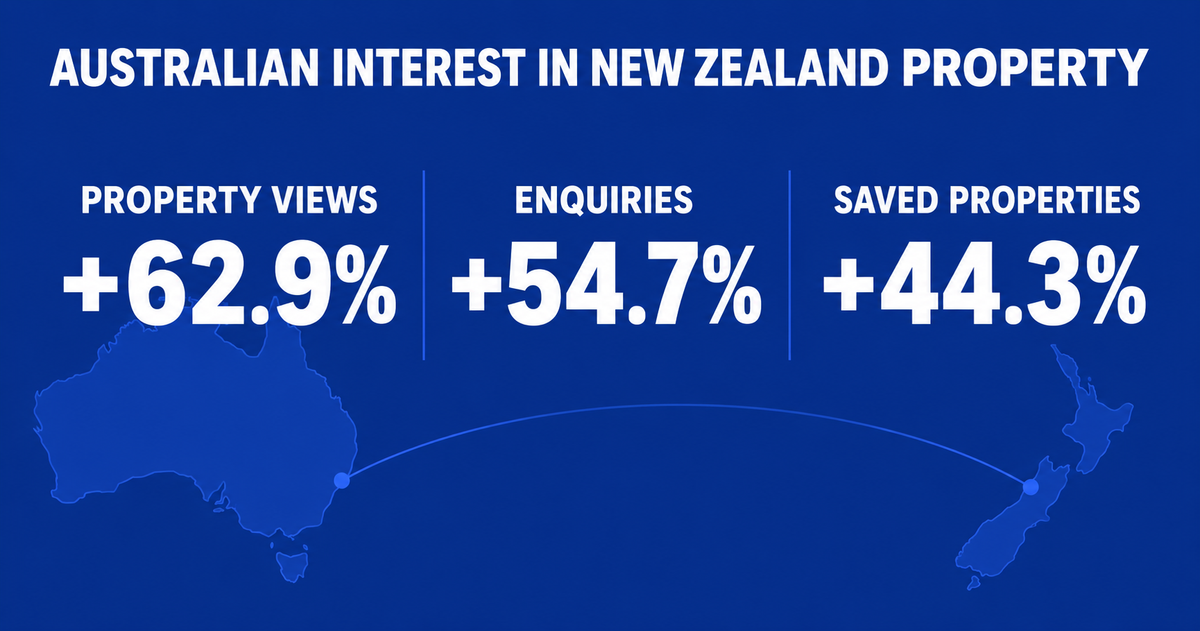
New Zealand members should take a closer look at buyer enquiries coming from Australia. Changes to Australian negative gearing and capital gains tax arrangements have been followed by a sharp increase in Australians searching for New Zealand property.
From 1 July 2027 in Australia, negative gearing will generally be limited to new residential builds for properties acquired after 12 May 2026. Existing investments are protected, while the 50% capital gains tax discount will be replaced with inflation-based indexation and a minimum 30% tax on real capital gains accruing from 1 July 2027.
Realestate.co.nz reports that the number of Australia-based property seekers was 189.8% higher in August than a year earlier. Views increased 62.9%, enquiries rose 54.7% and saved properties were up 44.3%.
New Zealand offices should identify Australian enquiries early, respond promptly and be ready to explain local market conditions. These prospects may represent serious investor interest, particularly in Auckland, Central Otago and Canterbury.
Priority: Australia,High – National
👓 1 minute read

Agency owners need privacy obligations that are clear and workable as they meet AML/CTF requirements. Industry peak body, REIA is making representations on the practical issues that overlapping responsibilities create for real estate businesses.
Its priorities include:
The aim is to avoid unnecessary duplication and help agencies understand what is expected of them.
This is an update on the issues REIA is pursuing in support of members’ businesses. It is not approved AML/CTF guidance, and all offices should continue to use current regulator information and your chosen professional advisers for compliance decisions.
Discuss your agency’s privacy and AML/CTF responsibilities with FirstAML or your compliance adviser.
PRIORITY: Australia,High – National
👓 1 minute read

‘Deposit flicking’ is the conveyancing industry’s name for a practice that has spread quickly this year. An agency directs a purchaser’s deposit to a third party to hold until settlement, instead of placing it in the agency’s statutory trust account.
Before your agency adopts the practice, consider four separate questions: What does your state or territory’s trust account legislation require? How is the buyer’s deposit protected? Do your anti-money laundering obligations change? And does your agency receive a benefit that should be disclosed?
NSW Fair Trading has raised questions about the legal and consumer protection implications of these arrangements. Their report highlights the need to understand where the deposit is held, who can release it and what protections apply if something goes wrong.
Ask your solicitor to review any variance to standard arrangements and any disclosure needed for buyers and vendors. A supplier’s explanation should not substitute for advice about your agency’s obligations.
PRIORITY: Medium, South Australia
👓 1 minute read

South Australian agency owners have an opportunity to contribute practical evidence to a parliamentary inquiry into the conduct of real estate professionals.
The inquiry covers issues including misleading conduct, underquoting, property appraisals, disclosure and rental bidding, alongside the effectiveness of regulation and dispute resolution.
For principals, the useful contribution is specific evidence: where existing rules work, where clients face problems, and where clearer responsibilities would help. Submissions are listed as closing on 23 October.
Check the committee’s current instructions before lodging a submission and avoid including identifiable client information without appropriate authority.
PRIORITY: High, Victorian principals & sales agents
👓 1 minute read
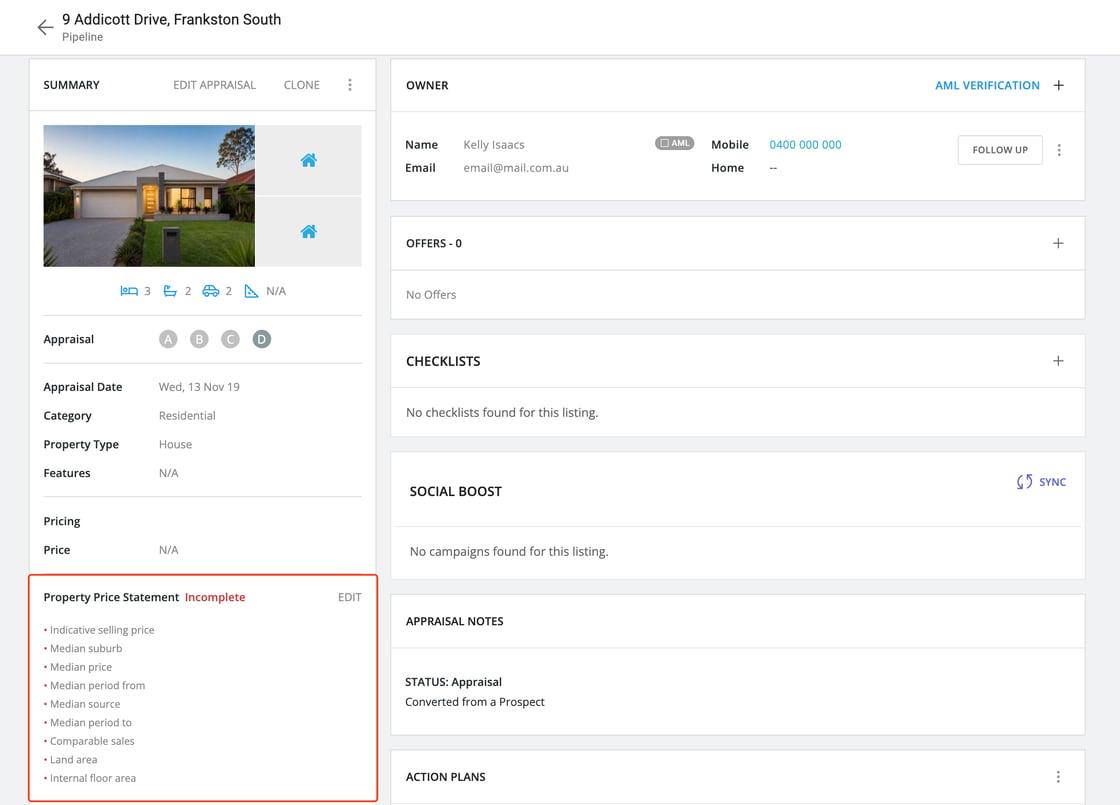
From 1 October 2026, the Property Price Statement (PPS) replaces the Statement of Information for residential sales in Victoria. For auctions and fixed-date sales, the new requirements apply from 16 October 2026.
Our Alliance Partner for websites is updating Zenu, so you're ready.
What's coming next week in Zenu?
Your website will be updated. "Statement of Information" will now reads "Property Price Statement" across your Zenu website, automatically.
Prefer to prepare your own PPS? You will be able to upload it to the property's Shared Docs, just like before.
What you need to do
Complete a PPS for your on-market properties, starting with any auctions or fixed-date sales on or after 16 October. Zenu's changes will be coming on Tuesday 29th.
Read the full guide → View Here
For full details of the new laws, visit Consumer Affairs Victoria.
PRIORITY: Medium – NSW property managers

NSW has passed legislation to limit the personal information collected from rental applicants and require clearer disclosures in rental advertising. The changes are expected to commence in early 2027. The standard application form and detailed rules are still being finalised.
Agents and landlords will need to use a standard rental application form. Applicants will no longer be asked for unnecessary details such as personal photos, social media accounts or information about their children. Identity documents, including driver licences and passports, will be collected only from the preferred applicant before a lease is signed. New rules will also govern how application data is stored and destroyed.
Rental advertisements will need to disclose digitally altered or AI-generated images used to conceal faults or mislead prospective tenants. Agents will also need to disclose whether a property is connected to an embedded utility network.
First National recommends disclosing AI enhancements in all property advertising, whether for sale or rent. Label each affected image and briefly describe the change. A useful format is: ‘AI-enhanced image: [describe what was changed].’ Do not publish an image that hides a fault or misrepresents the property, even with a disclosure.
What to do now:
Review the information your office and application platforms collect, how long it is retained, and your process for checking listing images and utility disclosures. We will share the final requirements and commencement date when NSW Fair Trading confirms them.
Read the NSW Government announcement
First National recommendation:
For each AI-enhanced image, First National recommends a disclosure that names the change:
‘AI-enhanced image: [briefly describe what was changed].’
For example: ‘AI-enhanced image: furniture has been added digitally.’ A general ‘images may be enhanced’ statement gives people too little information. Disclosure also does not make an image acceptable if it conceals a fault or gives a false impression of the property. NSW Fair Trading’s existing guidance requires property photographs to be accurate and clearly labelled.