Wellbeing and Inclusion
April is Autism Acceptance Month!
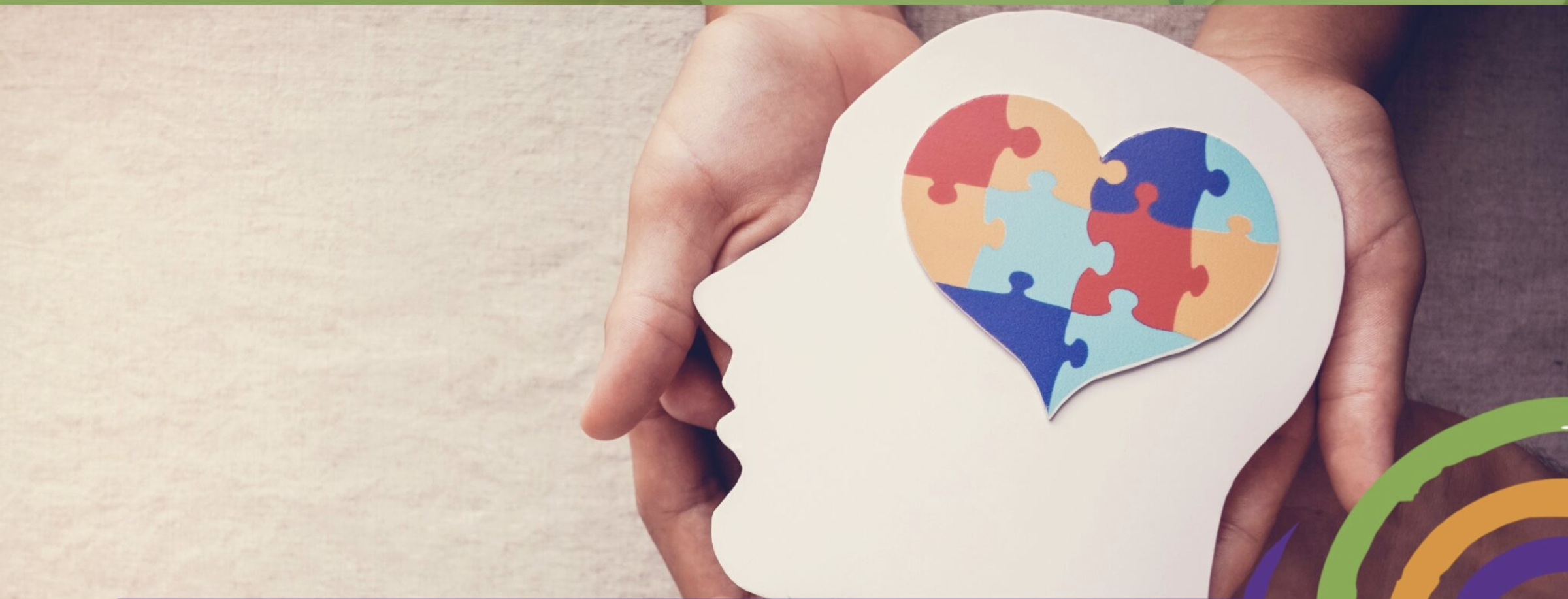
The language we use is powerful because it helps change attitudes towards autism.
Research from the United Kingdom examined the preferences of autistic people, their families, friends and professionals around the language used to describe autism. The findings confirmed that there is no single term that everyone prefers — but they did suggest a shift towards identity-driven language, and an understanding that autism is seen as integral to the person.
The term autism includes autism/autistic disorder, Asperger syndrome and Pervasive Developmental Disorder – Not Otherwise Specified (PDD-NOS).
When diagnosing autism, health professionals use the term Autism Spectrum Disorder to describe the varied presentation of autistic individuals. These specific terms are also often required for diagnostic and funding purposes.
You might also hear terms like high functioning, low functioning, severe and mild in an attempt to describe the extent of the challenges experienced by autistic people. However, every autistic individual has different strengths and challenges, and these terms ignore the difficulties some autistic people may experience and the capabilities of others.
For more information, head to https://www.amaze.org.au/
Respectful Relationships - Term 2 Week 1 Focus
Foundation
Fair and Friendly Play
Students will review the rules of fair play that are used in some children’s games. They will describe what being ‘mean’ and ‘friendly’ can look or sound like when people are playing together. Students will talk about how all students, regardless of gender, can play in a fair, inclusive and friendly way.
Year 1 and 2
What is Rough Play?
Students will name different types of rough play, including hurting people’s feelings, hurting people’s bodies or damaging their possessions on purpose. They will name some emotions people can have when they see violence or when it happens to them. Students will name some bodily sensations people can feel when they see rough play or when it happens to them.
Year 3 and 4
What are Mean Behaviours?
Students will learn there are different ways of being mean, such as verbal, physical and emotional . They will identify emotions people may feel when affected by these behaviours. Students will describe acts of friendship that can be used to help those affected by people being mean to them.
Year 5 and 6
Positive Relationships
Students will build a definition of harmful interpersonal behaviours that include physical, verbal, psychological, and image-based abuse. They will provide examples of the different ways these behaviours can occur in both face-to-face and digital environments. Students will also identify the possible effects these behaviours can have on those who experience them, those who witness them, and those who engage in them.