Wellbeing

SWPBS Update
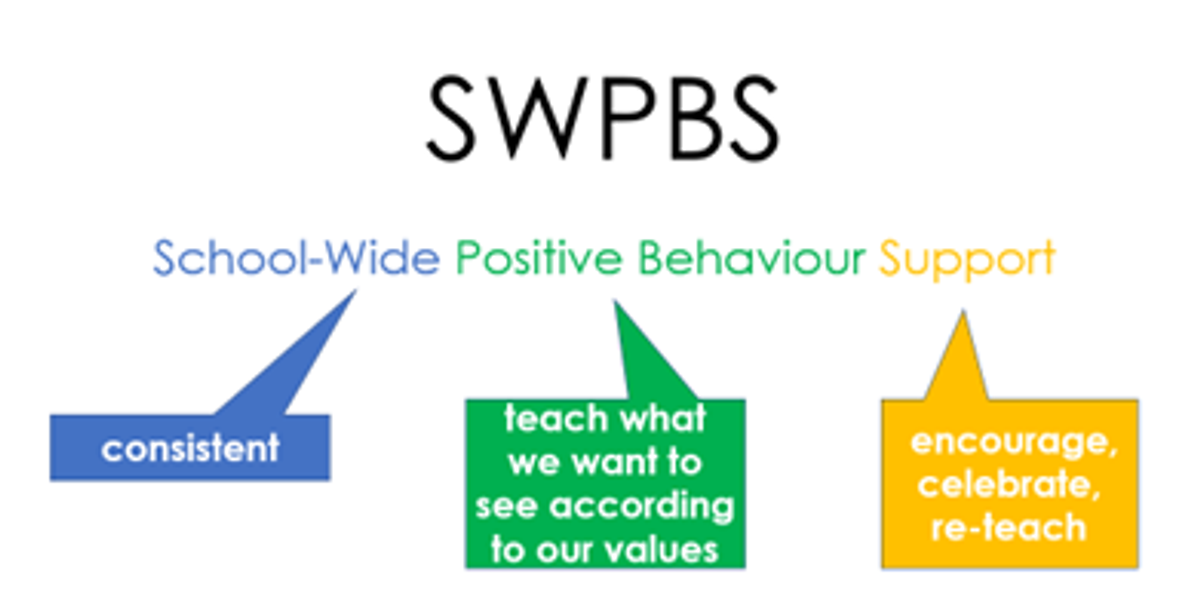
Well done to the students who received a certificate at the end of last term! Fantastic efforts showing our values during playtimes.

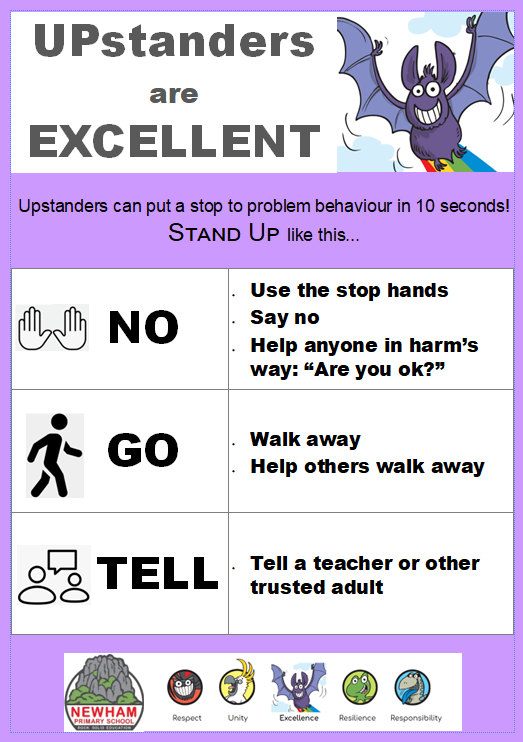
Focus on: Upstanders are Excellent
Each newsletter this term, we'll zoom in on the expectations for one of our values. In class, students are clearly taught and given opportunities to practise these expectations. Teachers aim to use this language to praise and reinforce students following expectations, and to remind and reteach when students aren't.
This week, we're looking at being an Upstander.
In our matrix, we have the expectation that Upstanders kindly step in with our values. This expectation sits under all the values, as we need to draw on all those values to stand up.
This upstander expectation and teaching forms part of our anti-bullying support strategy.
Child Development & Wellbeing Information
Each week I try to share some info and resource recommendations in the newsletter.
This week: Sleep
From the Royal Children's Hospital Fact Sheet on Sleep...
About sleep for children and teens
Sleep is an important part of healthy growth and development for children and teens. Good quality sleep allows the body to rest and helps with various physical and emotional processes, from immunity to concentration, emotional wellbeing and brain function.
How much sleep does my child or teen need?
Every child needs a different amount of sleep, which changes as they age.
As a guide:
Children aged three to six years old need 10 to 12 hours
Children aged seven to 12 years old need 10 to 11 hours
Sleep problems in children and teens
For many families, sleep problems begin before their child is in bed. It is not unusual for children to have nighttime worries or fears that stop them from falling asleep easily. Preschool and primary-aged children may use excuses to avoid going to bed, like needing to go to the toilet or wanting to talk about something. Older children and teens may lie awake at night for a range of reasons, such as being uncomfortable in their sleep environment or stressed about school or friendships.
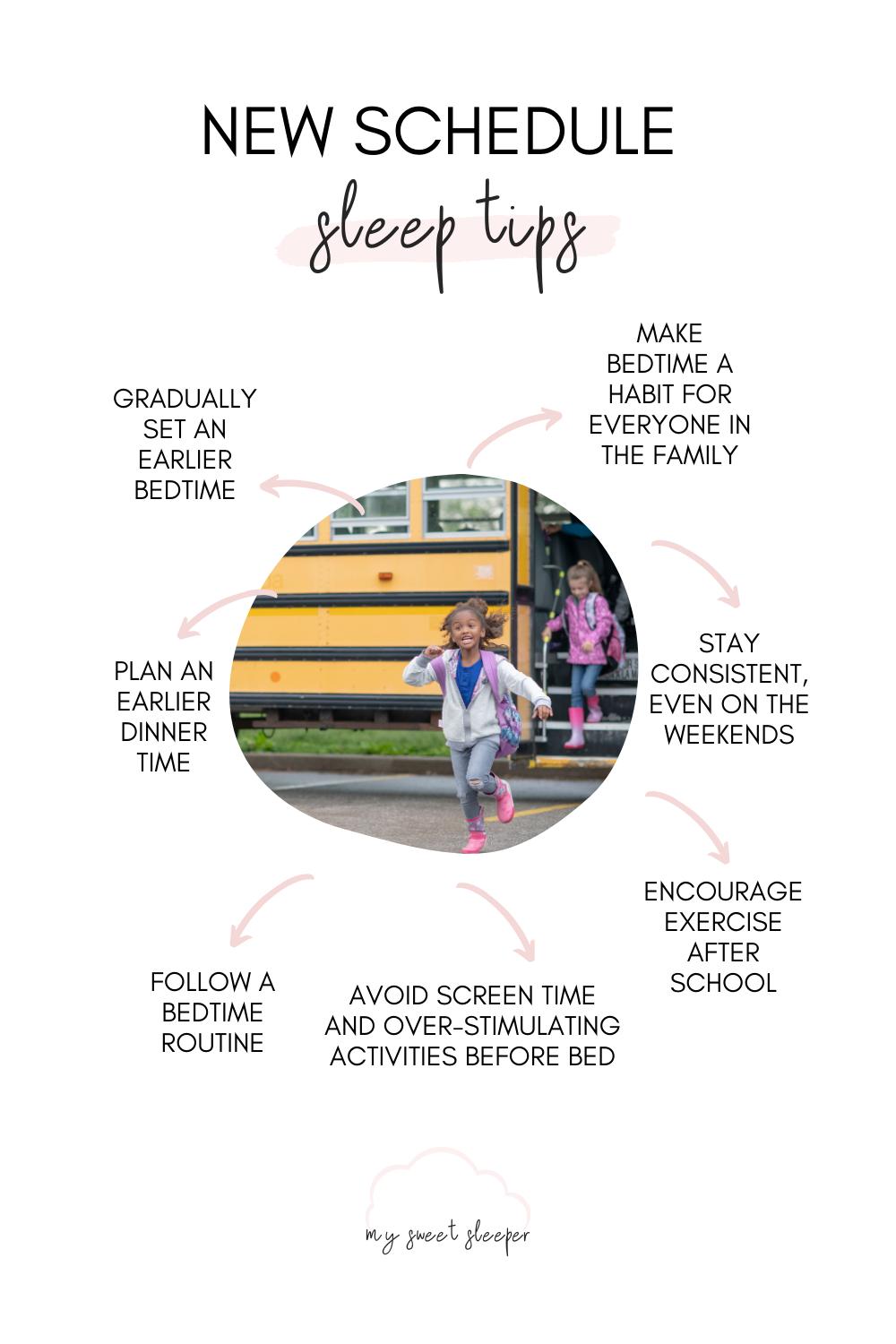
Strategies to help bedtime behaviour and habits
- Be clear and consistent with yourself and your child about the sleep habits they need
- Follow a consistent bedtime routine
- Respond calmly and firmly to any resistance
- Use positive reinforcement
--> For details on how to implement these strategies, click on the link to the Royal Children's Hospital Fact Sheet on Sleep
Additional Recommendations:
Read: Raising Children Network
How much sleep kids need: 5-11 years | Raising Children Network - and advice on helping them get it!
How to get kids with ADHD to go to sleep & wake up on time
Better sleep for autistic children at 3-11 years
Read: Supporting sleep habits in children with additional needs - a more detailed exploration of sleep troubles and advice - and may be useful for any child and their family, regardless of additional needs
Listen: Parental As Anything
Winning the sleep wars - ABC listen
Mental Health Support
If you or your child need confidential advice or someone to talk to, here are some readily available support services…
Kids Helpline
Call 1800 55 1800. Or webchat via kidshelpline.com.au
Kids Helpline is Australia’s free and confidential 24/7 online and phone counselling service for young people aged 5 to 25.
Beyond Blue
Call 1300 22 4636. Or webchat via www.beyondblue.org.au
Our free telephone and online counselling service is open 24/7 for everyone in Australia. No matter who you are, or how you're feeling, reach out to our free counselling services for support – we'll point you in the right direction so you can get the help you need.
Women’s Information and Referral Exchange (WIRE)
Call 1300 134 130. Or webchat via www.wire.org.au
WIRE provides free support, referrals and information on any issue for all women and gender diverse people in Victoria. Telephone counselling is available 9am – 5pm, Monday to Friday. Online support chat is available 11am – 4:30pm, Monday to Friday.
MensLine Australia
Call 1300 78 99 78. Or webchat via mensline.org.au
MensLine Australia offers free professional 24/7 telephone counselling support for men with concerns about mental health, relationships, anger management, family violence (using and experiencing), stress, and suicidal thoughts.
Family Relationships Advice Line
Call 1800 050 321 Mon-Fri 8am to 8pm; Sat 10am- 4pm
Anyone can call the Advice Line, a national telephone service about family relationships. They help with strengthening family relationships, helping families stay together and assisting families through separation. More information here: www.familyrelationships.gov.au/talk-someone/advice-line