
Loving Learning Literacy
Nella Fimiani and Taryn Travanca
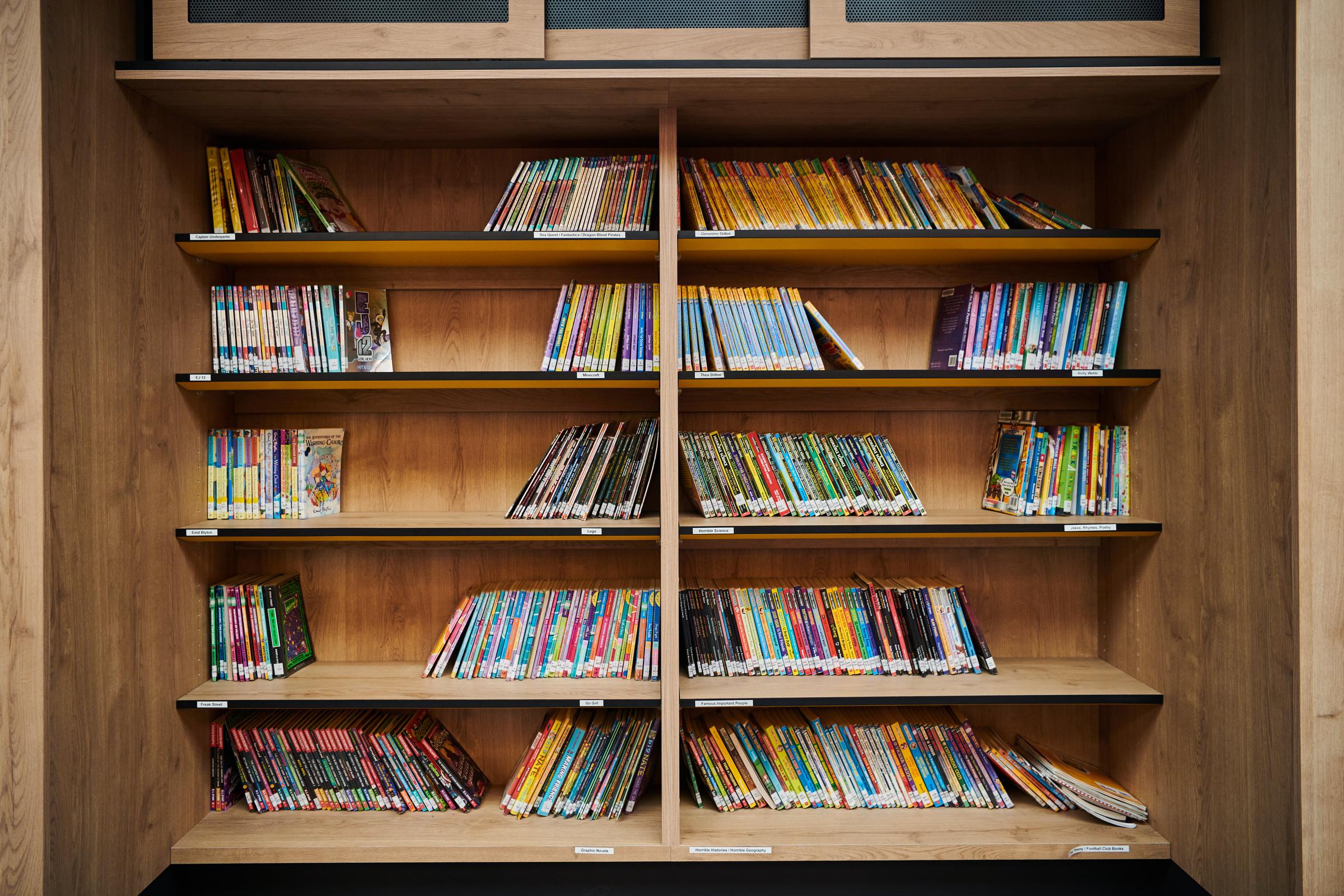
Loving Learning Literacy
Nella Fimiani and Taryn Travanca
Welcome back to another fantastic year of learning in Literacy!
We look forward to getting to know you and working in partnership with you - together we can accomplish great things!
Why It’s Important ...
Children's self esteem grows as they experience the security of having a parent or other caring person read aloud with them.
Children experience increased communication with parents and other family members.
Children are introduced to new concepts such as colours, shapes, numbers, and alphabet, in a fun, age appropriate way.
Children build listening skills, vocabulary, memory, and language skills.
Children develop imagination and creativity.
Children learn information about the world around them.
Children develop individual interests in special subjects like dinosaurs, cats, or cars.
Children learn positive behaviour patterns and social values.
Children learn positive attitudes towards themselves and others.
CHILDREN LEARN THE JOY OF READING!
Should the books be easy or difficult?
The books that children bring home to read should be at a slightly lower level than what they are reading in the classroom. It is meant to be an enjoyable experience for both you and your child - not stressful! If your child is getting stuck on every second word, then the book is too hard for them. This can be frustrating for both you and your child which is not setting them up for a positive experience. Read the book to your child instead and have them read the easy words. You might want to also have a chat with the teacher if difficult books continue to come home. Library books are often books for you to read with or read to your child.
What routine should I set up?
Find a quiet, comfortable spot that is the ‘go-to reading’ spot with your child. If you have other children, this can be tricky, We know! It’s about finding the right time for you and your child. Whether it be before dinner, just before they go to bed, or first thing in the morning. Do what works for you!
How do I start?
Ease into the book. Get your child thinking about what the book might be about by asking some questions before you start reading. Here are some examples of what you could ask:
What Happens When My Child Gets Stuck?
Don’t tell them the word. Guide them instead. If you tell your child every word they get stuck on they won’t learn to use the reading strategies they are learning at school and will expect you to tell them every time. This isn’t going to help them to develop and grow as readers.
Here are some basic reading strategies your child will be taught in the classroom:
Make it Enjoyable!
Reading is meant to be a fun enjoyable time with your child.
If you are getting frustrated, it will rub off on them. If they are finding it hard or they are too tired – read a page each. Have them follow along with you and make silly mistakes! Your child will love correcting you. Put on some silly glasses and read the book together!
Comprehension is Important!
Your child’s comprehension is a vital component of learning to read. Often parents listen to the home reading book and then mark it off as complete. Instead, ask some questions at the end of the reading to support your child’s comprehension skills.
They don’t have to be difficult questions - here are a few that you might like to ask:
Good luck and best wishes for the year ahead!
Mrs Nella Fimiani (Deputy Principal & Literacy Leader 3 - 6)
Mrs Taryn Travanca (Literacy Leader Prep - 2)