Health Centre News
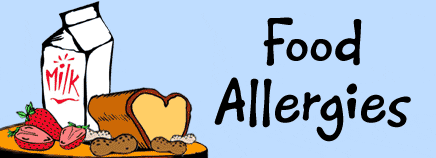
Keeping Our Students Safe: Understanding Food Allergies and Anaphylaxis
Australia has one of the highest food allergy rates in the world. At Brighton Primary School, the safety and wellbeing of every child is important to us —especially when it comes to managing food allergies and preventing anaphylaxis. As food allergies become increasingly common in primary-aged children, we appreciate the support of our parent community in helping us maintain a safe environment for all. I often have parents ask if we are a nut free school and what our policy is around food allergies, so here is some further information which you may find helpful.
What Are Food Allergies?
A food allergy occurs when the immune system reacts to a specific food as though it is harmful. Even tiny amounts of an allergen can trigger symptoms. Common allergens in school settings include:
- Peanuts and tree nuts
- Eggs
- Milk / Dairy
- Sesame
- Fish and shellfish
- Soy
- Wheat
Symptoms can vary from mild (e.g., hives, swelling, stomach pain) to severe reactions.
What Is Anaphylaxis?
Anaphylaxis is a severe and potentially life‑threatening allergic reaction. It can occur within minutes of exposure and requires immediate treatment. Our staff are trained annually in recognising signs of anaphylaxis and administering adrenaline and our roles and responsibilities in keeping children safe.
How Parents Can Help
We rely on our whole community to help us keep every child safe. You can support us by:
1. Keeping lunchboxes allergy‑aware
Avoid sending:
- Nuts or nut‑containing products
- Foods that are known allergens for students in your child’s class. If a student in your child’s class has anaphylaxis – this would have been communicated with you at the beginning of the year. The food that they are allergic to would have been communicated with you by the school nurse to ask that you avoid bringing these foods to school where possible.
2. Talking with your child
Encourage your child to:
- Never share food or drinks
- Wash hands before and after eating
- Understand that some foods can make other children very sick
3. Communicating with us
Let us know if:
- Your child develops a new allergy
- Action plans or medication need to be updated
- You have any questions about classroom celebrations or food‑based activities
4. Being mindful with birthday treats
Where possible, consider non‑food celebrations such as stickers, special pencils, or a class game. If food treats are sent in, please discuss this with the classroom teacher in advance.
Together, We Can Make a Difference
With your support, we can provide an inclusive and safe environment where all students feel protected and valued. Thank you for helping your help and support with this matter.
Please contact me if you have any questions regarding food allergies or anaphylaxis, as I am always here to help.
Kind regards,
Nurse Cecile