
Student Wellbeing
The Importance of Belonging
By Deb Barden, BPS Student Wellbeing Coordinator
Feeling Connected at School
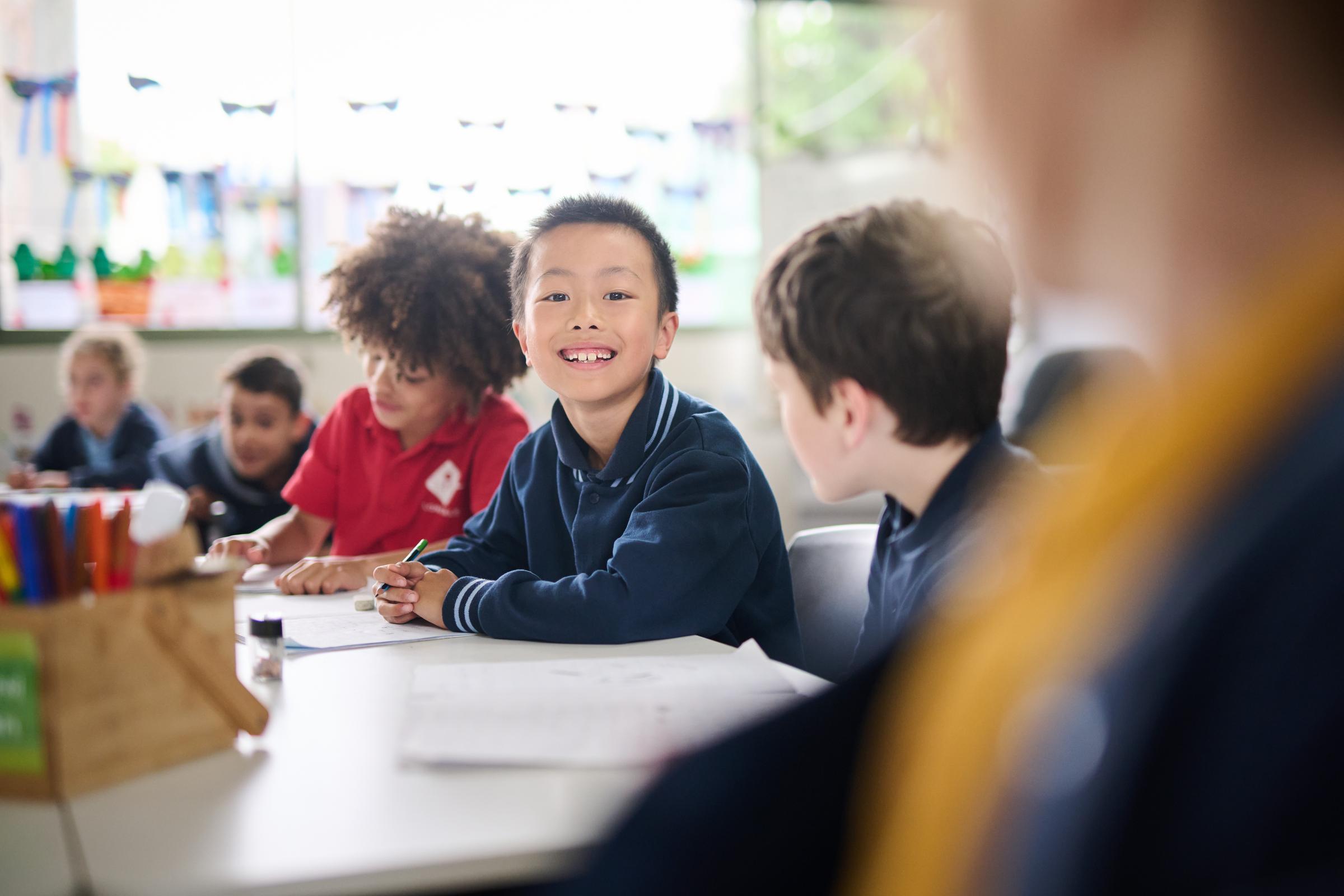
A strong sense of belonging helps children feel safe, confident and ready to learn. When students feel connected to their teachers and peers, they are more willing to participate, take learning risks and build positive friendships. Belonging supports both academic success and emotional wellbeing.
Regular school attendance is an important part of belonging. Consistent attendance allows students to build friendships, feel secure in routines and remain connected to learning and social opportunities. When children are regularly at school, they are more likely to feel part of the community.
Families play a vital role in strengthening belonging. Parents can reinforce social and emotional skills at home by modelling respectful communication, encouraging empathy, supporting problem-solving and helping children reflect on how their actions impact others. Talking positively about school, organising social opportunities and encouraging persistence with friendships all help build confidence and connection.
At school, we explicitly teach skills that support belonging. Programs such as Zones of Regulation, Cyber Safety education, the Respectful Relationships program, and the use of restorative conversations help students develop emotional regulation, empathy, conflict resolution skills and responsible online behaviour. These shared approaches are most effective when they are reinforced both at school and at home.
If your child is experiencing friendship challenges or feeling disconnected, please reach out to their teacher. Working together allows us to support students in building the skills and confidence they need to form positive, lasting connections.
When families and schools work in partnership, we create a safe and inclusive environment where every child feels that they truly belong.