Science

Year 10 Science
So far in science, we have carried out a range of hands on experiments that helped us understand how forces behave in the real world. One of the most memorable activities involved flipping a table upside down, placing balloons on top, and having around twelve students stand on it to observe how the forces balanced without the structure collapsing. After this, we explored Newton’s three laws of motion in more depth. We learned that inertia explains why we lean forward slightly when a bus stops suddenly — something we had noticed before but never really thought about scientifically. Newton’s second law showed us that acceleration depends on both force and mass, which is why heavier objects require more effort to move. Finally, Newton’s third law taught us that every action has an equal and opposite reaction, the same principle that allows rockets to launch into space. We were also surprised to realise how often these forces act around us every day, even when we don’t notice them. To make the past few weeks even better, we ended up winning free McDonald’s, and we expect to receive it at the end of the term, which definitely adds a fun twist to our learning. Combining these facts with our experiments has made the concepts clearer, more engaging, and exciting to learn.
- Amrutha, Akanksha, Caprice and Saanvi
Year 9 Science
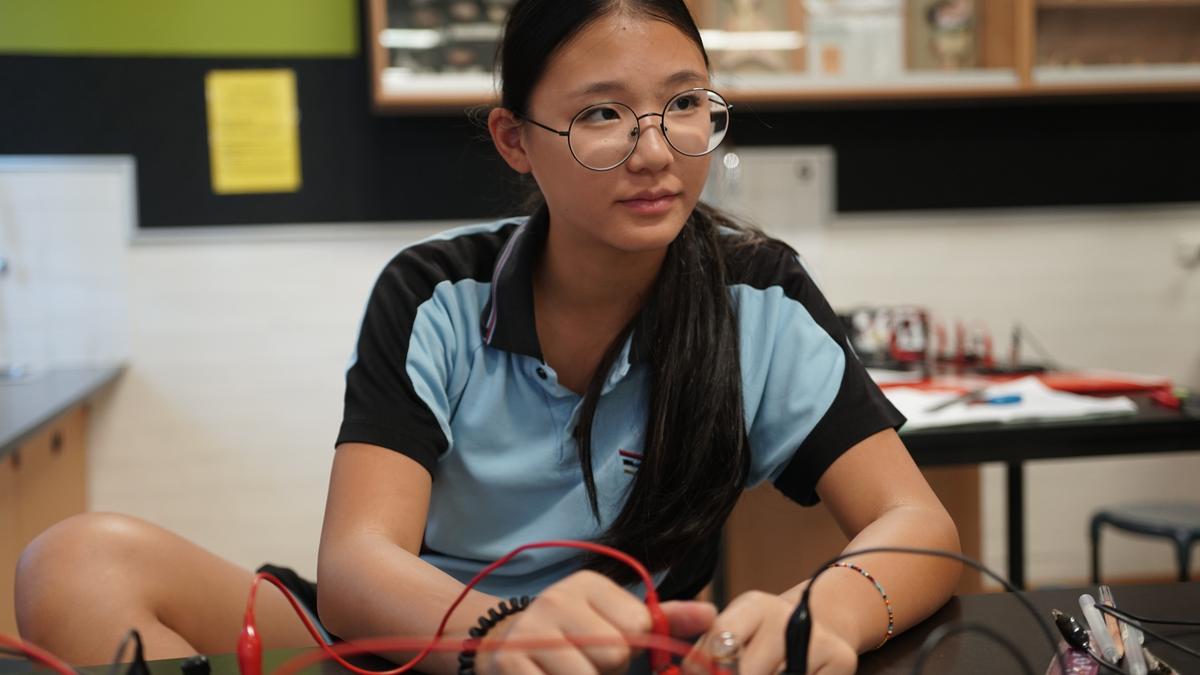
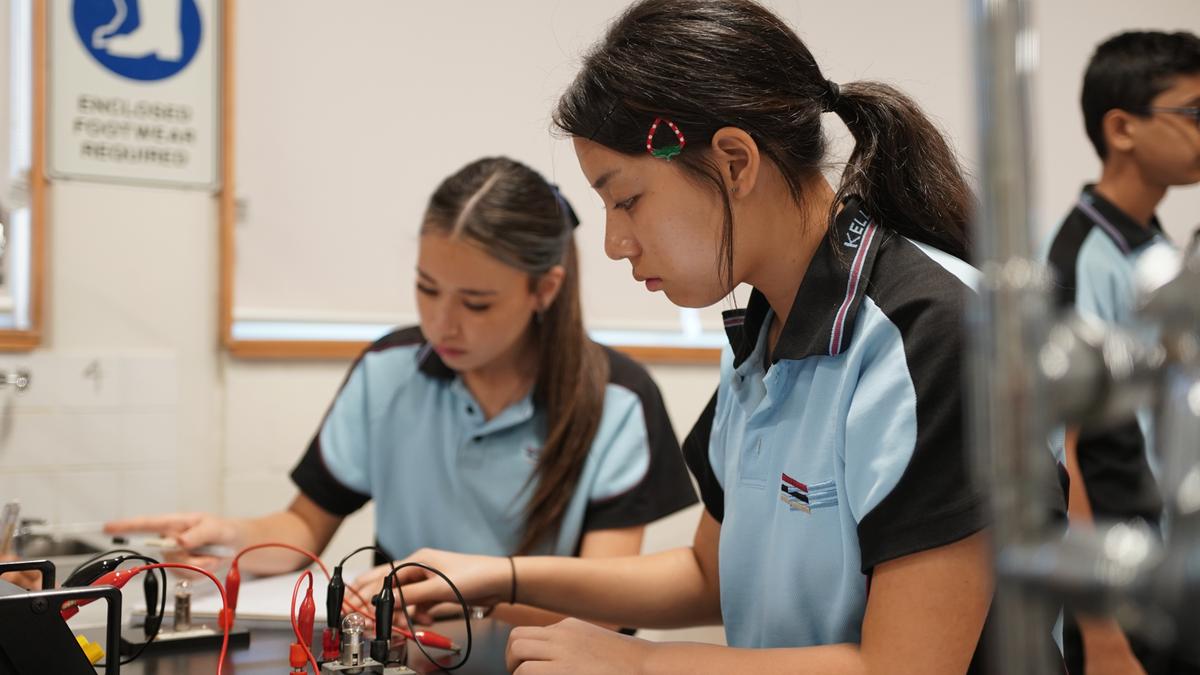
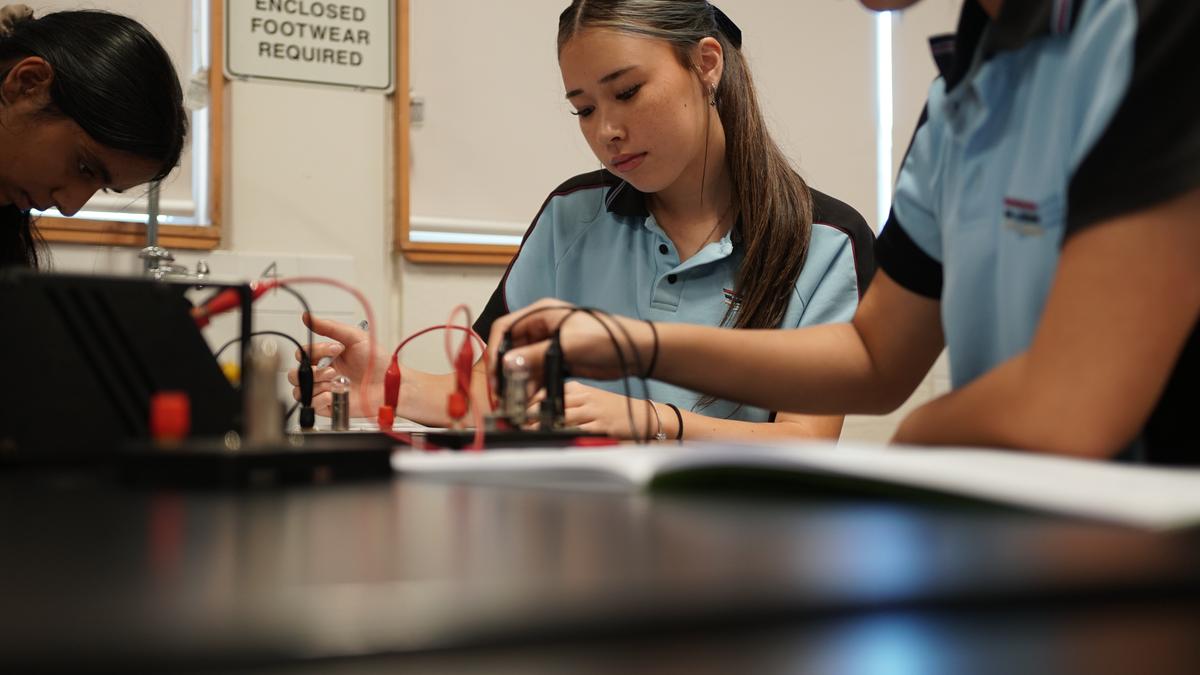
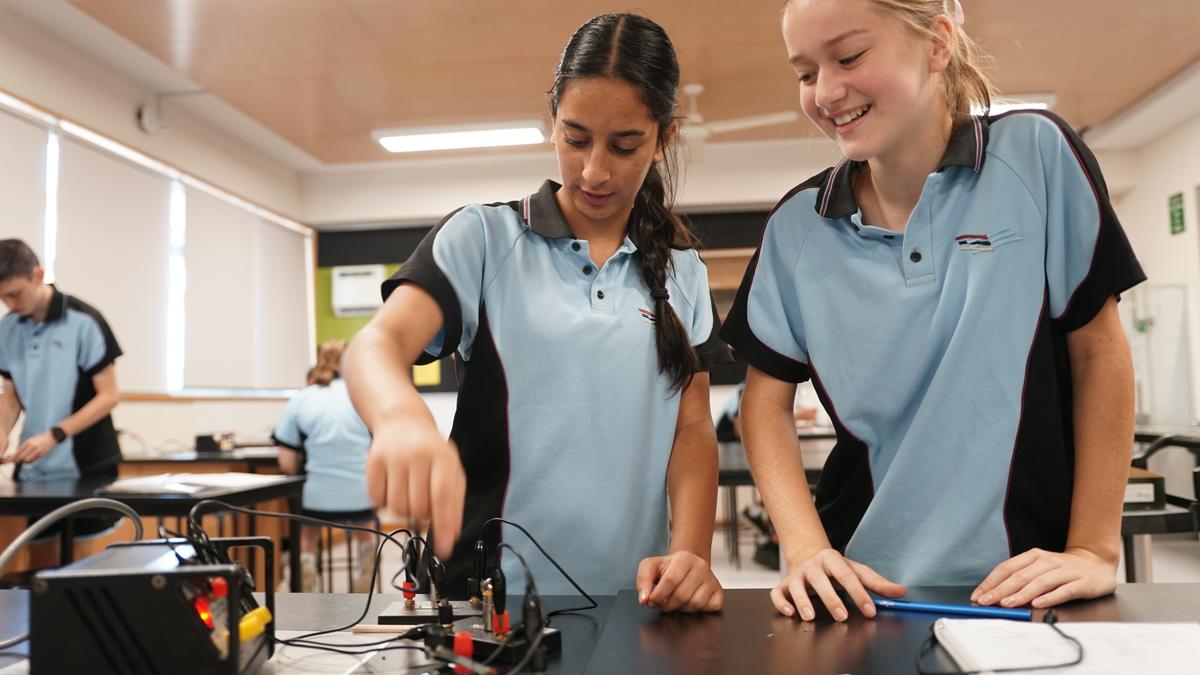
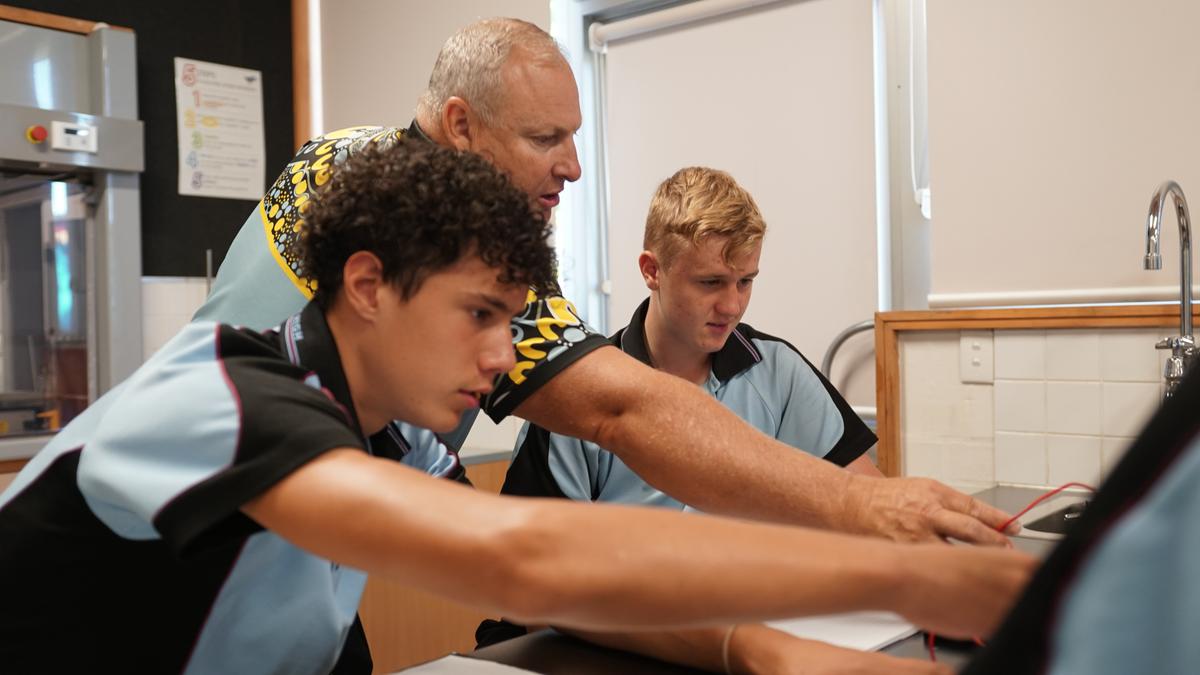
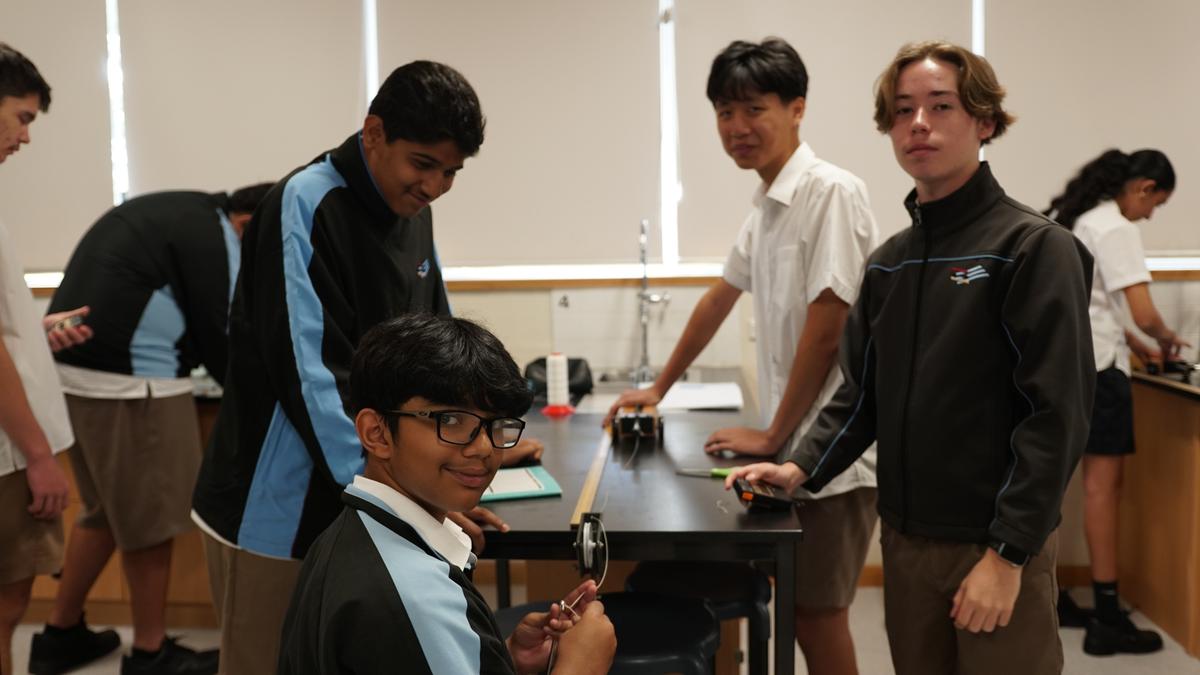
Students in year 9 have been deeply engaged in their studies within the realm of physics, specifically focusing on Energy and Electricity. In the first few weeks, they have explored the conservation of energy and analysed the efficiency of energy transfers and transformations, learning how to solve problems regarding energy with the use of different formulas and scientific laws. This theoretical work was brought to life in the lab, where students transitioned from drawing diagrams of the circuits they're studying to physically constructing electric circuits. By building and testing both series and parallel circuits, they have developed an understanding on how and why energy is used the way it is, allowing them to make informed, data based decisions about how electrical energy is used in everyday lives.
- Tara K.
Year 11 Biology
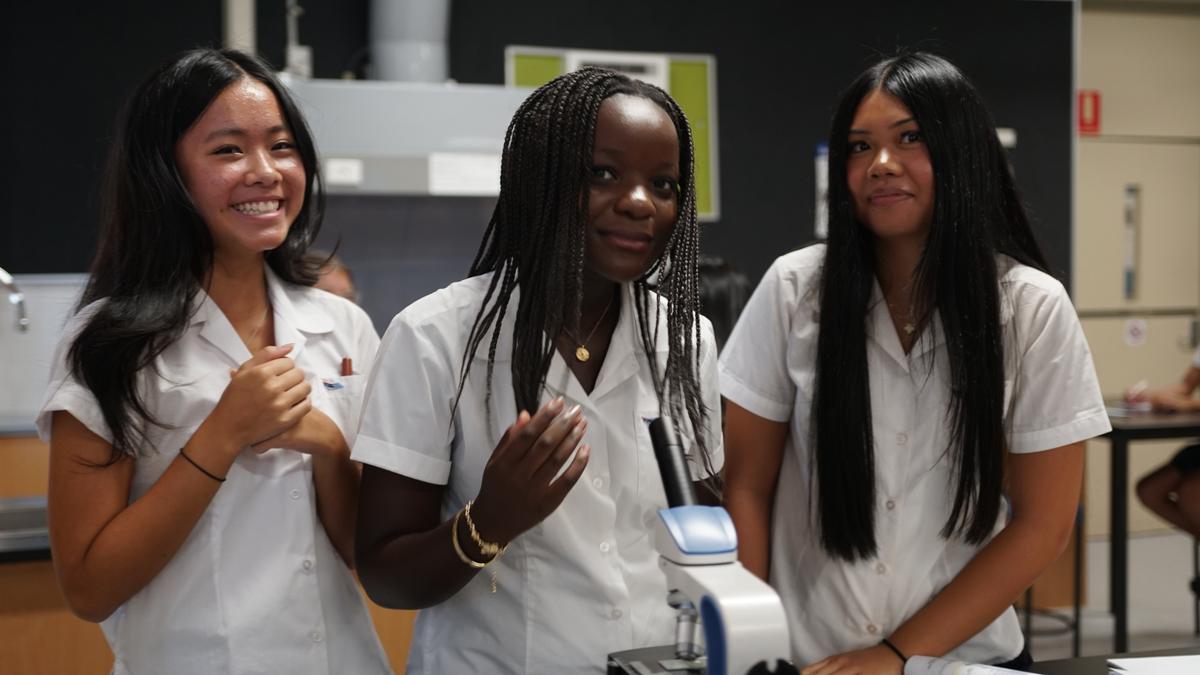
So far in Year 11 Biology, learning about cells has actually been one of the most interesting parts of the course. We’ve spent a lot of time breaking down the structure of both prokaryotic and eukaryotic cells, and it’s helped me understand how every living thing is built from these tiny units. Looking at organelles like the mitochondria, nucleus, ribosomes, and chloroplasts made the content feel more real, especially when we linked each structure to its function. It’s been a good balance of theory and class discussions, and it’s made the idea that “cells are the basis of life” feel much more concrete.
The practical lessons have been a big highlight too. Using microscopes to observe plant and animal cells made the diagrams in our books feel way more alive. Staining onion cells to see the nucleus clear, and identifying organelles under the microscope helped me actually apply what we learned in class. Doing hands‑on work like preparing slides, adjusting magnification, and drawing scientific diagrams has made the content easier to remember and more engaging overall.
- Ezekiel W.