Staff Spotlight
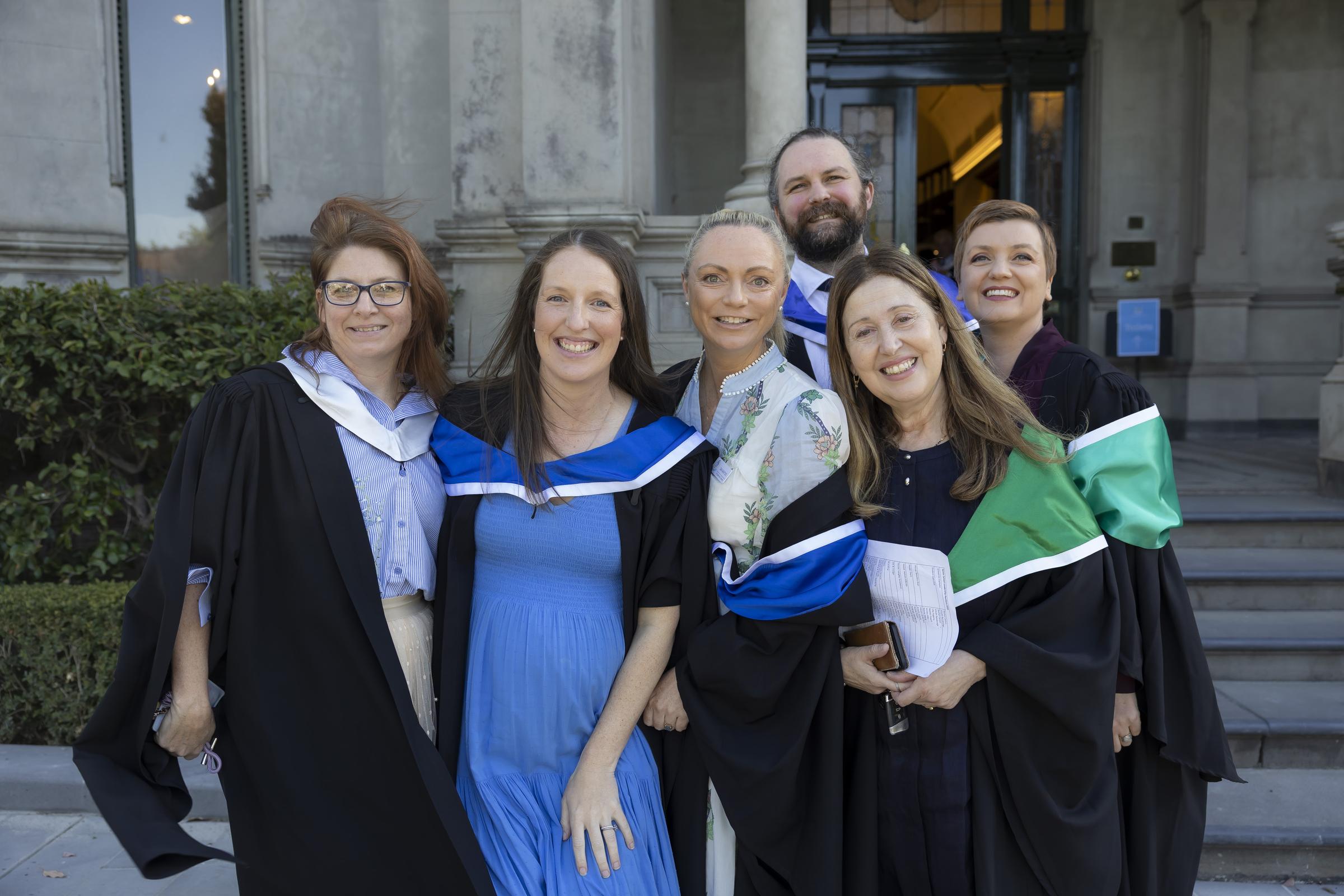
St Catherine’s School is defined by its strong and connected community. In this section of the Blue Ribbon, we showcase members of our exceptional staff to deepen understanding of their work and strengthen the bonds that unite us all.
In this issue, we shine the spotlight on Kristy Forrest.
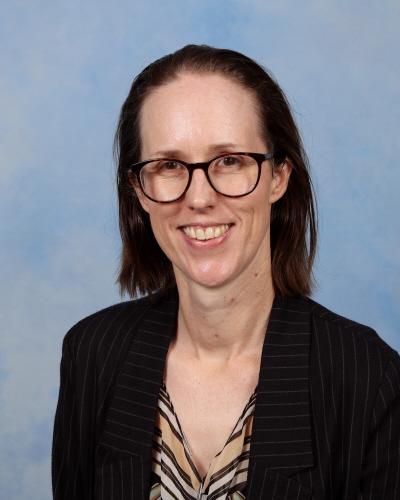
What is your role at St Catherine’s?
I am the Head of Professional Practice, which means I work with the School's Leadership Team to develop and implement our Staff’s Professional Learning program and ensure it reflects the most up-to-date educational research.
I am fortunate to have a great team of learning coaches and together we work with the teaching staff to reflect on their practice and identify areas for improvement.
Another interesting part of my role is managing our external partnerships with universities, educational consultants and other schools, as it means I have the privilege of meeting a range of educational experts and inviting them to work with our staff and students. In my classroom role, I teach English and Philosophy.
What led you to teaching?
As a teenager and university student my passions were reading, writing and cinema, and I also really liked to work with people. Teaching was a natural fit for these interests. Once I commenced study education, I developed a further interest in educational philosophy, which continues to sustain me professionally.
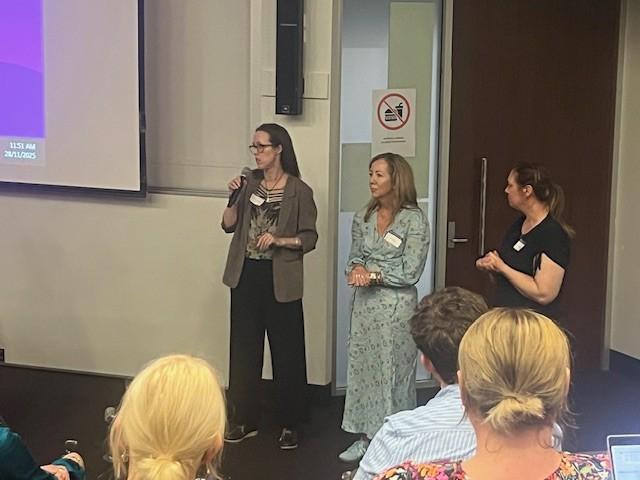
What can you tell us about your attendance at the UQ Partner Schools Symposium last year? And, specifically, your presentation? How have your findings and learnings been implemented at School? How will this benefit the student community?
For the past two years, St Catherine’s has partnered with the Learning Lab at the University of Queensland as part of the Melbourne Cluster of Schools. The focus of our project has been on teaching for wellbeing, and particularly on how we can use self-regulation strategies to reduce the academic anxiety that often presents in girls’ schools. Last year, we presented at the UQ Partner Schools Symposium in Queensland, where we reported on findings from our specific focus on the transition years of Years 6 to 7.
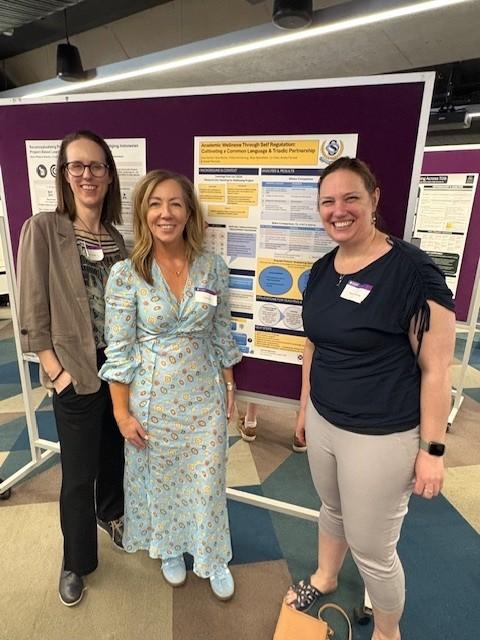
We have used the findings from that project to inform our approach to transition where we know that a sense of belonging, connection and reduced cognitive load ensure a more successful transition.
Our first initiative is to extend upon our use of purposeful technology (which commenced with the Yondr program) with a device delay at Year 7, to allow our students time to develop relationships with their peers and teachers. This will be complemented by our Academic Advisory program, which upskills students in strategies for metacognition and emotional regulation.
This year, we will work with the Junior School teachers to develop a clear concept of what we want the Middle Years journey to look like from Years 5 to 8.
What is the most enjoyable part of working here?
I really enjoy the warmth and closeness of our small school community. It is possible here to know all of your colleagues and develop strong relationships with students over many years as we teach them multiple times. I often hear from old students who have gone on to study philosophy at the tertiary level. I also enjoy the opportunities to visit different schools and universities that my role affords me.
What is one interesting, non-work related fact about you?
I have a long-standing passion for Reggaeton and Latin Trap that came out of my backpacking era in Central America, so Bad Bunny’s half-time show at the Superbowl was the highlight of 2026 so far.
Kristy Forrest
Head of Professional Practice & English and Philosophy Teacher