
Learning and Teaching

Mrs Annie Engellenner
Deputy Principal, Learning and Teaching Leader & Religious Education Leader
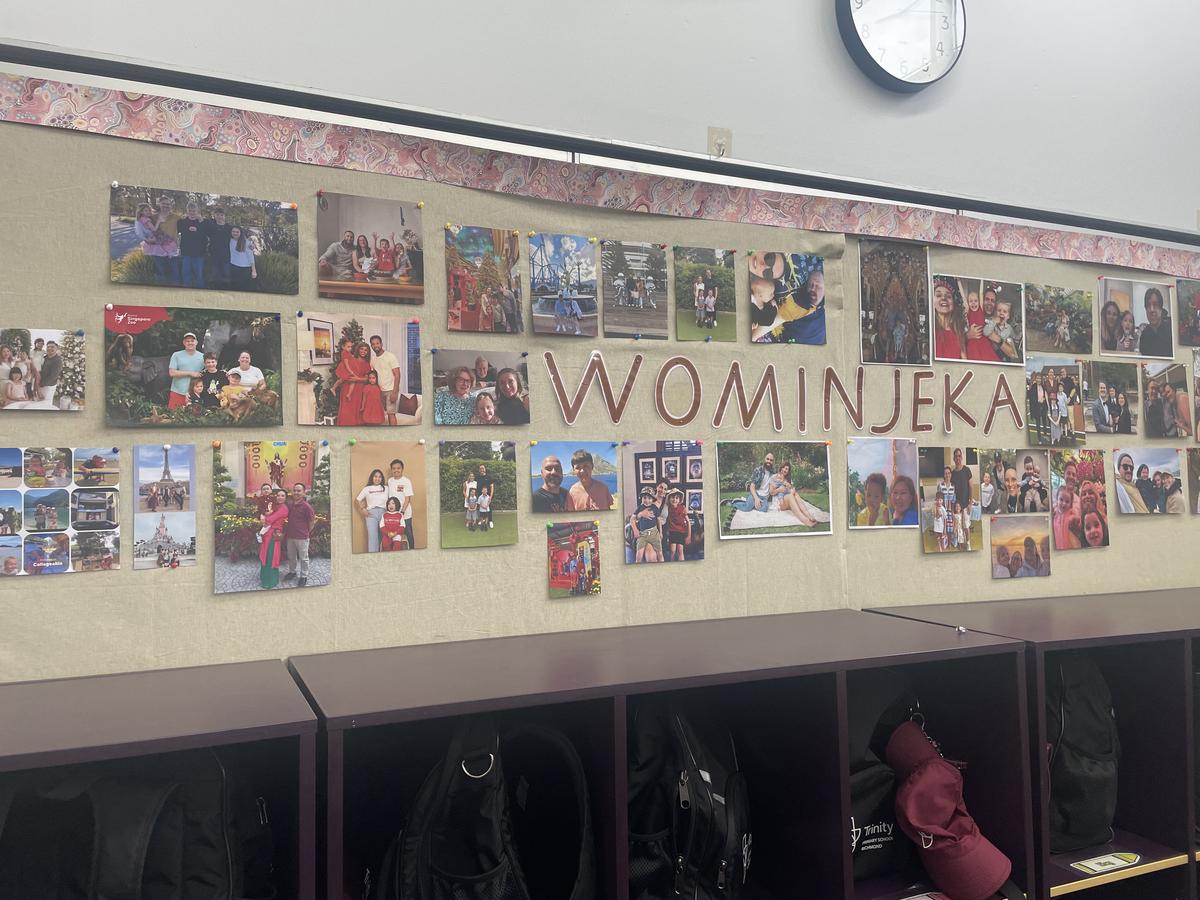
Prep Unit of Inquiry
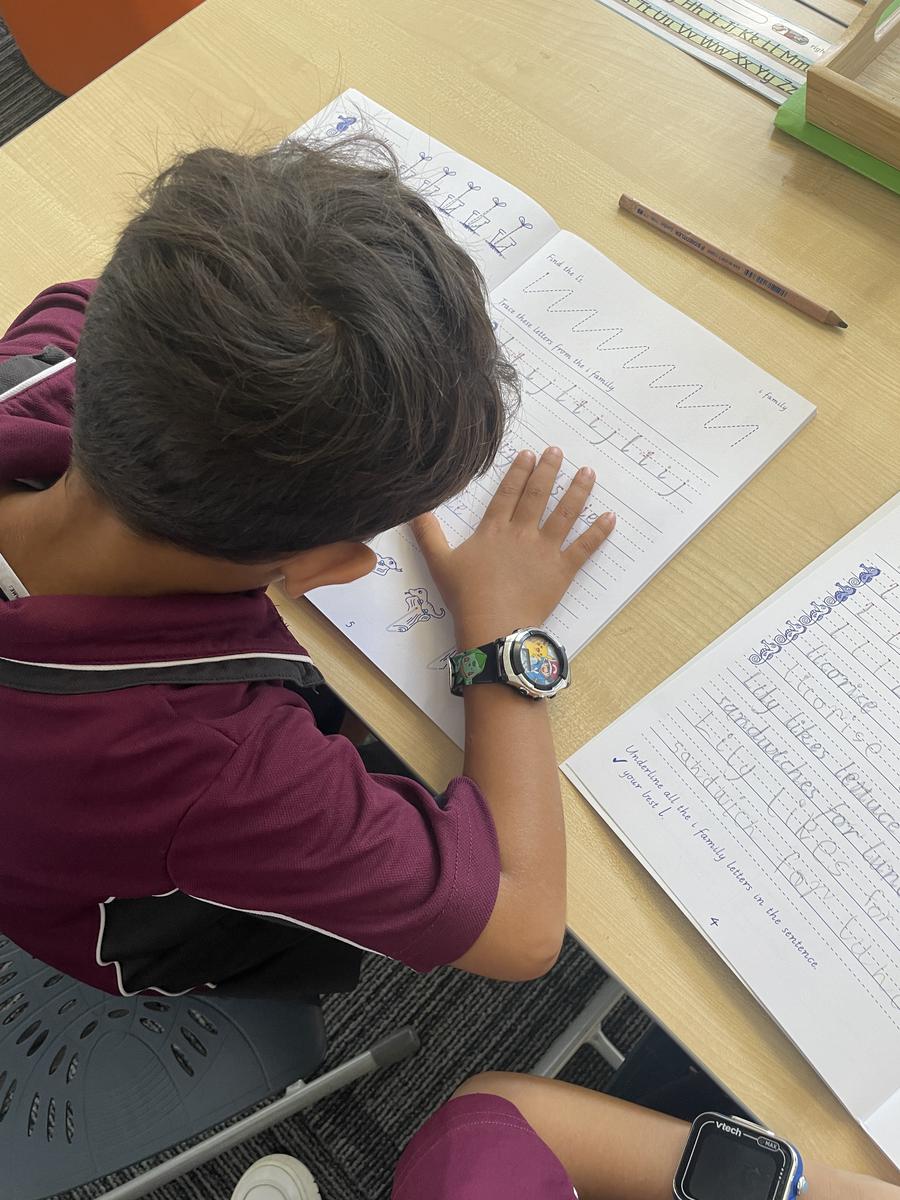
Explicit TTeaching of handwriting.
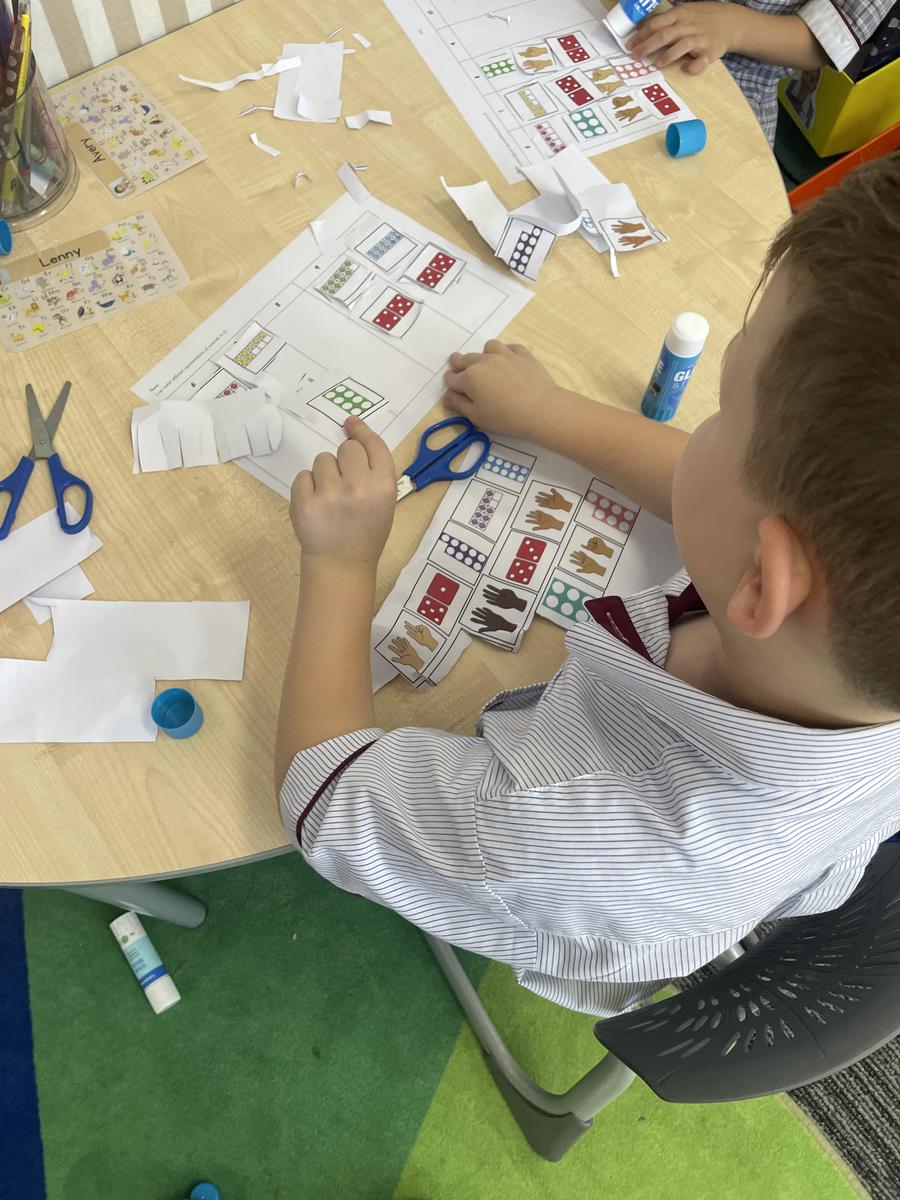
Learning about place value
Prep Unit of Inquiry
Explicit TTeaching of handwriting.
Learning about place value
NAPLAN 2026
Over the coming weeks, students in Years 3 and 5 will take part in the NAPLAN (National Assessment Program – Literacy and Numeracy). NAPLAN is a national assessment that provides a snapshot of student learning in literacy and numeracy at a particular point in time.
While the results give schools helpful information about student progress, it is important to remember that NAPLAN measures only a small part of a child’s learning. Intelligence and success can be expressed in many different ways. Qualities such as creativity, curiosity, collaboration, problem-solving, kindness and perseverance are equally important and are not captured in a standardised test.
At our school, teachers use a range of assessments, observations and classroom learning tasks to understand and support each child’s growth. NAPLAN is simply one piece of the bigger picture that helps guide our teaching and learning.
We encourage students to approach the tests calmly and to simply try their best.
NAPLAN 2026 schedule for Year 3 and 5 students
Writing - Wednesday 11th March 9.15am, Year 3 and 12.15pm Year 5
Reading - Monday 16th March at 9.15am Year 3 and Year 5
Conventions of Language - Tuesday 17th March 9.15am
Numeracy - Wednesday 18th March at 9am , Year 3 and 12.15pm Year 5
Public demonstration site
The public demonstration tests show the types of questions students will answer and the functionalities that are available in NAPLAN tests.
To try the demonstration tests, clink this link and use the buttons below to choose a year level and then a NAPLAN domain: writing, reading, conventions of language (spelling, grammar and punctuation) or numeracy. Please note that answers are not provided. As all Year 3 students complete the writing test on paper, there is no Year 3 writing demonstration test.
For all online tests, once ‘finish’ is selected or time has run out, the student’s responses will be submitted and will no longer be able to be viewed.
How families can support their children’s learning at home
Children learn best when they feel supported, encouraged, and confident. Families play a powerful role in shaping positive attitudes towards learning through simple, everyday actions.
Families can support learning by:
- Talking and listening – having regular conversations, asking open-ended questions, and encouraging children to share their ideas builds language, thinking, and confidence.
- Reading regularly – reading together, discussing stories, and encouraging children to read for enjoyment strengthens literacy skills and a love of learning.
- Using maths in everyday life – cooking, shopping, telling the time, handling money, and playing games all help children see how numeracy is used in real life.
- Establishing routines – consistent times for sleep, homework, and meals support focus, wellbeing, and readiness to learn.
- Encouraging effort and persistence – praising effort rather than outcomes helps children develop resilience and a growth mindset.
- Creating a positive learning environment – a quiet space, free from distractions, supports concentration and independence.
Staying connected with the school – reading school communications and talking with teachers strengthens the partnership around each child’s learning.
When families and schools work together, children feel supported, valued, and empowered to grow. This shared approach reflects our commitment to high-quality teaching and learning and our alignment with the MACS Vision for Instruction, with the child at the centre of all we do.
Digital Technologies
Social Media and Student Wellbeing
At Trinity, the safety, dignity and wellbeing of every child is a shared responsibility. As part of this commitment, we have updated our social media expectations to help guide safe and respectful online behaviour.
Most social media platforms are not designed for primary-aged children, and students are not permitted to access social media during school hours or on school devices.
Online behaviour that impacts student wellbeing or relationships may be followed up in partnership with families, even when it occurs outside school hours.
We ask families to support their children by talking about online safety, monitoring app use, and reinforcing the importance of kindness and respect — online and offline.
By working together, we can help our children use technology wisely and in ways that reflect our shared values.
Recently our students unpacked our schools Digital Use Agreement. These documents are designed to suit our Prep to Year 2 students and our Year 3 to 6 students. During these lessons the following topics were epxlored:
- what respectful behaviour looks, sounds, and feels like
- clarifying online safety terminology
- supporting student understanding of online rights and responsibilities
- setting out an agreed set of steps that will be followed when an issue arises
Support for Families
To help you confidently support your child with online safety and social media, the Australian eSafety Commissioner provides free, trusted information and tools for families. These resources are relevant for primary school ages and beyond.
👉 General parent support and adviceFind videos, tips, printable guides and family tech agreements to help start conversations and set healthy boundaries at home:🔗 https://www.esafety.gov.au/parents/resources
👉 Online safety basicsIdeas for how to keep kids safer online — including talking about apps, privacy and respectful behaviour:🔗 https://www.esafety.gov.au/parents/issues-and-advice/online-safety-basics
👉 Multilingual safety supportSimplified online safety advice and conversation starters in multiple languages:🔗 https://www.esafety.gov.au/parents/resources/online-safety-for-every-family
👉 Social media age changes – what parents need to know.
Parents can read about recent changes to social media minimum age rules and access tools to help explain them.