PDHPE

PDHPE: Faculty Spotlight
More than sport: How PDHPE is shaping the whole student
PDHPE similarly to Epping Boys High focuses on developing the whole boy—not just physical fitness, but also health literacy, critical thinking, and resilience building through the BTM program. The goal is to empower students to make informed, healthy choices that will benefit them throughout their lives.
From the oval to the classroom, Epping Boys' PDHPE faculty is building young men who are fitter, sharper, and better equipped for life beyond school.
What does this look like:
When you ask a student what PDHPE is about, you'll likely get a one-word answer: ‘sport’.
However, when you spend time with the PDHPE faculty, and a far richer picture emerges — one built around health literacy, critical thinking, personal resilience, and the kind of knowledge that empowers individuals to make good choices.
- Health Literacy: How to access, understand, and use information to make informed decisions about their health and wellbeing, including areas like nutrition, mental health, and safety.
- Critical Thinking: They develop the ability to analyse and question health information, peer influence, and societal norms, helping them navigate complex health issues.
Personal Resilience: Through lessons and activities, students build coping strategies for dealing with stress, setbacks, and challenges in life.
Across all year groups, the faculty delivers a curriculum that blends physical activity with real-world health education. This is also underpinned by our ongoing literacy strategy to develop writing skills across the board.
"We're not just teaching boys to be fit. We're teaching them to understand their own bodies and minds — and that's something they carry with them for life."
What PDHPE looks like at Epping Boys
PDHPE in Years 7–10:
The curriculum is designed to be relevant and engaging for boys, blending practical physical activity with important health education (from biomechanics and fitness testing to drug education, road safety, and mental health literacy). The faculty's approach is deliberately student-centred: lessons are designed to connect directly to the lives boys are already living.
This means conversations about peer pressure, sleep, screen time, and stress sit alongside sessions on athletic performance and sports strategy. The goal is a young man who can make informed decisions about his health and well-being, not just one who can run fast, lift weights or win games.
Stage 6: Health & Movement Science (HMS)
For senior students (Years 11–12), HMS offers an advanced, intellectually challenging exploration of health and movement sciences, closely aligned with real-world careers and offers one of the most intellectually engaging and practically rewarding HSC pathways. A foundation directly relevant to careers in physiotherapy, exercise science, nursing, sports coaching, and teaching.
The course combines practical assessments with written components — offering strong variety for students who thrive on hands-on learning and improved literacy skills.
Year 10 students will have the opportunity to learn more about HMS during subject selection this term. The faculty warmly invites all students — not just the sporty ones — to consider what this subject could offer them. Parents are encouraged to reach out if their son is interested in health, sport, or movement-related careers.
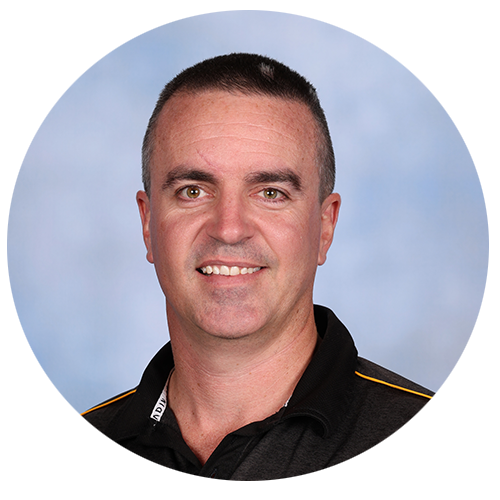
Alex McLellan
Head Teacher PDHPE