Music
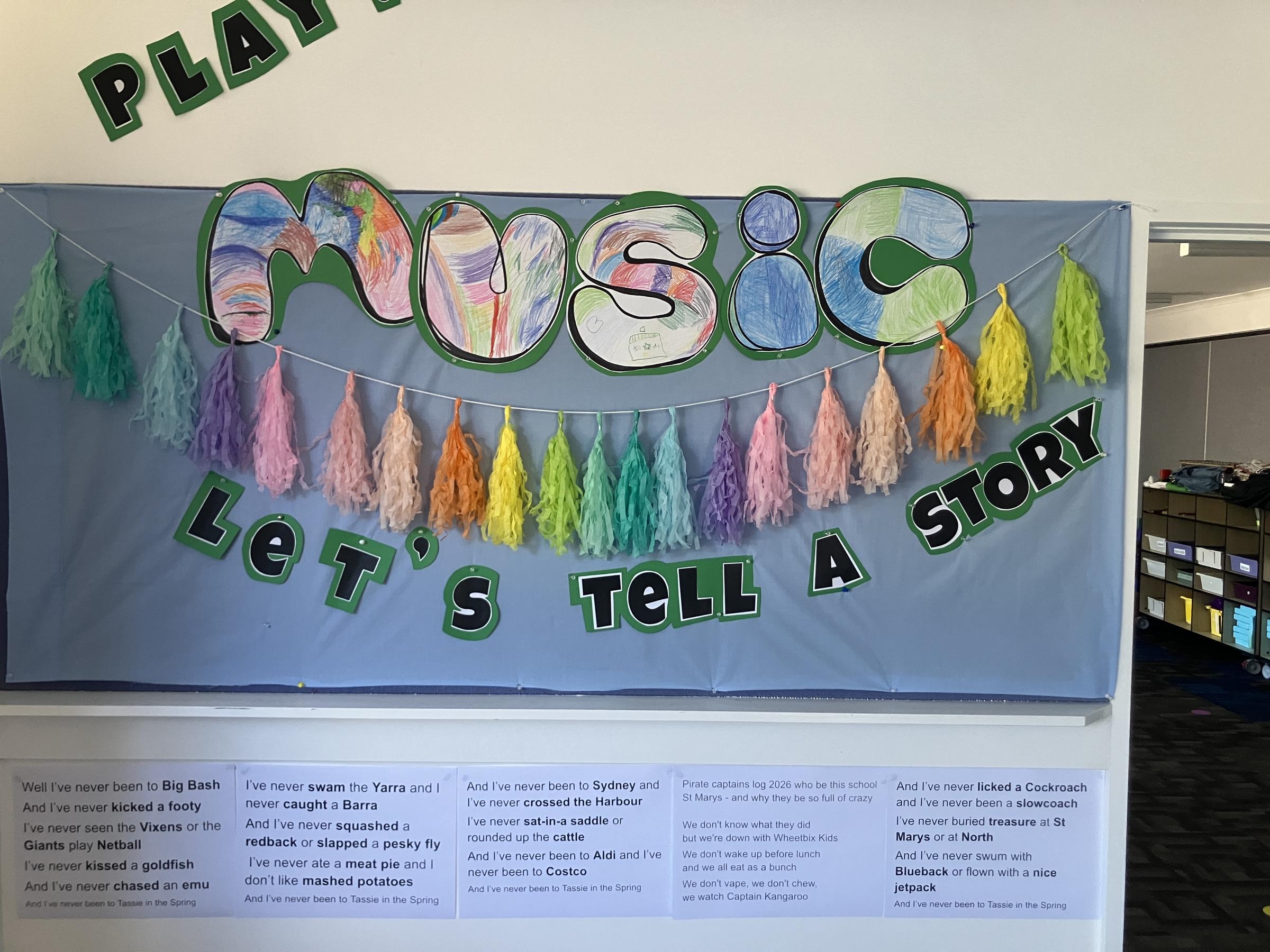
We are continuing to explore musical storytelling from different composers in different genres. Increasing our awareness that composers aren't simply writing music that sounds pleasant—they are carefully choosing musical elements to help audiences understand characters, emotions, settings, and events.
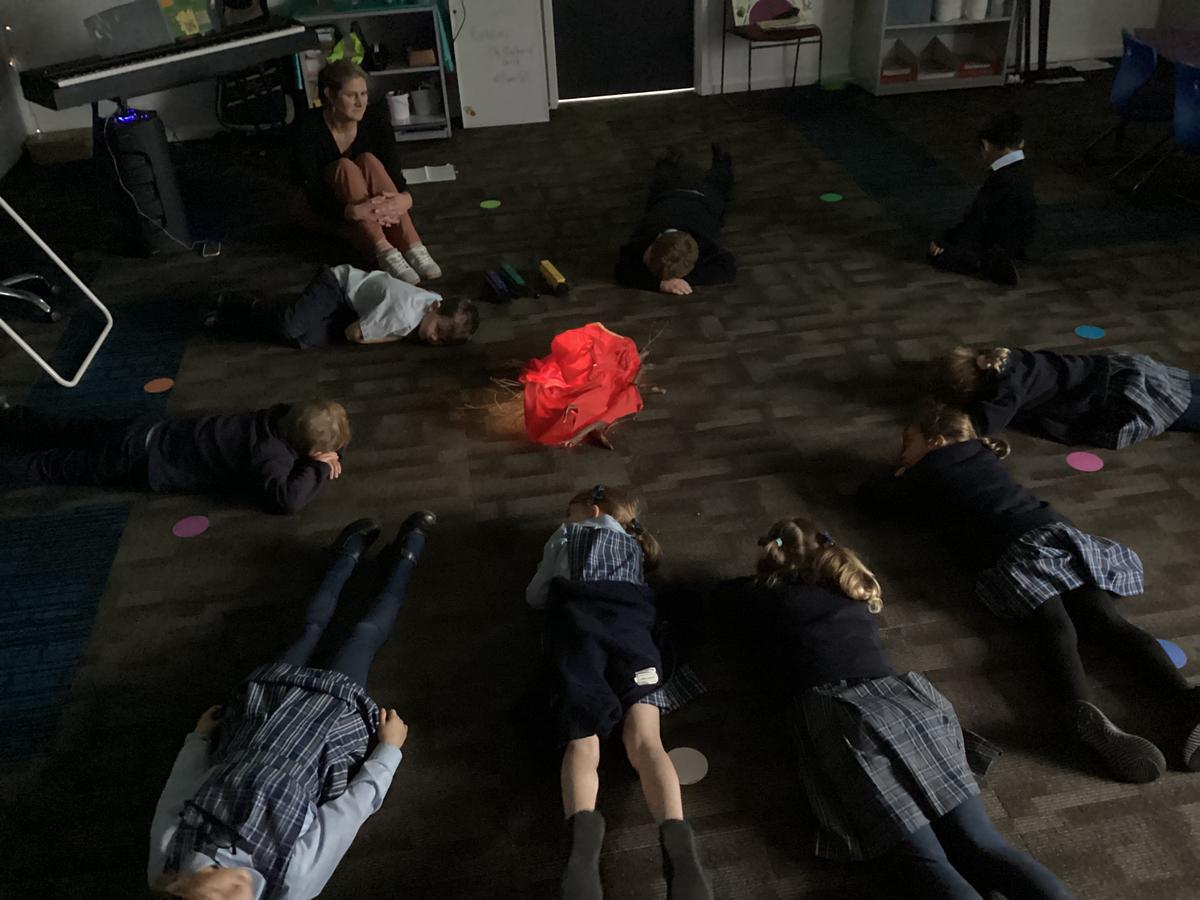
Our younger students enjoyed our gloomy weather on Thursday, while gathering around a 'campfire' to sing songs and listen to music from Bluey.
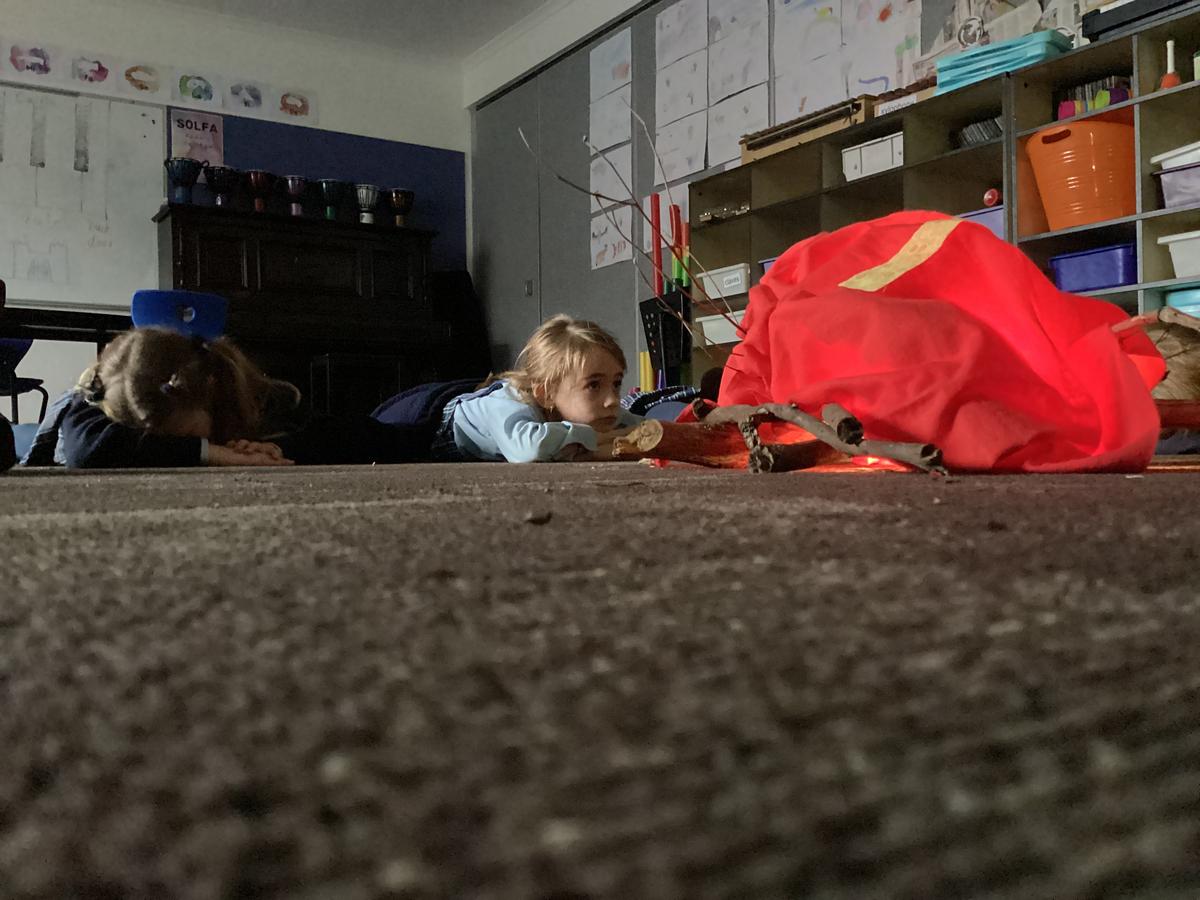
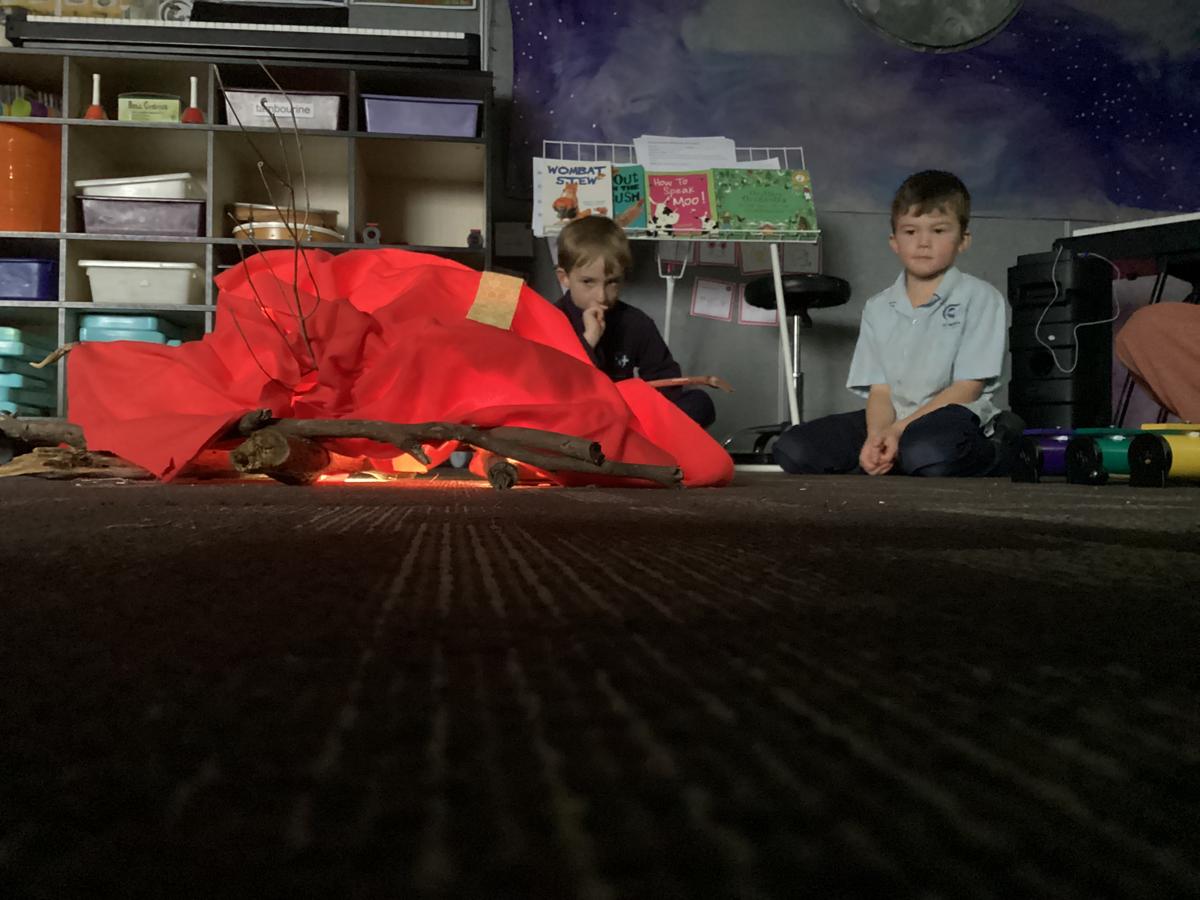
Joff Bush is the musical mastermind behind Bluey, and he uses an inspired combination of classical and original music. Today we listened to Holst's Jupiter (heard in the episode 'Sleepytime') and we discussed how our emotions were caught up and directed. We heard Tchaikovsky's Waltz of the Flowers, and observed how it drove the movement and action in the episode, 'Ice-Cream.'Suprisingly, we revisited Grieg's, In the Hall of the Mountain King, following the building tension of Bingo's antics in 'Featherwand.' We also enjoyed the original compositions used in the episodes 'Rain' and 'Takeaway.'
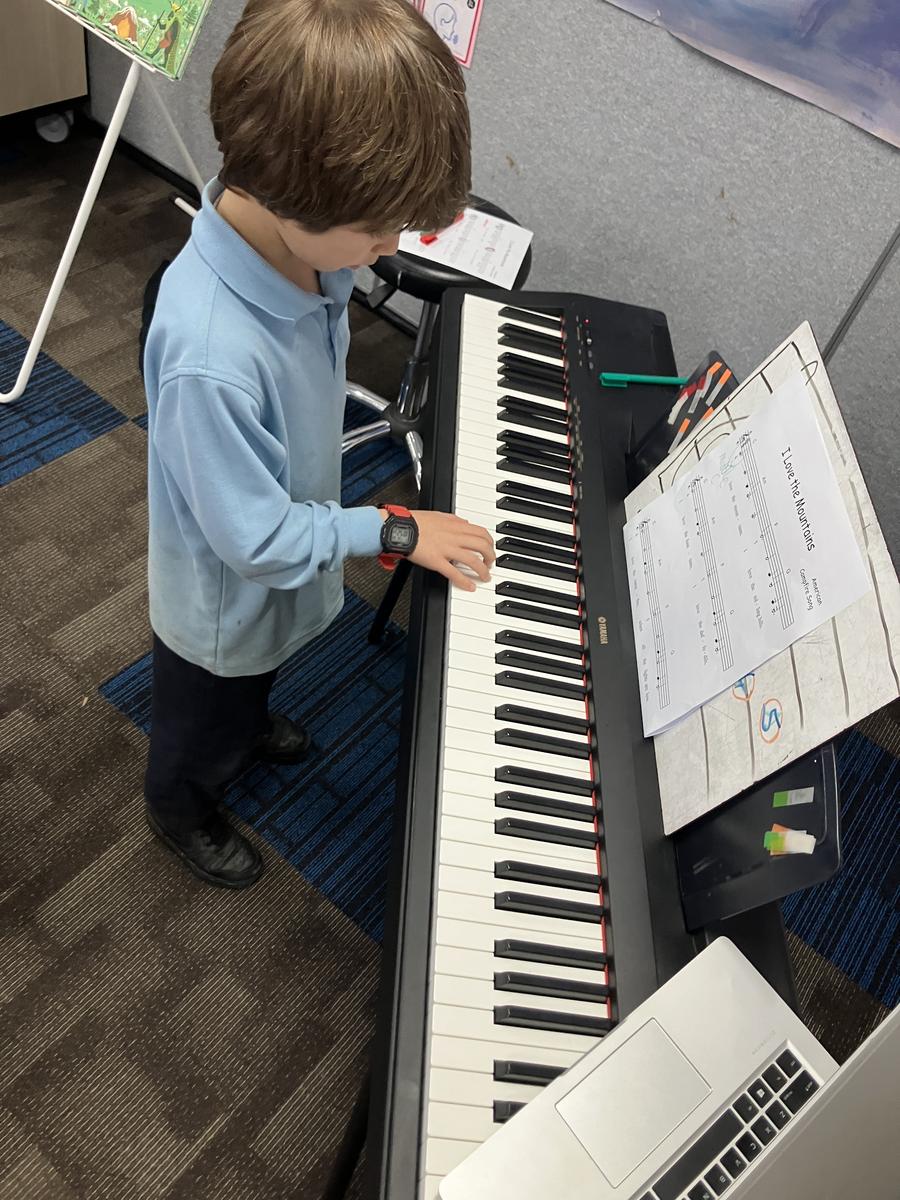
Our 2/3/4s also gathered around our pretend fire, singing the classic campfire song, I Love the Mountains. We examined the sheet music, identified the solfa and then explored new piano fingering notation. When we moved onto the keyboards, I am continually impressed with this groups ability to tackle challenges and new things!
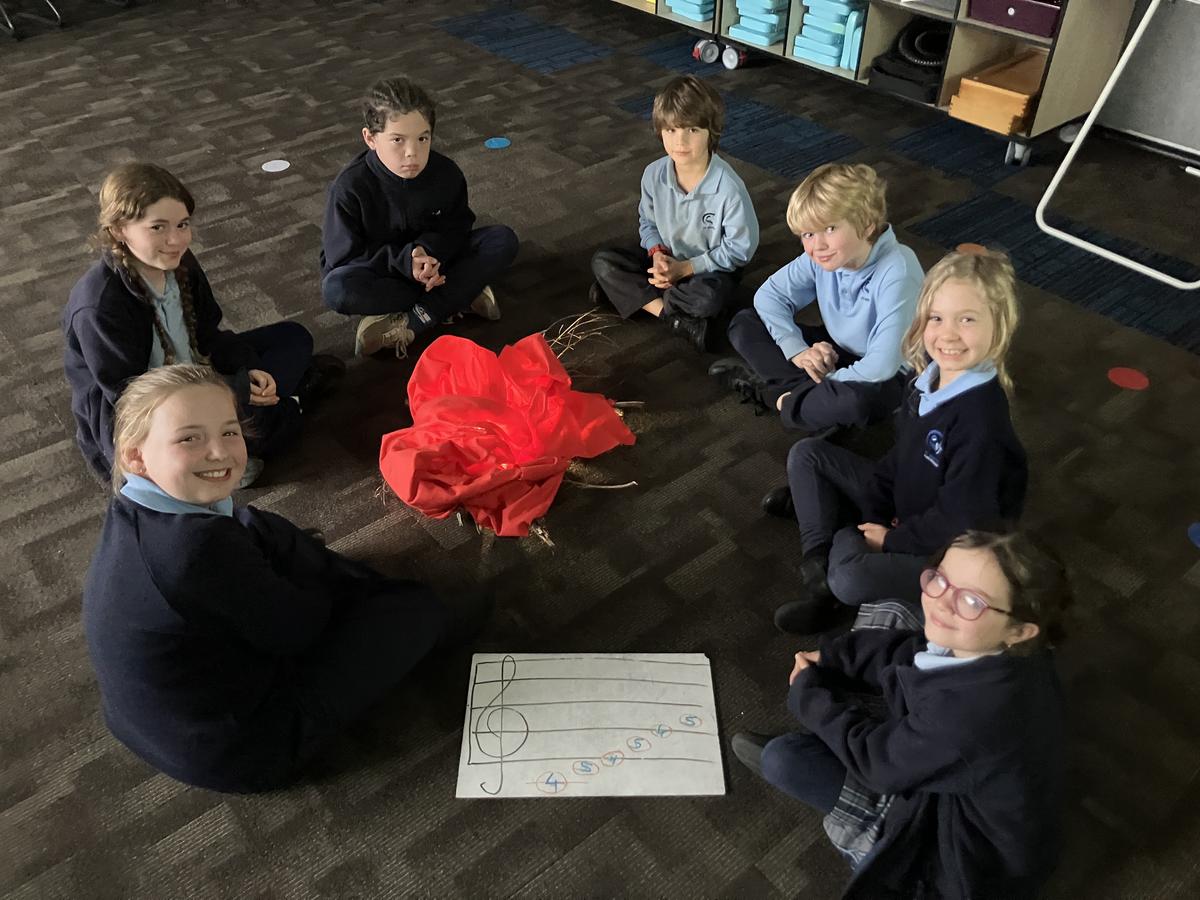
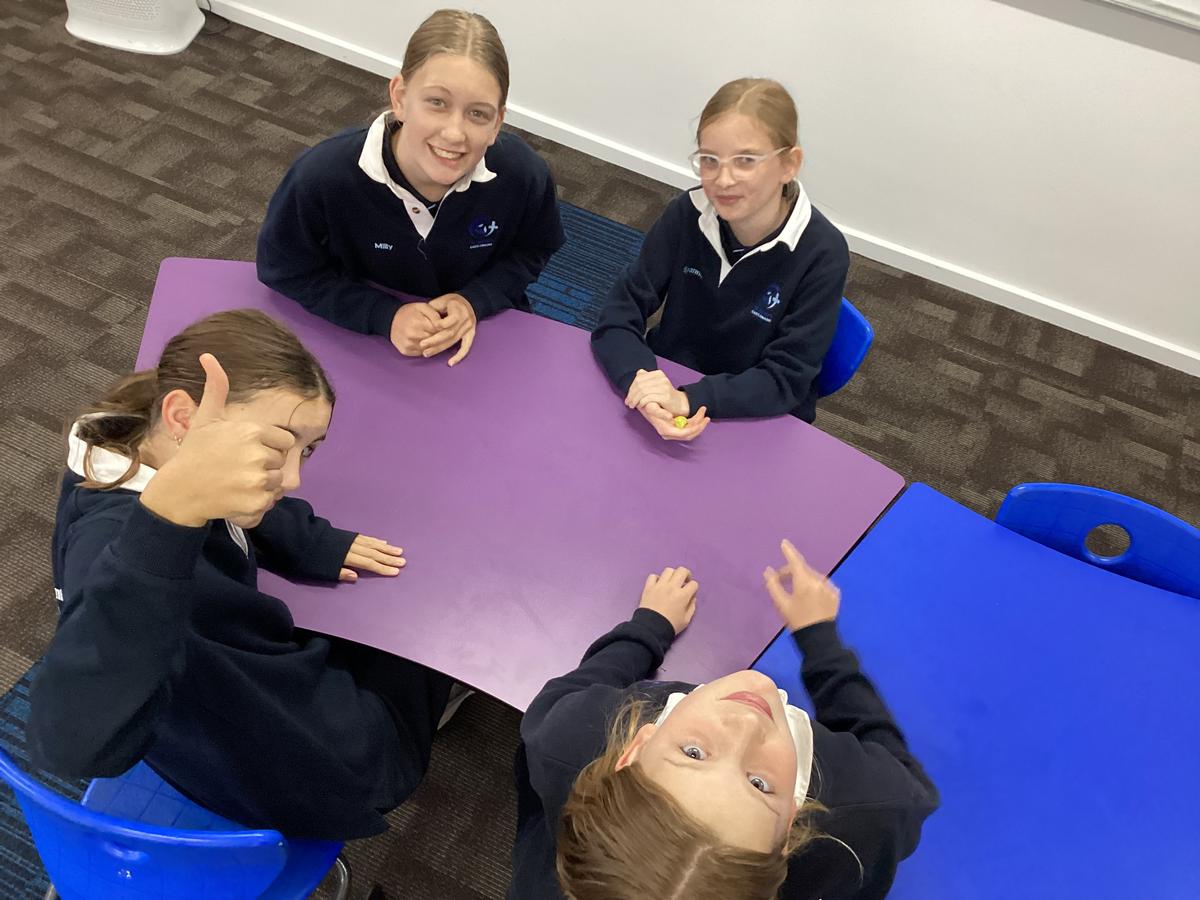
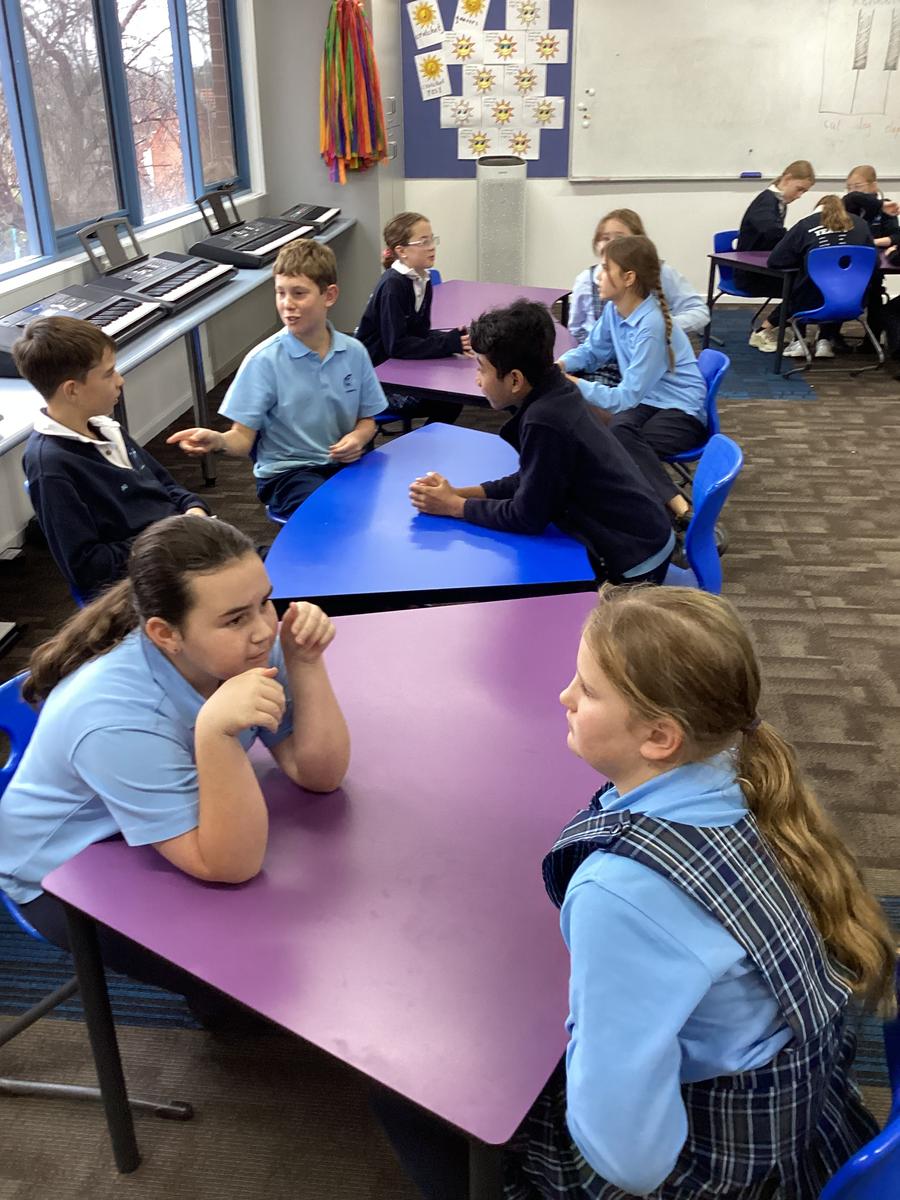
The 5/6s examined film music from composers John Williams, Hans Zimmer, Howard Shore, Ennio Moriconne and Joe Hisaishi. They were to begin thinking of the musical elements as tools for a composer to wield and skillfully employ.
Musical Element | Storytelling effect |
Tempo | Action, urgency, calm |
Dynamics | Tension, surprise, power |
Timbre | Character, location, mood |
Melody | Identity, emotion |
Rhythm | Movement, excitement |
Harmony | Comfort, mystery, danger |