Science
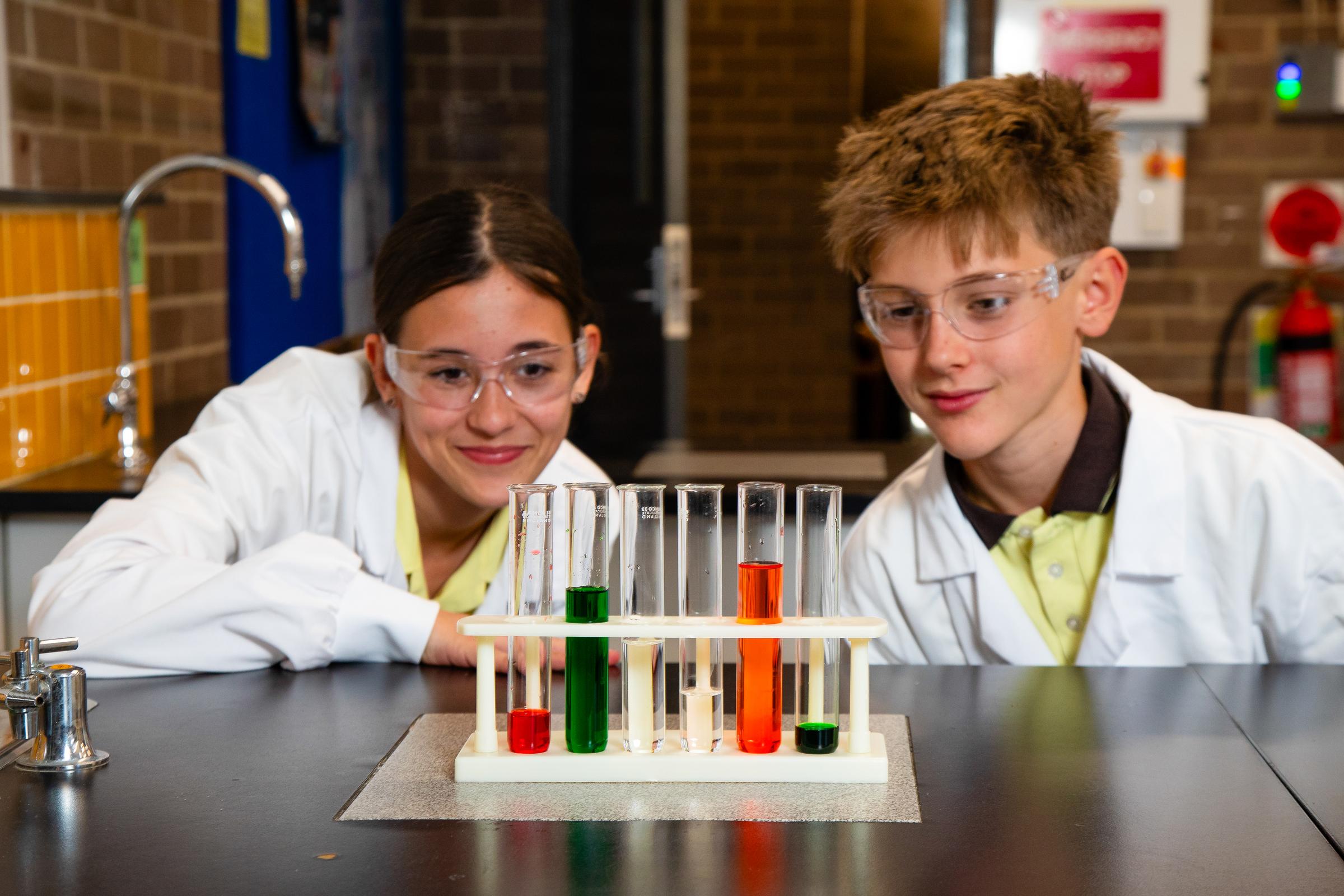
Brain Awareness Week
Our Stage 5 Psychology students were lucky to be invited to UNSW’s Museum of Human Disease for Brain Awareness Week. Brain Awareness Week takes place in March each year. It’s an opportunity to learn about why brain health matters, and how brain diseases, disorders, and injuries affect millions of Australians.
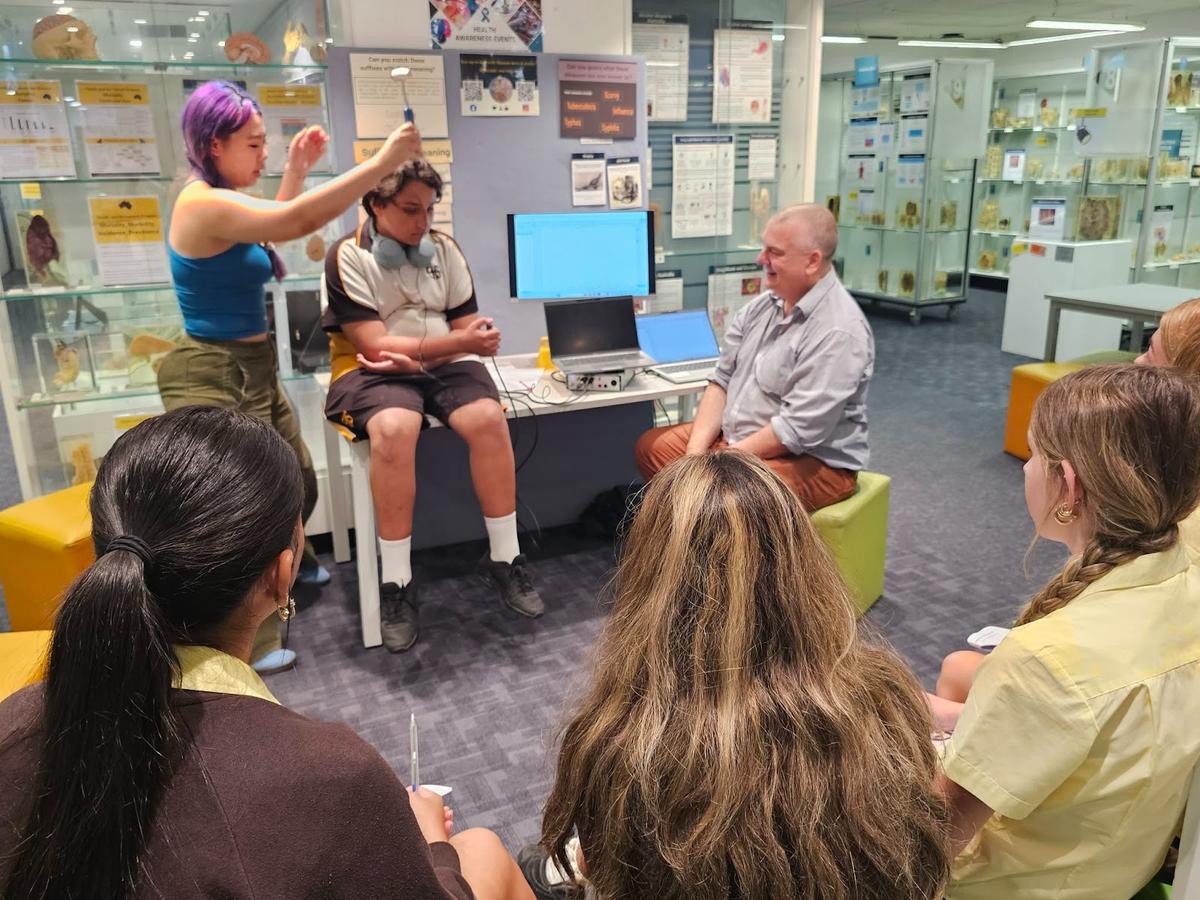
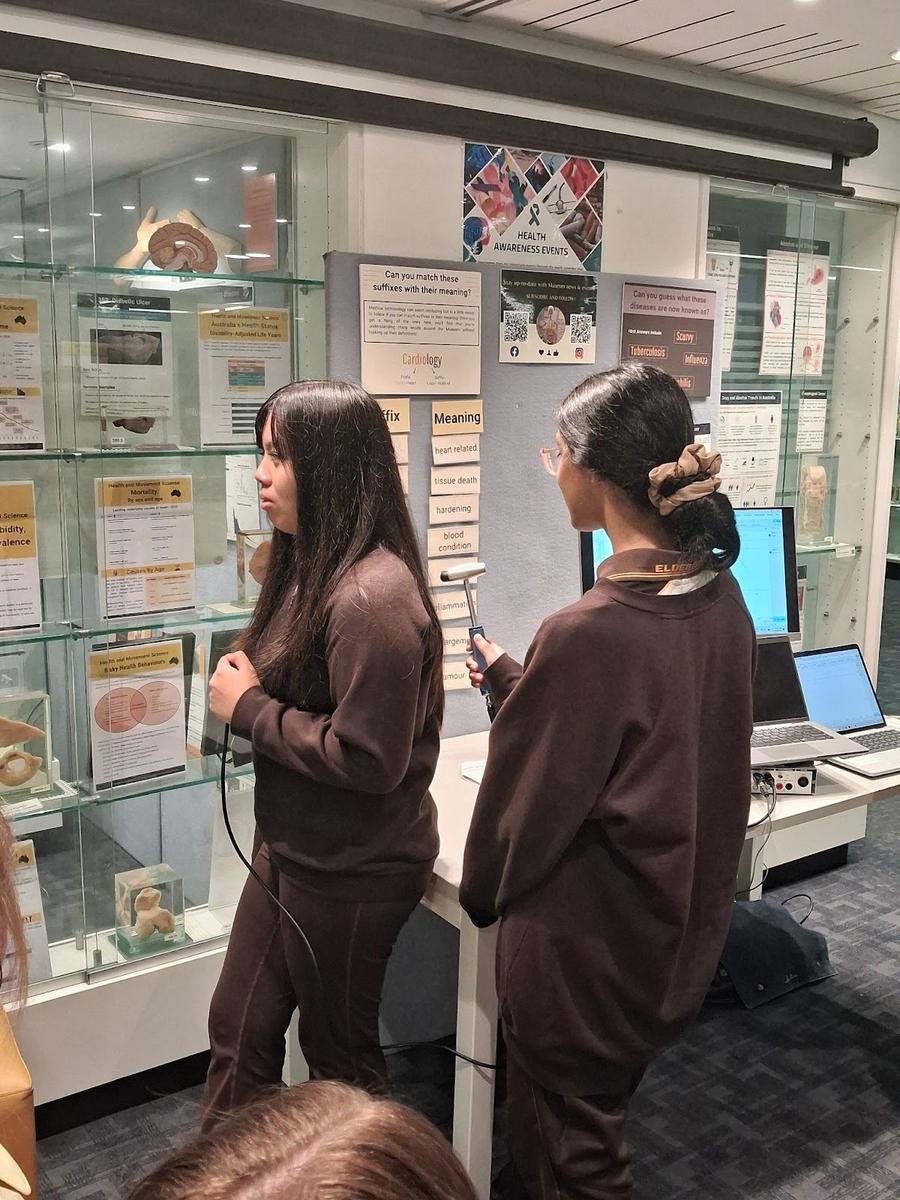
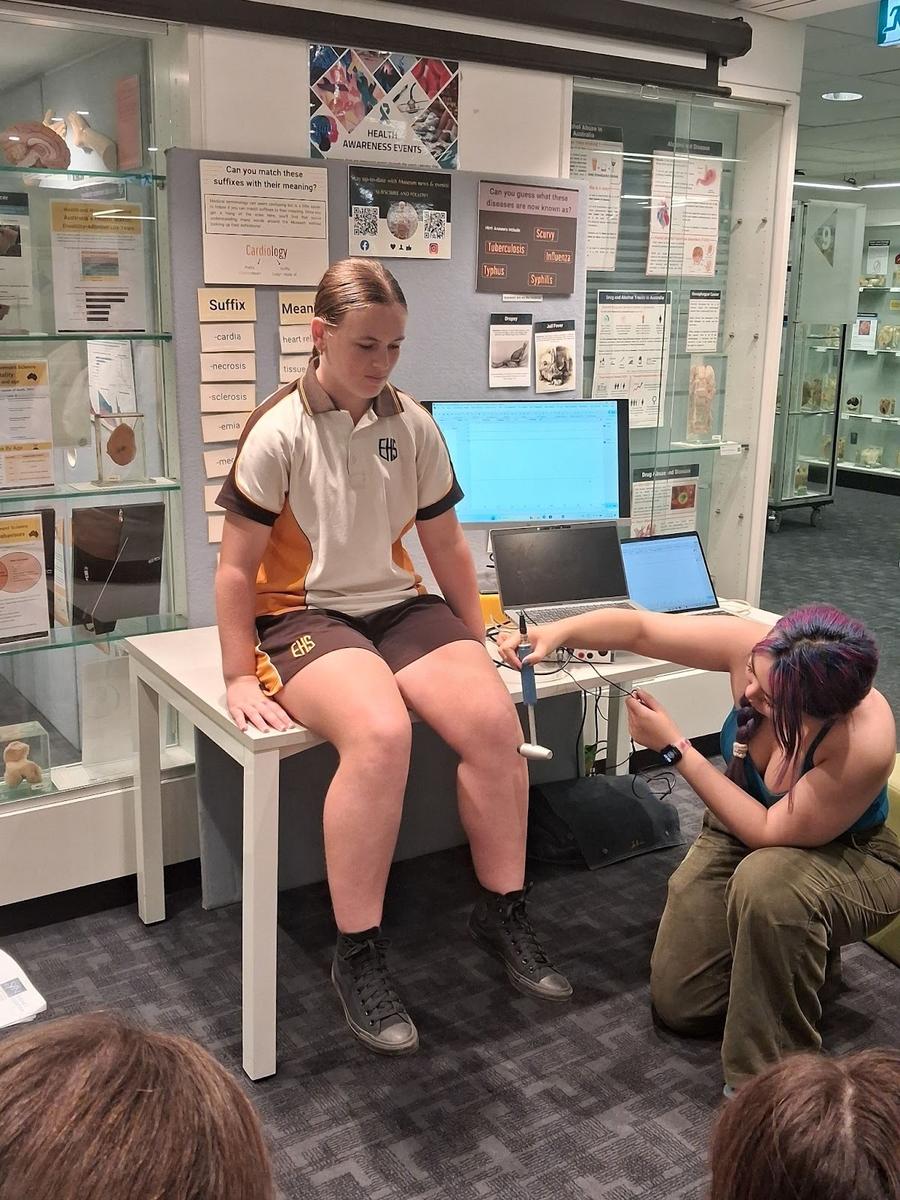
Brain Awareness Week at UNSW was an engaging experience, filled with hands-on workshops. We tested our vestibular system and reflexes, learnt about brain anatomy and degenerative disorders.
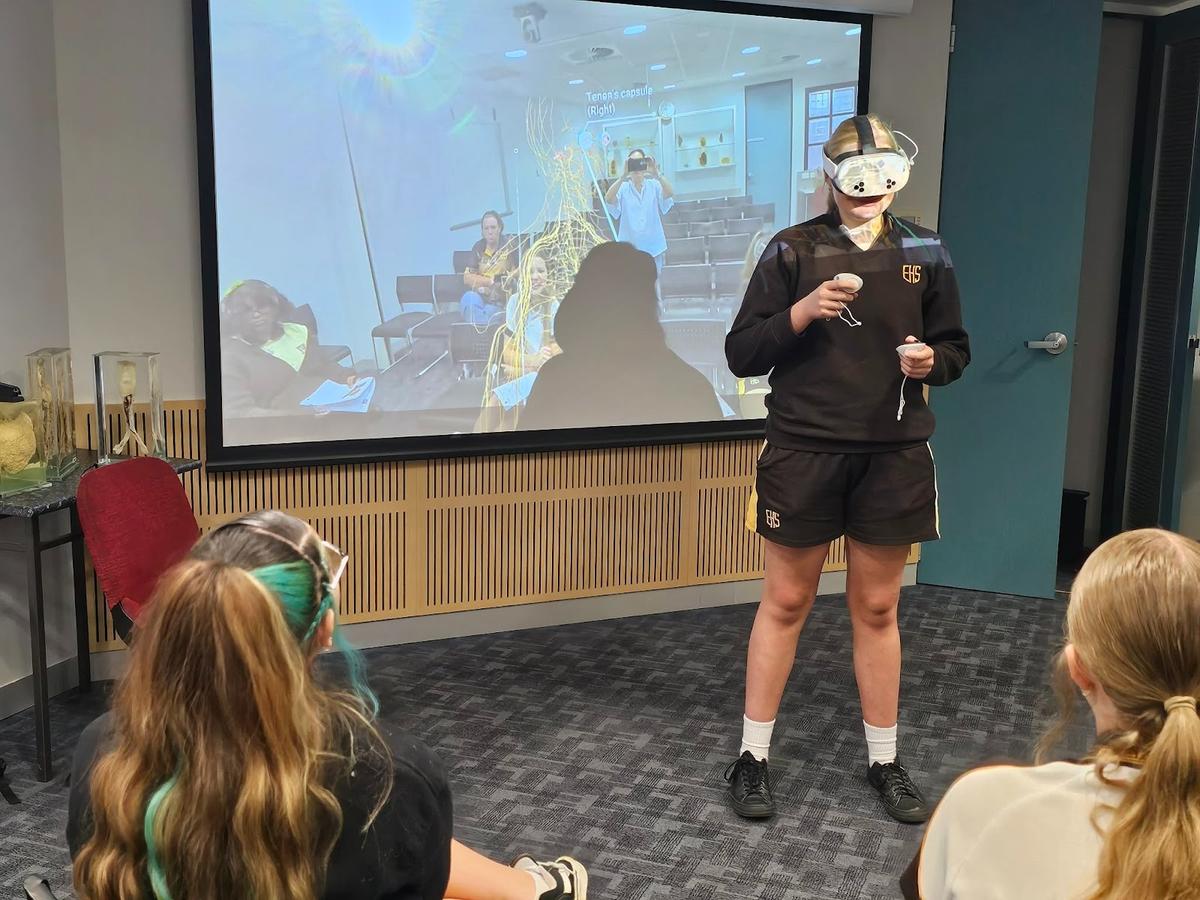
A highlight included using VR (Virtual Reality) to explore the nervous system and the different parts of the brain.
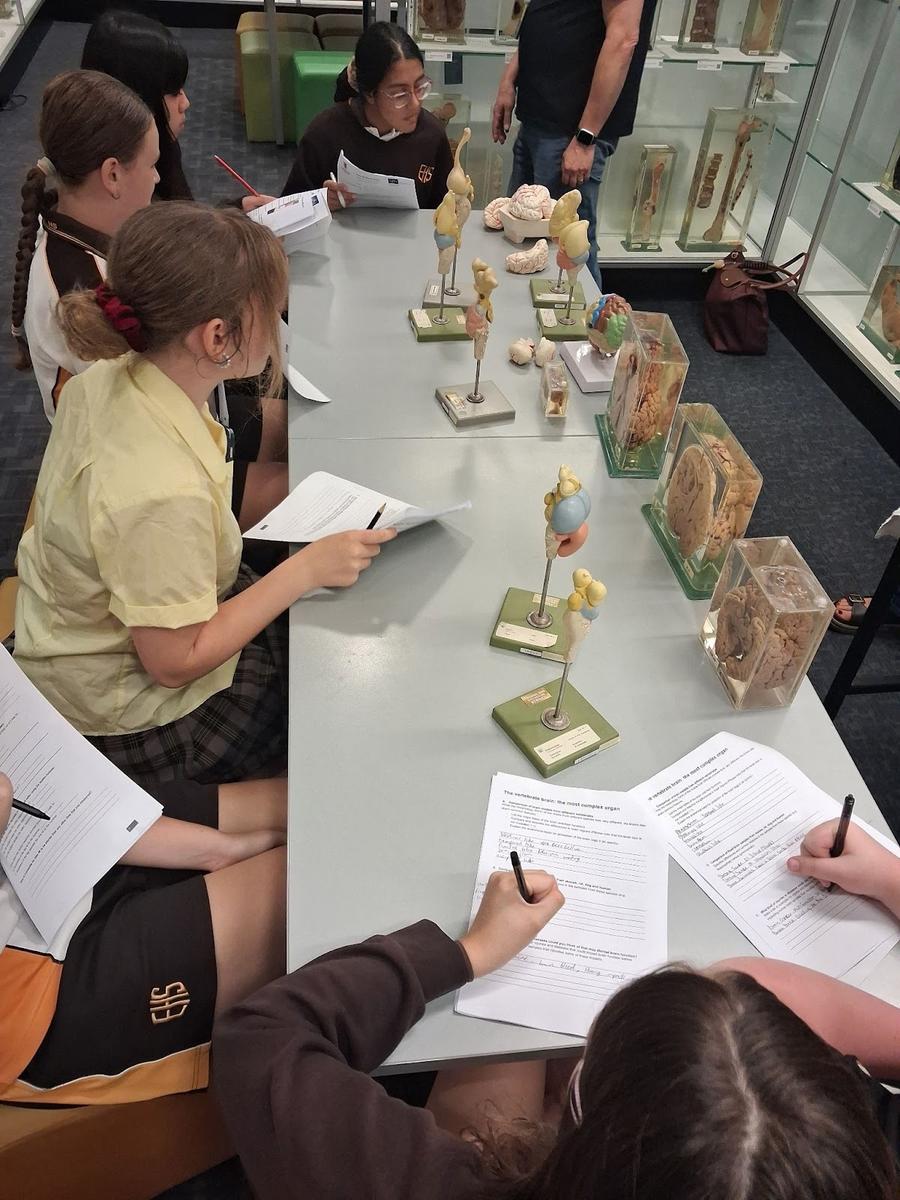
We completed some comparisons of brain models from different vertebrates, including brain specimens from a human, dog and cat.

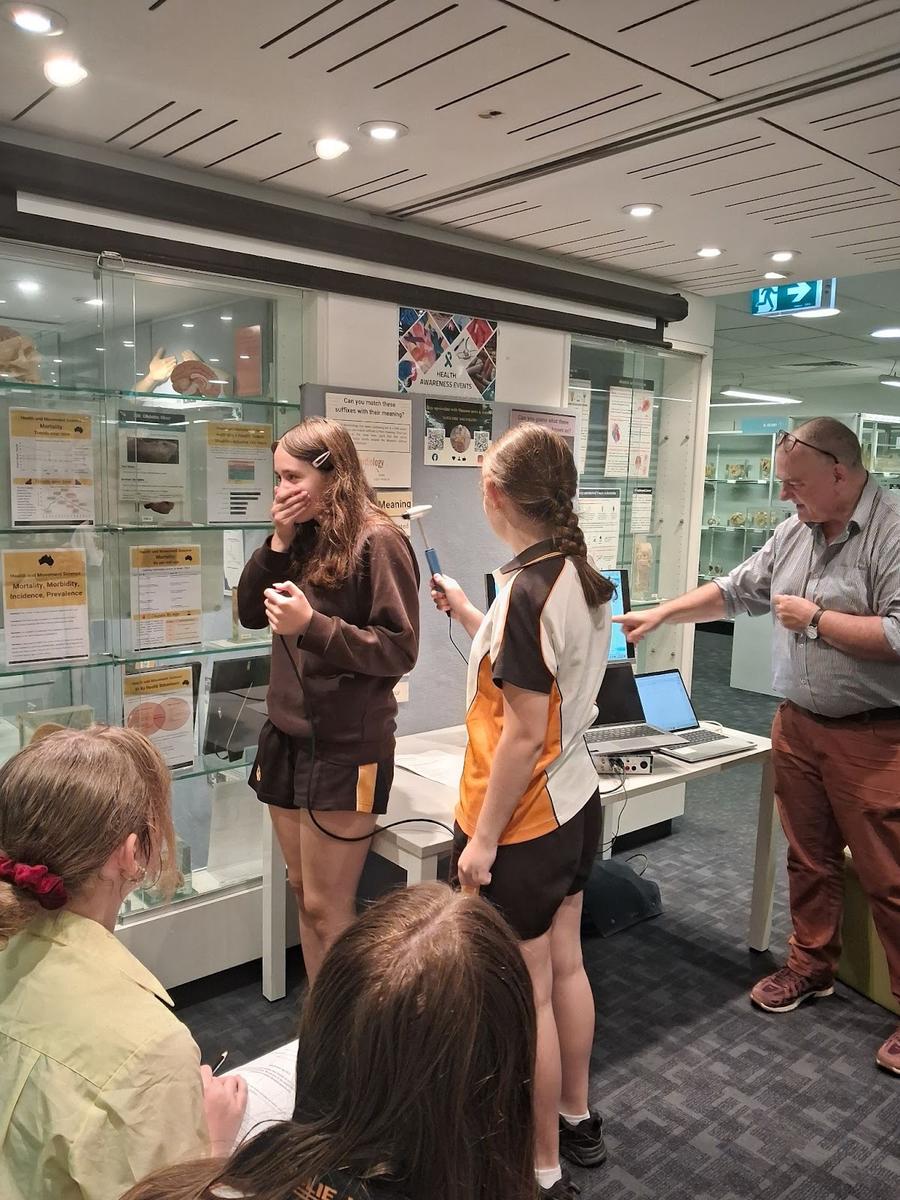
We learnt about reflexes and measured our reaction time to different triggers on our shoulder and heel, and to sounds. We also tested our myotatic or knee jerk reflex using a tendon hammer. It was interesting to observe how quickly messages can be sent across the body through our nervous system.
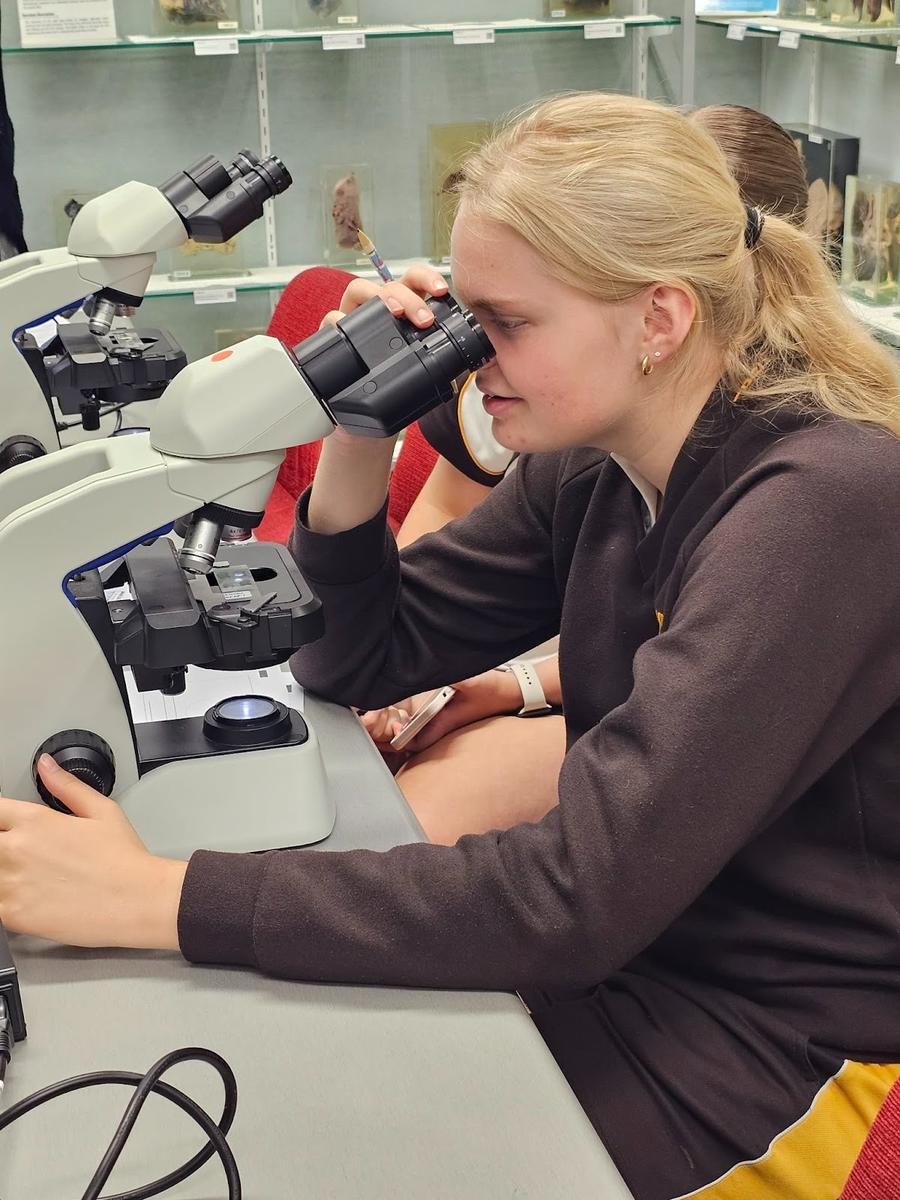
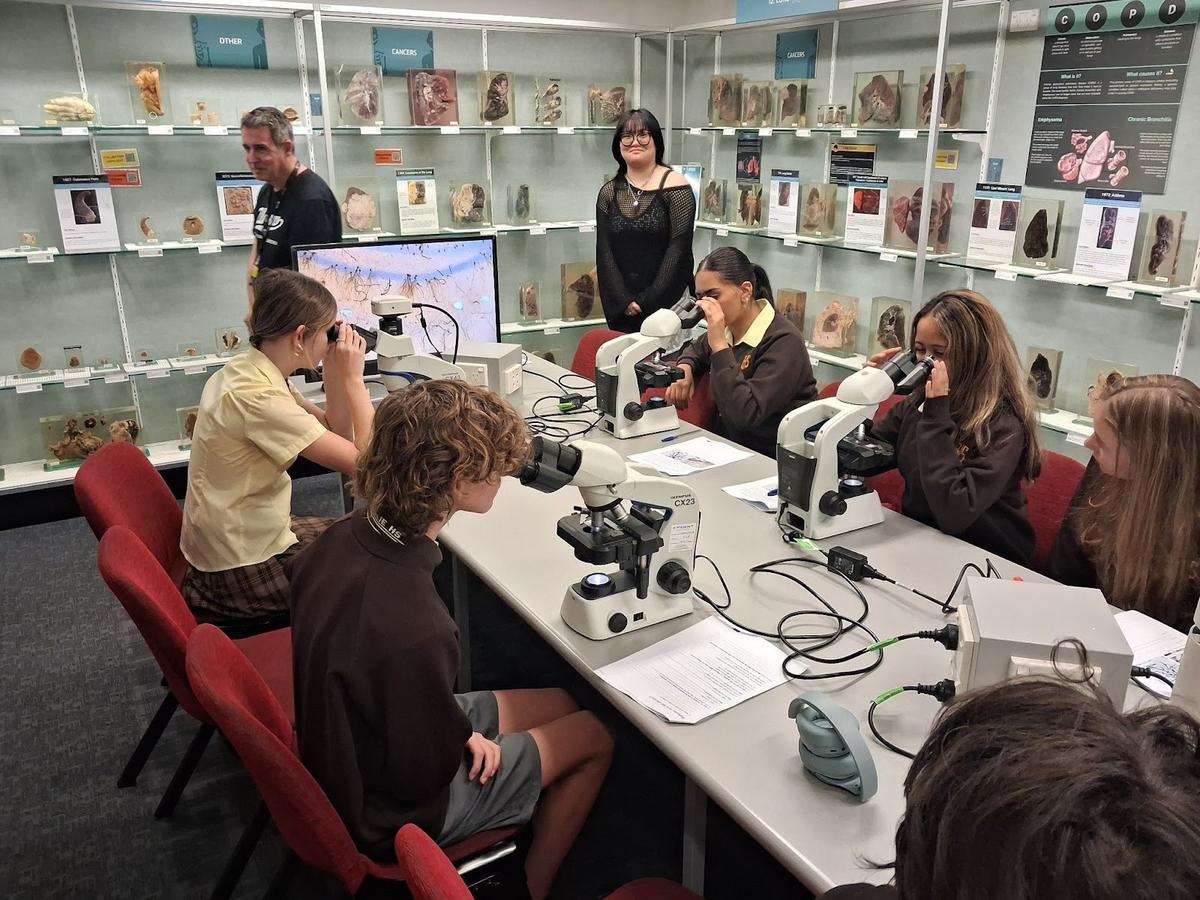
Using the microscopes, we examined mouse brain slices in which some cells had been stained. We located the cell body, dendritic tree and axons. The dendritic tree collects information from other cells through specialised connections called synapses. In many cells, synapses occur at small structures called dendritic spines.
Year 11 Biology Fieldwork
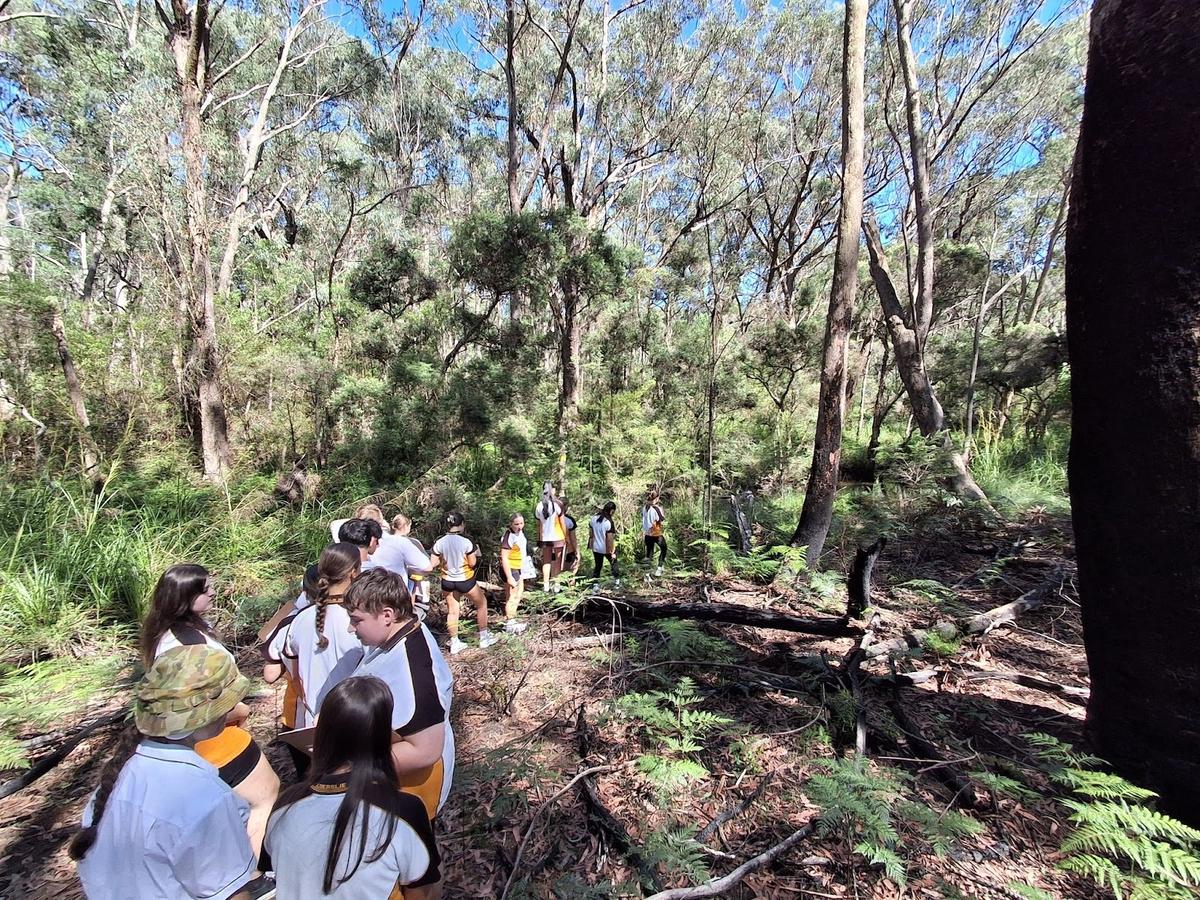
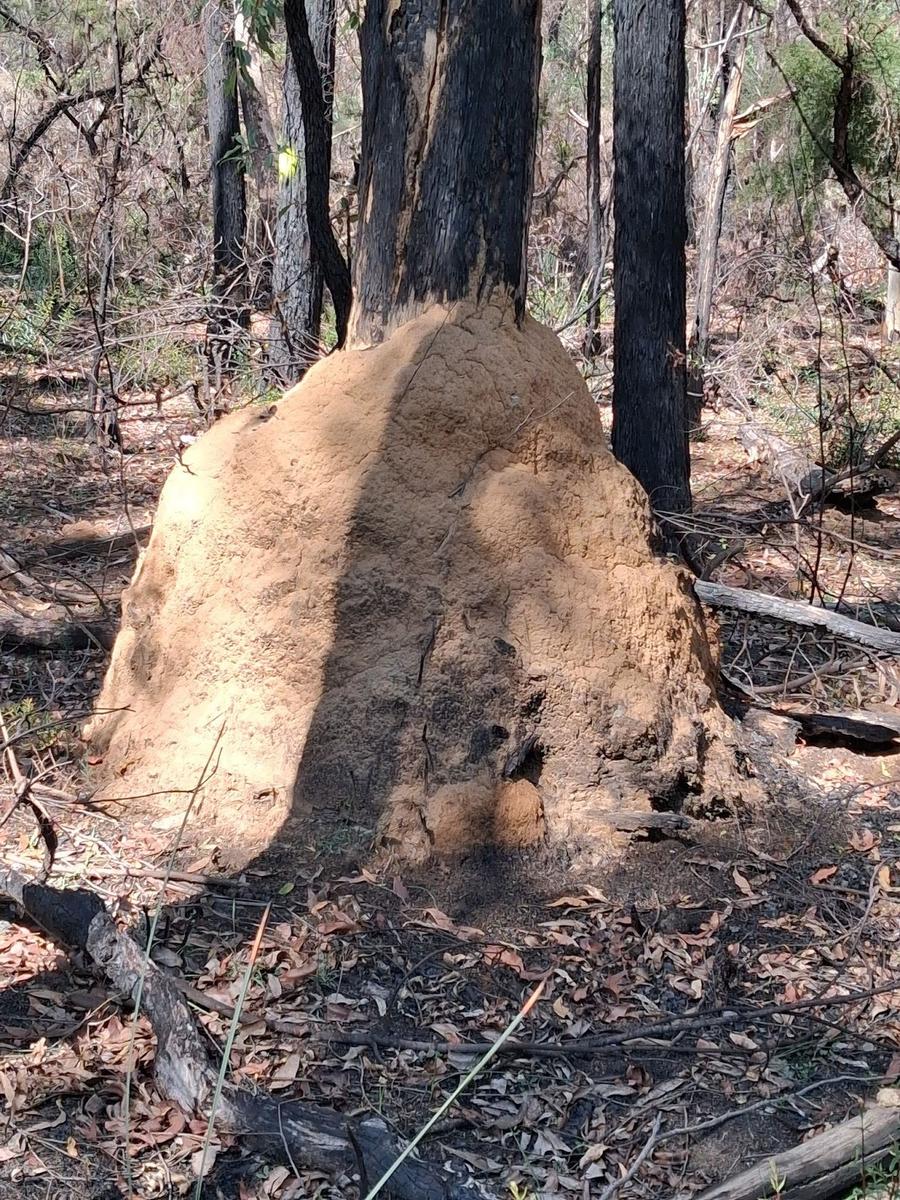
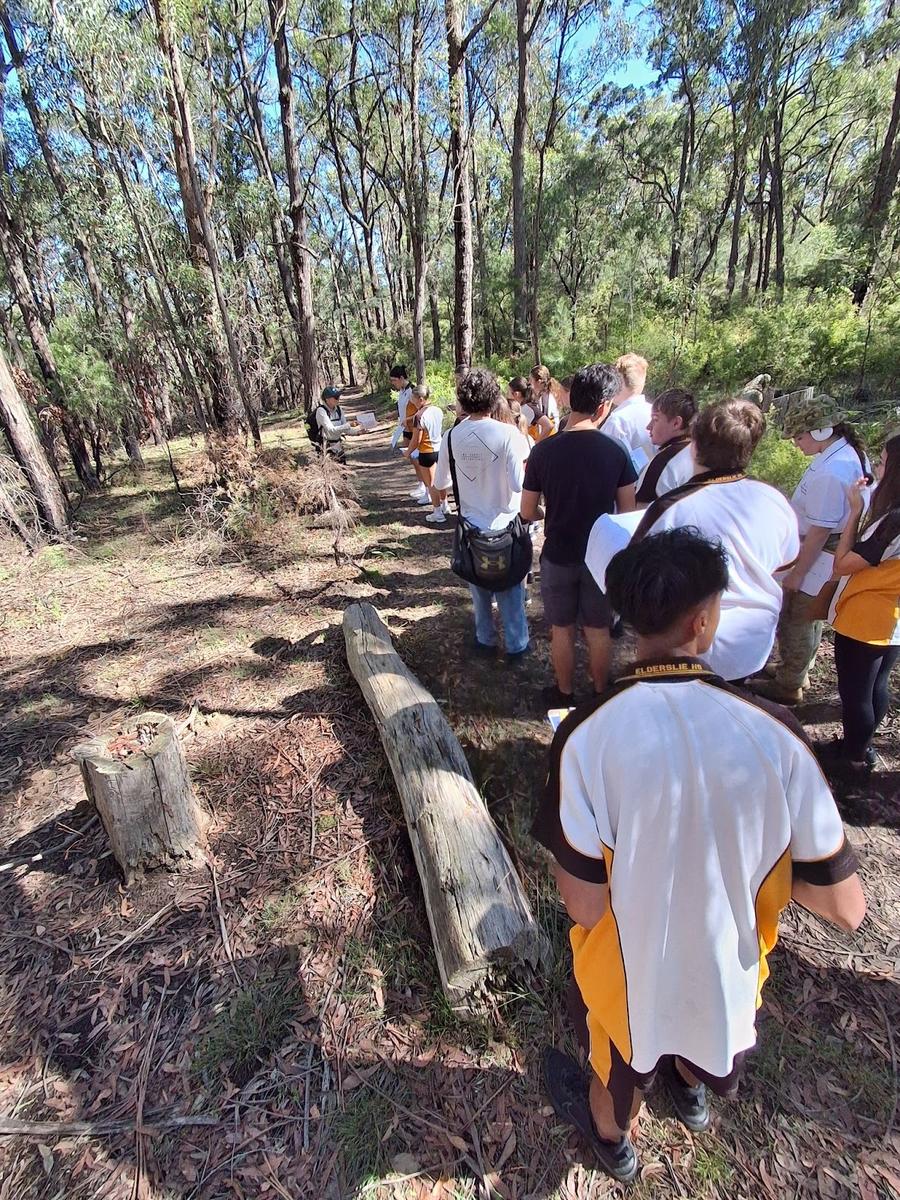
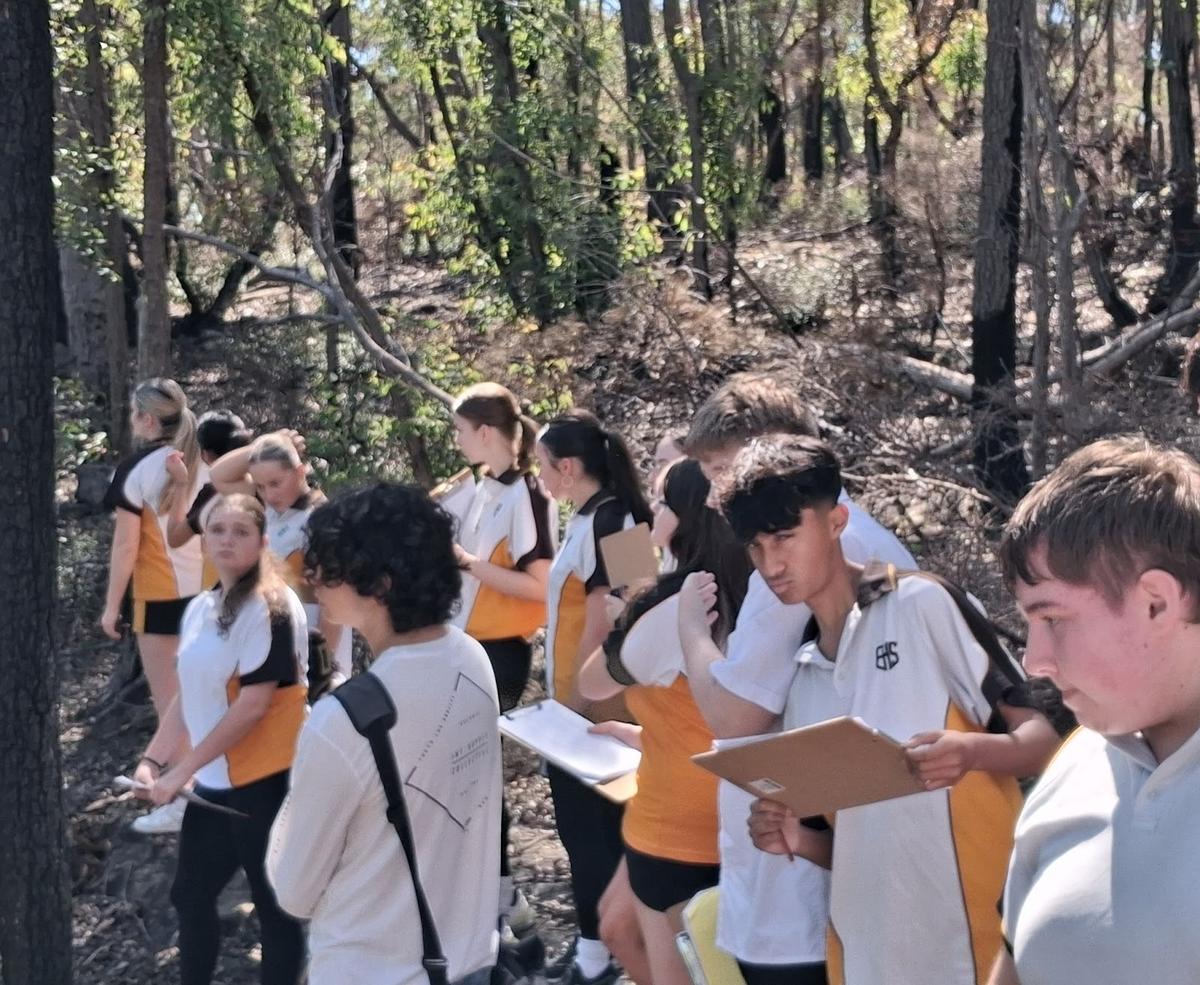
On Wednesday 11th March, keen and eager Biology students attended Wooglemai Environmental Centre, situated locally at Oakdale, to conduct a field study within the Nattai National Park. Students built on their learning from class, to use scientific tools to record abiotic (non-living) factors of the forest environment, such as temperature, pH, wind direction, soil temperature, soil type, aspect and humidity. All the students were fantastic despite the ambient temperatures rising to mid-30’s. Groups recorded the number of plant species in their quadrants and local guides pointed out mutualistic relationships between termite mounds and rotting vegetation, different species of lichen and even wombat scats!
Students walked a half kilometre transect line down a steep rocky ravine to a creek noting significant changes in plant species. We encountered a few of the local leeches as they attempted to provide a first hand experience of their parasitic relationship with mammals! The climb back was arduous, and we were all glad to have a Zooper Dooper at the end and to rest our weary limbs. Students consolidated their class learning from the first part of the term by filling out a field report book of their findings.
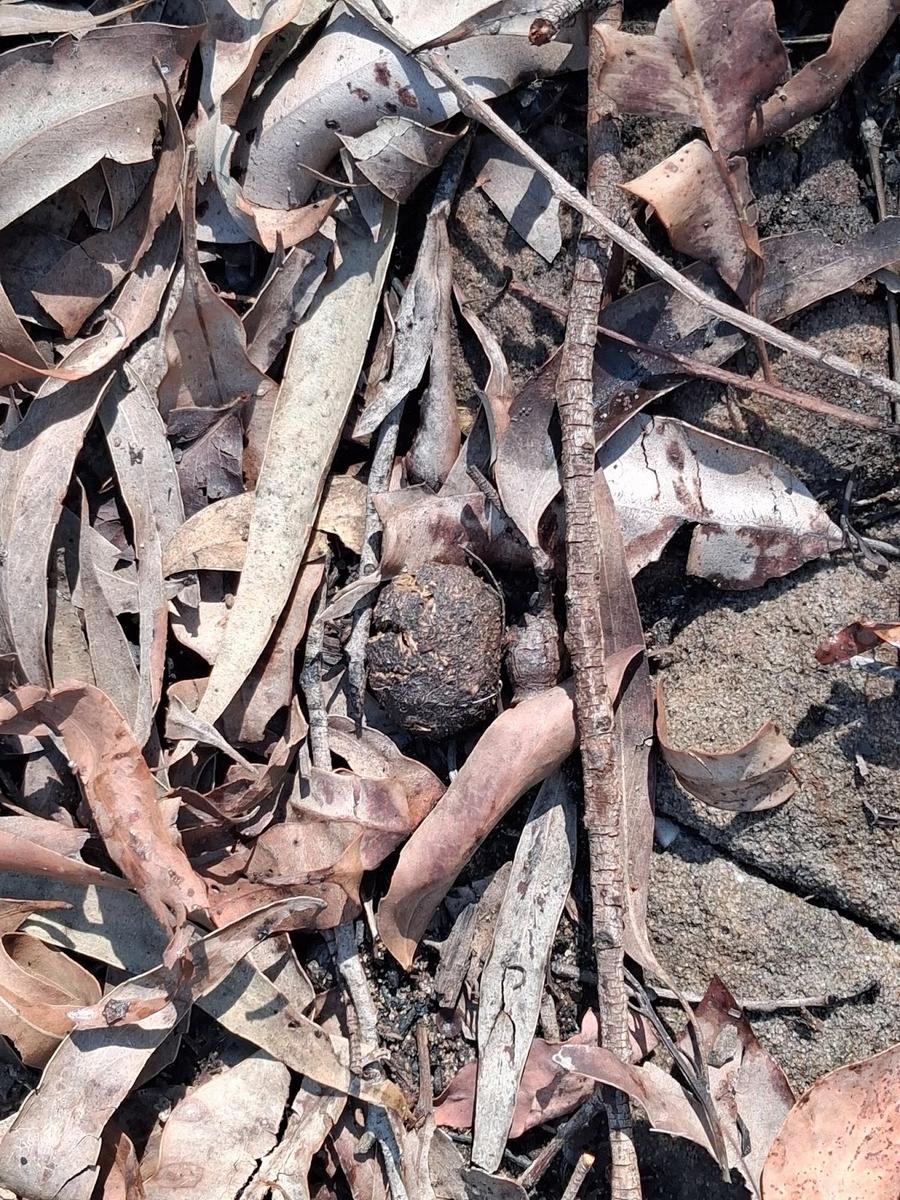
Wombats are the only known animal to deposit cube-shaped scats (poo). This very interesting Australian marsupial can drop up to 100 cubes a night. They are very territorial and the scats mark their territory. The shape helps to stop the scats from rolling away. What an interesting feature!
During our transect study, we saw several Xanthorrhoea (grass trees) in areas where there was high light exposure and minimal top soil. But this makes complete sense as they are highly adapted to the harsh Australian environment. They have several structural adaptations including resin-sealed trucks and narrow, densely packed leaves that protect the meristem. To survive in nutrient poor soil, Xanthorrhoea have evolved a mutualistic relationship with fungi (mycorrhizal fungi relationship) so they can obtain water and nutrients.
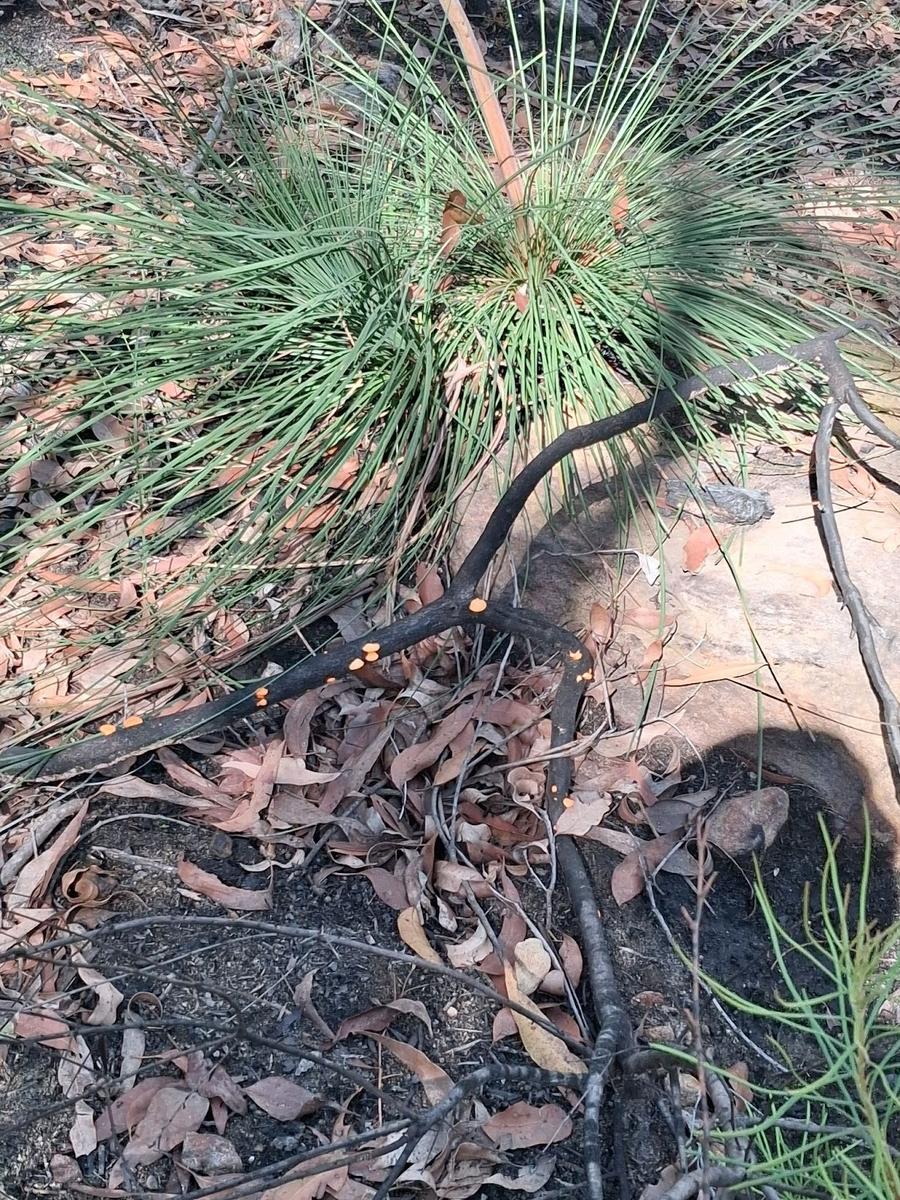
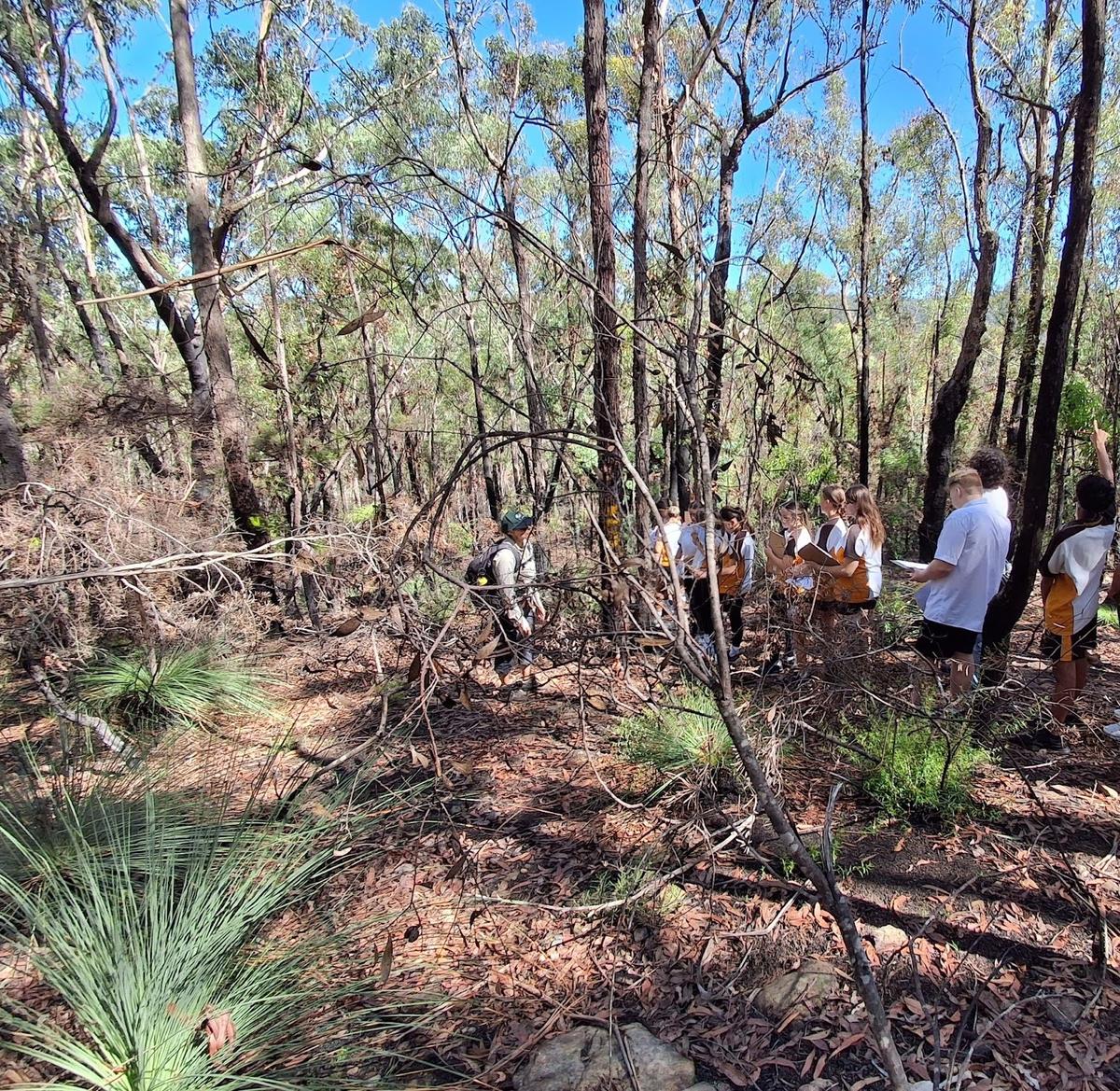
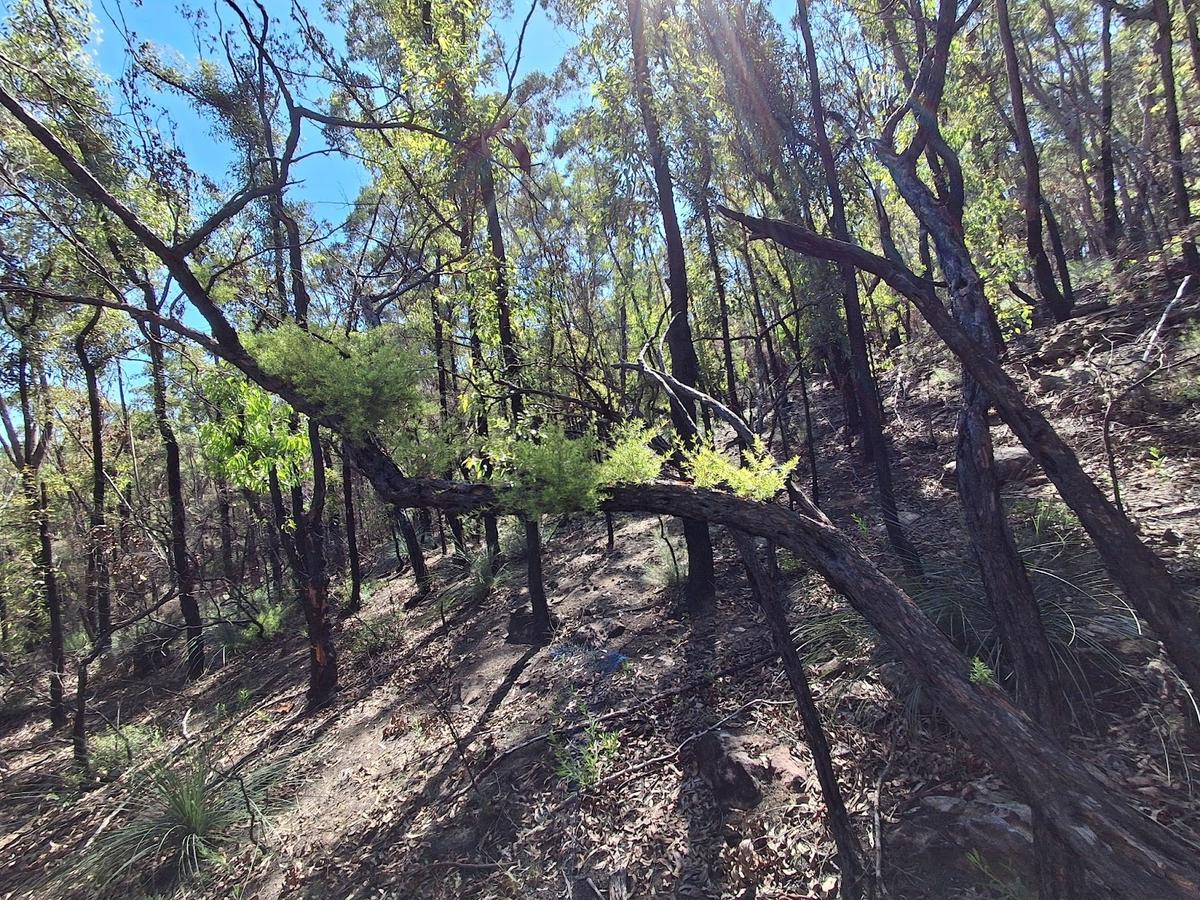
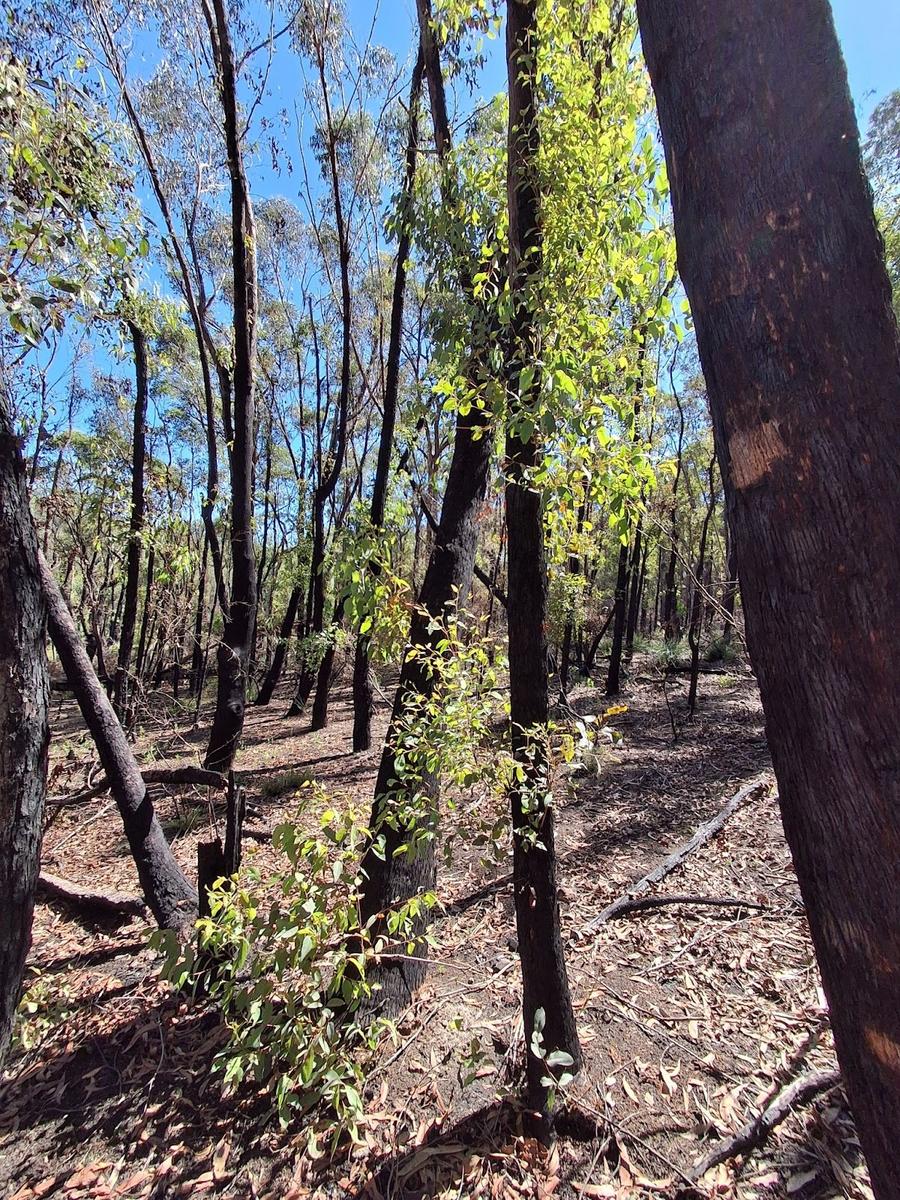
The study site had a hazard reduction completed there about 6 months ago. This low intensity burn is carried out to reduce the fuel load and reduce the hazard if a fire was to start in the area. Fire is an important part of the native Australian environment. Many of our native species rely on fire (heat or smoke) to assist in regeneration. Eucalypt plants have a special adaptation of epicormic regrowth (budding). Eucalypts are uniquely evolved for this, with thick bark protecting dormant buds, allowing them to re-sprout quickly even after high-intensity crown fires. We observed a lot of epicormic regrowth at the study site.