5/6S
Kii Class 5/6 Families,
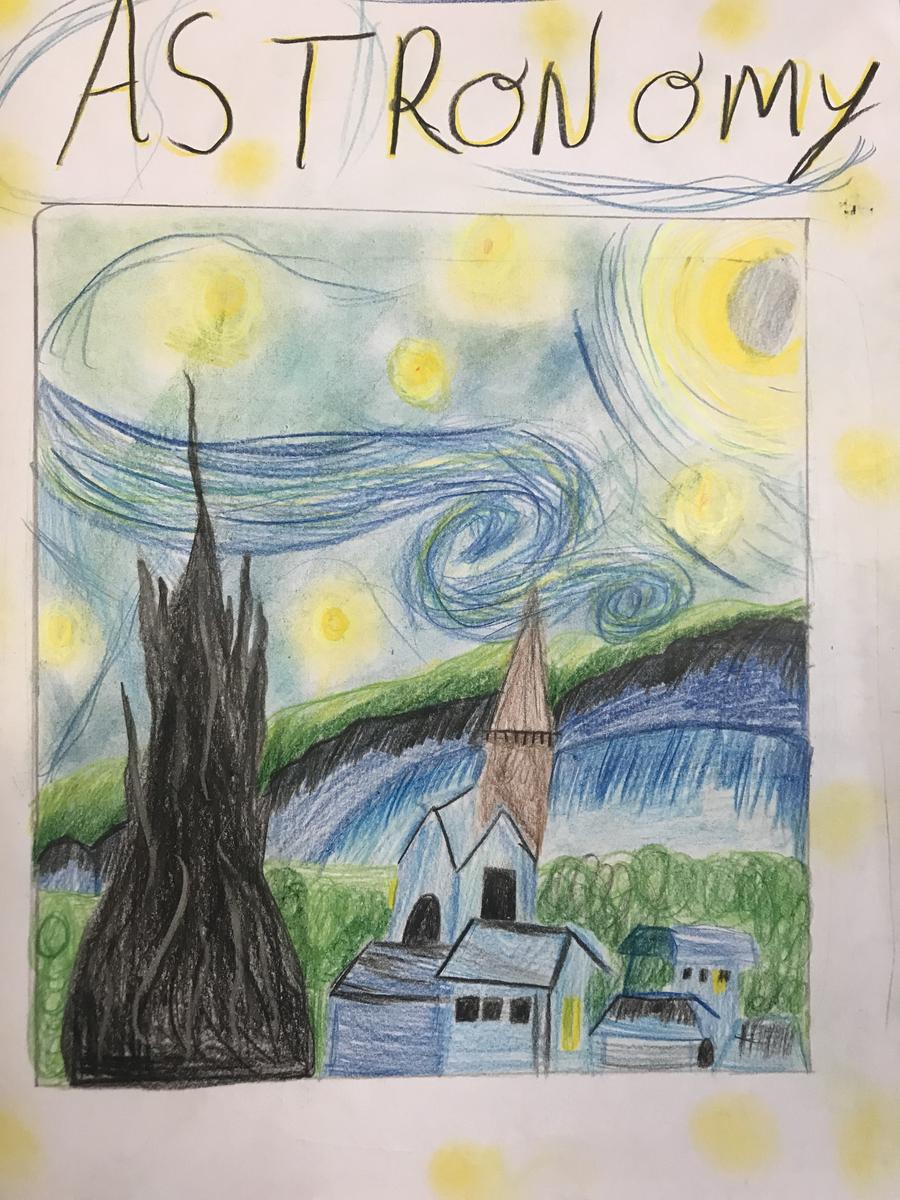
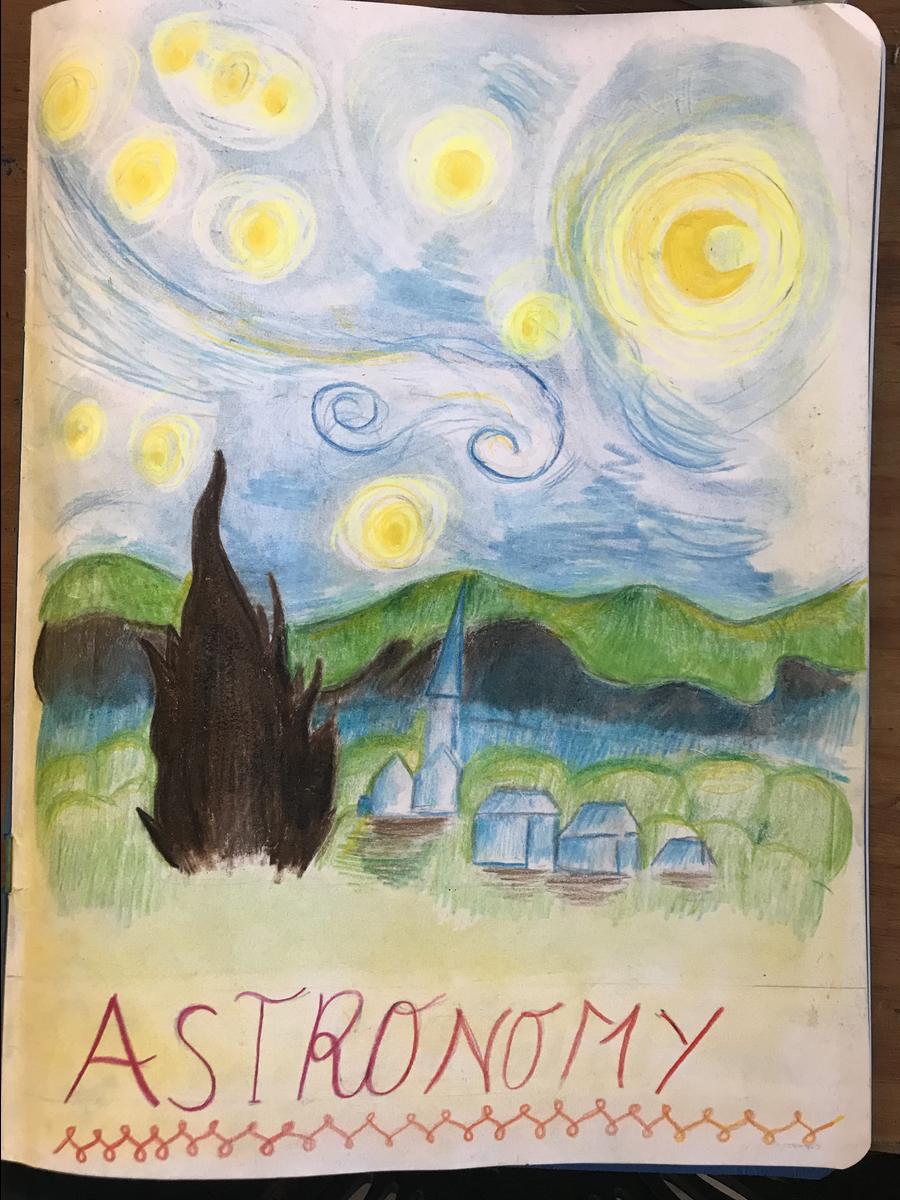
Main Lesson – Astronomy
Over the last few weeks, we have continued to immerse ourselves in the study of Astronomy, nurturing both a sense of wonder and a deepening understanding of the cosmos.
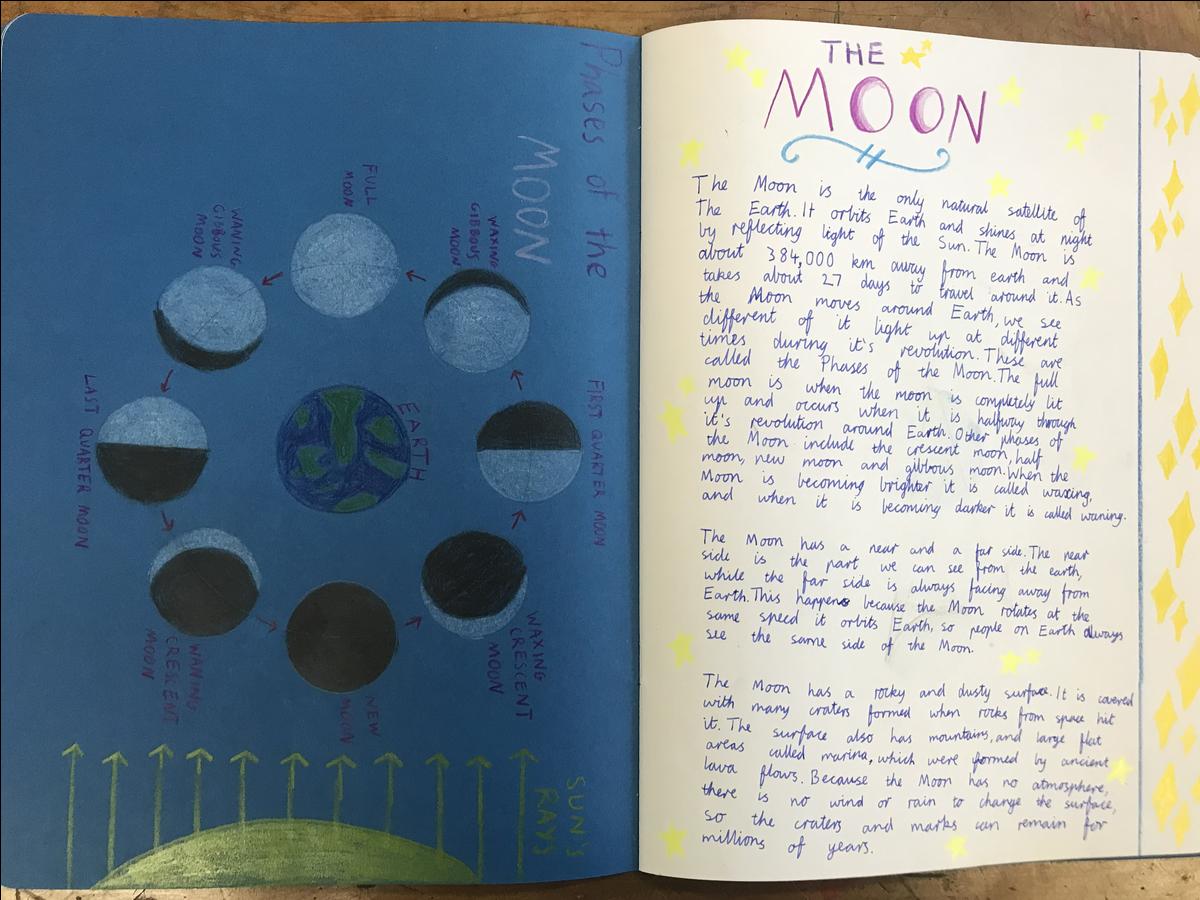
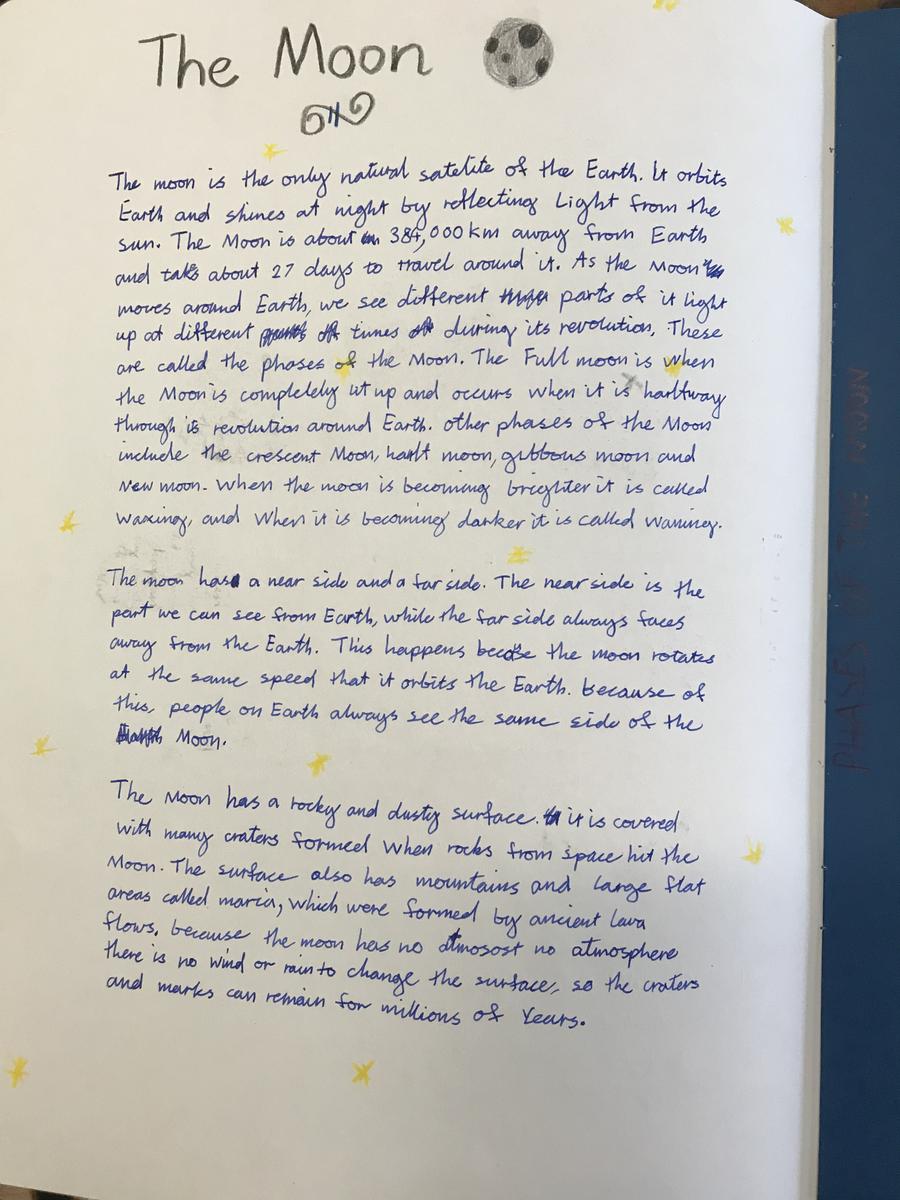
We have been learning about the Moon and its changing phases as it orbits the Earth, and why we only ever see one side of it. Students reflected on what it might be like to stand on the Moon - how and why that experience would be so different from being on Earth. We also explored its gravitational influence on our planet, particularly its role in creating the ocean tides.
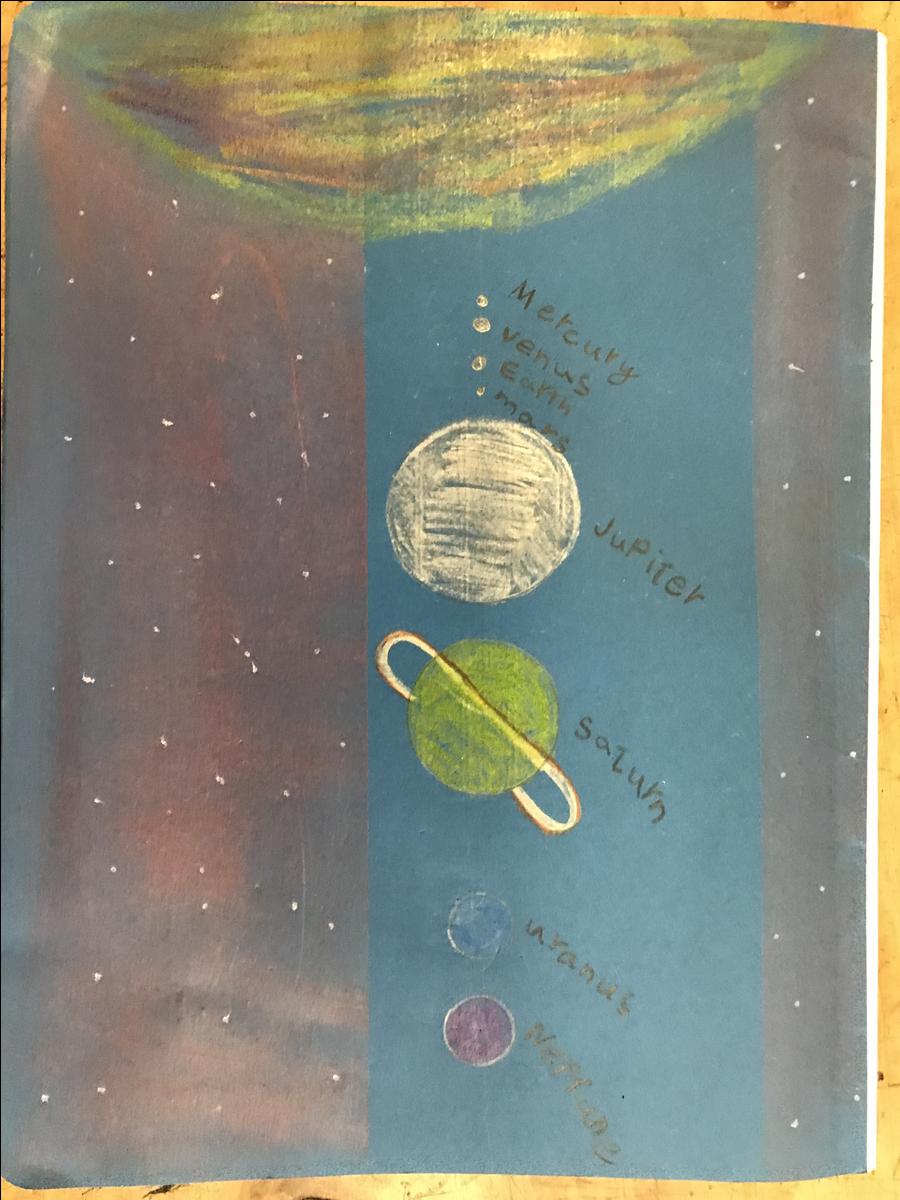
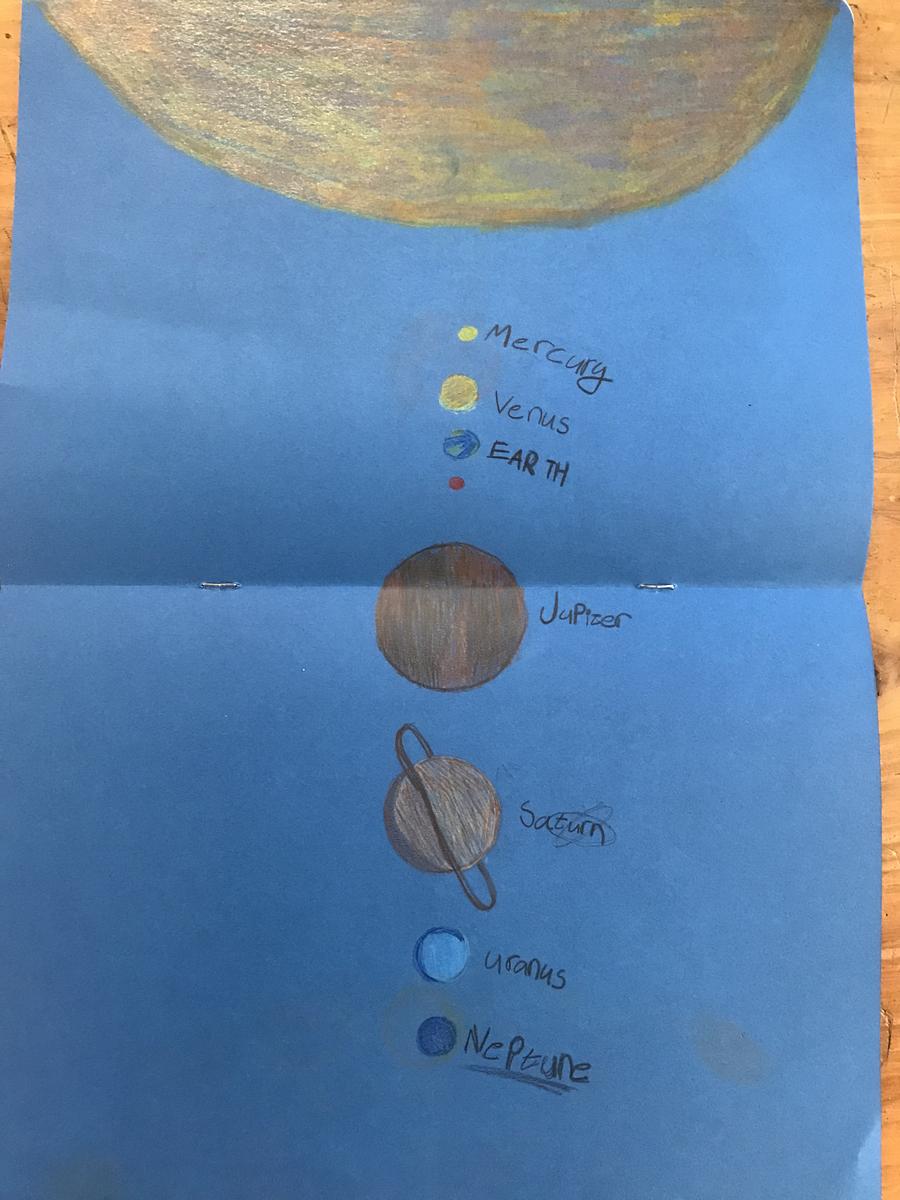
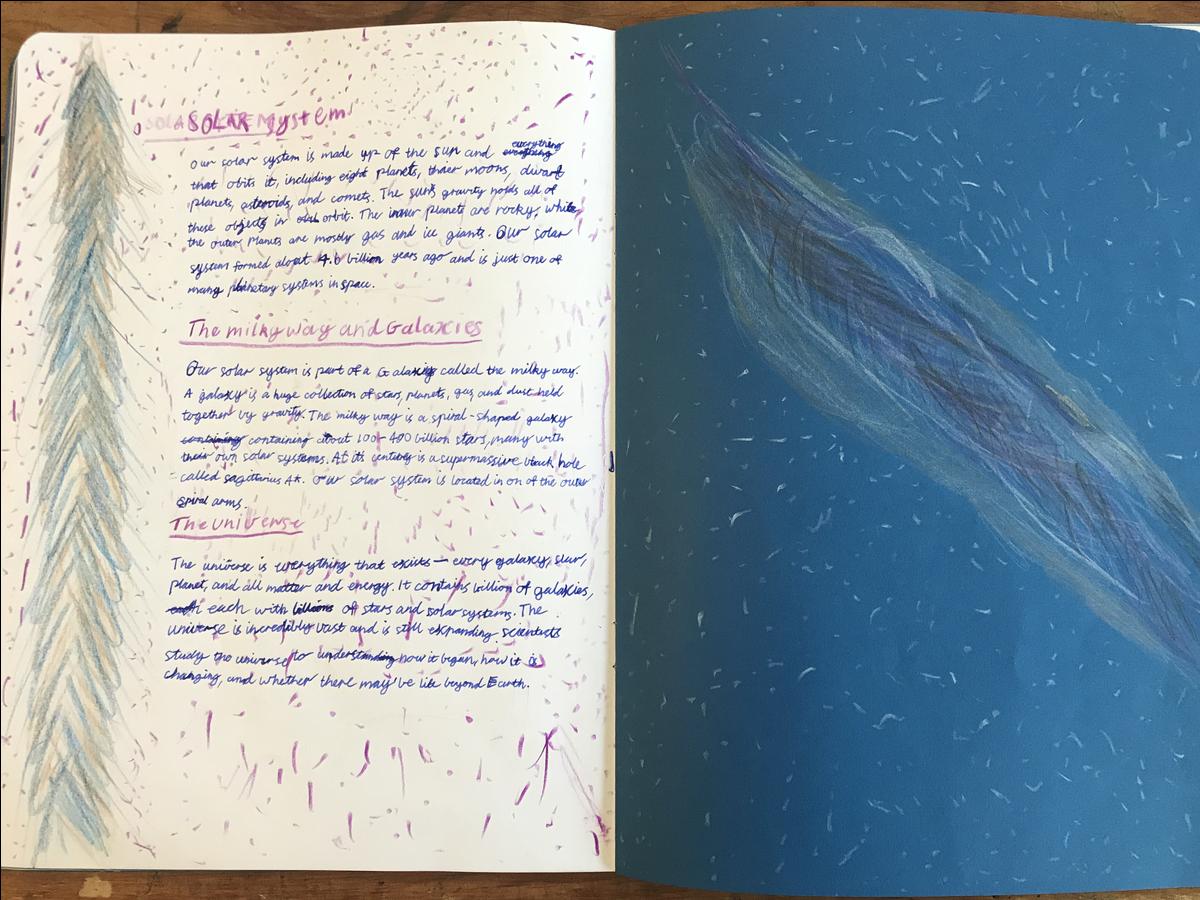
From there, we journeyed outward into our solar system, learning about the planets - their sizes, compositions, and positions in relation to the Sun. We considered how each planet rotates on its axis and revolves around the Sun at different speeds, and how our solar system itself formed long ago from a swirling cloud of gas and dust. We also looked at the many other objects that share our solar neighbourhood, such as asteroids, comets, and dwarf planets.
Our perspective then expanded further as we learned about galaxies, with a focus on our home galaxy, the Milky Way. Students learned about the position of our solar system within it and considered the vast journey we make as we move together through space.
We then turned our attention to the universe as a whole, contemplating its immense scale and the countless galaxies it contains.
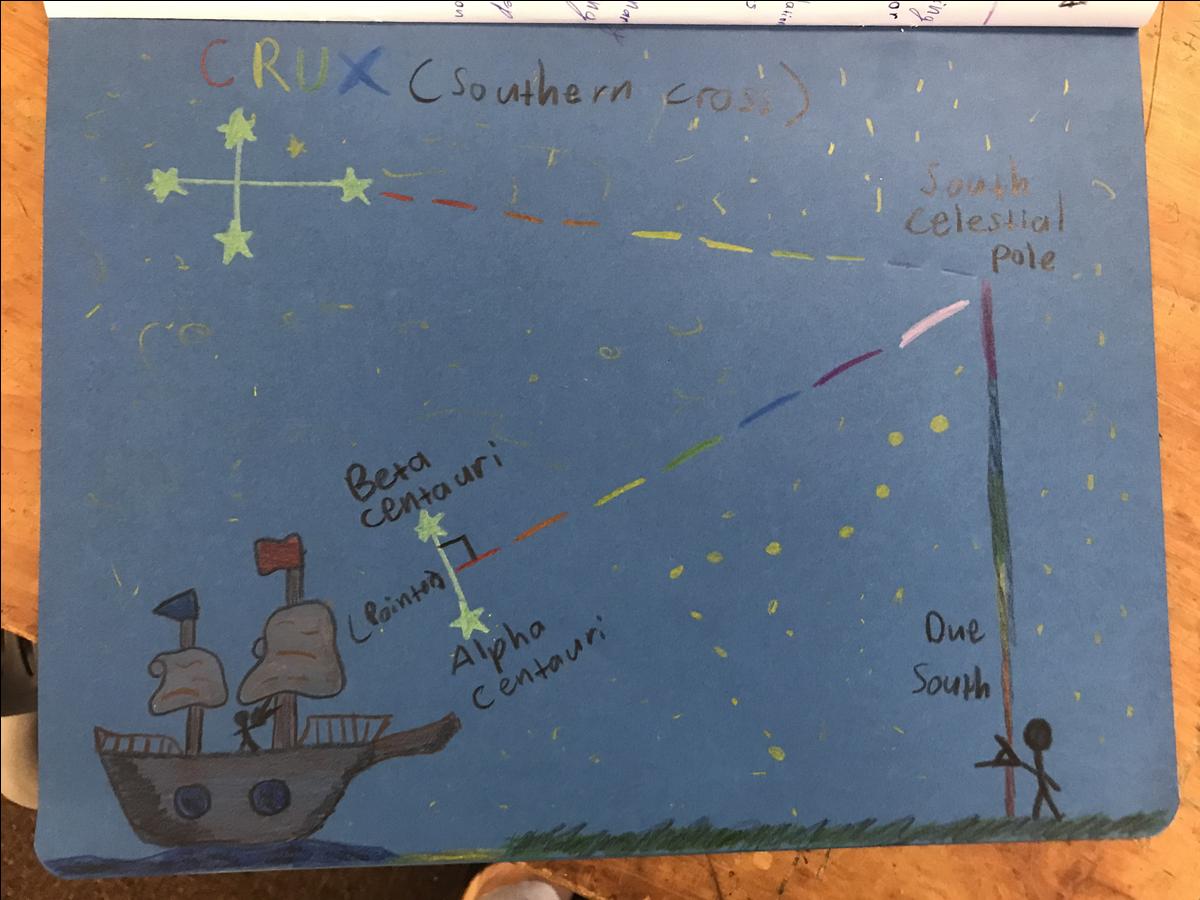
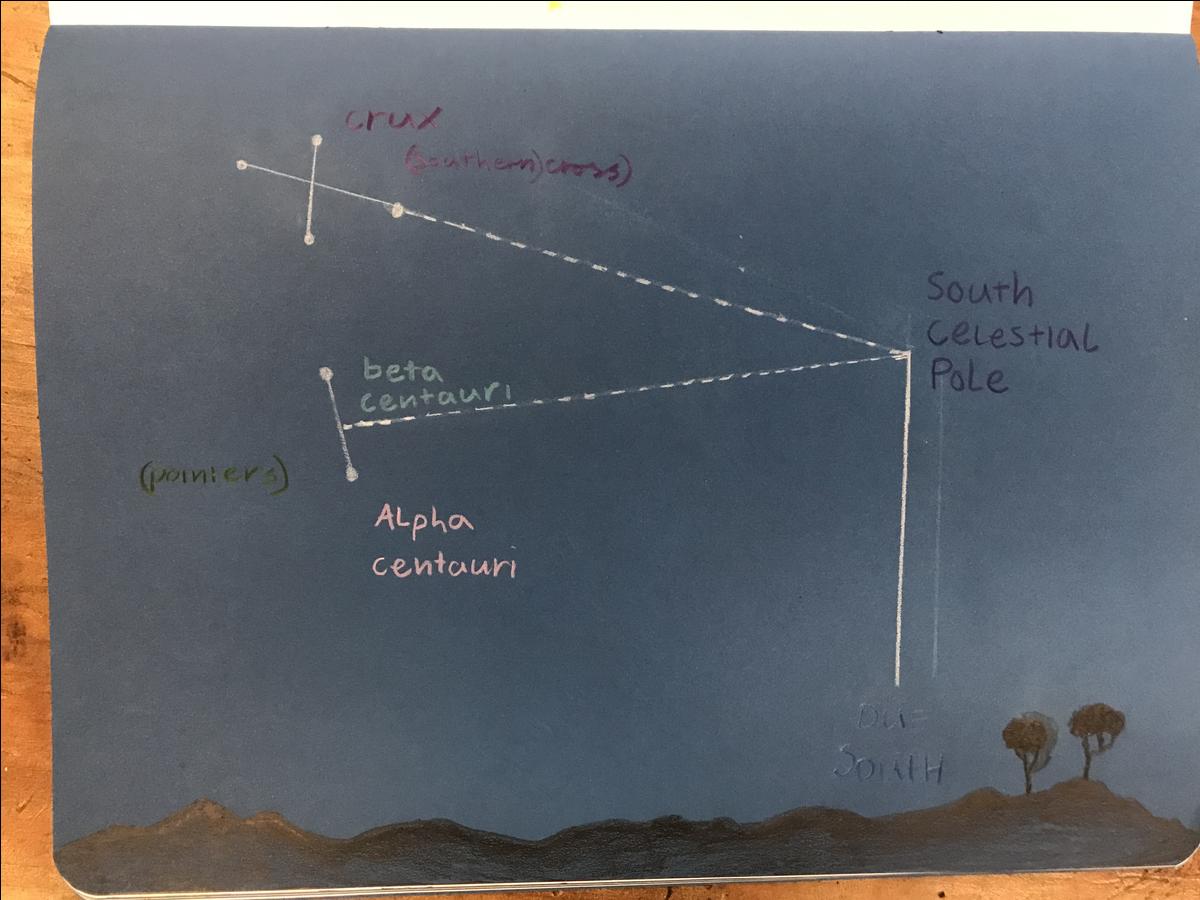
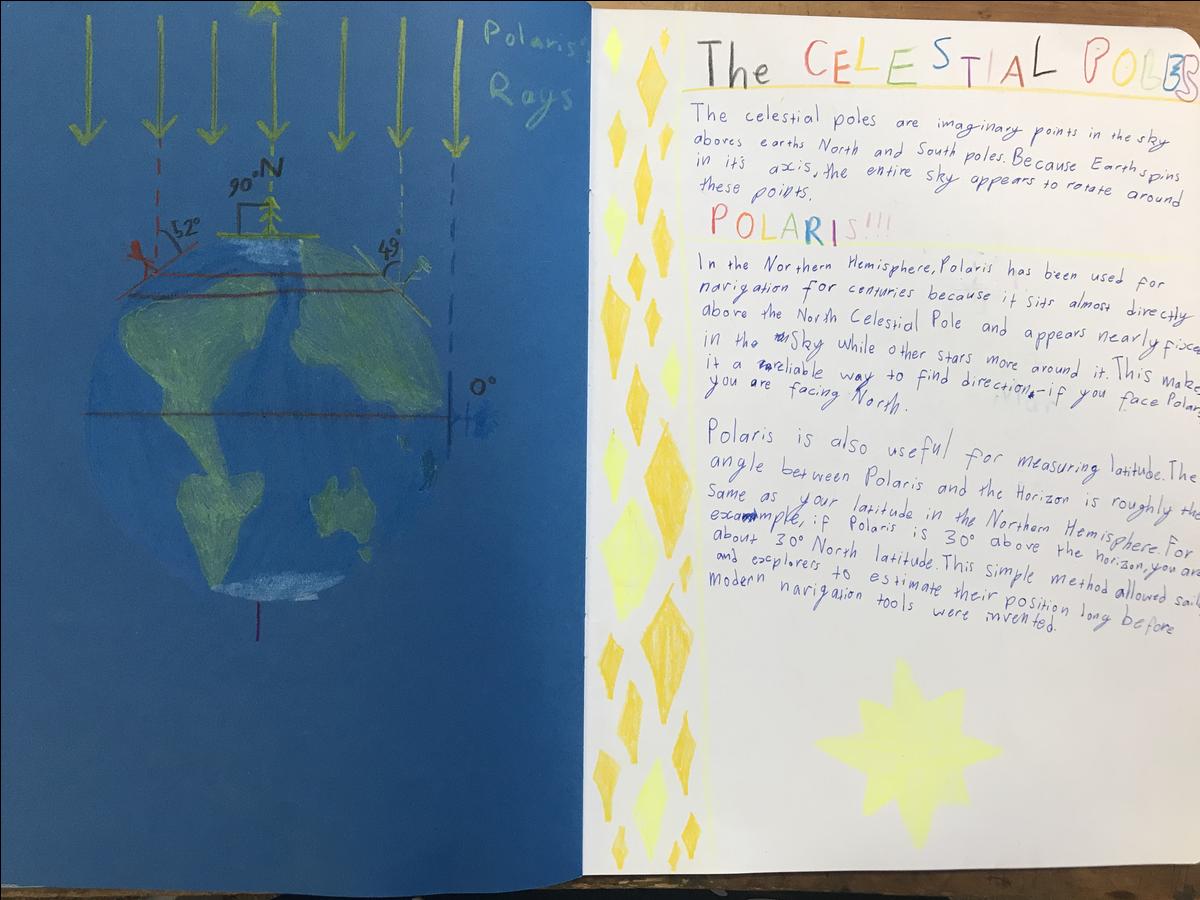
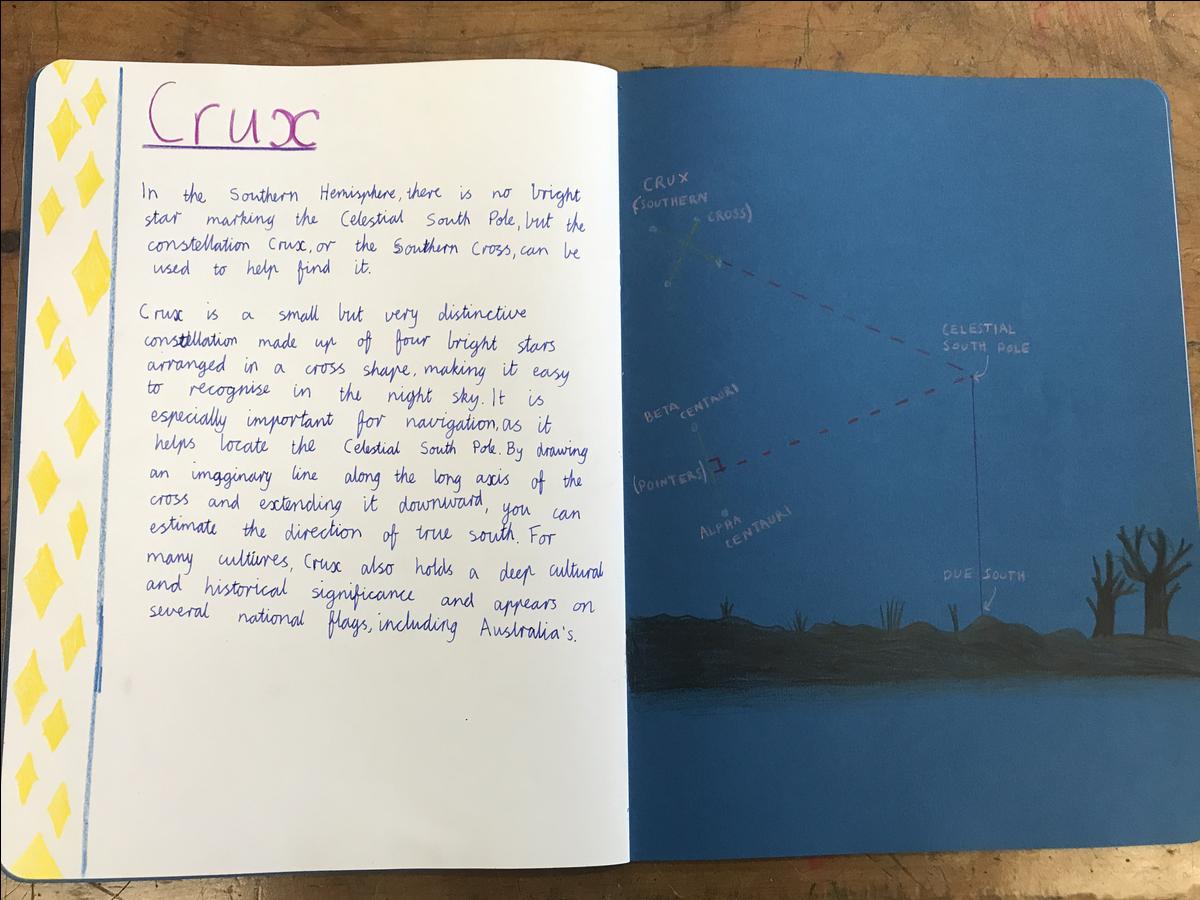
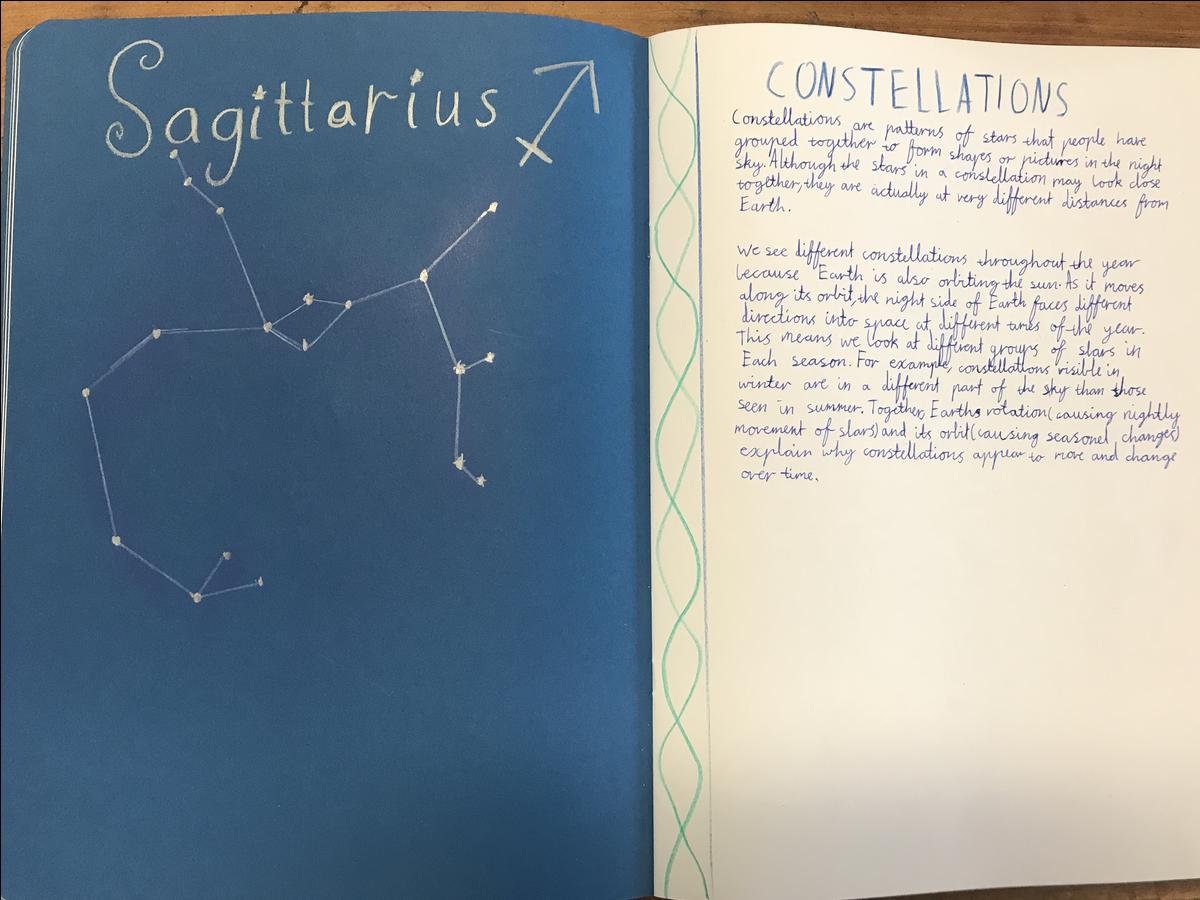
Finally, we looked up to the stars. Students learned what stars are and how they form patterns we call constellations. We explored why stars appear to rise and set, why different constellations are visible in different seasons, and why some can only be seen from particular parts of the Earth. We also studied the celestial poles and discovered how people in the Northern Hemisphere use Polaris to find direction and latitude, while in the Southern Hemisphere we can use the Crux to help locate the south celestial pole. Through this, students gained an appreciation of how the stars have long been used for navigation.
Throughout the unit, the children have been encouraged not only to build their scientific understanding, but also to develop a sense of connection to the rhythms and patterns of the universe.
Literacy
During our Reading sessions, students have been developing their comprehension skills through connections with our Astronomy Main Lesson. By working with engaging informational texts about space, the children have been able to deepen both their reading abilities and their understanding of the universe.
A strong focus has been placed on identifying the main idea of a text and recognising the supporting details that help to explain and expand upon it. Students are learning to look beyond just the words on the page, asking themselves: What is this text mostly about? and How do the details help me understand it more clearly? This has encouraged thoughtful reading and careful attention to meaning.
Through this integrated approach, students are learning that reading is not just about decoding words, but about making meaning, asking questions, and connecting ideas. It has been wonderful to see their growing confidence as they engage more deeply with texts and share their understanding with others.
Mathematics
In Maths, students have been exploring different ways to locate points and areas on a grid. We started by learning the difference between a grid reference system, which is used to find an area, and a grid coordinate system, which pinpoints an exact location. Students discovered how these differences affect the way grids are labelled and used.
They enjoyed practising reading and plotting points in both systems, even uncovering and creating “mystery shapes” along the way! This then led to learning about the Cartesian plane, a grid with a horizontal x-axis and vertical y-axis that divides the space into four quadrants. Students have been reading coordinates, plotting points, and connecting them to create shapes across all four quadrants. They have also been learning to understand how negative and positive numbers indicate positions in different quadrants, and how the order of coordinates (x, y) is important for accuracy.
Through these activities, the children have been developing strong spatial reasoning, problem-solving skills, and a greater confidence in working with coordinates.
Recently, we enjoyed our first buddy session with Prep/1. The students loved choosing a book in the library with their buddy and sharing the experience of reading it together under the tree.
Wishing you all a wonderful Easter break.
Ngoongodjin,
Robin