Term 2 Learning Summary
English
InitiaLit
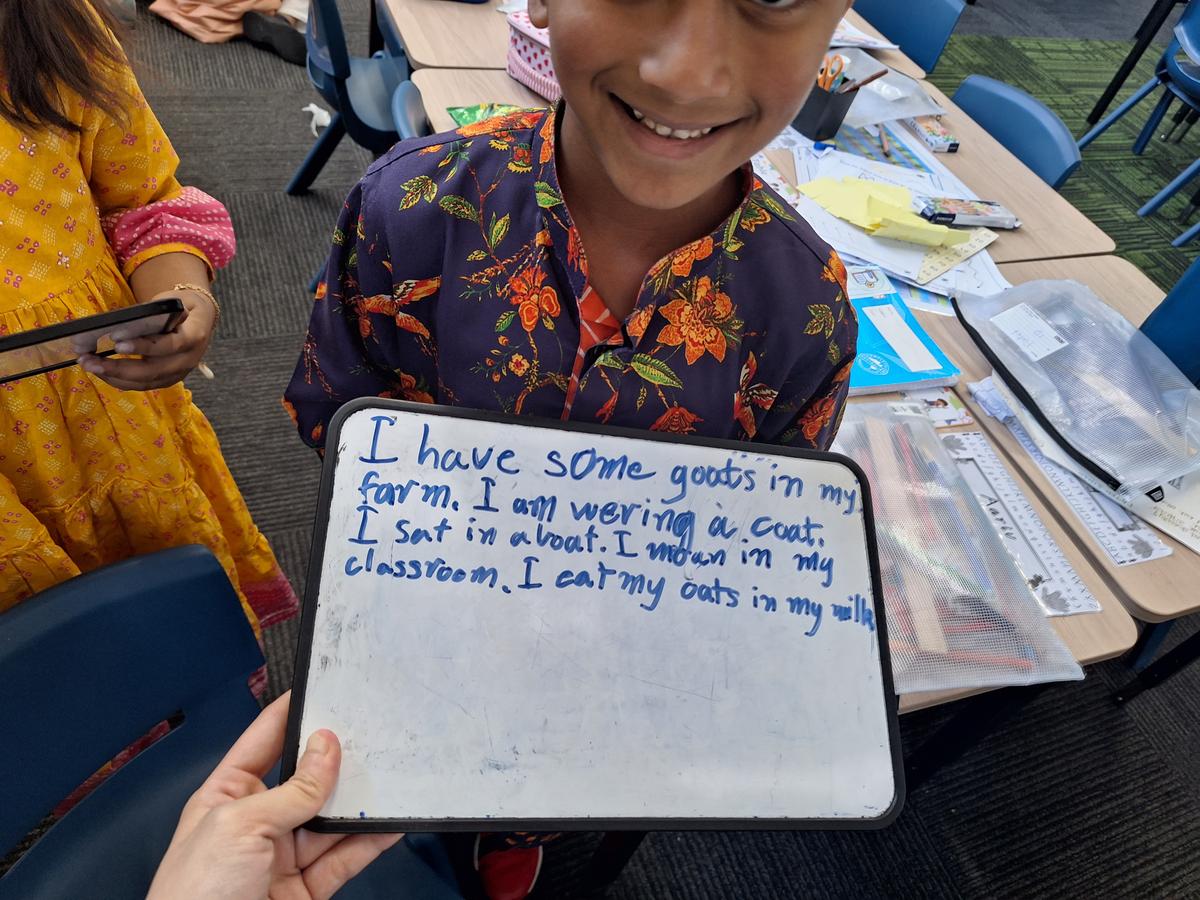
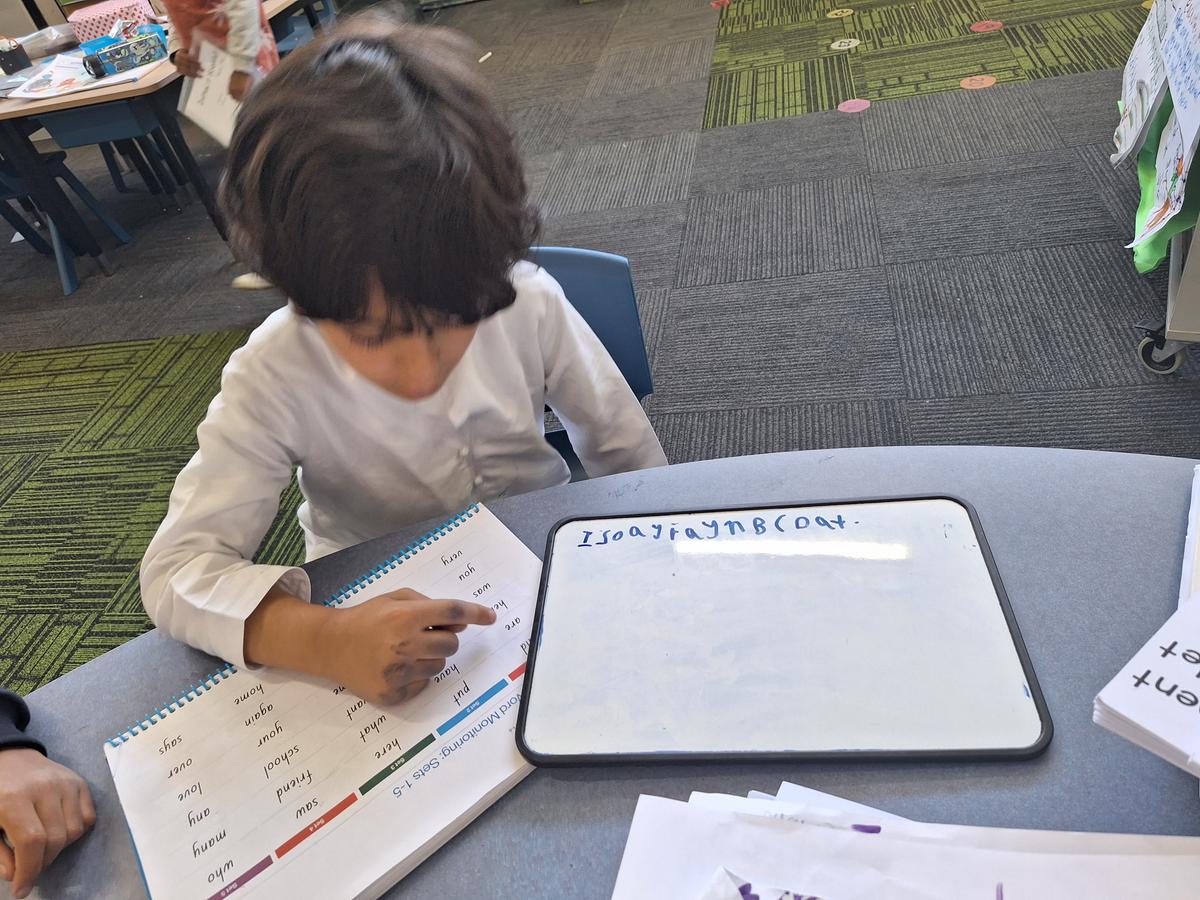
In Term Two, we will be continuing our InitiaLit program. Each week learners engage with five focus lessons. These focus lessons will introduce them to new phonemes such as long vowel sounds and split digraphs, as well as base words and suffixes. Learners will also explore different text types in our two Storybook lessons each week. These storybooks will expose learners to imaginative, persuasive and informative text types. Each lesson will unpack key Reading comprehension skills such as questioning, predicting, inquiring into new vocabulary and summarising texts.
For your reference, the phonemes students will be learning include:
| _y | igh | ue | ew | ar | or | ore | ir | ur |
| er | a_e | e_e | i_e | o_e | u_e |
Key Vocabulary:
- Homophones
- Adjectives
- Plurals
Verbs
To support your child’s learning at home, you could engage in the following:
- Listen to your child read their reader each day and invite them to record this in their Reading Diary.
- Encourage learners to read their reader or a book more than once, using the first reading to decode unknown words and explore the meaning and the second reading opportunity to understand the text and connect it to their life.
- Pause at the front cover or various stages of a book or movie and predict what might happen next with your child.
- Access the ‘MultiLit e-library', which offers a range of decodable texts. Review the discussion questions at the end of each book to support students' reading comprehension.
- Continue to revise the sounds taught in Term One using the at home video and game resource
Writing
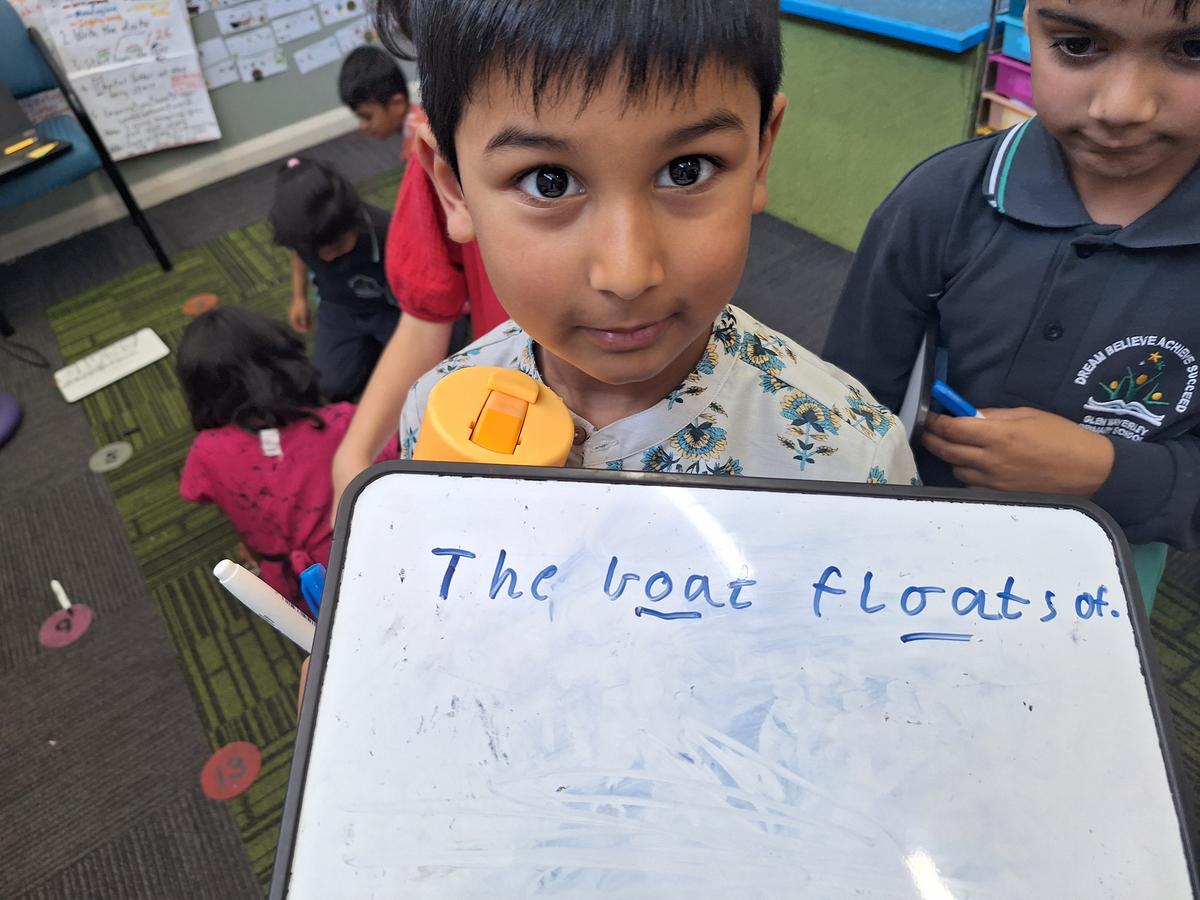
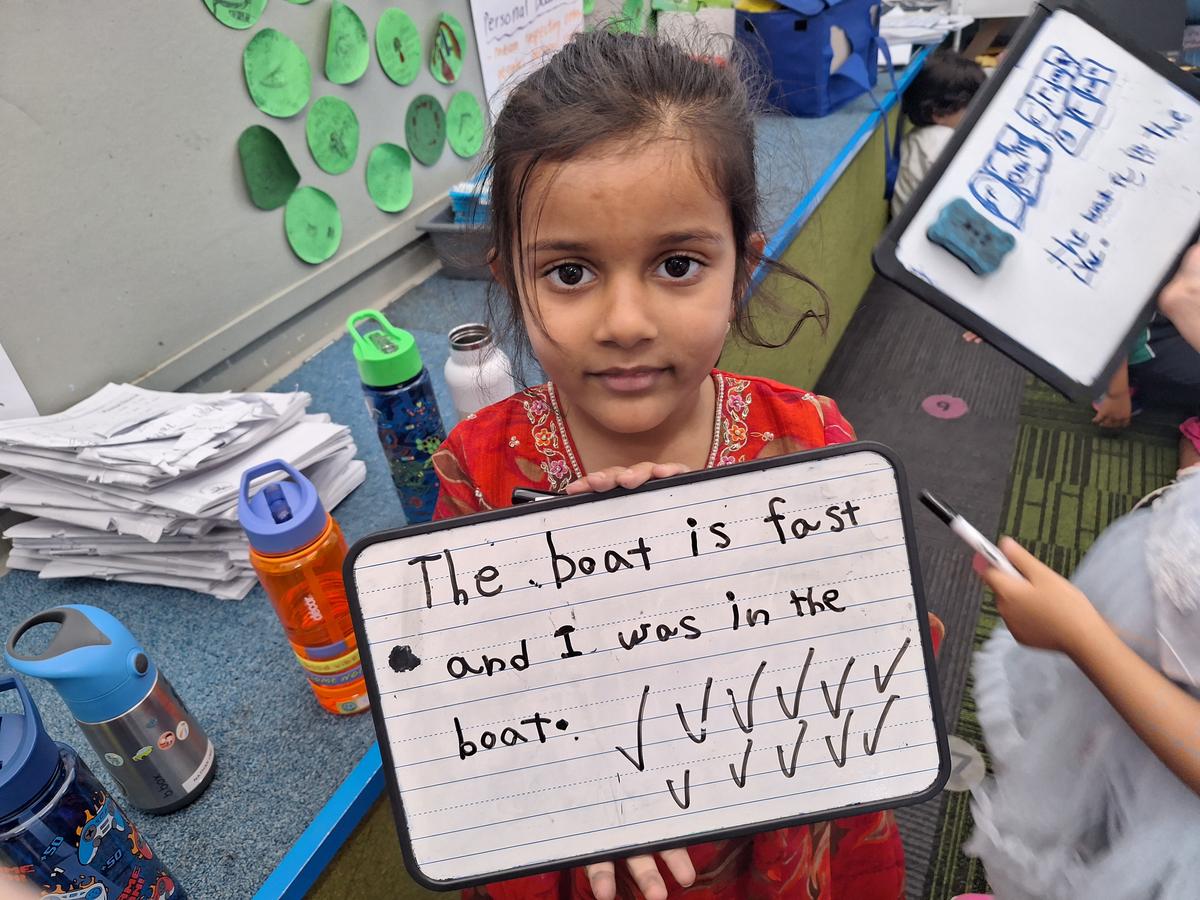
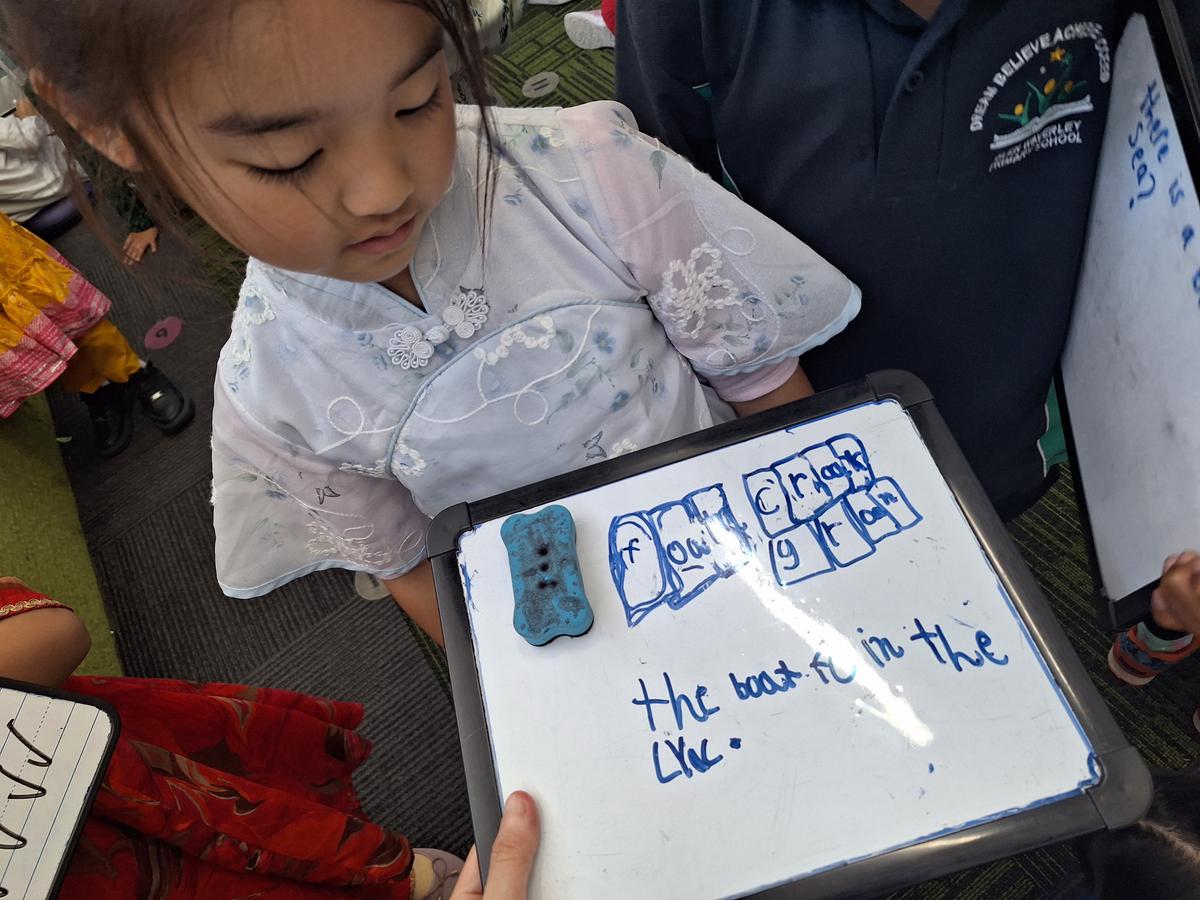
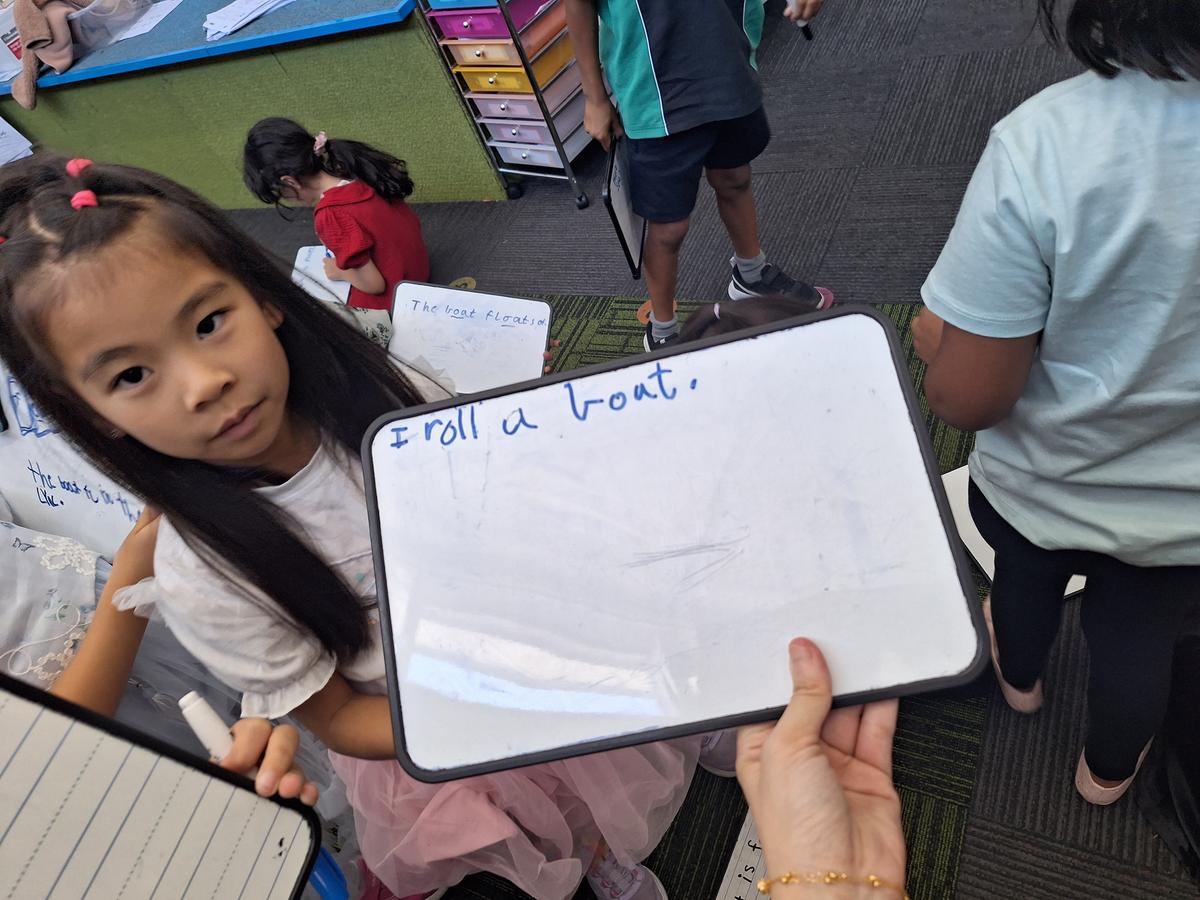
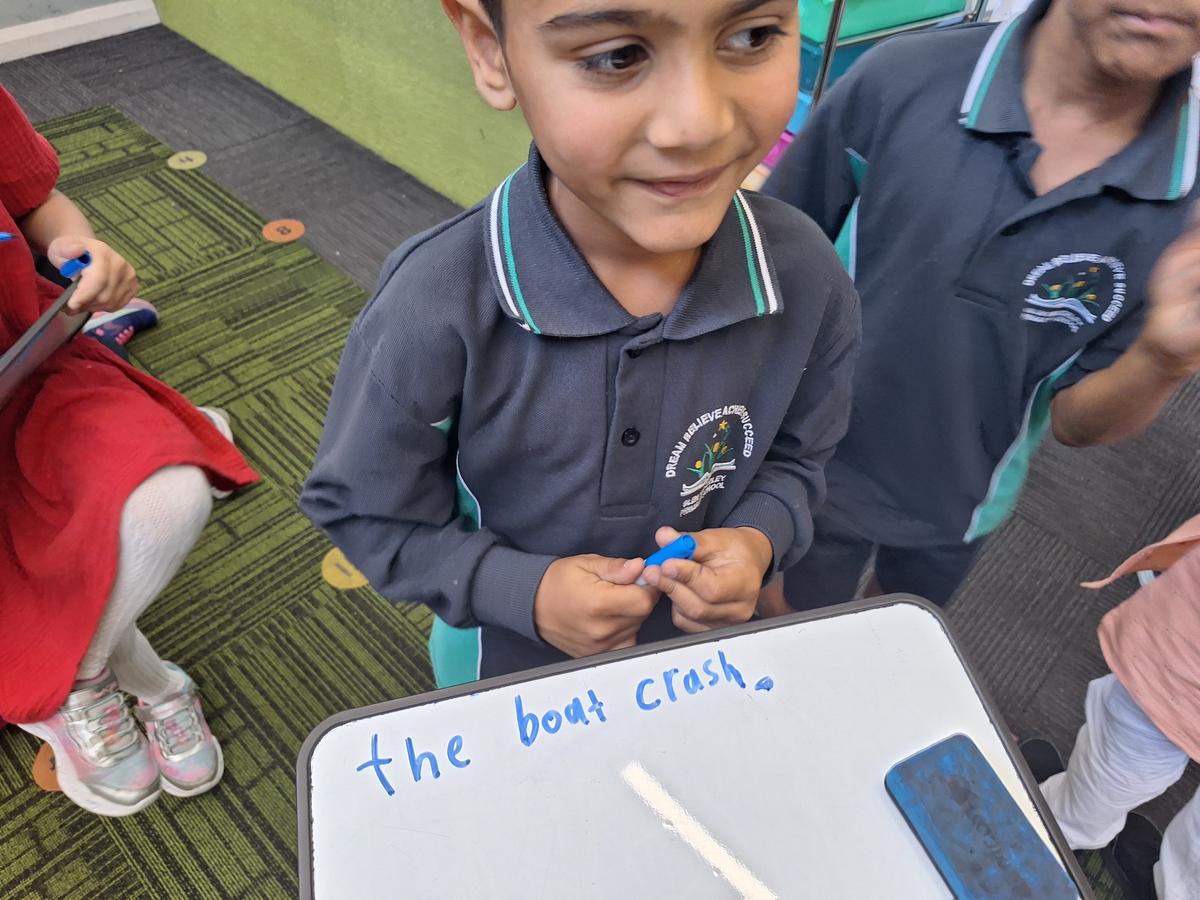
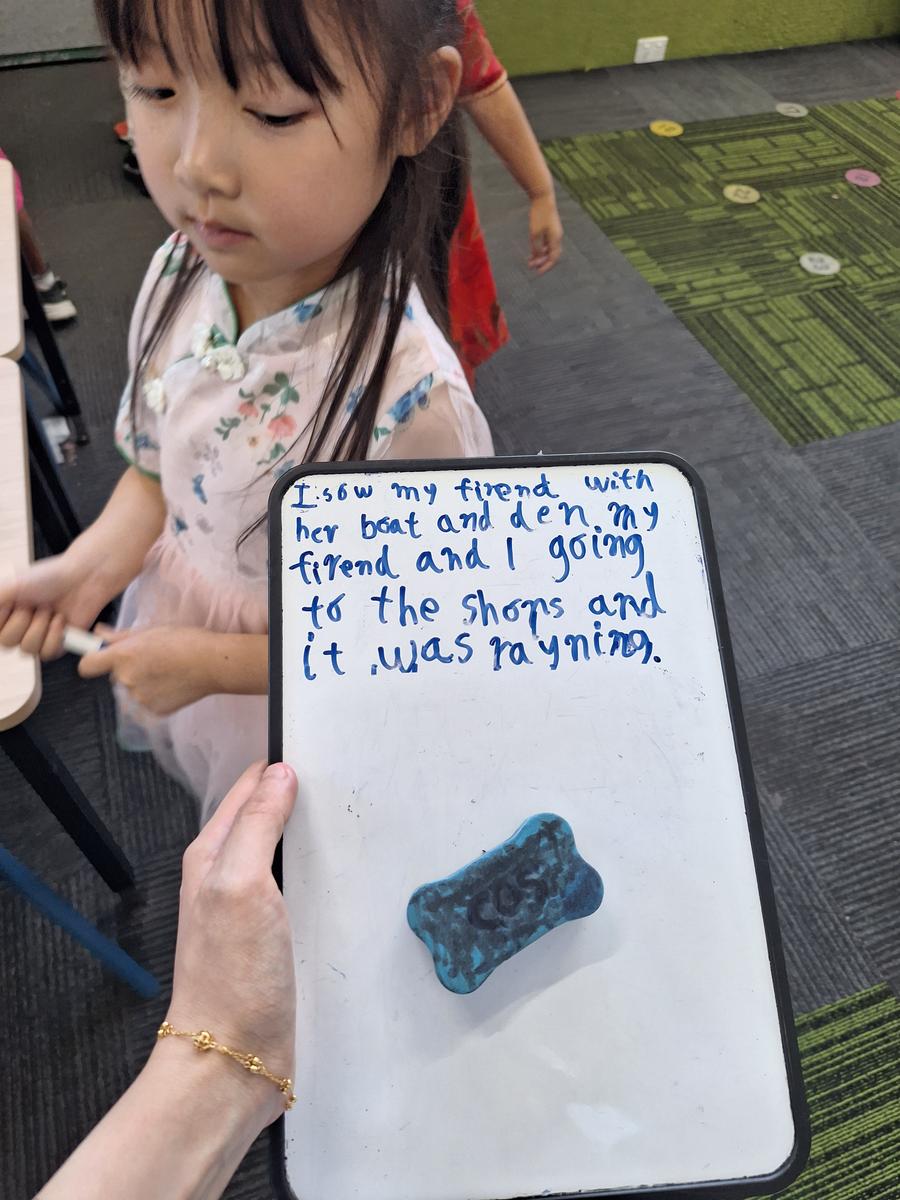
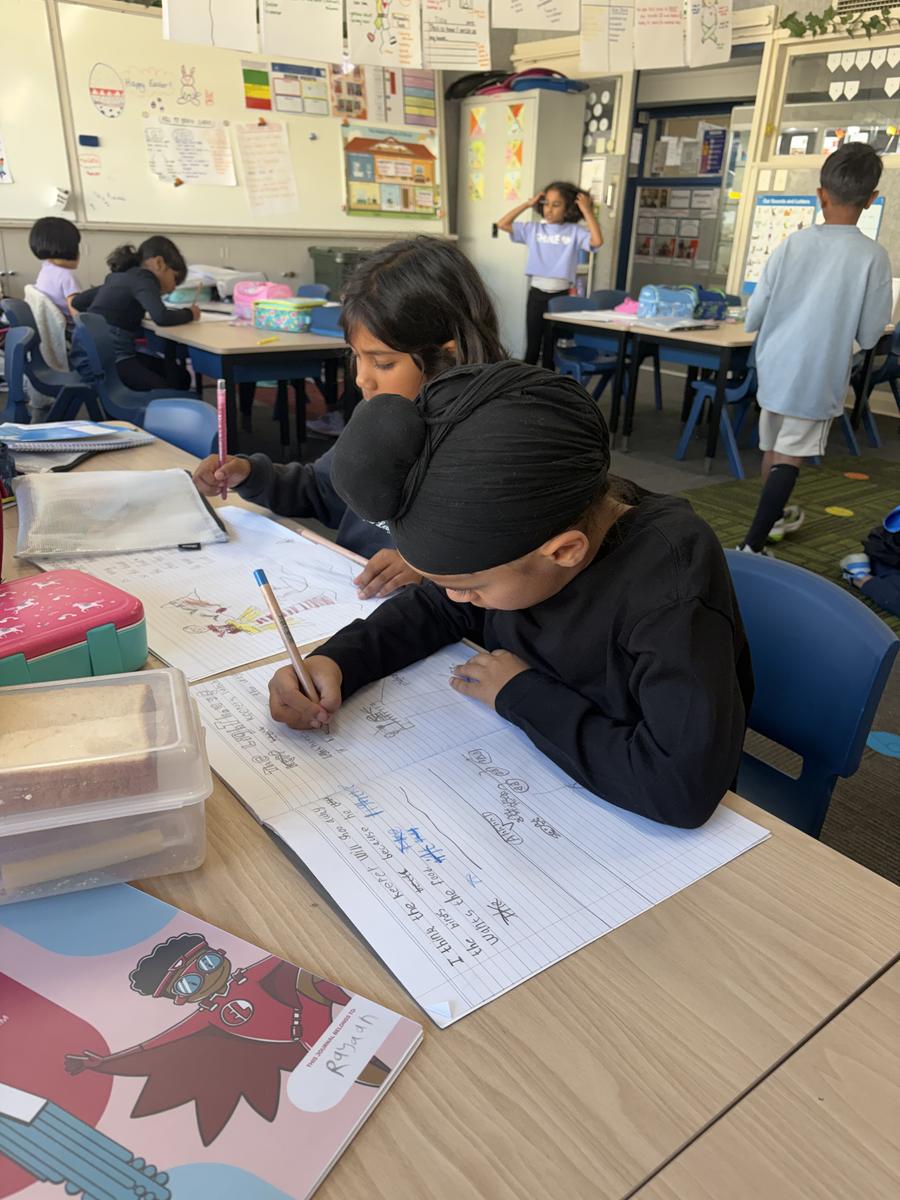
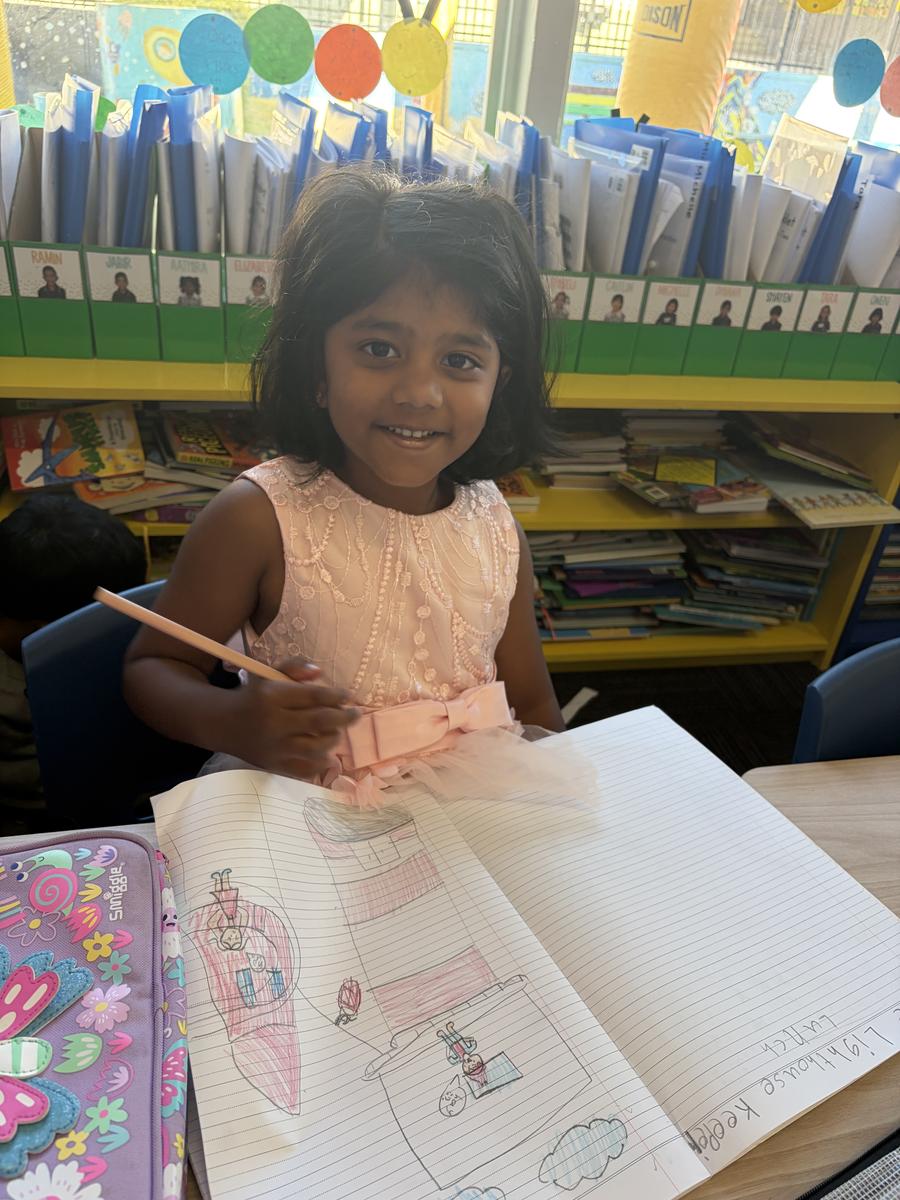
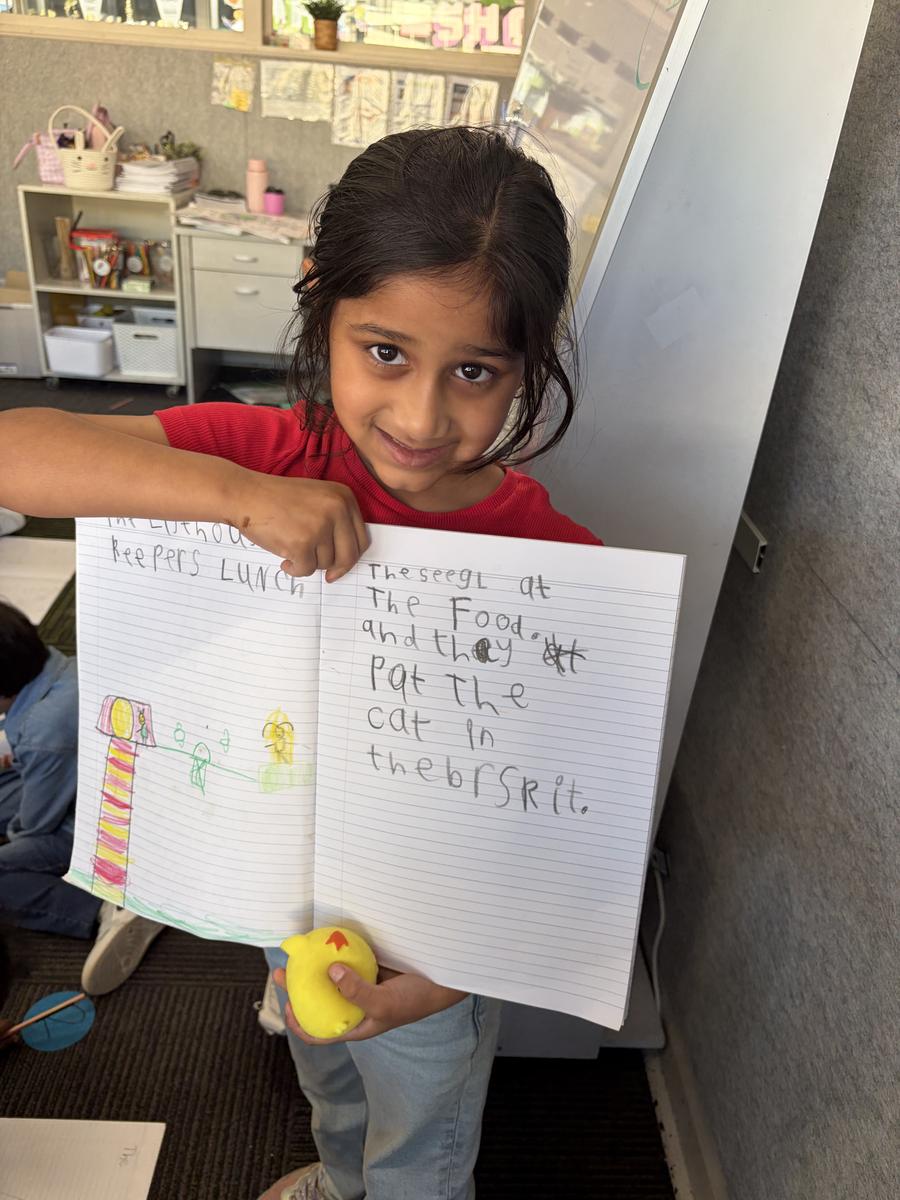
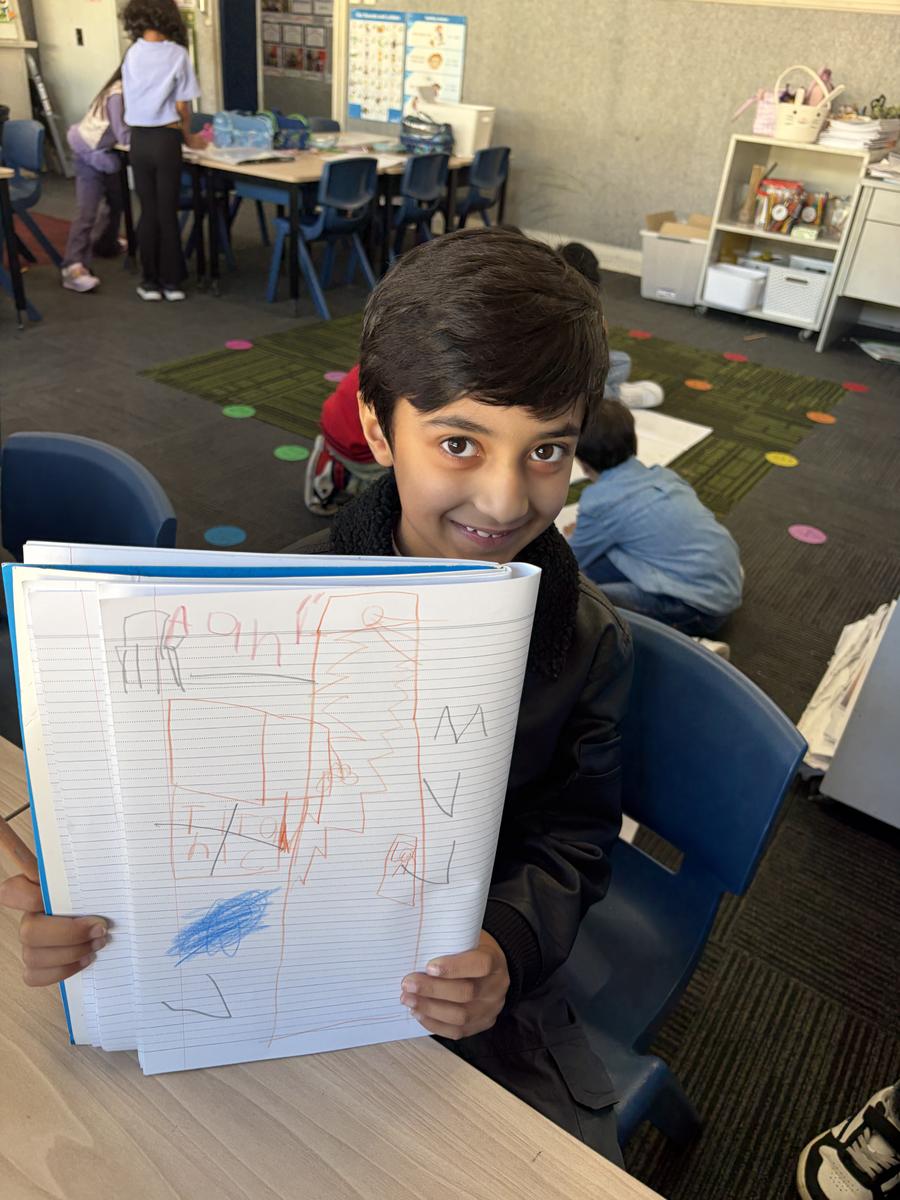
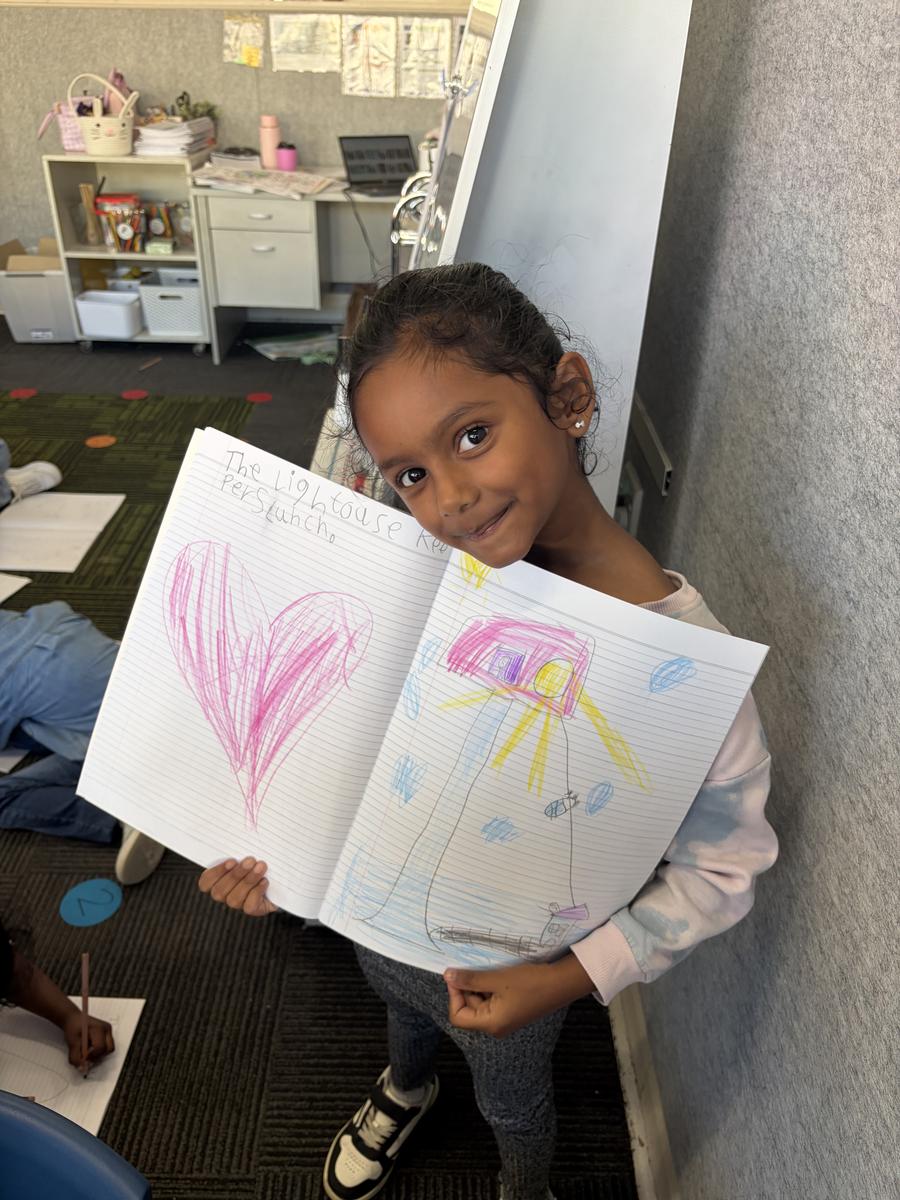
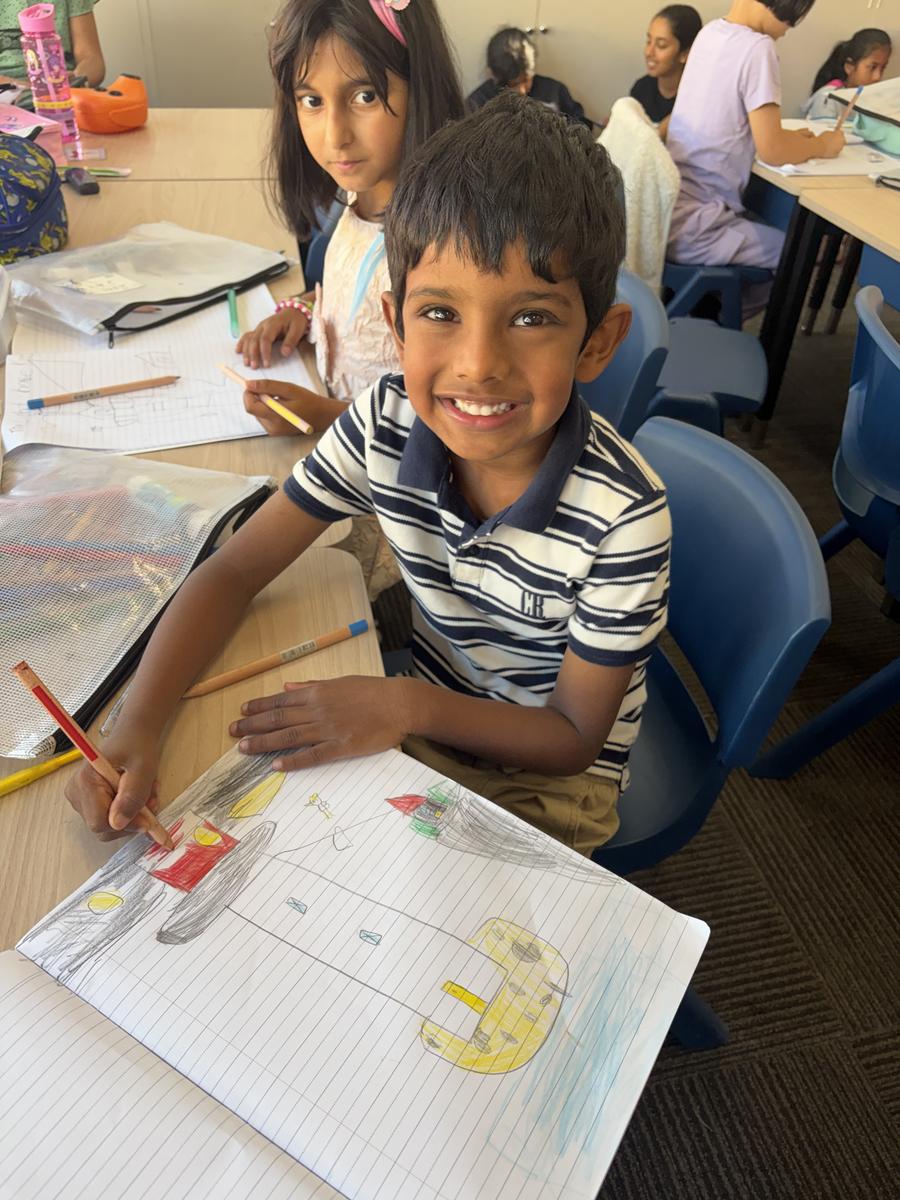
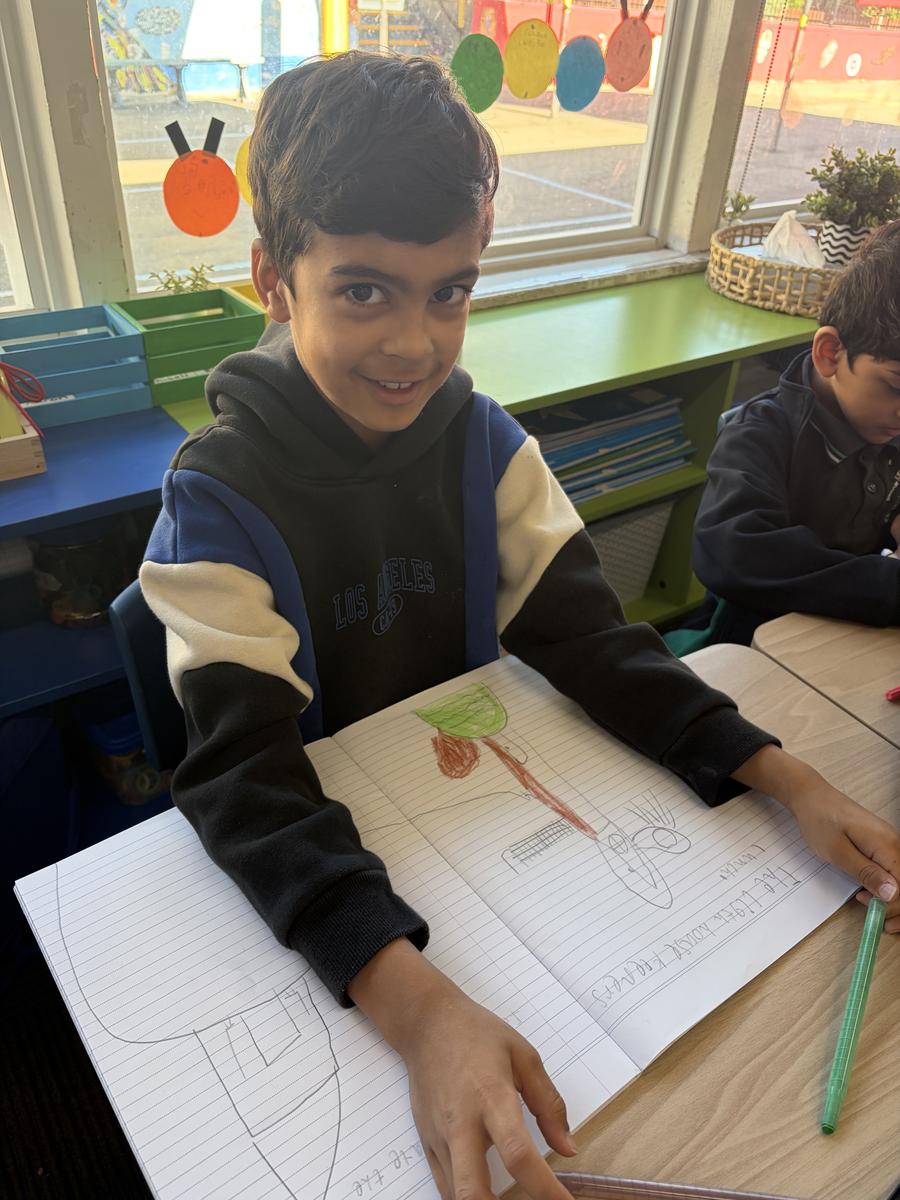
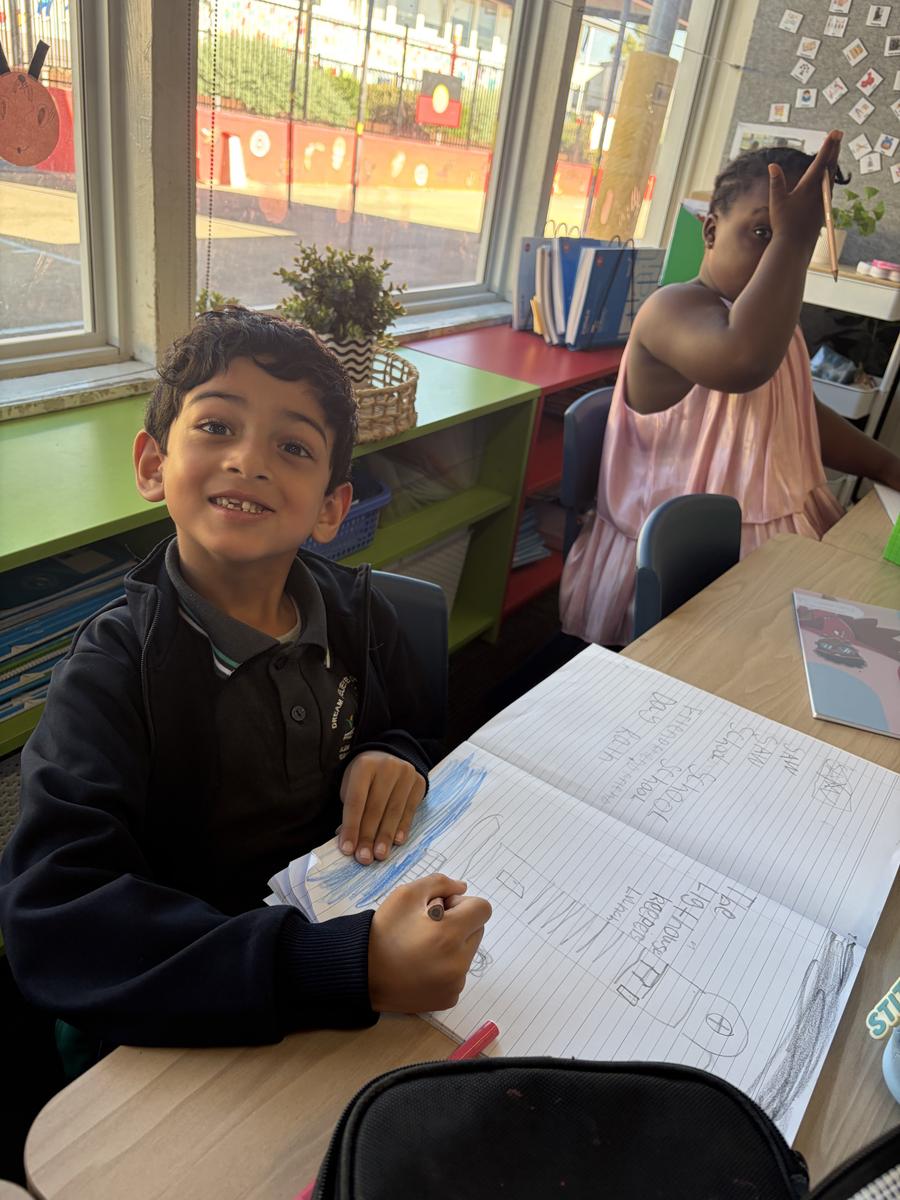
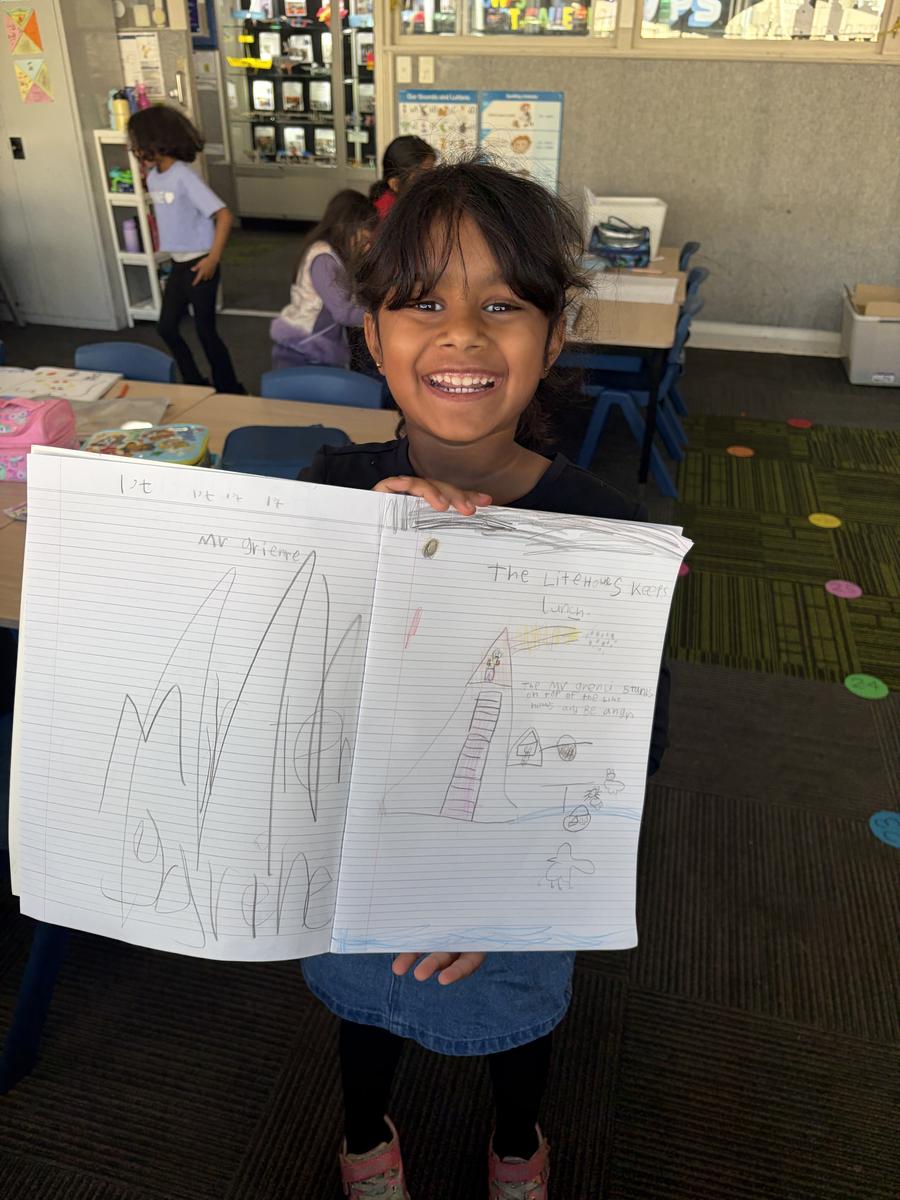
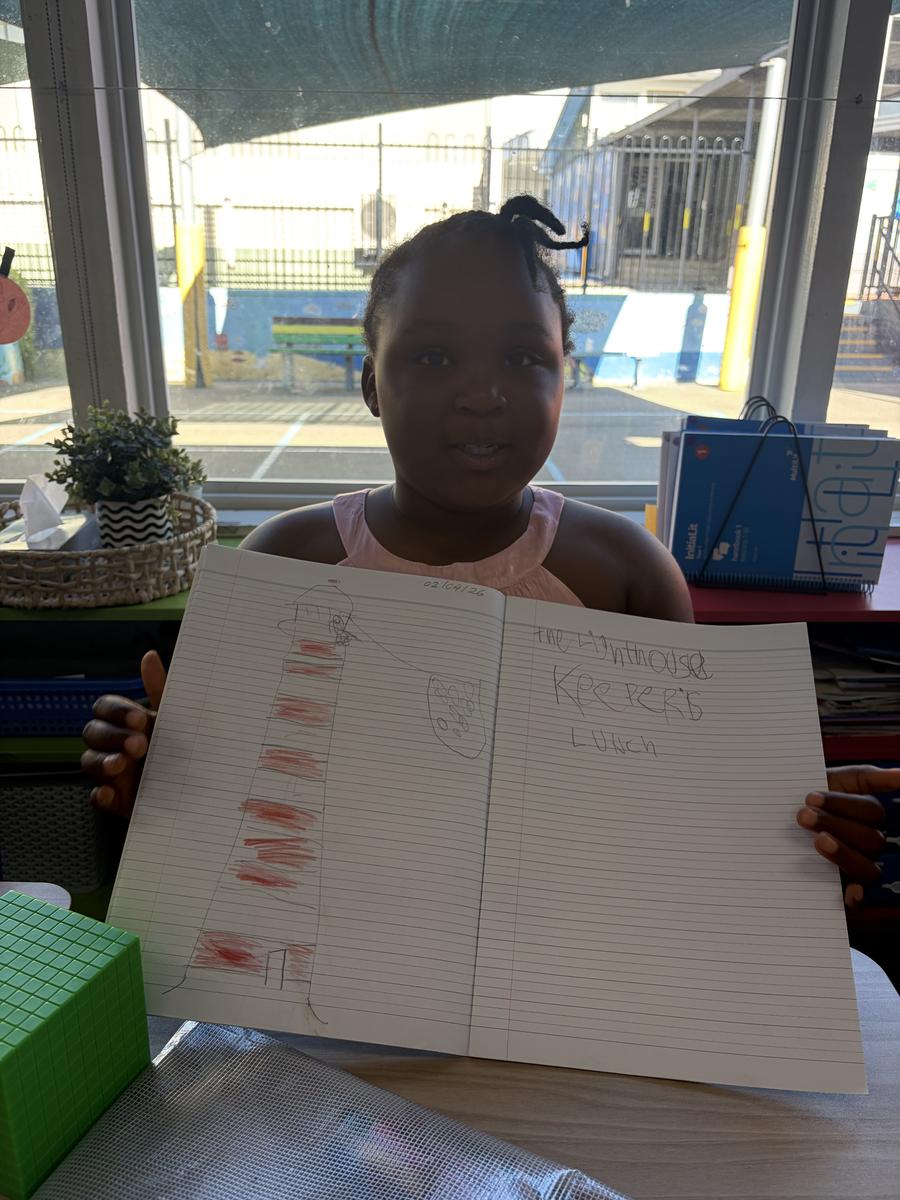
In Term 2, students will continue developing their narrative writing skills from Term 1. They will focus on creating stories with a clear problem and solution, where characters face a challenge and work through how to resolve it. Students will use their creativity to plan their stories using familiar elements such as characters, settings, problems, and solutions, often inspired by storybooks we have explored in class. They will then write their own narratives using “super sentences”, ensuring correct use of capital letters, full stops, and sentences that make sense to engage the reader.
Later in the term, students will delve into Informative Reports, strengthening their understanding of factual writing and utilising a variety of non-fiction sources. They will develop essential research skills, exploring a variety of books and resources to gather and present information effectively. As part of their Inquiry learning, students will investigate their class pets, organising their findings under relevant headings to create well-structured reports. They will also explore different ways to present information, including labelled diagrams and illustrations, to enhance clarity and engagement for their audience.
Key Vocabulary:
Narrative
- Characters
- Setting
- Problem
- Solution
Information Reports
- Fiction vs non-fiction books
- Fact
- Diagram
- Headings
To support your child’s learning at home, you could:
- Read a variety of narrative (story) books together and talk about the characters, setting, problem, and solution
- Encourage your child to create and write their own simple stories or provide a prompt (e.g. a picture of a character, setting, or problem) and ask your child to build a story around it
- Practise writing sentences using capital letters and full stops, and checking that the sentence makes sense
- Examine informational texts found in daily life, such as newspaper articles, instructional manuals, fictions vs non fictions books and/or videos and online resources.
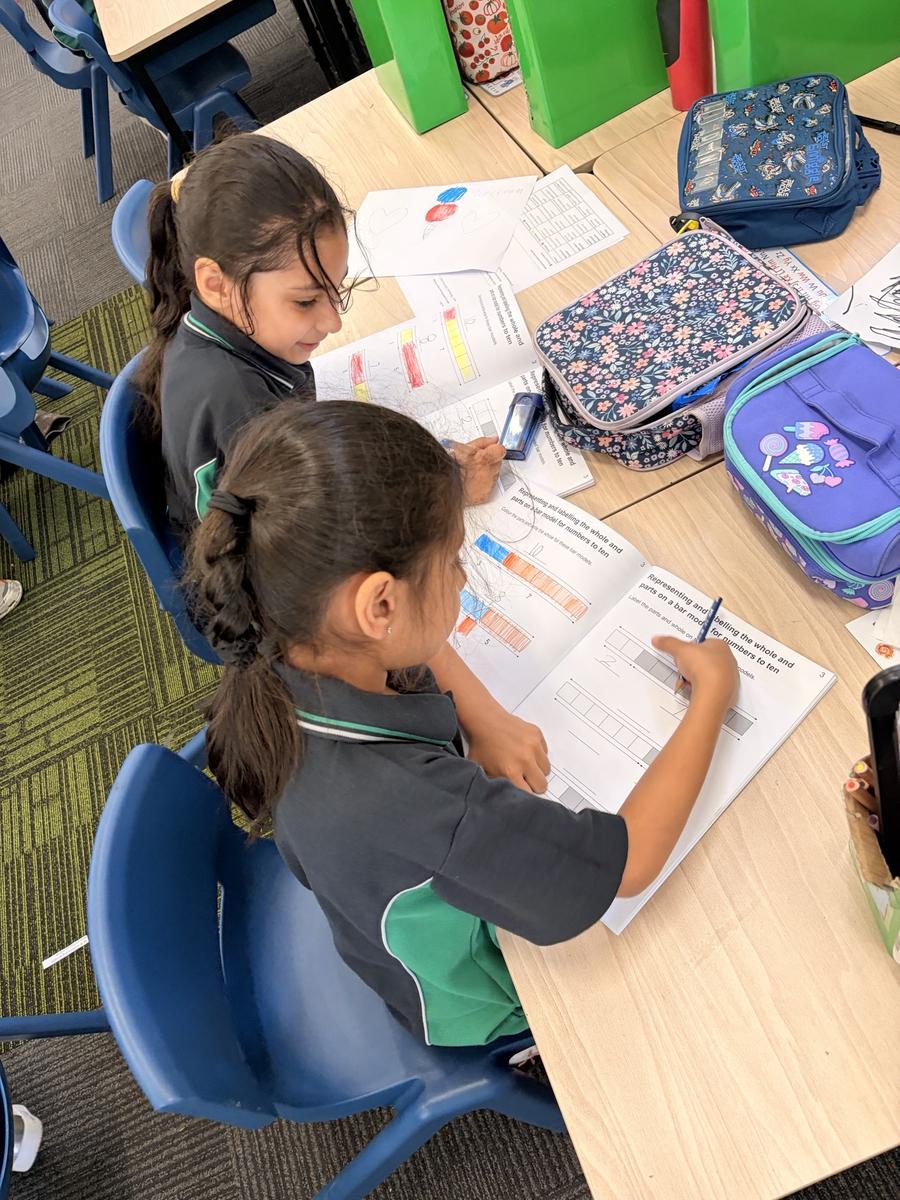
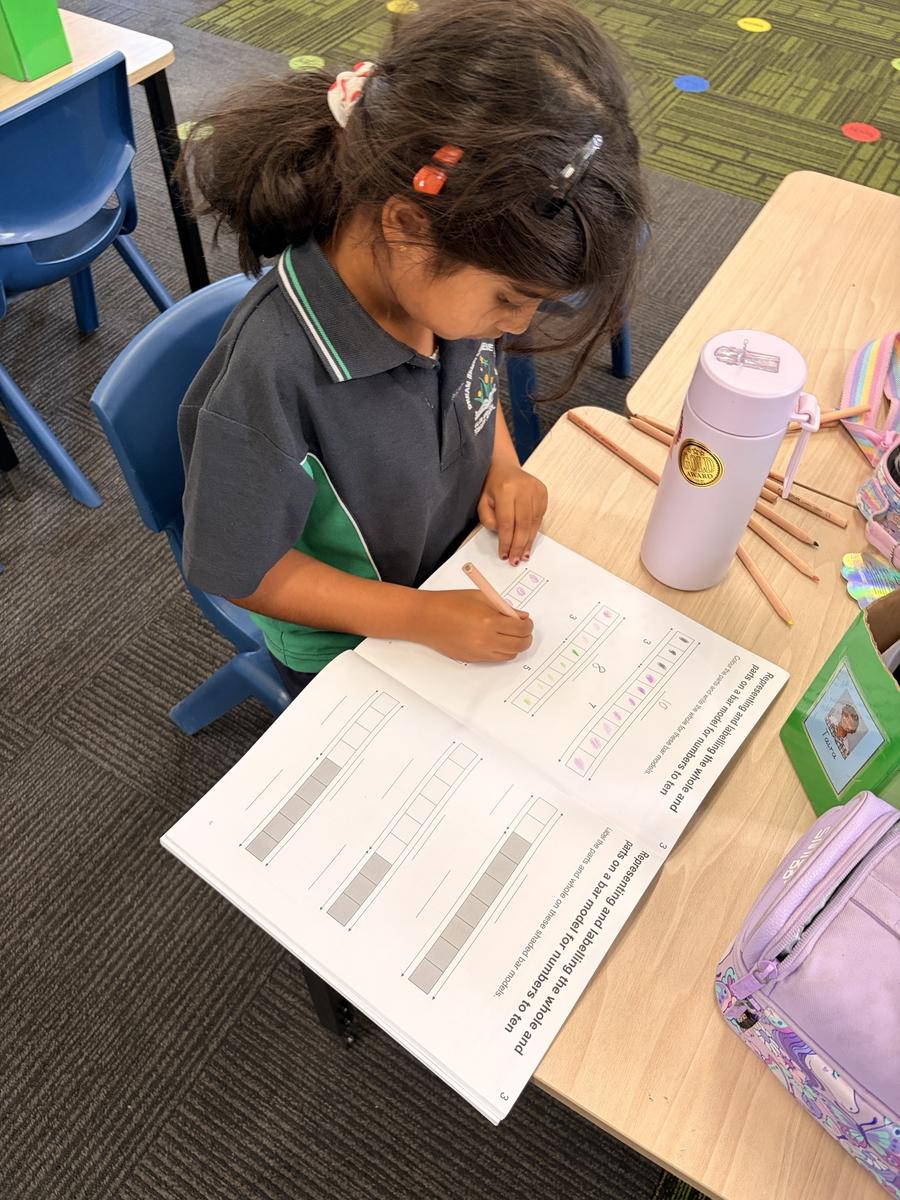
Mathematics
Mathematics in Term Two will provide students with the opportunity to consolidate their Counting and Place Value knowledge as well as their Addition and Subtraction knowledge. Students will build on the skills taught in Term One, demonstrating the various ways numbers can be partitioned into two, three or more parts. They will identify one more, one less, ten more or ten less for a given number. Students will be introduced to the concept of equivalence and will be taught that equals means “is equal to” rather than the answer is coming next. They will also explore the concept and symbol for addition and explore “difference” number stories.
Students will also learn about Measurement, including length, mass, capacity and duration. Using many resources and opportunities for hands on exploration, they will use direct and indirect comparison and informal units to describe which items are longer or shorter in length, heavier or lighter in mass and contain more or less in capacity. Students will act out familiar events to determine their duration of time and will compare and contrast the length of time each event takes.
Key Vocabulary:
Counting and Place Value
- Hundreds, Tens, Ones
Base-10 blocks or Multibase Arithmetic Blocks (MAB)
Addition and Subtraction
- Addition (not plus)
- Difference
- Equivalence
- Equals
Is equal to
Measurement
- Same as
- Length
- Mass
- Heavier and Lighter
- Hefting
- Capacity
- More and Less
- Duration
Longer and Shorter
How can you support your child’s Mathematics learning at home?
- Use everyday opportunities to talk about numbers, such as breaking them into tens and ones (e.g., 25 = 20 + 5) and ask your child to explain their thinking.
- Play games like rolling dice to add or subtract numbers or use real-life scenarios like counting change or comparing quantities in the kitchen.
- Use everyday items and opportunities to informally measure such as ‘Which glass will hold more water?’ Or ‘Do you think the fork or the knife is longer?’
Inquiry
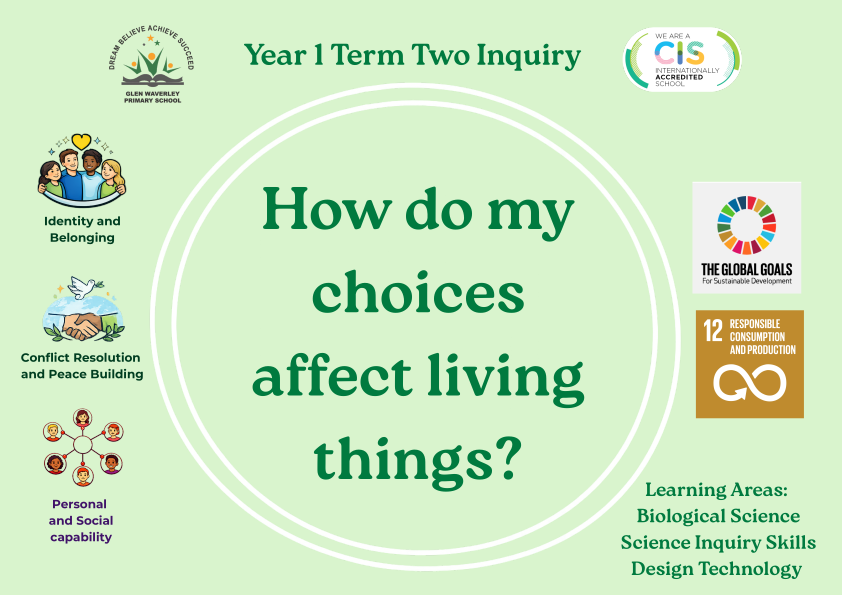
Question: How do my choices affect living things?
Global Theme: Identity and Belonging, Conflict Resolution and Peace Building
Global Goal: Responsible Consumption and Production
The Term Two Inquiry unit will focus on the topic ‘How do my choices affect living things’. Students will develop an understanding of living and non-living things and investigate how their everyday choices can impact them. As part of this learning, they will also reflect on their own learning environment and how their choices and preferences can help them adapt and thrive. They will investigate choices involved in creating an ideal environment through the adoption of a class pet. Students will observe and care for a class pet, learning about the essential requirements for the animals’ survival, what they can do to allow them to thrive and how the pet might feel in response to their actions. They will analyse the design of equipment (e.g water bottles, enclosures) to determine the suitability for animals and how it suits their lifestyle. Students will use their knowledge to create an information report to instruct others on the importance of caring for their chosen pet, and the tips and tricks they have learnt on their pet care journey.
Key Vocabulary:
- Living and Non-living
- Choices
- Preferences
- Environment
- Surviving
- Thriving
Empathy
How can you support your child’s Inquiry learning at home?
- Engage in discussion with your child about their inquiry learning using questions to prompt your conversation:
- What is the difference between living and non-living things?
- What are the basic needs of living things?
- How did you care for your class pet today?
- Go to a working farm, zoo, local park or even your own backyard and invite your child to explore the living things they can see.
- What living things are in this environment?
- Do they all need the same things to survive?
- What do these living things need to thrive?
Wellbeing
The Resilience Project
This term, students will continue to explore the key principles of The Resilience Project: Gratitude, Empathy, Mindfulness, and Emotional Literacy. Through engaging lessons, they will learn to build a mindset of gratitude by appreciating the positive aspect of their life. They also learn to explore things they can and can’t control and immerse themselves in nature to discover and appreciate the beauty that surrounds them. They will develop appreciation for the natural world and positive impact that sending time in spending time in nature can have on their minds. They will also explore using their sense of sight to focus on finding objects of a particular colour. Furthermore, they will have opportunity to practise being mindful by participating in a guided yoga session and explore the importance of having rules in place to promote fairness, safety and consideration of others.
Cyber Safety Project
Students will also learn about digital safety through the Cyber Safety Program, focusing on understand that anything shared online can be online forever. They will also explore when and how to ask permission appropriately and respectfully. Additionally, they learn to identify where AI can be found in our homes, at school and in public places. Lastly, they will use critical thinking and problem-solving skills to approach online ethical dilemmas with integrity.
Key Vocabulary:
- Gratitude
- Empathy
- Mindfulness
- Emotional Literacy
- Resilience
Relationships
To reinforce these concepts, here are some ways you can support your child’s learning at home:
- The Permission Game: Ask your child “May I please take a photo you?” to practice asking and giving permission together.
- Gratitude Walk: Go Outside and take turns naming one thing in nature you appreciate, like a bright flower or a big tree.
- Control Chat: While doing an activity, talk about what you can control (like your own actions) and what you cannot (like the rain or other people’s moods.)
- Ocean Breaths: Sit together and pretend to be the ocean by breathing in deeply as you raise your arms and breathing out slowly as you lower them.
- Our families have access to the Resilience Project Home - TRP@HOME portal
- Our families have access to the Cyber Safety Project home Resources - Cyber Safety Project.