College Chaplain
Reverend Peter Landry
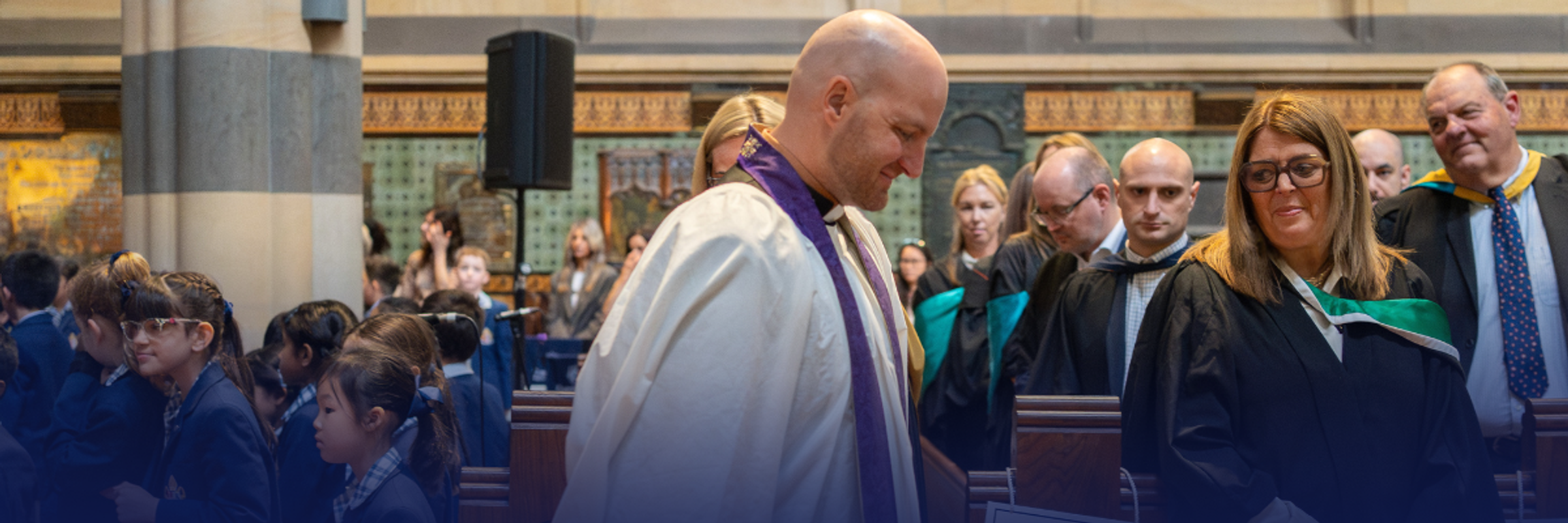
College Chaplain
Reverend Peter Landry
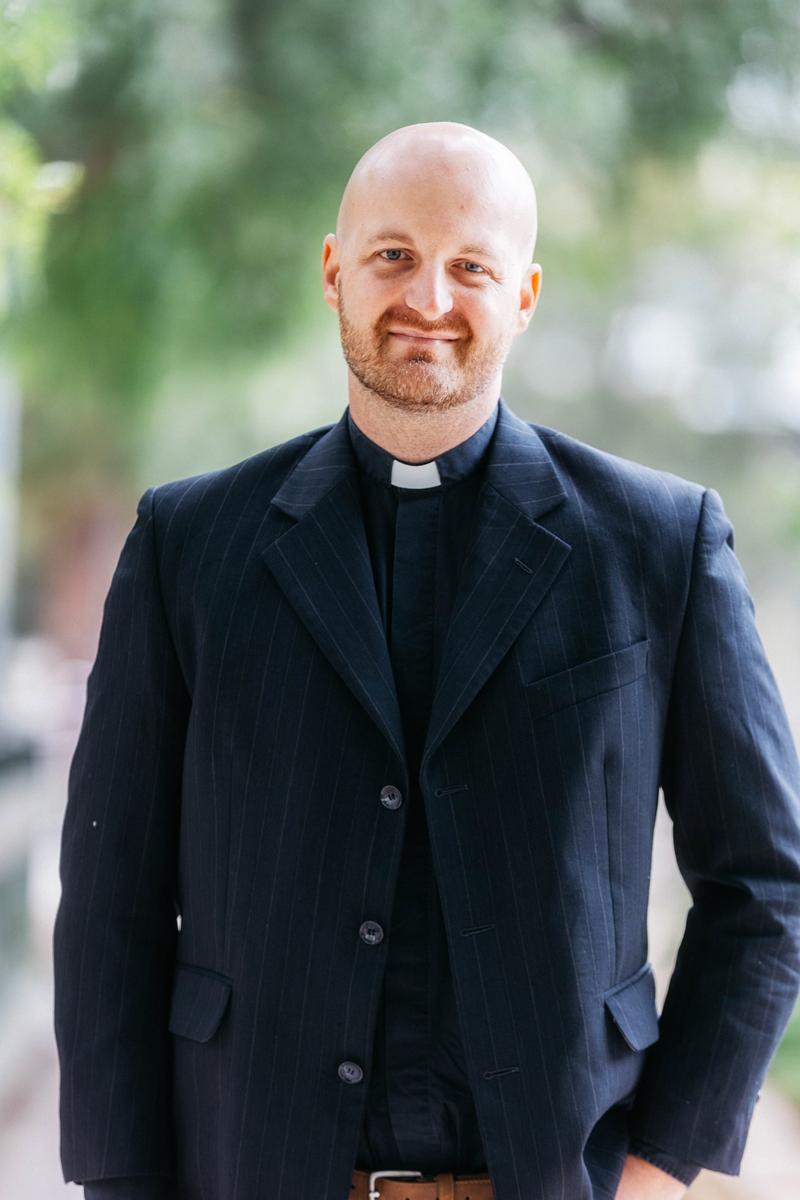
Article by Reverend Peter Landry, College Chaplain
One of the questions I’m most often asked by members of our College community, friends, in-laws, and even Passport Control, is, “What exactly does a College Chaplain do?”
While I occasionally ask myself the same question, my simplest answer is: “I coordinate Chapel Services.”
Which is usually followed by: “And… what exactly is a Chapel Service?”
So, I thought I’d use this newsletter to share a little of the vision behind Chapel at Overnewton, what we’ve been exploring this term, and how you might join your child in the conversations we’re having.
What Is Chapel?
Chapel is a space intentionally set aside from the busyness of the school day. It’s an opportunity for students to pause and reflect on some of life’s big questions:
Who am I?
Who am I becoming?
Why am I here?
How should I treat others?
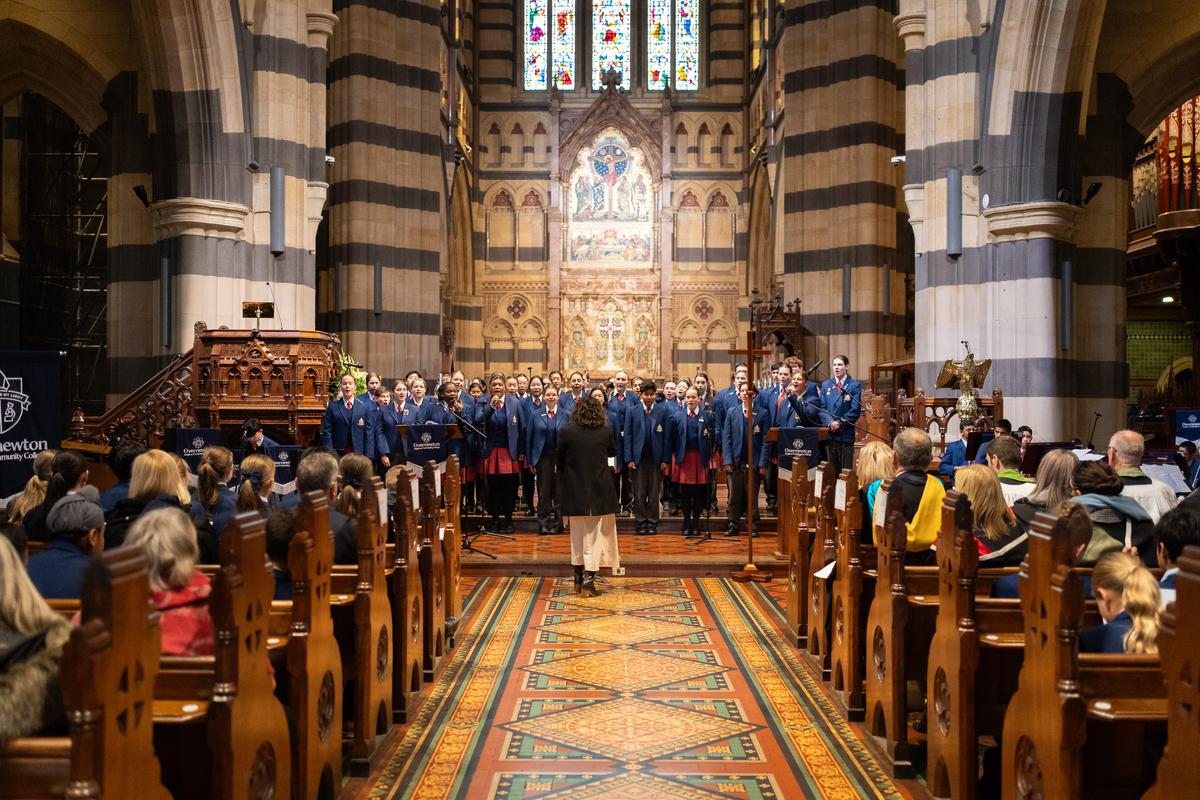
Our services are age-appropriate, engaging, and closely connected to pastoral care, wellbeing programs, and key national events. While Chapel is shaped by our Anglican heritage and Christian tradition, our aim is to create a space where students from all backgrounds can thoughtfully explore character, values, relationships, and cultural understanding.
In short, Chapel is less about telling students what to think, and more about helping them develop the tools to think deeply and live well.
Term 1 Focus: Dignity and Reconciliation
This term, as we look ahead to International Women’s Day, Harmony Week, and Reconciliation Week, our College-wide themes have been:
Respectful Relationships (the “4 R’s”)
Dignity
Reconciliation
Dignity: Our True Worth
Drawing from Genesis 1:27, we explored the idea that human worth is not something we earn. It isn’t based on appearance, ability, popularity, or success. It is inherent.
To illustrate this, I held up a crisp $10 note and asked who would like it. Unsurprisingly, most hands went up. I then crumpled it, dropped it on the floor, stomped on it, and (pretended to) blow my nose on it.
When I asked again who wanted it, the hands still went up.
Why? Because its value hadn’t changed.
That simple illustration captures the heart of dignity. A person’s worth does not diminish because of how they are treated, how they look, or what they have done. Their value is found in who they are.
Reconciliation: Restoring Worth
From there, we explored reconciliation through passages such as 2 Corinthians 5:18 and Galatians 3:28.
If dignity is about recognising worth, reconciliation is about restoring it where it has been diminished.
We discussed how difference (culture, gender, background, belief) is not something that should divide us, but something that paints a fuller picture of God’s goodness found in humanity. By reflecting on International Women’s Day, Harmony Week, and Reconciliation Week, students were able to recognise moments in history where groups of people have had their dignity diminished.
Reconciliation is not about guilt or simply saying sorry. It’s about understanding the experiences of others and taking steps, small or large, to ensure that dignity is upheld and restored.
Easter: The Ultimate Picture of Reconciliation
As we move toward Easter, our Chapel services will explore the Christian belief that Jesus’ life, death, and resurrection represent reconciliation at its deepest level, the restoration of relationship between humanity and God.
In 2 Corinthians 5:18, we read that just as reconciliation was extended to us, we are invited to extend it to others. Whether or not students identify as Christian, the invitation to be restorers of dignity in our world is something we can all consider and is fundamental to our College values.
A Simple Challenge (For All Ages)
Across the College, from Prep to Year 12, the core challenge has been simple. Our youngest students begin Chapel with this prayer:
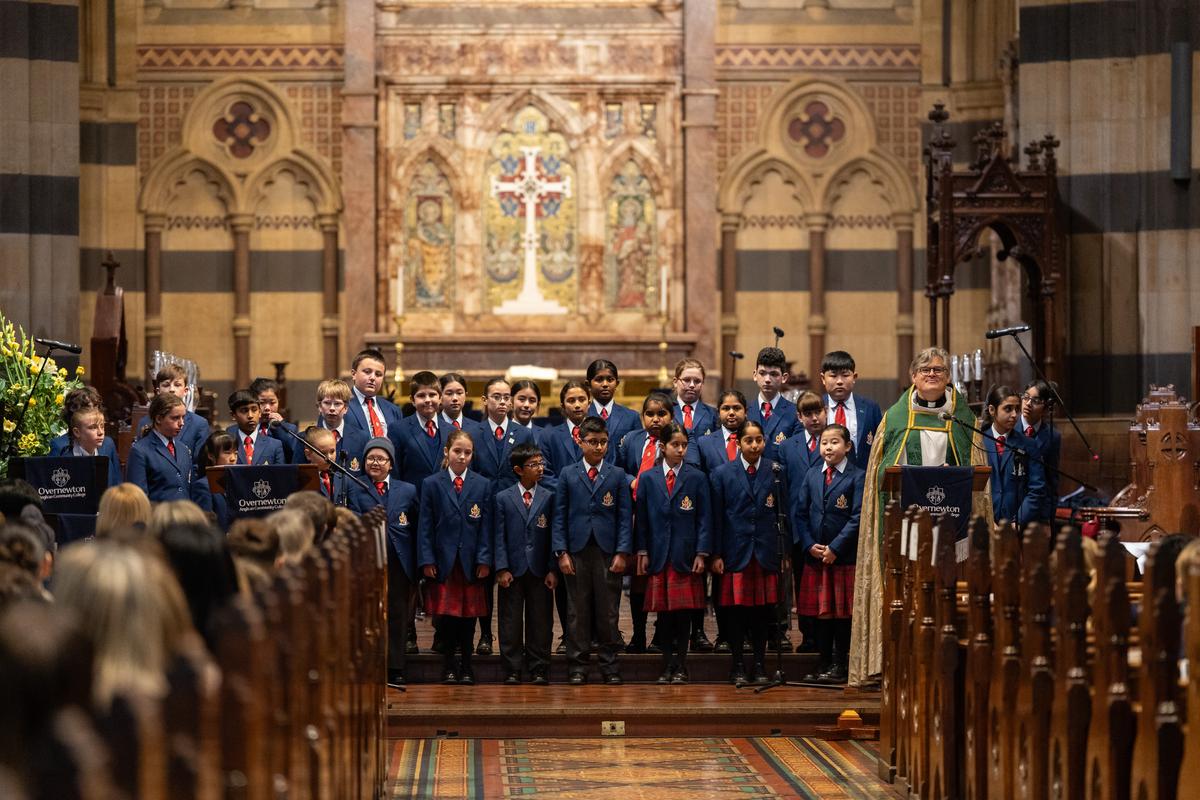
God, please give us:
Ears that listen:
Spend time listening to someone who thinks, looks, or lives differently from you.
Minds that learn:
Be curious. Try new food, explore different perspectives, and reflect on how your words and actions affect others.
Hands that act:
Make small changes that help others feel seen, valued, and included. Be an upstander.
And we remind students: “The Lord is my light.” When you feel less than, remember that your worth is not fragile. You are made with purpose and value.
How You Might Support at Home
There’s no single “right way” to continue these conversations, you know your child and your family context best. However, research consistently shows that when families have regular, open conversations about complex issues, young people grow in confidence to navigate those issues later in life.
A few gentle suggestions:
Continue the conversation. Ask what Chapel has been about and what they think (even if the answer is ‘I can’t remember’ or ‘I wasn’t listening, it was too boring’.
If you are from a different faith background, or no faith background, share your perspective. I value that diversity deeply.
If you are a Christian family, expand on these themes in ways that are meaningful to you or expressed in your tradition.
If prayer is part of your home life, helping your child become familiar with the Lord’s Prayer can support their participation in formal College gatherings.
Chapel is just one part of a much larger partnership between school and home. My hope is that it provides language, stories, and space for students to grow not only academically, but in character and understanding.
Now the next time I am asked about my job at passport control, I can just open this Whispers page.