
Careers Update

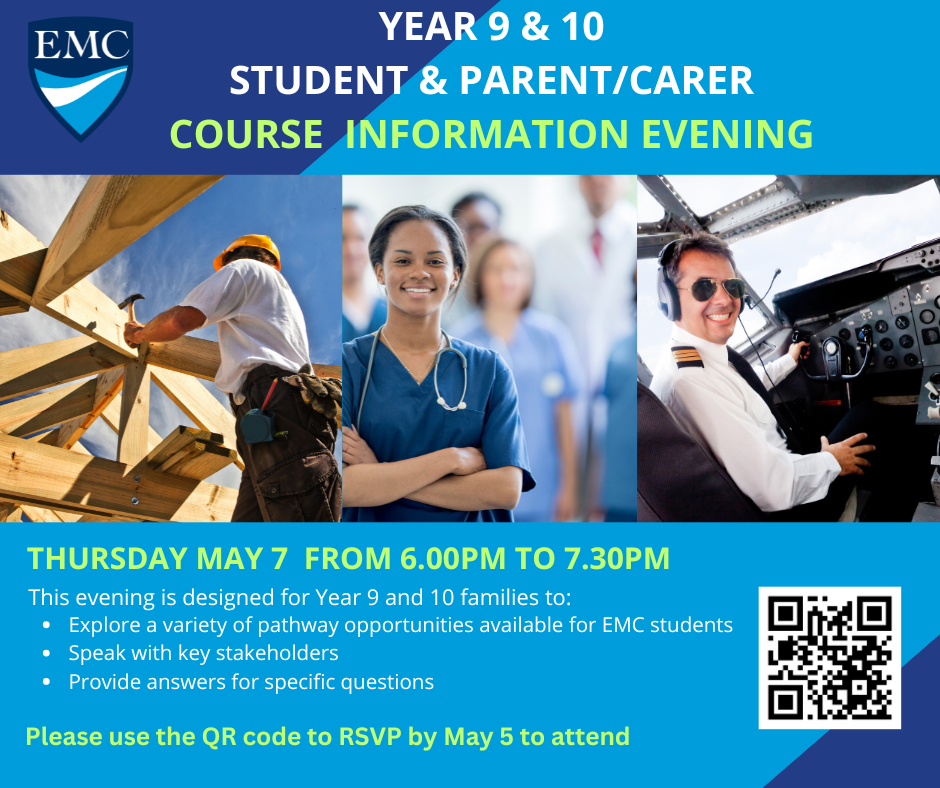
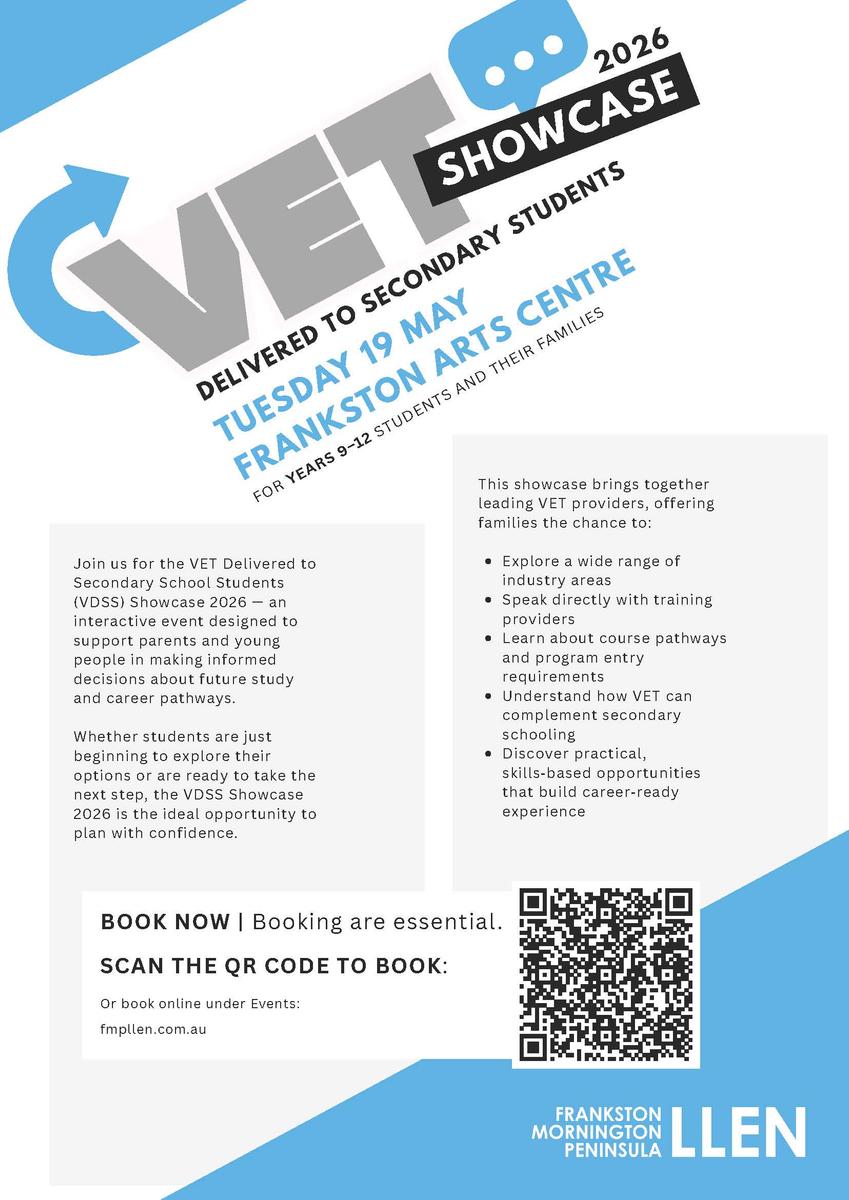
Trade & Tech Fit Career Expo
2-3 June 2026 Melbourne Convention and Exhibition Centre

WHERE BIOLOGY CAN TAKE YOU
Want a subject that connects science, the environment, and real-world impact? Biology equips you to investigate living systems, solve complex challenges, and pursue careers that make a difference for people and the planet.
At school, biology is about much more than memorising diagrams of cells or labelling parts of the human body. It is the study of life in all its forms, from microscopic organisms to complex ecosystems. It helps you understand how living things grow, adapt, survive, and interact with the world around them.
If you’re curious about how your body works, how diseases spread, how plants grow, or why environmental changes affect wildlife, biology gives you the tools to explore those questions properly. It is a subject grounded in evidence, observation, and careful investigation. And for students who enjoy asking how and why, it can open the door to a wide range of meaningful career pathways.
The skills you build studying biology
One of the biggest advantages of studying biology is the broad set of transferable skills you develop along the way.
Scientific investigation
Biology teaches you how to plan experiments, test ideas, and draw conclusions based on evidence. You learn how to control variables, measure results accurately, and evaluate whether your findings are reliable. This structured approach to solving problems is useful in many careers that require logical thinking and careful judgement.
Analytical thinking
Living systems are complex. Whether you are studying genetics, ecosystems, or human physiology, you must interpret information, identify patterns, and understand the relationships between different processes. Over time, you become more confident working with data and making sense of detailed information.
Ethical awareness
Modern biology raises important questions about healthcare, genetic technology, and environmental responsibility. Discussing these topics helps you consider consequences, weigh evidence, and understand different viewpoints.
Communication
From writing lab reports to explaining complex processes in class, biology strengthens your ability to communicate technical information clearly. Being able to explain complicated ideas in a structured way is a skill employers consistently value.
Biology in a changing world
Biology plays a central role in many of today’s global challenges and developments.
- Public health relies on biological research to understand disease and develop treatments. Scientists use their knowledge of cells, viruses, and immune responses to design vaccines and medicines that protect communities.
- Environmental change also depends on biological understanding. As habitats shift and species face new pressures, conservation scientists and ecologists monitor populations, study ecosystems, and develop strategies to protect biodiversity.
- Food production is closely linked to biological science. Researchers study plant genetics, soil health, and pest resistance to improve crop yields and maintain stable food supplies.
- Advances in biotechnology and genetics are transforming medicine and industry. Personalised treatments based on genetic information are becoming more common, and biological research continues to shape new medical and technological innovations.
Biology is not a subject that stands still. It evolves as new discoveries are made and as society faces new questions.
Careers directly related to biology
Some career pathways build directly on what you study in biology. If you enjoy the scientific and practical aspects of the subject, there are careers where biology is central to the role.
Healthcare
Biology forms the foundation for many healthcare professions. Doctors, nurses, pharmacists, Physiotherapists, and biomedical scientists rely on a strong understanding of human anatomy, physiology, and disease processes to support patients and guide treatment decisions.
Laboratory and Research
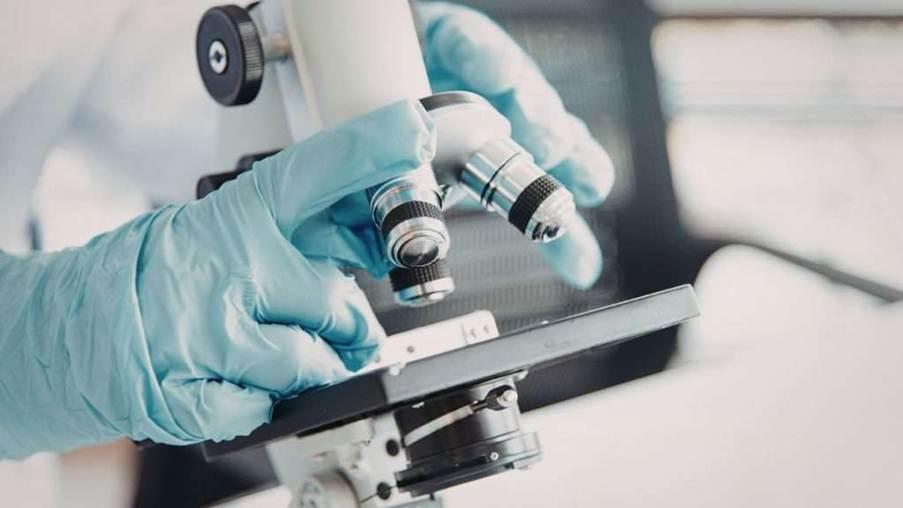
If you are interested in investigation and discovery, laboratory based careers may appeal to you. Microbiologists study bacteria and viruses. Geneticists explore how traits are inherited and how genes influence health. Biotechnologists work with living systems to develop new products and technologies. Forensic scientists apply biological techniques to analyse evidence in criminal cases.
Environmental science
Careers in environmental science focus on living systems in the natural world. Marine biologists study ocean life, ecologists examine interactions between species, and conservation scientists develop strategies to protect threatened habitats and wildlife.
Where could it take you?
Biology helps you understand the living world with clarity and evidence. It builds habits of careful thinking and responsibility that are valuable in many professional settings.
Whether you choose to work directly in healthcare, research, environmental science, industry, or policy, biology can be the starting point. If you are motivated by understanding life and contributing to informed solutions, studying biology could be a strong and flexible foundation for your future.
Not only does EMC run both VCE Biology and Environmental Science, we also have a relationship with Holmesglen TAFE who run VET Laboratory Skills at their Moorabbin Campus for Senior School Students every Wednesday afternoon as a two year Certificate III course.