Science
Biological Sciences
This term, students across the school have been busy consolidating their learning in biology by applying their knowledge in meaningful and creative ways. As a culmination of their units, students completed a project or task that demonstrated their understanding of key biological concepts, allowing them to apply what they have learned through hands-on investigations, designs, and presentations. These tasks supported students in showing their thinking, explaining scientific ideas, and making connections to the world around them.
Prep
Prep students explored how animals survive by designing a shelter for a chosen animal. Through drawing and writing, students identified the basic needs of their animal, such as food, water, shelter and safety, and explained how their shelter supported survival. This hands-on task encouraged creativity while building early understanding of living things and their needs. Students extended their learning by exploring Aboriginal and Torres Strait Islander perspectives, learning how First Nations peoples understand animals, habitats and caring for living things on Country.
Level 1
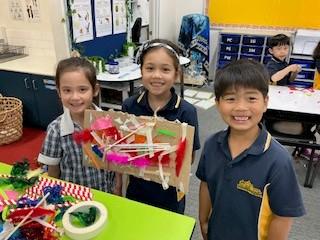
Level 1 students investigated how animals’ external features help them survive by creating a dinosaur shield. They selected and combined features from different dinosaurs—such as spikes, armour or strong tails—to design a shield that would protect their dinosaur in its environment. This activity helped students develop an understanding of how features support survival. Students further extended their knowledge by learning about Aboriginal and Torres Strait Islander perspectives, including how animals are observed, represented and respected in stories and knowledge systems passed down over time.
Level 2
Students developed their understanding of how animals survive by identifying and describing different features such as legs, wings, gills, and teeth. They explained how these features help animals move, breathe, find and eat food, and respond to their environment. Students also explored the life cycle of a plant or animal, identifying each stage such as a seed to adult plant, and described what their chosen plants or aniaml needs to survive and grow, including water, sunlight, air, and soil. Each Level 2 student presentedc their lifecycle to the their grade. Through these activities, students built their knowledge of how living things grow, change, and meet their needs.
Level 3
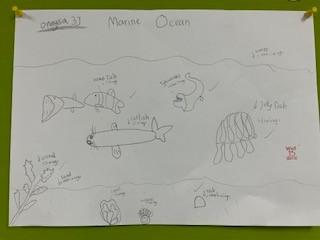
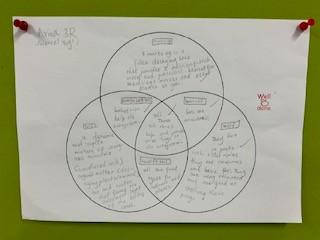
Level 3 students designed an environment and identified living, non-living and once-living things within it. Through drawing and written explanations, students demonstrated their understanding of how different elements interact within an environment. This task strengthened classification skills and ecological thinking. Students deepened their learning by exploring Aboriginal and Torres Strait Islander perspectives, considering how Country is viewed as a connected system where living and non-living elements work together.
Level 4
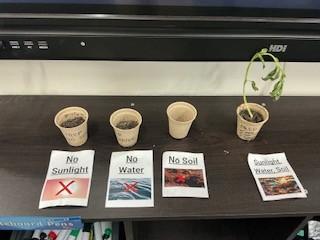
Level 4 students conducted a long-term investigation by completing a broad bean journal. They tracked changes in their plants over time, observing growth and recording what plants need to thrive, such as water, sunlight and soil. This ongoing task built skills in scientific observation, recording and reflection. Students extended their understanding by learning from Aboriginal and Torres Strait Islander perspectives, exploring traditional knowledge about caring for plants, seasonal changes and sustainable growing practices.
Level 5
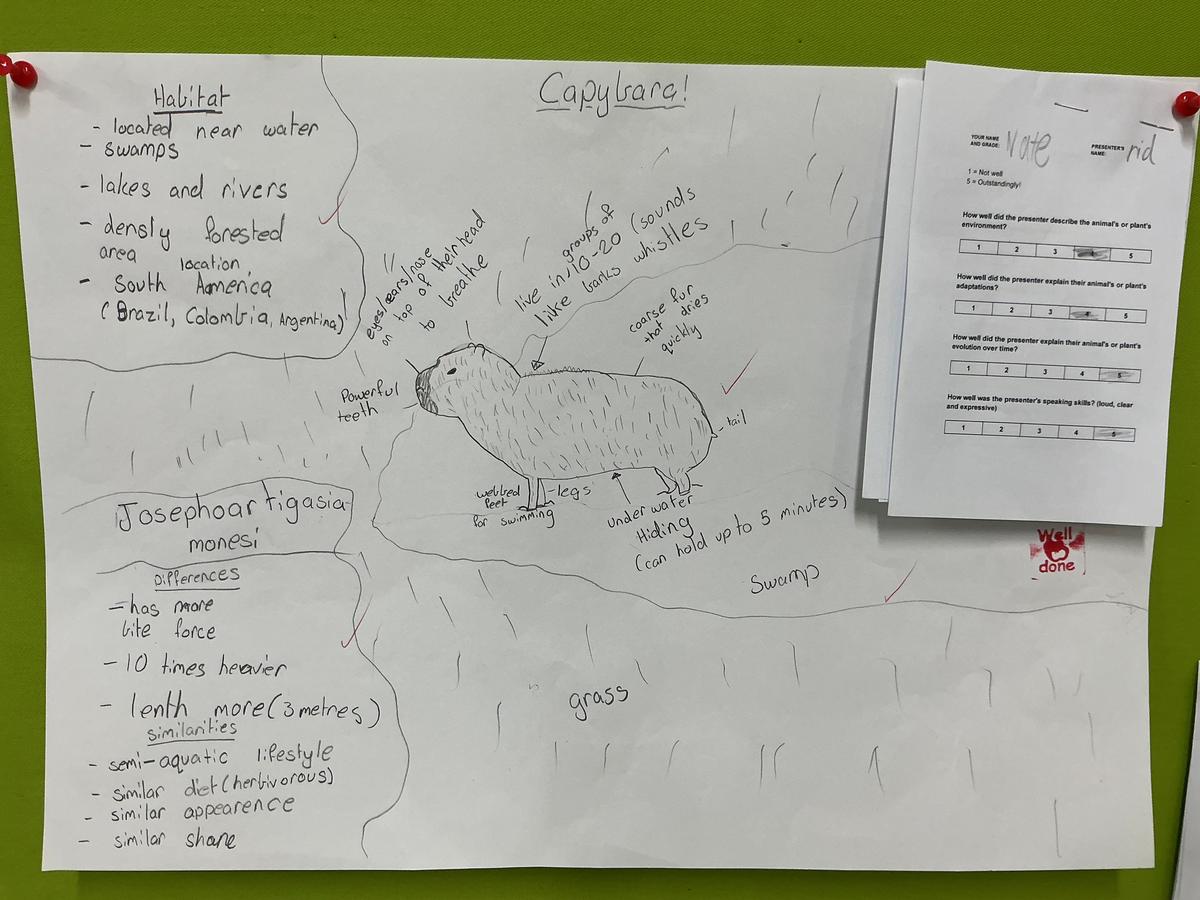
Level 5 students designed an animal or plant adaptation poster, explaining how specific features support survival and how the species has evolved over time. Students then presented their work to their peers, developing confidence in communicating scientific ideas. This task supported deeper understanding of adaptation, evolution and evidence-based reasoning. Students further extended their learning through Aboriginal and Torres Strait Islander perspectives, examining how long-standing knowledge systems describe animal and plant adaptations to different environments.
Level 6
Level 6 students created an environmental impact news report focusing on an endangered animal or plant. Their reports highlighted threats to the species, the data behind population changes, and actions individuals and communities can take to help protect these species. This rich task developed research, critical thinking and persuasive communication skills. Students extended their learning by exploring Aboriginal and Torres Strait Islander perspectives on caring for Country, understanding how traditional knowledge and stewardship play a vital role in protecting endangered species.
Thank you to our students, families and staff for a fantastic term of learning and growth. We look forward to seeing everyone next term as we dive into an exciting new focus on Physical Sciences. Enjoy the break and see you soon!