
Parent Wellbeing
In case you missed it...

Parent Wellbeing
In case you missed it...
With recent headlines moving quickly and appearing across multiple platforms, it can feel almost impossible to avoid the news. Much of the media coverage has been confronting and stressful, particularly when it touches on topics that can make people feel unsafe or uncertain about the world around them.
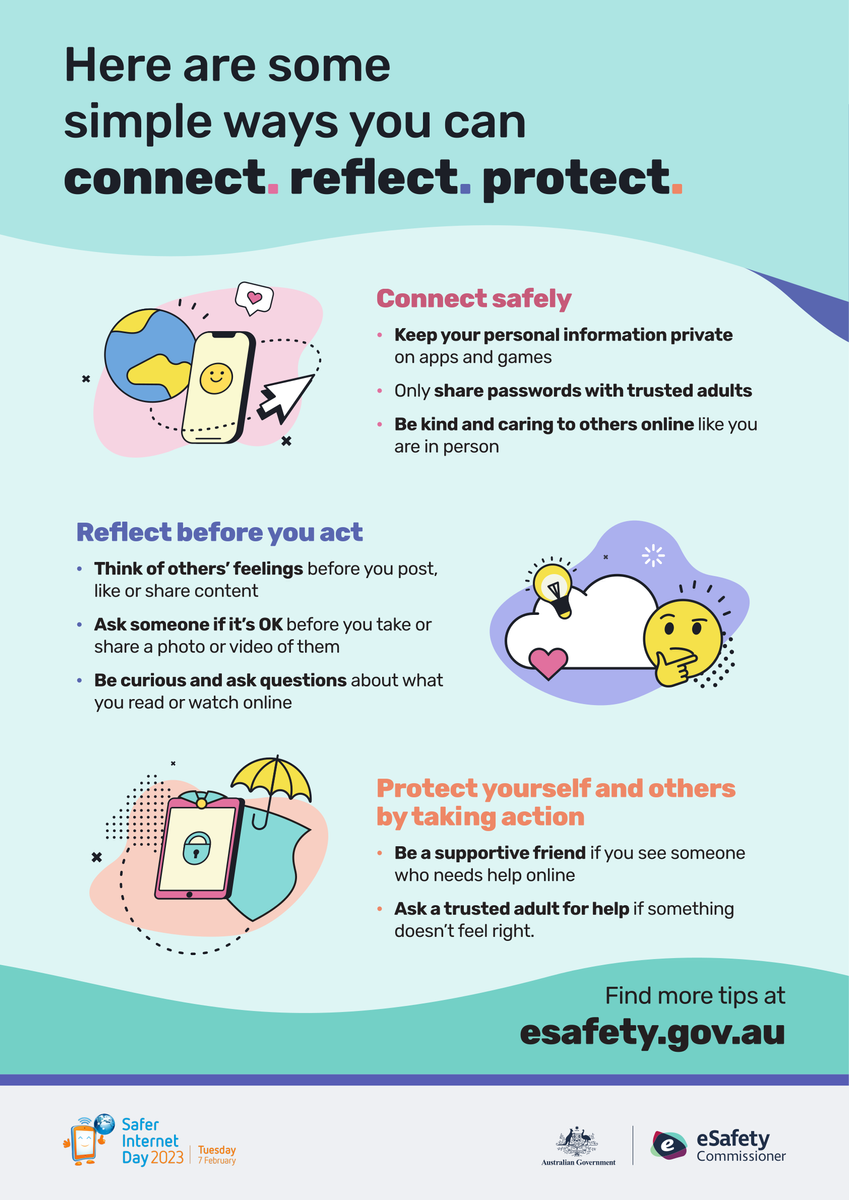
For parents of teenagers, this can feel especially challenging. It is natural to want to protect young people from distressing news and allow them the space to simply enjoy being teenagers. However, in a world where social media and online platforms are a large part of young people’s daily lives, it can be difficult to fully control what content they encounter. While we cannot completely shield our children from the media they engage with, we can support them by guiding conversations, encouraging critical thinking, and monitoring how they are responding during times when news coverage feels particularly heavy.
Periods of intense media coverage can provide an opportunity for parents and teenagers to build healthy communication. Open discussions about what young people are seeing online can help create a safe environment where they feel supported when processing distressing content. Talking about the news together can also help relieve anxiety, as it gives young people space to ask questions, share their thoughts, and make sense of what they are seeing.
These conversations do not need to feel formal or interrogative. A simple and open approach can help, such as saying: “I’ve noticed there’s been a lot of heavy things in the news lately. Have you been seeing much of it on your social media?”
Keeping the conversation open and calm allows young people to share their perspectives without feeling judged or pressured. Listening with curiosity rather than immediately correcting or dismissing their views can help teenagers feel heard and supported. These discussions also provide an opportunity to build critical thinking skills, helping young people question sources of information and form their own opinions rather than relying solely on social media feeds or comment sections.
Another important aspect of supporting young people is helping them develop healthy habits around media consumption. Encouraging teenagers to consider where their information comes from and to understand the difference between misinformation, disinformation and credible sources can help them navigate online spaces more confidently.
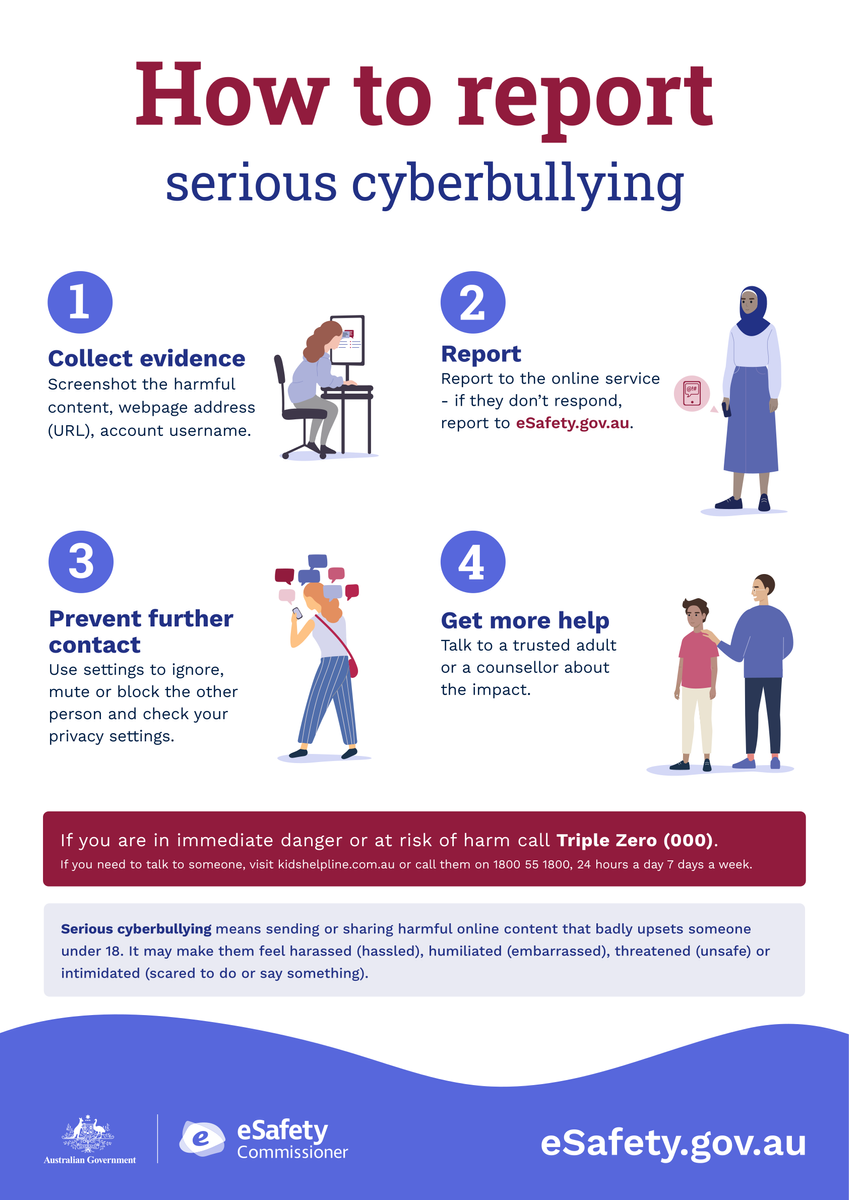
Parents may also wish to remain aware of signs that their teenager may be emotionally affected by what they are seeing online. Some young people may become more withdrawn, appear anxious or overwhelmed, or express a more negative or hopeless view of the world.
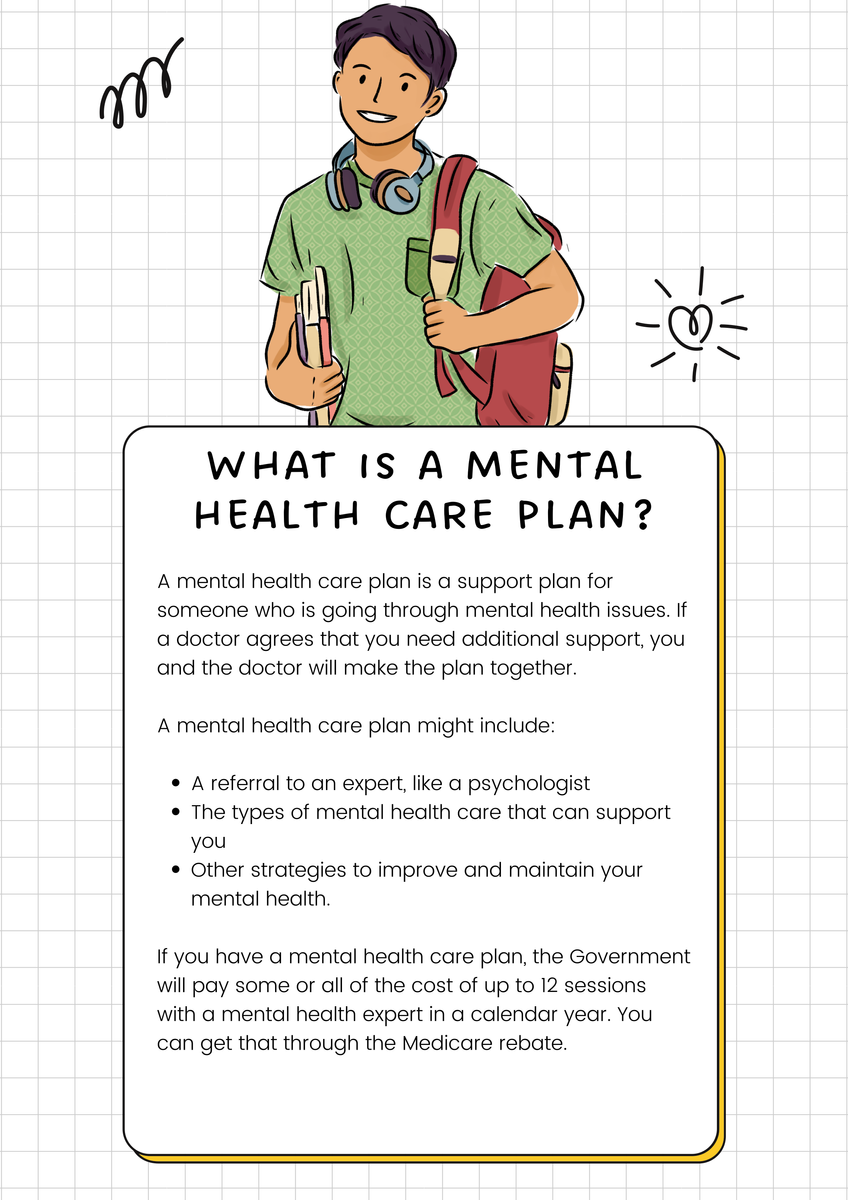
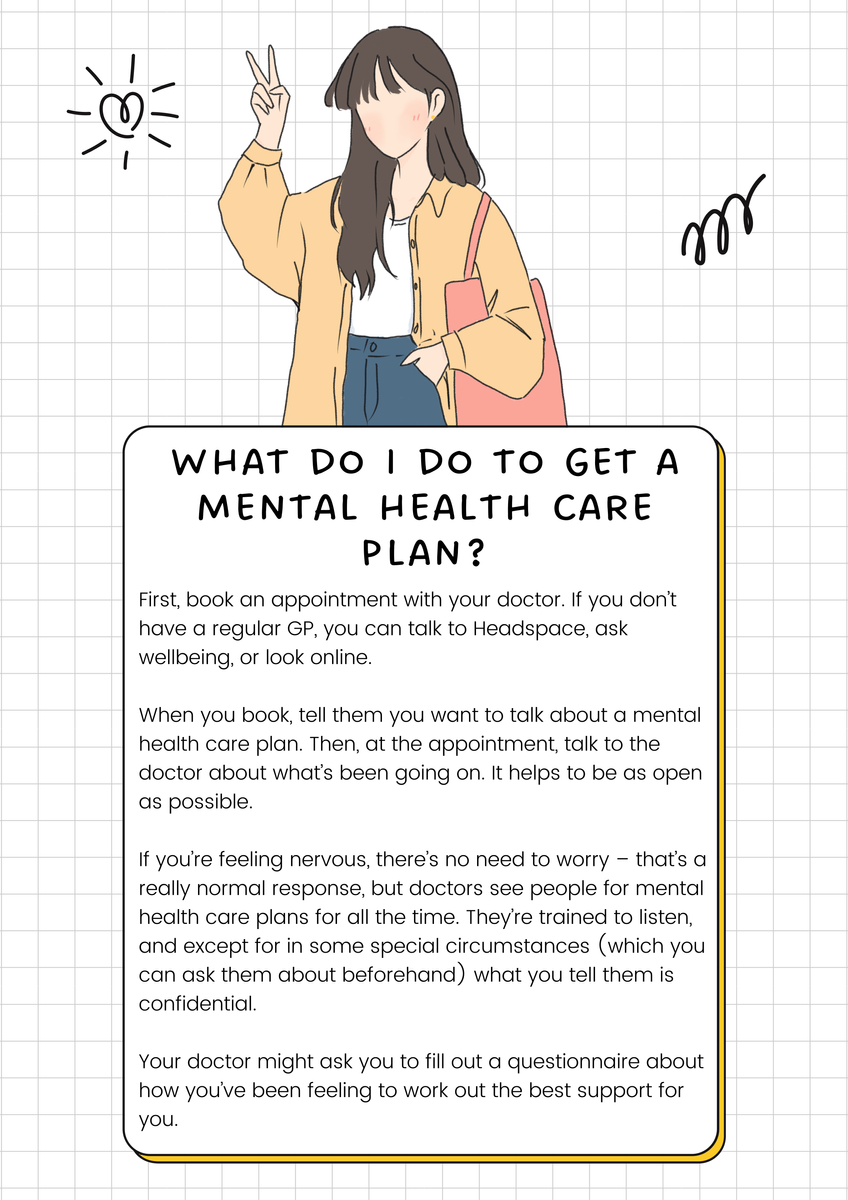
Conversations about emotions, technology use, and online experiences can sometimes feel awkward or challenging for both parents and teenagers. If you feel these discussions are difficult to navigate, additional support is available. Parents and students are always welcome to reach out to the school’s wellbeing team or year level leaders for guidance.
Supporting Healthy Media Habits at Home
Some small strategies that can help young people manage heavy media content include:
Encouraging regular breaks from phones and social media.
Talking together about where news comes from and how to recognise credible sources.
Checking in with your teenager about how the news is making them feel.
Encouraging balance through hobbies, sport, social activities, and time offline.
Modelling healthy media habits as adults, including taking breaks from distressing news.
Young people today receive a large amount of information through online platforms and social media. While it is not possible to shield them from everything they encounter, parents can play a vital role in helping them learn how to process difficult information with empathy, perspective, and critical thinking.
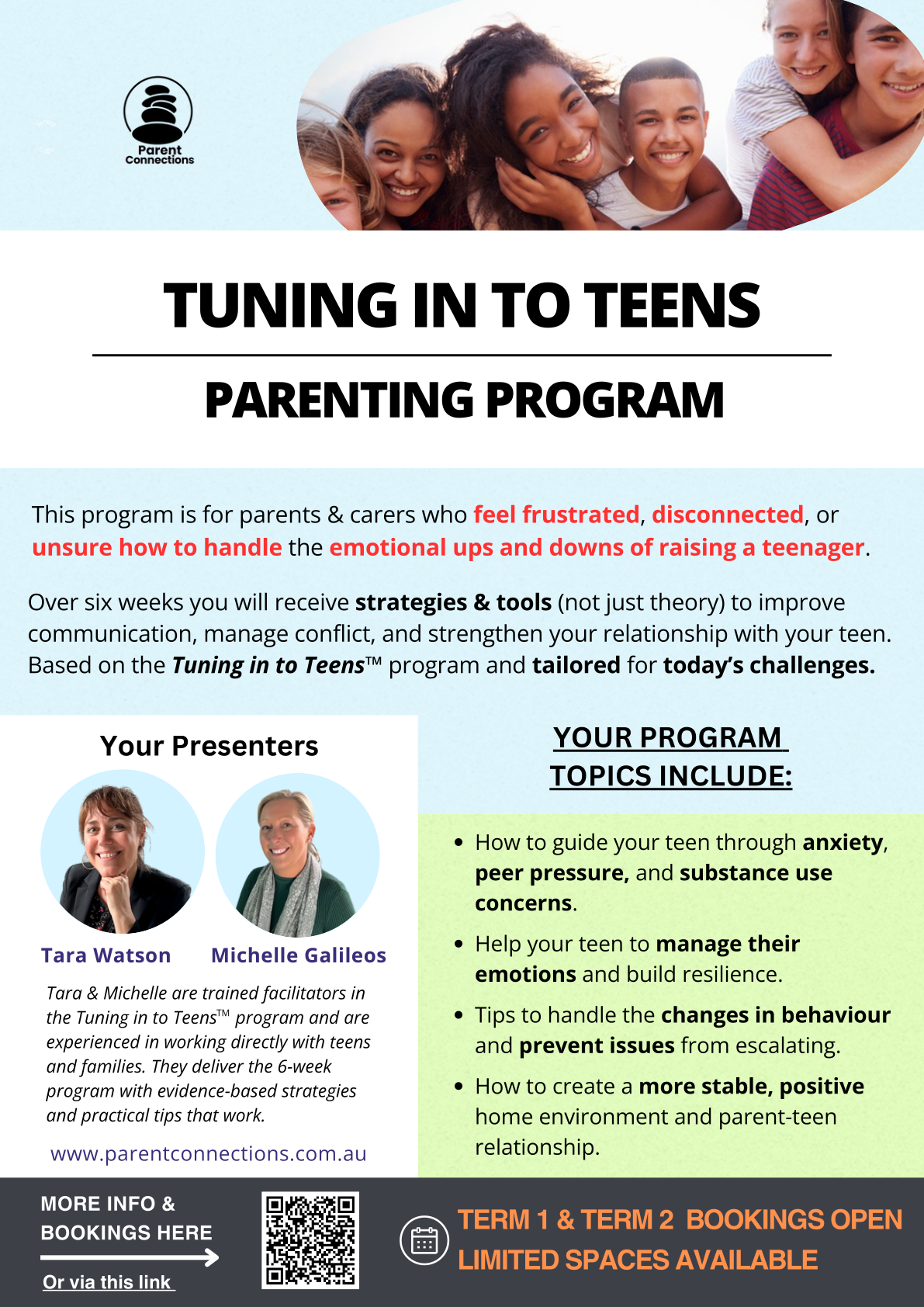
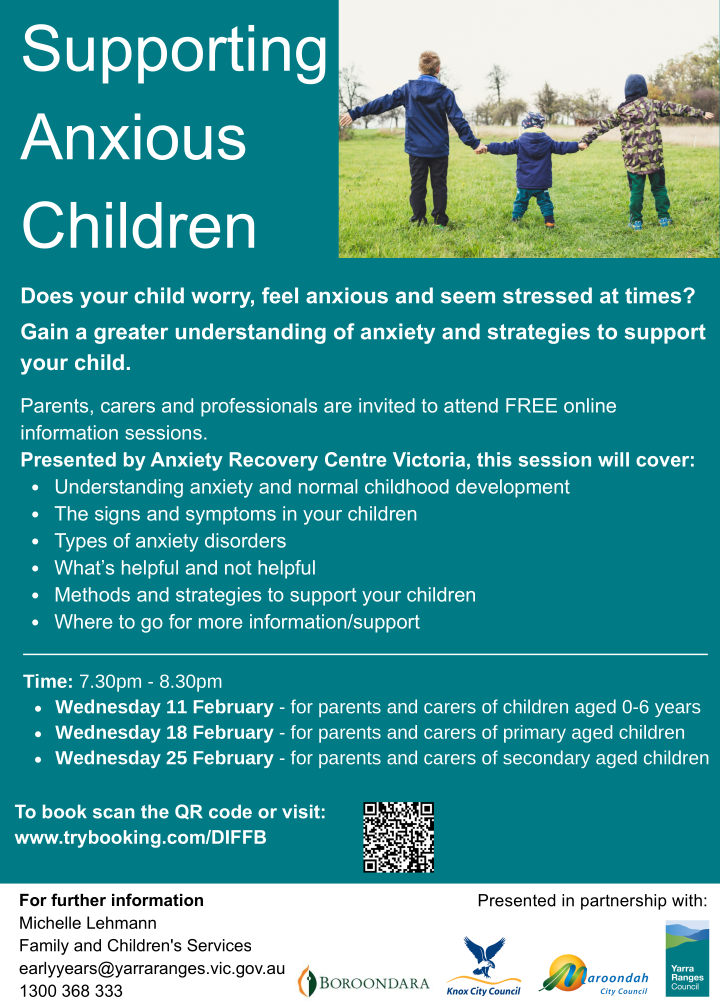
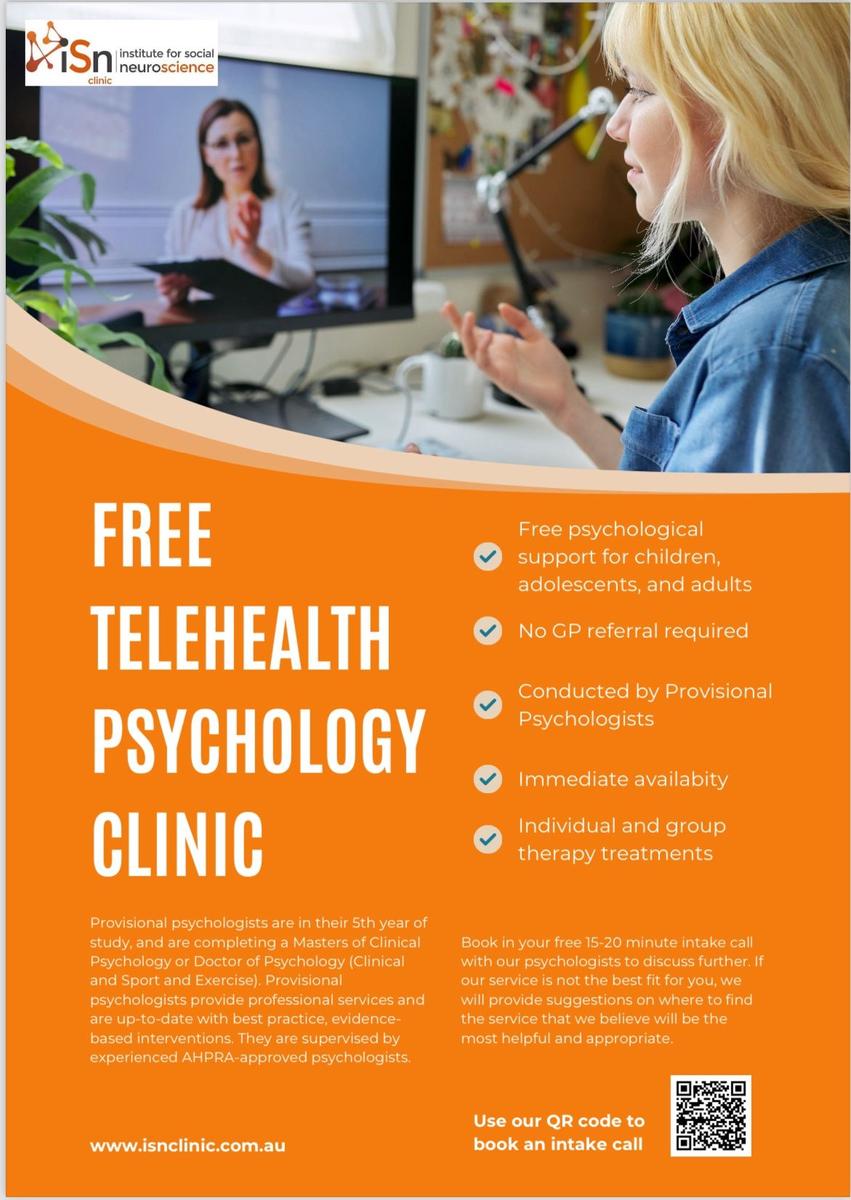
There are a number of upcoming parent workshops and online sessions available to parents:

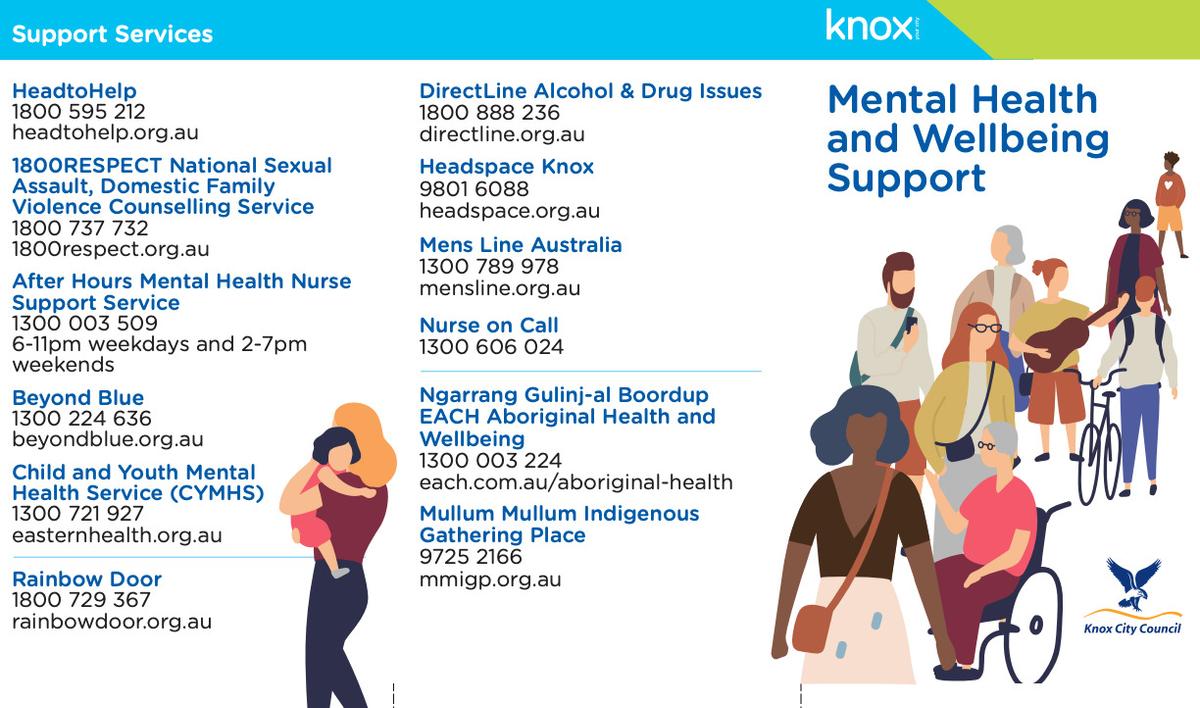
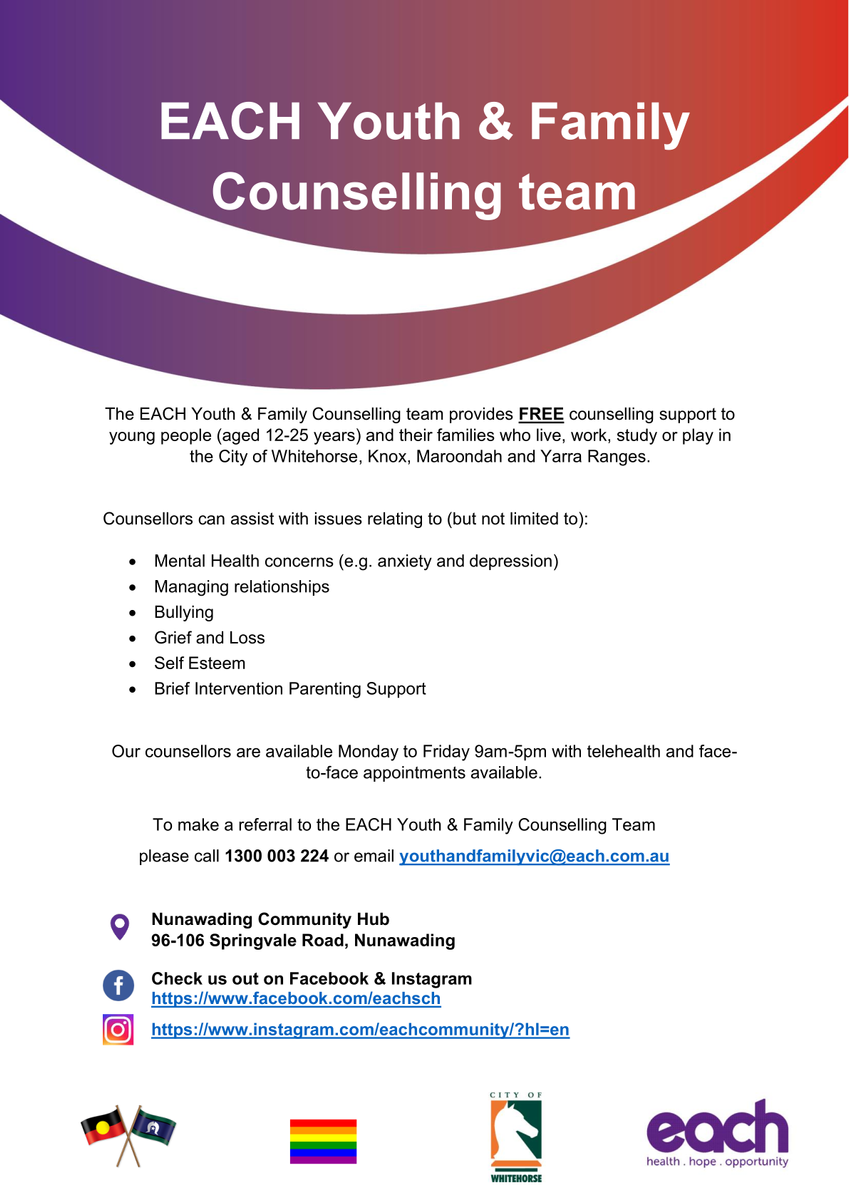
EACH - Health Services 1300 003 224
These services are free or low-cost.
93 Boronia Rd, Boronia
Youth Mental Health Services 9298 8469
headspace 1800 650 890
Safe Steps Family Violence Response Centre 1800 015 188 (24 Hours)
1800 Respect 1800 737 732 (24 Hours)
Nurse on Call 1300 60 60 24
The Butterfly Foundation 9822 5771
FriendLine 1800 424 287
24/7 Mental Health Hotlines:
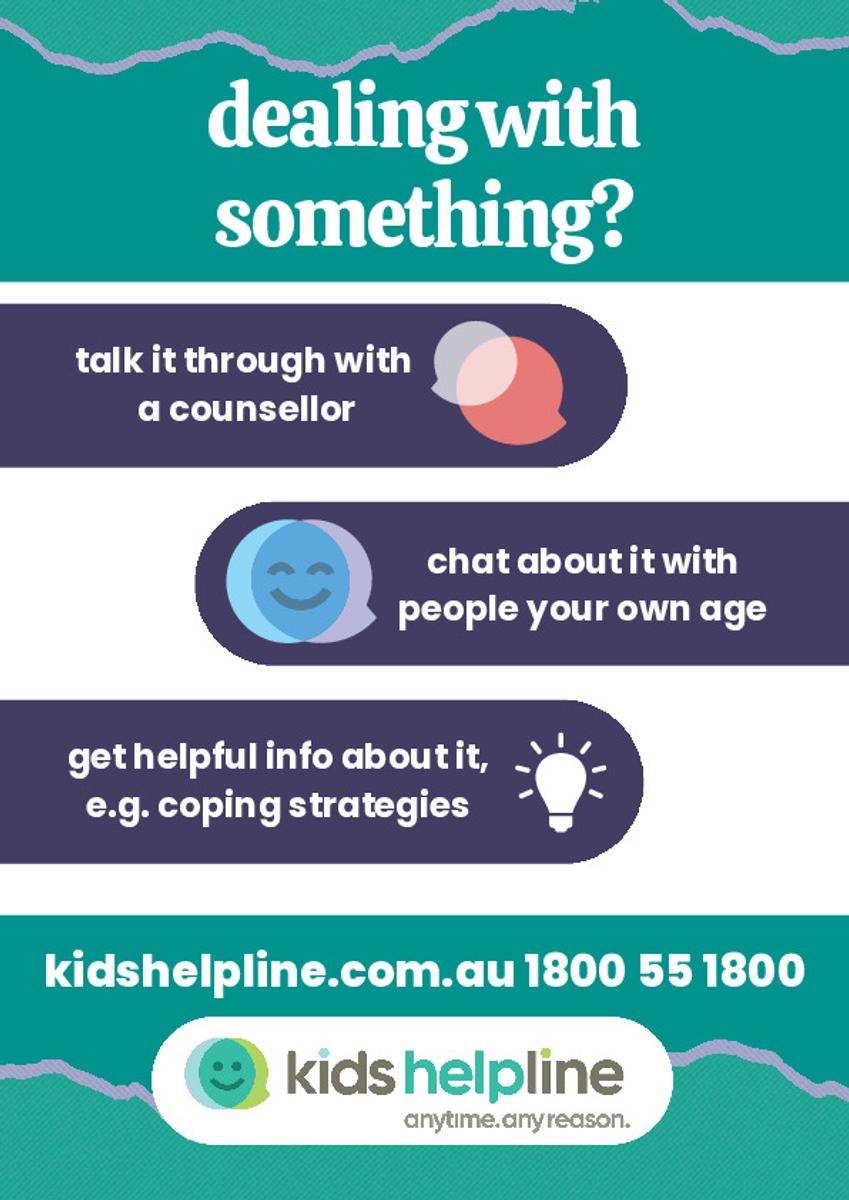
Kids Helpline 1800 55 1800
Lifeline - Call 13 11 14, text 0477 13 11 14 or chat online.
Suicide Call Back Service 1300 659 467 or suicidecallbackservice.org.au
Beyond Blue 1300 22 4636
Student Wellbeing Team
Email: wellbeing@wantirnacollege.vic.edu.au
Chelsea Collings - Leader of Wellbeing
Guiseppe Relia – Wellbeing Counsellor
Sanela Avdic - Wellbeing Counsellor
Talea-Jane Simpson – Wellbeing Counsellor
Tajinder Wulff - Mental Health Practitioner 7-8