
Student Wellbeing
When the Feed Gets Heavy
Many of you have probably noticed the recent headlines and news stories popping up all over social media. It’s completely normal to feel worried, overwhelmed, or even anxious when constantly seeing negative or distressing news. It’s also very easy to get pulled into doomscrolling, where you keep scrolling through bad news without even realising how much time has passed.
Here’s an interesting (but concerning) fact: a study from MIT found that false news stories are 70% more likely to be shared on X (formerly Twitter) than true stories, and they spread six times faster.
Seeing a constant stream of heavy news can really impact our mood and mindset. Sometimes we feel like we have to keep reading everything so we stay informed or show empathy. But when we take in too much of this content, it can leave us feeling overwhelmed and stuck in a negative headspace. That’s why it’s important to prioritise balance and self-care.
If you notice yourself becoming hyper-focused on the news, overthinking things, catastrophising, or feeling anxious, that might be your sign to take a step back and give your mind a break.
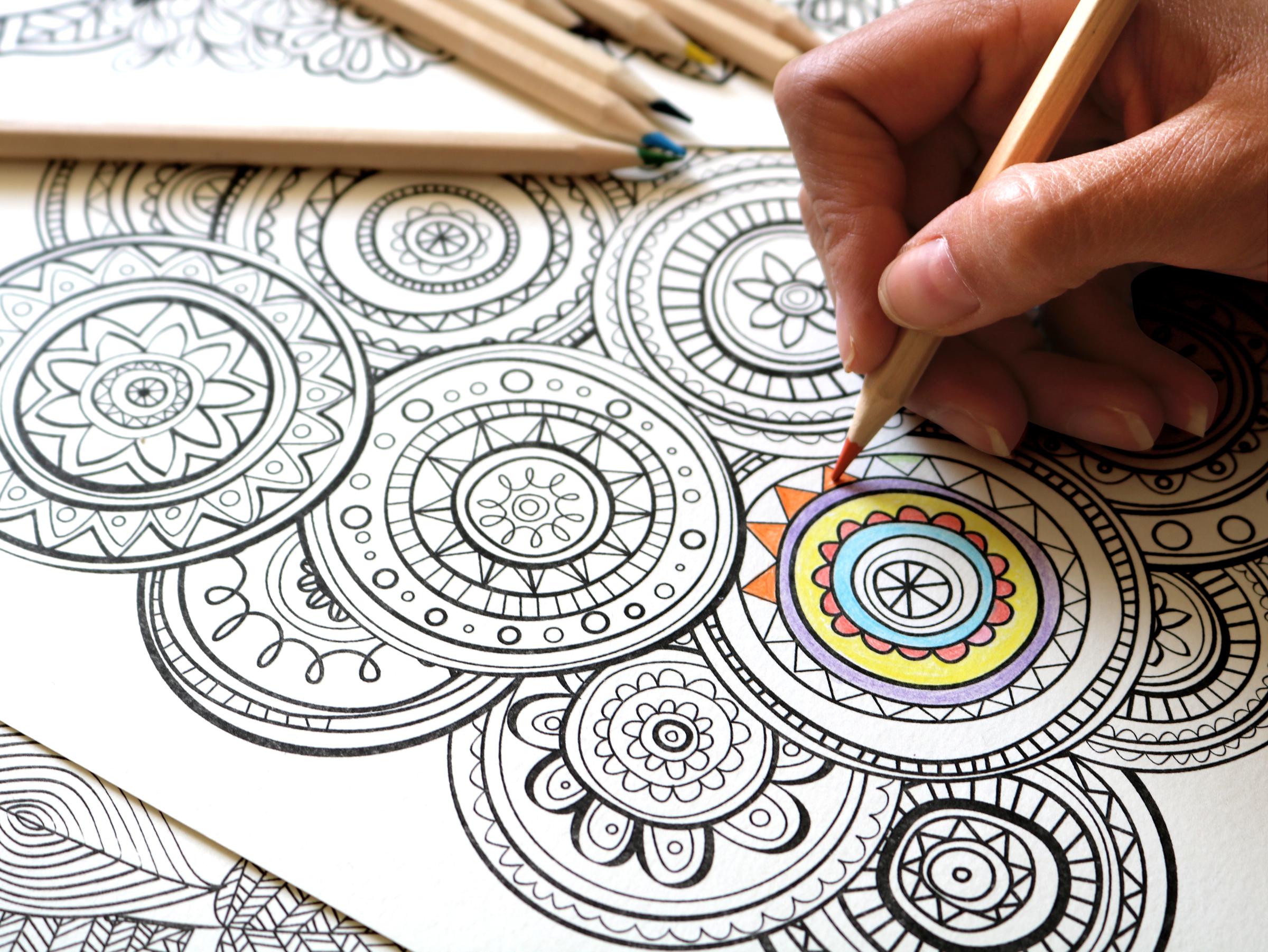
Taking a break from the feed can look different for everyone. It might mean putting a timer on your social media apps, stepping away from your phone for a while, watching a movie or TV show, reading a book, going for a walk, or spending time on hobbies you enjoy. The goal is to do something that helps you relax, reset, and shift your focus.
If you feel like you don’t really have hobbies at the moment, or the things you used to enjoy aren’t as interesting anymore, that’s okay too. It can actually be a great opportunity to try something new and learn more about what you enjoy.
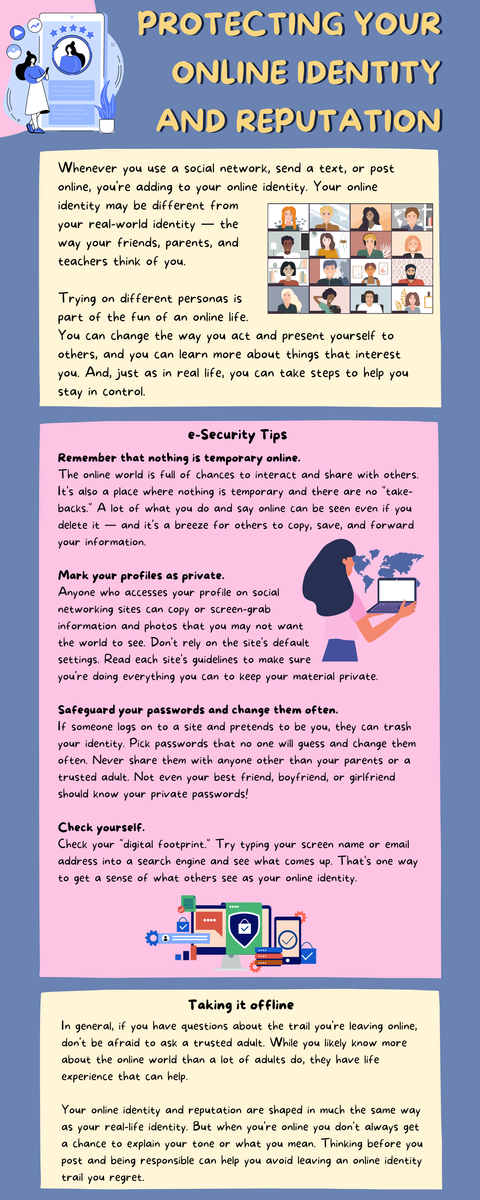
Another important thing to remember is that not everything we see online is accurate. Because social media moves so quickly, misinformation and biased content can spread very easily. While we can’t stop people from posting incorrect information, we can be thoughtful about what we choose to believe and share.
Developing critical thinking skills is really important when navigating online spaces. This can mean noticing emotionally loaded or biased words in headlines, checking where the information is coming from, and looking at multiple sources before accepting something as fact.
It’s also helpful to understand the difference between misinformation and disinformation.
Misinformation is false information that is shared by mistake.Disinformation is false information that is deliberately spread to mislead people or push a specific agenda.
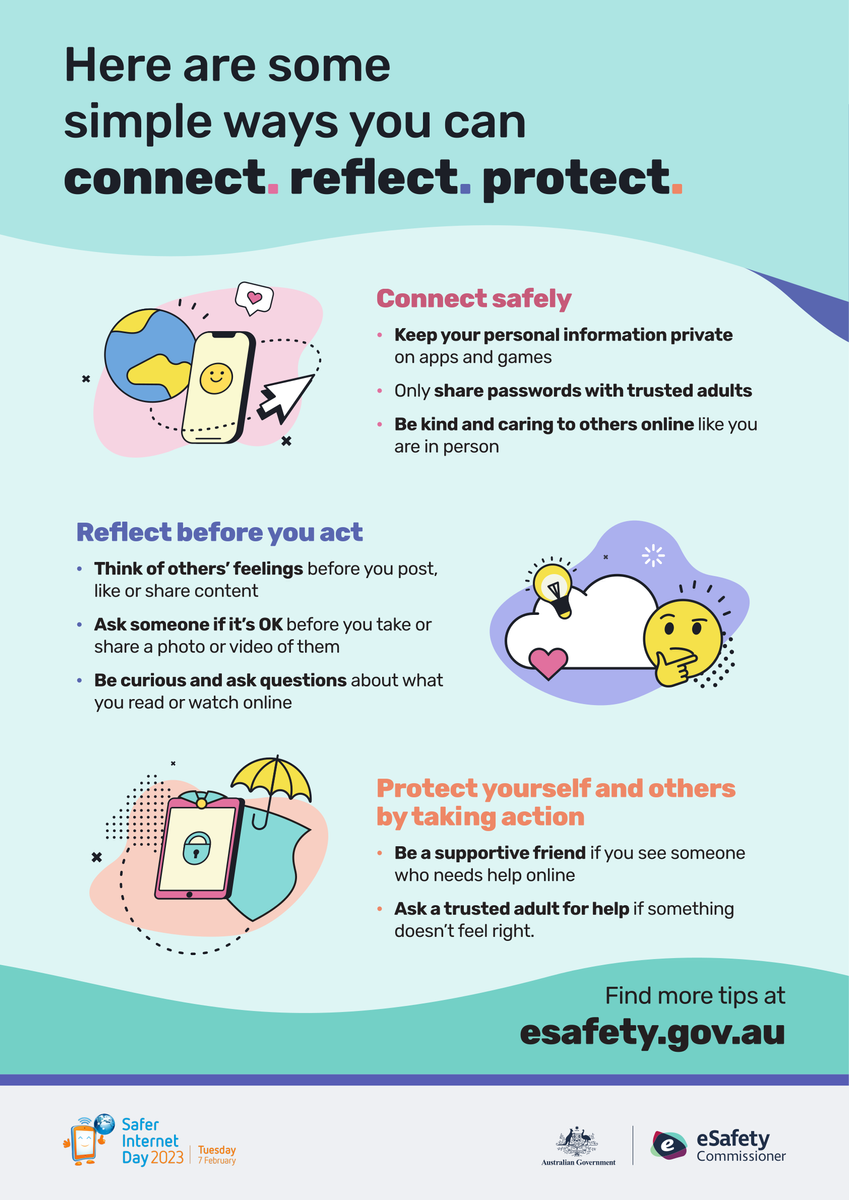
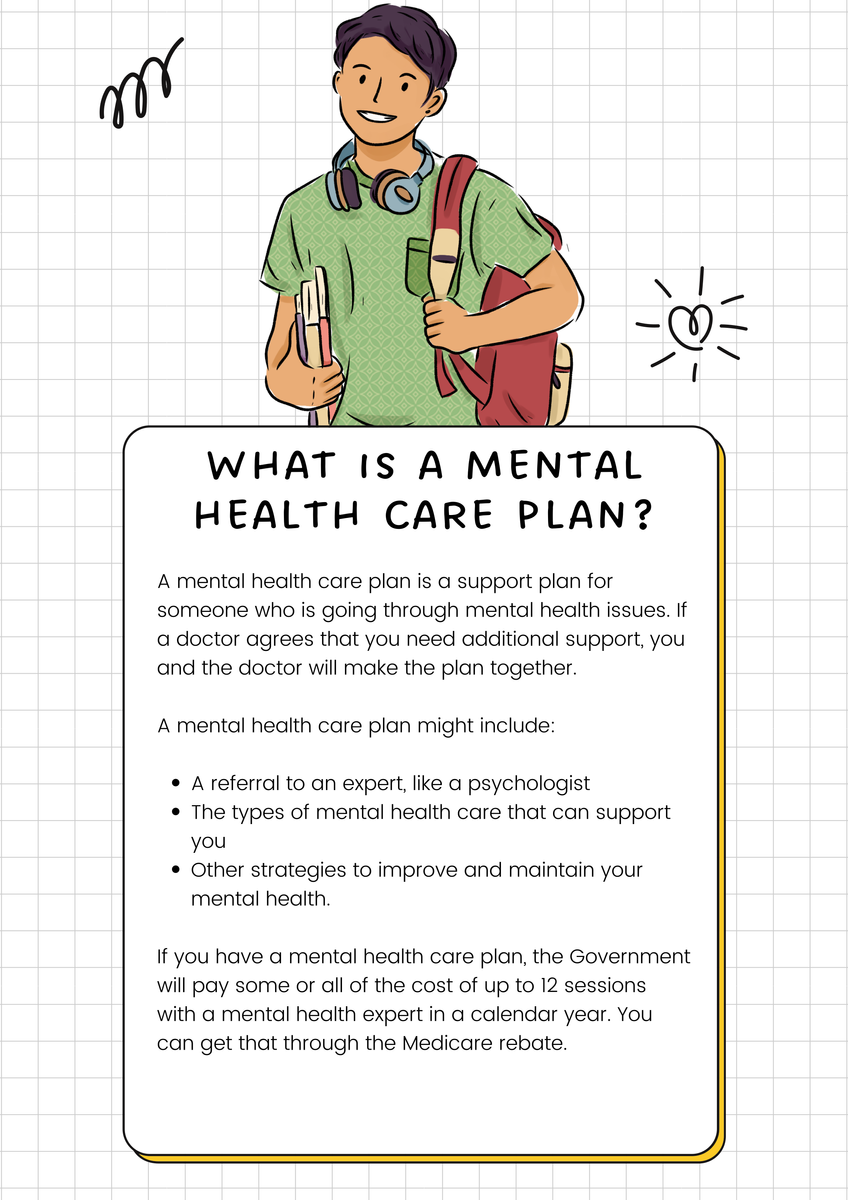
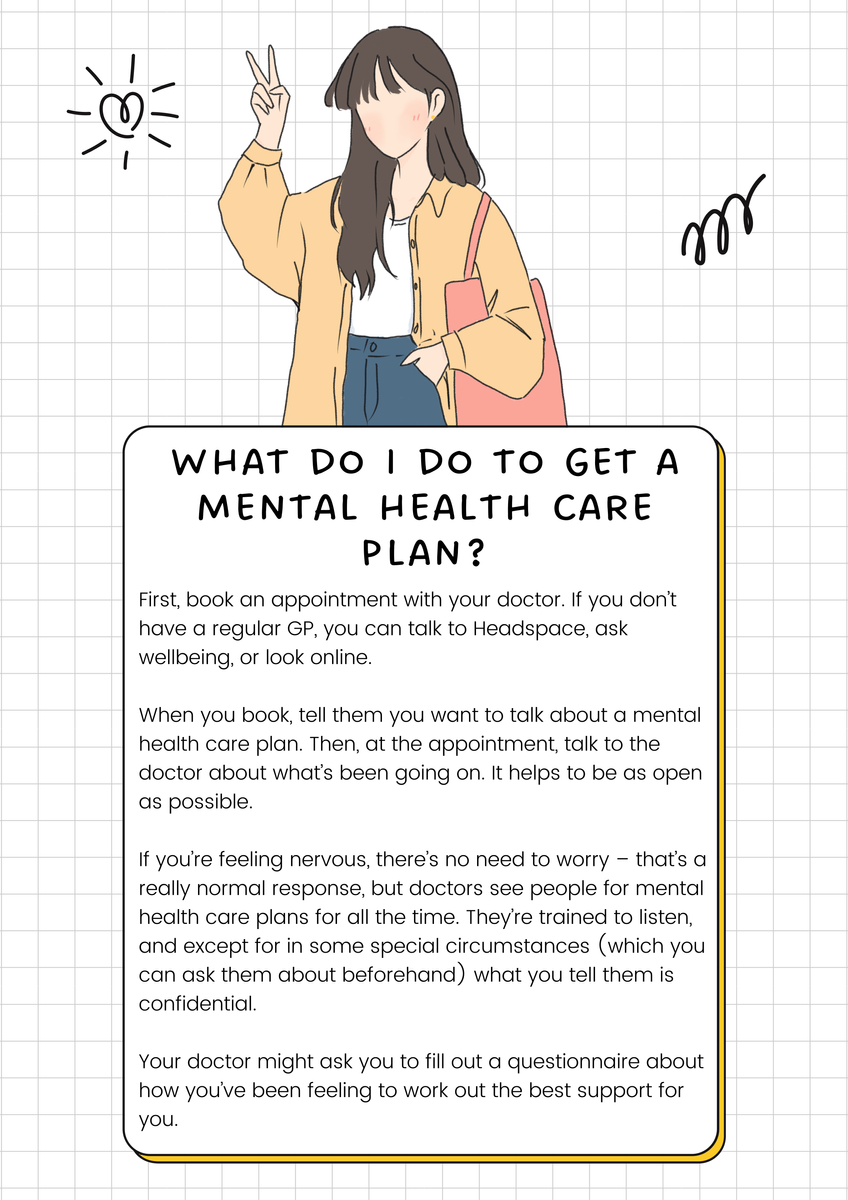
If some of the topics you’re seeing online are leaving you feeling distressed, anxious, or unsure about how to process what you’re seeing, please remember you don’t have to deal with that alone. The wellbeing team is always here if you want to have a chat.
As you continue navigating the online world, try to stay curious and thoughtful about the information you come across. Taking a moment to pause, question, and check sources can make a big difference.
Quick Tips When Your Feed Feels Overwhelming
If the news and social media are starting to feel a bit heavy, here are some simple things you can try:
Set a time limit on social media apps so you don’t accidentally spend hours scrolling.
Take a break from your phone and do something else for a while, even 20–30 minutes can help reset your mind.
Move your body, go for a walk, shoot some hoops, go to the gym, or get some fresh air.
Switch your content, watch something funny, listen to music, or follow accounts that make you feel positive.
Check the source before believing or sharing a story. Ask yourself: Where is this information coming from?
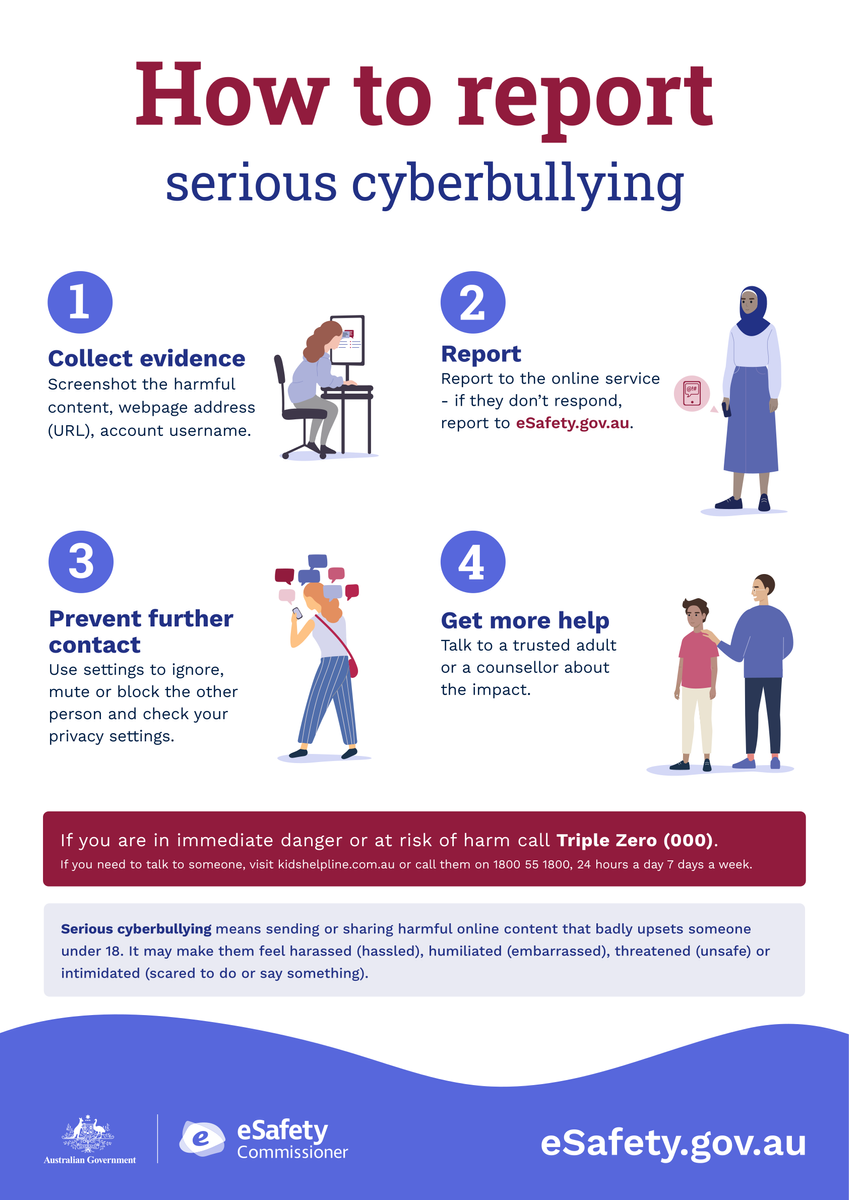
Talk to someone if something you’ve seen online is bothering you. Friends, family, or the wellbeing team are always good people to reach out to.
Remember, it’s okay to stay informed, but you don’t have to absorb every headline or watch every video that pops up in your feed. Looking after your mental health is just as important.
Looking for Support?
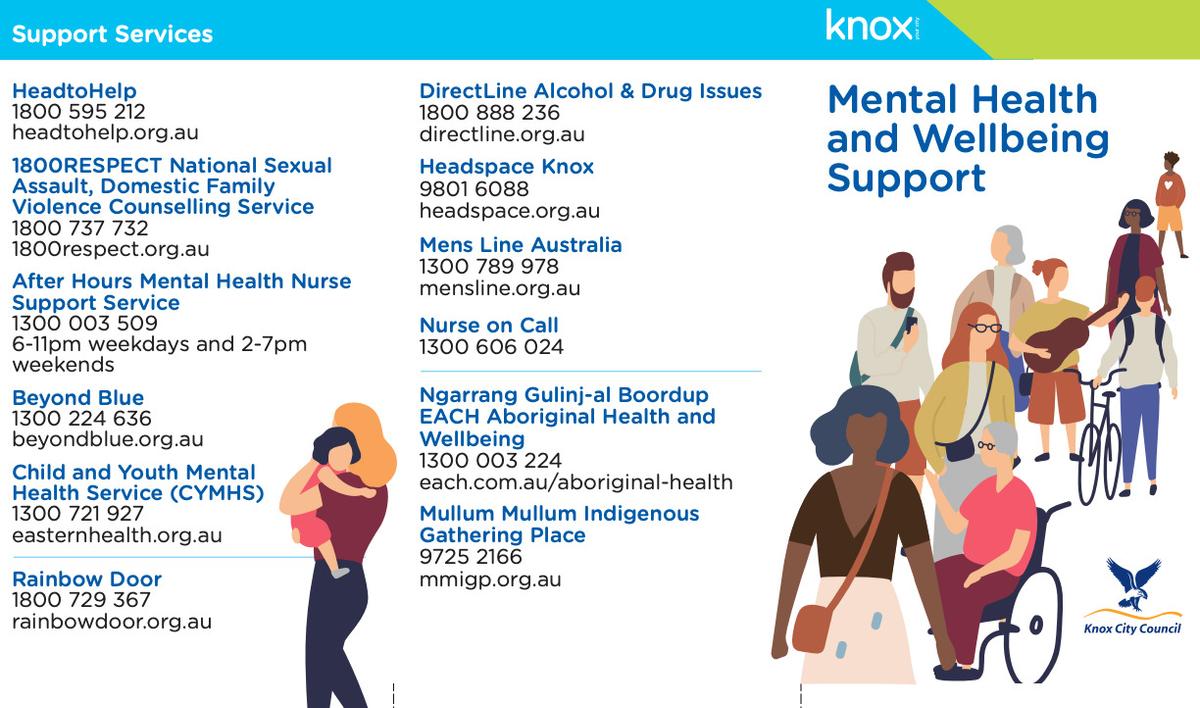
Knox Youth Services
Free support for young people aged 10 to 25yrs.
2 Capital City Blvd, Wantirna South
(03) 9298 8469
Headspace Knox
Confidential support for young people aged 12 to 25Y
Westfield Knox Ozone
(03) 9801 6088
EACH Community Health
Counselling, mental health and wellbeing services
Phone: 1300 003 224
EACH - Health Services 1300 003 224
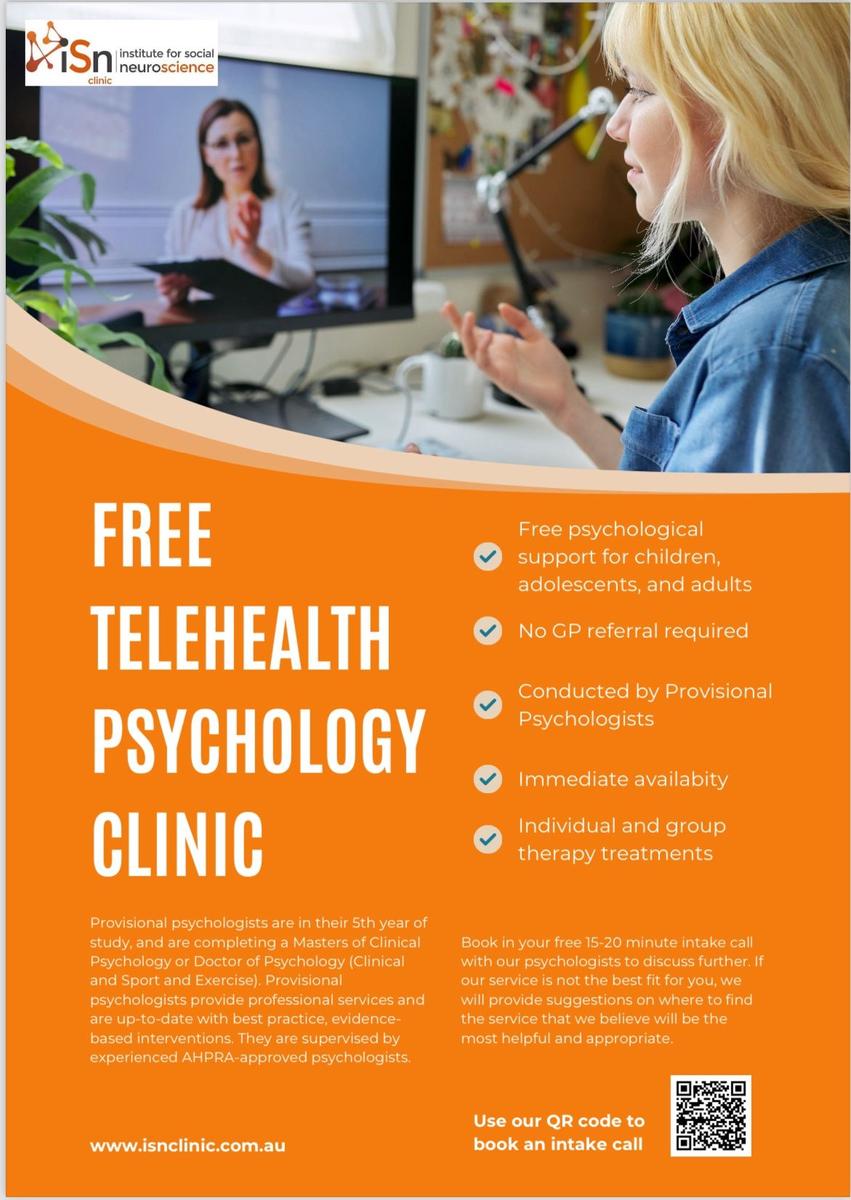
These services are free or low-cost.
93 Boronia Rd, Boronia
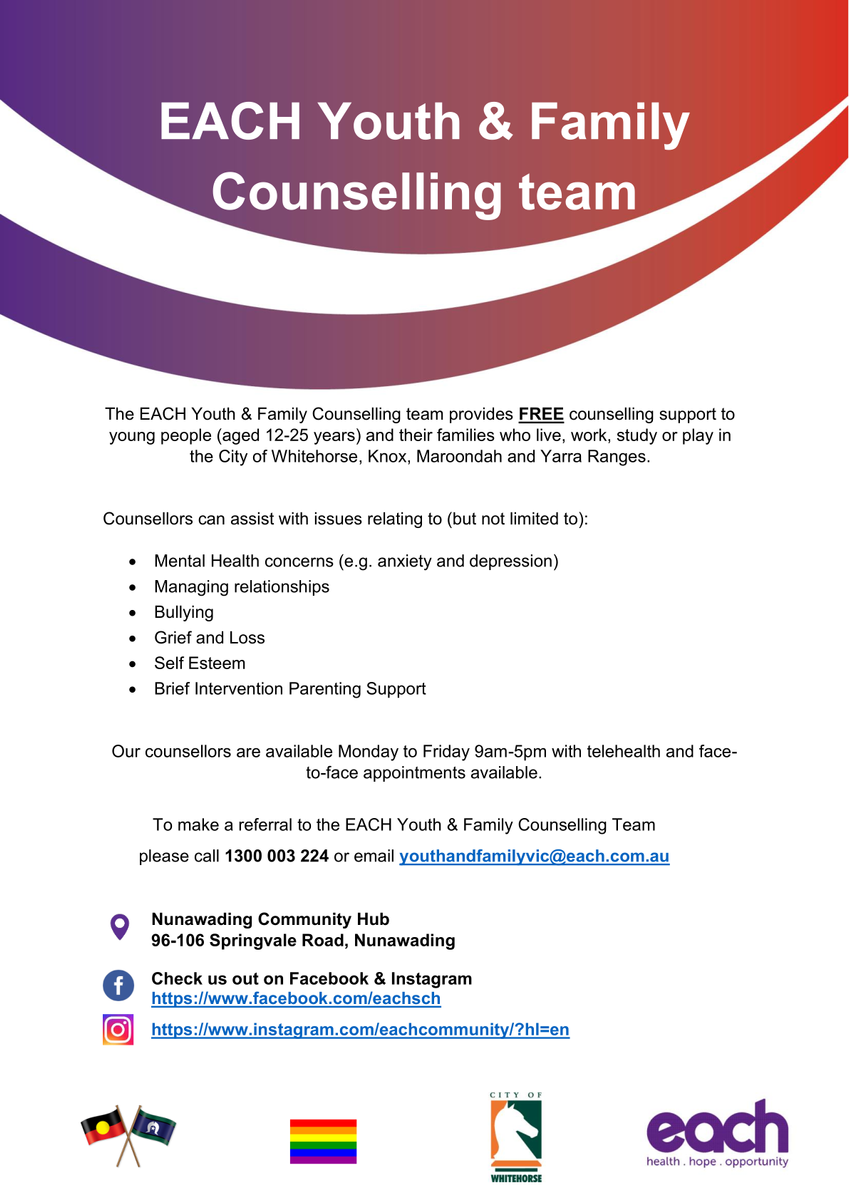
Youth Mental Health Services 9298 8469
2 Capital City Blvd, Wantirna South
headspace 1800 650 890
2 Capital City Blvd, Wantirna South
Safe Steps Family Violence Response Centre 1800 015 188 (24 Hours)
1800 Respect 1800 737 732 (24 Hours)
Nurse on Call 1300 60 60 24
The Butterfly Foundation 9822 5771
FriendLine 1800 424 287
24/7 Mental Health Hotlines:
Kids Helpline 1800 55 1800
Lifeline - Call 13 11 14, text 0477 13 11 14 or chat online.
Suicide Call Back Service 1300 659 467 or suicidecallbackservice.org.au
Beyond Blue 1300 224 636
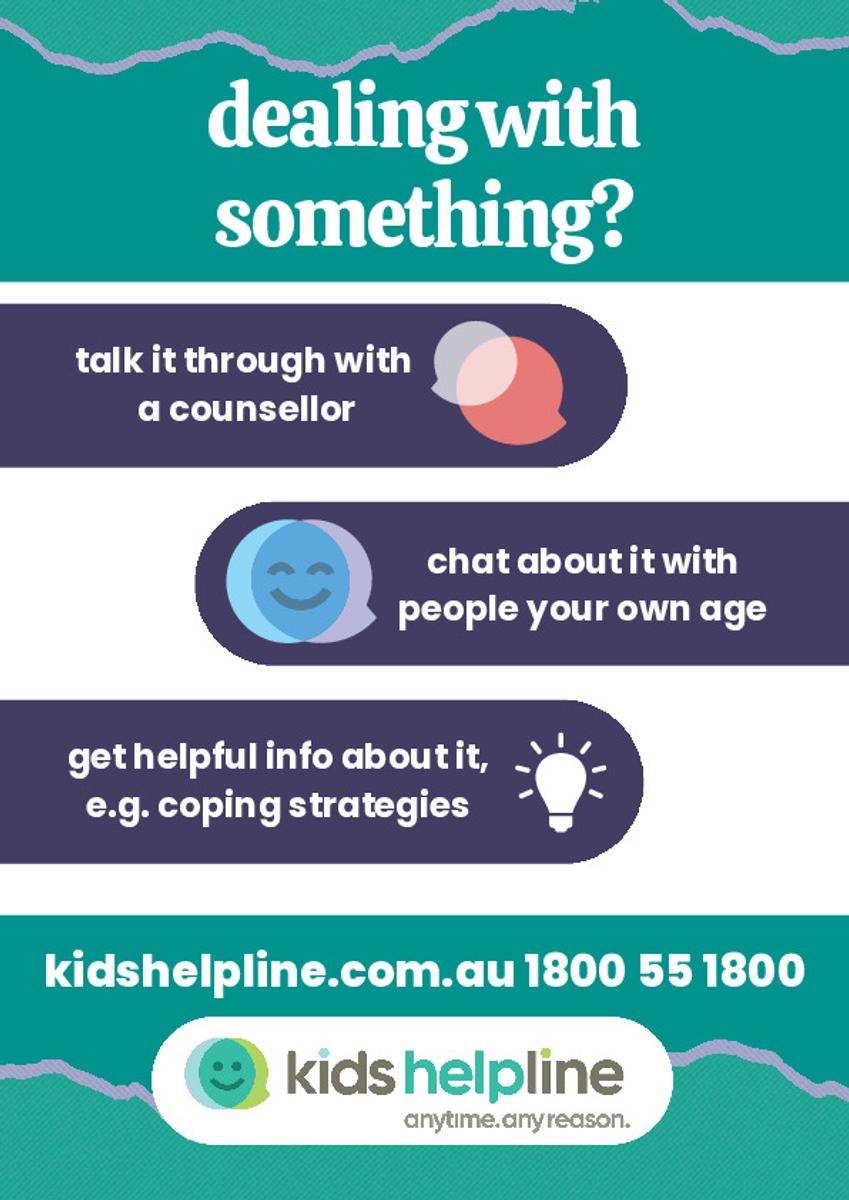
Student Wellbeing Team
Email: wellbeing@wantirnacollege.vic.edu.au
Chelsea Collings - Leader of Wellbeing
Guiseppe Relia – Wellbeing Counsellor
Talea-Jane Simpson – Wellbeing Counsellor
Jane Winning - Social Worker
Tajinder Wulff - Mental Health Practitioner 7-8
Joel Taylor - Mental Health Practitioner 9-12