Literacy News
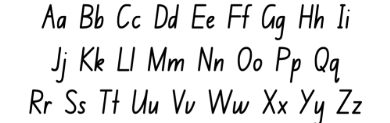
Handwriting at SKiPPS
All classrooms are instructing handwriting daily in their Literacy lessons. The Department of Education guides us in teaching the selected font. The Department has some very relevant information regarding handwriting. I have attached some extracts below;
Students begin learning “letter formation patterns” in their first year of schooling and work towards developing a “personal handwriting style that is legible, fluent and automatic and supports writing for extended periods” in Level 7 (VCAA, 2017).
The research evidence
Key findings of research into the teaching of handwriting and keyboarding skills include:
Handwriting does matter and is more closely related to academic achievement than most educators realise (Cahill, 2009; Daffern, Mackenzie & Hemmings, 2017; Longcamp, Zerbato-Poudou & Velay, 2005; Medwell & Wray, 2007).
Handwriting should be the dominant recording skill taught in the first three years of schooling followed by the addition of keyboarding skills in Years 3 to 6 (Mackenzie & Spokes, 2018)
The physical act of handwriting benefits early literacy learners because the kinaesthetic action contributes to greater recognition and memorisation of letters. Handwriting practice produced better letter recognition in students than those who solely used typing and digital devices (Longcamp, Zerbato-Poudou & Velay, 2005).
Repeated practice through handwriting fluency activities in the early years encourages the connection between the letter names, sounds, and forms, resulting in stronger letter identification and letter-sound correspondence (Ray et al., 2021)
Forming letters by hand contributes to a stronger knowledge of words and assists with spelling. When words are written in a continuous flow rather than typed as separate letters, spelling memory is enhanced (Cahill, 2009; Schlagal, 2014).
Handwriting skills needs to become automated to free up working memory. The ability to use orthographic fluency (that is the skill of forming letters, groups of letters and words efficiently and automatically) is necessary so that higher order cognitive skills can be allocated to the thinking and composing of text (Case-Smith, Holland & Bishop, 2011; Jones & Christensen, 1999; Medwell & Wray, 2007; 2014).
As English is written from left to right, some left-handed students are likely to find learning handwriting more difficult than right-handed students (Mackenzie & Spokes, in press).
- Handwriting fluency contributes directly to writing fluency (Graham, Berninger, Abbott, Abbott & Whitaker, 1997).
Teaching handwriting
Even though some students seem to handwrite effortlessly, all students require explicit teaching. Recent research suggests consistent practice of efficient processes, provides students with opportunities to develop emerging skills is most beneficial for developing handwriting fluency amd automaticity (Cahill, 2009; Schlagal, 2014).
In the early years of schooling, the phonological aspects of reading and writing need to be taught concurrently (Moats, 2020). This includes handwriting letters to consolidate letter-sound correspondence.
Handwriting instruction should include:
Teacher modelling of the correct formation, sizing and placement of letters. For early learners, writing letters in the air or copying a letter from a correct model is helpful (Graham, 2010).
Teacher explanations on how to form letters and words must accompany the modelling.
Short daily practice sessions which prove to be more effective (and perhaps more interesting) than longer weekly lessons.
- The introduction of letters of the alphabet in formation groups rather than in ABC order. This method removes the chance for the visual confusion of letters that are closely positioned within the alphabet (b/d and p/q).
PEN PAL OPPORTUNITY
Who remembers having a pen pal and how excited you were when you received a letter in the mail?
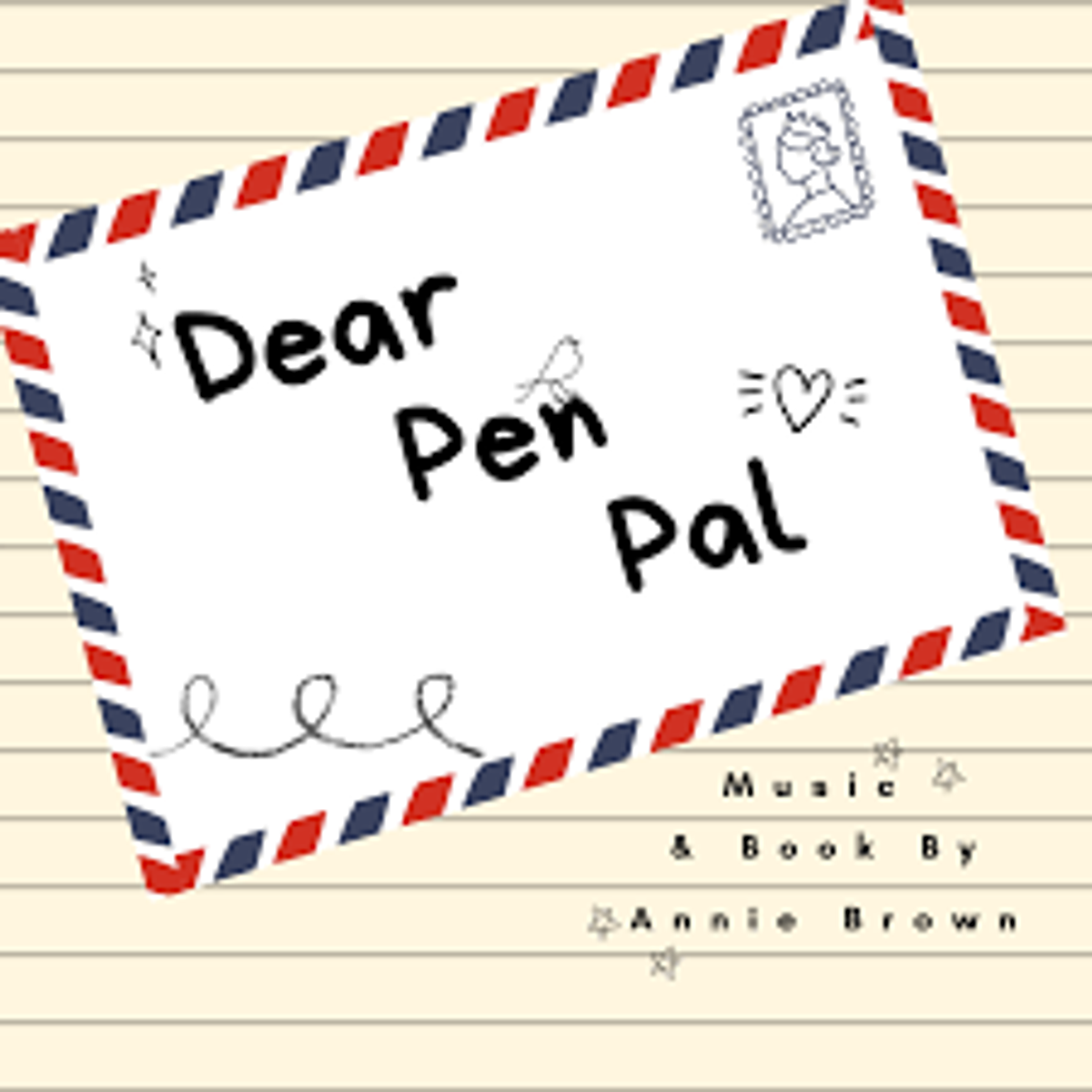
I am delighted to share that we will be continuing our special connection with Sacred Heart Mission in 2026 - and we’re inviting students to become a Pen Pal once again!
The letters sent last year brought immense joy to the residents, who are looking forward to writing back, sharing their stories, and continuing to build meaningful connections with the SKiPPS community.
We warmly encourage all families to support their child in writing a short, cheerful letter addressed "Dear Pen Pal" to brighten someone’s day. Once students have written their letters, they can bring them to school and hand them to Amy (5A's class teacher).
Thank you for helping us spread our value of kindness and to build connections across generations.
Thank you!
Amy
Book Reviews
Picture Book
Bored by Felicita Sala
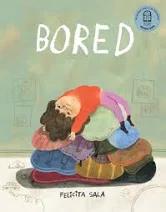
On a gray, gloomy day, young Rita finds herself feeling very, very bored. In Bored, author-illustrator Felicita Sala uses wonderfully expressive watercolor illustrations to bring Rita’s mood to life. Pencils are scattered, books lie overturned, and even a crumbled cookie rests on the floor - evidence of her halfhearted attempts to shake off the monotony.
Rita tries everything she can think of: jumping in front of the mirror, waving her arms dramatically, even repeating the word “bored” over and over. Yet nothing seems to lift her spirits. At one point, she is “so bored” that she isn’t even hungry anymore - no small feat for a child her age! This relatable and gently humorous story is sure to resonate with children ages 4 to 8, as well as the grown-ups who know that sometimes boredom is simply part of a child’s day.
One for the parents
Small Things Like These by Claire Keegan
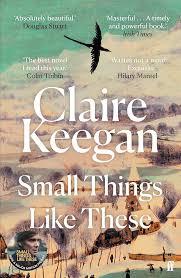
Small Things Like These is a beautifully written short novel set in a small Irish town in the weeks leading up to Christmas. Quiet and reflective in tone, the story follows Bill Furlong, a hardworking coal merchant and devoted father, as he goes about his daily routines and begins to notice unsettling truths within his community.
As Bill grapples with what he sees, he is faced with a moral choice that tests his courage and compassion. The novel gently explores themes of kindness, integrity, and standing up for what is right - even when it may come at a personal cost.
Though understated and concise, this book carries emotional depth and offers rich opportunities for discussion about empathy, social responsibility, and the power of small acts of goodness. Small Things Like These is a thoughtful and moving read that lingers long after the final page.
I loved this book and would welcome a chat in the school grounds if you have also read it!
Jac Morphy
Assistant Principal