Science Technology Engineering and Maths

Foundation:
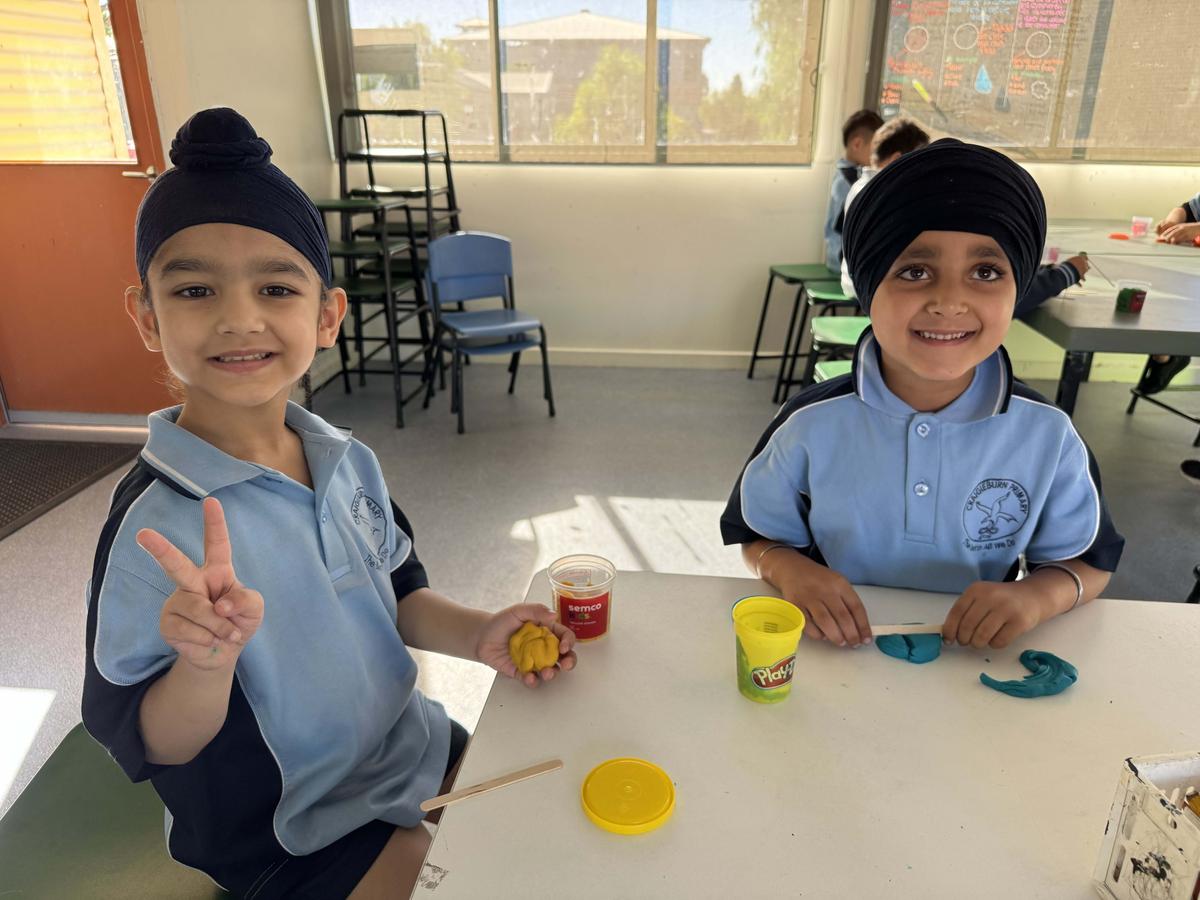
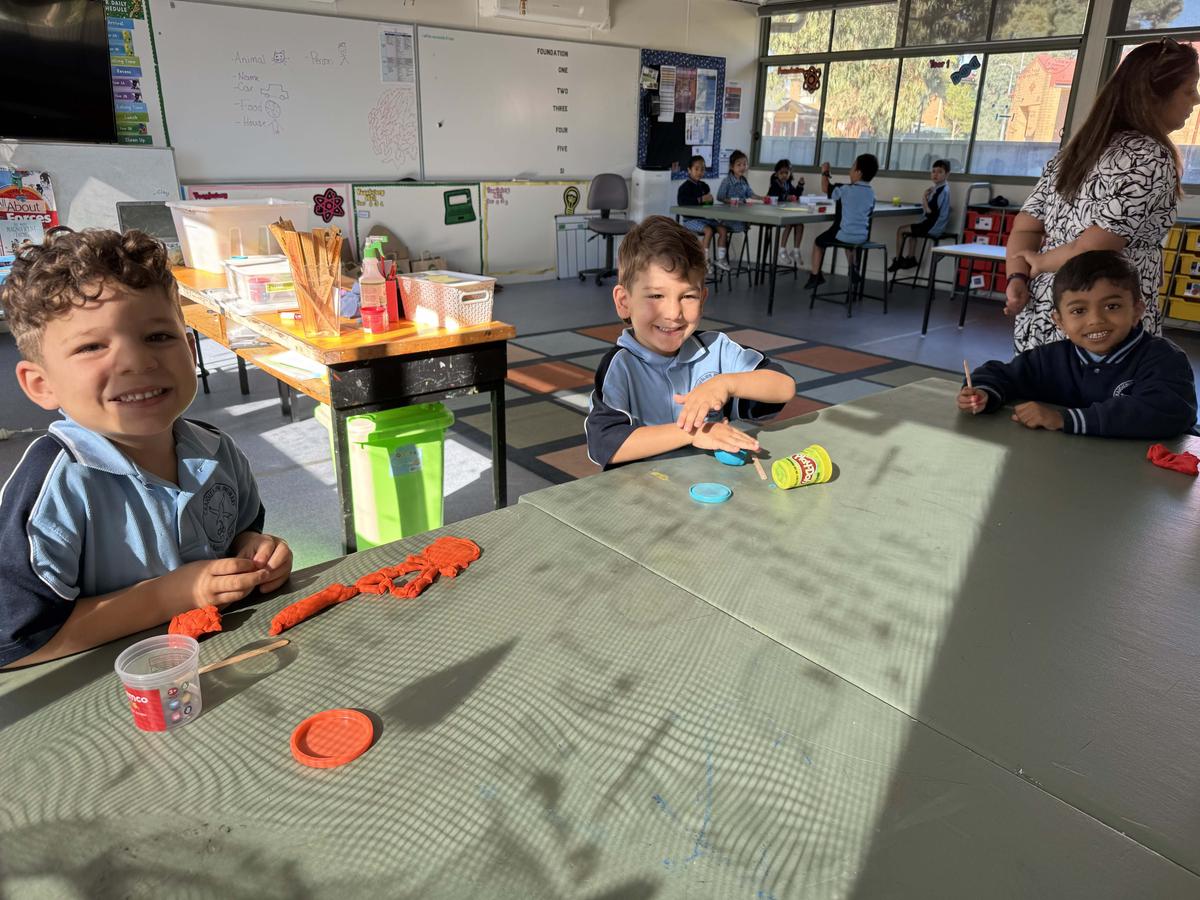
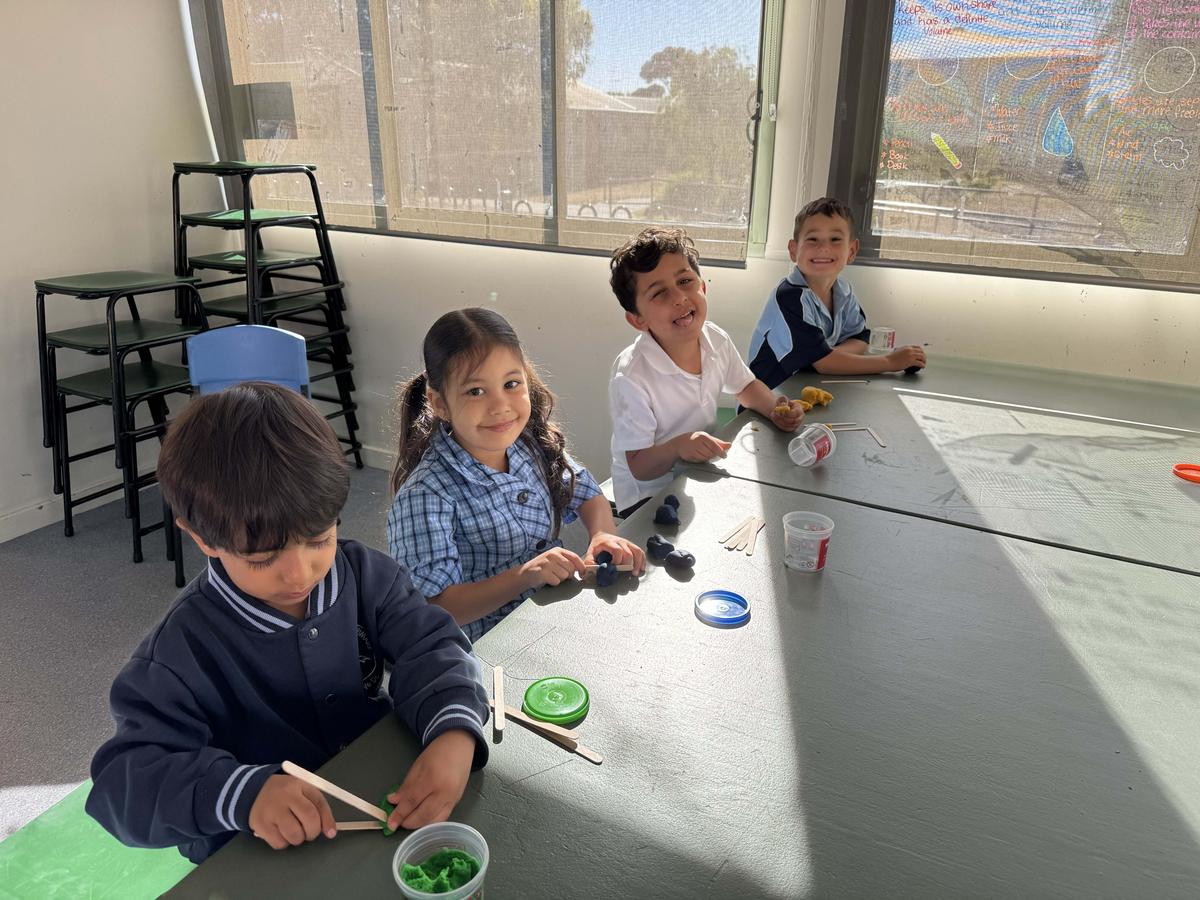
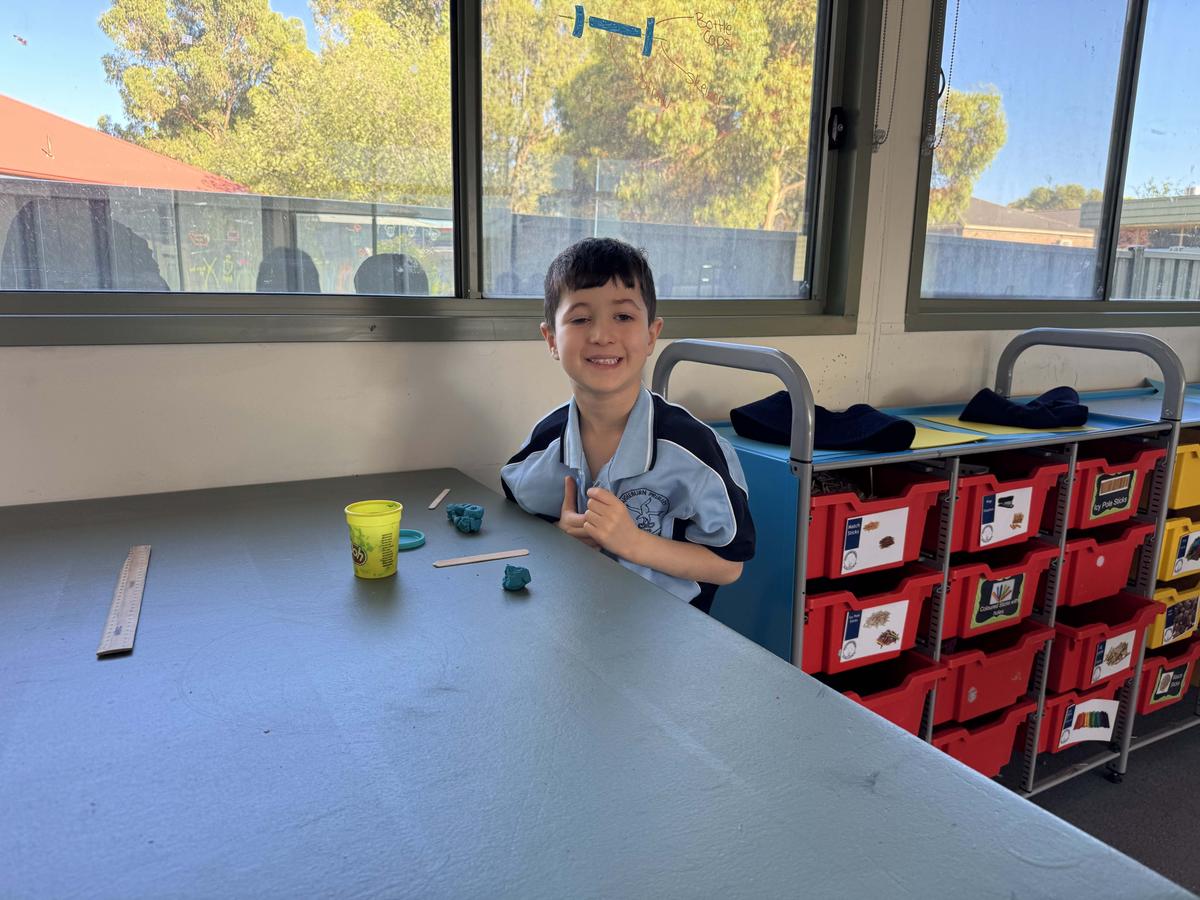
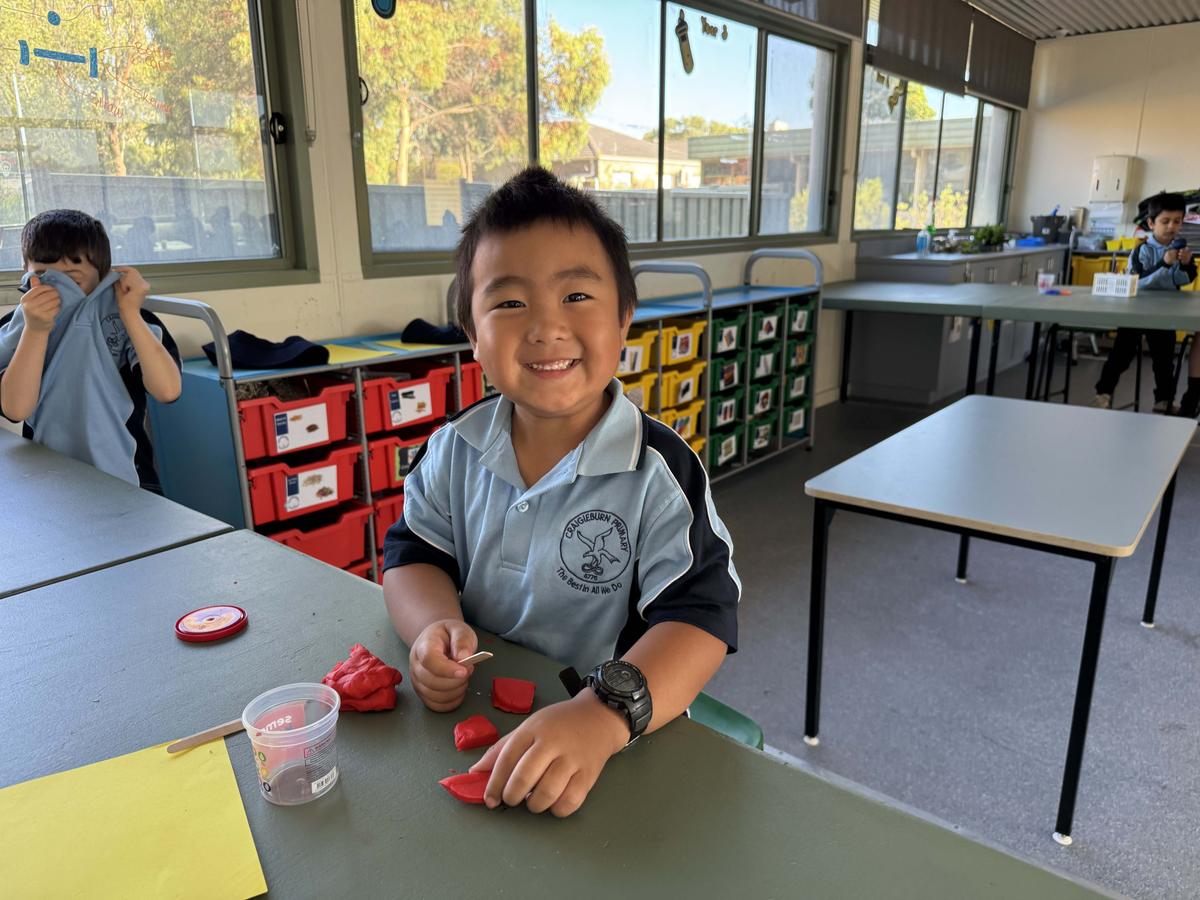
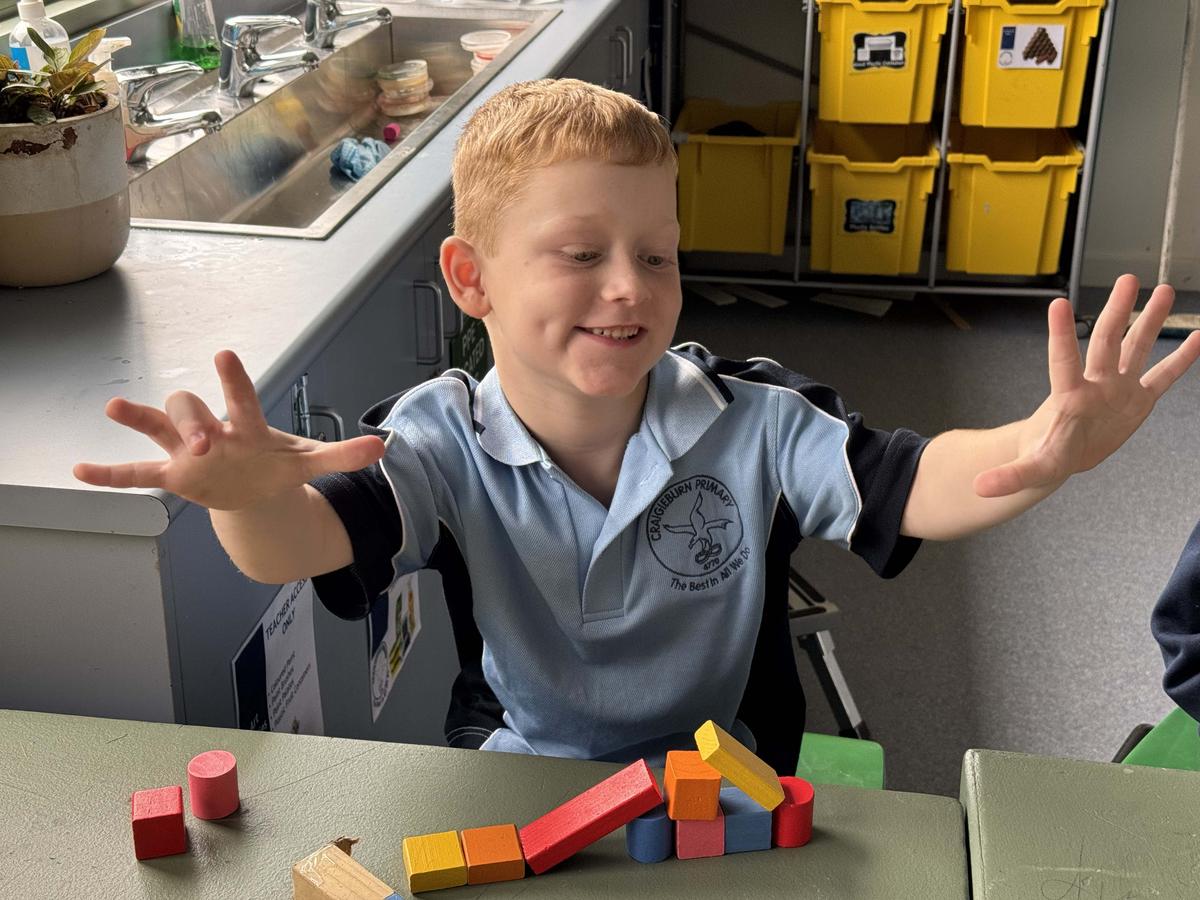
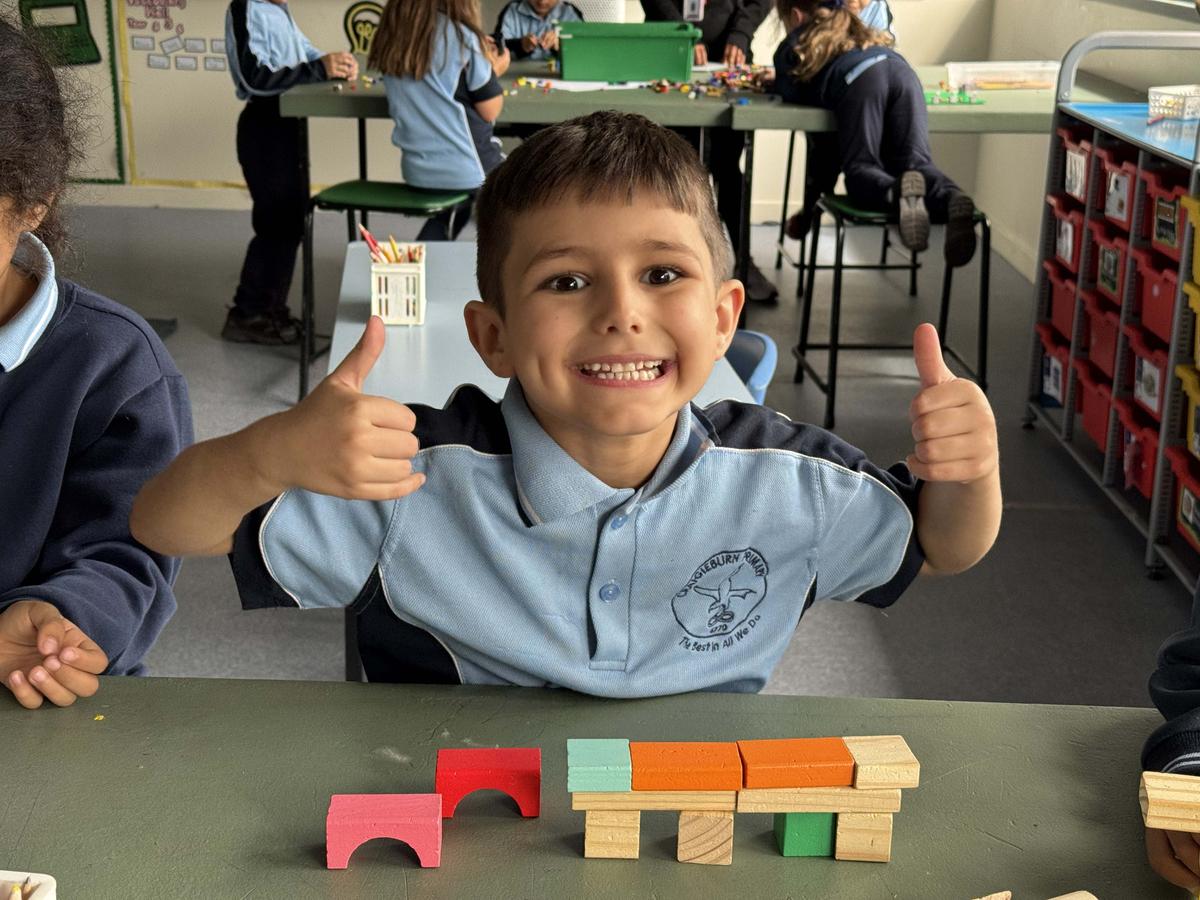
Foundation students have been developing their fine motor skills through hands-on construction tasks while also stretching their thinking. They explored the idea that the same object can be created in different ways, encouraging flexible and creative problem-solving.
As part of this exploration, students were challenged to build a bridge using three different materials: building blocks, LEGO and joiny straws. Each material presented unique challenges; some were sturdy but bulky, others flexible but unstable. Students needed to think carefully about balance, stability, and structure while bringing their designs together as a three-dimensional object. This task supported spatial reasoning skills as students visualised how separate pieces combine to form a stable 3D structure.
Year 1:
Year 1 students have continued developing their Balloon Cars, engaging in rich discussions about size, weight and force. A key focus has been understanding how the power of a single balloon impacts movement. Students have been asking important scientific questions, such as:
- Does a heavier car travel further or shorter distances?
- How does the size of the car affect speed?
- What happens if the balloon is not fully inflated?
Through this unit, students are exploring cause and effect relationships while applying early Physical Sciences concepts related to forces and motion.
Year 2:
Year 2 students have continued working on their Most Magnificent Thing projects, with a strong focus on joining techniques. They have been experimenting with different ways to connect materials, including folding, slotting, taping and reinforcing structures for strength.
This stage of the design process encourages persistence and resilience, as students quickly learn that not all joining methods are equally effective. They are refining their prototypes and making improvements based on testing, developing a deeper understanding that successful design requires iteration and problem-solving.
Year 3
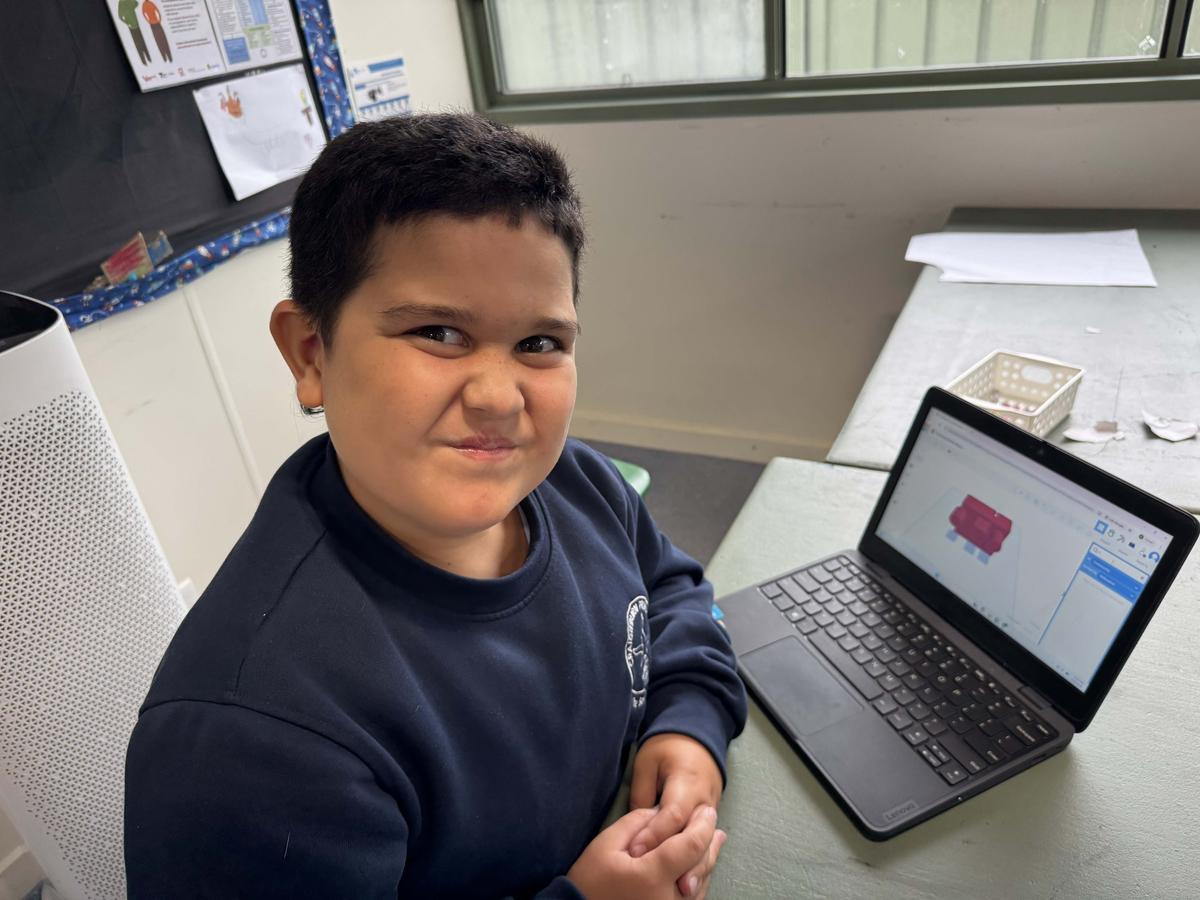
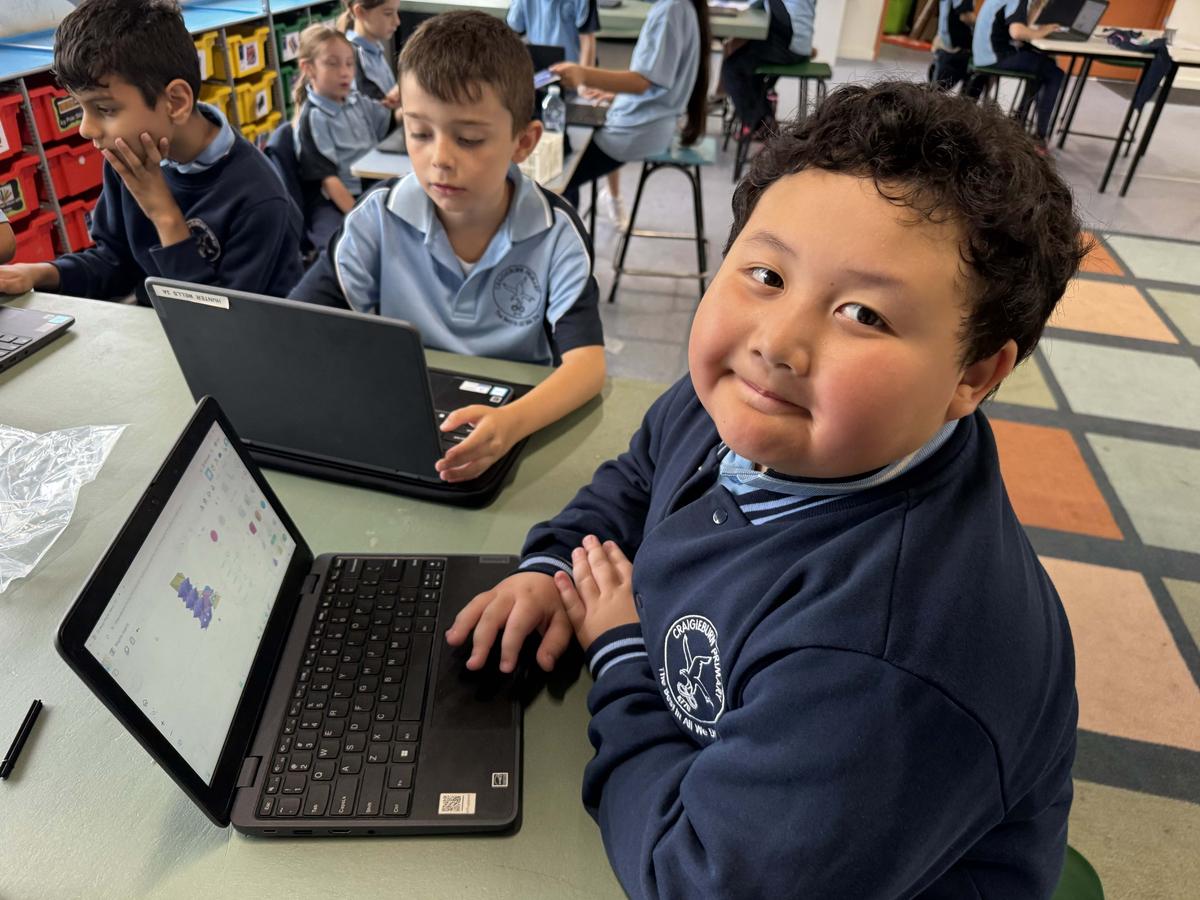
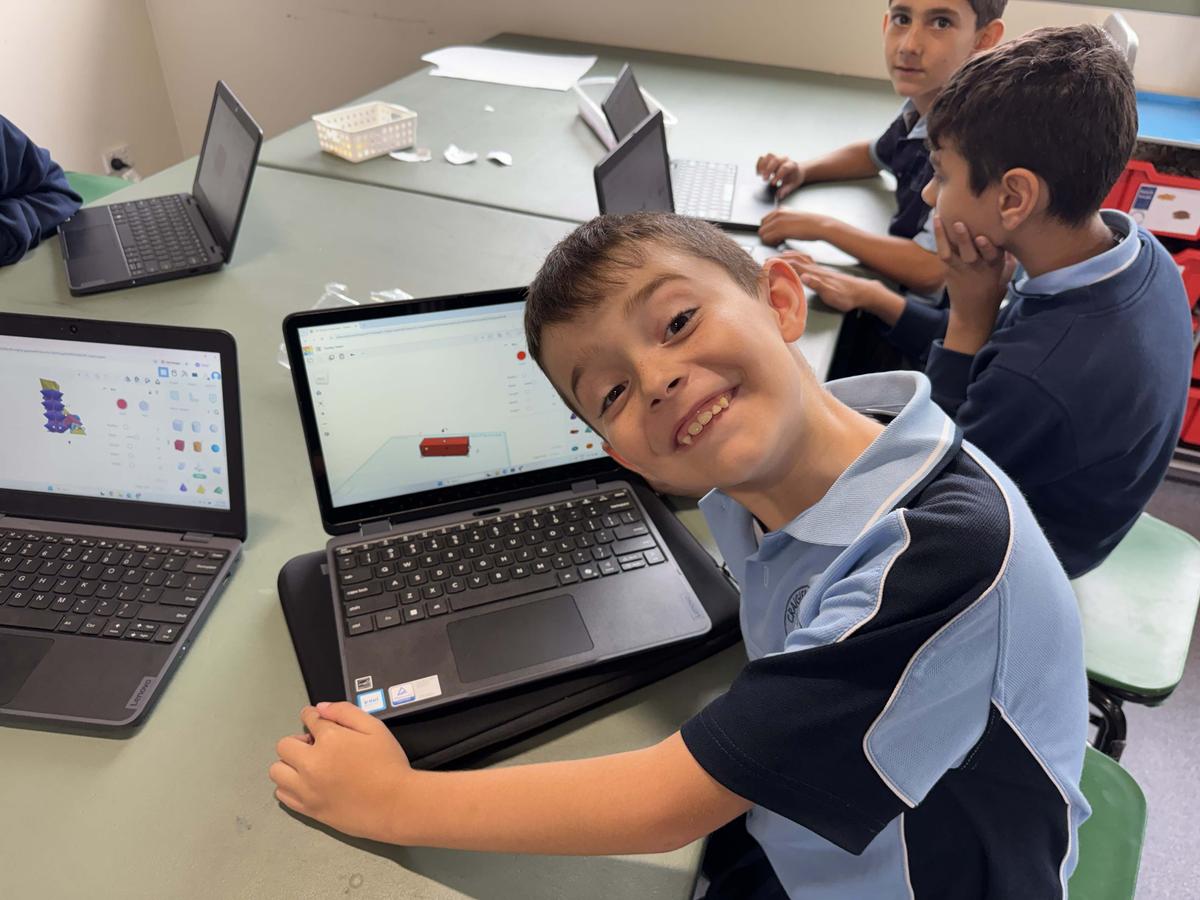
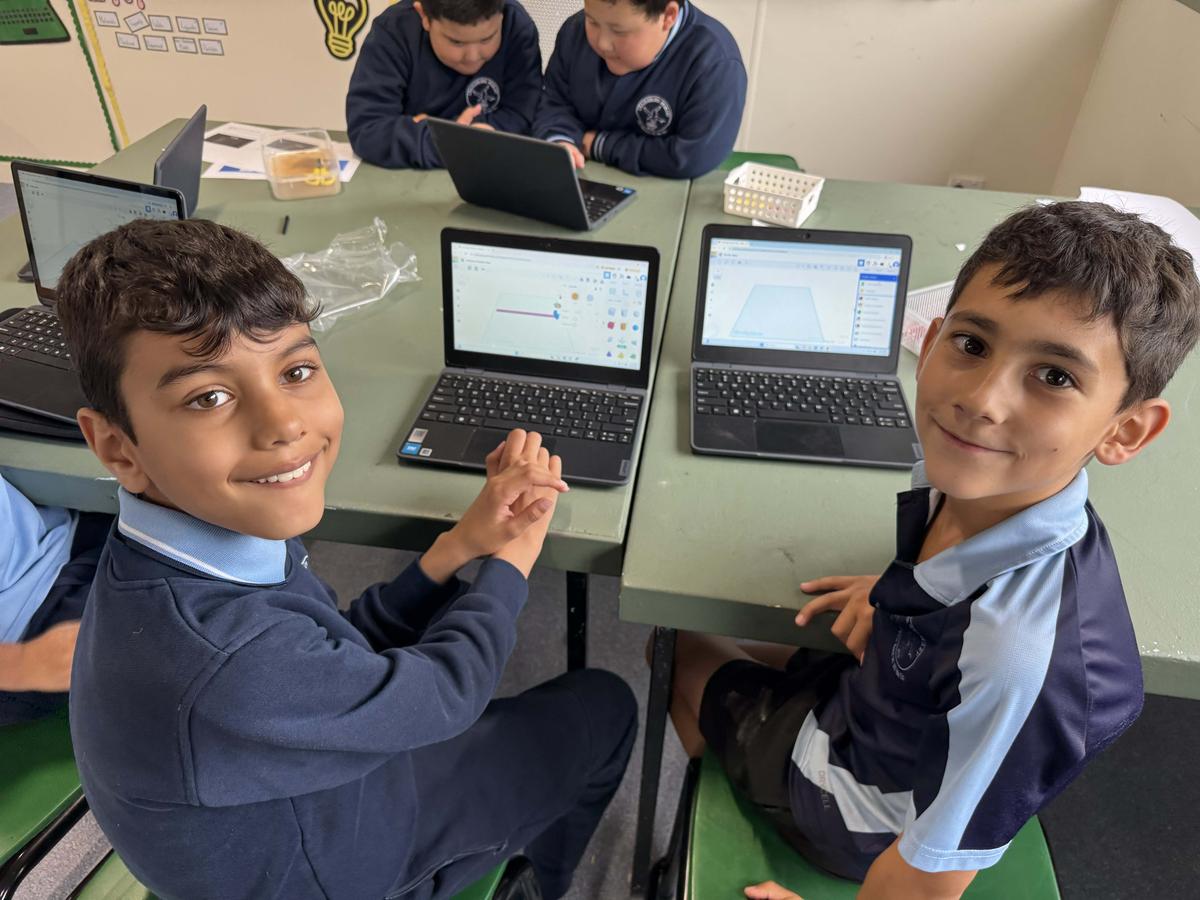
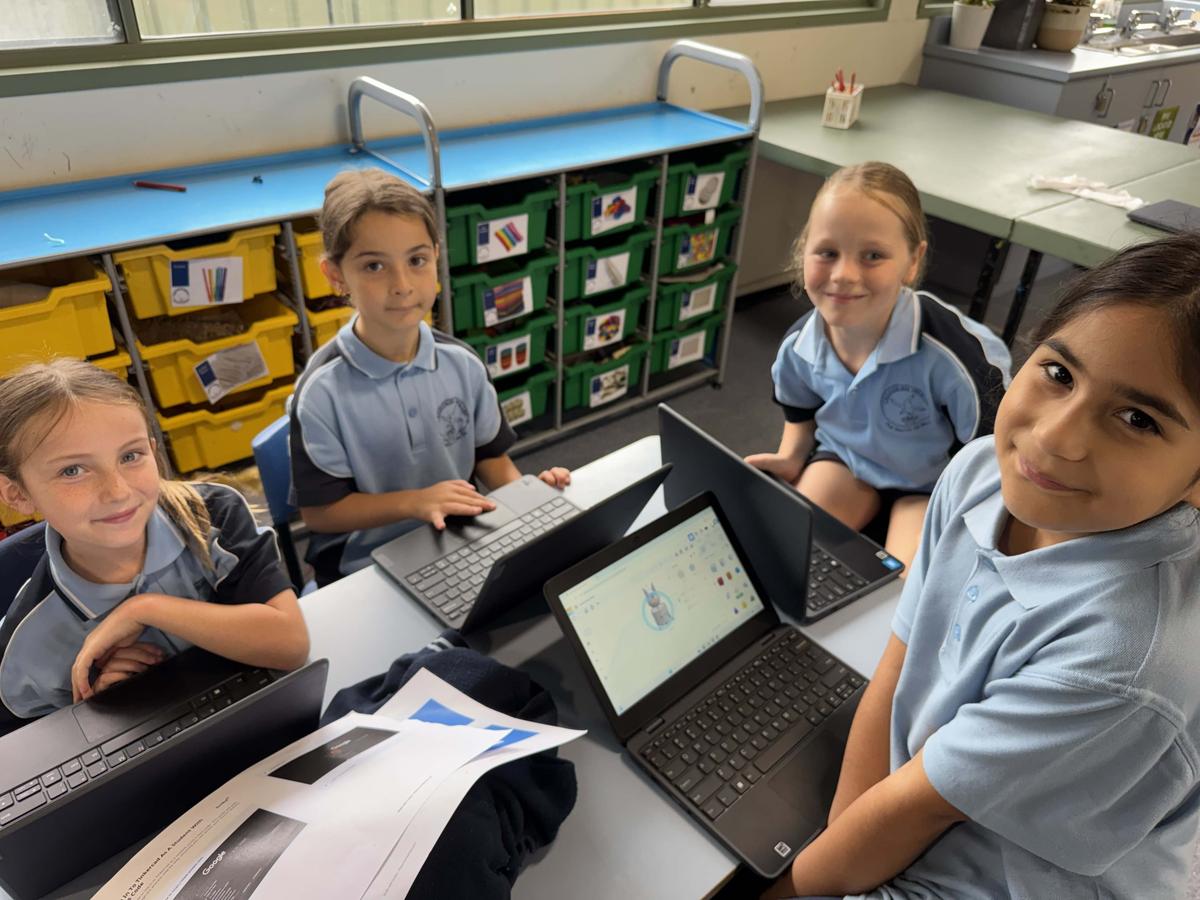
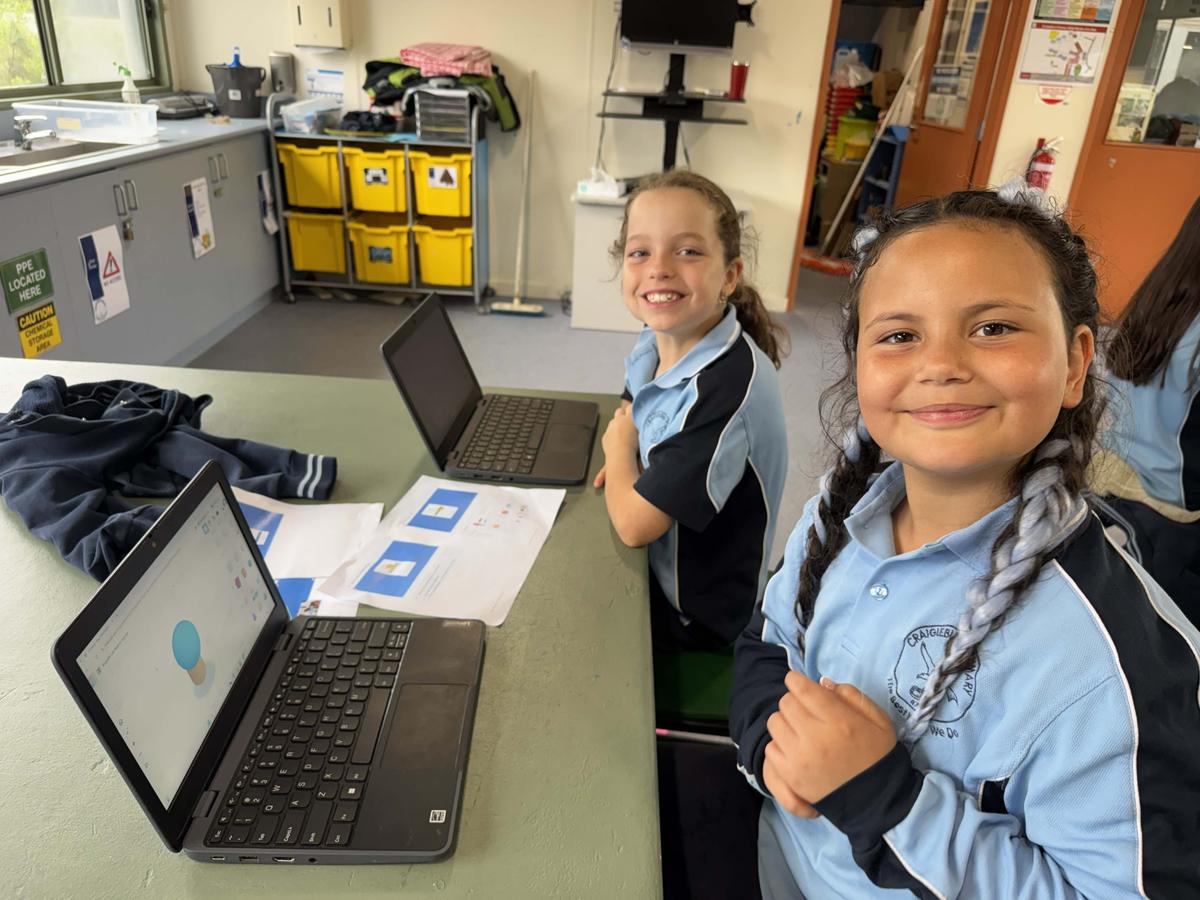
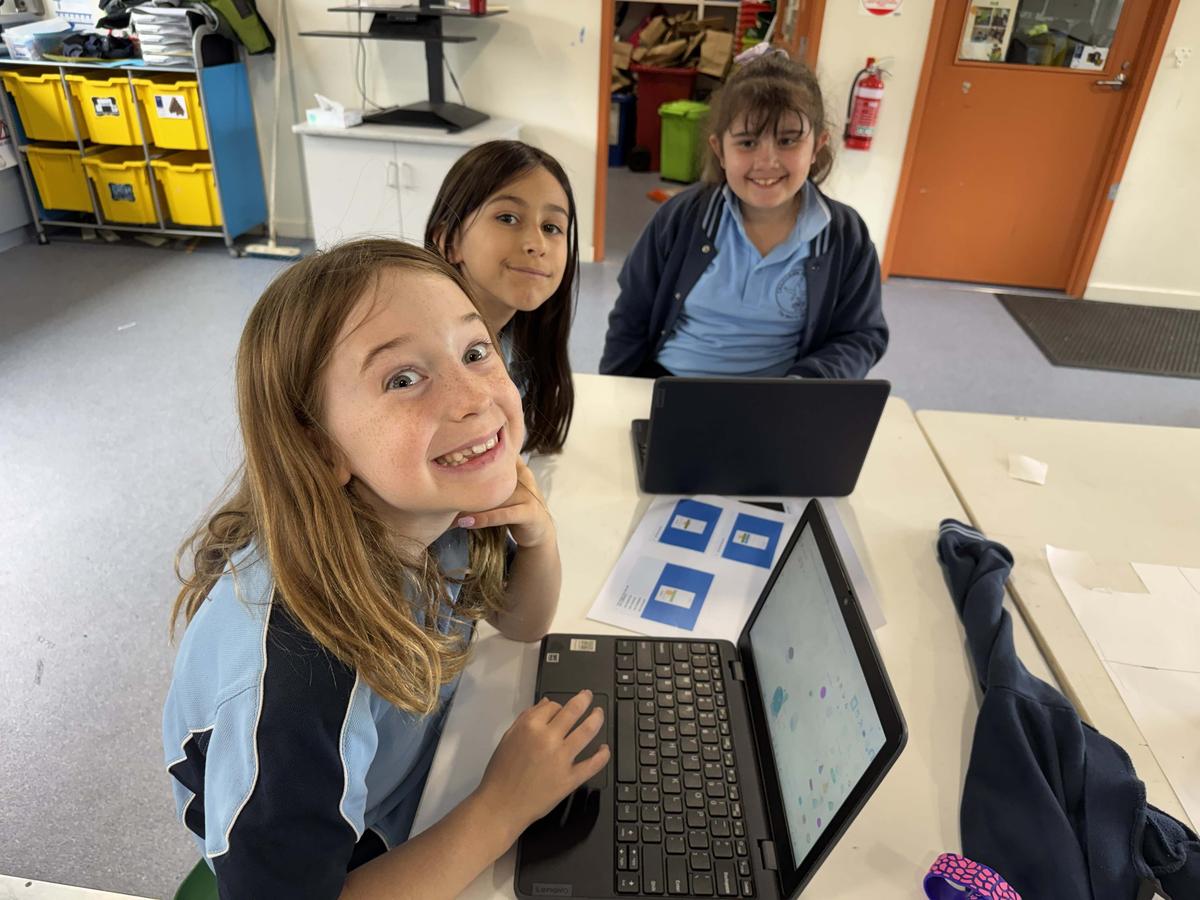
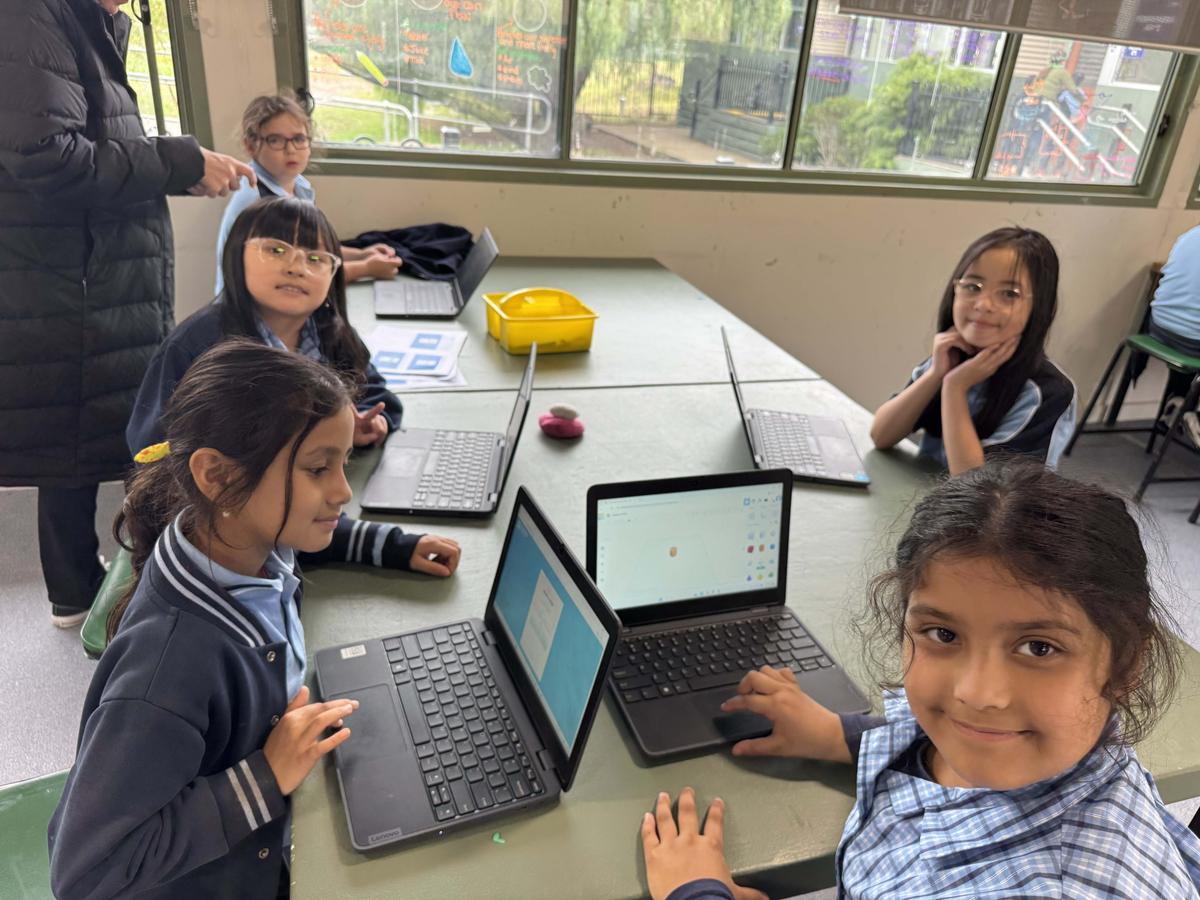
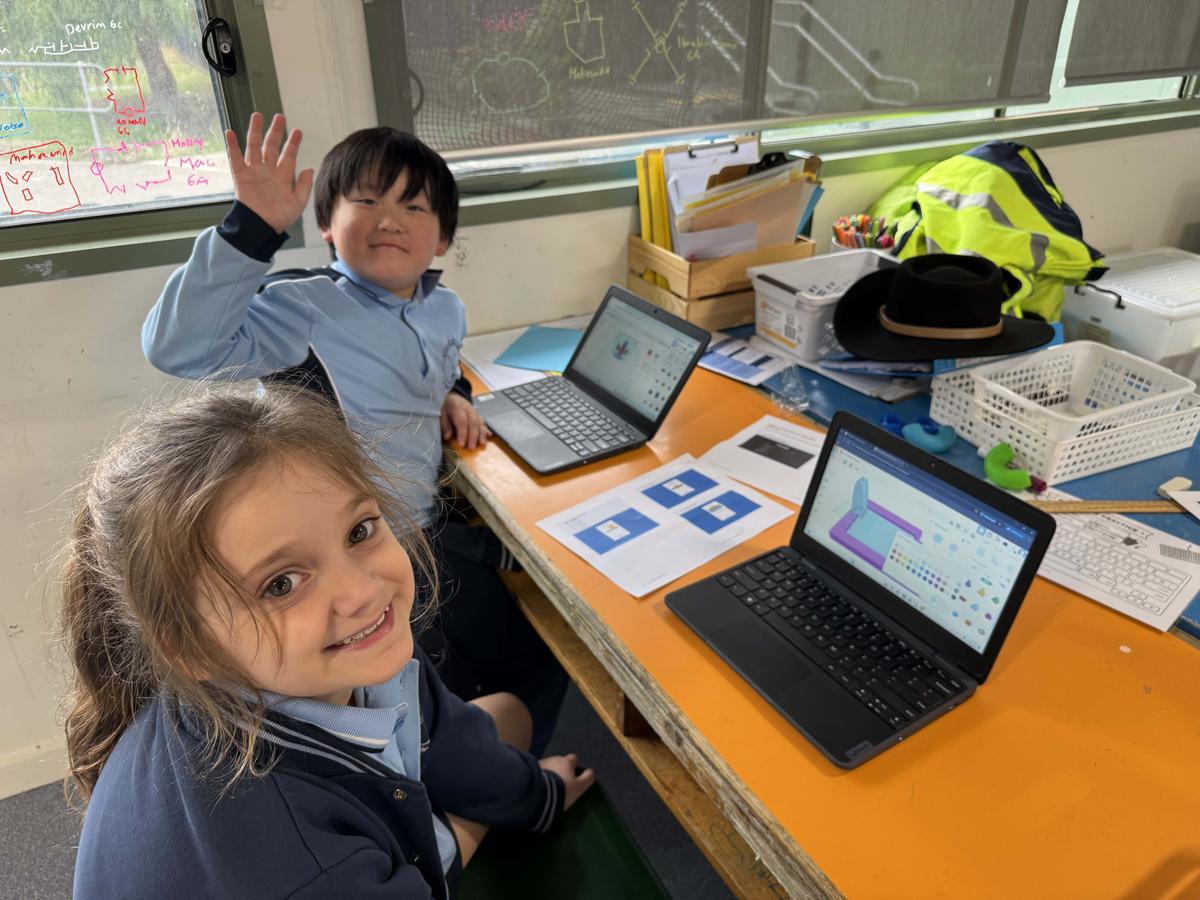
Year 3 students have continued their Strictly No Elephants unit, focusing on inclusive design and clubhouse creation. As a creative extension, they have begun exploring 3D design using TinkerCAD.
Using TinkerCAD, students are designing a small animal to include in their clubhouse space. This has required significant resilience, particularly when logging in, navigating a new digital platform and manipulating shapes by resizing, rotating, and stacking them to create a recognisable form.
Students are learning that digital design involves experimentation, mistakes and refinement. This work strengthens spatial awareness, digital technologies skills and persistence when learning new systems.
Year 4
Year 4 students have been developing their ability to write up scientific investigations clearly and logically. After testing how different surfaces affect the way objects move, students have been analysing their results and forming conclusions.
They investigated how surfaces such as carpet, tiles, and concrete influence movement due to friction. Students are learning how to structure their scientific writing by including:
- A clear aim
- A method
- Observations and results
- A supported conclusion
This strengthens their ability to communicate scientific thinking using evidence.
Year 5
Year 5 students have been investigating different solid materials and testing them against properties studied in class. These properties include:
- Hardness – resistance to scratching or denting
- Strength – ability to withstand force
- Flexibility – ability to bend without breaking
- Elasticity – ability to return to original shape
- Density – how compact the particles are
- Conductivity – whether the material allows heat or electricity to pass through
Students have been comparing materials and analysing which properties make them suitable for different purposes. This work deepens their understanding of how scientists classify and test materials based on observable characteristics.
Year 6
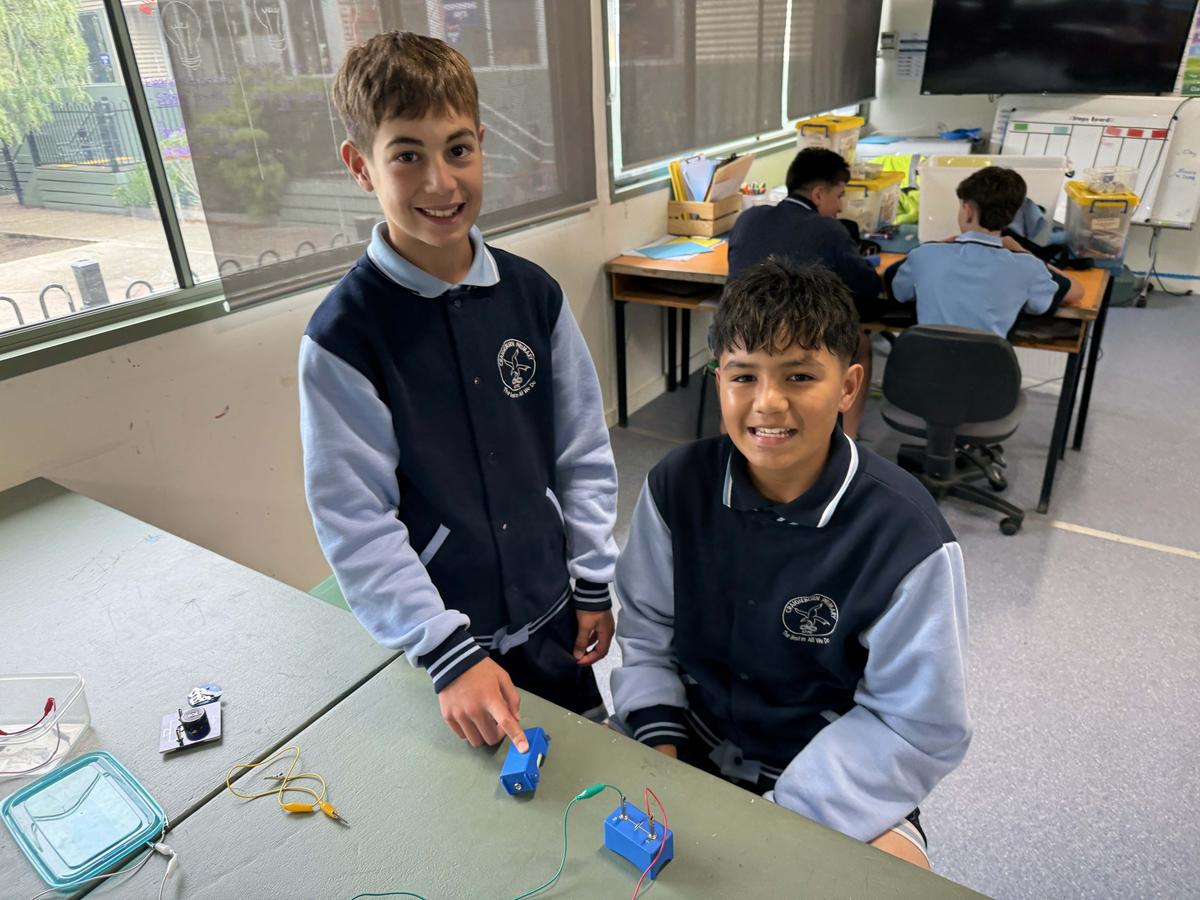
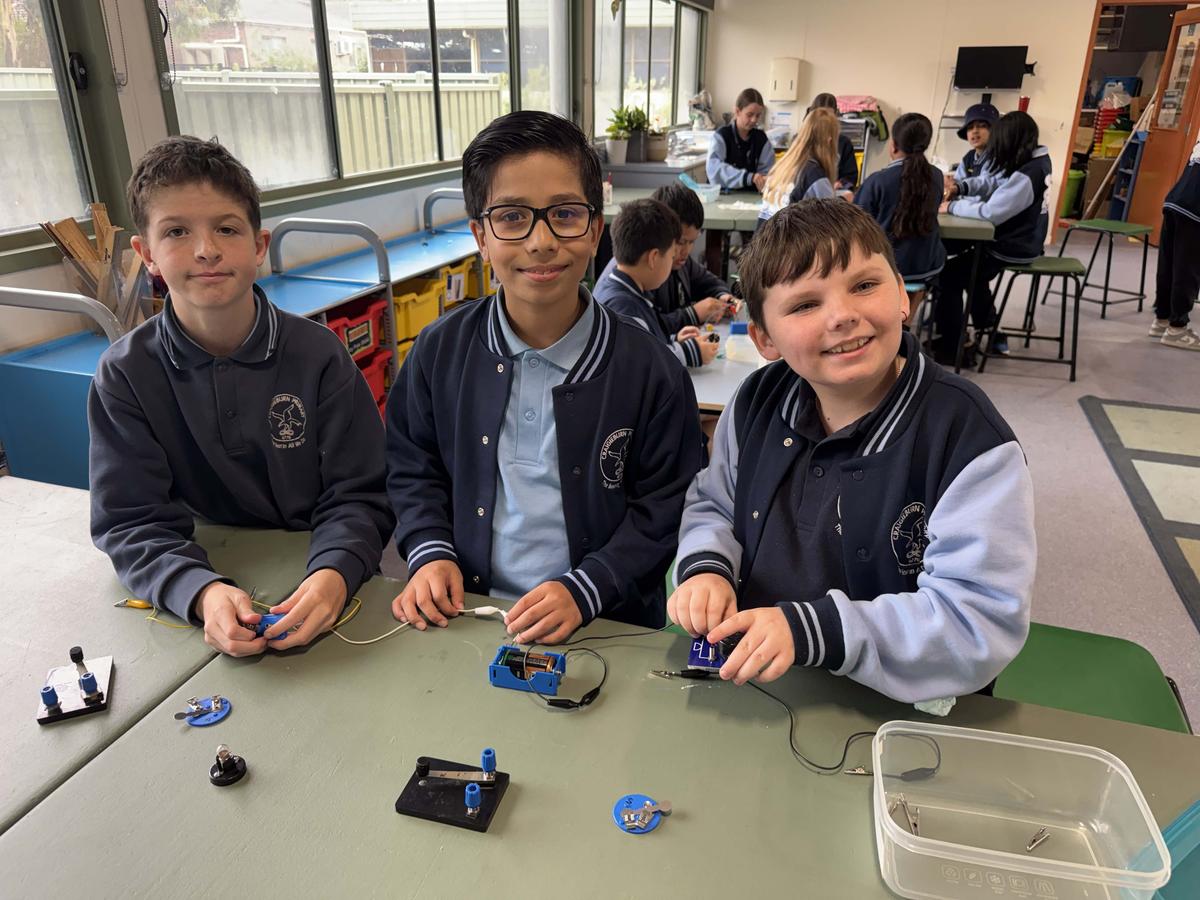
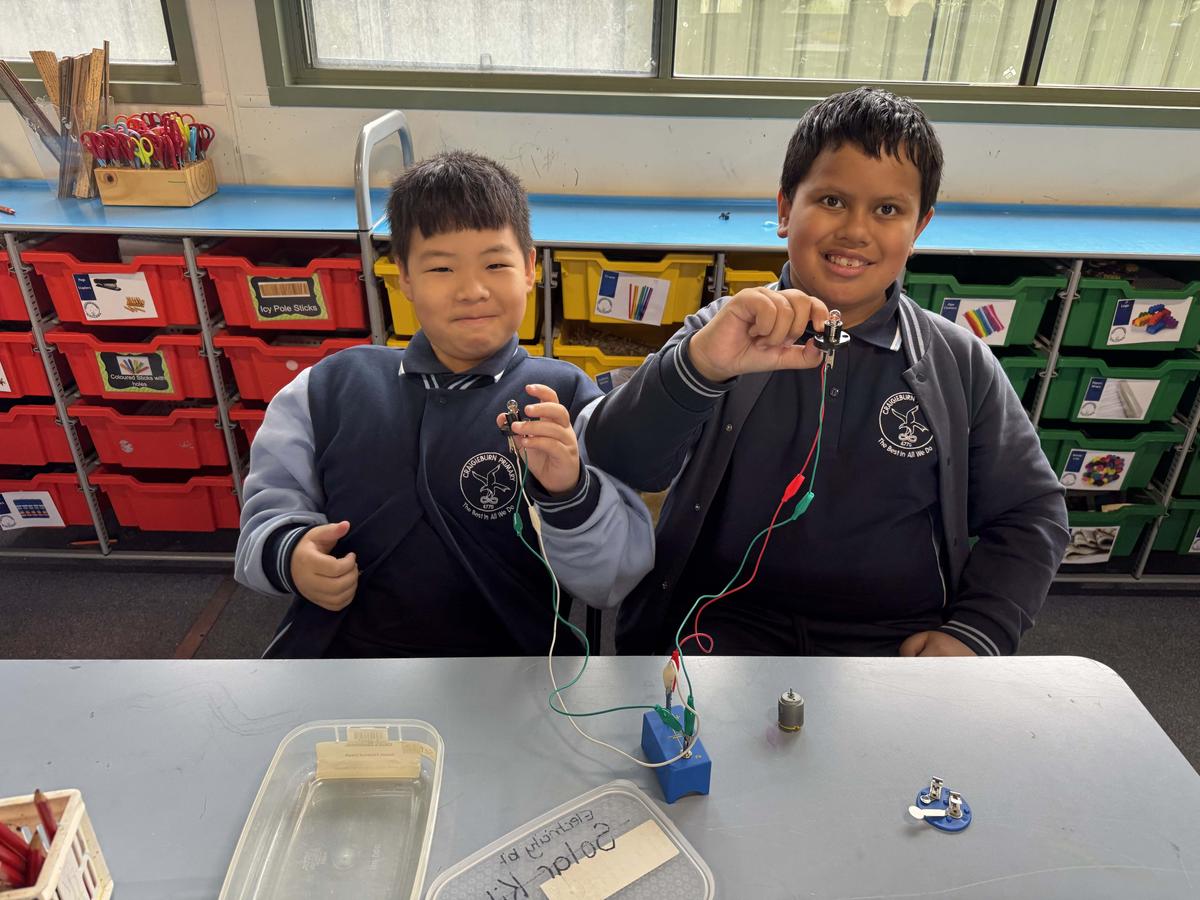
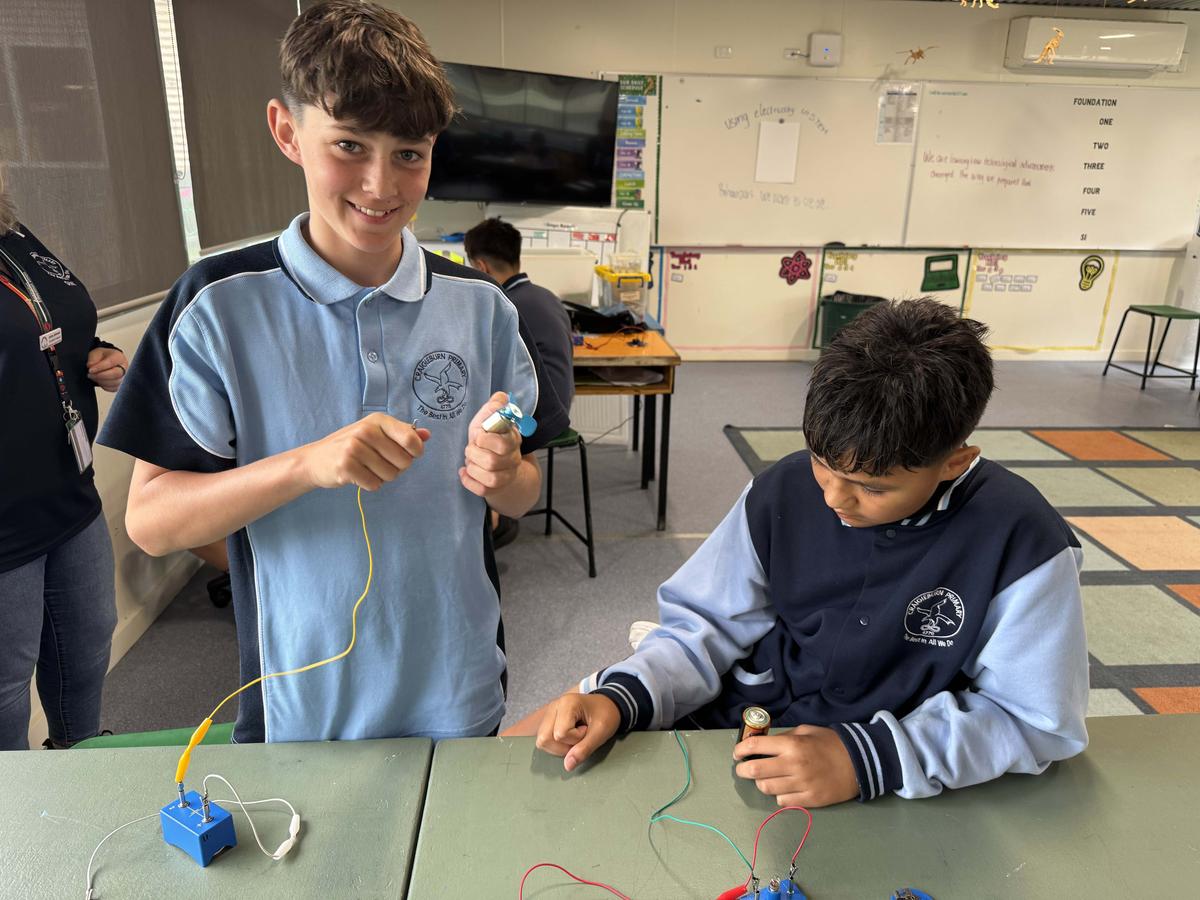
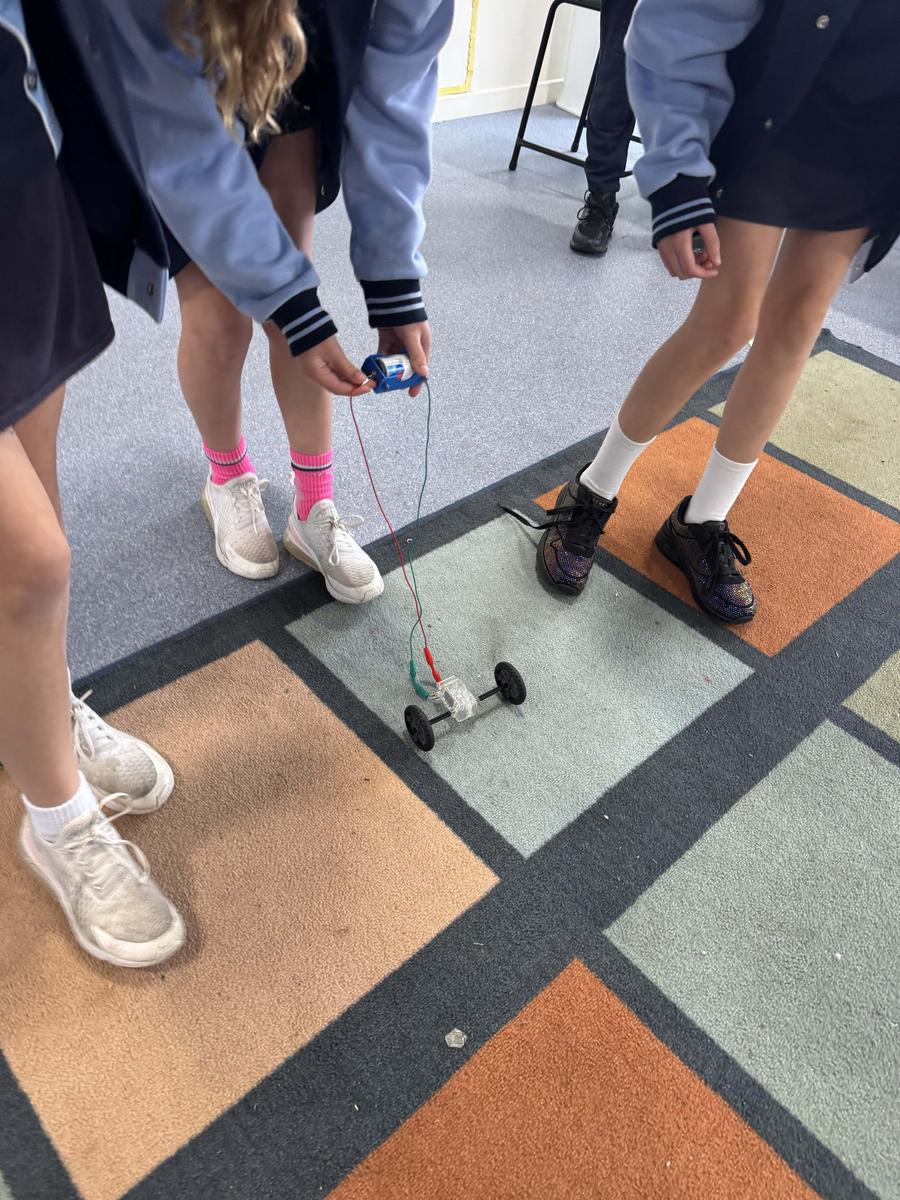
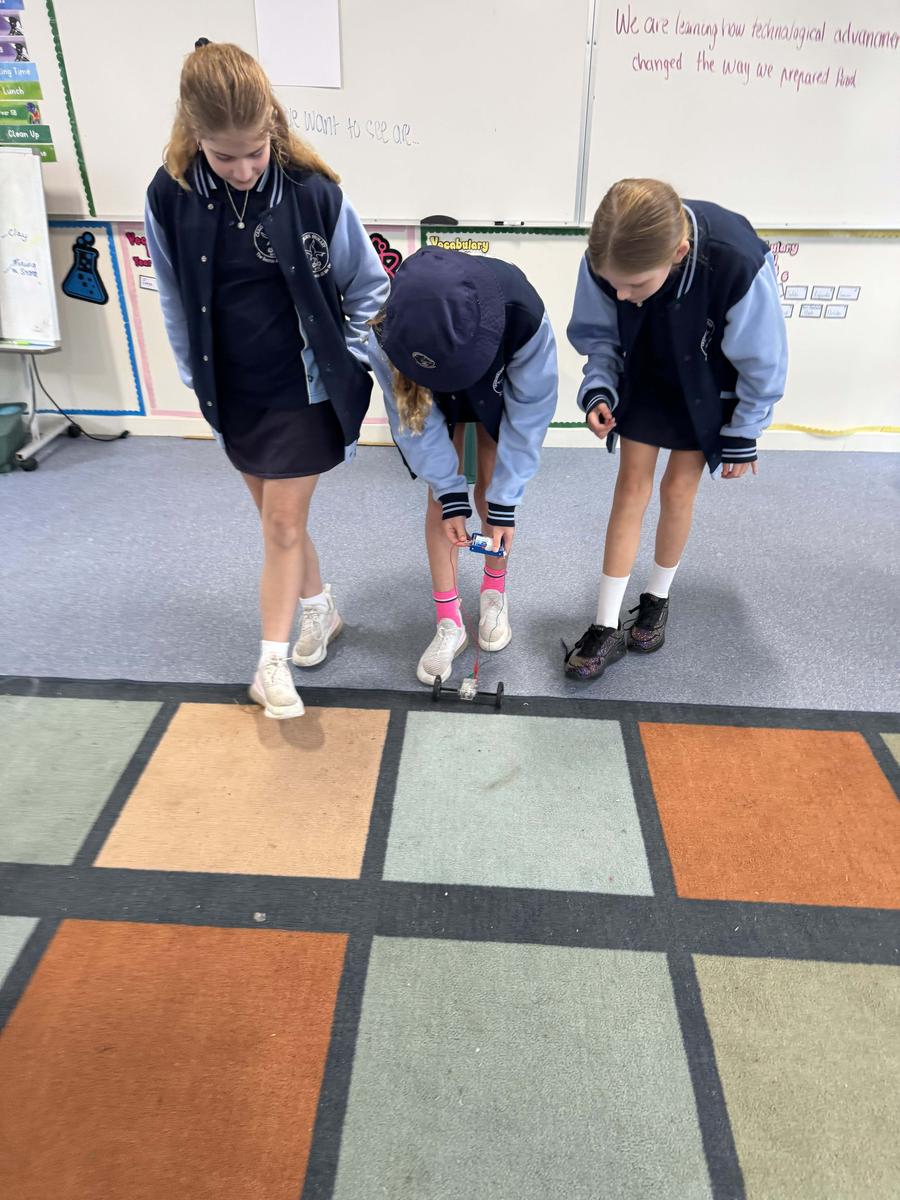
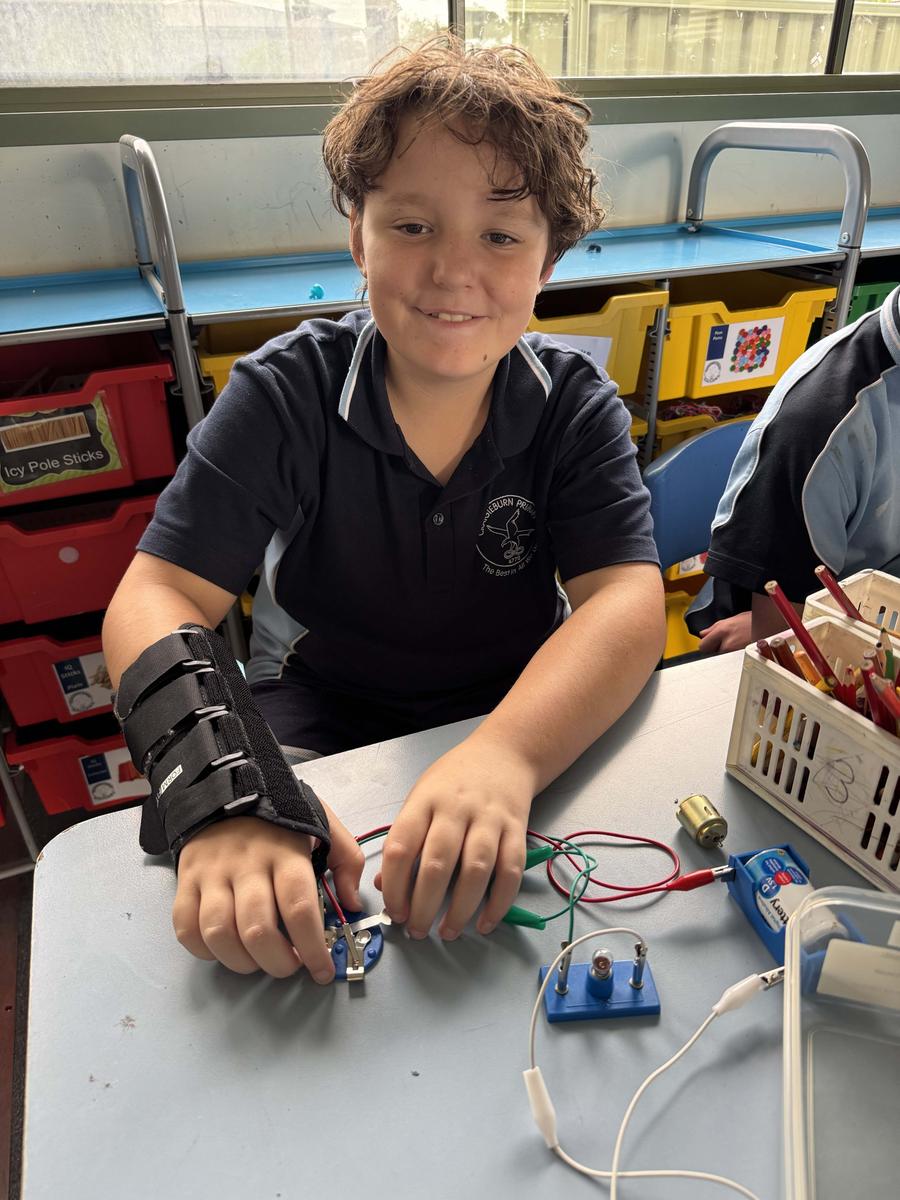
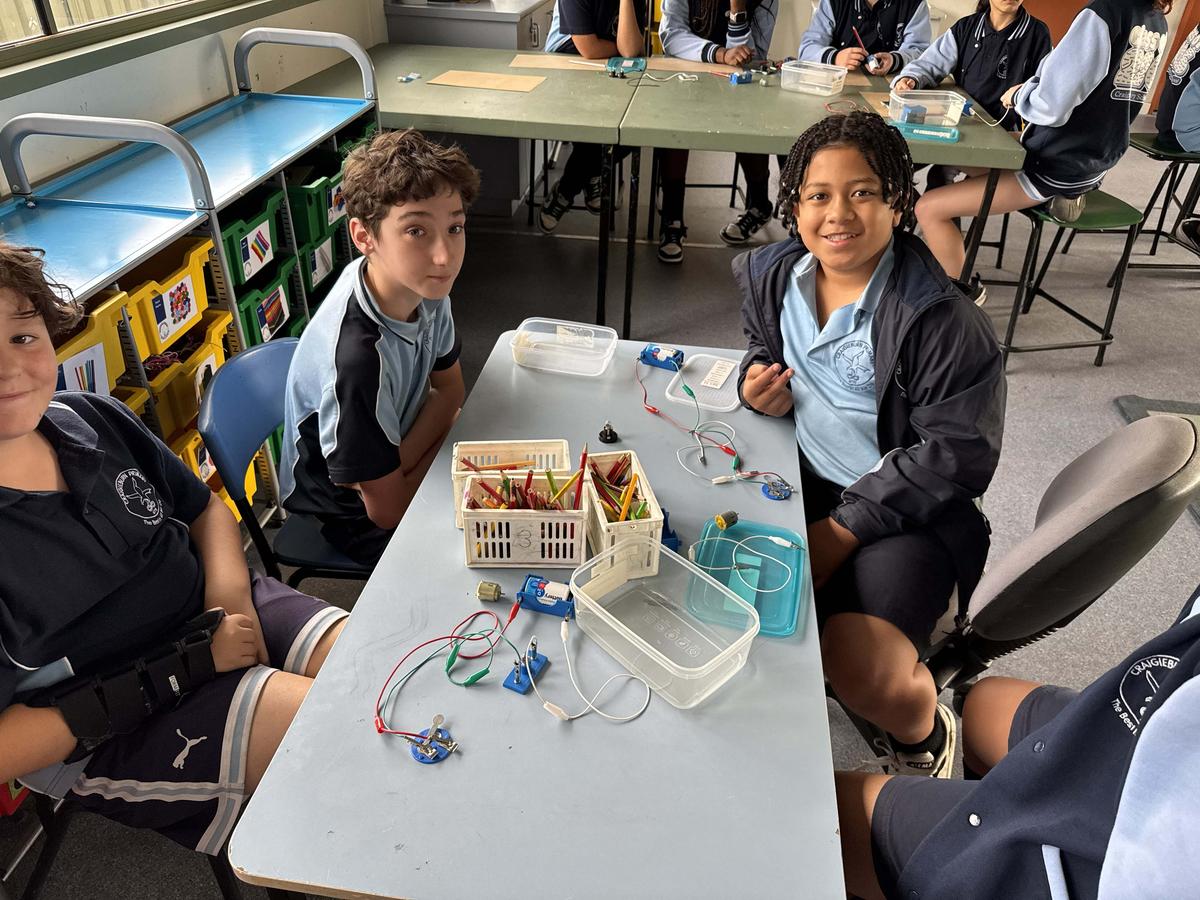
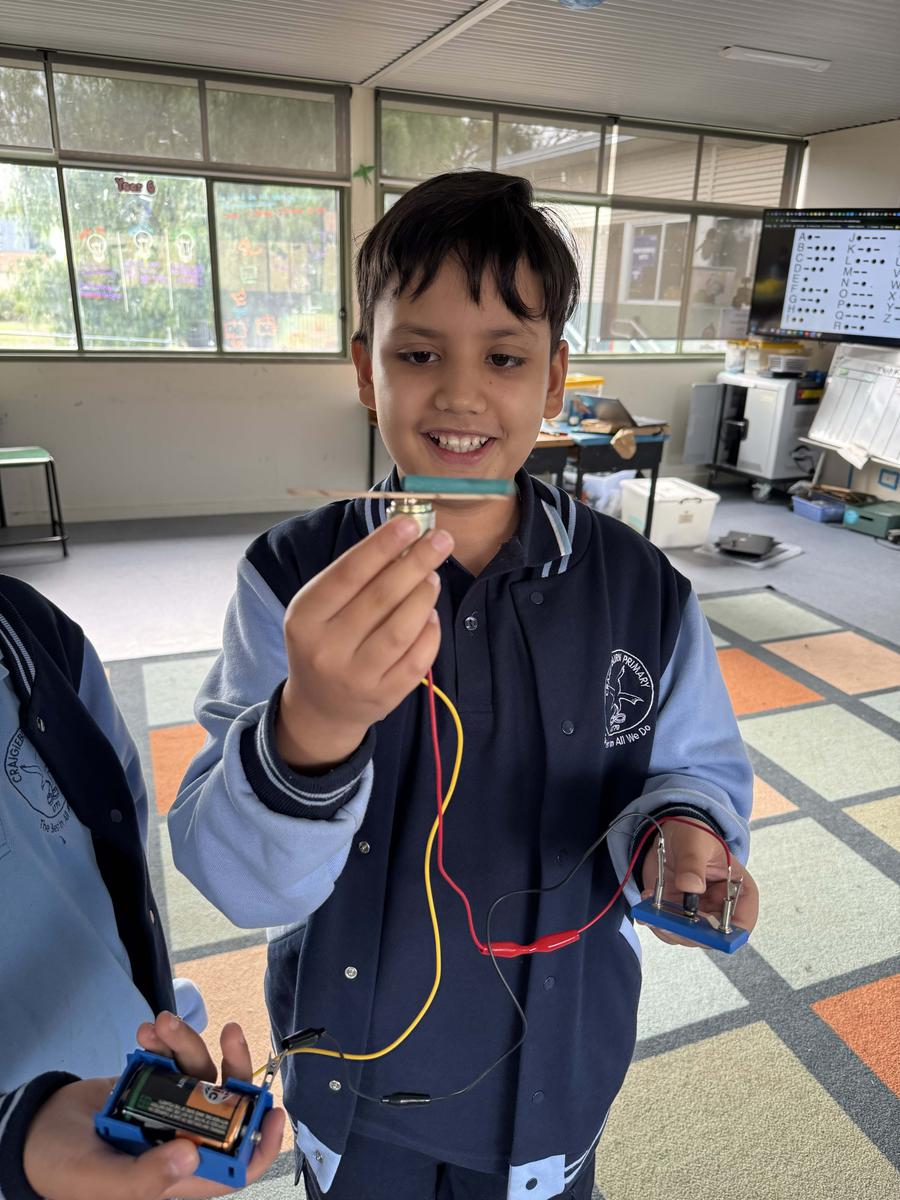
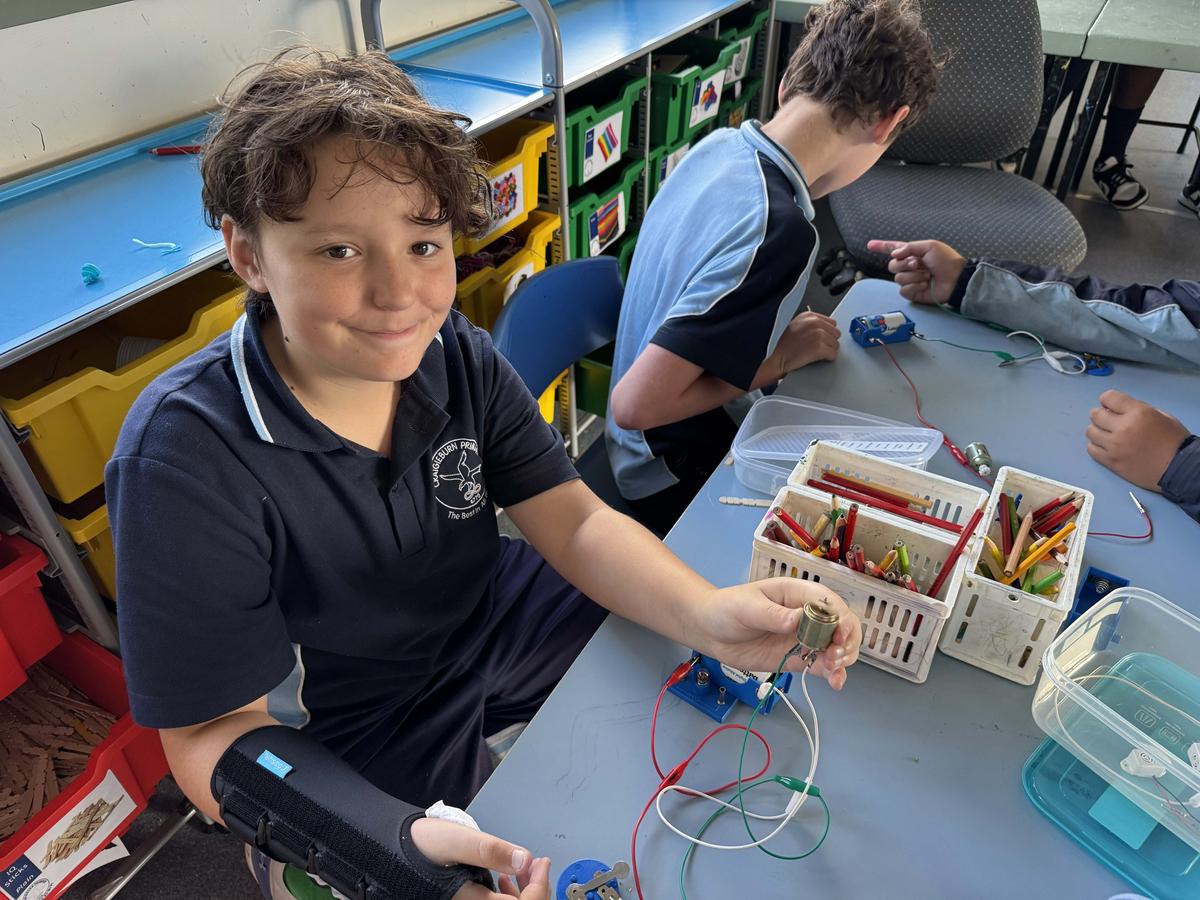
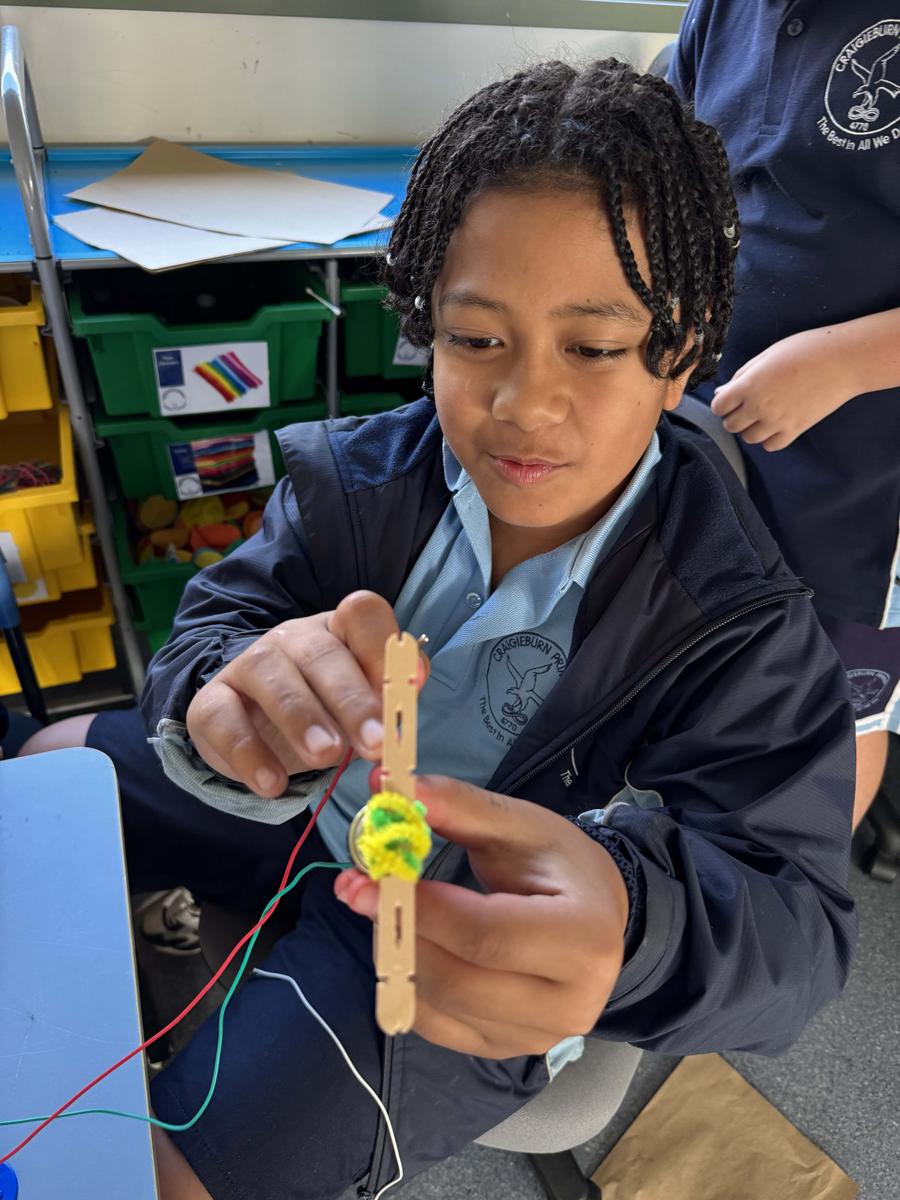
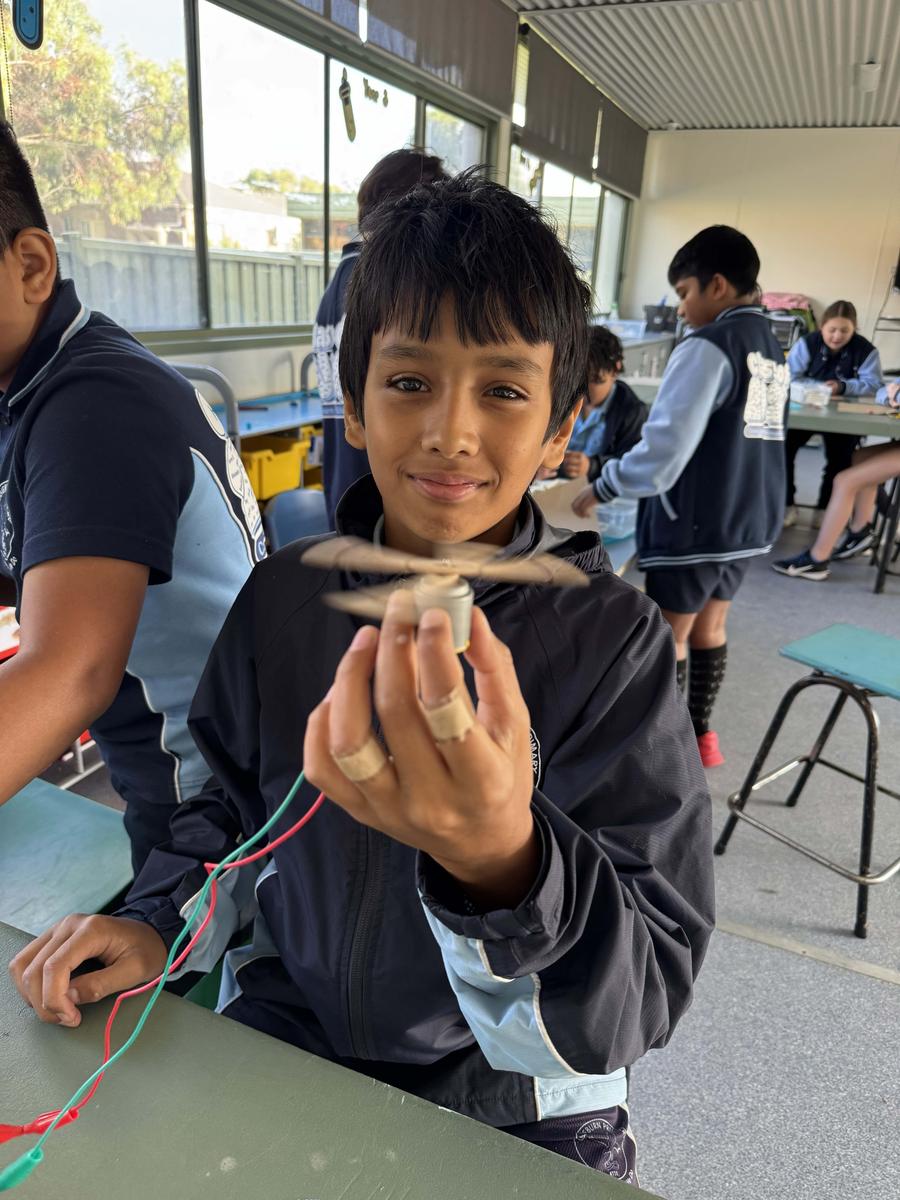
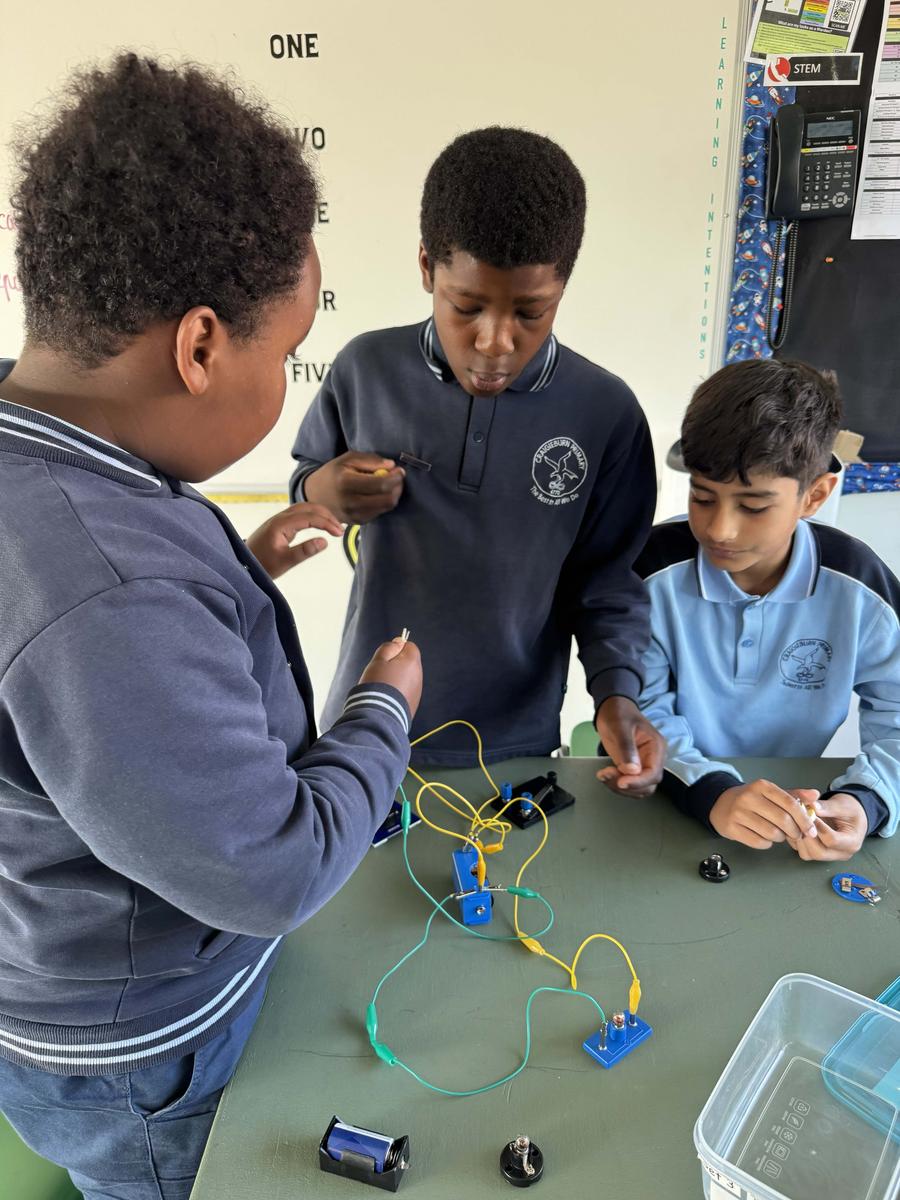
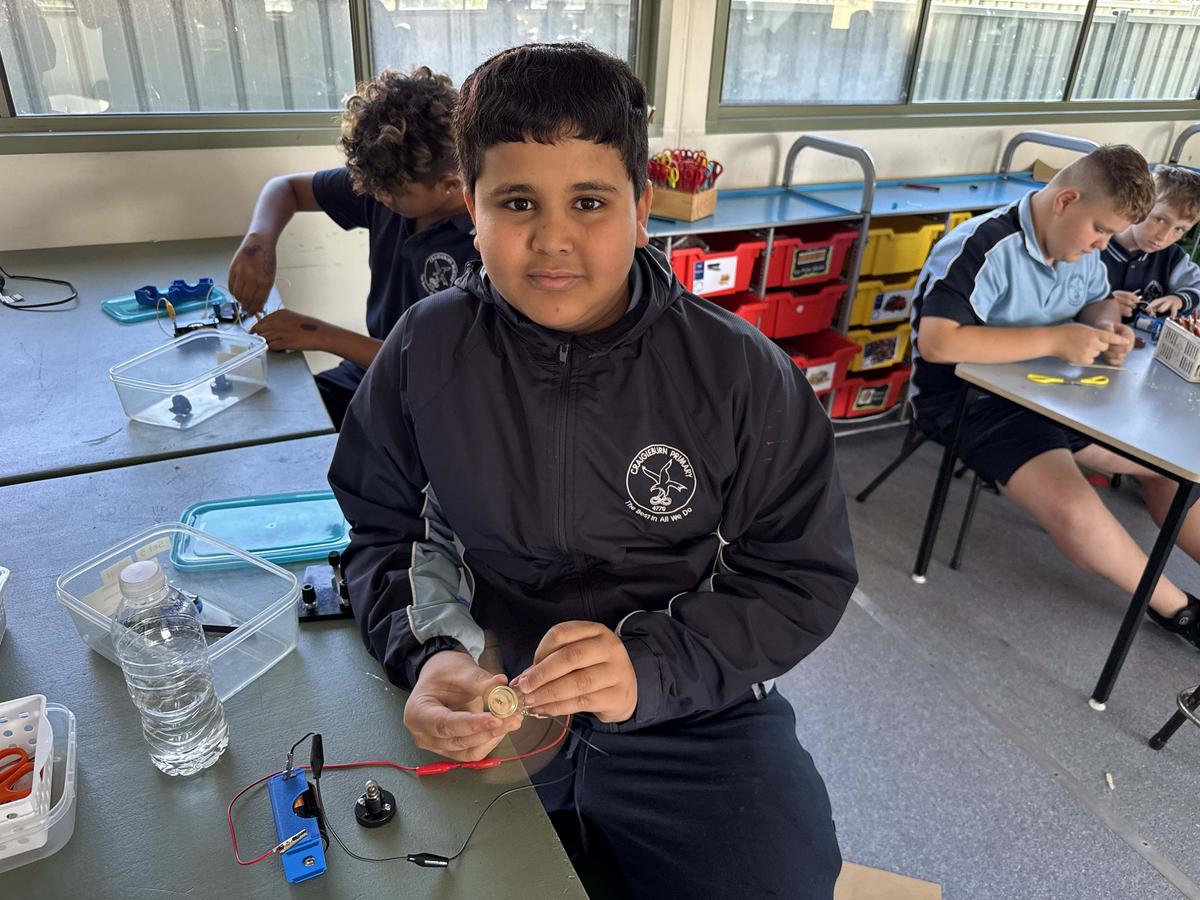
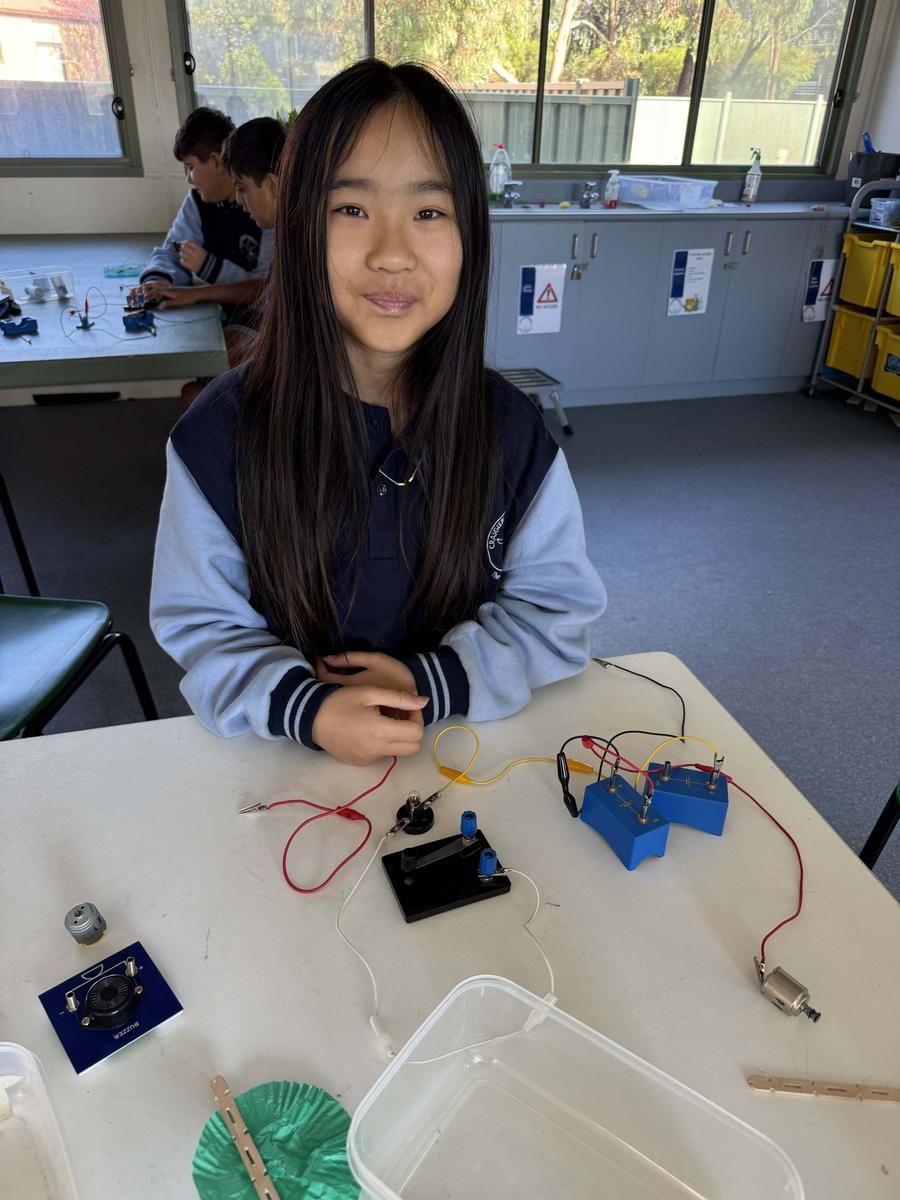
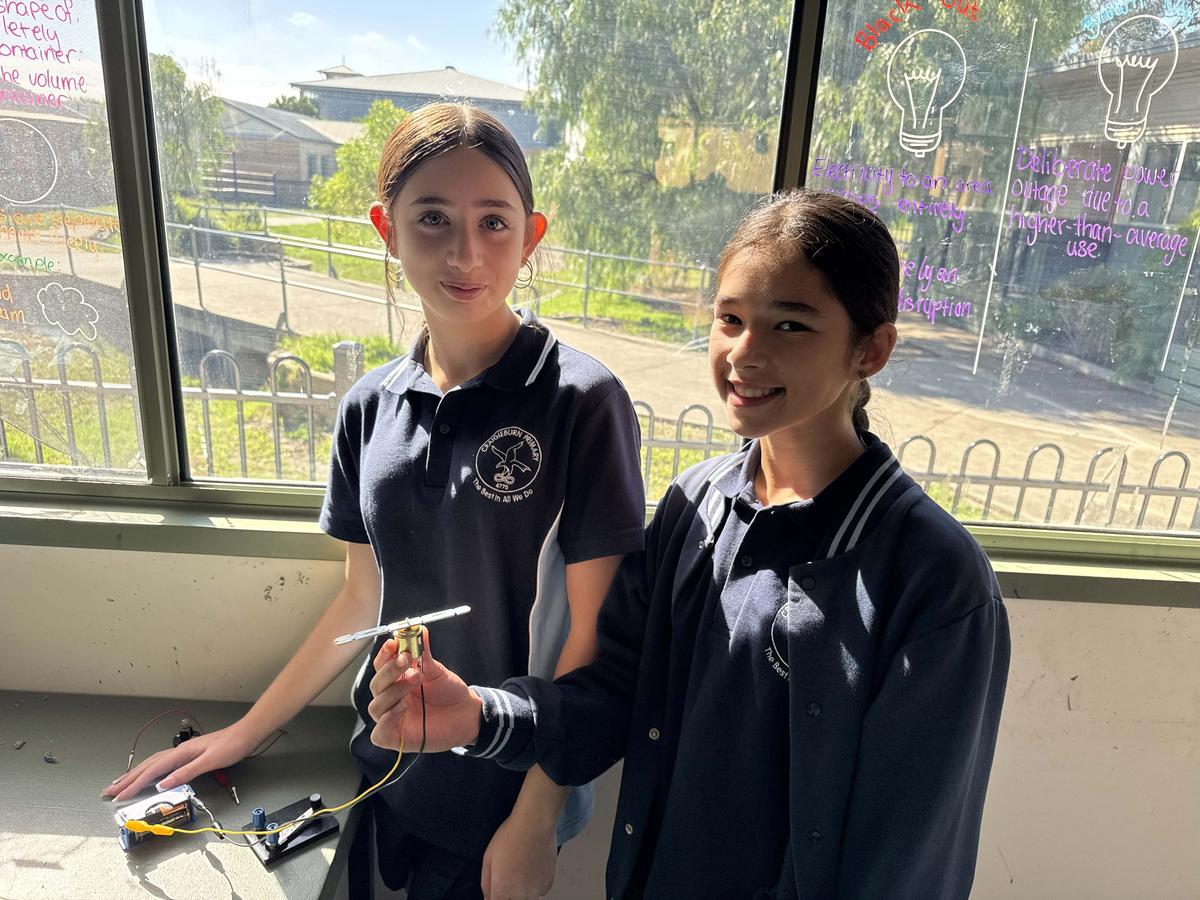
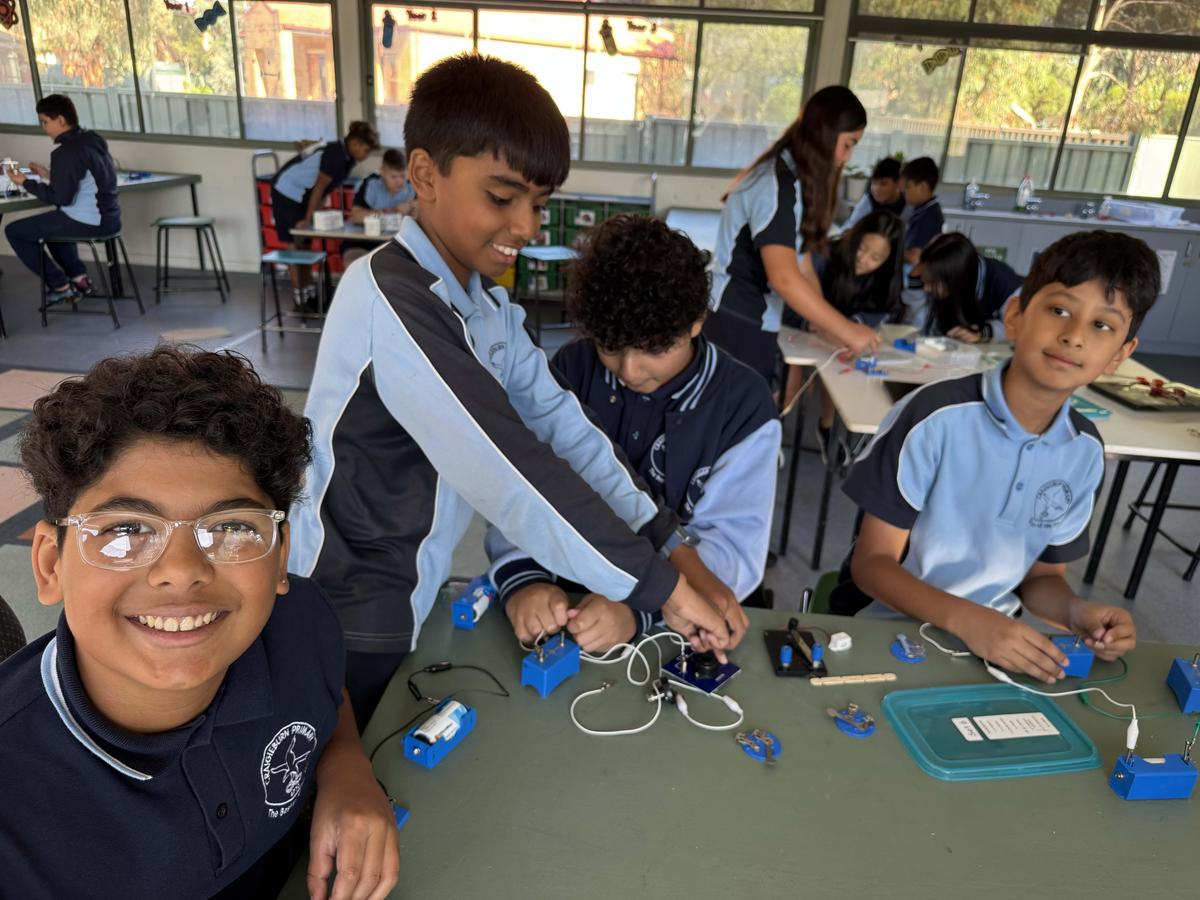
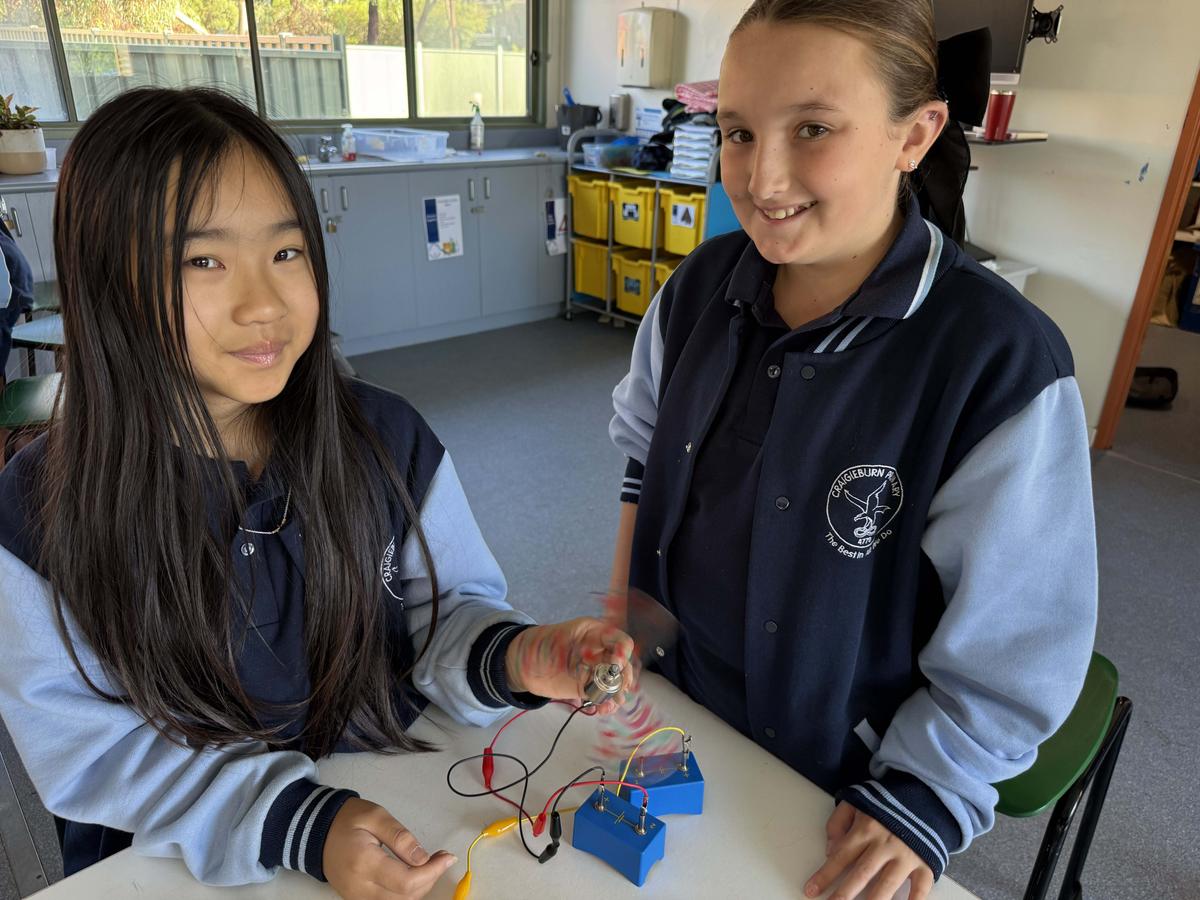
Year 6 students have been exploring how electric current flows through a circuit. To support understanding, we introduced the water flow model, where electricity is compared to water moving through pipes:
- The battery acts like a pump pushing water.
- Wires act like pipes.
- The bulb acts like a water wheel that spins when water flows.
Students were then introduced to the bicycle chain model, demonstrating how energy transfers around a loop. From there, students designed their own models to represent electricity flow, showing that in STEM we often use models to help explain complex systems.
Through this learning, students are developing a deeper conceptual understanding of systems, energy transfer, and how models support scientific thinking.