
Science - Prep to Year 3, Term 1
Prep
Transdisciplinary Theme
How We Organise Ourselves
Central idea: The way objects move depends on their size, shape and the forces acting on them
This term, students will explore movement through a hands on Physical Science unit. Our Central Idea, “The way objects move depends on their size, shape and the forces acting on them,” will guide our investigations as children experiment with pushing, pulling, rolling, sliding, spinning and twisting.on Physical Science unit. Our Central Idea, “The way objects move depends on their size, shape and the forces acting on them,” will guide our investigations as children experiment with pushing, pulling, rolling, sliding, spinning and twisting.
Students will take part in fun activities such as playground movement challenges, toy investigations, movement hunts around the school and simple experiments that help them observe how different objects move. They will ask questions, make predictions and record their discoveries like real young scientists.
We’re looking forward to a term of curiosity, discovery and lots of things on the move!
Year 1
Transdisciplinary Theme
How We Organise Ourselves
Central idea:Sound is created by vibrations and can change depending on how it moves through different materials.
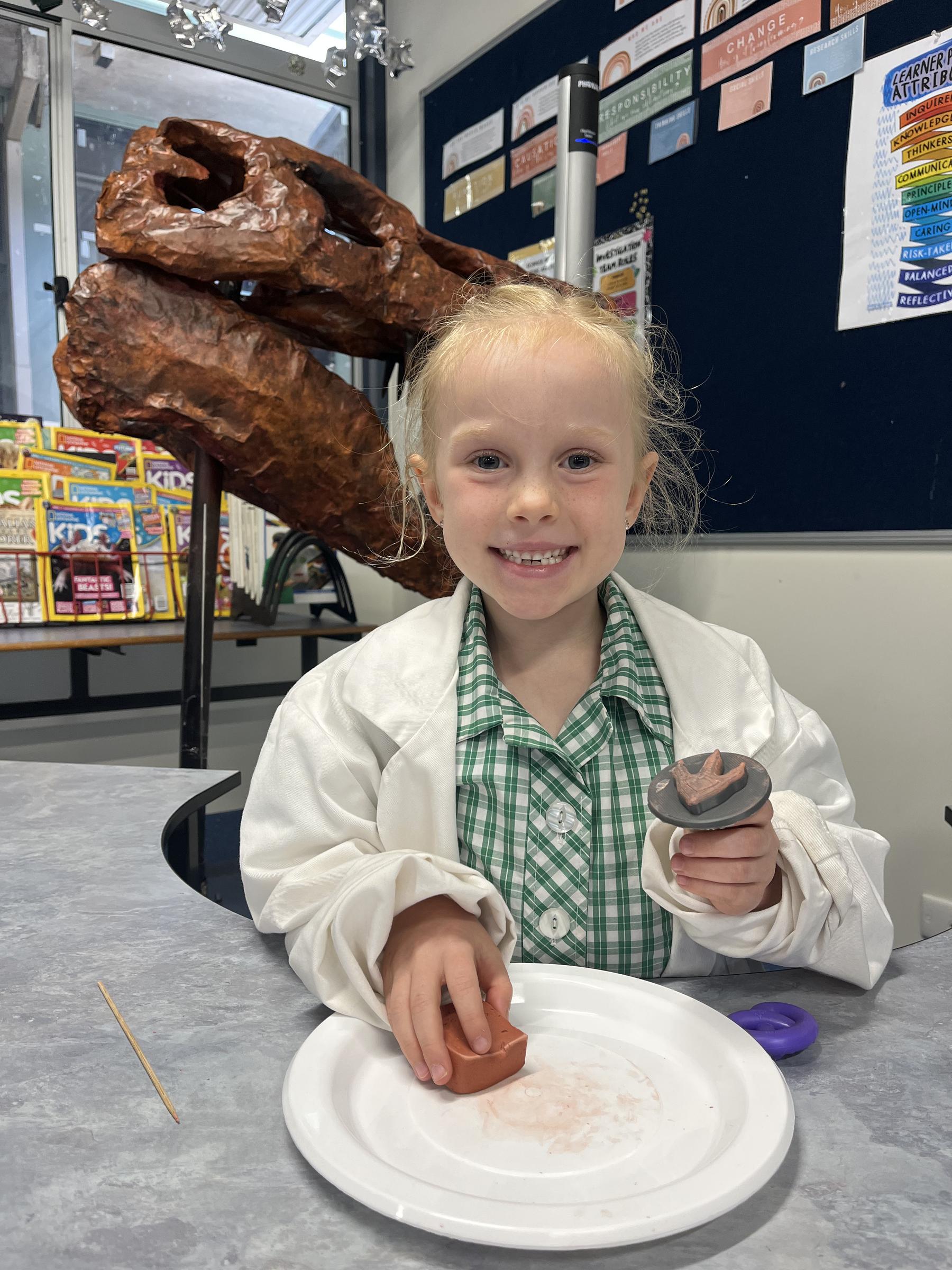
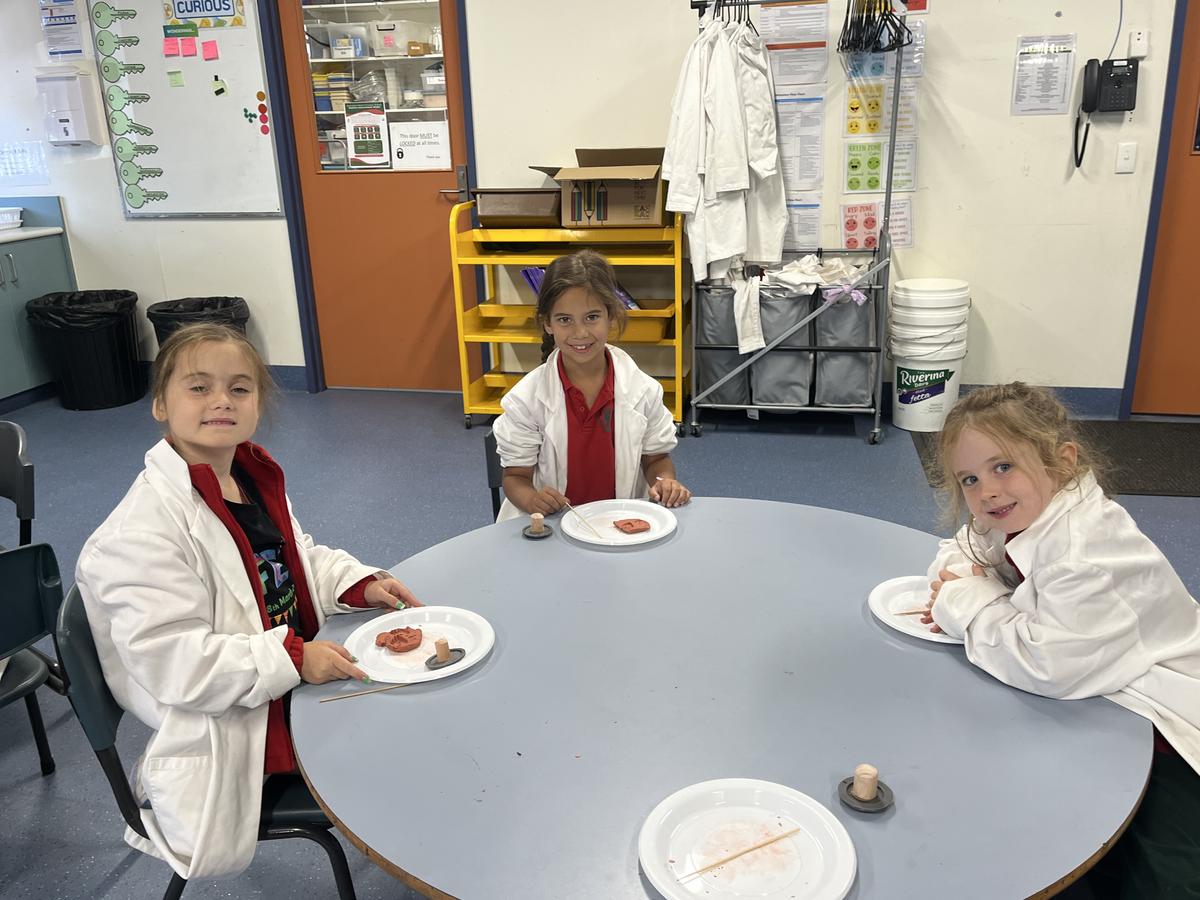
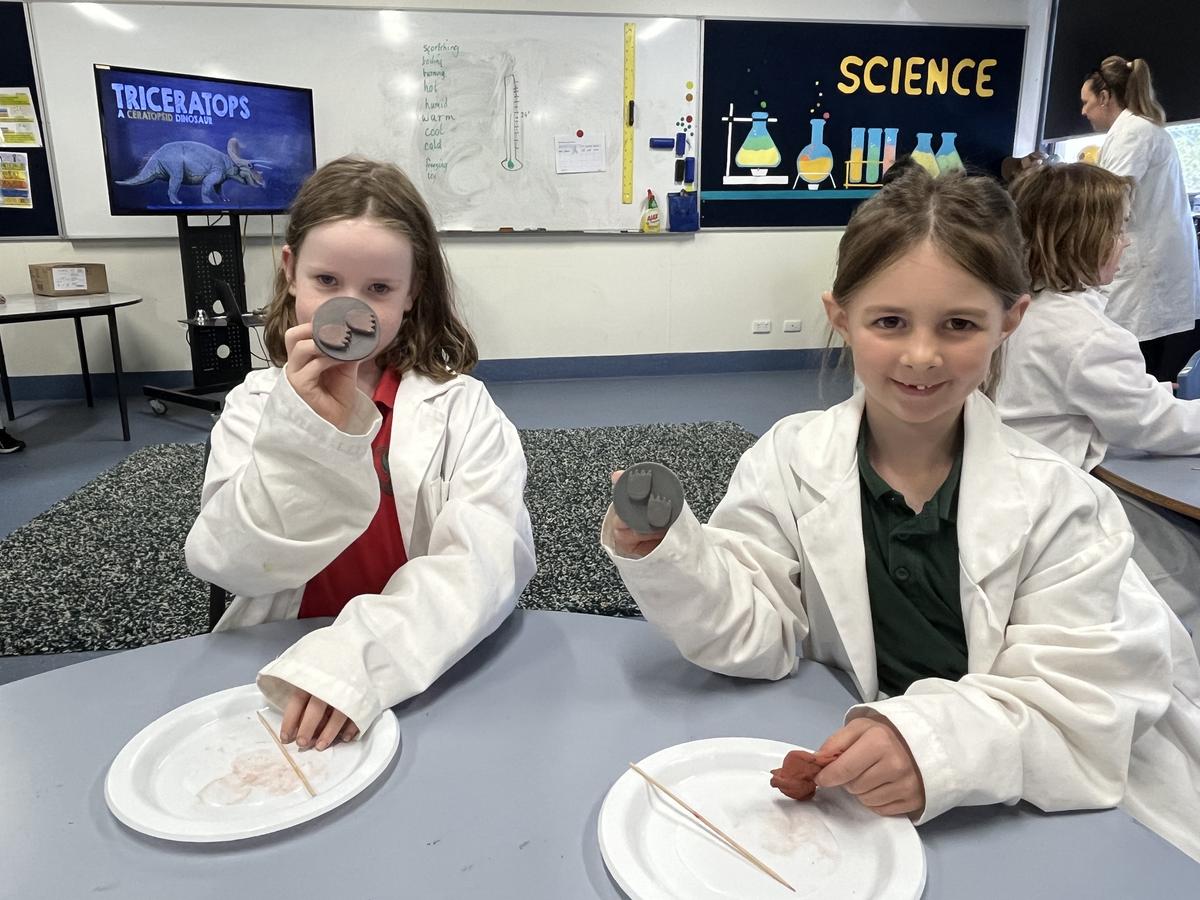
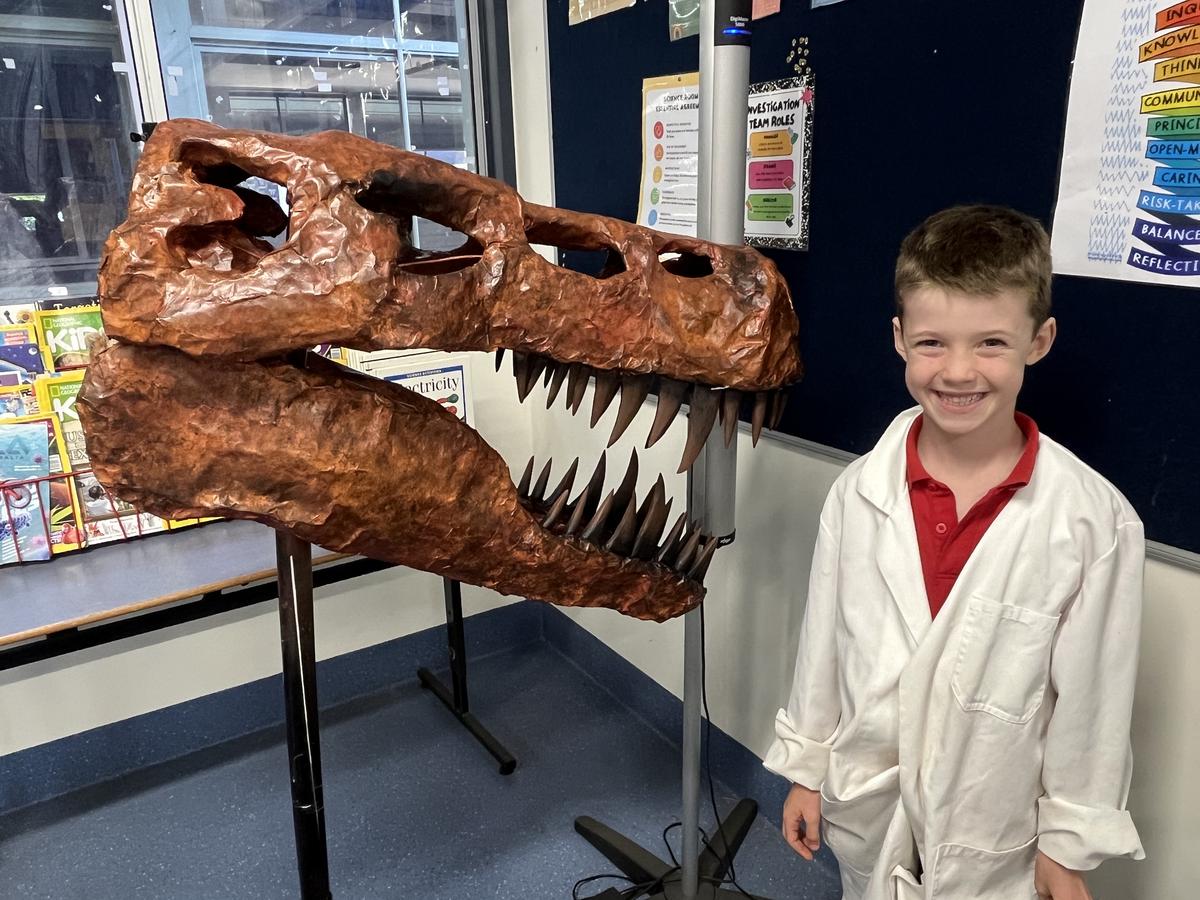
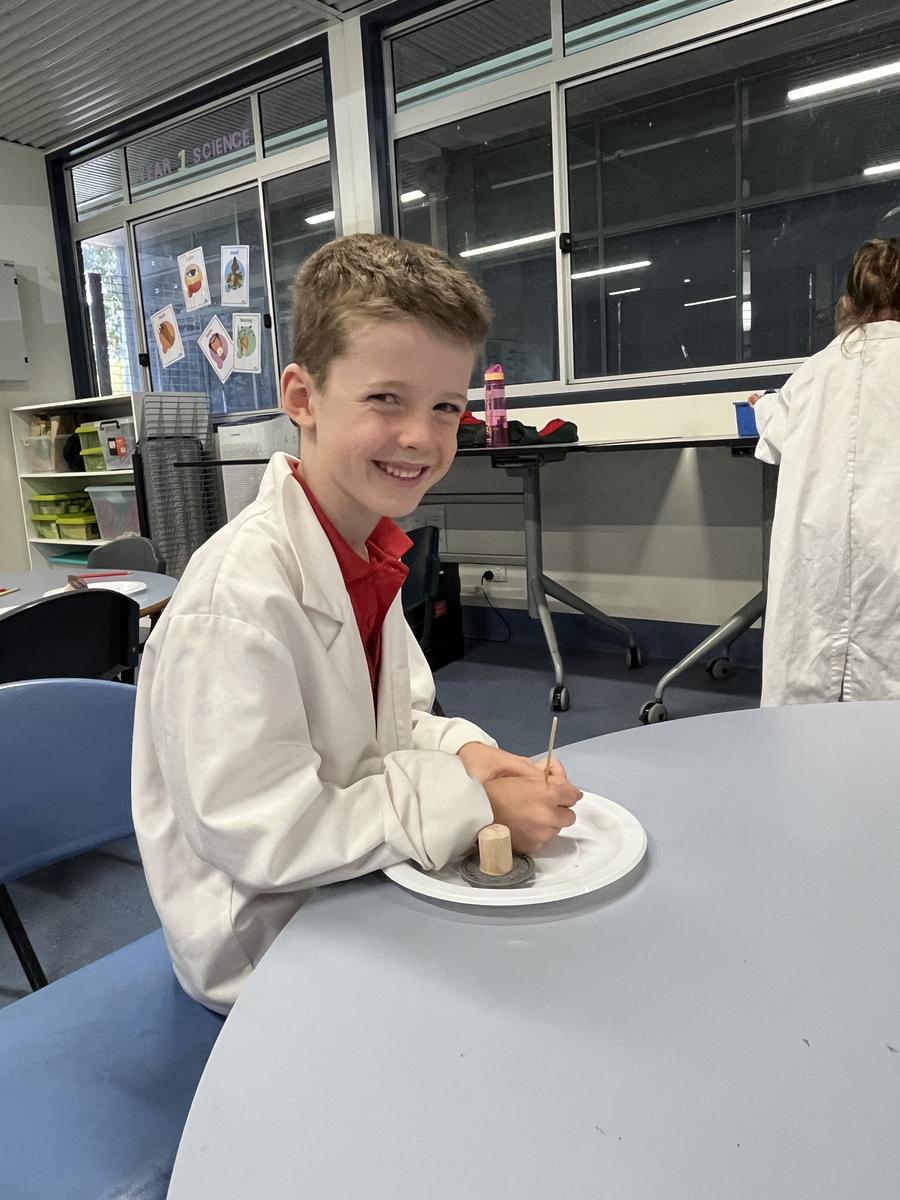
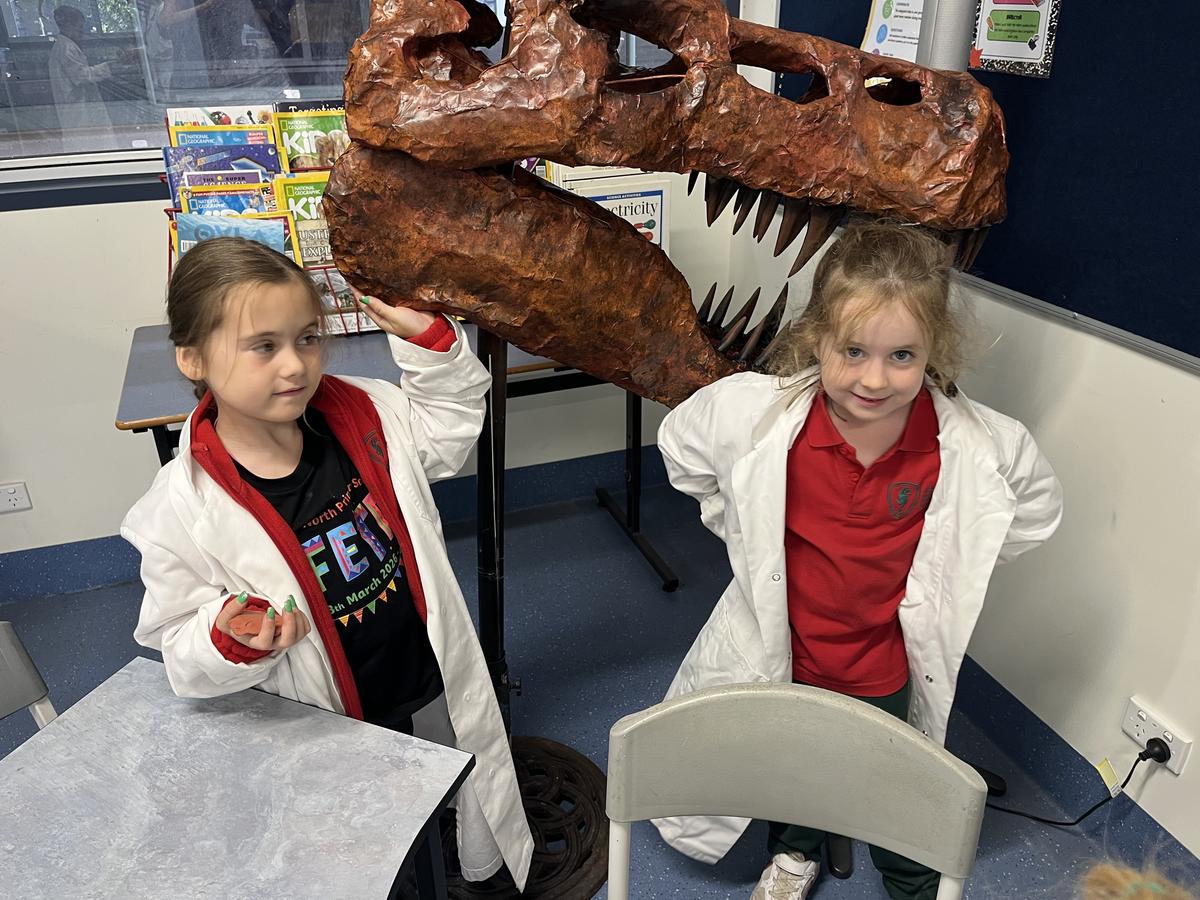
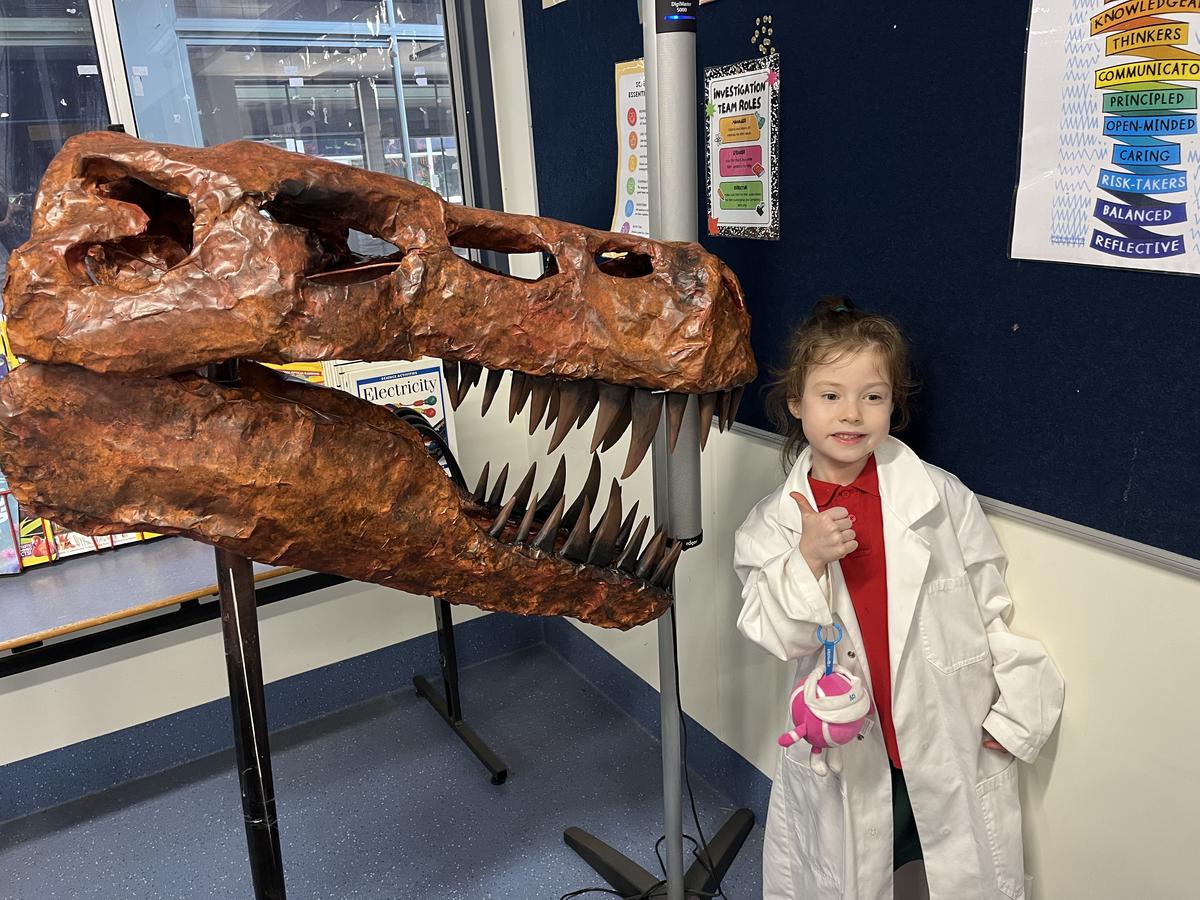
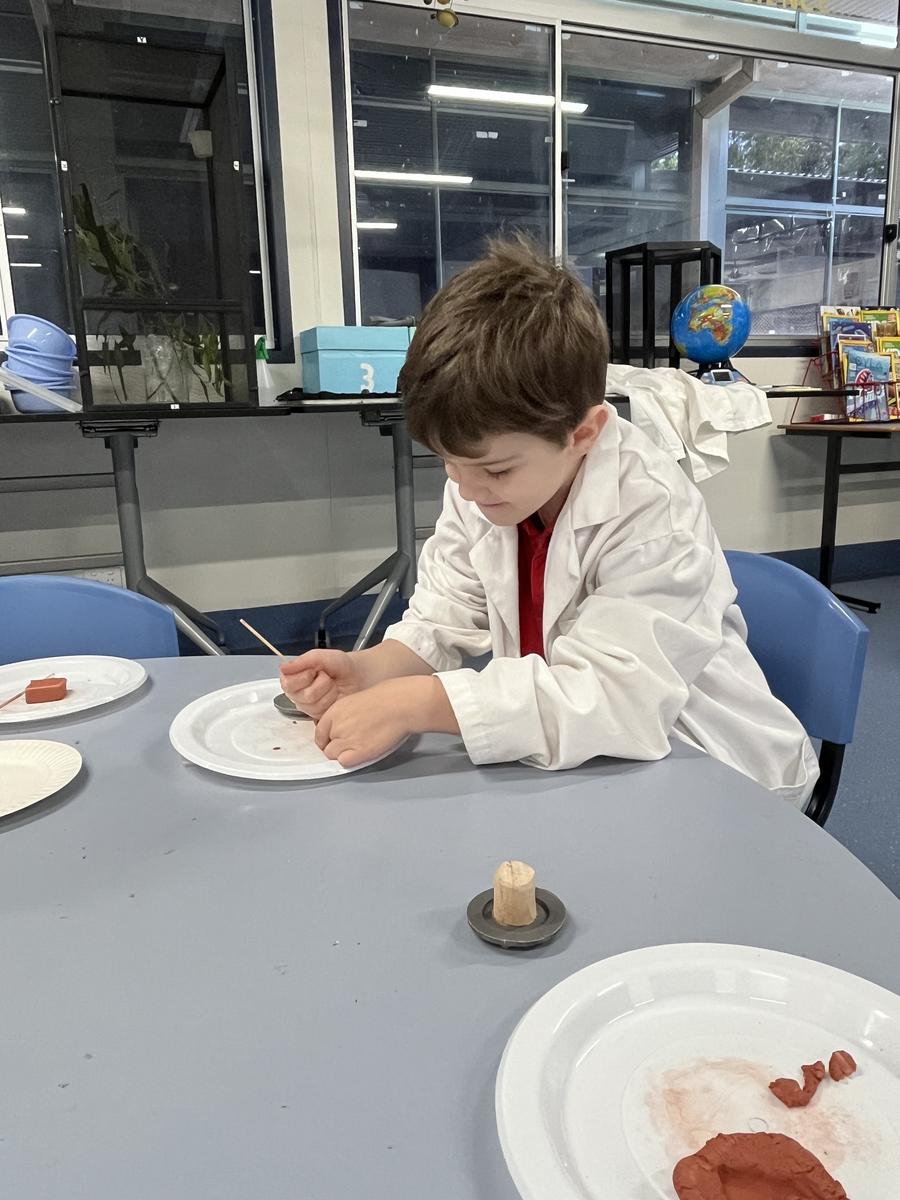
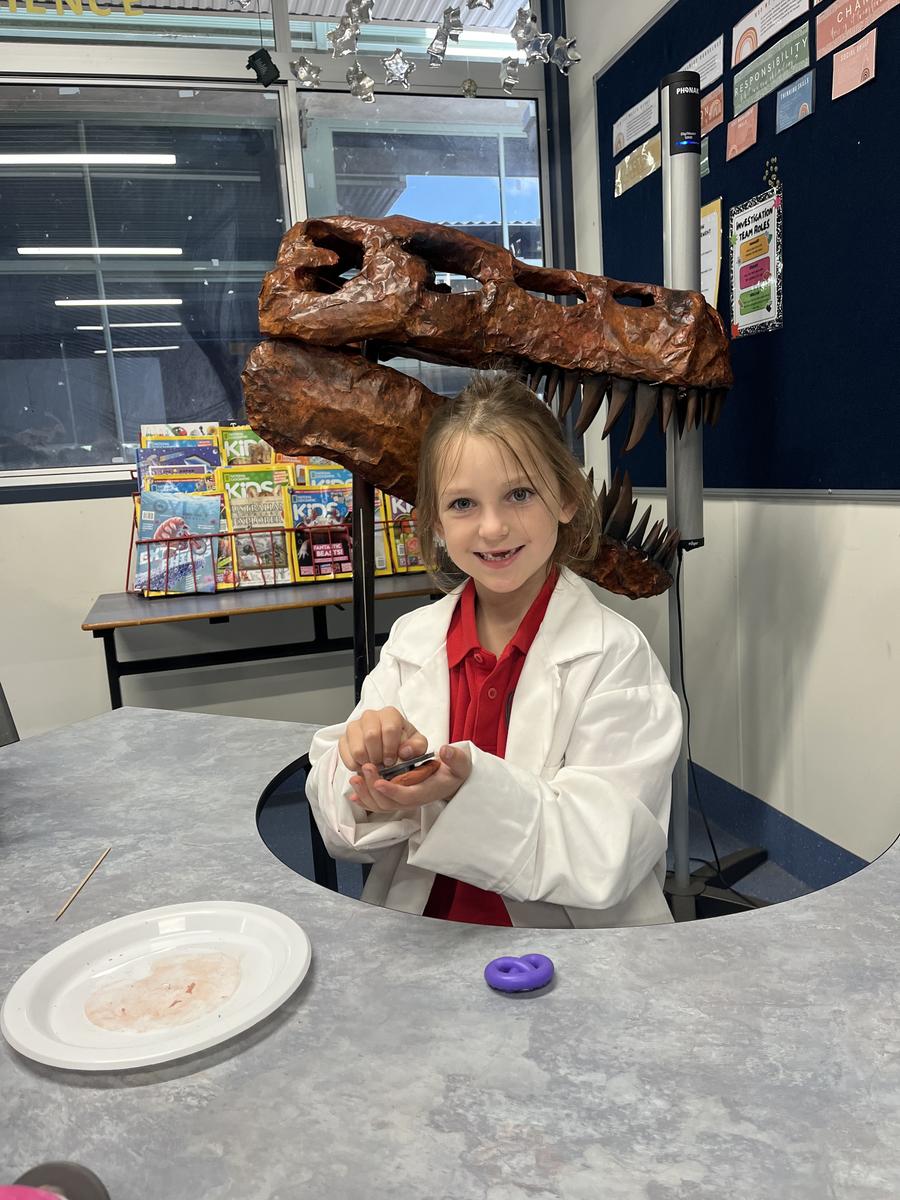
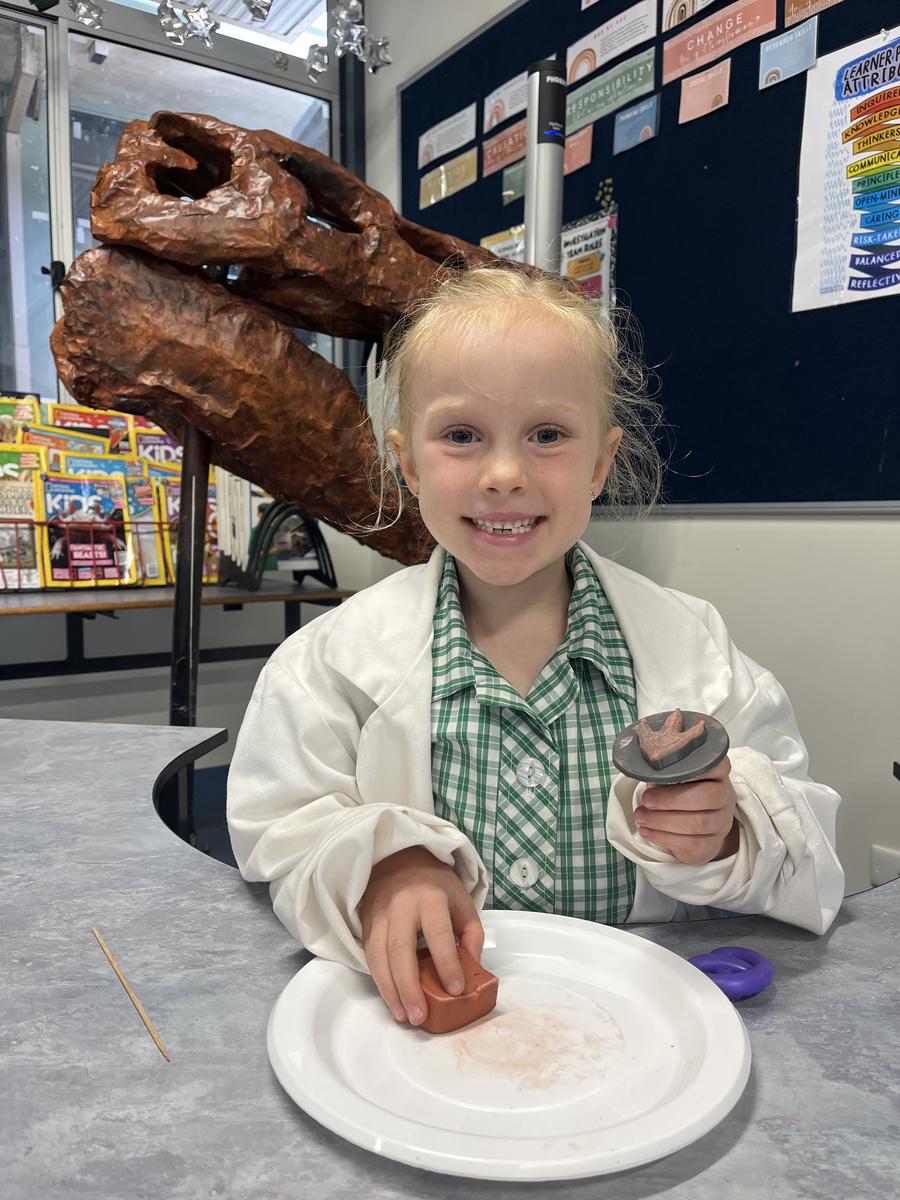
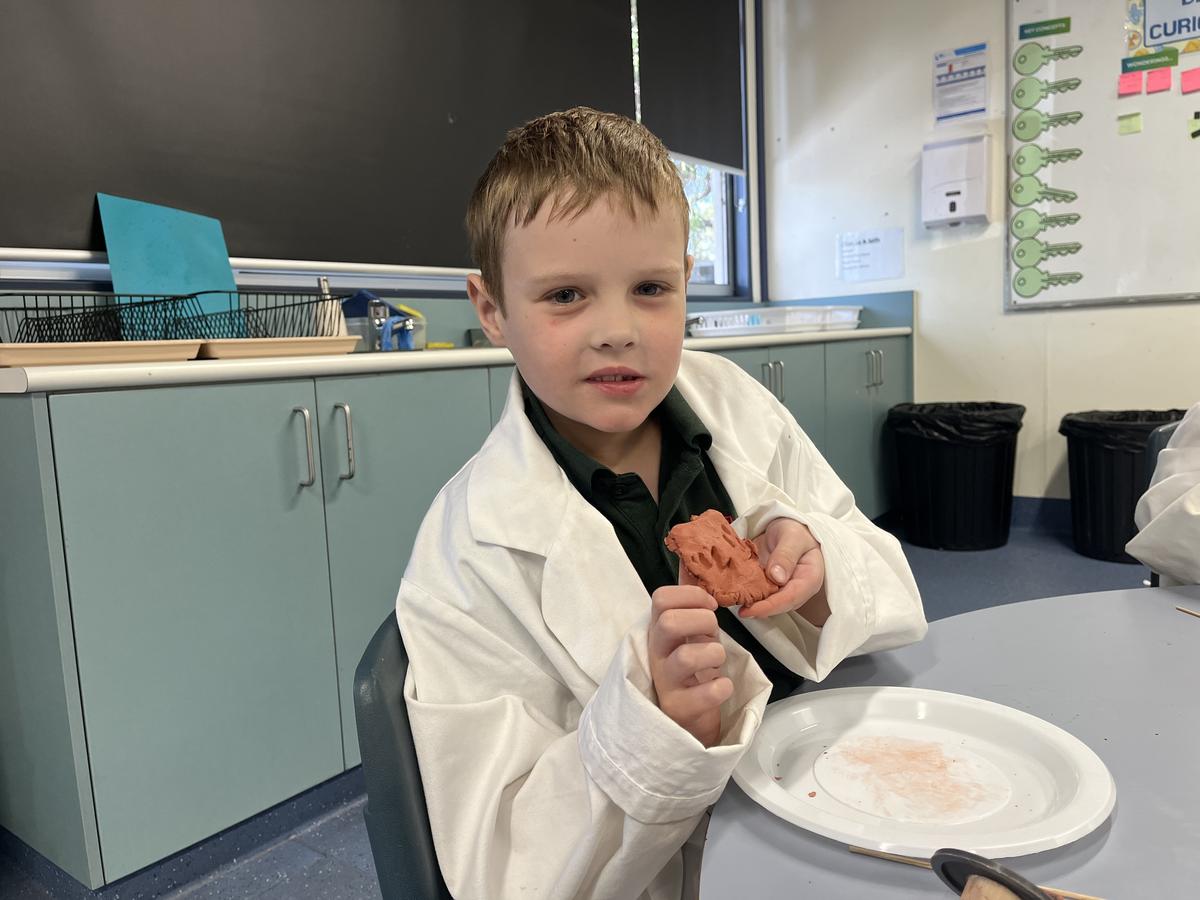
This term in Science, students have been learning to explore the world around them by looking closely, asking questions, and noticing patterns in what they see. They have been practising important early inquiry skills, such as describing their observations and making simple predictions. A highlight has been our dinosaur activities, which introduced early biology concepts and helped students understand that living things grow and change over time, all while building their confidence as observant young scientists.
Students will now turn their attention to Physics and investigate how sounds are made, how they travel, and how pitch and volume can change. Through fun, hands on activities such as sound hunts, playground movement investigations, and simple experiments, they will explore vibrations, pitch, volume, and how different objects create different sounds.
Later in the term, students will create their own sounds using activities like sprinkles on cling film, pitch cups, and making simple instruments. These experiences will help them observe, predict, and record their thinking like young scientists.
We are excited for a fun, curious and noisy Term 1!
Year 2
Transdisciplinary Theme
How the world works
Central Idea
Understanding the properties of materials helps us make responsible choices that support the conservation of Earth’s resources.
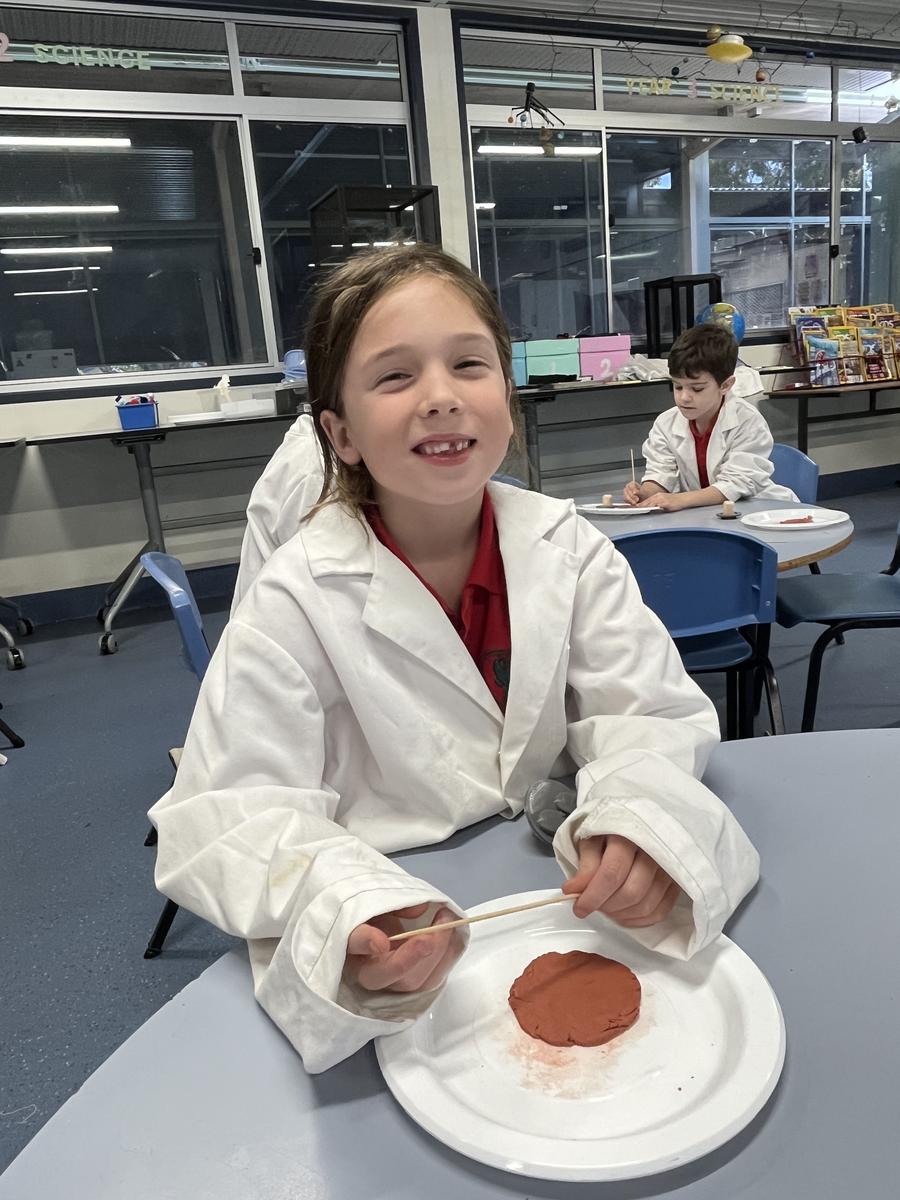
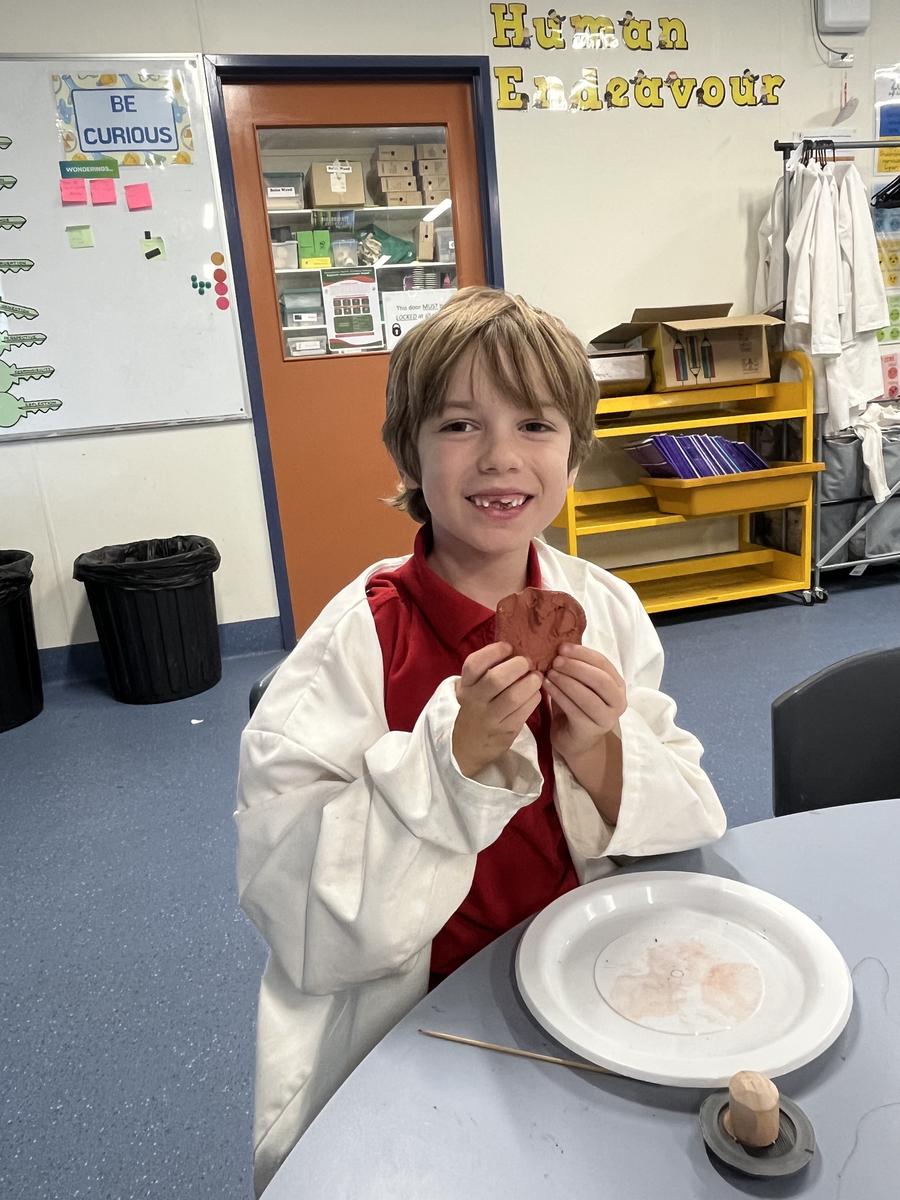
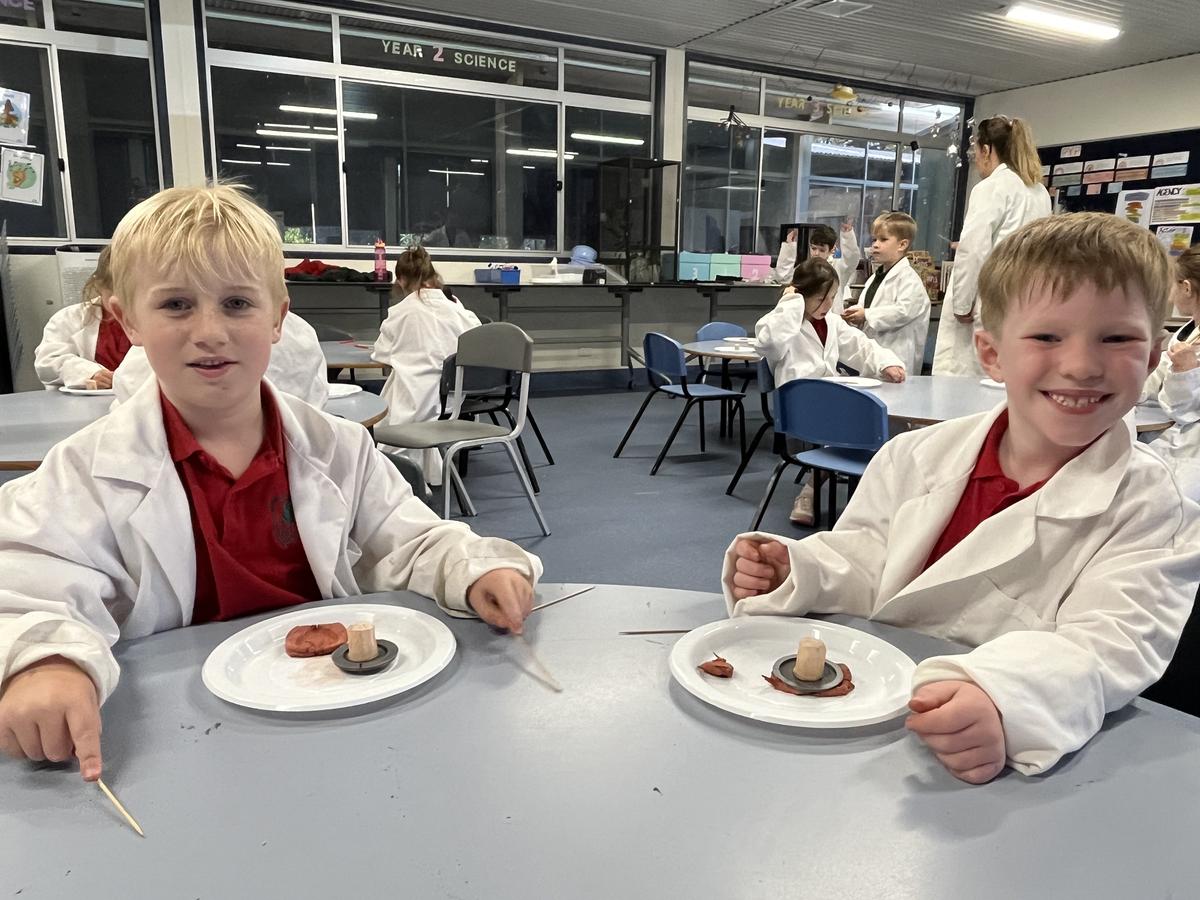
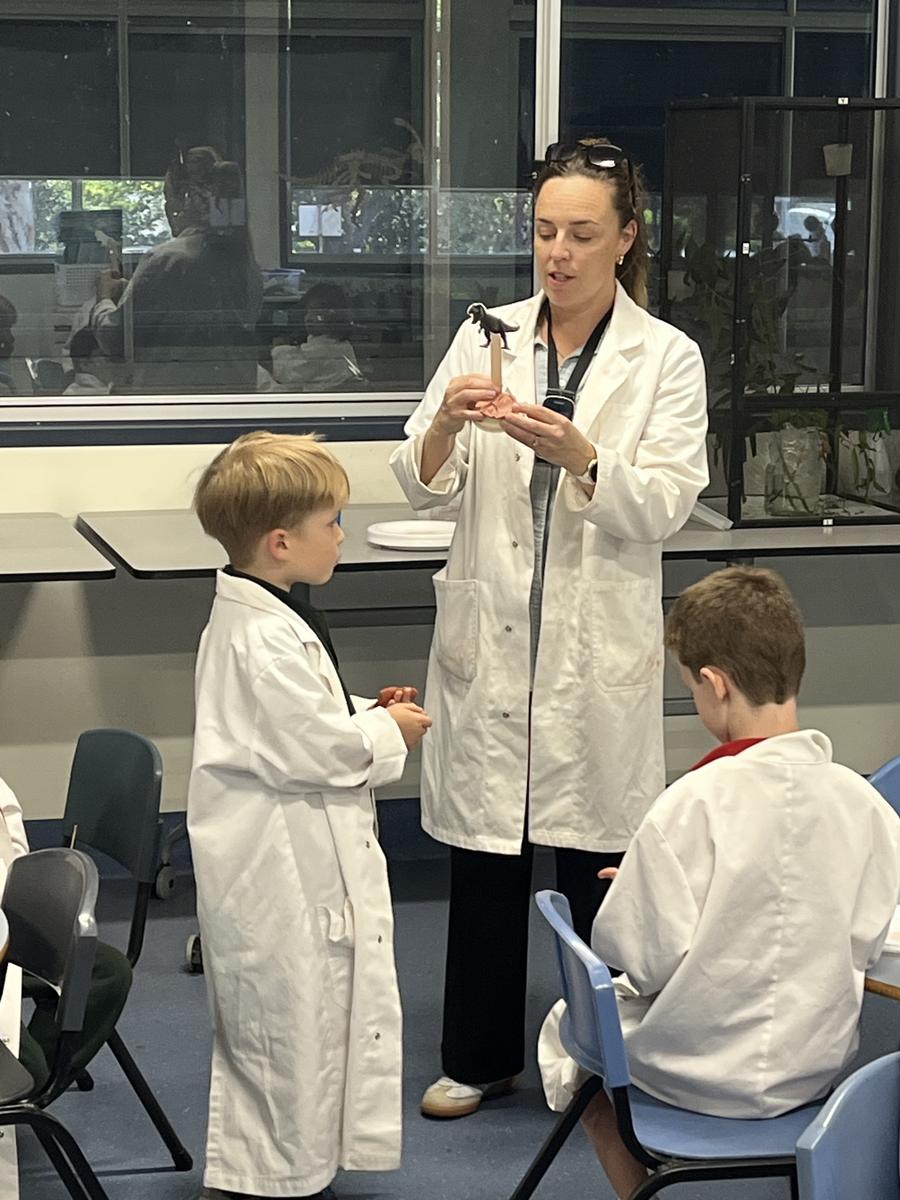
This term in science, students have been learning how to explore the world through careful observation, questioning and noticing patterns. They have been practising looking closely, describing what they see and making simple predictions, which are key parts of the Year 2 science curriculum. Our dinosaur activities added a fun biology connection, helping students understand how living things grow and change while strengthening their observation skills even further.
In the coming weeks, students will build on this foundation as they explore the materials we use every day. They will investigate how different materials behave when they are bent, stretched, twisted, crushed or squashed, and what these changes reveal about their properties.
We will then use this knowledge to look at how materials can be recycled, reused or repurposed, and how these actions help conserve Earths resources. Through hands on investigations, students will make predictions, follow sequenced steps safely and compare their observations with their classmates.
These lessons aim to spark curiosity and help students understand that simple choices, like reusing a container or choosing to recycle, can make a meaningful difference in caring for our world.
Year 3
Transdisciplinary Theme
How the World Works
Central Idea
Heat energy can be sensed, produced and transferred, and different materials affect how heat is absorbed, conducted or insulated.
Throughout the unit, students will investigate how we detect heat, identify everyday heat sources such as the Sun, electricity, fire and friction, and explore how heat travels through direct and indirect contact. They will use temperature tools, make predictions, observe changes, and begin to understand how heat moves from warmer objects to cooler ones.
Students will then explore how different materials affect heat transfer by learning about conductors and insulators. Through handson experiments, they will test a variety of materials, compare results, and practise using fairtest procedures as young scientists. The unit concludes with a practical challenge where students apply their learning to design and test methods for keeping a container warm. It’s set to be an engaging and active term as students build their scientific thinking and explore how heat affects the world around them.