Whole School Activities
Whole School Art
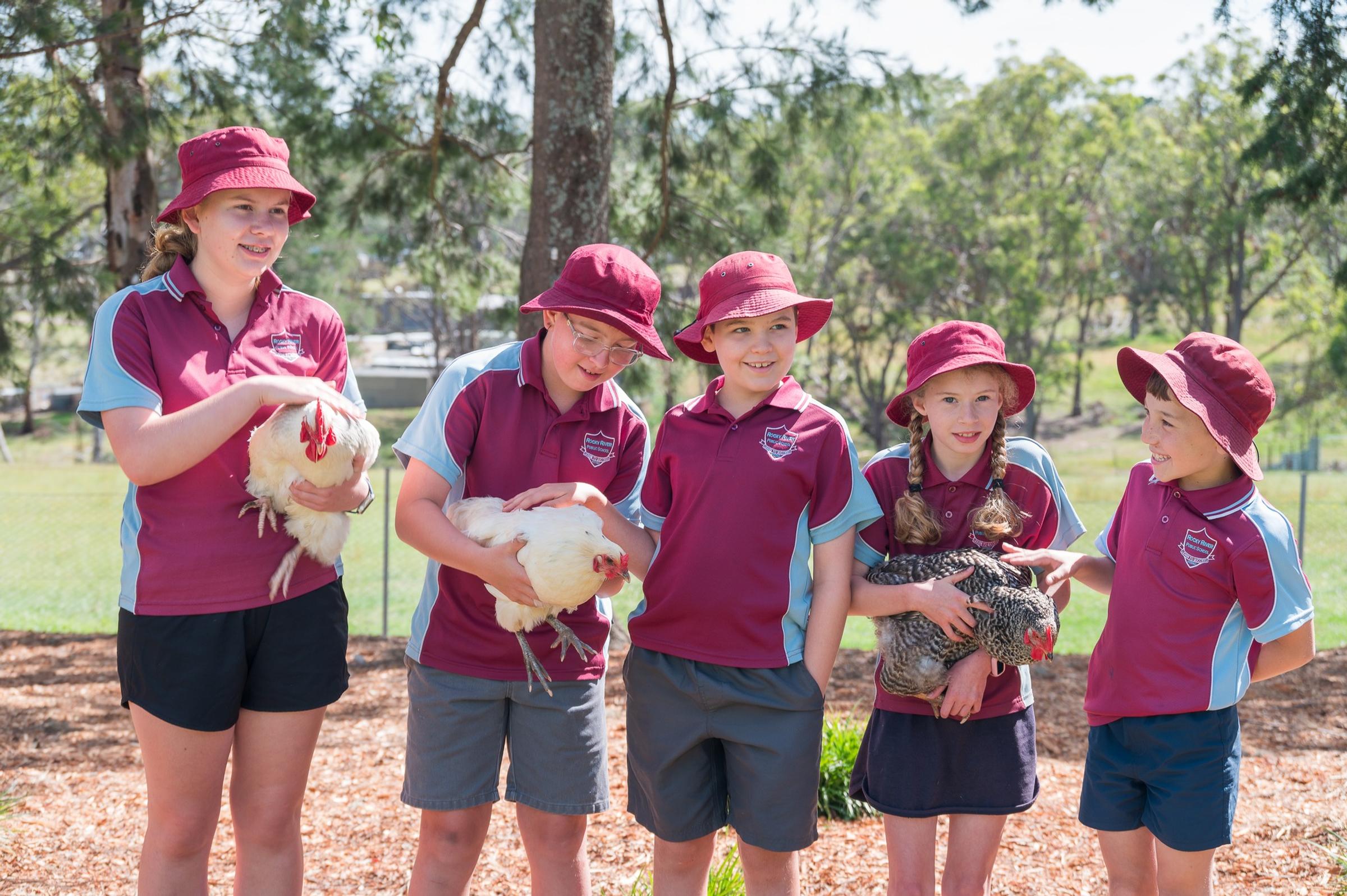
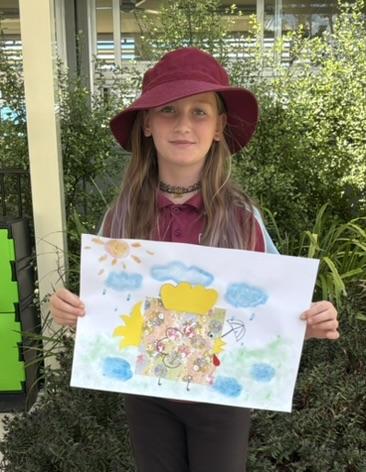
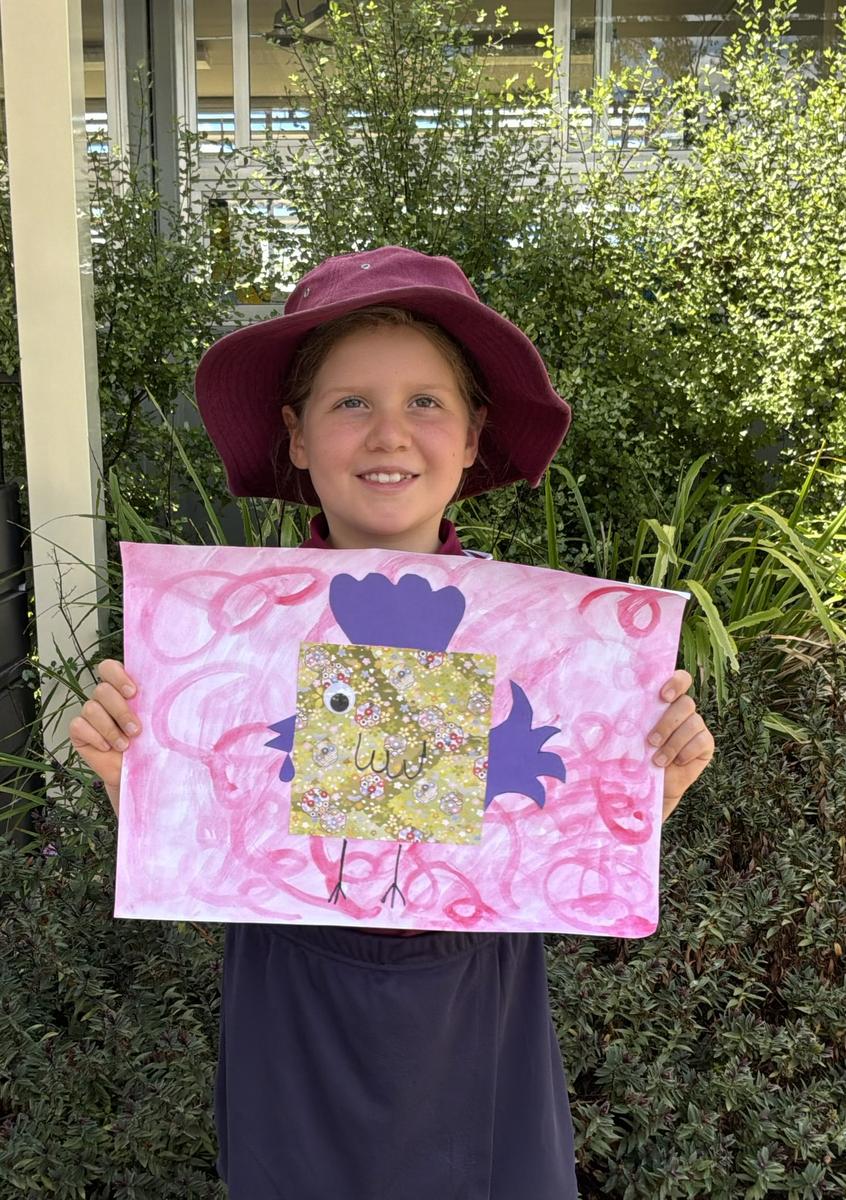
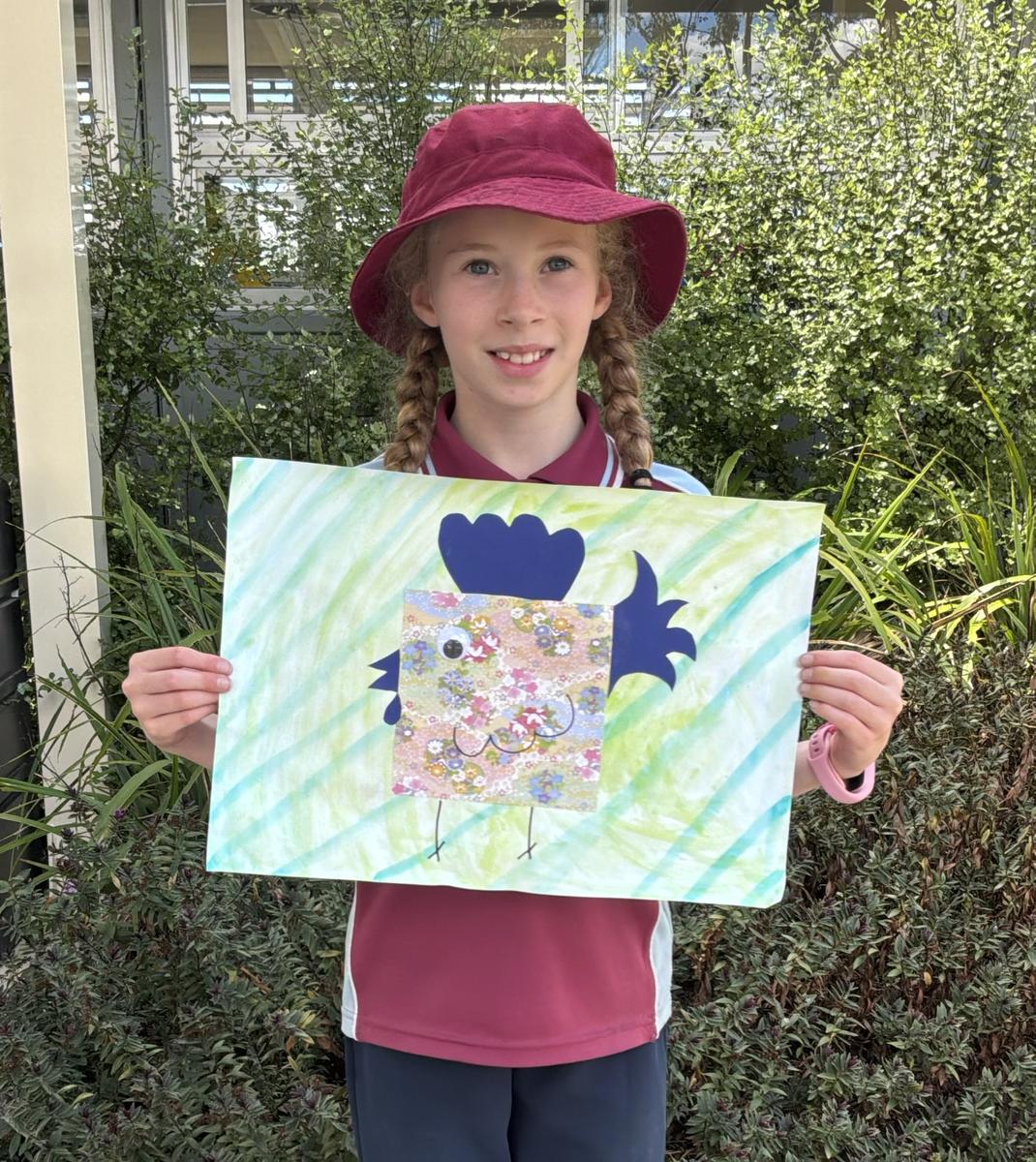
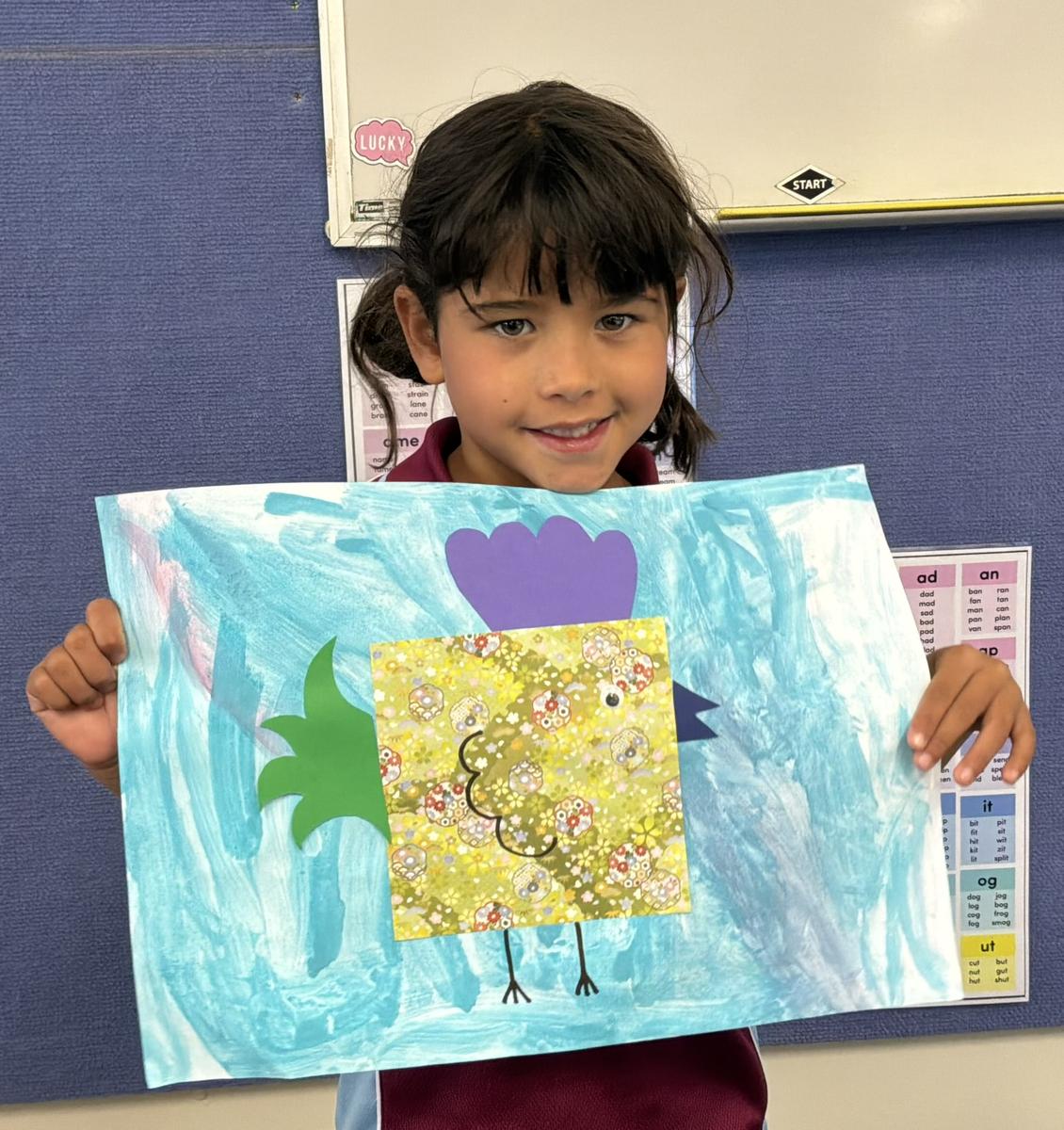
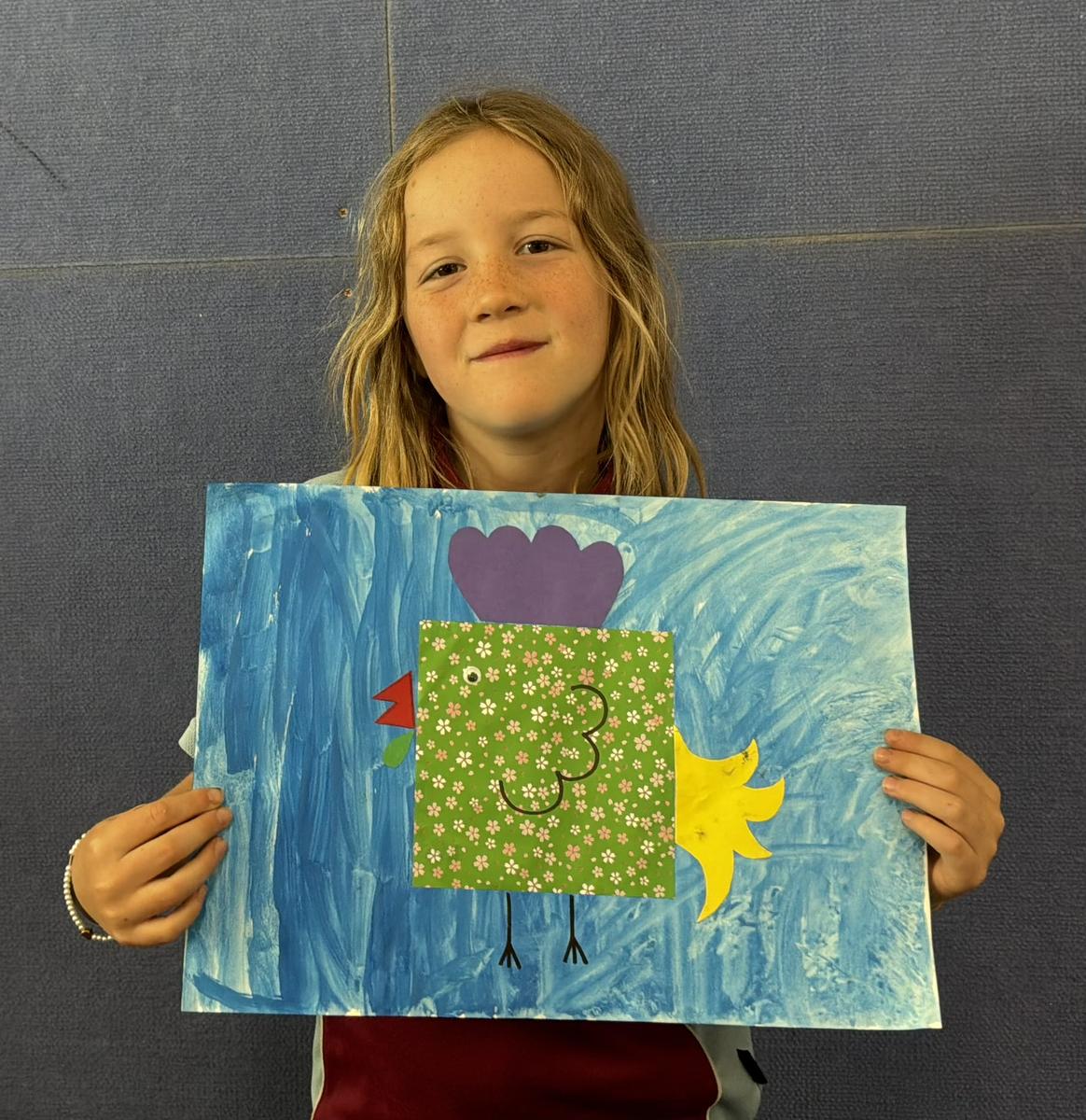
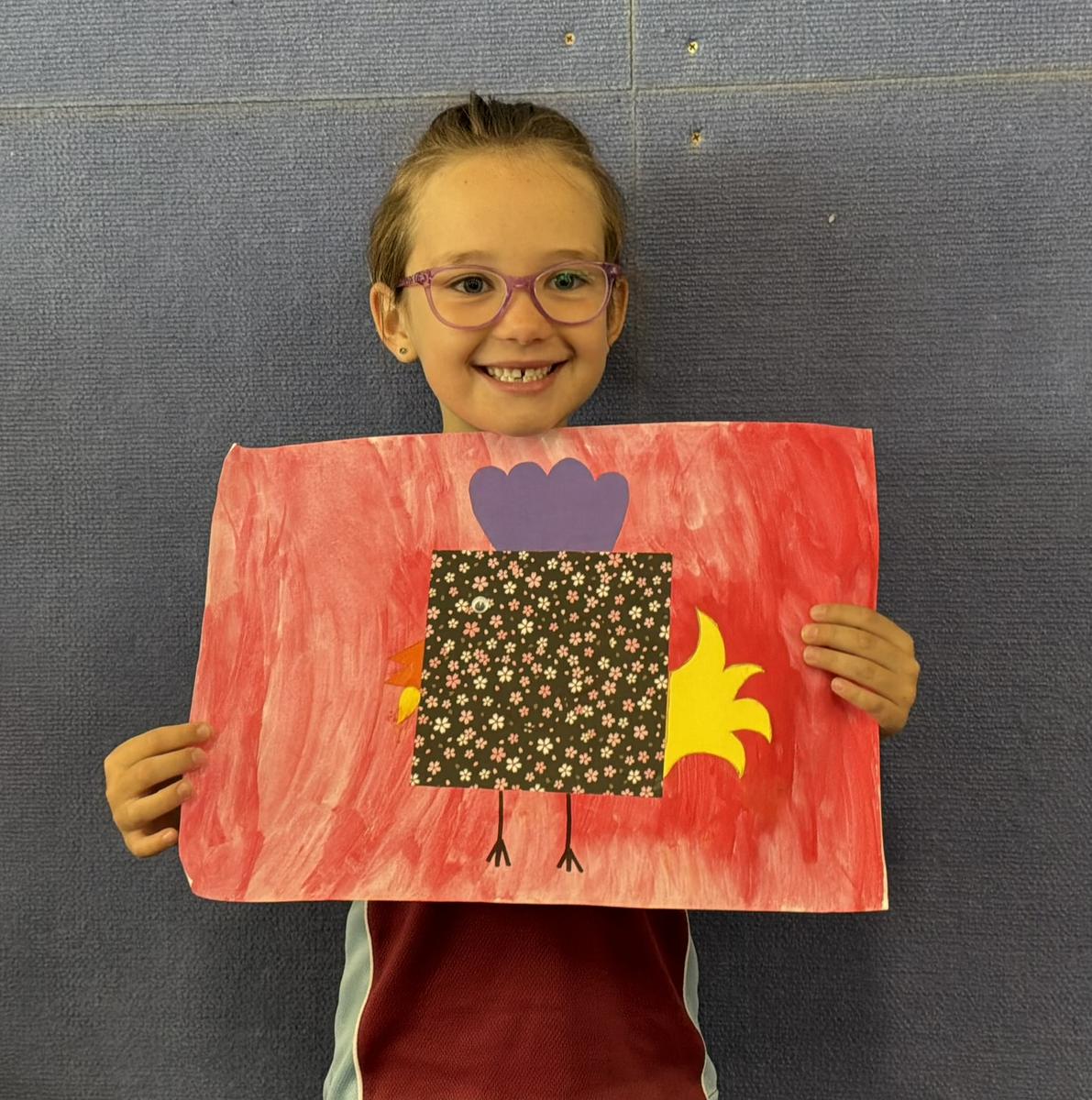
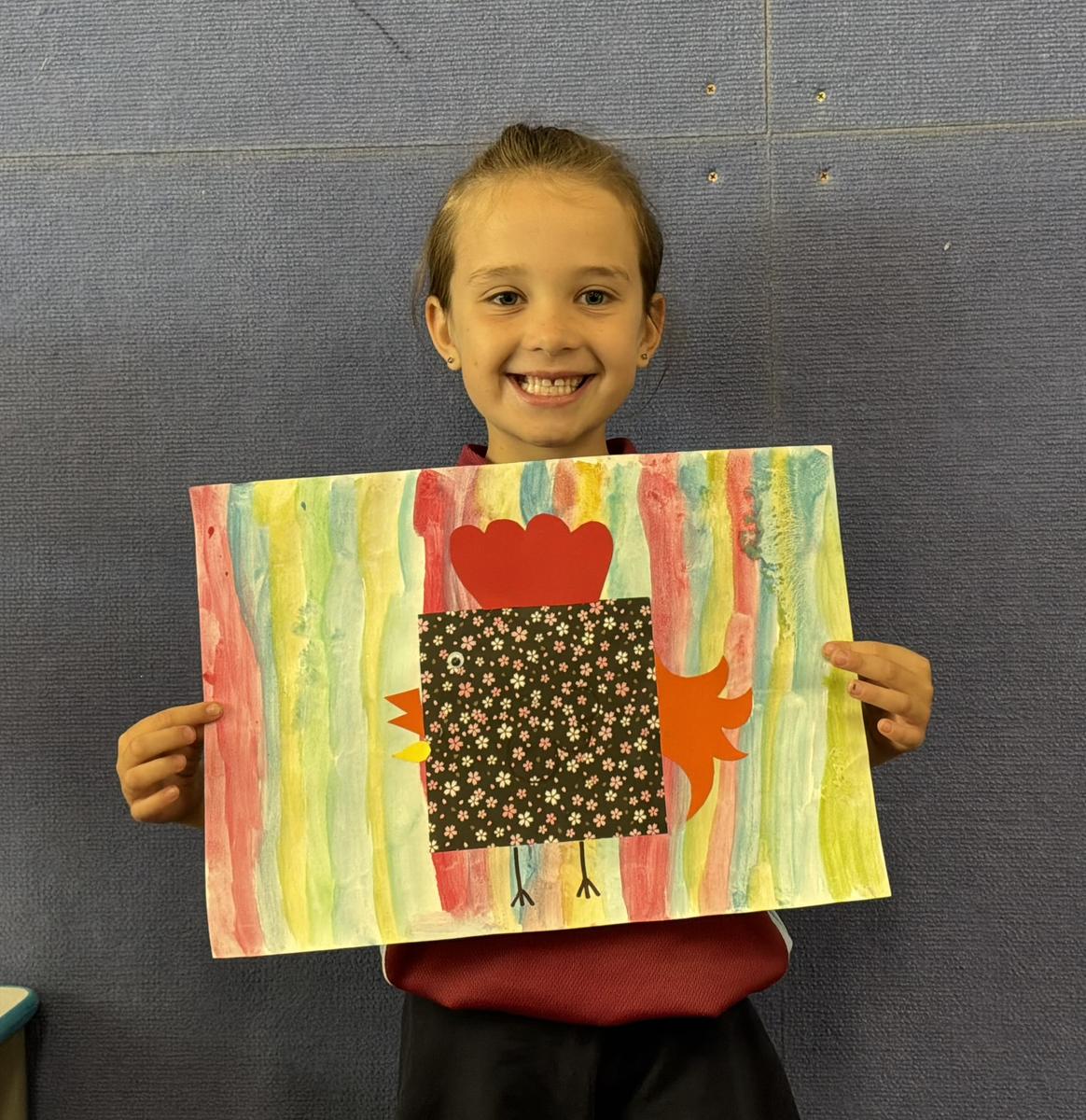
In a recent combined art lesson, students experimented with a variety of materials to create unique compositions. We began by painting vibrant watercolour backgrounds, setting the stage for further creativity. Using origami paper, students crafted the body of the chicken, while coloured card was used to design the comb and tail. This process encouraged them to explore the use of contrasting colours and shapes, as well as different mediums, to achieve individual and visually striking results. It’s been wonderful to see their confidence grow as they combine techniques and materials in imaginative ways.
Lower Division
Classroom Learning Update: Exploring Stories, Patterns & Technology
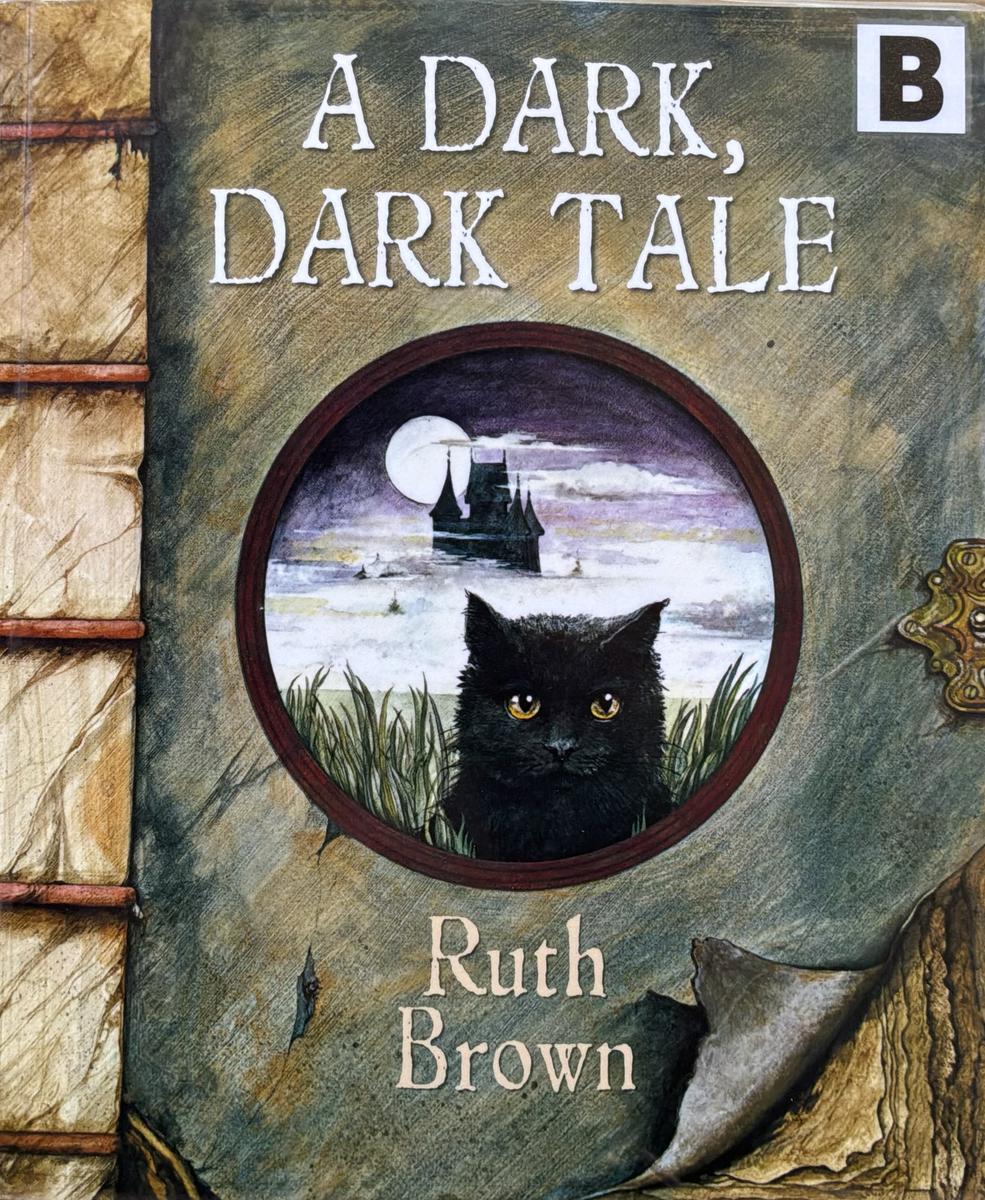
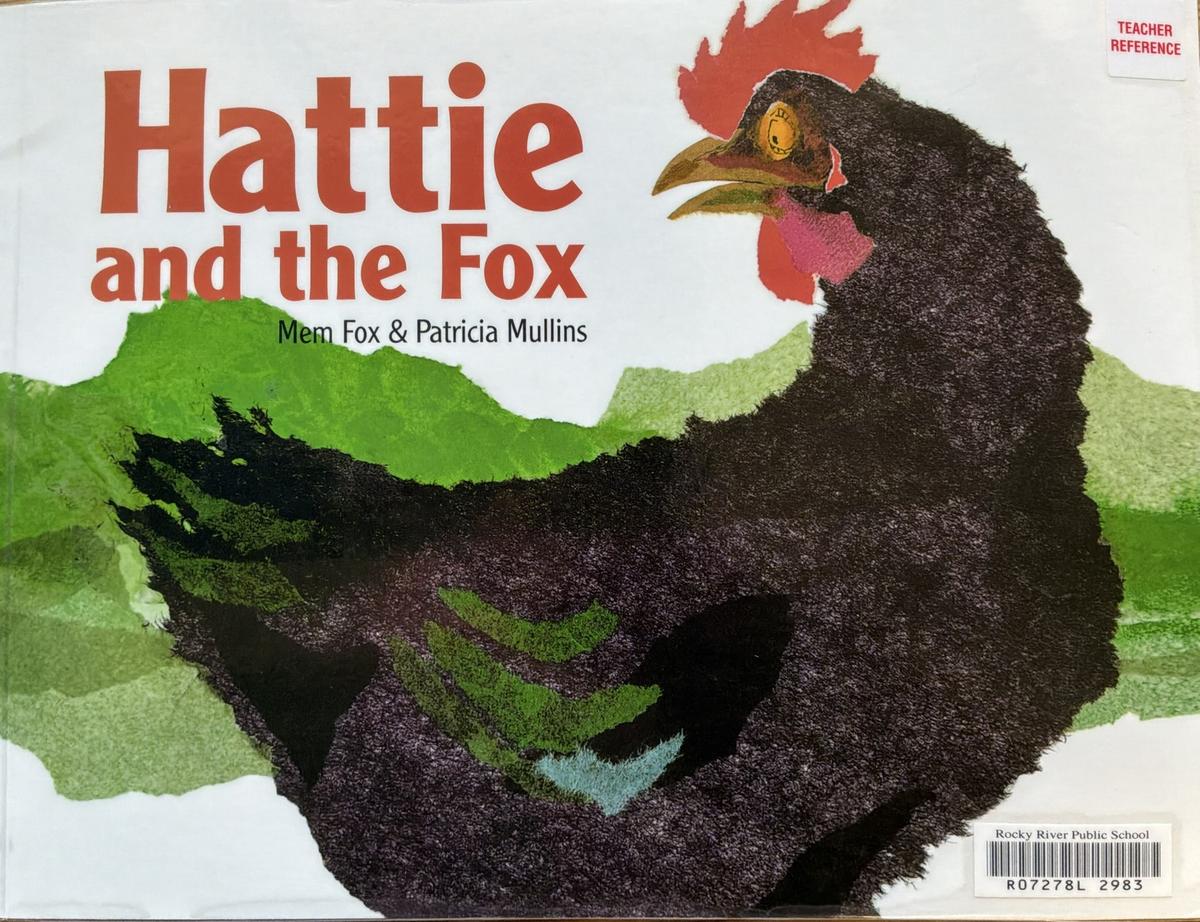
English – Narrative Study: This term, our students have been diving into storytelling through the rich, engaging narratives of A Dark Dark Tale by Ruth Brown and Hattie and the Fox by Mem Fox. These carefully chosen stories provide a wonderful context for children to explore the essential features of a narrative. Students have been identifying the parts of a story — the beginning where characters and setting are introduced, the middle where events unfold, and the end which provides a conclusion or resolution. Through group discussions, story sequencing activities, and drawing story maps, students are developing a deeper understanding of narrative flow, cause and effect, and how authors create tension and resolution. This foundational literacy work enhances their comprehension skills and encourages creative thinking by inspiring them to write their own short stories following the same structure.
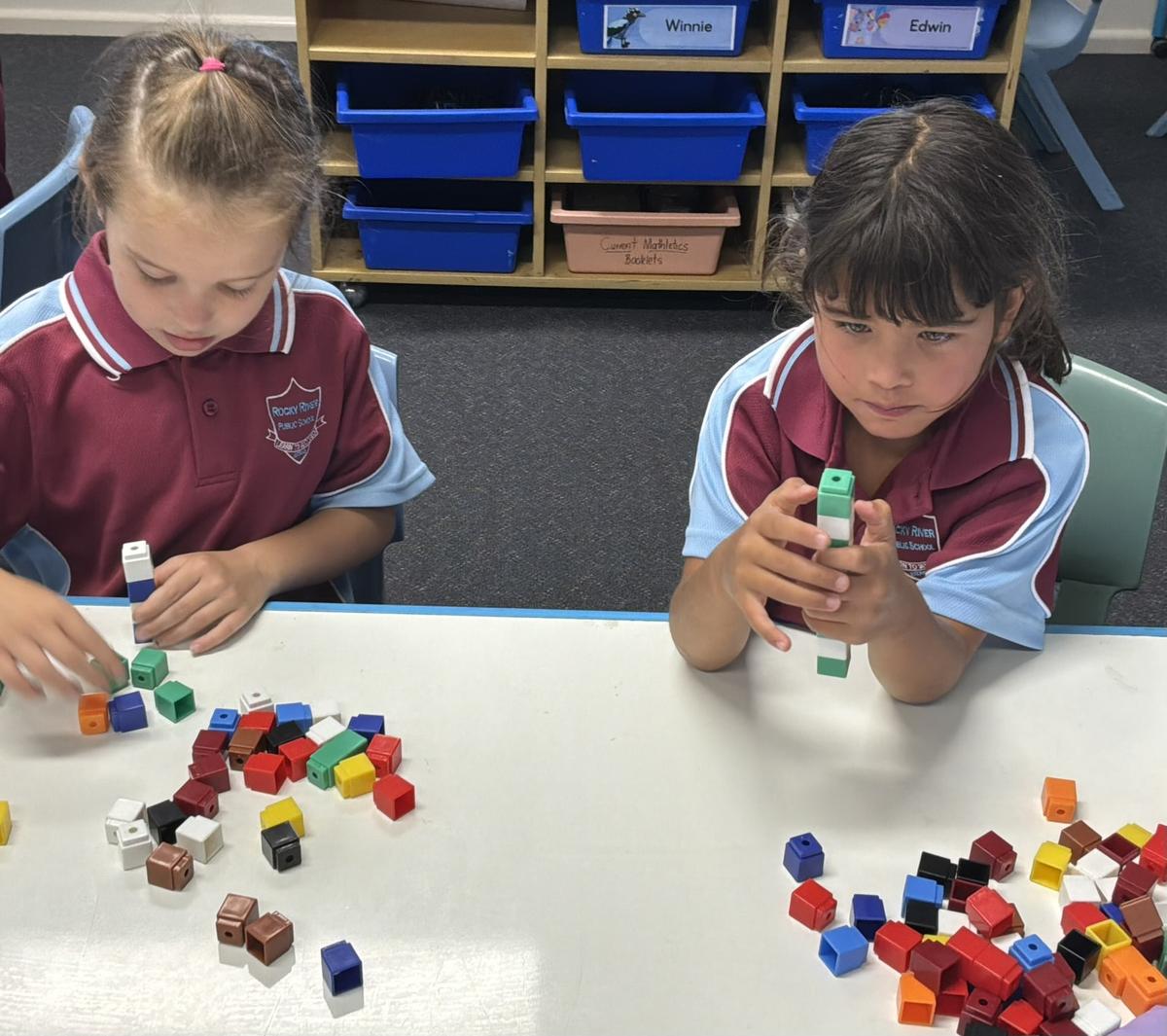
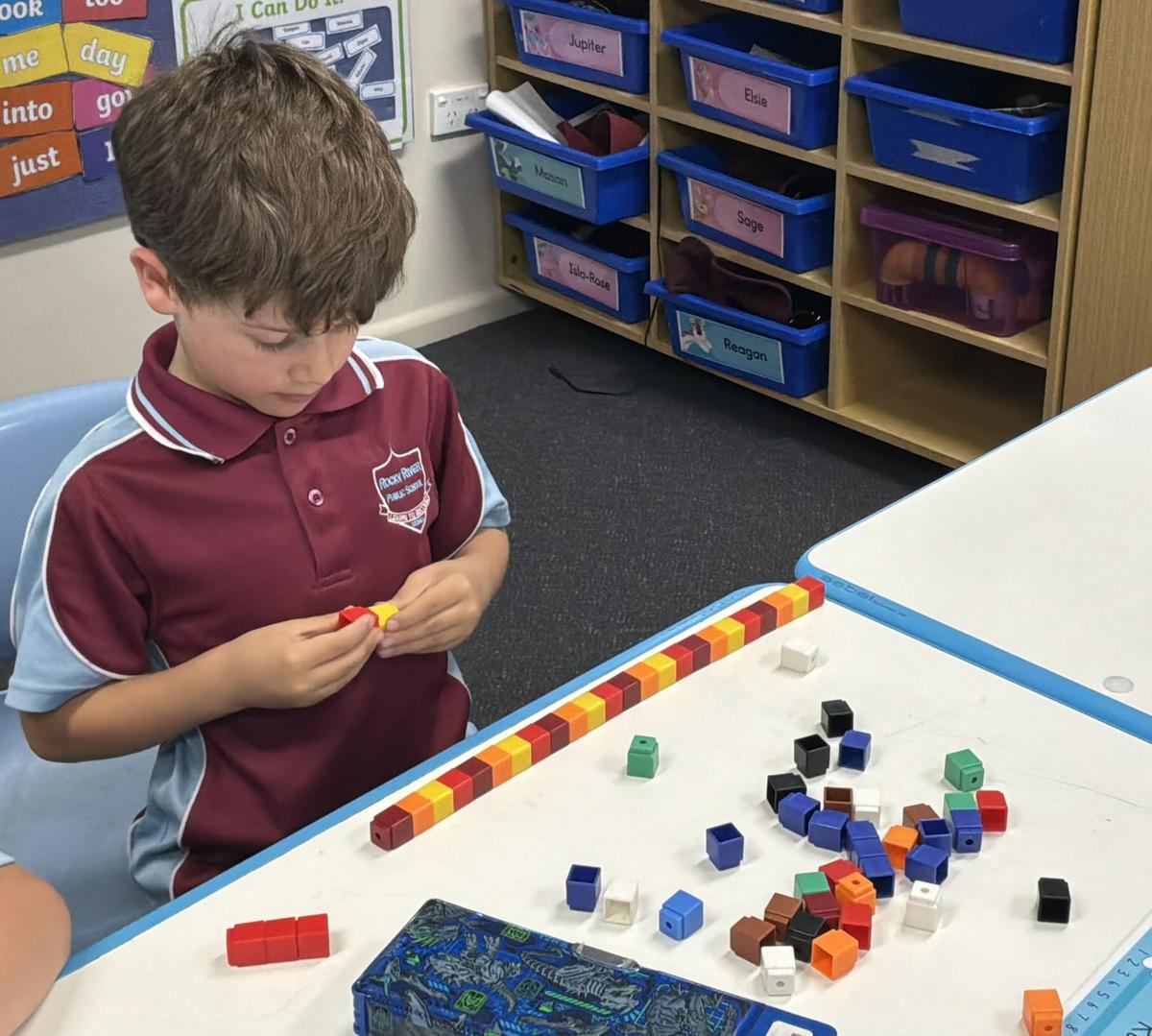
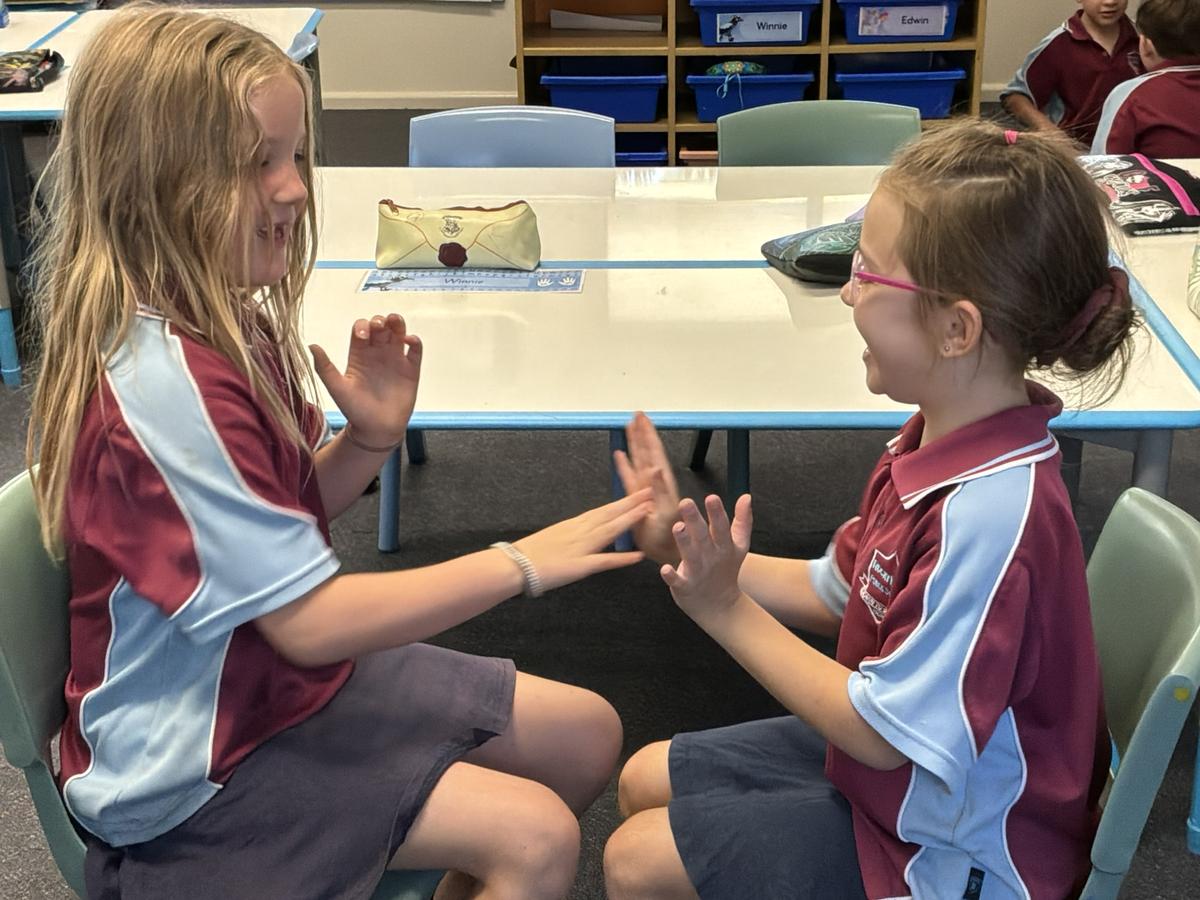
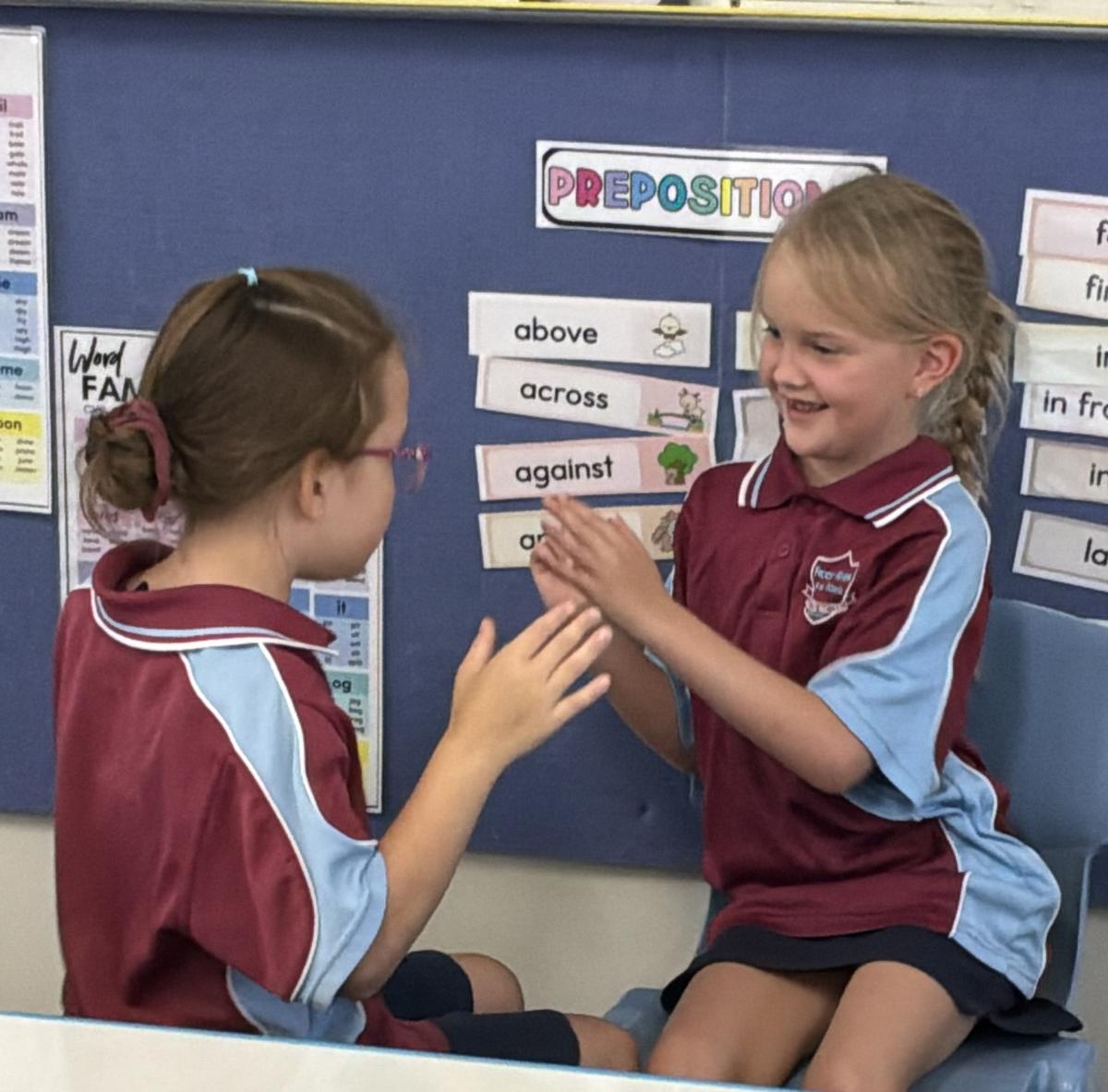
Mathematics – Pattern Recognition: In Mathematics, the current focus is on patterns and how they appear in many different forms around us. The children are learning to recognise, describe, and predict patterns. This includes auditory patterns, such as clapping sequences where students listen and then replicate repeating or growing patterns. Word patterns encourage noticing repetitions or sequences in language (e.g., rhyming words or alphabetical patterns). They are also exploring visual patterns through shapes and blocks, arranging materials to form symmetrical or repeating designs. Additionally, students engage with increasing and decreasing number patterns, laying the groundwork for understanding number sequences and early algebraic thinking. Through hands-on activities, manipulatives, and collaborative problem solving, students develop critical thinking and reasoning skills that are vital for numeracy.
Information Technology – Interactive Learning: To enhance learning in both English and Mathematics, students are using the interactive whiteboard and educational IT programs. These tools provide a dynamic, visual platform where they can actively engage with pattern matching games, sequencing tasks, and prediction challenges. For example, on the whiteboard, students might be tasked with dragging and dropping images or shapes to complete a pattern or selecting what comes next in a sequence. This tech integration helps to maintain student engagement, offers immediate feedback, and supports diverse learning styles by combining visual, auditory, and kinesthetic elements. It also encourages the development of digital literacy skills, crucial for success in the modern classroom and beyond.
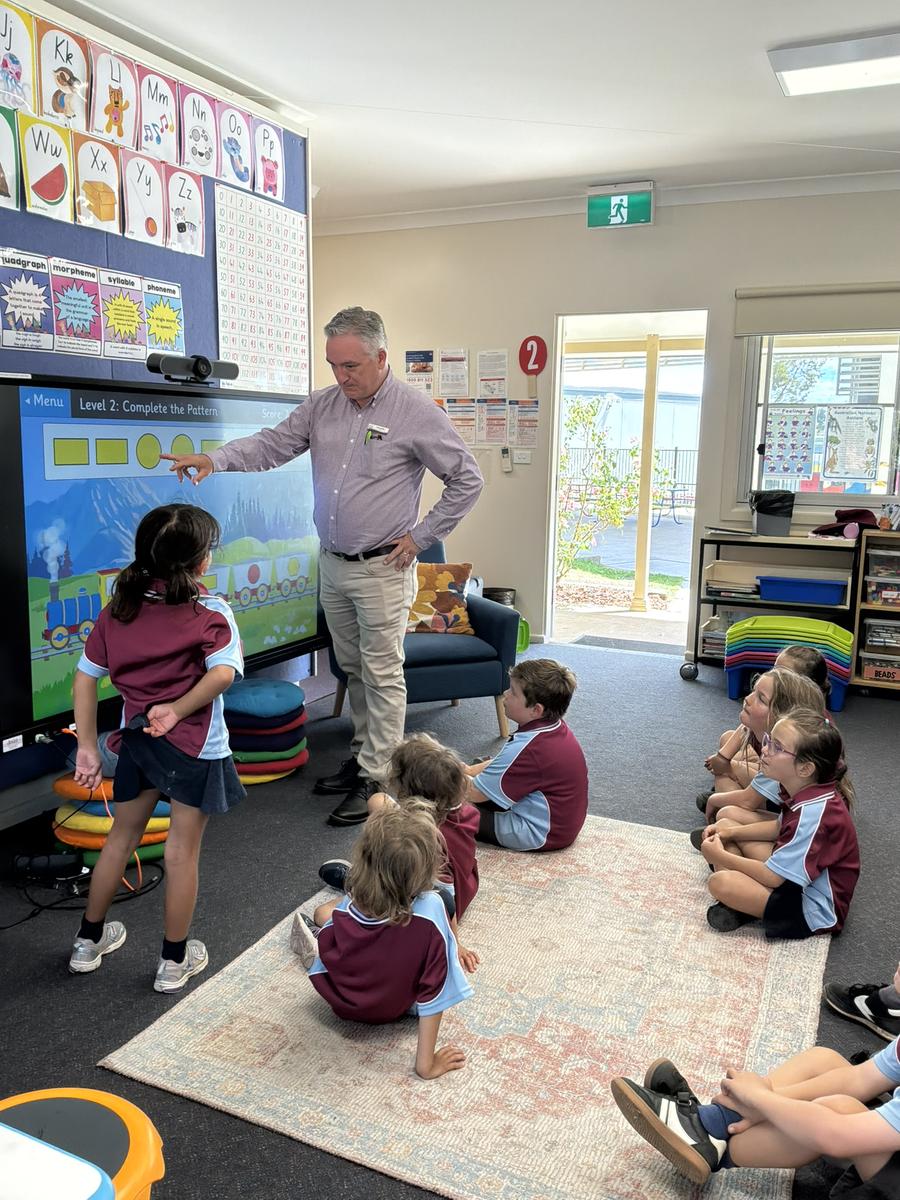
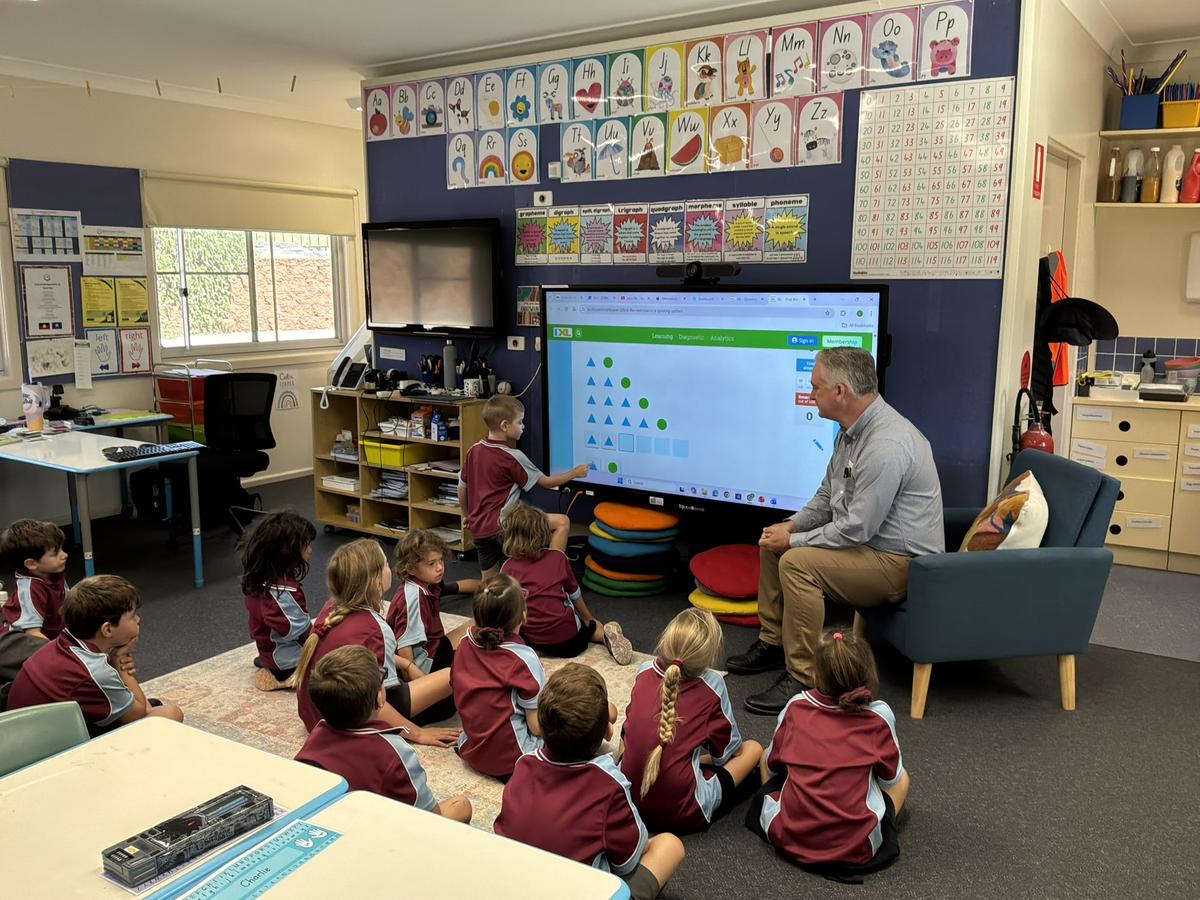
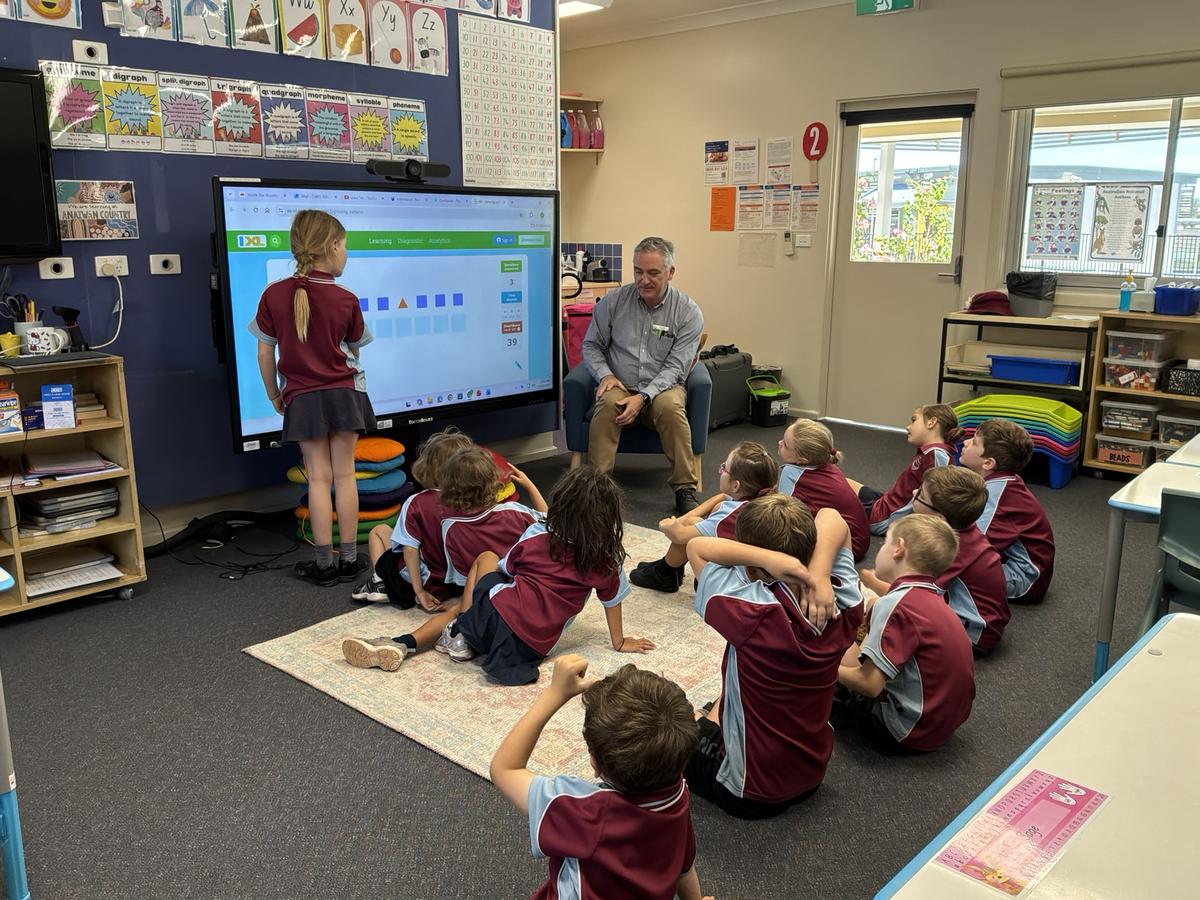
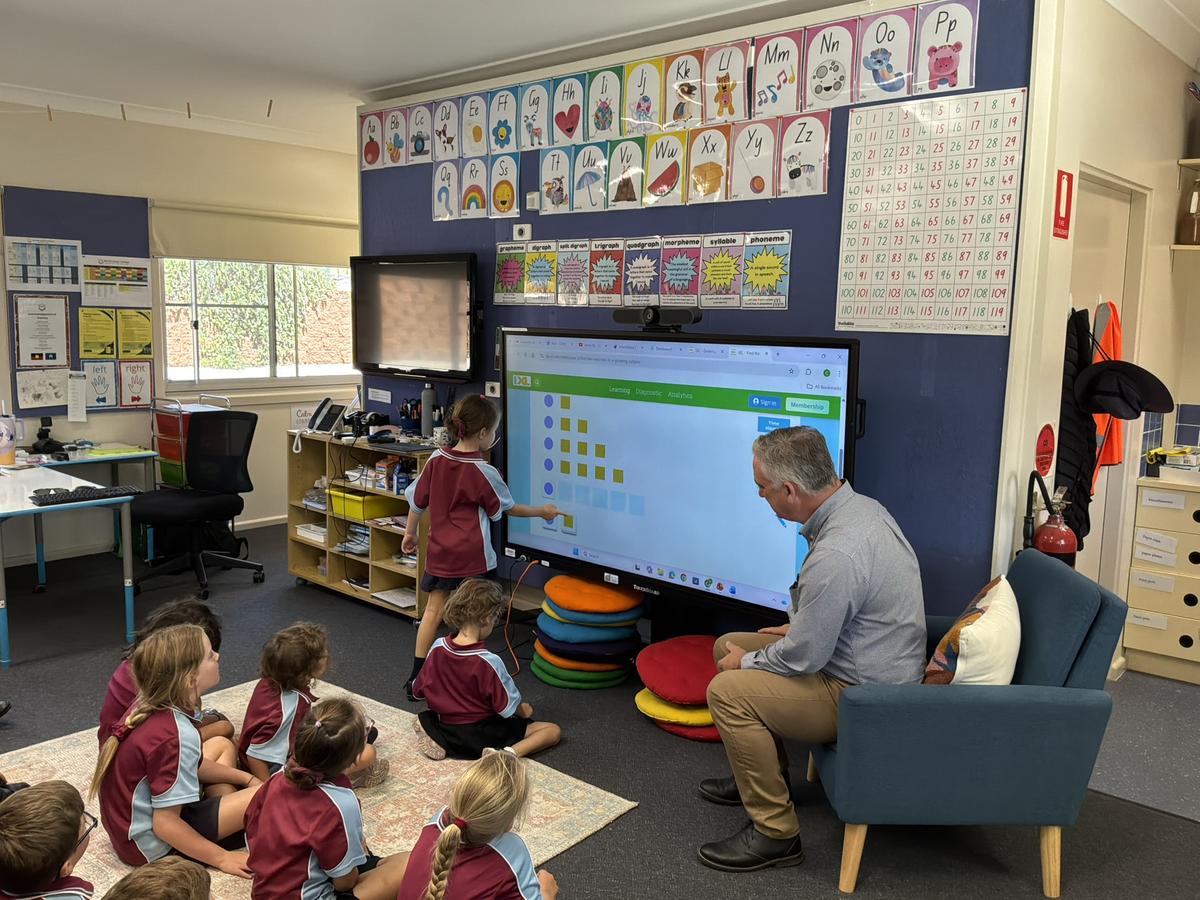
We are excited to see our students developing foundational skills in literacy, numeracy, and technology as they explore these interconnected learning experiences.
Upper Division
Stage 2
English | Rowan of Rin | Descriptive Paragraphs | Handwriting
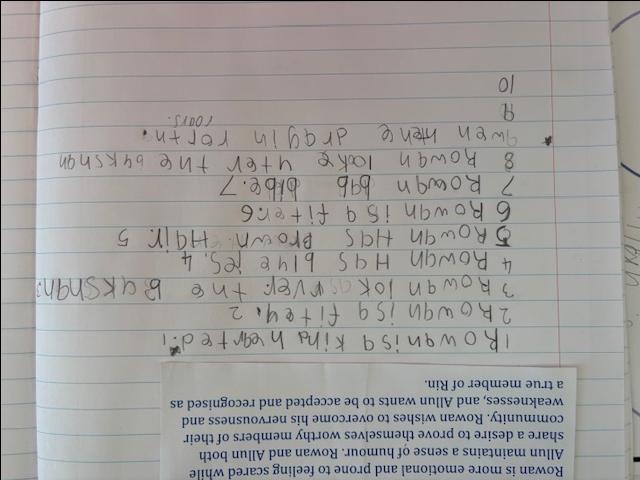
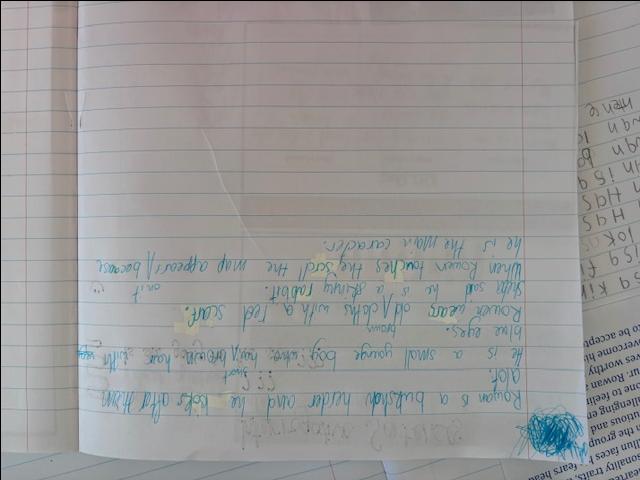
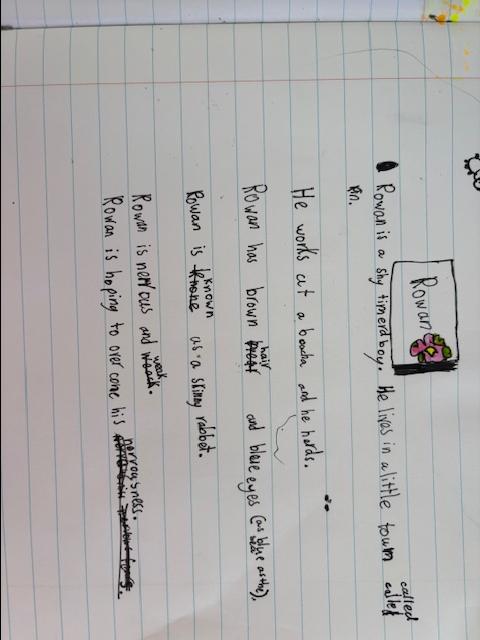
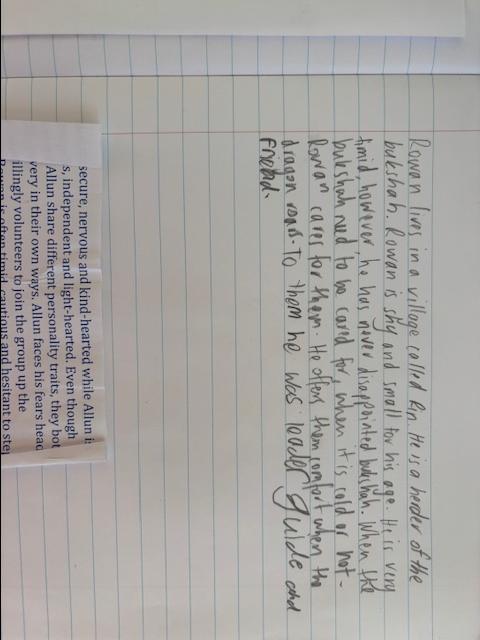
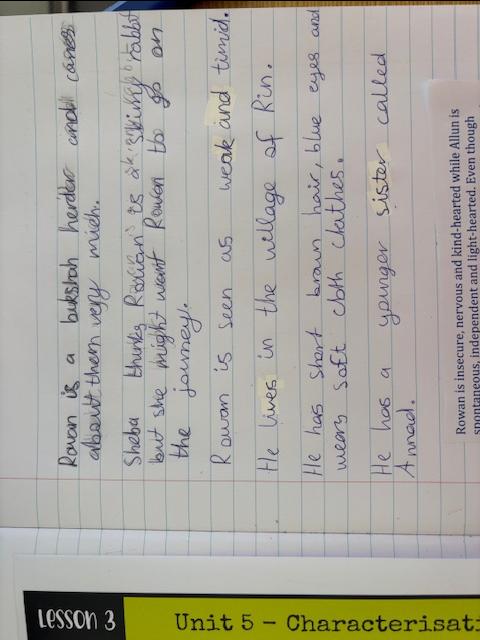
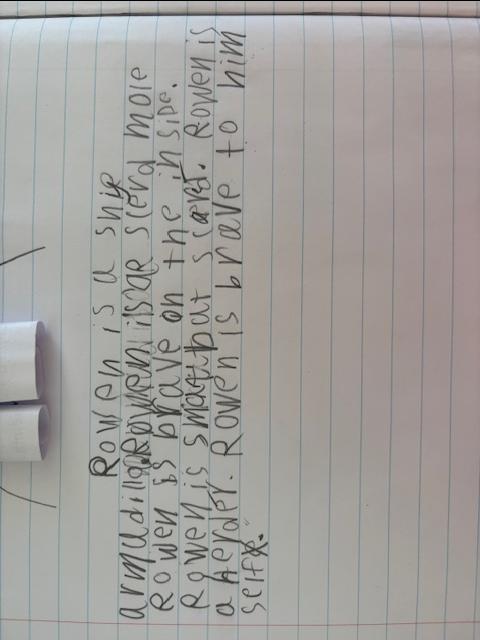
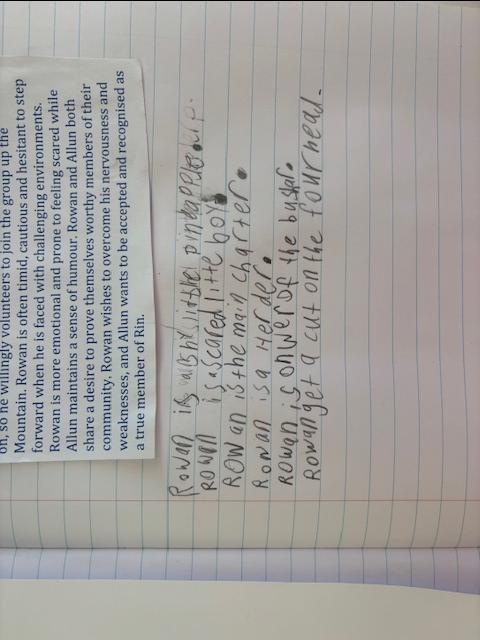
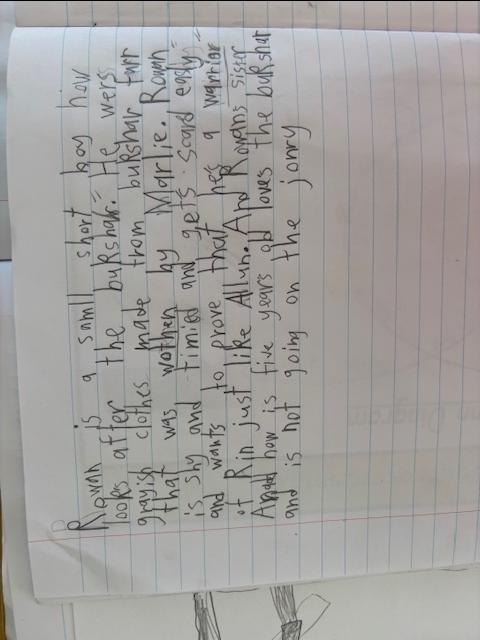
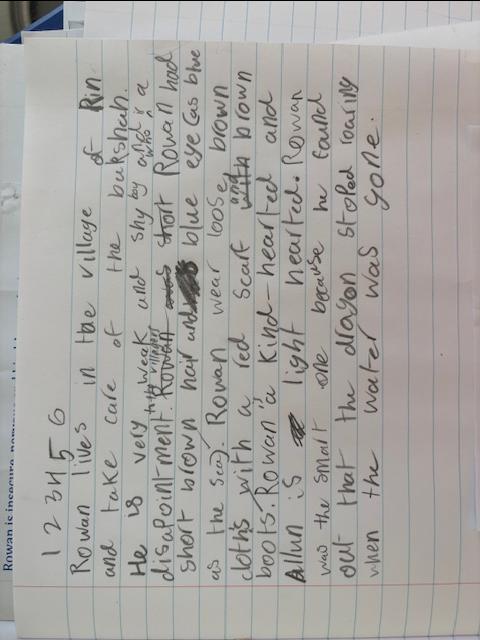
Our students have been deeply engaged with Rowan of Rin by Emily Rodda, focusing on how the author expertly constructs characterisation throughout the narrative. They have closely analysed how verbs, dialogue, complex sentences, and adjectives work together to build vivid characters and drive the plot forward. This close study has not only enhanced their understanding of literary techniques but also sparked their creativity.
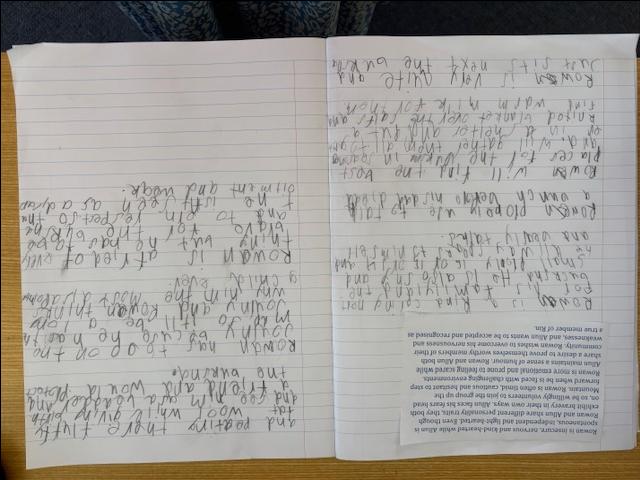
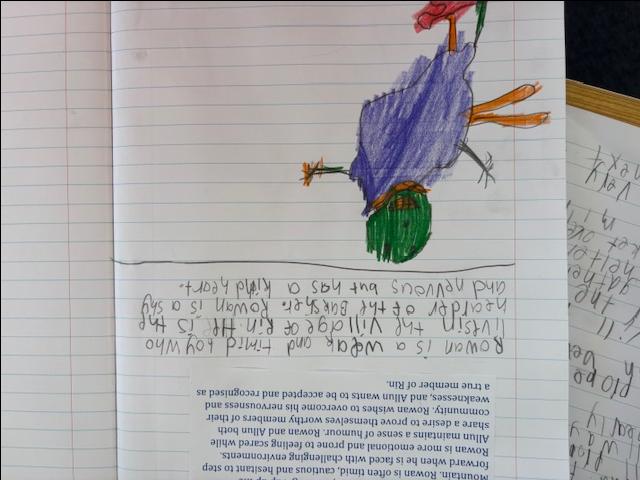
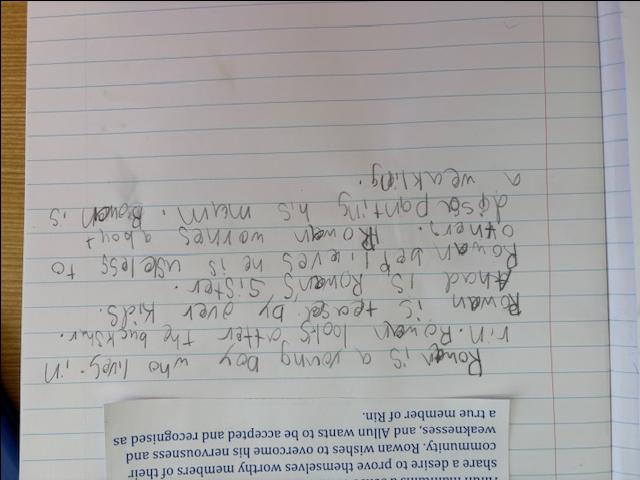
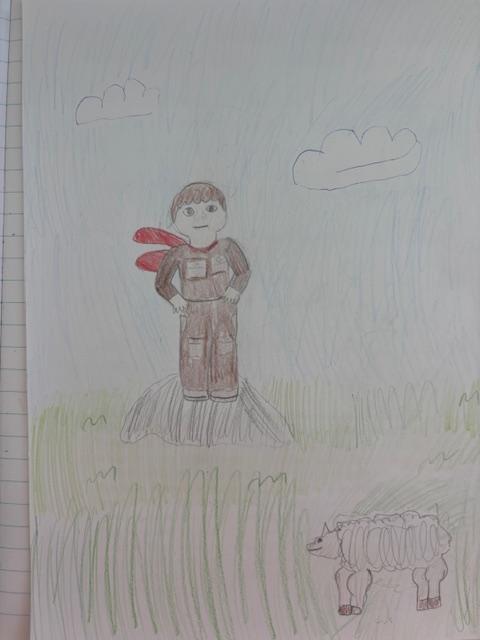
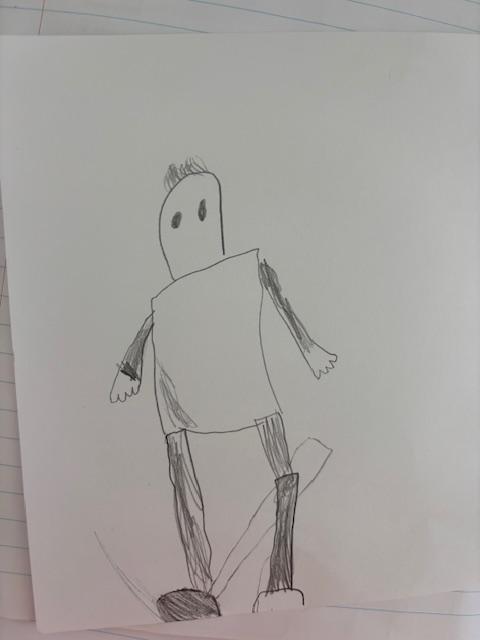
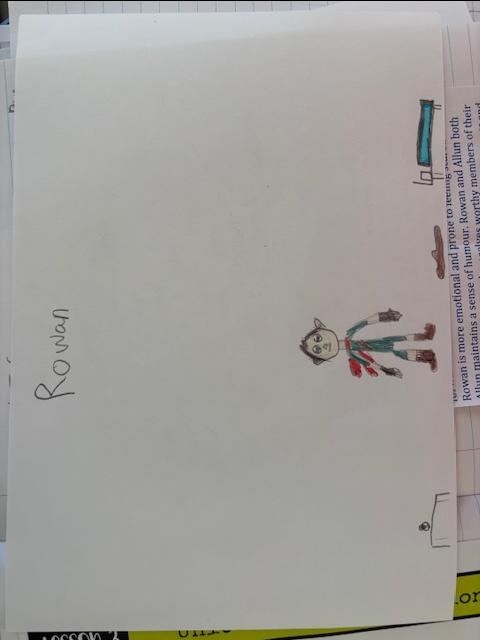
Using their insights from the text, students wrote detailed descriptive paragraphs about the main character, Rowan, capturing his personality and traits through carefully chosen language. To further develop their comprehension and visualisation skills, they then created mental models of Rowan, bringing their interpretations to life in a visual format.
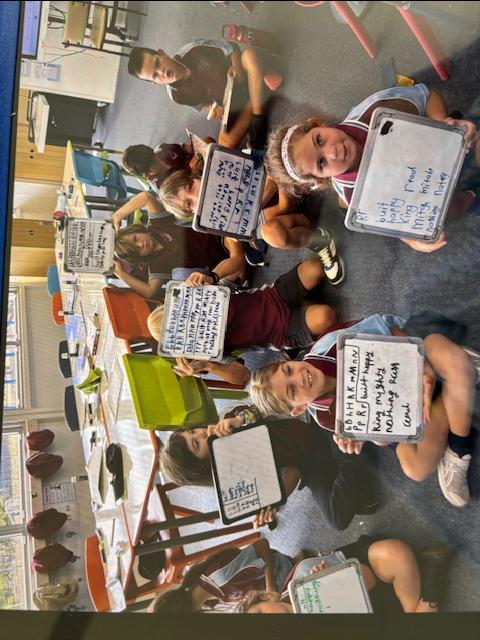
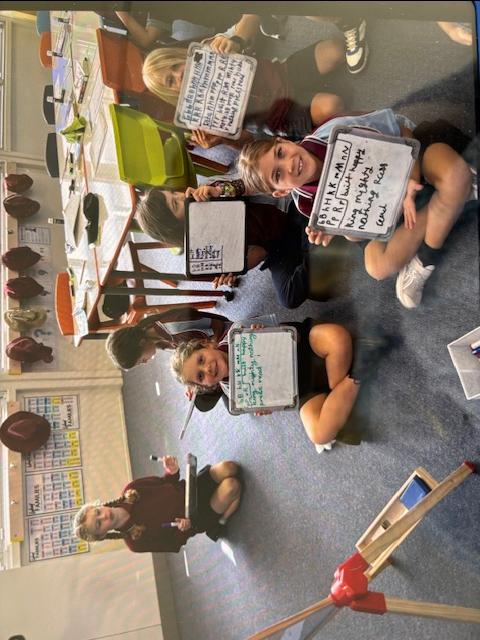
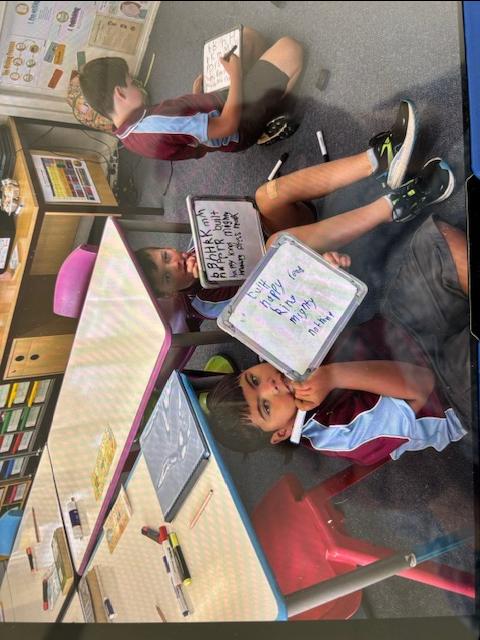
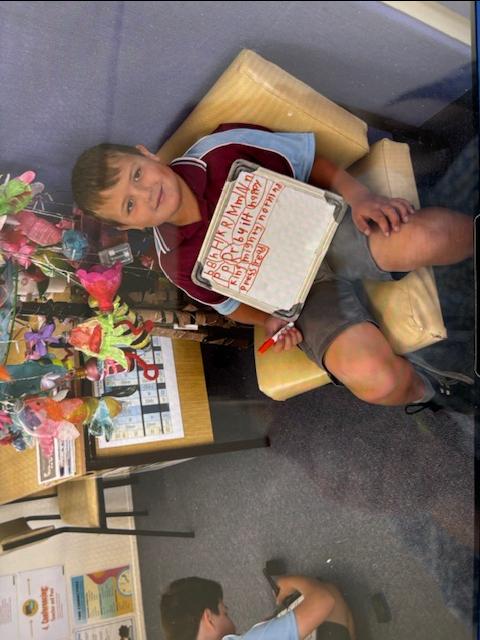
In addition to these literary activities, students have also been enjoying explicit handwriting lessons aimed at improving their penmanship and fine motor skills. These lessons complement their writing tasks, helping them communicate their ideas clearly and confidently on the page.
Overall, it has been wonderful to see the students combine analytical thinking with creative expression, all while refining essential writing skills.
Stage 3
English
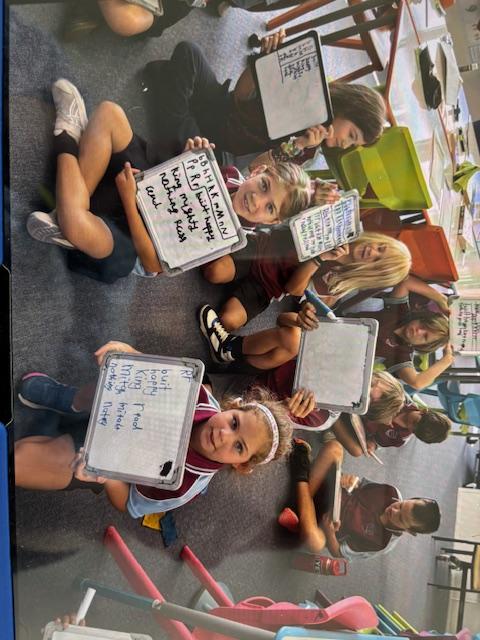
We have been exploring characterisation within The Wild Robot by Peter Brown. Students are enjoying choral reading, as well as turn taking in reading aloud to increase fluency and expression in reading. Stage 3 have also delved deep into spelling knowledge and how to apply taught strategies to decode unfamiliar, multisyllabic words. We've also been working on writing short narratives with a focus on clear structure, correct sentence-level grammar and punctuation, and use of tier 2 and 3 vocabulary in our writing.
Mathematics
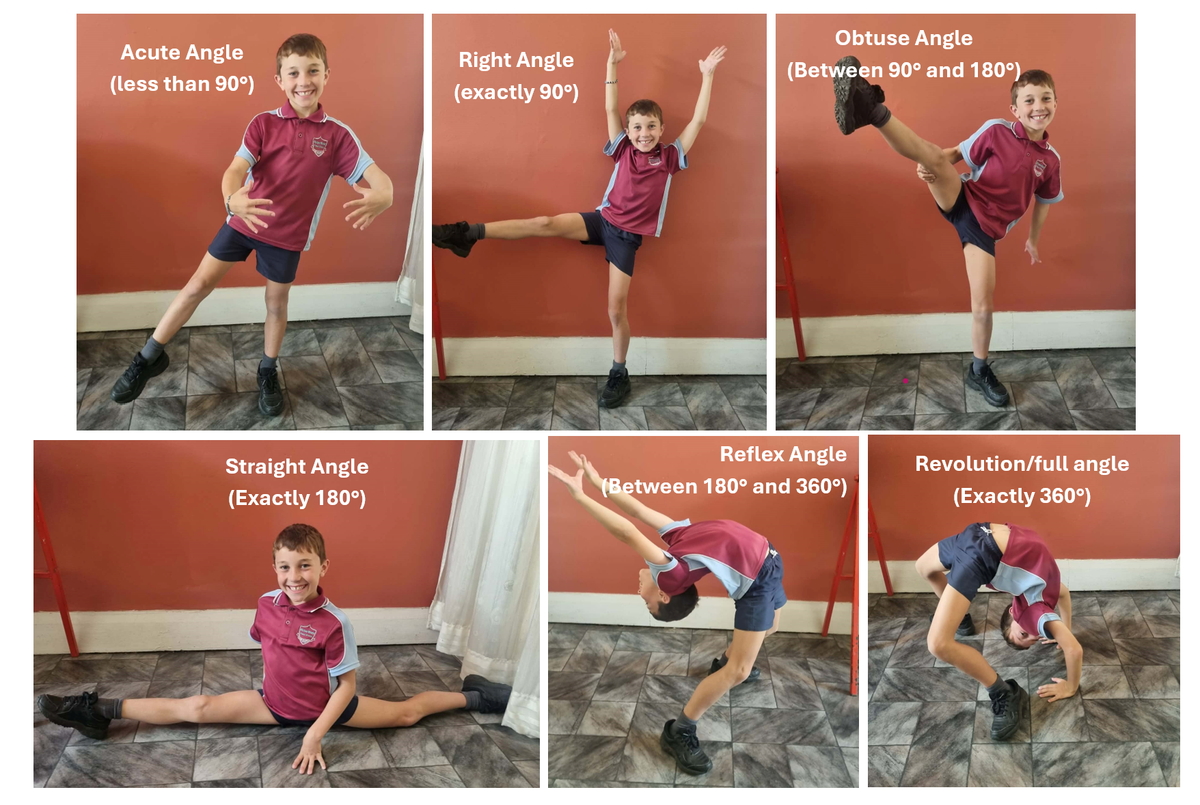
Stage 3 were excited to explore angles and how the properties of an angle define their type, including use of correct terminology when describing an angle e.g. vertex and angle arms. We've looked at creative ways to measure, identify and create angles which include the correct use of a protractor; drawing angles in our Maths books, with whiteboard markers on whiteboard tables, chalk on the concrete outside, and even through flexibility in gymnastics - thanks Chanse for the display!!
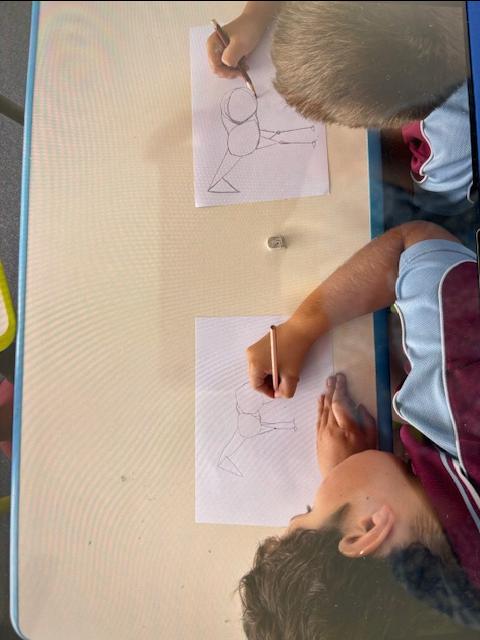
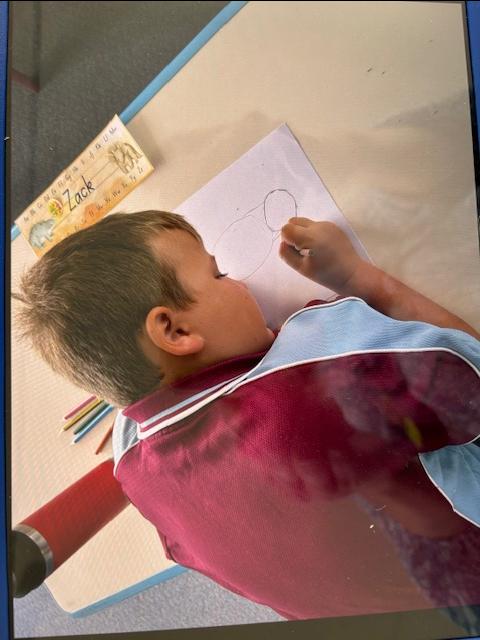
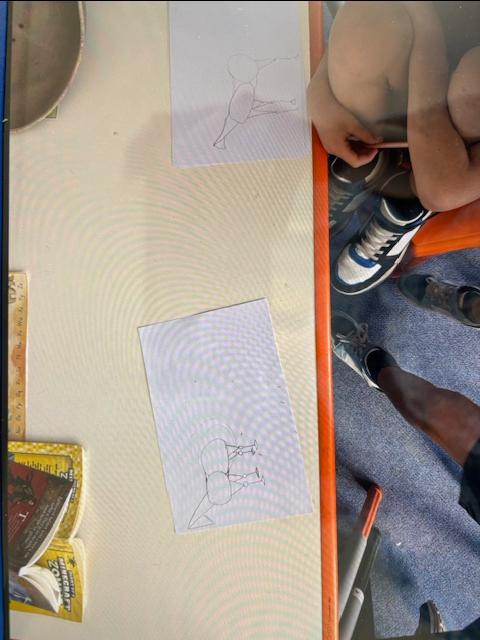
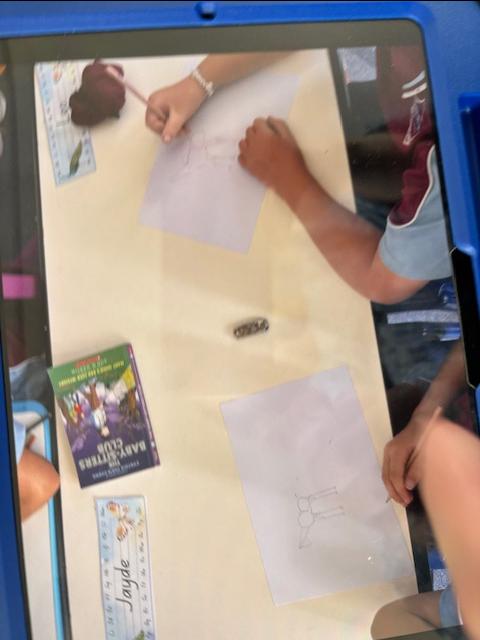
Visual Arts | Year of the Horse | Graphite Sketches
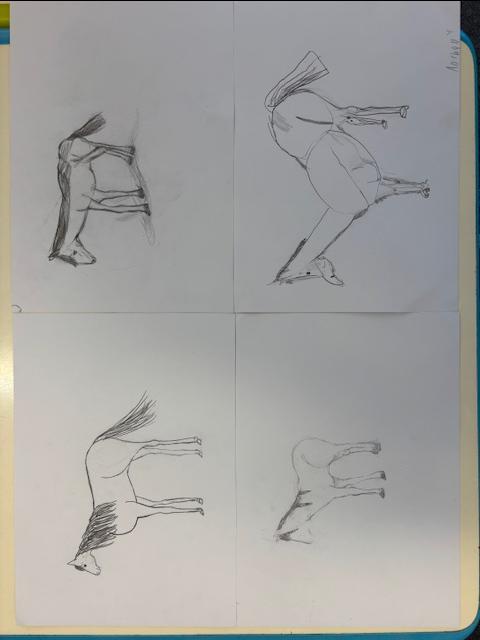
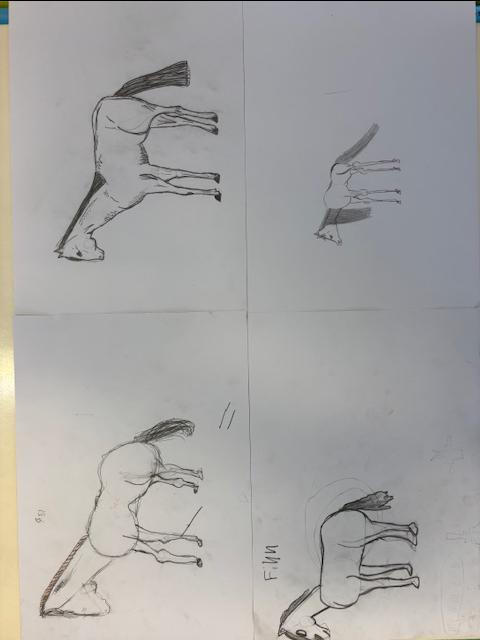
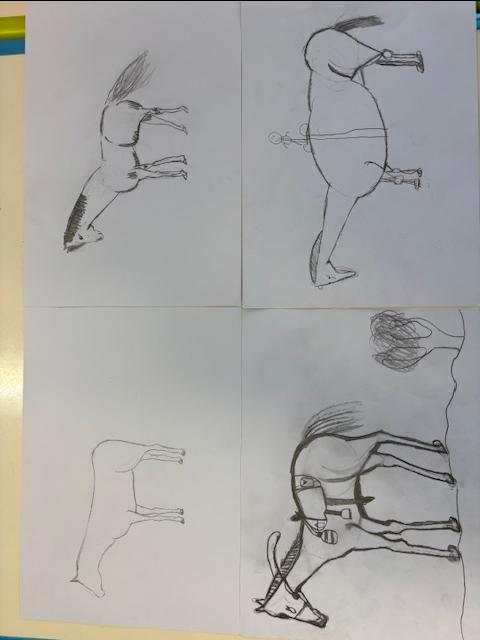
Last Friday we explored the rich meaning behind Chinese New Year, learning about the fascinating legend of the Great Animal Race. We learnt how the first twelve animals to cross the finish line were honoured by having their place secured in the Chinese Zodiac Calendar, each representing a year in the cycle, this year being the year of the horse.
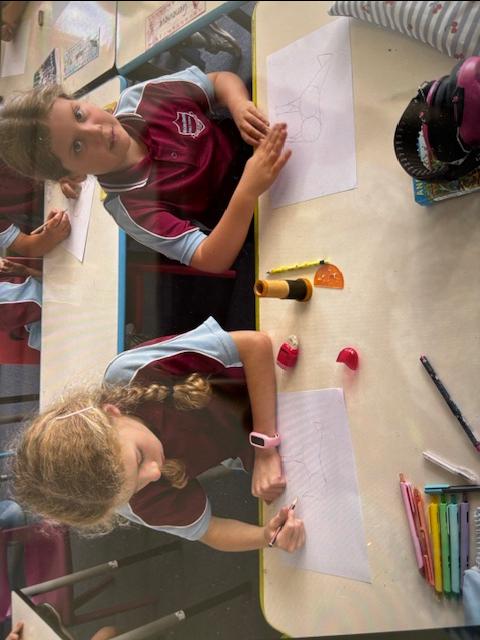
Building on this cultural story, students combined their artistic skills with their new knowledge. They practiced shading and creating lines to form shapes as they worked on graphite sketches of horses, an important animal in the race. Through this activity, we examined how artists use space and basic 2D shapes as the foundation for their compositions, helping students understand the construction of art from simple forms to finished works.
This cross-curricular project beautifully blended storytelling, cultural learning, and visual arts, encouraging students to appreciate tradition while developing their technical drawing skills
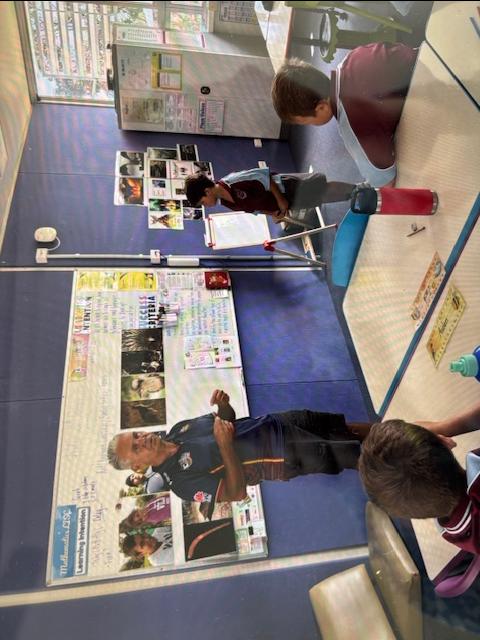
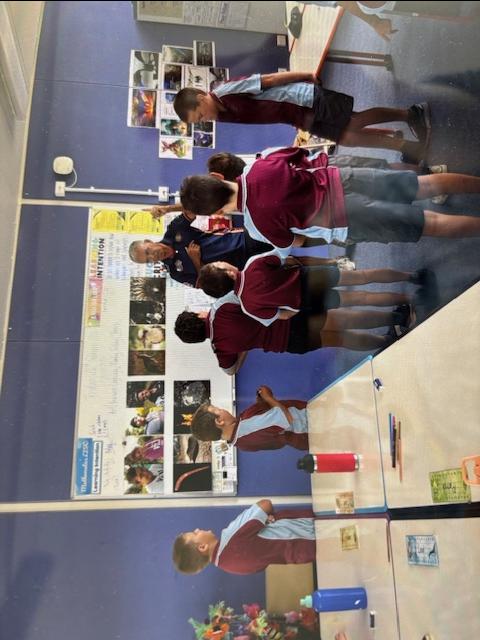
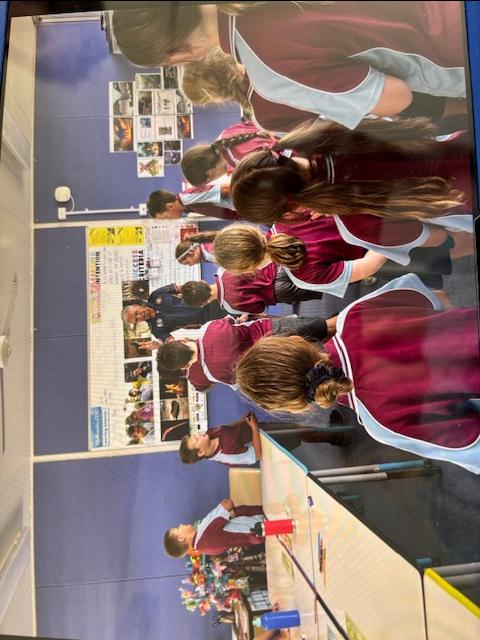
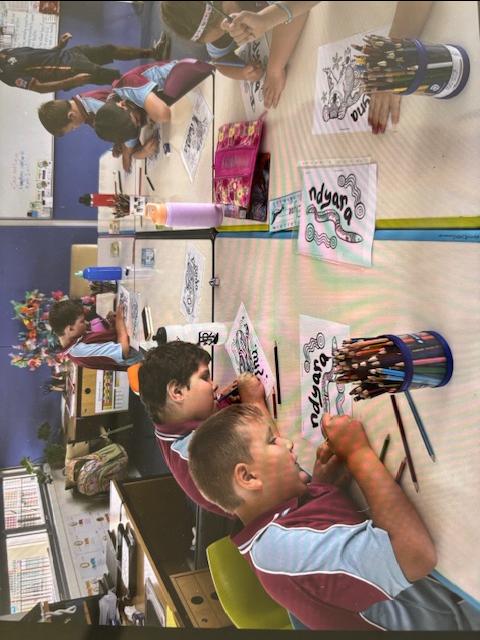
Anaiwan Language Lessons | Mima Dave
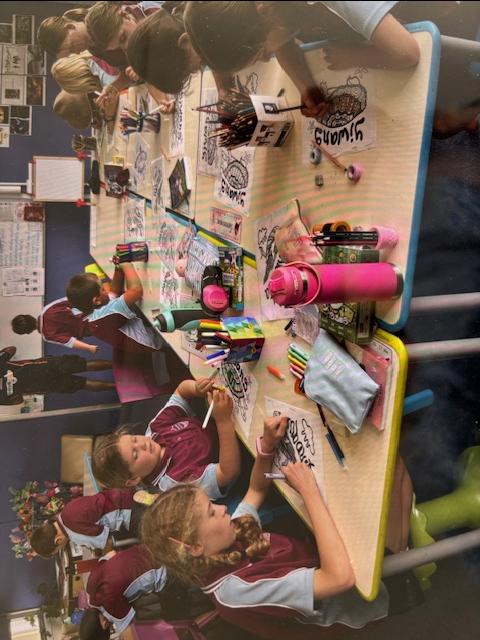
Students have been enjoying an enriching language learning experience with Mima Dave, as they explore the traditional Anaiwan language. Through engaging and thoughtfully designed activities, we are not only connecting with the cultural heritage of the Anaiwan people but also building important language skills.
One of the highlights of our sessions has been the use of clever, interactive games that support and encourage memory retention. These fun, hands-on games make learning new words and phrases both enjoyable and effective, helping students to practice pronunciation, recall vocabulary, and understand the meaning behind the language. By combining play with learning, students stay motivated and develop a deeper connection with the Anaiwan language.
The experience is fostering cultural appreciation, linguistic skills, and confidence in our learners, making it a meaningful part of our curriculum. We look forward to continuing this journey of discovery with Mima Dave