
Parent Partnerships

The Learning Zone
ISSUE 3 | TERM 1 | 2026
Written by Dr Justin Coulson
Emotions can be described in two dimensions. There’s the energetic dimension (from high to low), and there’s the level of pleasantness an emotion carries.
Put them together; they look like this:
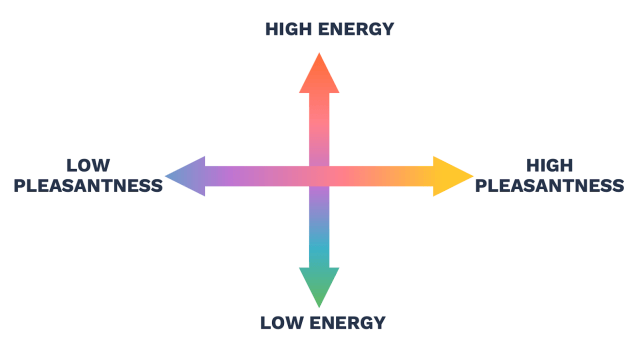
When our kids are struggling with something – learning maths, mastering a tricky piece on the piano, figuring out a new skill – their energy often spikes due to frustration. And it veers toward the left side of the pleasantness dimension. Trying to learn hard things doesn’t feel good.
The typical response is to get out of the situation. “I hate maths.” “Why do I have to learn this dumb song?” “I can’t!”
This discomfort leads to avoidance. And avoidance is reinforcing. It feels pleasant. Thinking about doing the task is unpleasant but avoiding it? That’s nice. And if it sounds familiar, it’s because us grown-ups do it too.
But here’s the reframe: that unpleasant, high-energy zone isn’t the enemy. It’s where powerful, real learning happens.
Sure, we can learn – and learn well – while we’re feeling pleasant. Learning doesn’t have to be all pain, suffering, and torture. But… think about your biggest breakthroughs. Didn’t most come through some kind of struggle?
As a cyclist, I learned that “you’ve got to love the hills, because the hills make you strong.” As a student who failed school but thrived at university later in life, I learned “there is no triumph without the trial.”
By naming this slightly unpleasant zone “the learning zone”, we give our kids a reframe. That discomfort is not a signal to have a dummy spit and take your bat and ball and go home. It’s a signal that growth is either happening, or about to happen. The longer your child can stay in the learning zone, the more they’ll learn.
Think about your child learning to ride a bike. Wobbly? Frustrated? Bleeding? That was all high-energy, unpleasant territory. But they stayed in the learning zone long enough to break through. And now? They fly down the street, wind in their hair (well, helmet), big smile on their face.
Making friends, learning fractions, learning to write an essay, tying shoelaces – these can all feel unpleasant. But they’re how we grow.
Helping our children understand that uncomfortable emotions are just a signal they’re in the learning zone can ironically be the prompt they need to steady their emotions, put their head down, and stay in the learning zone long enough to actually learn the thing they need to learn.
And it’s handy for grown-ups too. When we recognise that we are in the learning zone something shifts. Emotions miraculously settle, energy finds its level, and voilà – there’s more learning.
One caveat: this only works (morally and ethically) when the struggle is worthwhile. Suffering through busywork because “it’s on the curriculum” is just suffering. But when the challenge matters? The discomfort promotes progress.
