
Assistant Principal
Supporting Children’s Mental Health at Mitcham Primary School
At Mitcham Primary School, we recognise that a child’s wellbeing is just as important as their academic progress. Supporting positive mental health helps children build resilience, develop strong relationships and feel confident in themselves as learners and individuals.
Children today face a range of challenges, and it’s important that both school and home work together to provide consistent support.
At school, we support student wellbeing through a range of strategies and approaches, including:
Promoting inclusive classrooms and respectful relationships
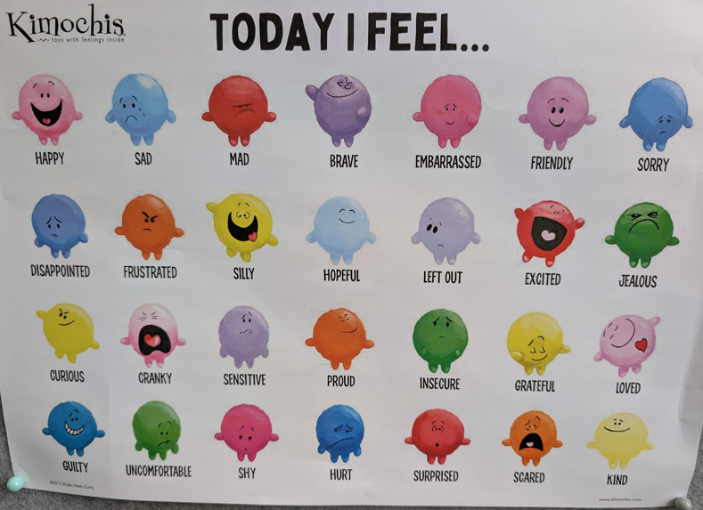
Providing opportunities for students to express their feelings in safe and supportive environments
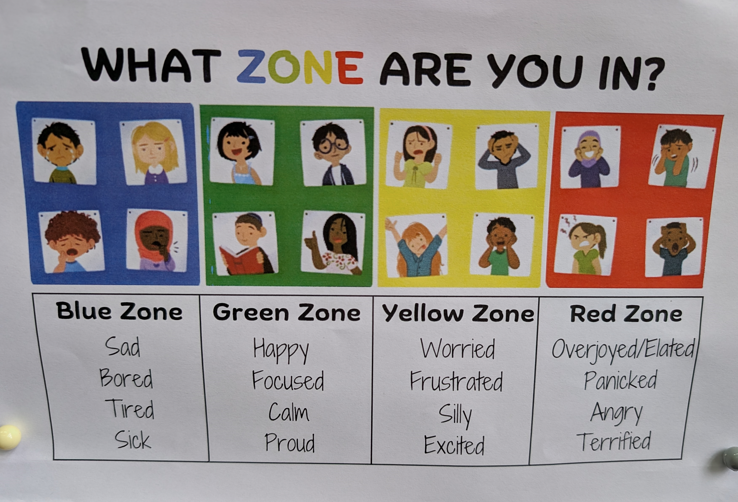
Teaching students about the Zones of Regulation to help them recognise and understand their emotions
Explicitly teaching students about their regulation toolkit—a collection of strategies they can use to manage emotions and challenges
Providing regular opportunities to practise calming and grounding strategies such as:
- Box breathing
- Guided meditation
- “5 things you can see”
- “4 things you can smell”
- “3 things you can hear”
- “2 things you can feel”
“1 thing you are grateful for”
Encouraging students to identify which strategies work best for them in different situations
- Building emotional literacy, resilience and problem-solving skills through everyday learning experiences
At home, there are also simple but powerful strategies families can use to support their child’s mental health:
- Maintain predictable routines to help children feel safe and secure
- Create opportunities for regular conversations about feelings and emotions
- Encourage outdoor play, physical activity and time away from screens
- Ensure children are getting enough sleep and maintaining healthy eating habits
- Model calm and healthy ways to manage stress and challenges
- Encourage children to use calming strategies from their regulation toolkit at home
- Spend quality time together to strengthen connection and belonging
Reassure children that it is okay to ask for help when they are struggling
It’s also important to model healthy coping strategies. When children see adults managing stress calmly and seeking help when needed, they learn to do the same. Reminding children that it’s okay to feel a range of emotions—and that they are supported through them—builds trust and emotional resilience.
Below are some common signs families may notice when children are experiencing positive wellbeing, as well as signs that additional support may be needed:
| Signs of Healthy Wellbeing | Signs of Unhealthy Wellbeing |
|---|---|
| Engaging positively with friends and family | Withdrawing from friends or activities |
| Showing interest in learning and hobbies | Loss of motivation or enjoyment |
| Sleeping and eating well | Changes in sleep or appetite |
| Managing emotions appropriately most of the time | Frequent emotional outbursts or heightened anxiety |
| Demonstrating confidence and resilience | Low self-esteem or excessive worry |
| Communicating feelings openly | Difficulty expressing emotions |
| Participating in regular routines | Avoiding school or usual activities |
What to do if you have concerns:
If you have concerns about your child’s mental health, seeking professional support is an important step. Visiting your GP is often the best place to start. They can provide guidance and, if appropriate, develop a Mental Health Care Plan, which allows access to further support such as psychologists or counsellors.
There are also excellent support services available to families and young people. Kids Helpline (1800 55 1800) offers free, confidential support for young people aged 5–25. Beyond Blue (1300 22 4636) provides support for anxiety, depression and wellbeing, while Lifeline Australia (13 11 14) is available 24/7 for immediate crisis support.
As a school community, we are committed to supporting every child’s wellbeing. By working together—school and home—we can ensure our children feel safe, supported and ready to thrive. If you have any concerns, please don’t hesitate to reach out to the school for guidance and support.
Warmest Regards,
Bron Steele