2027 Prep Information for families
Enrolment process
This
All Prep applications are through the VicStudent portal - https://students.educationapps.vic.gov.au/s/
1 - Parents/ carers log in and create a profile. (Please note that Parent A will be the first point of contact from here on in. If you wish your partner to be contacted first, enter their details in Parent A )
2 - Parents upload supporting documents to the child's profile (immigration certificate, birth certificate, and proof of address ). This will support the application.
3 - Apply for primary school.
4 - Schools send out offers via email. This will depend on zoning, etc
5 - Parents log back in and accept one offer from a school. They will then complete the enrolment details, listing medical conditions, emergency contacts, etc. This is where you share information that will assist schools in supporting your child - diagnois, medicial etc
6 - School imports enrolment information, and the child can then be added to Compass etc. You will then begin to receive information regarding transition sessions etc.
School readiness.
Families are strongly encouraged to allow time for the students to continue practising dressing and undressing themselves. This is a life skill, not just a school expectancy. Encouraging them to complete the job themselves instils pride, achievement and even independence.
Keep practising on the tricky items such as underwear, socks and jackets.
Where do you put your clothing at the end of the day? - image 20 children putting their jackets on the floor. Practise and reinforce putting items away.
It's off the ground to stop someone tripping on it, the item being walked on, and becoming lost.
Children are expected to be able to turn taps on, use the hand soap and wash their hands.
Children are expected to use a toilet independently and be able to use toilet paper appropriately.
Have you seen this idea? Pegs on the back of clothing can teach lots of things
it encourages children to move their arms behind their bodies. This assists with mobility and also reinforces spatial awareness. They also practise fine motor skills to open the pegs.
Stickers on a t-shirt or jumper, at the back, is another way to play and promote this skill.
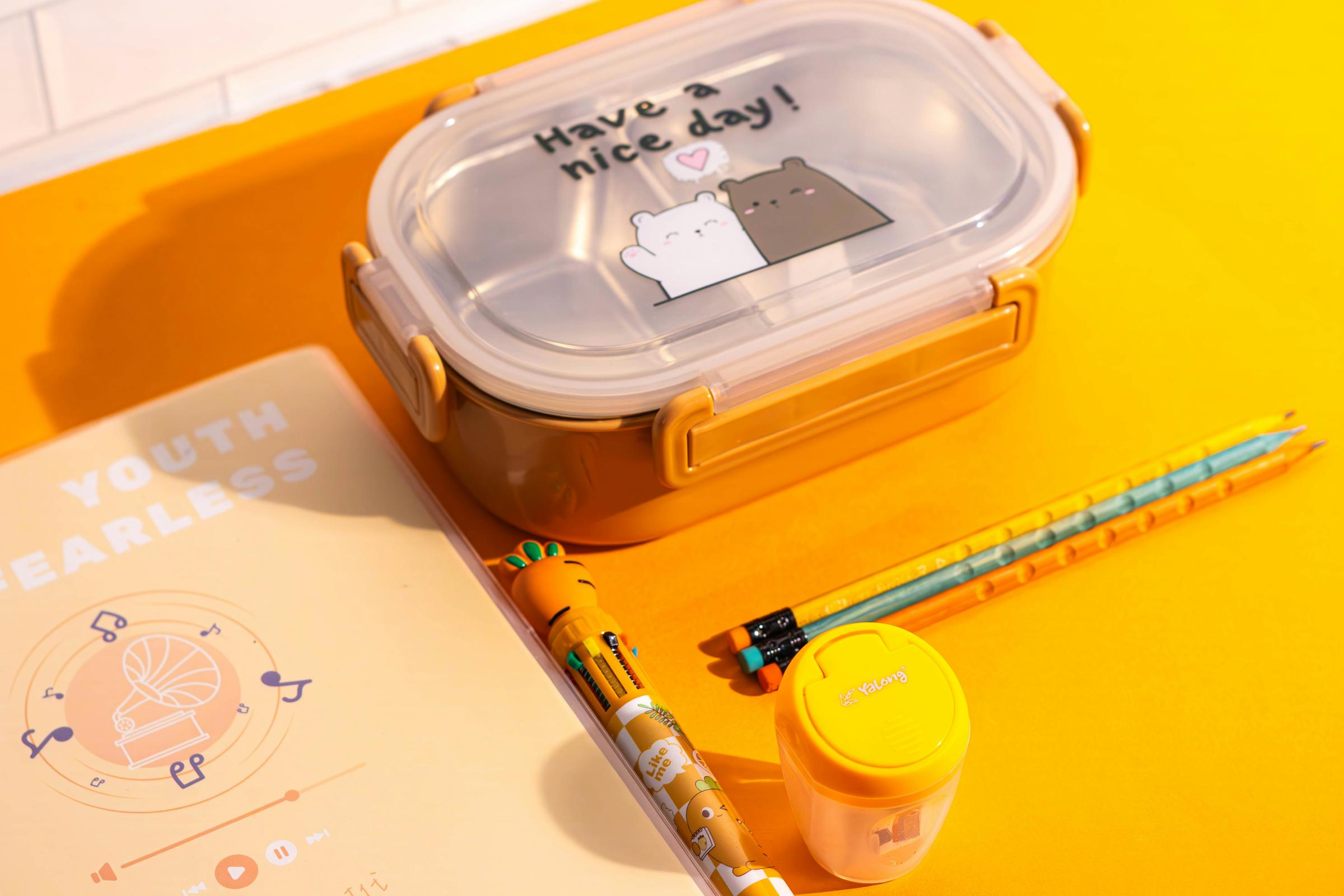
Children are expected to be able to open their own lunch boxes, drink bottles and school bags. All these items need to be clearly labelled.
Spare clothes in a school bag.
Every child needs to have at least spare underwear, bottoms and socks in a bag in their school bag. Accidents do, and will happen - wet slide, cold weather, new teacher, upset tummy, change in routine, and nerves are a few reasons why this will happen.
Your child will be taken to an area where they will be able to change and clean themselves, and the wet clothes will be put in their bag to be taken home.
What can families do?
In the meantime, take some time to encourage and acknowledge your child when they attempt to dress themselves. Try not to assist - just offer words of encouragement and guidance.
Let's break it down, as there are a few components. This will take time, patience and practice - why not start now?
- Put their shoes on by themselves, including doing up laces and velcro.
- Put them away when you get home. This is forming a habit of returning items to their place, taking care of items, and saving time hunting for items.
Talk about the order of dressing - underwear, socks, top, then bottom (or whatever order your family does this). Start with socks and underwear. Which way is the front? How do you tell - is there a tag or a picture on the underwear or top?
This is an important skill, especially at school. If they have toileting accidents, or get muddy, or need to change for whatever reason, they will need to do this. They will also need to get changed after swimming.
- Work up to all these items. Talk to your child about wearing a school uniform. They will need to wear these items every day. Every item needs to be named.