
Learning and Teaching
Did I spell that right??
Learning and Teaching
Did I spell that right??
We've all been there, writing something down and looking at it and going...is that right?
Or the alternative where we have sent the email already and notice the big typo!
Spelling can be a big factor in everyday life for adults, let alone our students who are continuing to develop and grow. Today we thought we would unpack some of the work we are doing at school in the area of Spelling.
Frankenstein?
As we sometimes mention to kids, the English language is sometimes called a patchwork or Frankenstein Language!
This is because over centuries, modern written English has actually been stuck together from a large variety of sources and other languages! Just as a quick example:
No wonder when approaching spelling we sometimes have very inconsistent spelling rules. It is easy to feel sympathetic for our students when we see things like:
Though, through, rough, cough all being spelled the same....but sounding completely different when read!
The 'i' sound in words (as well as many other sounds) having such a variety of ways in which it can be spelled. Light, pie, cry and bike all sound similar but are spelt differently!
Some words having silent letters that are important for spelling but not said aloud at all. "The knight wrote a note about the lamb climbing onto the wrecked yacht while the gnome sniffed flowers in the autumn sun." What??
We understand for these reasons and more than when writing, often our first draft of something is not what we present or send. Even as adults we will make errors that need editing, which is a skill that students further develop as they grow and complete longer and more complex pieces of writing. However we want to give our students the best platform to start with their spelling, and we do this with the following programs at St Anthony's:
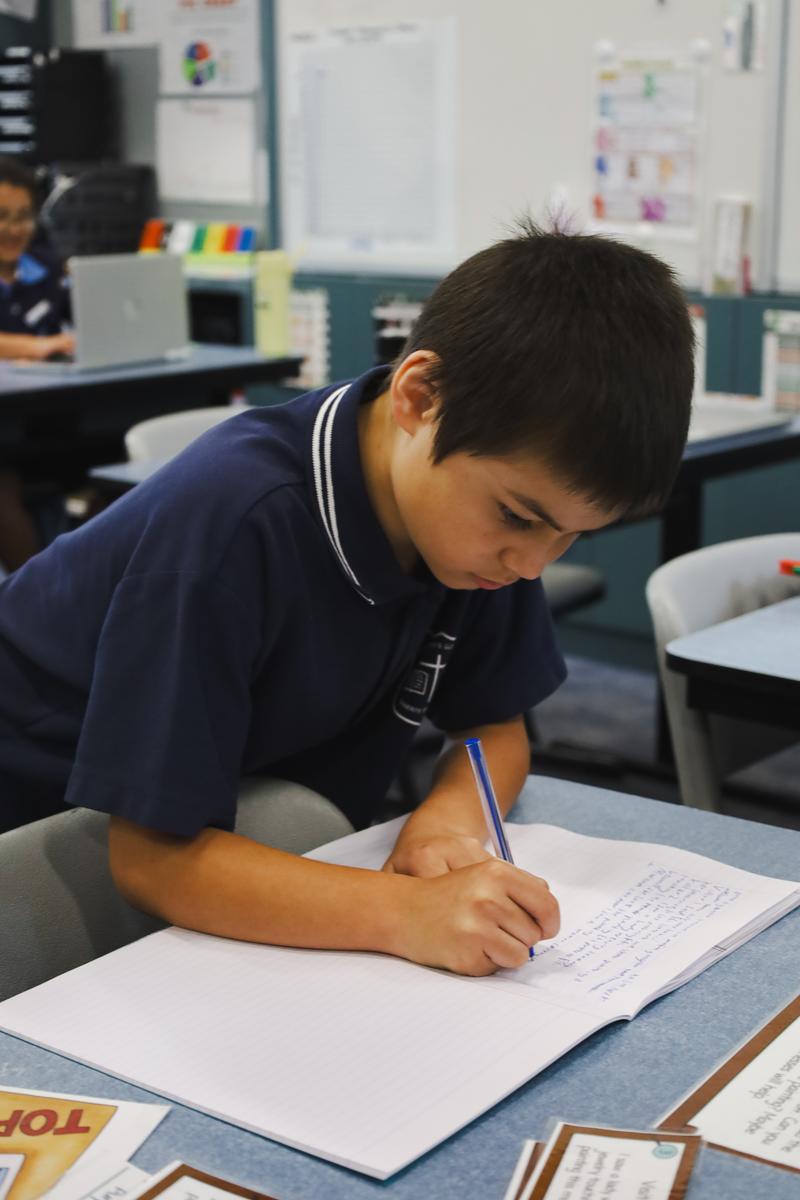
UFLI Foundations (Prep to Year Two)
At its core, the UFLI Foundations program is an explicit and systematic approach to teaching phonics. “Explicit” simply means that concepts are taught directly and clearly, leaving no room for guesswork. “Systematic” means the lessons follow a logical, step-by-step sequence, building on each other from simple to more complex skills. The program teaches children how to connect sounds to letters, a crucial skill for decoding words. By mastering these foundational skills, kids gain the automaticity they need to read smoothly and confidently.
We understand that before being able to write words with the correct spelling, students need to learn about the letters of the English alphabet, followed by their sounds when combined, all the way to the meaning and use of words that they create.
Our Junior students do this through UFLI, which is a daily part of our routine. This is a highly structured program where students develop their reading skills, and as they grow, their writing and spelling skills.
UFLI allows students plenty of practice in reading the spelling patterns they are exposed to, but also the chance to practice them in their writing.
Please see an example of a decodable text from the program below. You can see that this particular text focuses on the ck/k spelling pattern.
This is an example of a text that may be read in class, discussed, and then used as a launching point for some student writing.
Spelling Mastery (Year 3-6)
Spelling Mastery is a Direct Instruction program that helps teachers deliver highly effective, explicit spelling lessons. Used in schools for decades, this trusted program builds lasting spelling skills through structured, evidence-based teaching—helping students become more confident readers and writers.
In just 15–20 minutes per day, educators can help students:
This year our Middle and Senior school students have begun using the Spelling Mastery Program, which as mentioned above has a long history of research and use in the classroom.
This program exposes our students to a wide range of words during each session, practices different spelling patterns, but also does a fantastic job of point out the sometimes frustrating parts of spelling in English! This program benefits our older students who are beginning to write with more detail and greater vocabulary.
In Spelling Mastery students practice spelling words, sharing how they think words are spelled, but also very importantly they practice correcting their spelling when they have made errors.
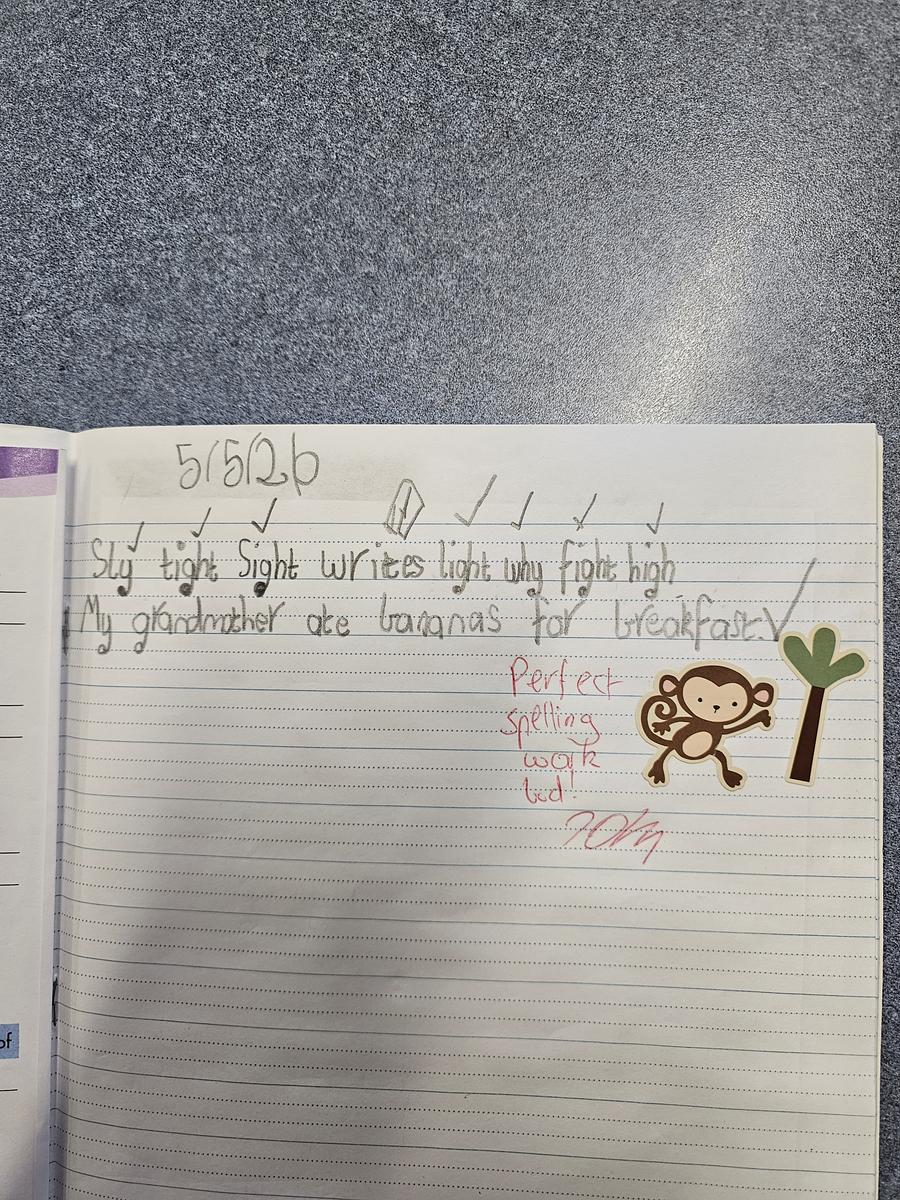
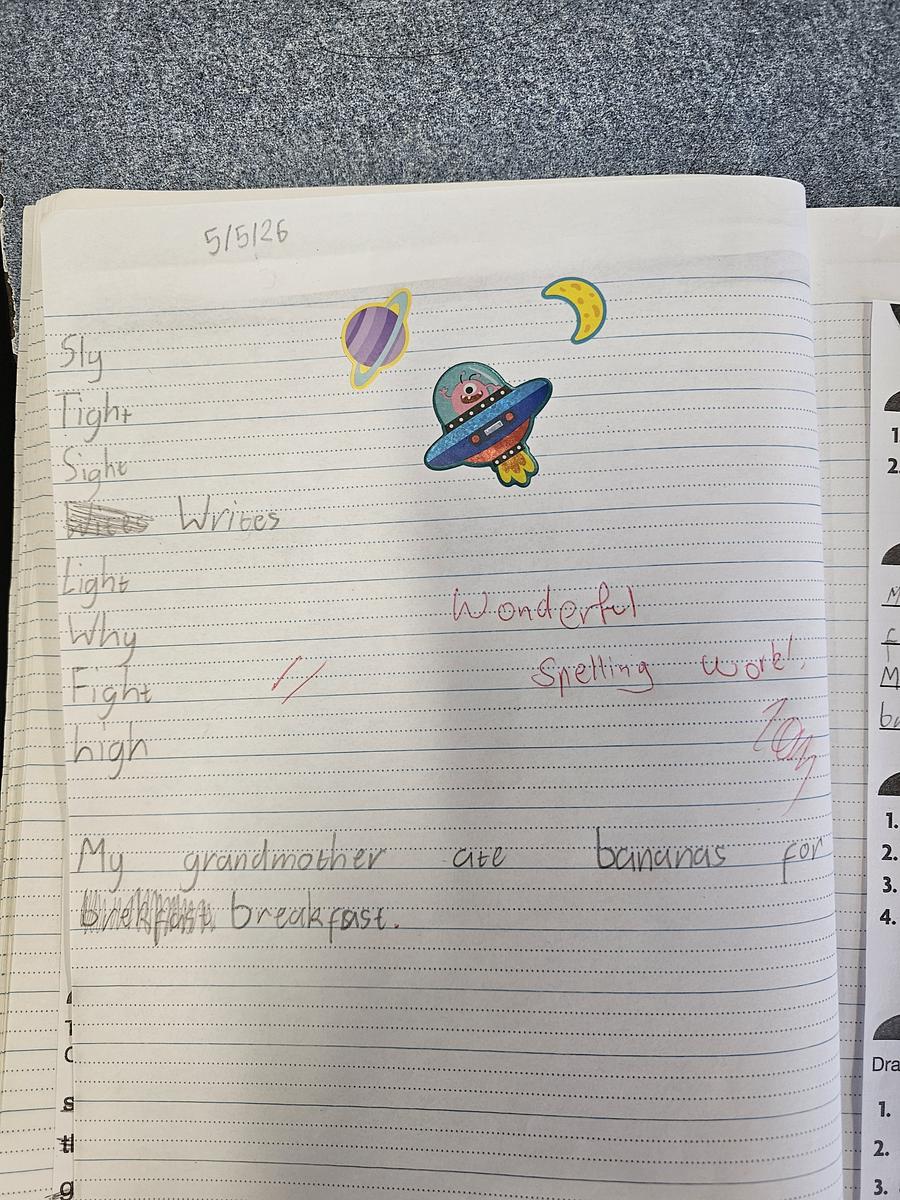
We look forward to continuing to develop the spelling abilities of our students, and these are two examples of highly regarded programs that we use to do this at St Anthony's.
Next time you are writing an email and type 'Please find the attacked files', spare a thought for the brilliant work our students are doing to improve their spelling each day!
Tim O'Mahoney
Curriculum Leader