
Wellbeing
WHAT WE DO IN WELLBEING
BREAKFAST CLUB
Served daily in the Wellbeing space from 8.00am every morning and offered to all students
WELLBEING LUNCH
Available to all students, lunch items are served each day from our purpose-built
servery window outside the Wellbeing space between 1.25 - 1.50pm
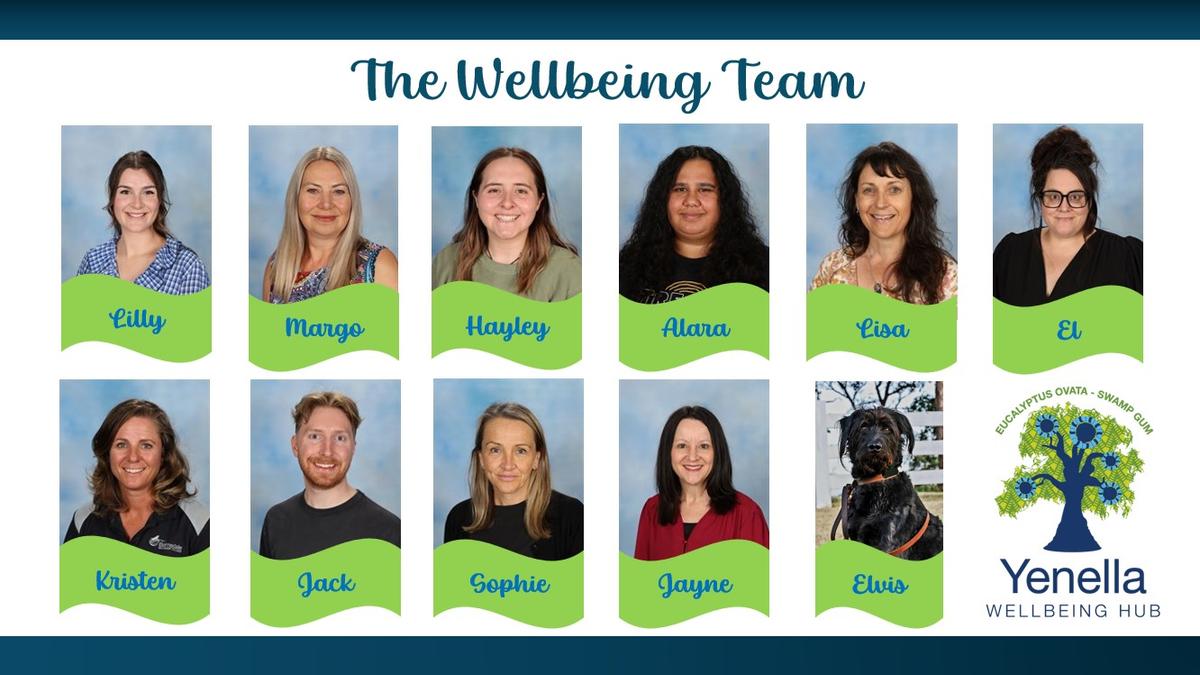
ELVIS - SCHOOL THERAPY DOG
Elvis is a Keldoodle (Kelpie X Poodle) and one of the school therapy dogs here at BSC.
His calm, gentle manner helps to reduce anxiety and stress in students,
as well as enhancing social-emotional skills.
He NEVER refuses a pat so swing by Wellbeing to say hello!

-------------------------------------------------------------------------------------------------------------------------------------
ONE-ON-ONE COUNSELLING
Facilitated through a Hub referral process
DOCTORS APPOINTMENTS
In partnership with Gippsland Lakes Complete Health, the College runs the Doctors in Secondary Schools (DiSS) Program. Once a week, we have a qualified doctor and nurse onsite conducting appointments in a dedicated clinic. This service is available to all students at no charge and parents/carers are able to also attend appointments.
SCHOOL NURSE
Working in close collaboration with the Wellbeing team, School Nurse, Sophie Brown attends the College two days a week. Sophie’s role is imperative in helping to promote health and raise awareness of the importance of healthy lifestyle choices for all students. She is available to speak with students one-on-one or in a group setting.
AOD (Alcohol & Other Drug) SUPPORT
AOD Youth Outreach run through Gippsland Lakes Complete Health supports young people between the ages of 12-25, and here at the College, we have an AOD worker onsite fortnightly to provide support for alcohol and/or drug use – including vaping. Supports offered include counselling, assistance with withdrawal/reduction of alcohol/other drug use; support if you become involved in the legal system because of alcohol/drug use; information, education and other resources.
SEASONS FOR GROWTH PROGRAM
Seasons for Growth is a small group education program that supports young people to develop the knowledge, skills and attitudes to understand and respond well to experiences of change, loss and grief.
FOR ANY MORE INFORMATION REGARDING ANY OF OUR SERVICES PLEASE CONTACT THE WELLBEING TEAM via wellbeing@bairnsdalesc.vic.edu.au
-------------------------------------------------------------------------------------------------------------------------------------
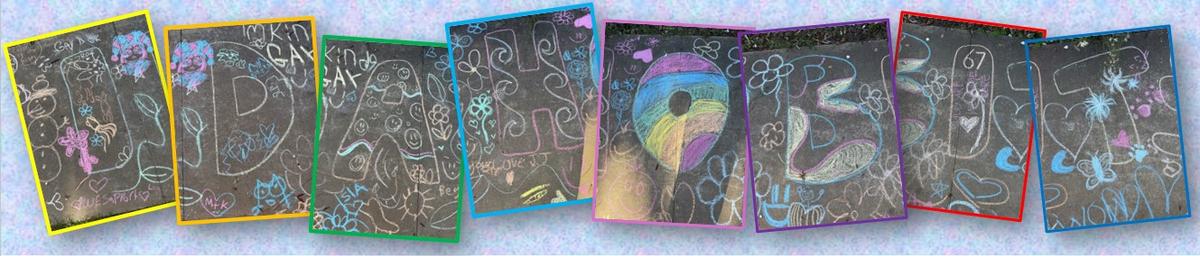
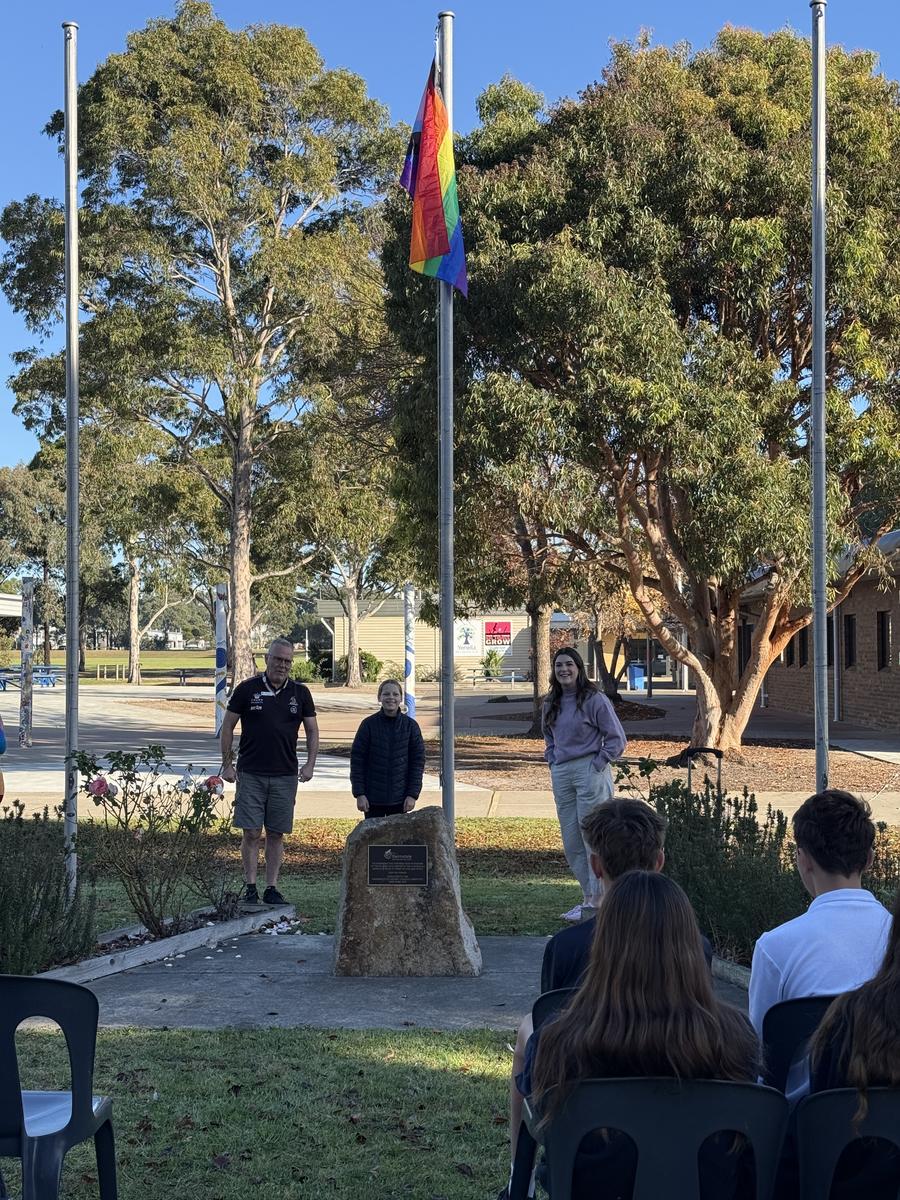
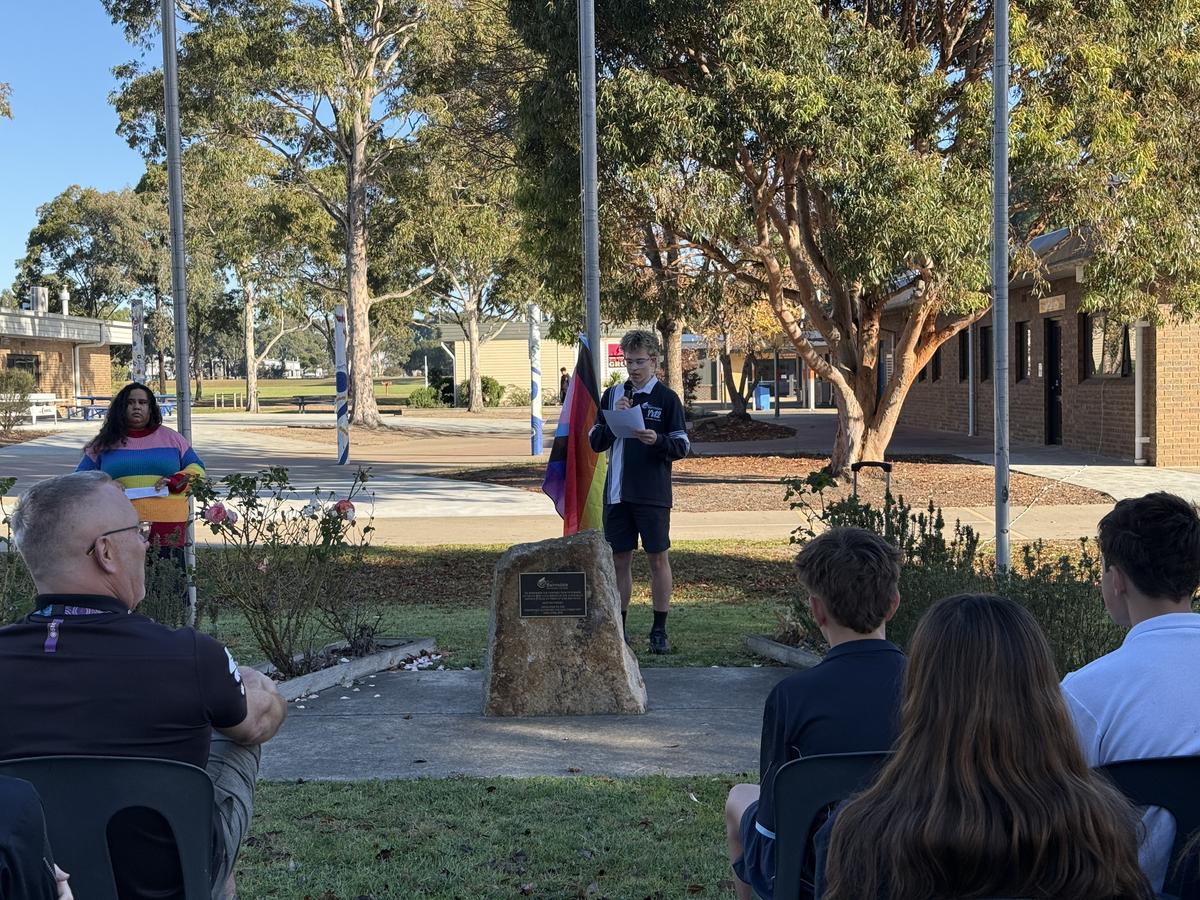
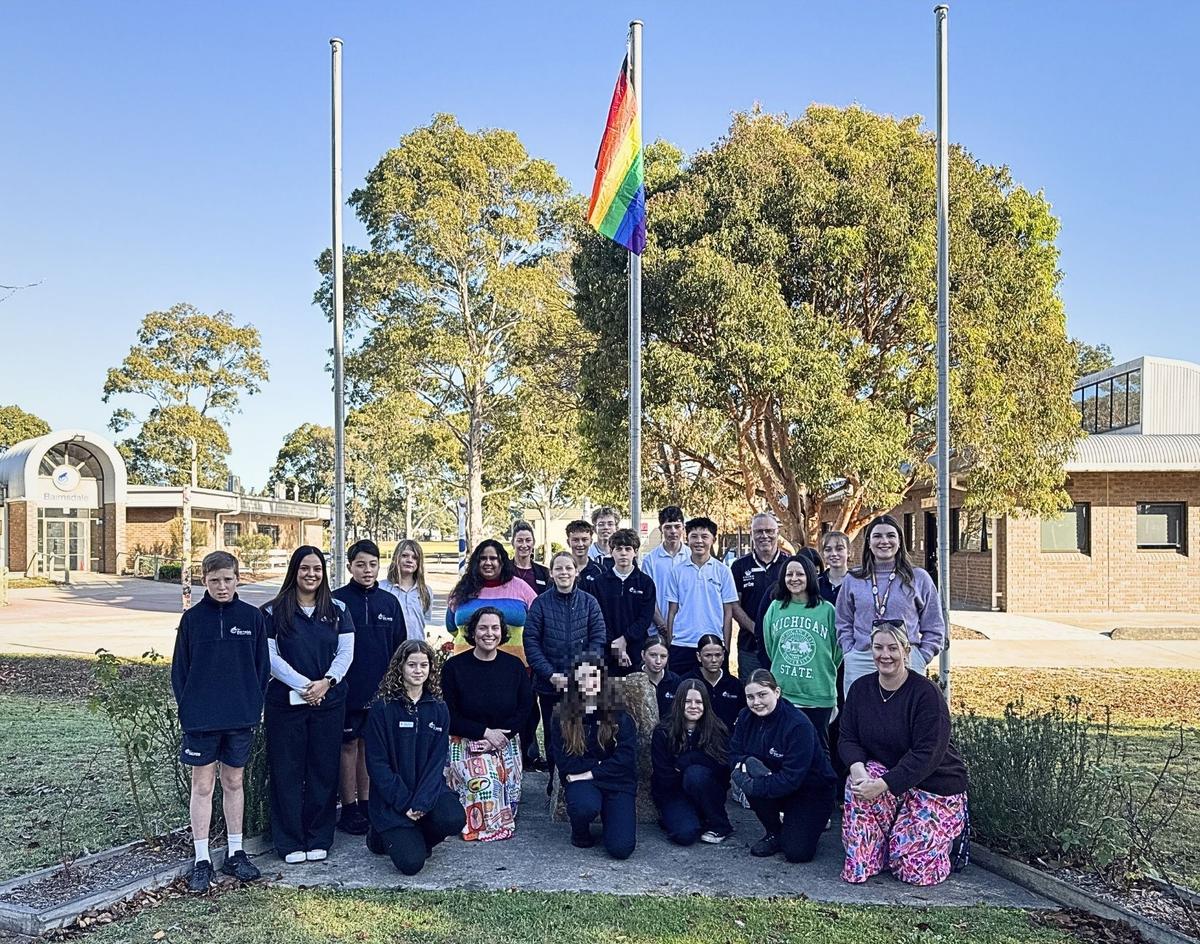
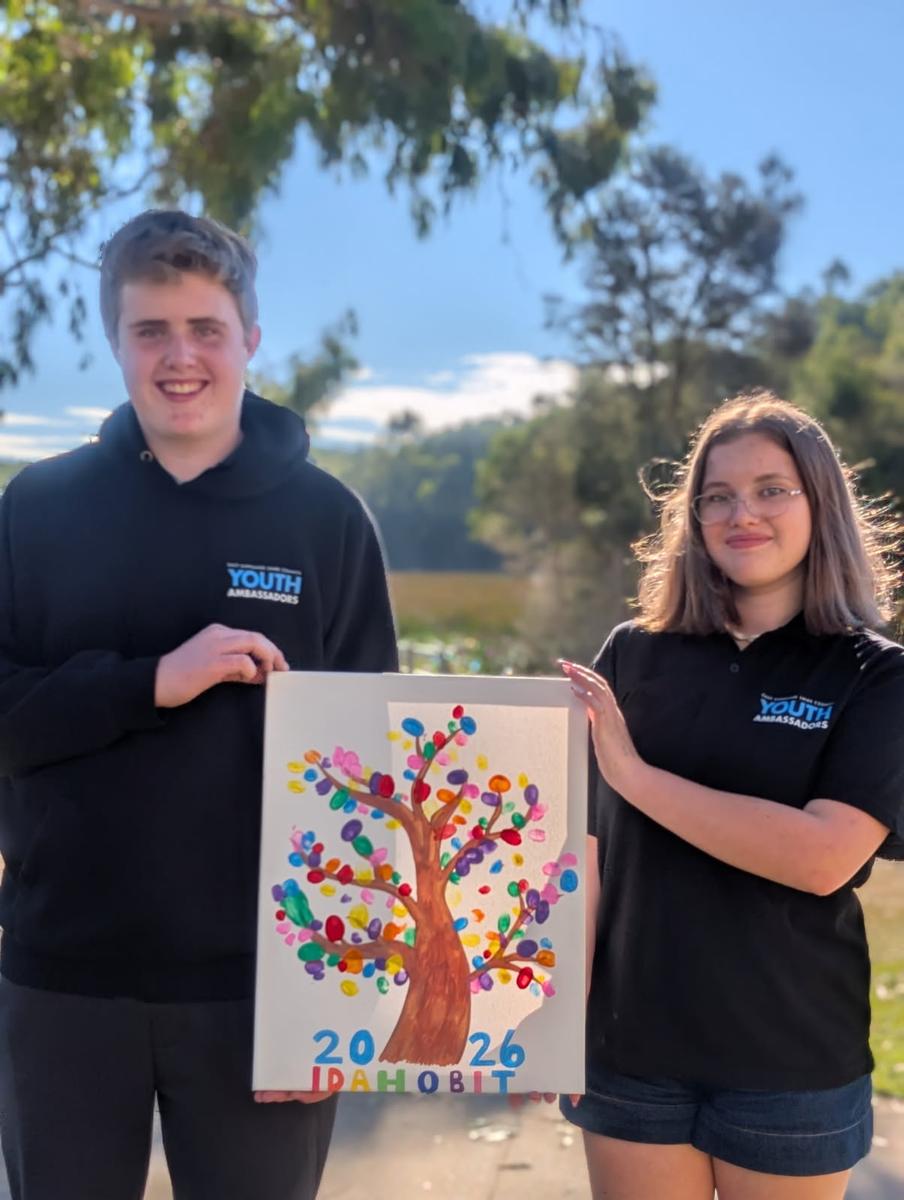
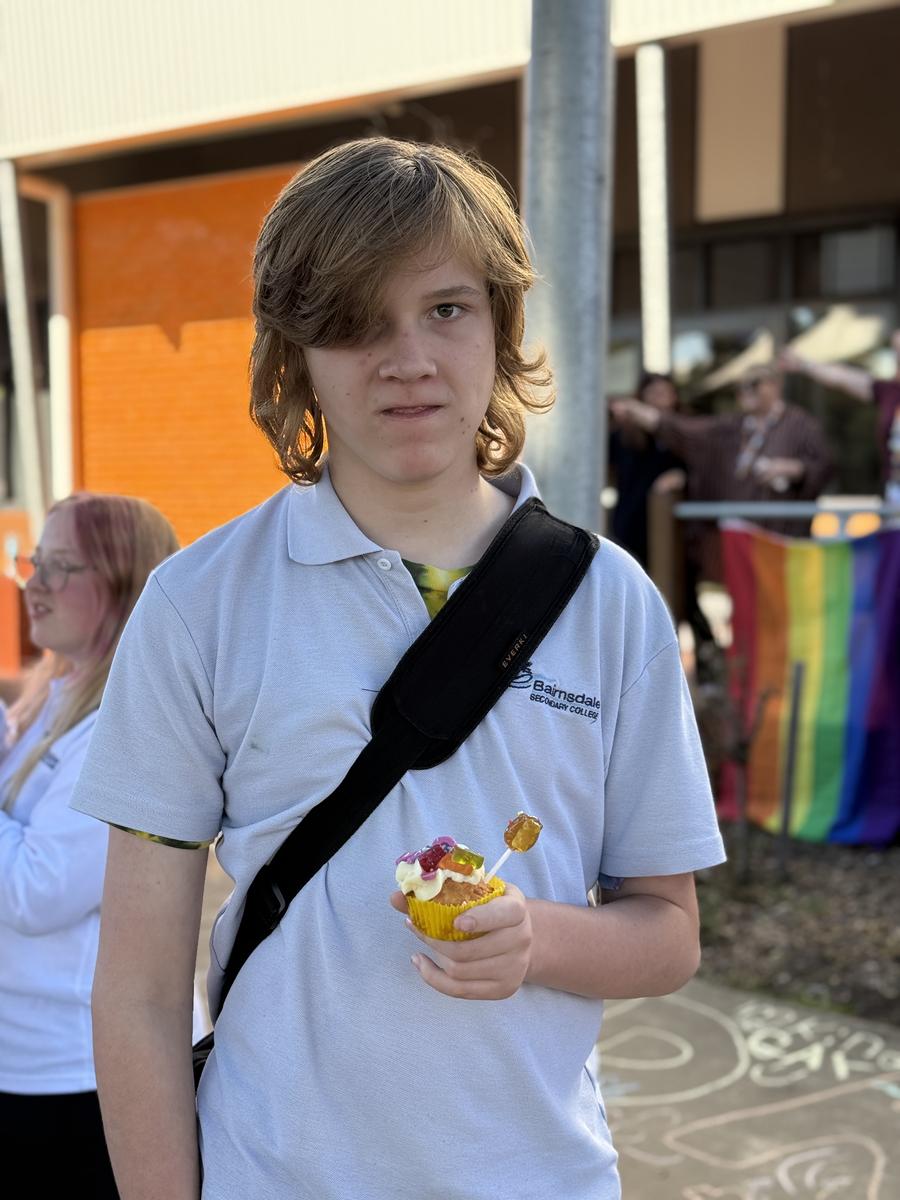
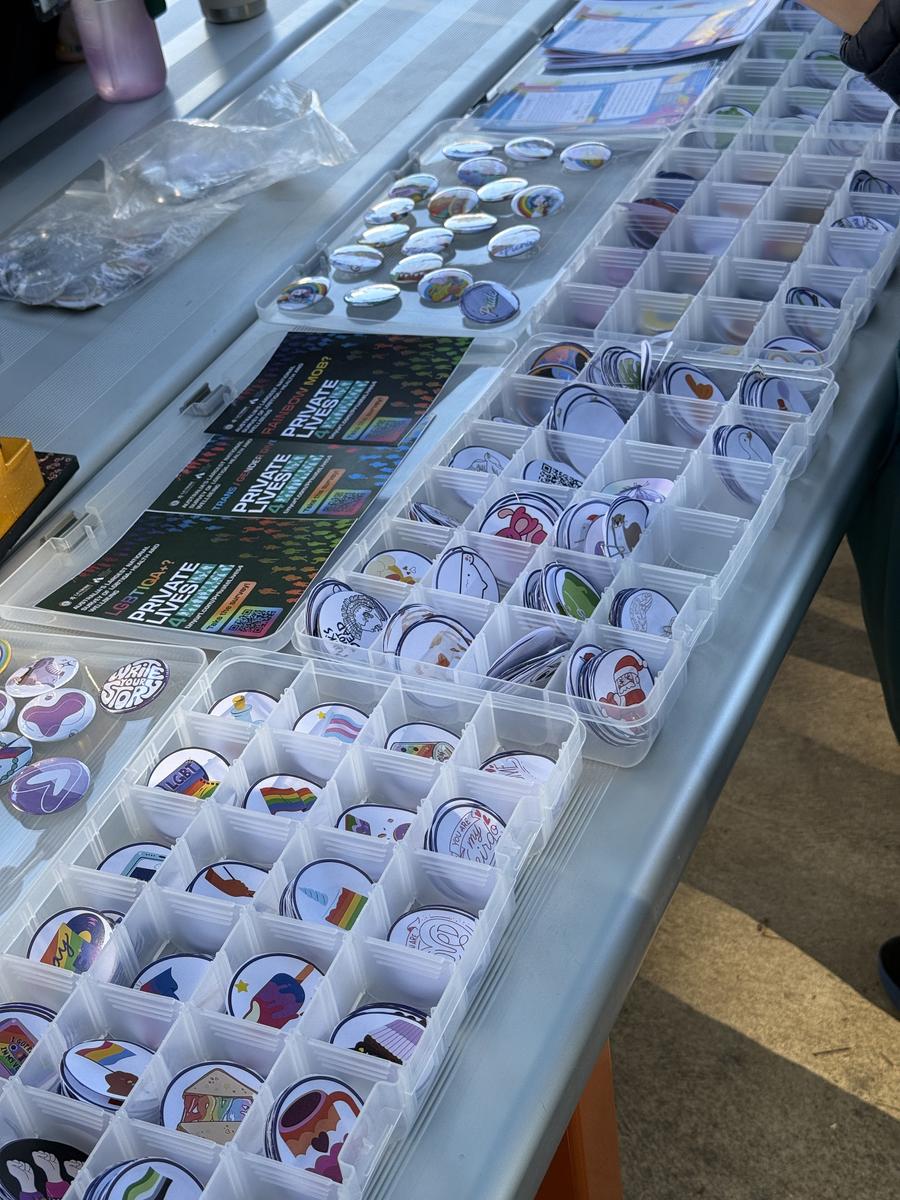
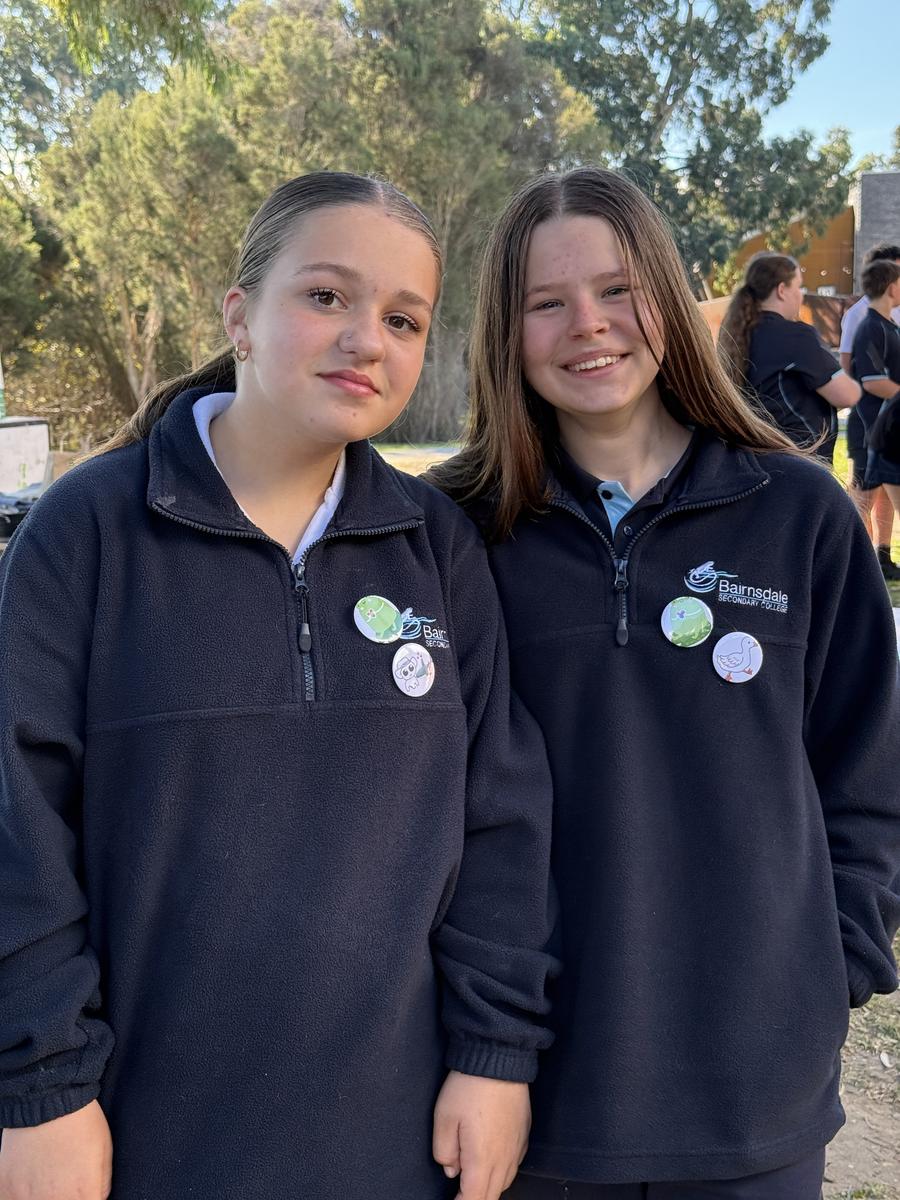
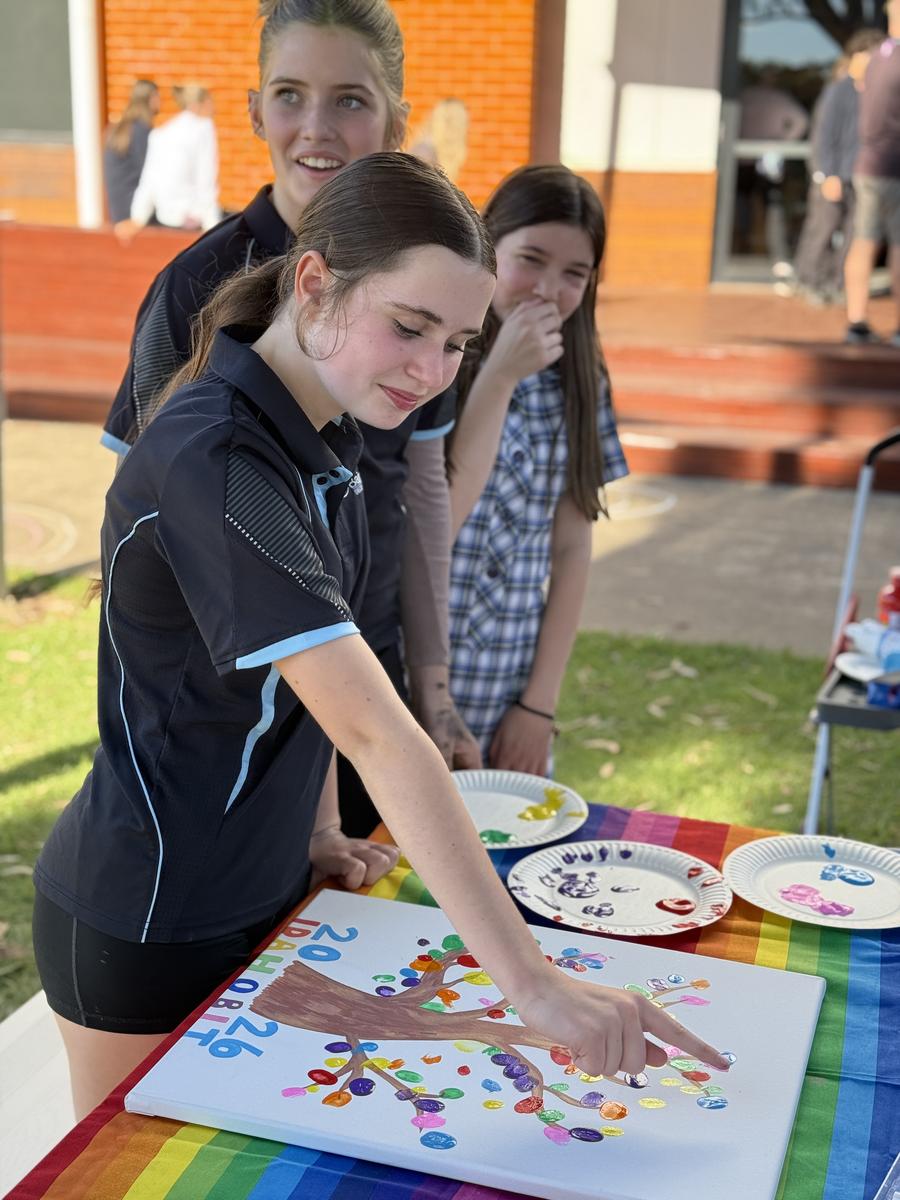
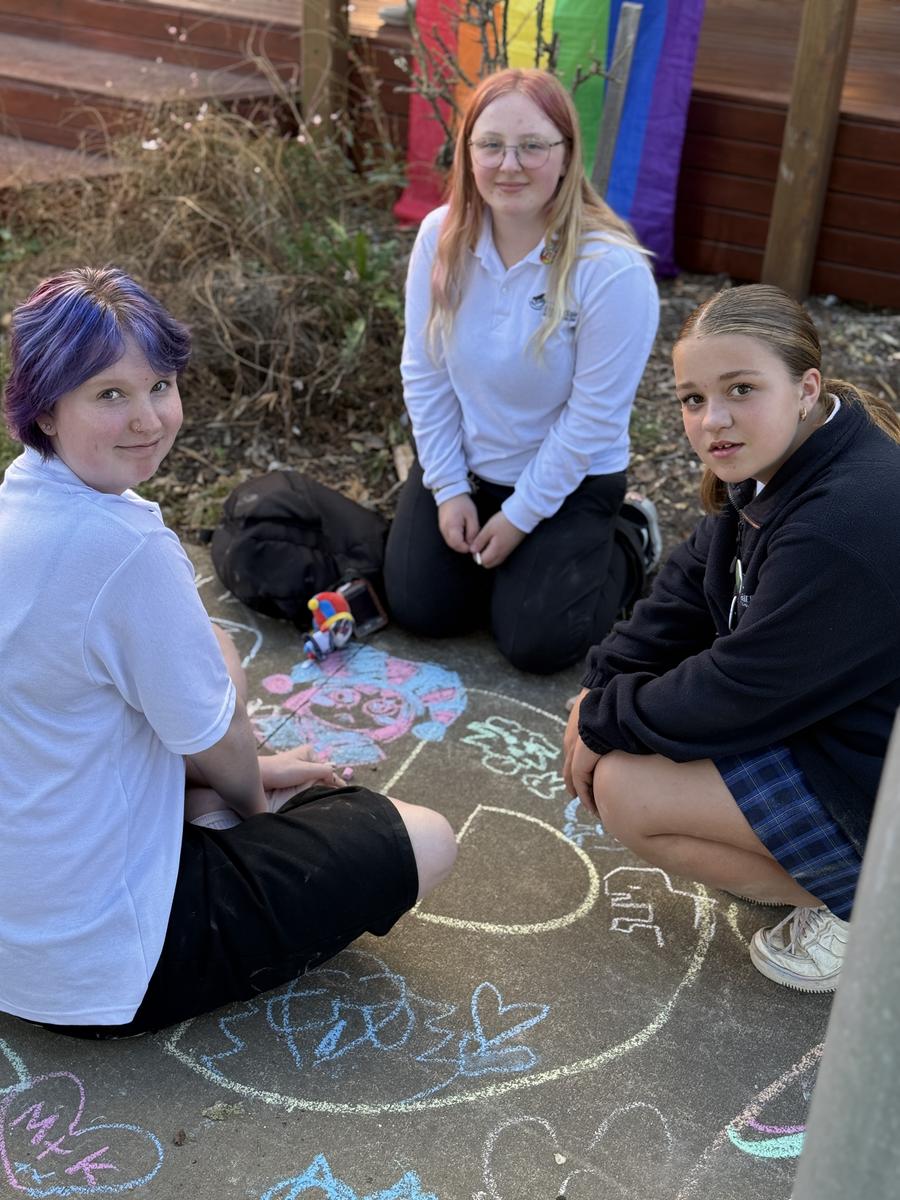
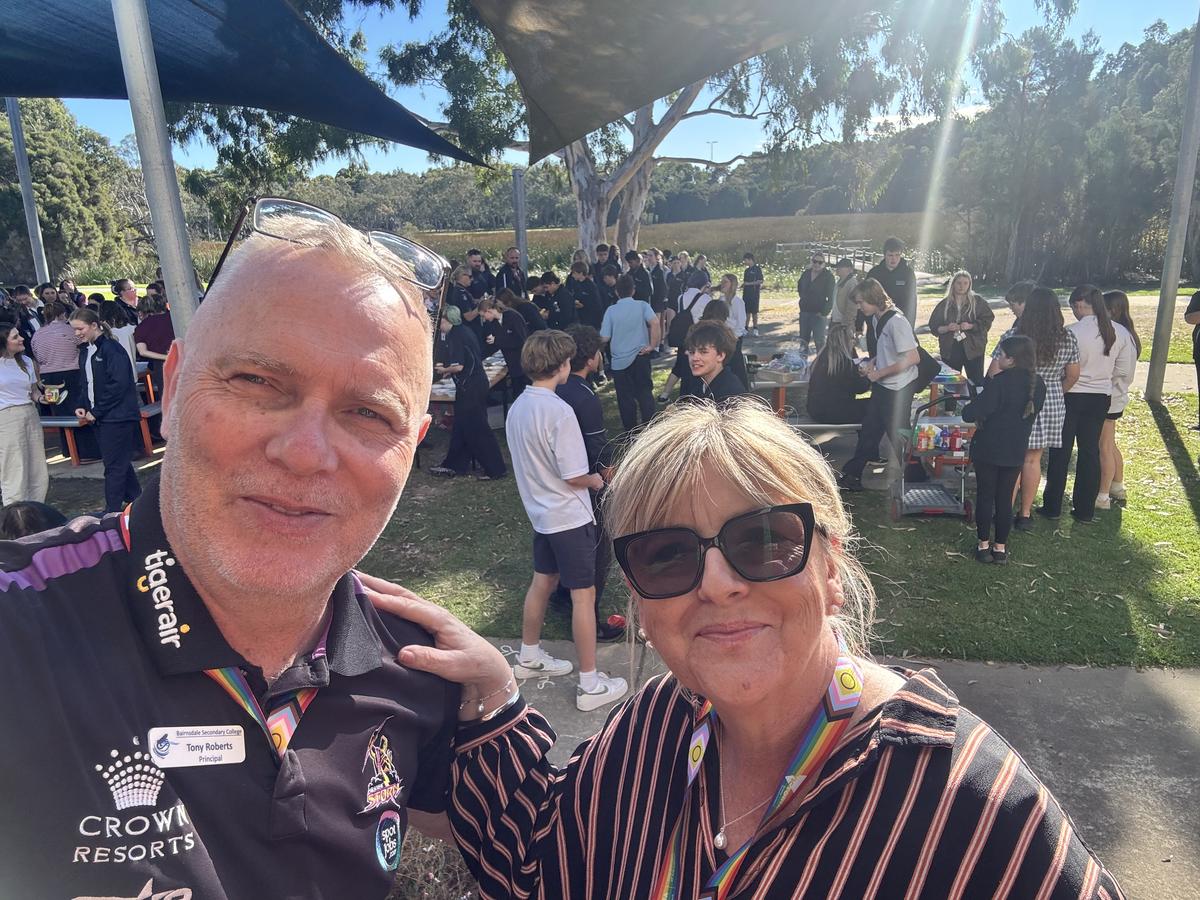
On Friday 15th May, the College acknowledged IDAHOBIT Day (International Day Against Homophobia, Biphobia, Intersexism and Transphobia). Celebrated annually on May 17th, IDAHOBIT Day is a significant event observed to continue the fight against prejudice, discrimination and inequality faced by the LGBTQIA+ community.
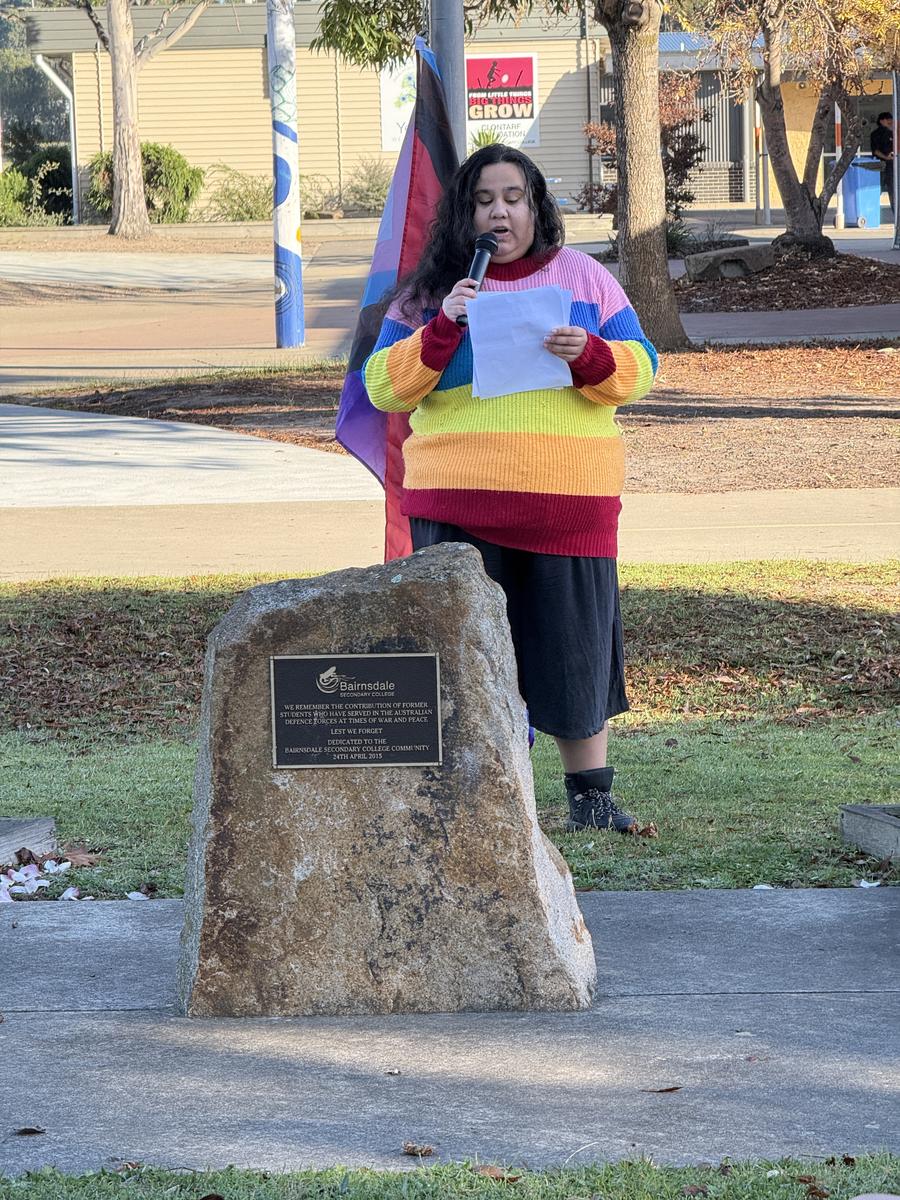
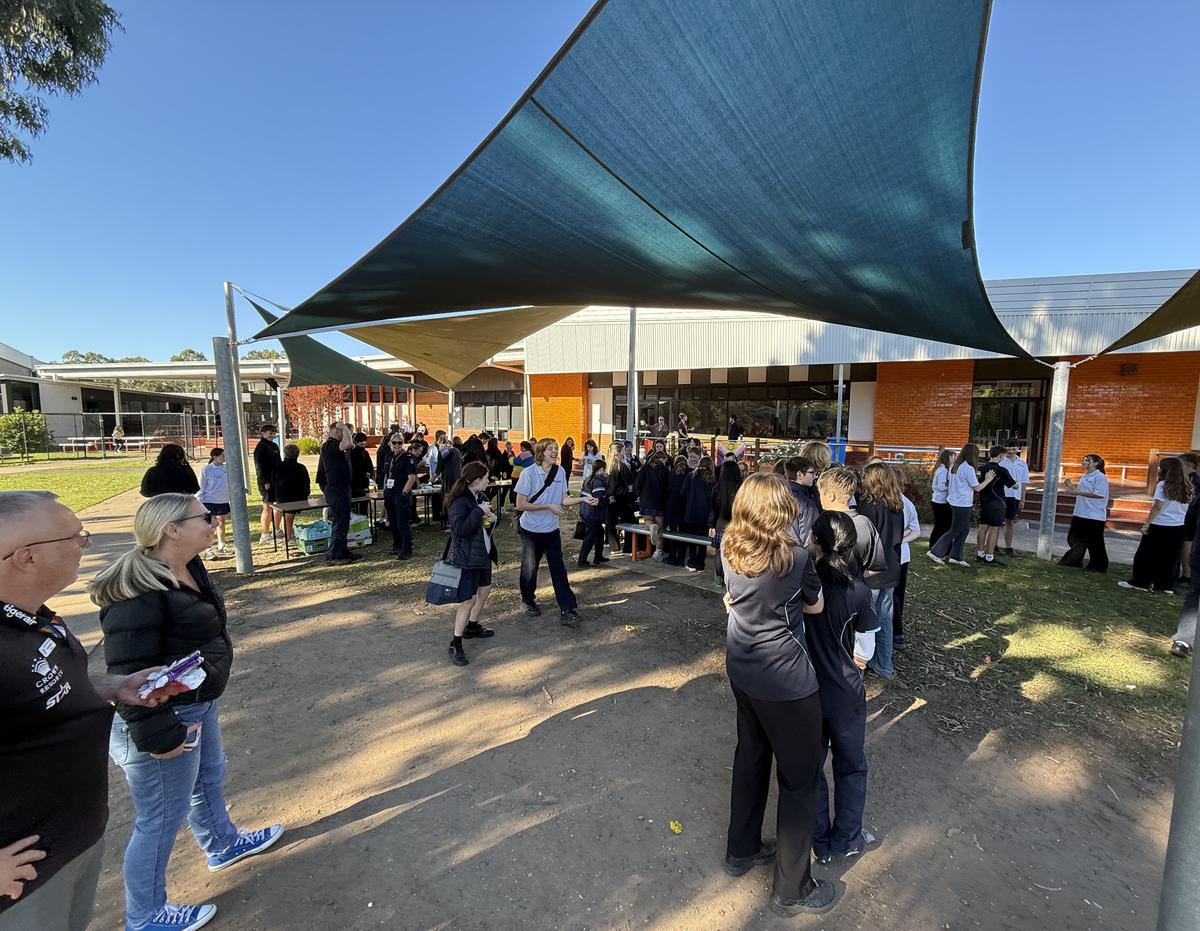
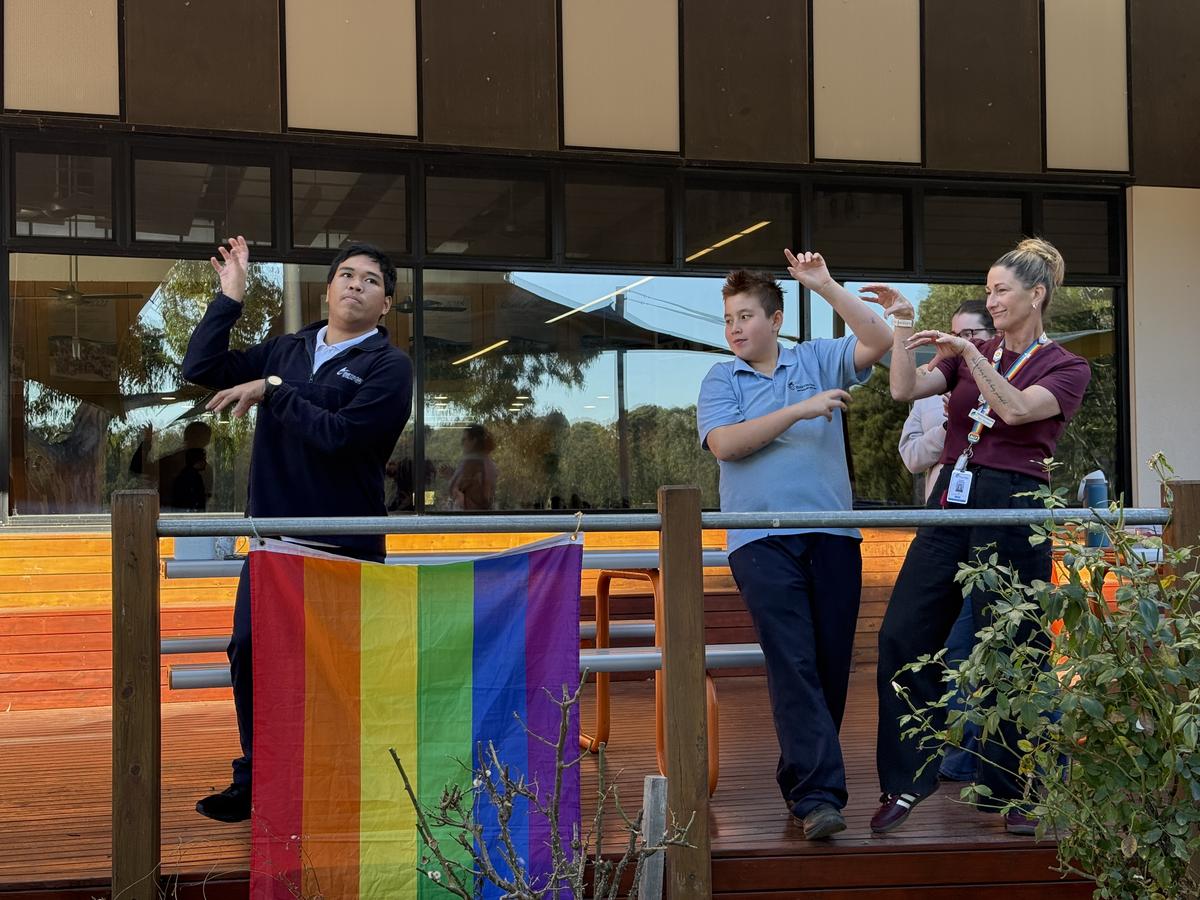
The day began with staff and students converging together to discuss the importance behind IDAHOBIT Day and ways in which our College can help build understanding about inequality and discrimination, and to encourage a welcoming, inclusive environment for all. Following speeches, the Pride Flag was raised in support of the LGBTQIA+ community.
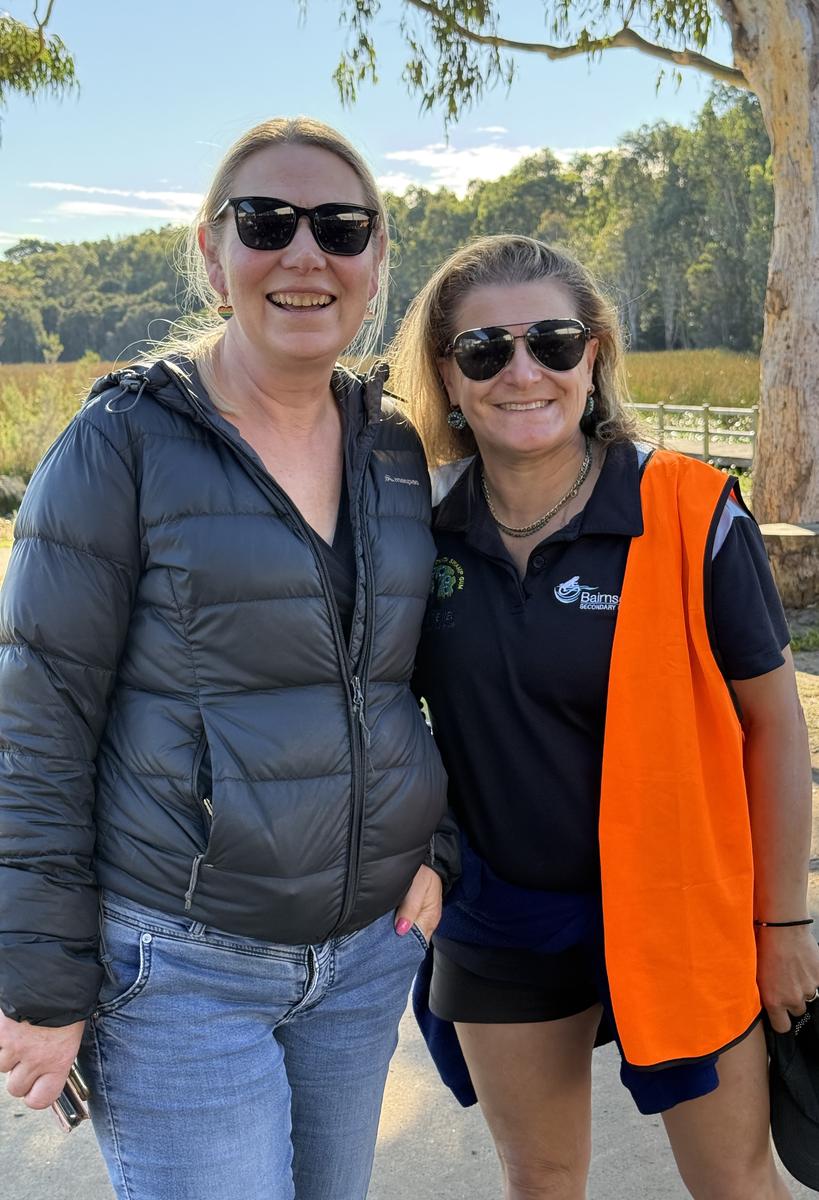
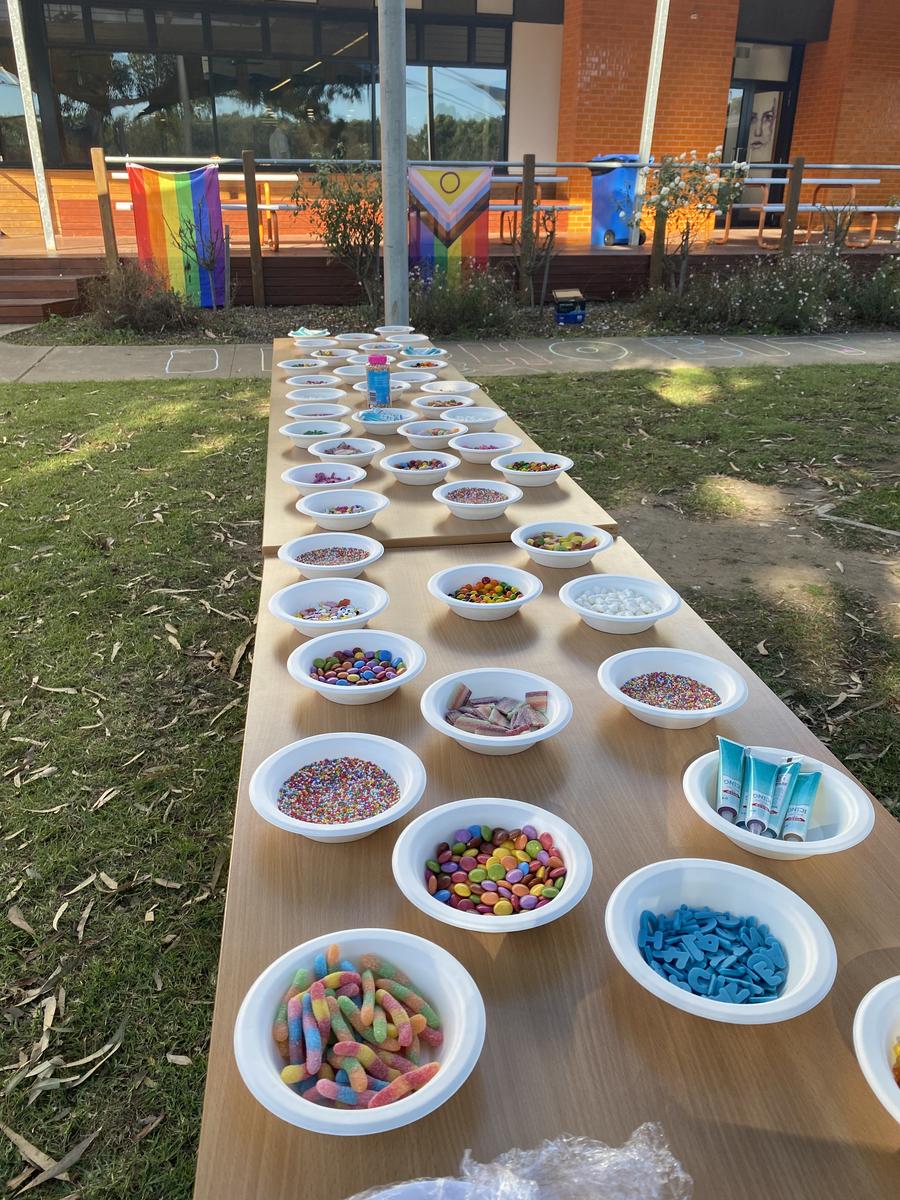
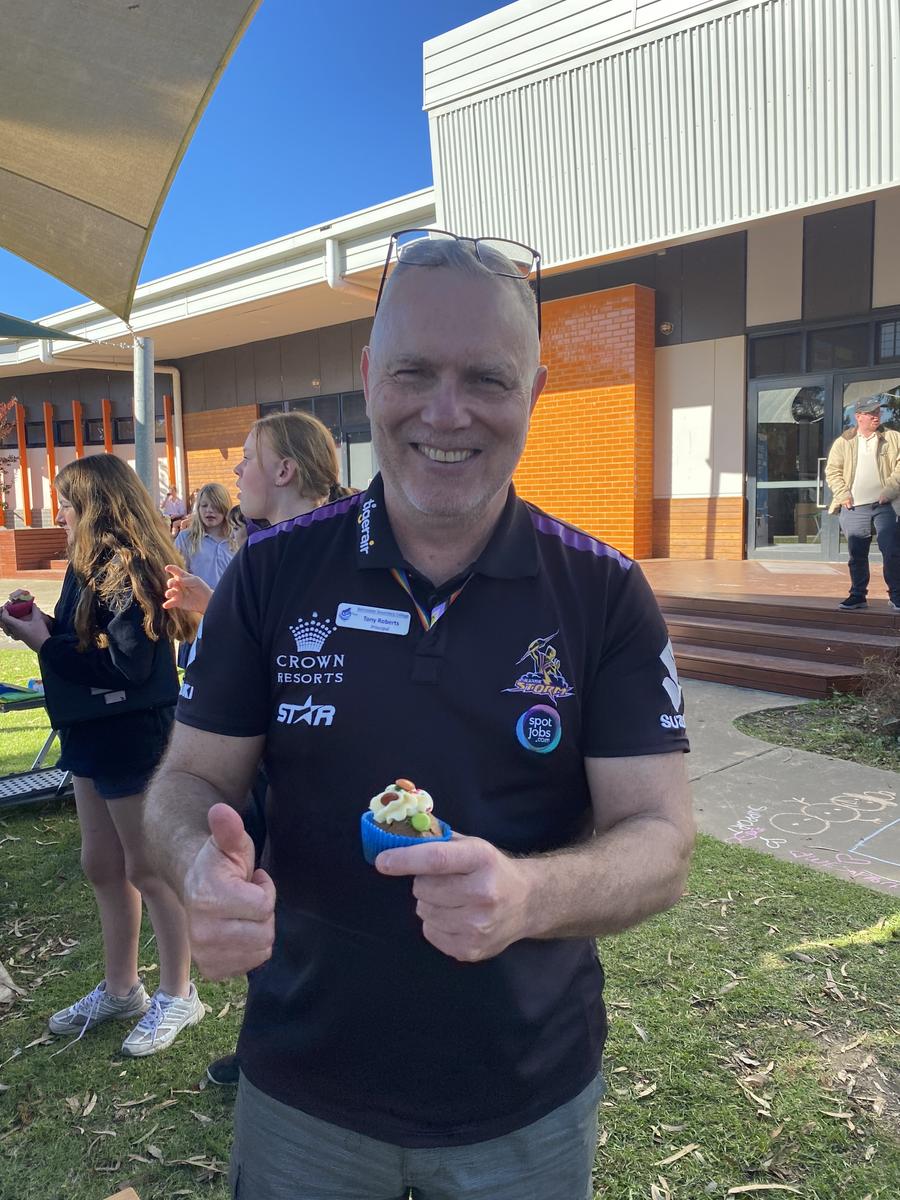
With the help of our community partners: Bairnsdale Police, Headspace, East Gippsland Shire Council and the H.E.Y Project, Break 2 activities were a great success. Students took part in various activities from cupcake decorating, badge making, painting, chalk drawing, and connecting with external guests. We extend our thanks to all students and staff who helped out or stopped by to join in the fun. We also wish to express our gratitude once again to visiting guests for their continued support of these important events. Schools play a crucial role in creating safe and welcoming environment for all students and staff, and IDAHOBIT is a powerful reminder of the need to challenge discrimination and promote belonging for all.
-------------------------------------------------------------------------------------------------------------------------------------
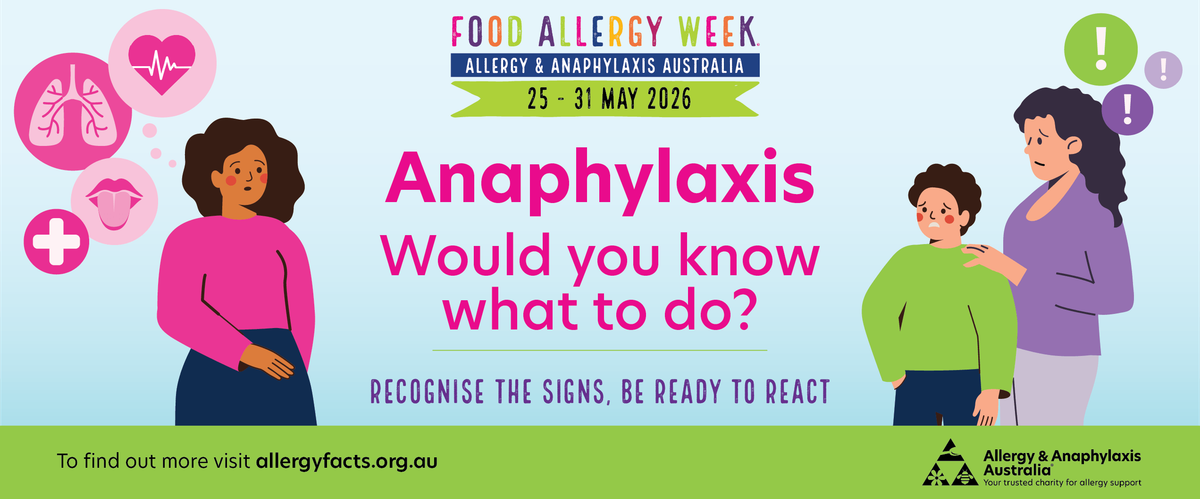
Food Allergy Week was created by Allergy & Anaphylaxis Australia
to raise awareness of food allergy in Australia.
Australia has one of the highest rates of food allergies in the world, with almost 2 million Australians living with a food allergy. We also have one of the highest rates of hospital anaphylaxis admissions in the world. There has been a 51% increase in anaphylaxis presentations to emergency departments in a 5-year period, growing to more than 11,500 per year.
During Food Allergy Week 2026, Allergy & Anaphylaxis Australia calls on all Australians to unite to help increase awareness and share information on what we can all do to improve safety for people who live with food allergies. Awareness and education help reduce the risk of allergic reactions and effectively treat potentially life-threatening emergencies when they happen.
What is an Allergy?
Allergy occurs when a person’s immune system reacts to substances in the environment that are harmless for most people. Substances that can trigger an allergic reaction are called allergens. People can be allergic to many things, such as pollen, mould, dust mites, animal dander or saliva, insect stings or bites, medication, food, and latex. Allergic disease also includes conditions such as eczema (atopic dermatitis), allergic rhinitis (hay fever), allergic conjunctivitis, and allergic asthma.
Common Food Allergies
- Crustaceans - crabs, lobster, prawns, shrimp, crayfish, and yabbies
- Egg
- Fish
- Lupin - a legume and can be found in a wide range of food products including bread, bakery items, pasta, sauces, meat substitutes and meat products such as burgers and sausages.
- Dairy - milk, yoghurt, cheese, cream, ice cream, butter, ghee
- Mollusc - sea snails (whelk), oysters, clams, scallop, octopus, squid, abalone, mussel, pipis and cockles.
- Peanut
- Sesame
- Soy
- Tree Nut - almond, Brazil nut, cashew, hazelnut, macadamia, pecan, pine nut, pistachio and walnut)
- Wheat
- Mammalian Meat - beef, pork, lamb, kangaroo, goat, horse, venison.
Other Allergies
Animal Dander, Dust Mite, Mould, Pollen, Insect and Tick Allergens (bee, Jack Jumper ant, wasp, tick) and Drug Allergies.
Signs and Symptoms
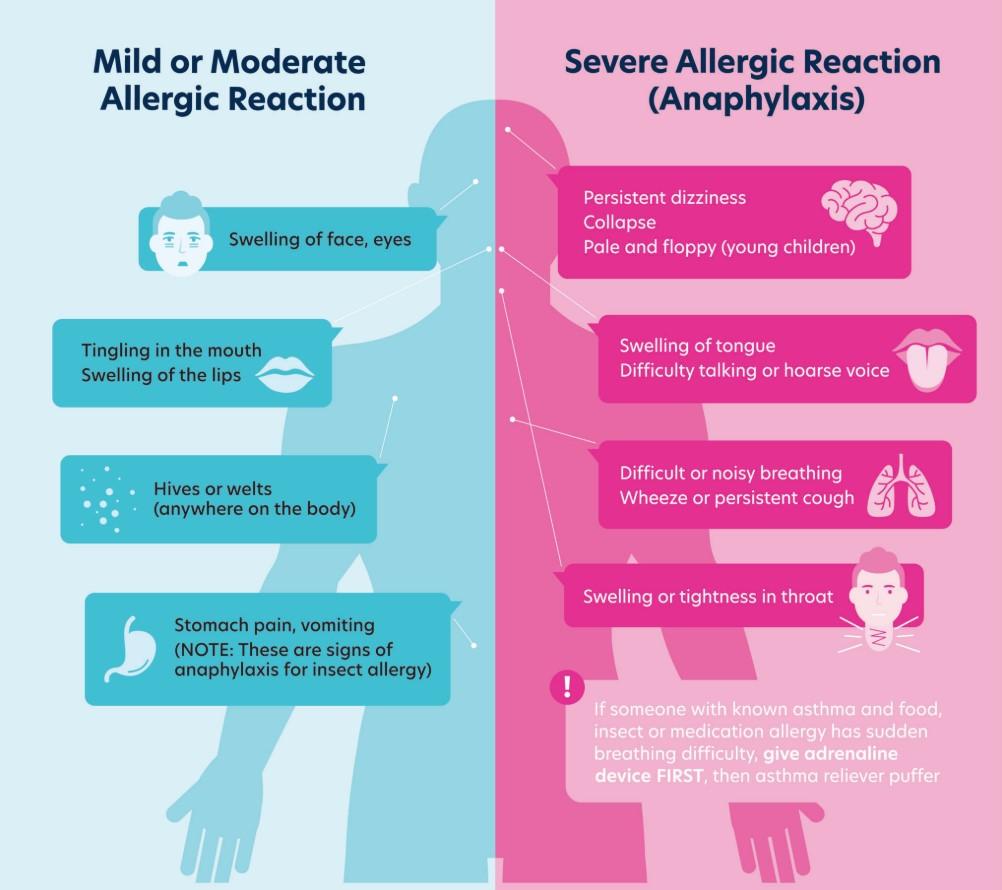
FIRST AID ACTION
1. Lay person flat – do NOT allow them to stand or walk.
If unconscious, place in recovery position (on left side if pregnant).
If breathing is difficult, allow them to sit with legs outstretched.
Hold babies and young children flat, not upright.
2. Give ADRENALINE (epinephrine) DEVICE if available (instructions on how to give the adrenaline device are on the label of the device)
3. Phone ambulance – triple zero (000)
4. Phone family/emergency contact
5. Another adrenaline device may be given after 5 minutes (if no response from first adrenaline device or person is more unwell).
6. The person MUST go to hospital for at least four hours of observation.
IF IN DOUBT GIVE ADRENALINE DEVICE
Start CPR at any time if person is not responding to you and not breathing normally. (Remember that the person having anaphylaxis may not be thinking clearly.)
- Make sure someone stays with the person having anaphylaxis.
- Try to remain calm, reassure the person and tell them help is on its way.
- Don’t expect the person having anaphylaxis to manage the emergency on their own if help is available.
A person having anaphylaxis may not be able to give themselves their adrenaline device even if they know how to use it.
For more information visit, Food Allergy Week - Allergy & Anaphylaxis Australia
----------------------------------------------------------------------------------------------------------------------------------

ParentZone Eastern have 2 FREE online single sessions coming up for parents
in the Eastern Region. Bookings are required - see below for details.
PARENTING WITH GRIEF
- Grief is not a problem to fix, but is a normal human experience
- Grief can have long reaching, and often invisible effects on parents and children.
- It can be masked by the processes needed to survive.
- What does grief look like for both parents and children
Date: 17th June 2026
When: 10:00am - 11:30am
Where: Online via Zoom
To book, contact:
michelle.emeryevans@anglicarevic.org.au or julia.russell@anglicarevic.org.au
GRATITUDE, MINDFULNESS and EMPATHY
An interactive program for parents wanting to explore positive relationships with their children
- Why are gratitude, empathy and mindfulness so important?
- How do they help us increase connection with our families?
- How do they help us raise emotionally intelligent children?
- How do we make them fit into our busy and stressful lives?
Date: 23rd June, 2026
When: 7:00pm - 8:30pm
Where: Online via Zoom
For further questions, contact: Julia on 0400 866 495 or julia.russell@anglicarevic.org.au
For any enquiries on either course, please contact parentzone.eastern@anglicarevic.org.au