
Wellbeing
Amanda Wilson | Assistant Principal
Wellbeing
Amanda Wilson | Assistant Principal
Teaching emotional literacy in primary school is important because it helps children understand, express and manage their feelings in healthy ways. When students learn to recognise emotions in themselves and others, they are better able to build friendships, solve problems and show empathy. Emotional literacy also supports learning by helping children feel safe, calm and ready to participate in the classroom. These skills can improve wellbeing, strengthen relationships and help students become confident and respectful members of their community.
Teaching emotional literacy goes hand-in-hand with teaching problem solving because children need to understand their emotions before they can respond to challenges calmly and effectively. When students can recognise feelings such as frustration, disappointment or anger, they are more likely to pause, think clearly and choose positive solutions to problems. Emotional literacy helps children communicate their thoughts respectfully, listen to others’ perspectives and work collaboratively during conflicts or difficult situations. Together, these skills support resilience, decision making and positive social interactions both inside and outside the classroom.
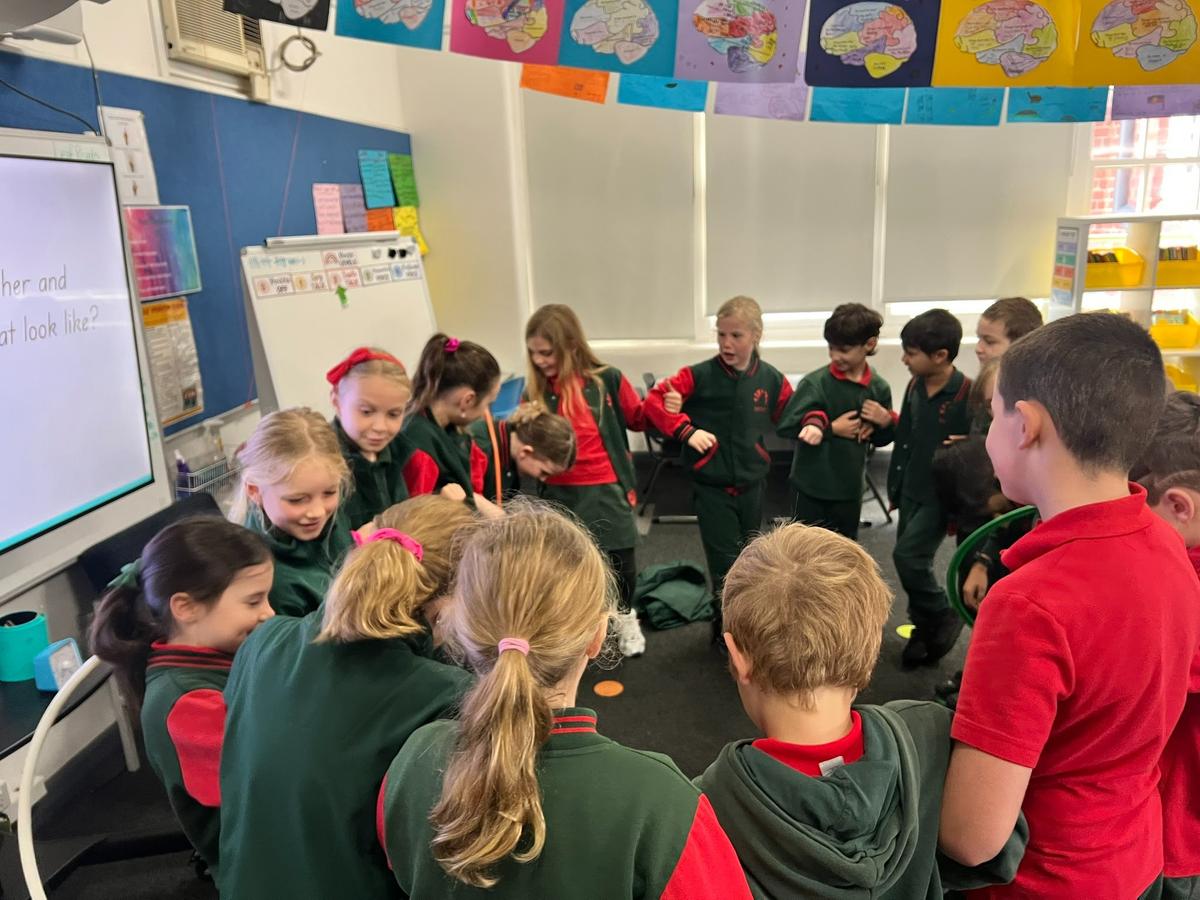
In Grades 1 and 2, students learn to:
• recognise and identify their own emotions.
• describe situations that may evoke these emotions
• compare their emotional responses with those of their peers.
• recognise that there are many ways to solve conflict
• describe similarities and differences in points of view between themselves and people in their communities
• identify cooperative behaviours in a range of group activities
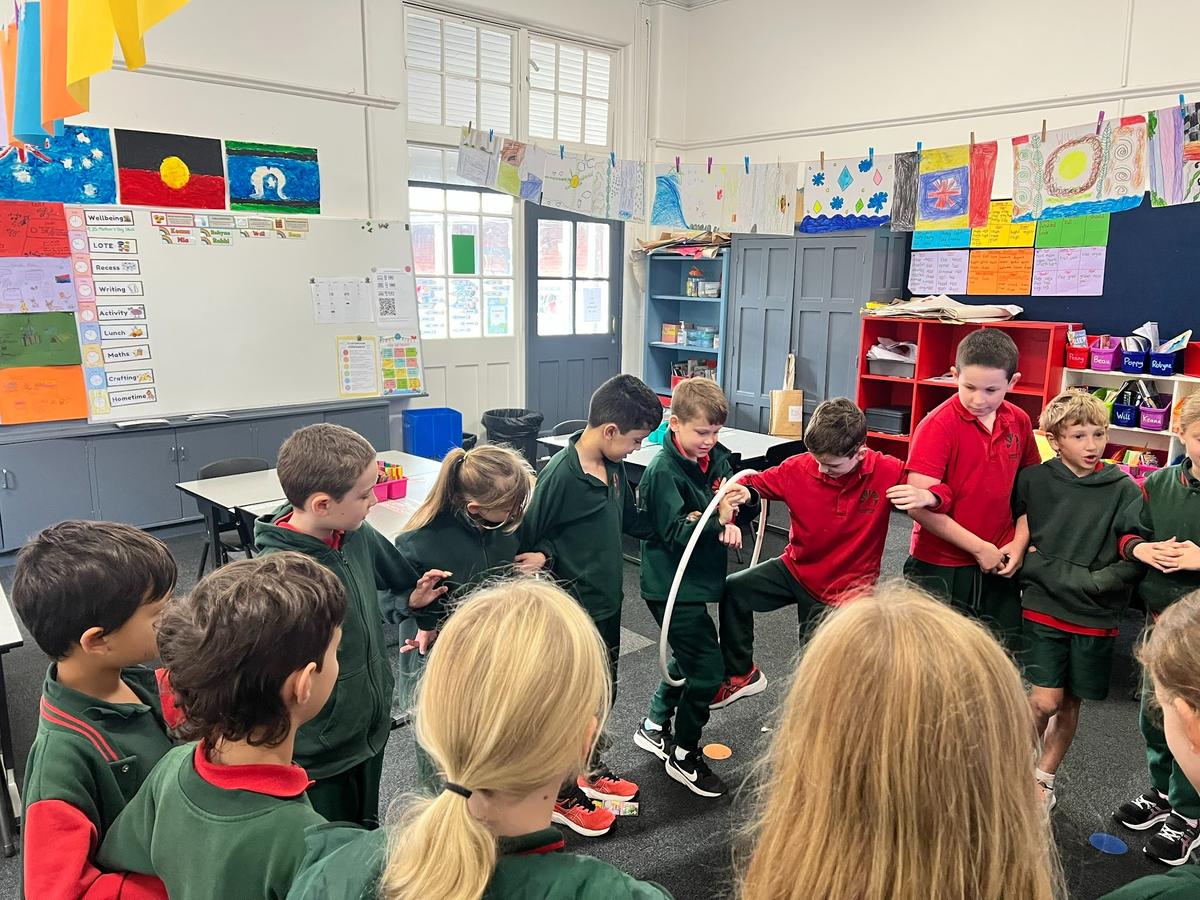
• practise individual and group decision-making
• practise solving simple interpersonal problems.
See some pictures of a cooperative problem-solving activity in action in a Grade 2 classroom!
In Grades 3 and 4, students learn to:
• describe the influence that people, situations and events can have on their emotions.
• investigate how emotional responses may vary in intensity
• understand how to interact positively with others in different situations.
• identify communication skills that enhance relationships
• describe characteristics of cooperative behaviour and identify evidence of these in group activities
• contribute to and predict the consequences of group decisions in a range of situations
• identify a range of conflict-resolution strategies to negotiate positive outcomes to problems
• discuss the concept of leadership and identify situations where it is appropriate to adopt this role
• describe and apply strategies that can be used in situations that make them feel uncomfortable or unsafe.
As part of Emotional Literacy, year 4s have discussed how body language is a clue for how someone may feel.
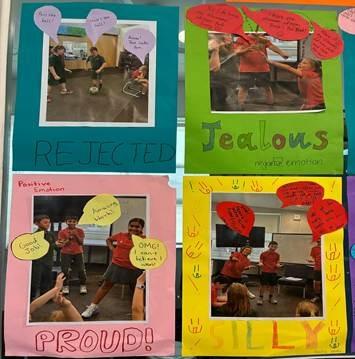
In a circle, 4C discussed why sometimes people may appear upset when someone makes a comment that was intended to be nice. We unpacked how it may be more appropriate to comment on not what someone looks like but rather on their internal strengths such as kindness or curiosity.
Here are two student responses showcasing how they have applied what they have learnt about Emotional Literacy:
‘At school we don’t make comments to people about their appearance because they may not like that about themselves. Instead, we should tell them about their strengths.’
‘ At school we don’t make comments about people’s appearance because they might take it the wrong way and become mad or upset even though you think it is a compliment.’
The year 4s have been exploring the use of body language you might witness at school. The students did freeze frames about scenarios that may create comfortable or uncomfortable emotions.
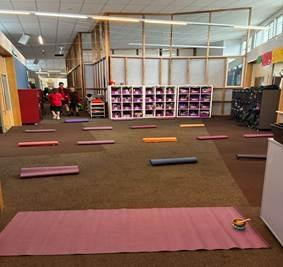
A helpful coping strategy for managing emotions is yoga. This has been integrated into the Year 4 Sport Program. Over the term, the year 4 students will do one-two sessions as part of the weekly Friday sport timetable.
In Grades 5-6, students learn to:
• explain the influence of emotions on behaviour, learning and relationships.
• analyse factors that influence their ability to regulate emotions.
• devise strategies and plans to assist in completing challenging tasks, making decisions or resolving problems.
• identify factors that influence decisionmaking
• identify causes and effects of conflict and practise different strategies to resolve problems.