
MMCRC 40th Anniversary
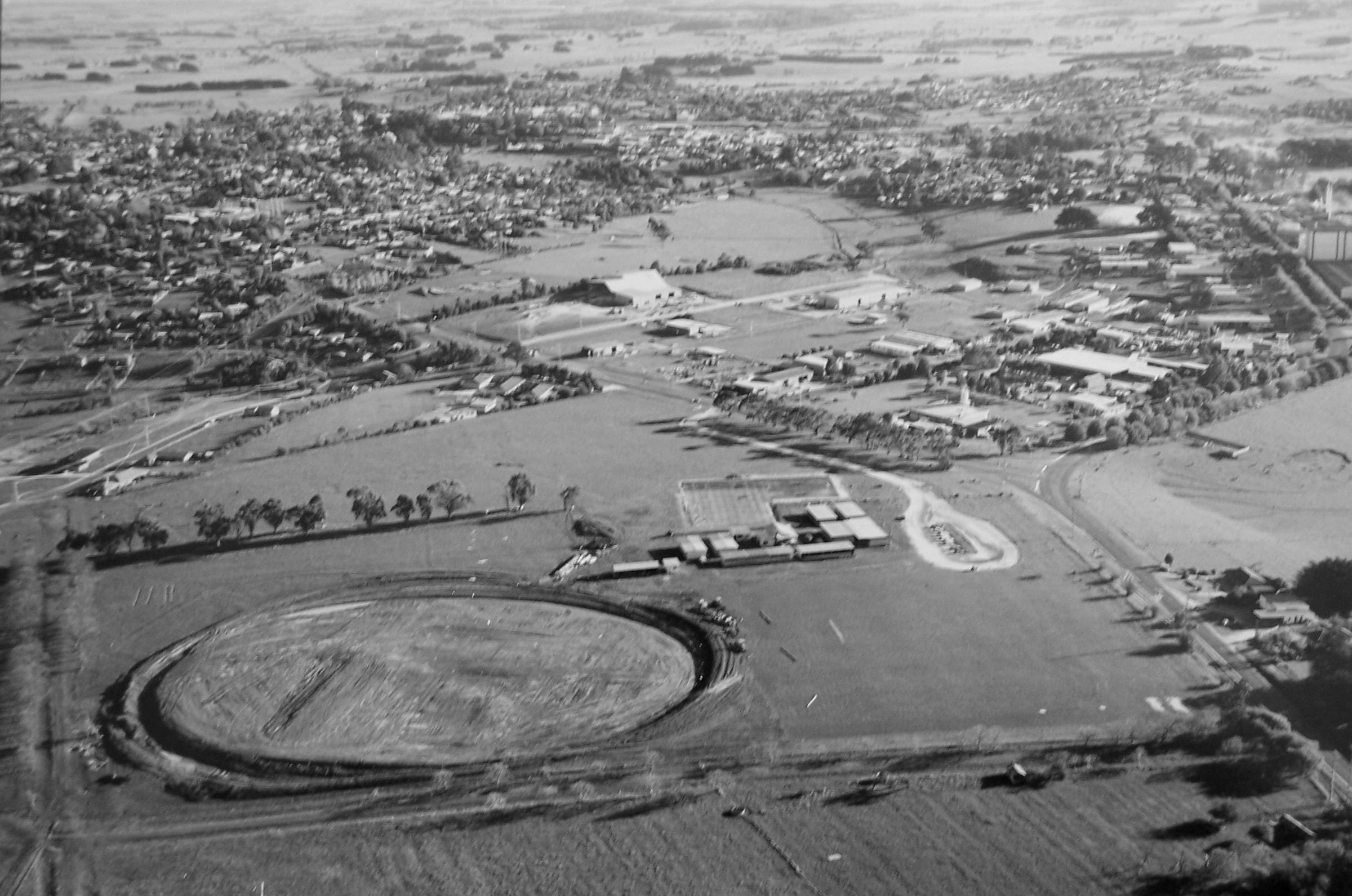
This photograph is an aerial view of the College grounds taken in 1989.
MacKillop Achievers Award – Call for Nominations
As part of our 40-year celebrations, Mary MacKillop Catholic Regional College is proud to relaunch the MacKillop Achievers Award, recognising alumni who have demonstrated excellence, leadership, service and outstanding contribution within their chosen fields and communities.
Since its introduction during the College’s 30-year celebrations in 2016, the award has honoured graduates whose achievements reflect the values and spirit of our College and the example of St Mary of the Cross MacKillop.
We now invite nominations for alumni who have distinguished themselves through academic achievement, professional success, leadership, community service, humanitarian work, business achievement, or elite sporting accomplishment. Importantly, nominees should also demonstrate integrity, respect, service and a commitment to making a positive difference in the lives of others.
We encourage members of our College and wider community to consider nominating deserving alumni.
Further information, eligibility criteria and nomination details can be found on the College website: MMCRC Alumni – MacKillop Achievers Award
College History from 1992 to 1999
Between 1992 and 1999, Mary MacKillop Catholic Regional College experienced a period of consolidation, growth, and increasing confidence as a regional Catholic secondary college serving the communities of South Gippsland. Having survived the uncertainty of its establishment years, the College entered the 1990s with expanding enrolments, stronger community support, and a clearer sense of identity grounded in faith, learning, and service.
The College’s regional character remained central during this period. Students continued to travel from communities including Leongatha, Korumburra, Wonthaggi, Foster, Inverloch and surrounding rural districts. This broad enrolment base strengthened the College’s identity as a truly regional school, drawing together young people from diverse parish communities into one Catholic educational environment.
A defining feature of the decade was the continued development of the College campus. What had begun in the 1980s as a modest collection of buildings steadily evolved into a more established educational precinct. Throughout the 1990s, new facilities were constructed to accommodate rising enrolments and broaden curriculum opportunities. Improvements included additional classrooms, specialist learning spaces, technology facilities, and enhancements to sporting and recreational areas. The physical growth of the campus symbolised the increasing stability and maturity of the College.
Leadership during this period played a crucial role in shaping the school's direction. Staff and College leaders, notably Mr Ed Carmody and Mr Michael Delaney, worked to strengthen academic standards while preserving the pastoral and community-focused spirit that had characterised the foundation years. Teachers were recognised not only for their classroom expertise but also for their commitment to students' wellbeing and faith development. The culture of the College emphasised accessibility, relationships, and care for the individual student, reflecting the values of Saint Mary MacKillop and the Josephite tradition.
Religious life remained at the centre of the College experience throughout the decade. Liturgies, retreats, social justice activities, and parish connections reinforced the school's Catholic identity. Students participated in sacramental celebrations, prayer experiences, and fundraising activities supporting local and international causes. These initiatives helped foster a sense of responsibility and service, encouraging students to contribute positively both within and beyond the school community.
The 1990s also saw significant attention given to curriculum expansion and student opportunities. As enrolments increased, the College broadened its subject offerings and co-curricular activities to meet the needs of a growing and increasingly diverse student population. Sporting participation became an important aspect of College life, with students representing the school in interschool competitions across Gippsland and Victoria. The arts also flourished through music, drama, visual arts, and public performances, strengthening community engagement and showcasing student talent.
Student leadership continued to develop as an important feature of College culture. College captains and student leaders played visible roles in liturgies, assemblies, sporting events, and community activities. These leadership opportunities reflected the school’s commitment to forming young people who would contribute responsibly to society and the Church.
Community involvement remained a defining strength throughout the decade. Parents, parish priests, and volunteers continued to support the College through fundraising, governance, maintenance projects, and participation in school events. The Board of Management played an increasingly important role in overseeing planning and development as the College matured. The partnership between families, parishes, and staff was repeatedly recognised as one of the key reasons for the College’s ongoing success.
Important milestones and celebrations marked the decade. School anniversaries, graduation ceremonies, sporting achievements, and community gatherings reinforced a growing sense of pride in the College’s achievements since its founding in 1986. Former students started returning to the College community as staff members or supporters, highlighting the strong loyalty and connection many felt towards the school.
The late 1990s also brought challenges that tested the resilience of the College community. Like many regional schools, the College needed to respond to changing educational expectations, financial pressures, and evolving curriculum requirements. However, the strong sense of shared mission within the community enabled the school to navigate these changes successfully. Strategic planning and careful stewardship of resources allowed continued investment in facilities and educational programs.
By 1999, Mary MacKillop Catholic Regional College had firmly established itself as a respected regional Catholic secondary college. The uncertainty and fragility of the early years had largely given way to confidence and stability. Enrolments had grown significantly, the campus had expanded, and the College had developed a reputation for academic opportunity, pastoral care, and strong community spirit.
The period from 1992 to 1999 represented an important stage in the life of the College — a decade in which the original “leap of faith” taken by families and parish communities matured into a thriving educational community. Through the dedication of staff, students, clergy, parents, and volunteers, the College strengthened its foundations and prepared for continued growth into the new millennium.