Grade 1 News
📅 Important Dates & Reminders
All important dates and events are available on our Compass Calendar. Please check the calendar regularly to stay up to date.
Upcoming Dates and Key Information
Friday 21st November: Literacy UP Session 2-2:30pm
Friday 28th November: P-2 House Athletics Day
Friday 28th November: Numeracy UP Session 2-2:30pm
Wednesday 3rd December: Market Day
Friday 5th December: Colour Run
Tuesday 9th December: Statewide Transition Day (Meet the Teacher 2026)
Wednesday 10th December: Christmas Concert 5:30-6:30pm
Friday 12th December: Meet the Teacher 2:00pm (2026)
Wednesday 17th December: Class Parties
Thursday 18th December: Last day of school for students (1:30pm Dismissal)
Friday 19th December: Curriculum Day (Pupil free day)
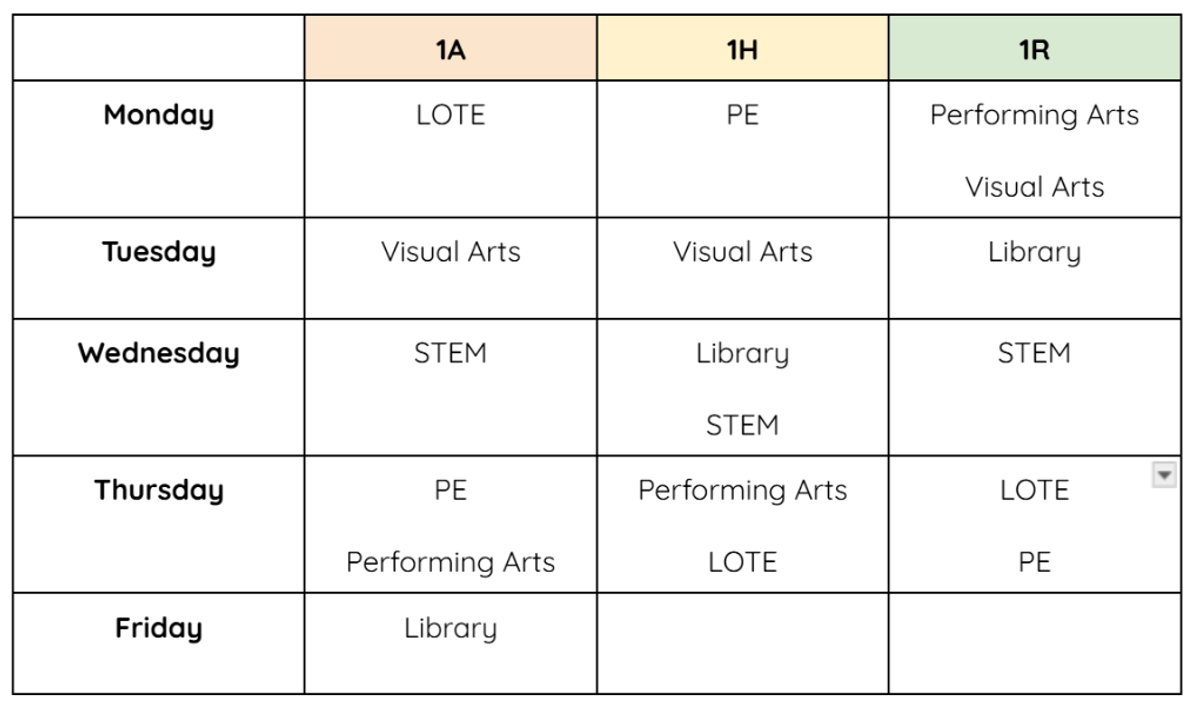
Library
Please refer to the timetable below for your child’s library day. Ensure your child brings their library bag each week so they can borrow books.
Take-Home Folders
Please remember to send your child’s take-home folder to school every day.
Homework
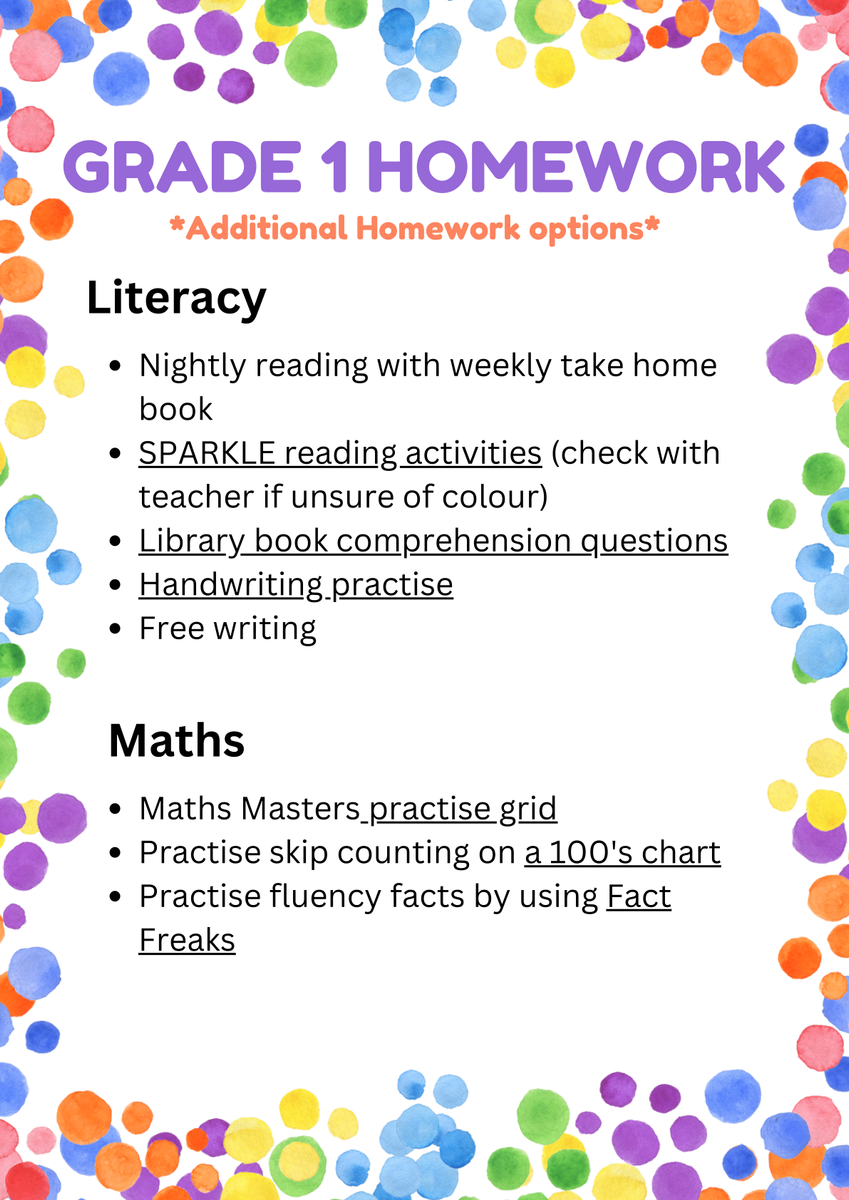
For homework in Grade 1 the expectation is that students will read their take-home book to an adult each day. Every student will receive a new book from their classroom on a Monday. Students will need to return their previous book before receiving a new book.
Here are some optional activities:
Learning in Action
📖 Literacy
Word Work
Students have been learning how to read and spell words and sentences that have the codes ‘oa’, ‘oe’ and ‘ar’.
They learnt the rule that ‘oa’ never goes at the end of the word like in ‘oak’ or ‘float’ and that ‘oe’ always goes at the end of the word like in ‘tiptoe’.
When learning about ‘ar’ students practised decoding and spelling words such as ‘card’ and ‘start’.
Additionally, students have begun learning the codes ‘aw’, ‘au’ and ‘or’.
Preview for learning: Next fortnight, students will continue to learn the codes ‘aw’, ‘au’, ‘or’ and be introduced to ‘er’.
Sentence Level Writing
Over the past fortnight, students have been learning how to complete sentences that begin with a subordinate conjunction, such as before, after, if, and when. They practised finishing sentence stems like “After we clean our teeth, …” by adding a complete idea to form a full, meaningful sentence. This learning helped students understand how these conjunctions signal time or cause, and supported them in creating more detailed and connected sentences in their writing.
Preview for learning: Over the next fortnight, student will be learning to unscramble the words in statements and questions to increase their understanding of sentence structure.
Handwriting
Students have now learnt all letters of the alphabet and will be revising each one multiple times throughout the term to improve their letter formation and overall quality of handwriting.
Knowledge Rich
Last week, students began their Astronomy Unit. So far, we have explored the following:
- Recognising the sun in the sky
- Explaining that the sun, moon, and stars are located in outer space
- Explaining that the sun is a source of energy, light, and heat
- Classifying the sun as a star
- Identifying Earth as a planet and our home
- Identifying the earth’s rotation, or spin, as the cause of day and night
- Explaining that other parts of the world experience nighttime while we have daytime
- Explaining sunrise and sunset
- Explaining that Earth orbits the sun
- Explaining that astronomers study the moon and stars using telescopes
- Describing how people sometimes tell stories about the moon and stars
- Explaining what a constellation is
- Identifying the Big Dipper and the North Star
- Identifying the four phases of the moon—new, crescent, half, full
- Explaining that the moon orbits the earth
- Explaining that astronauts travel to outer space
Scienceworks
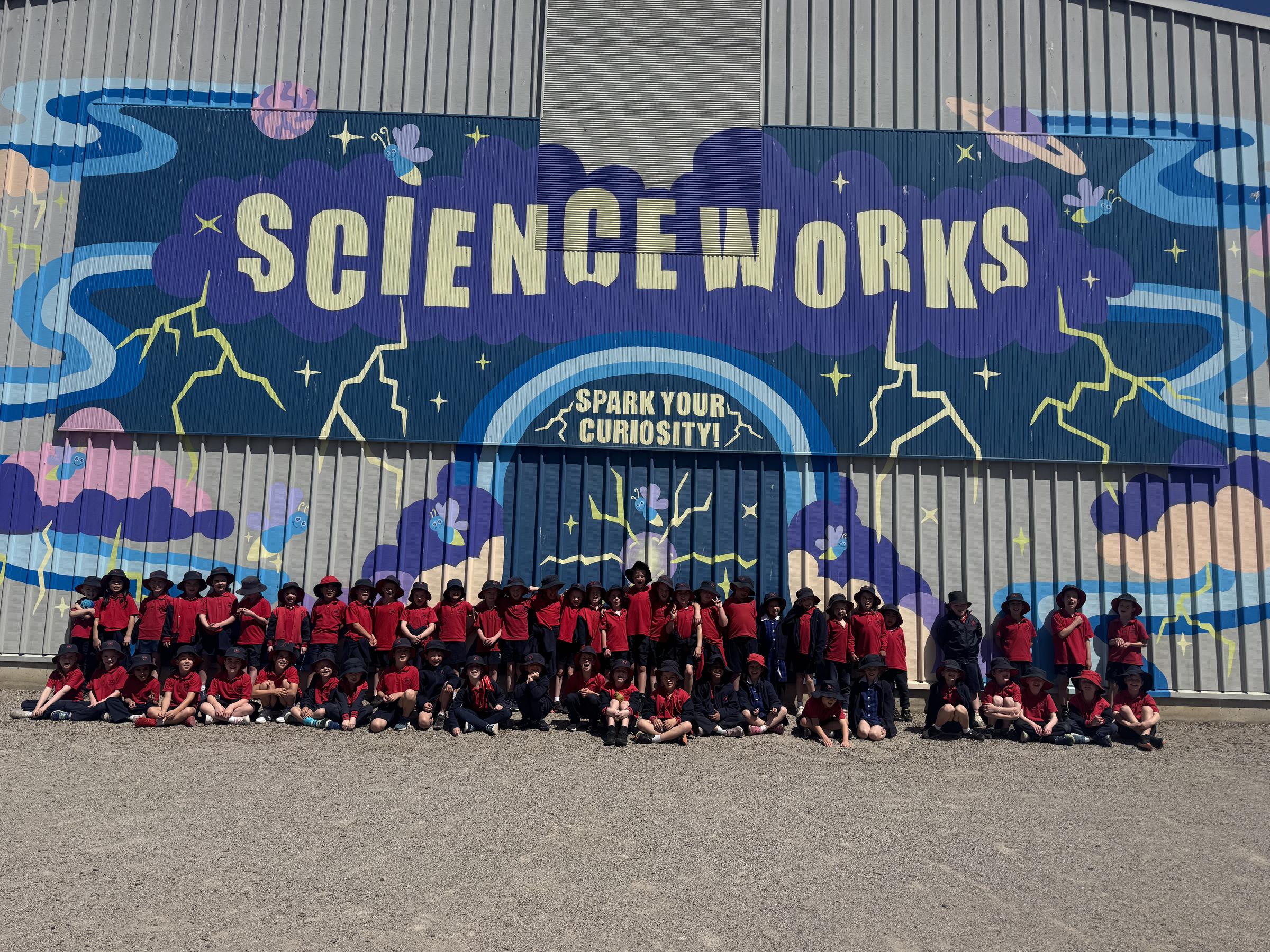
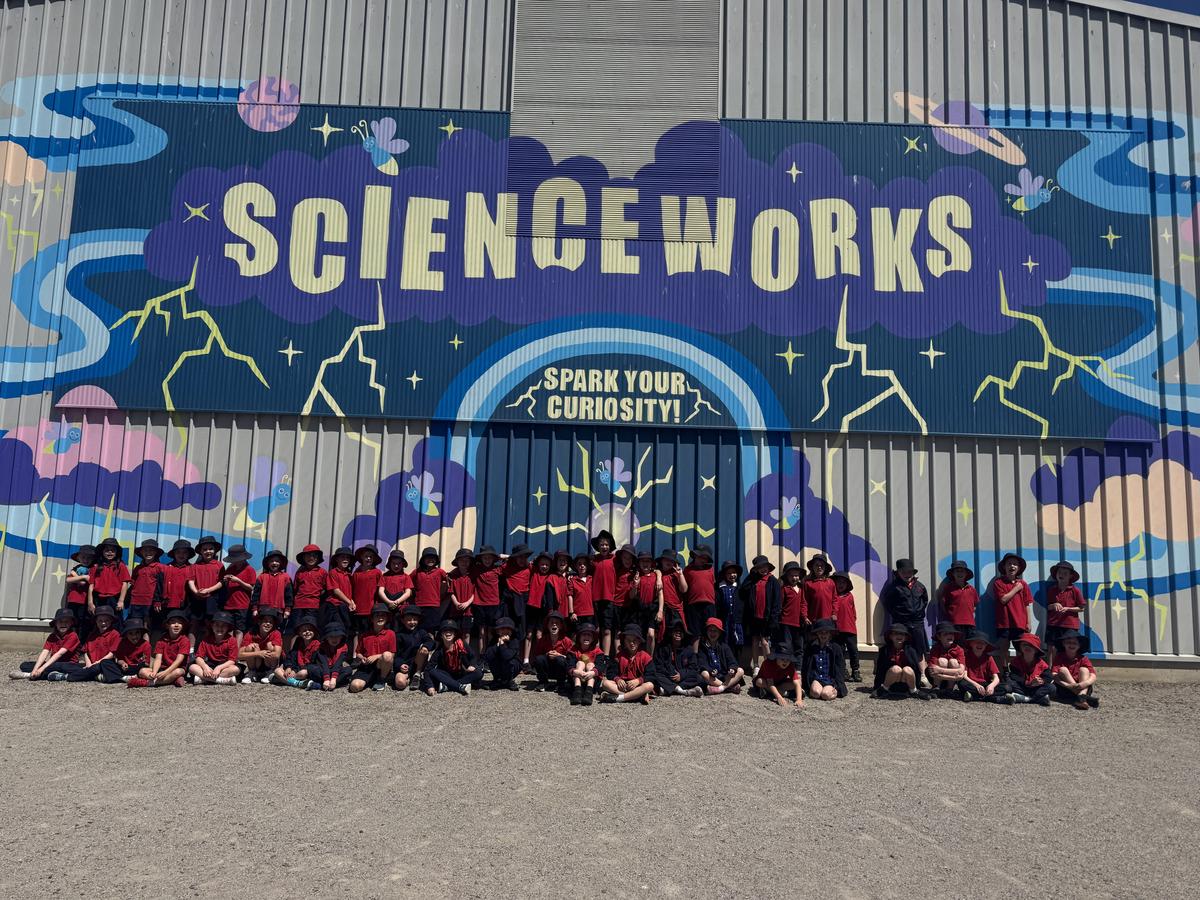
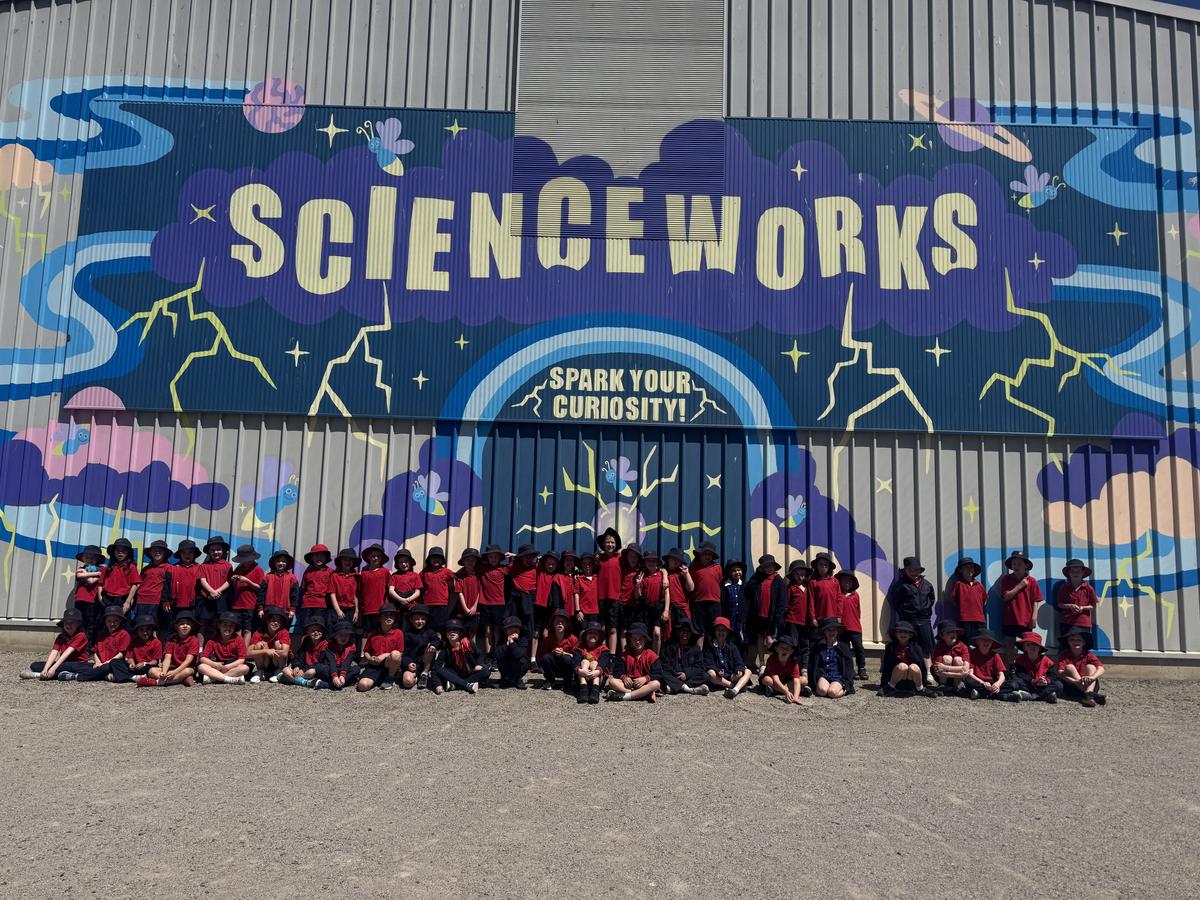
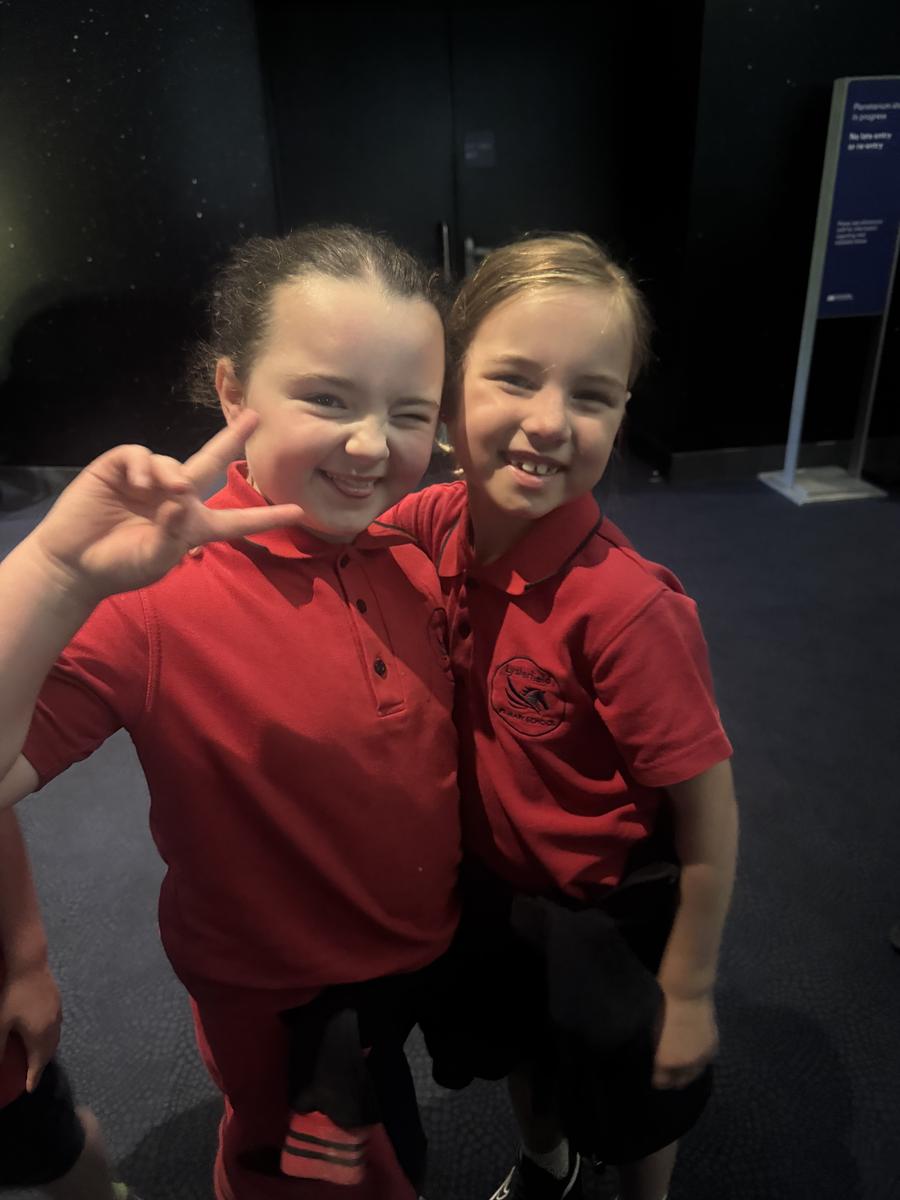
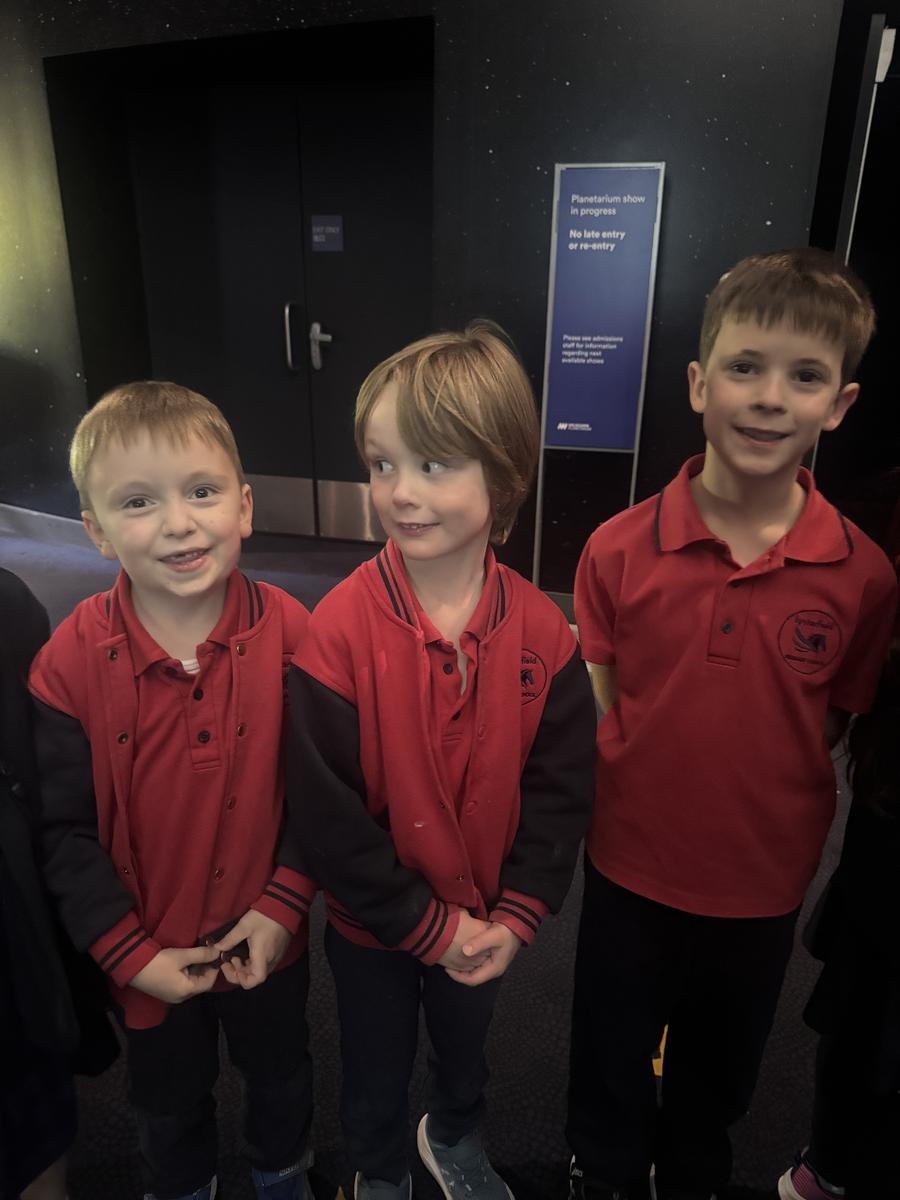
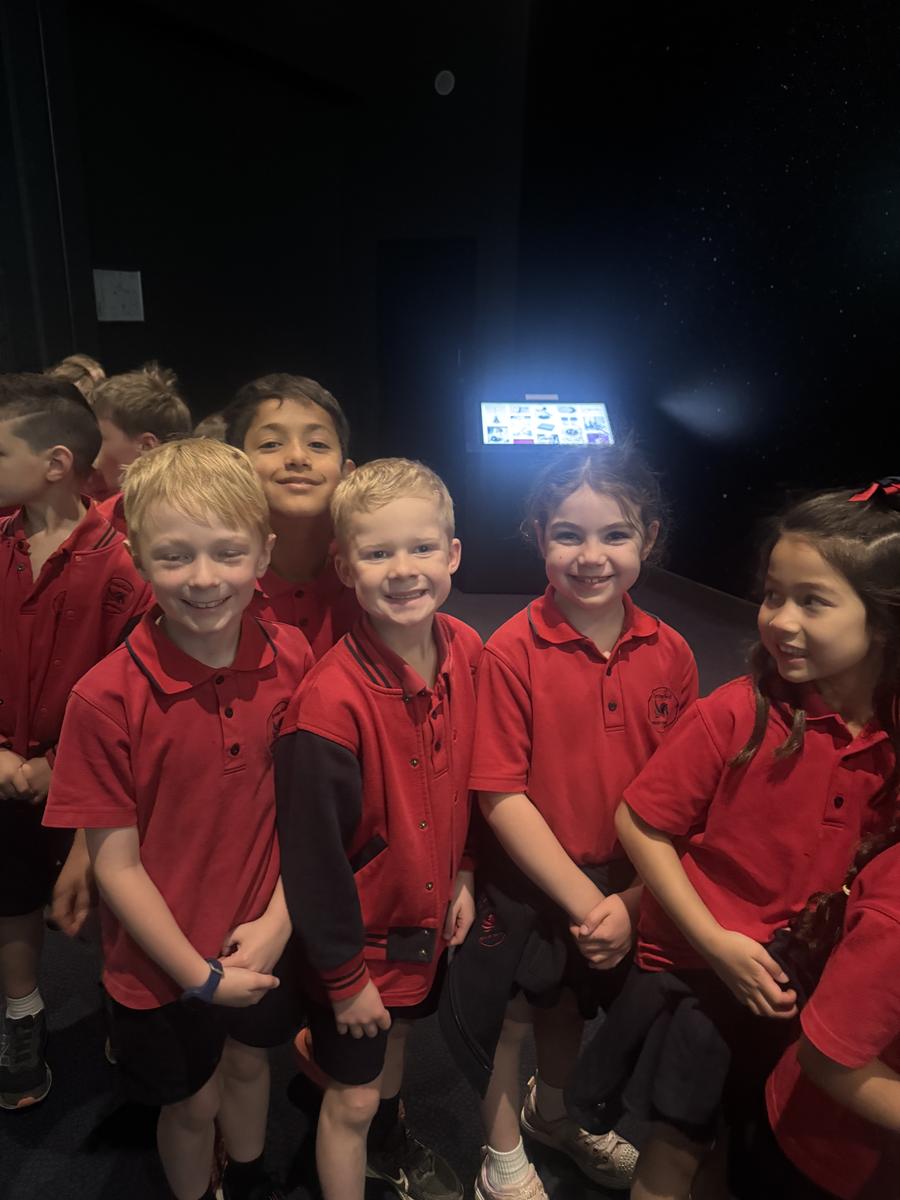
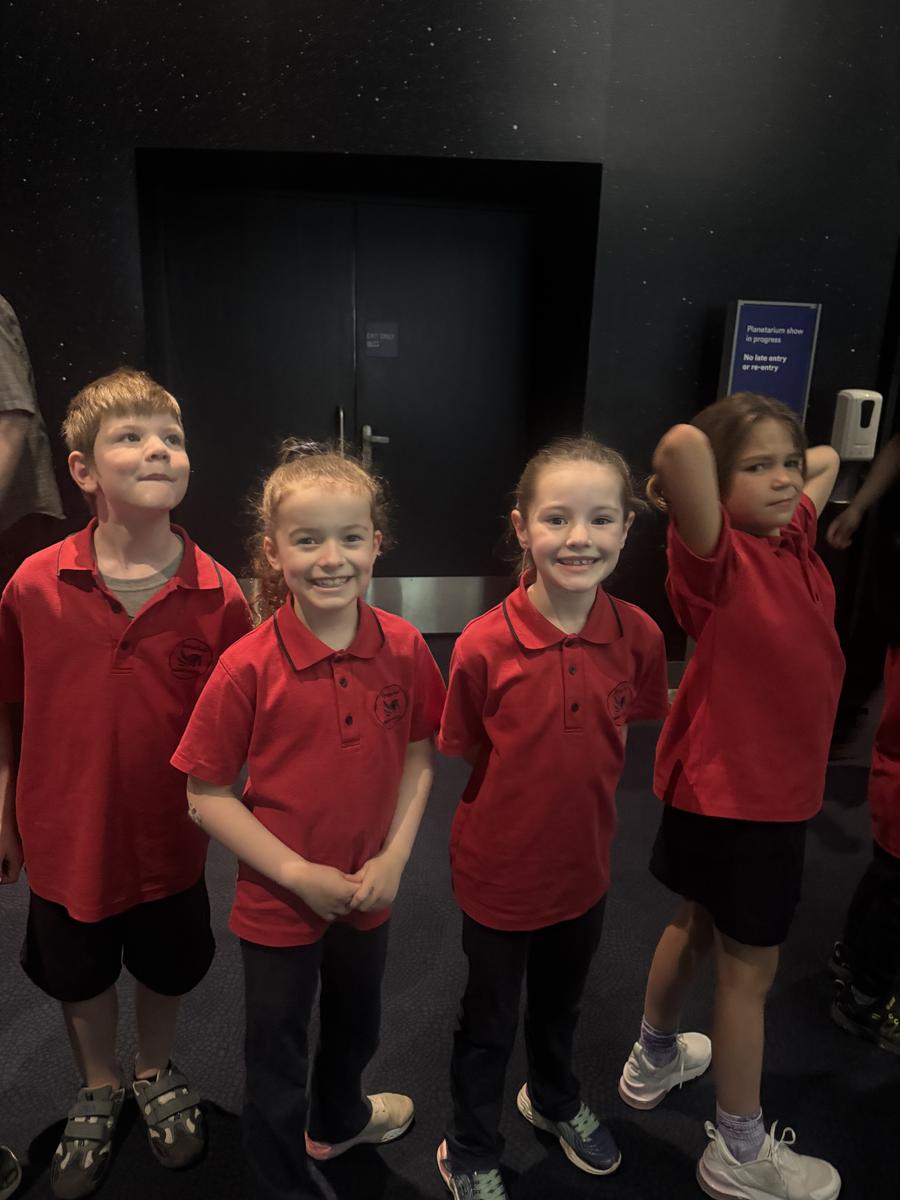
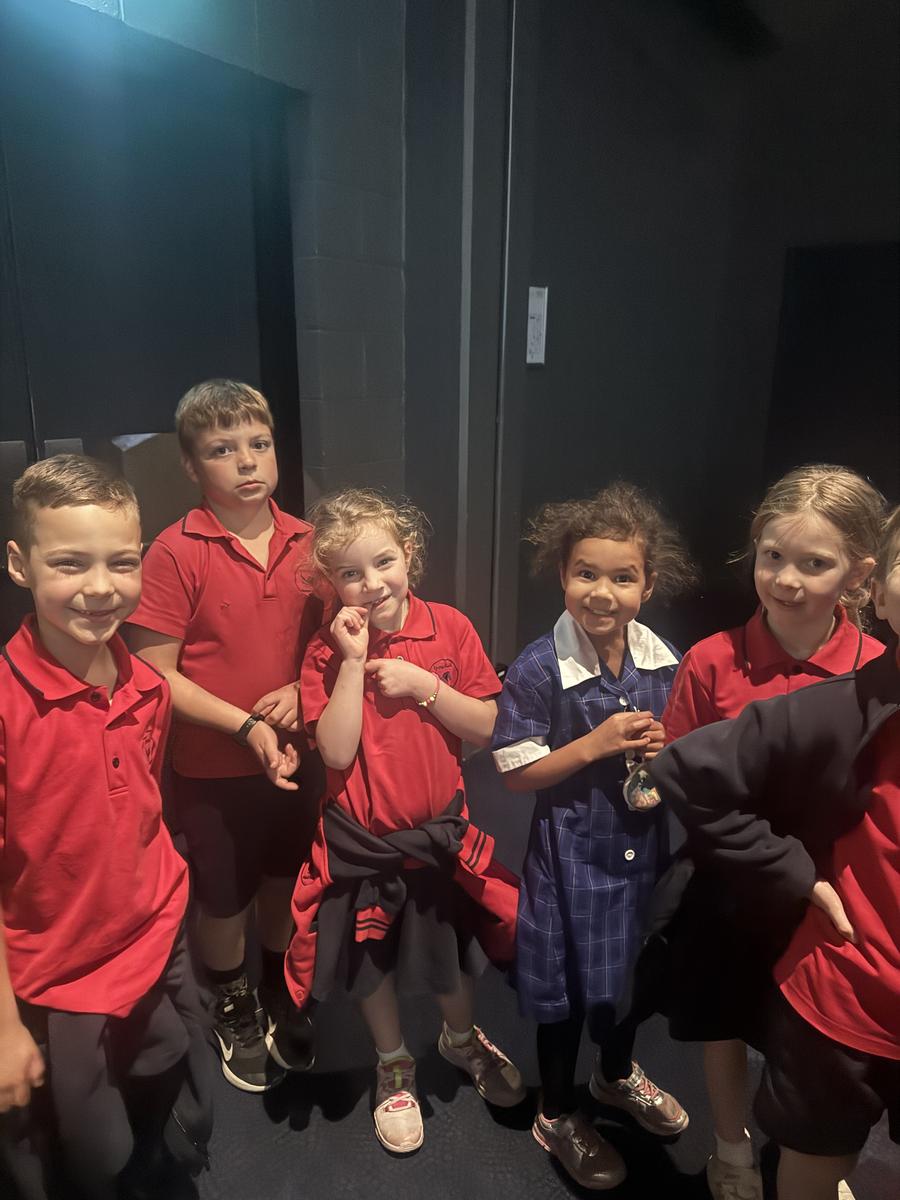
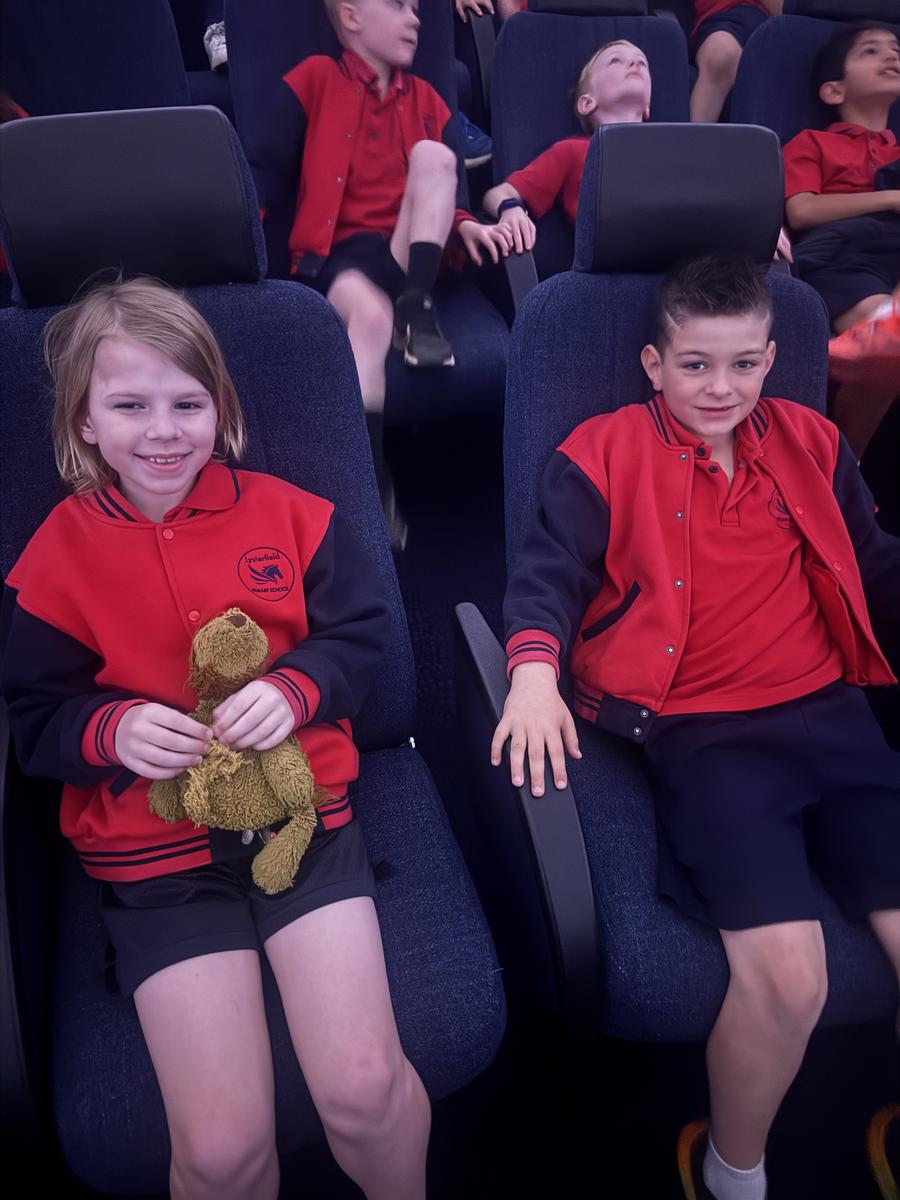
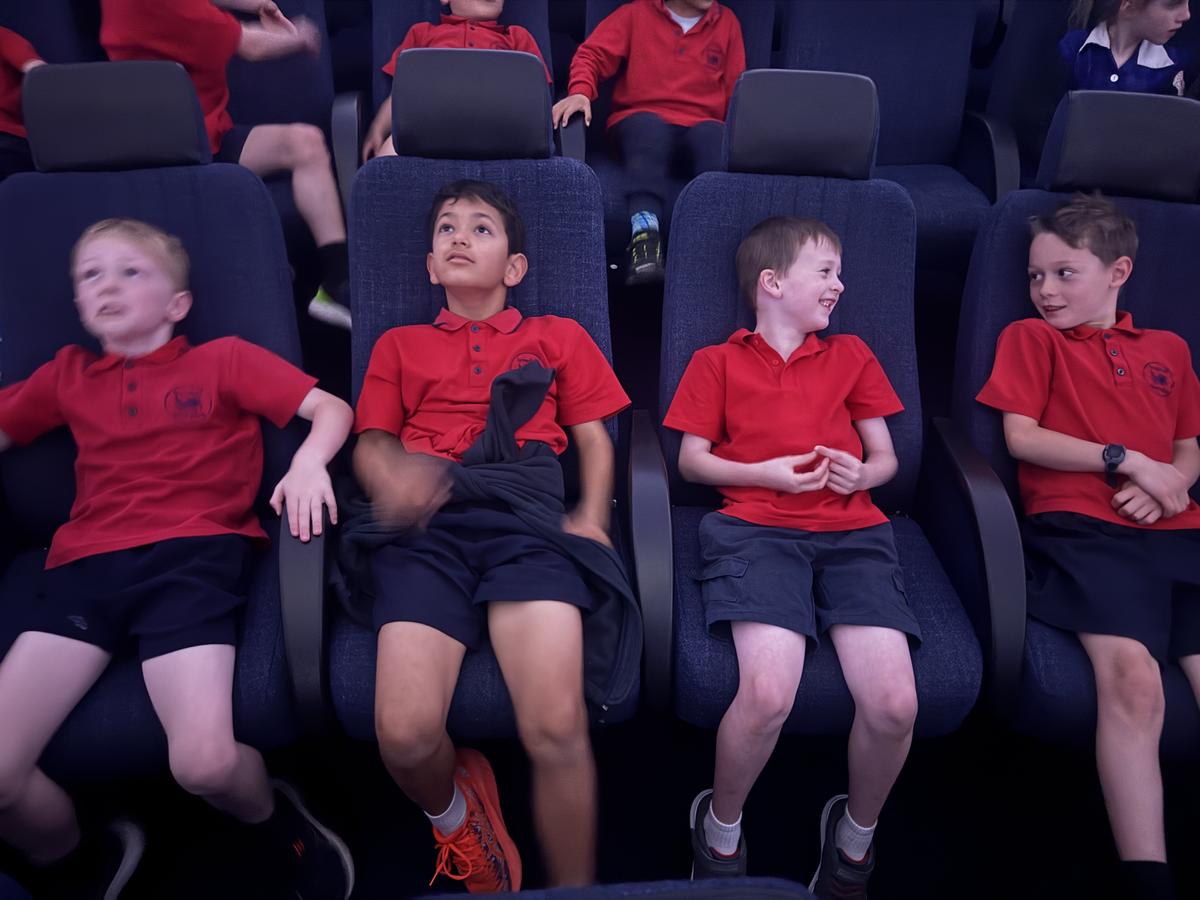
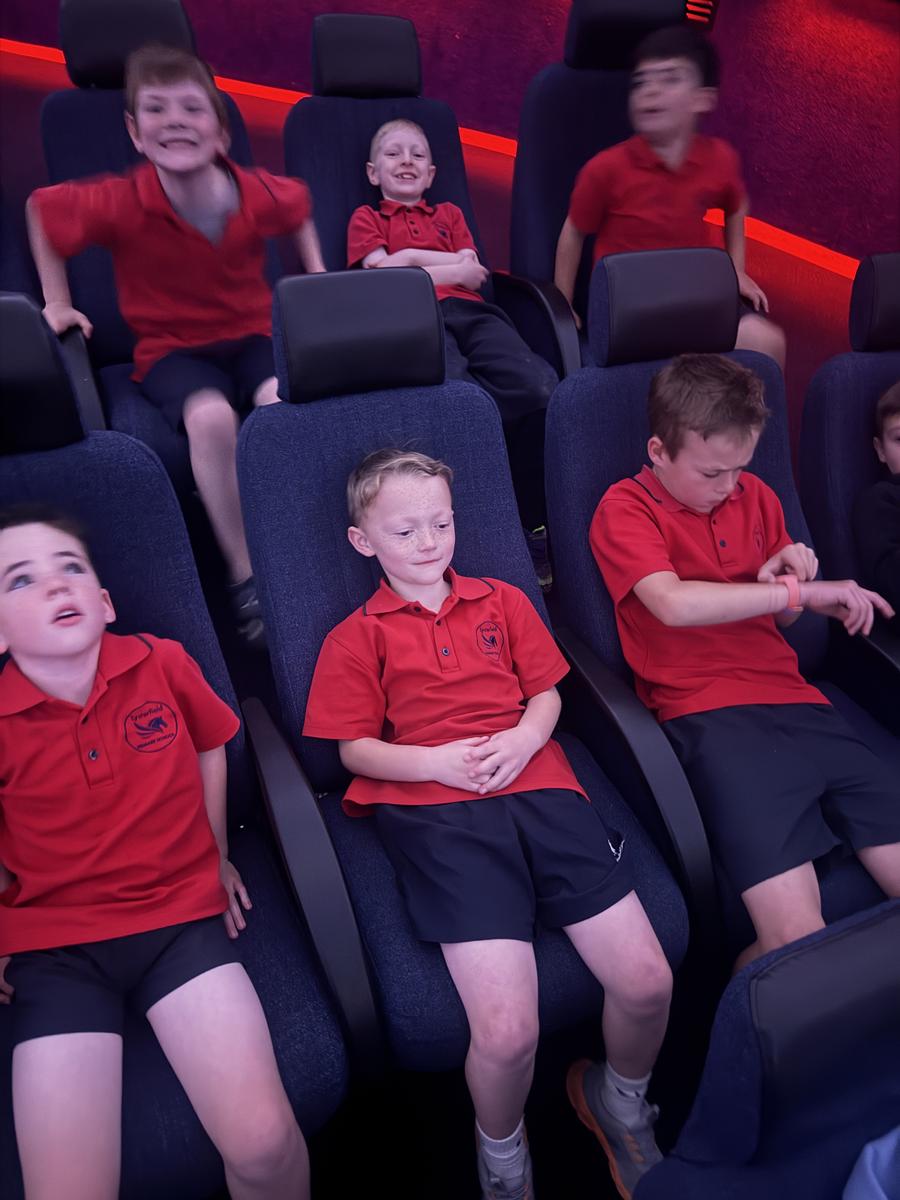
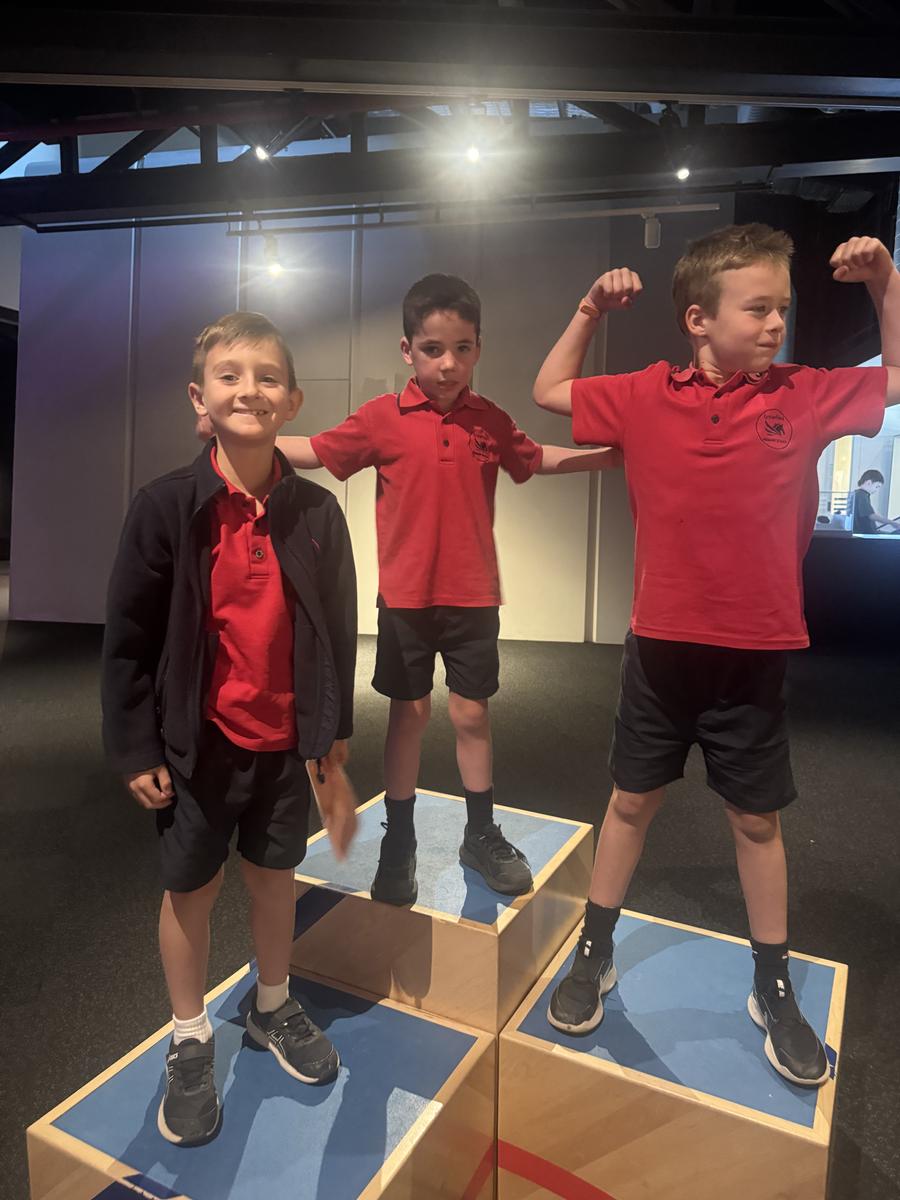
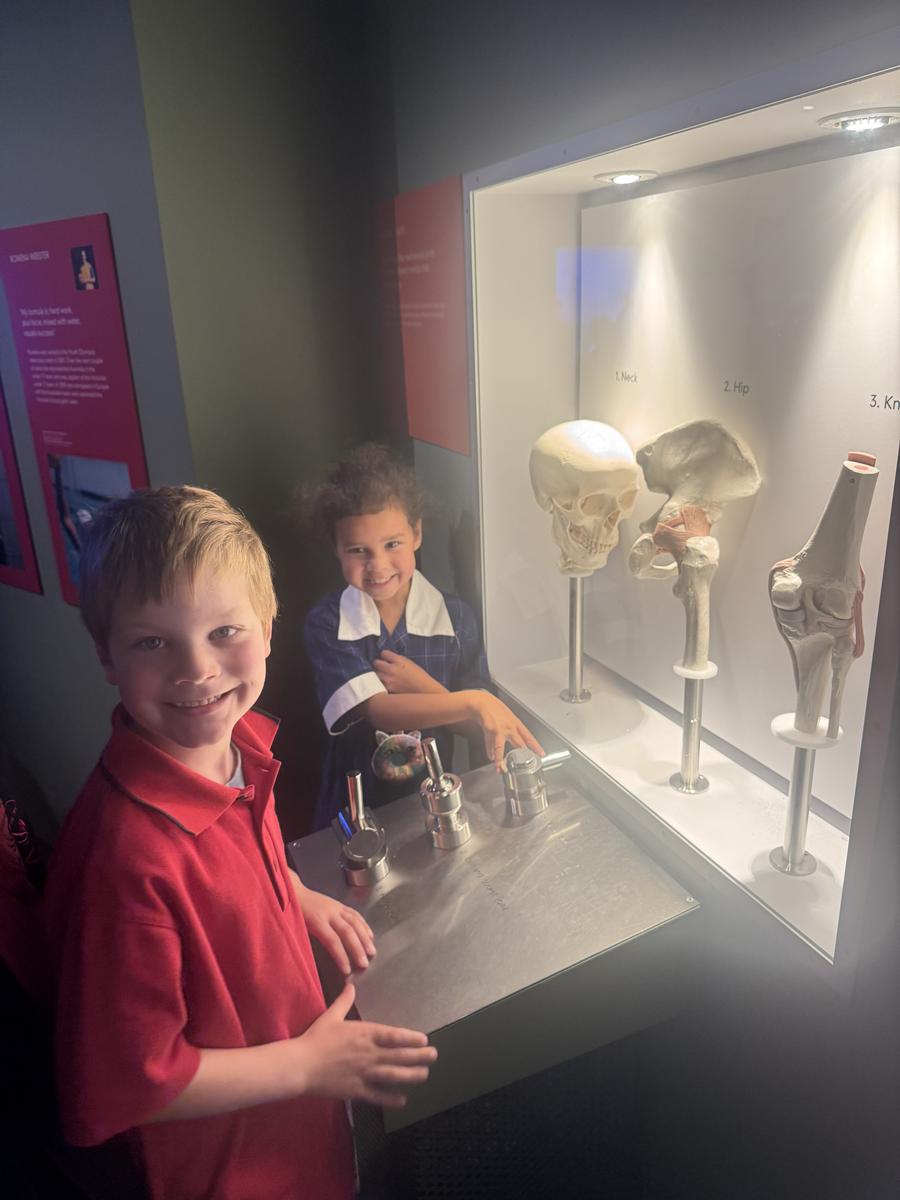
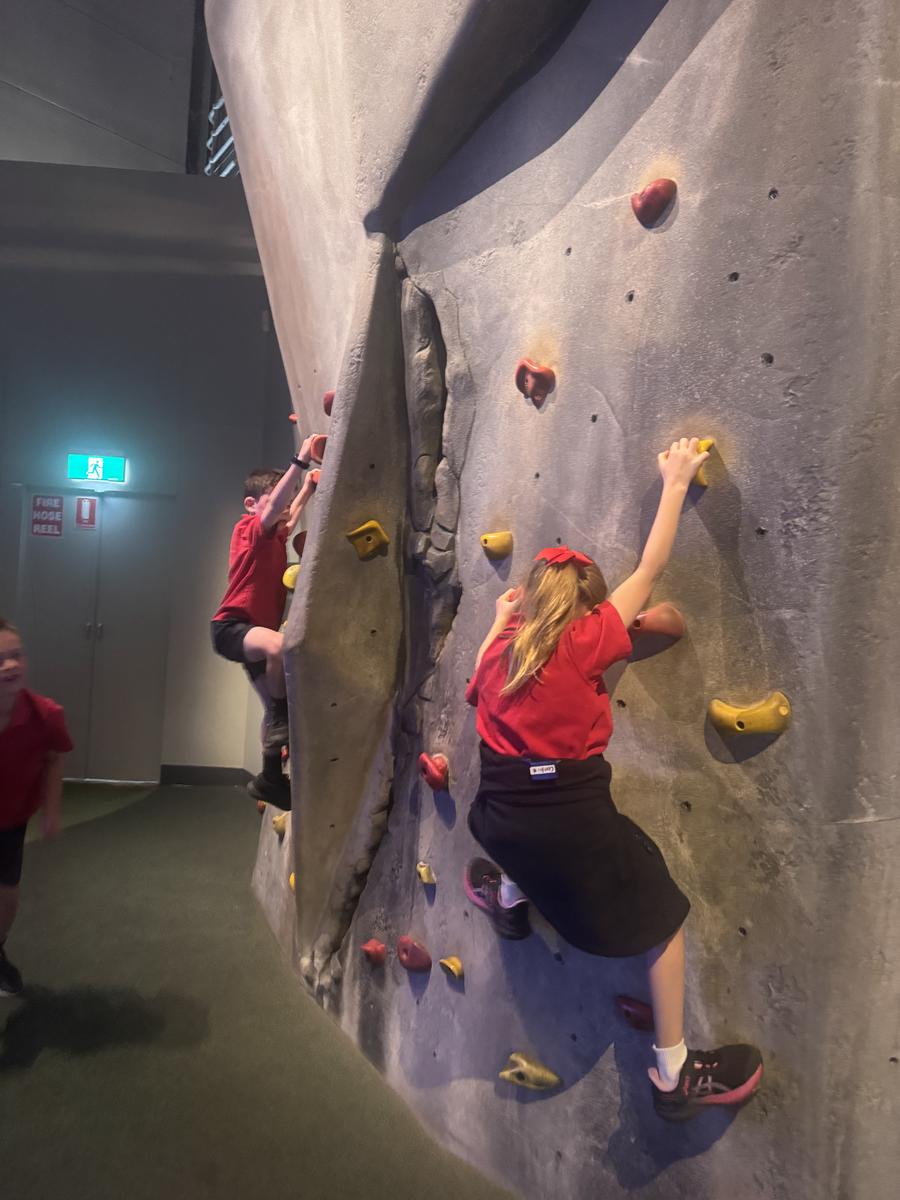
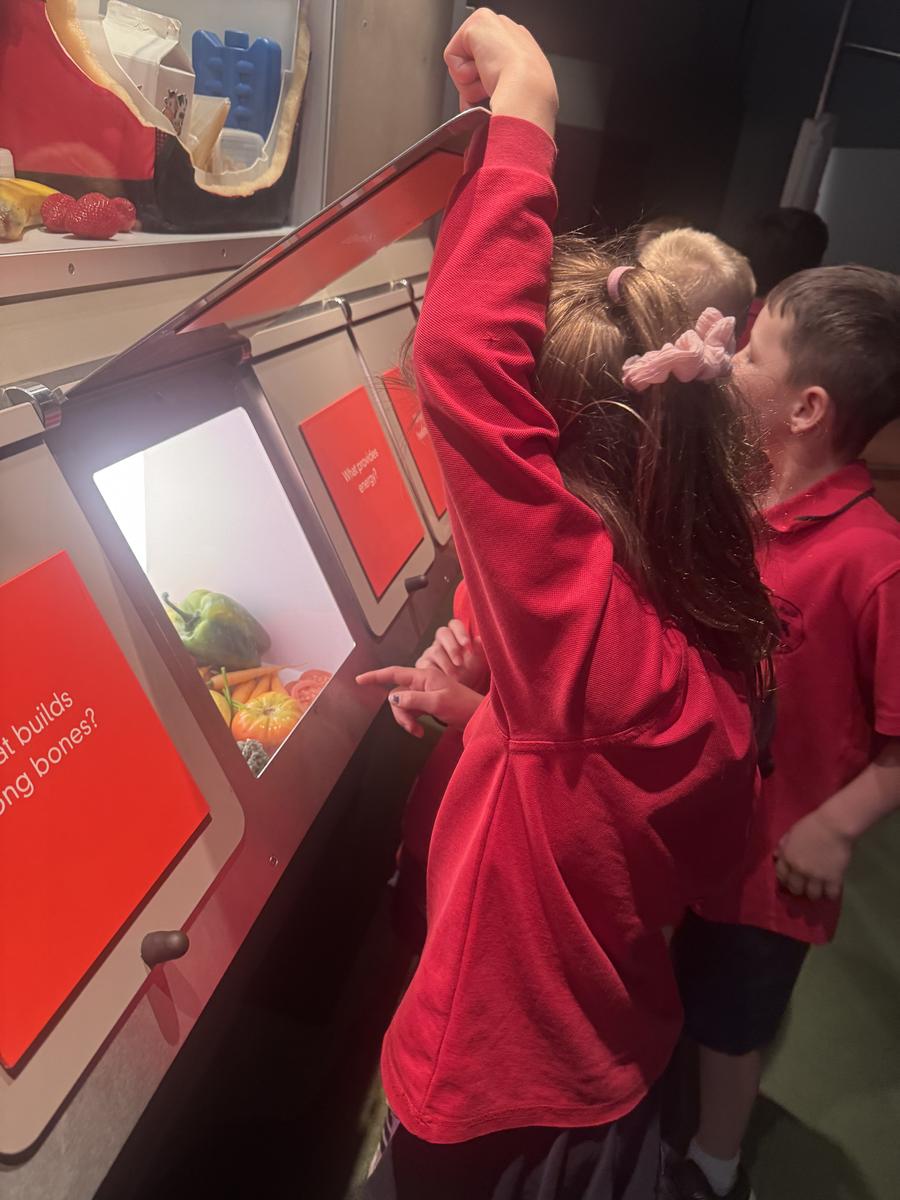
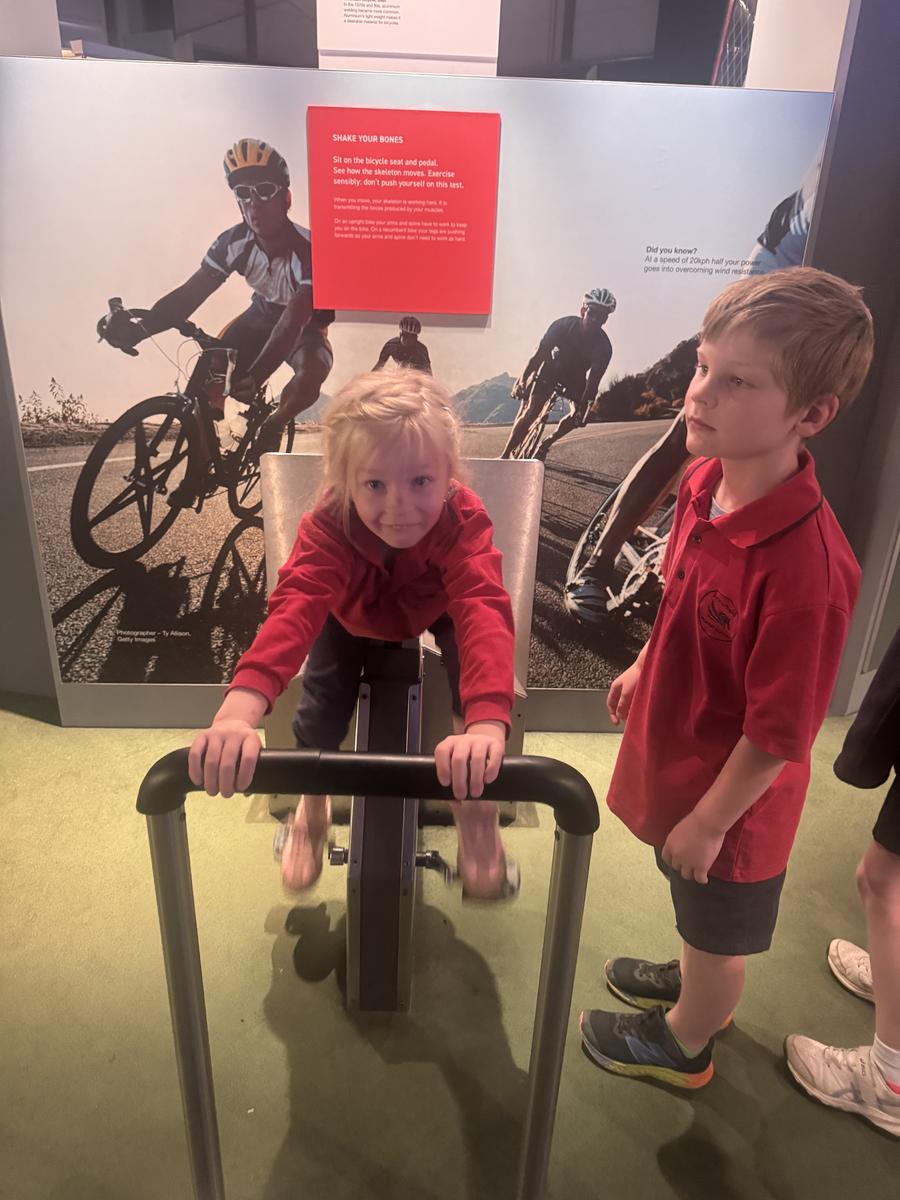
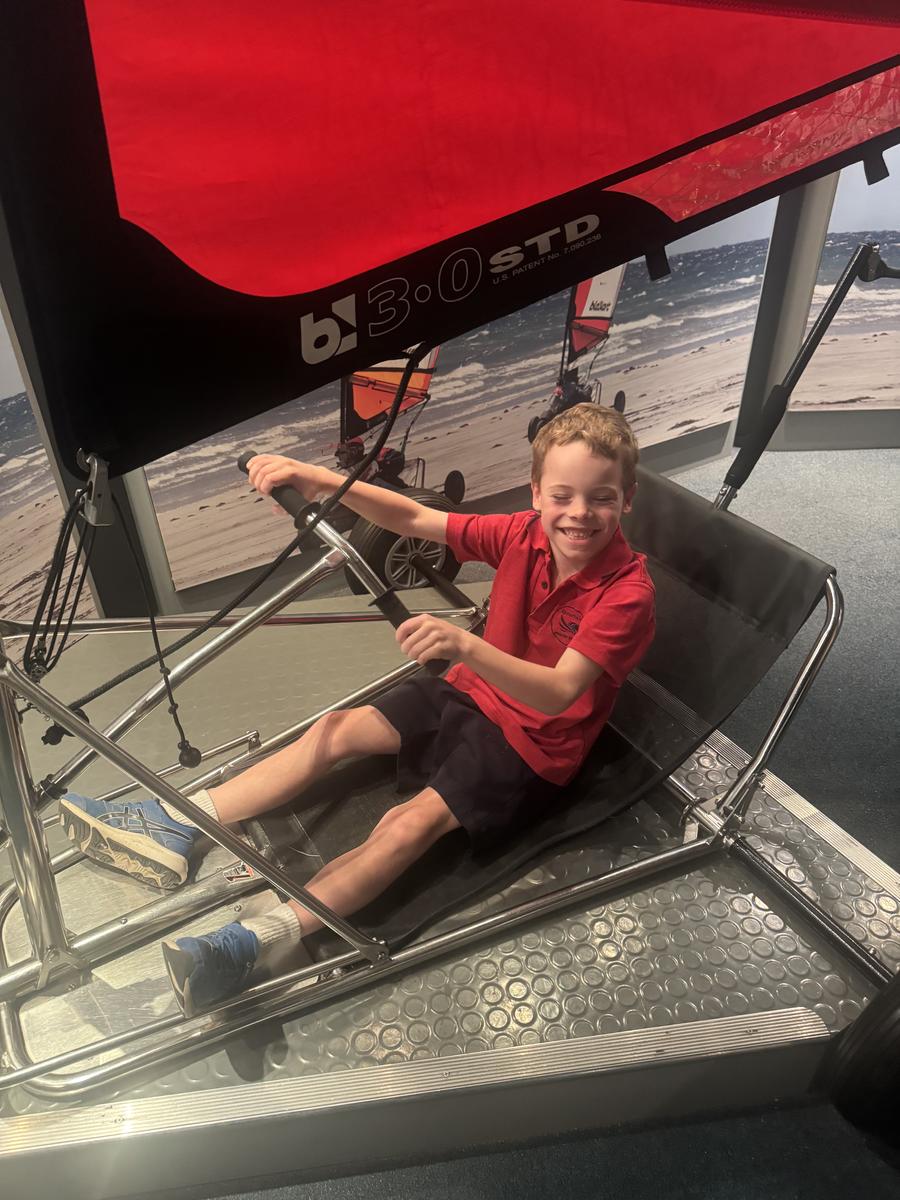
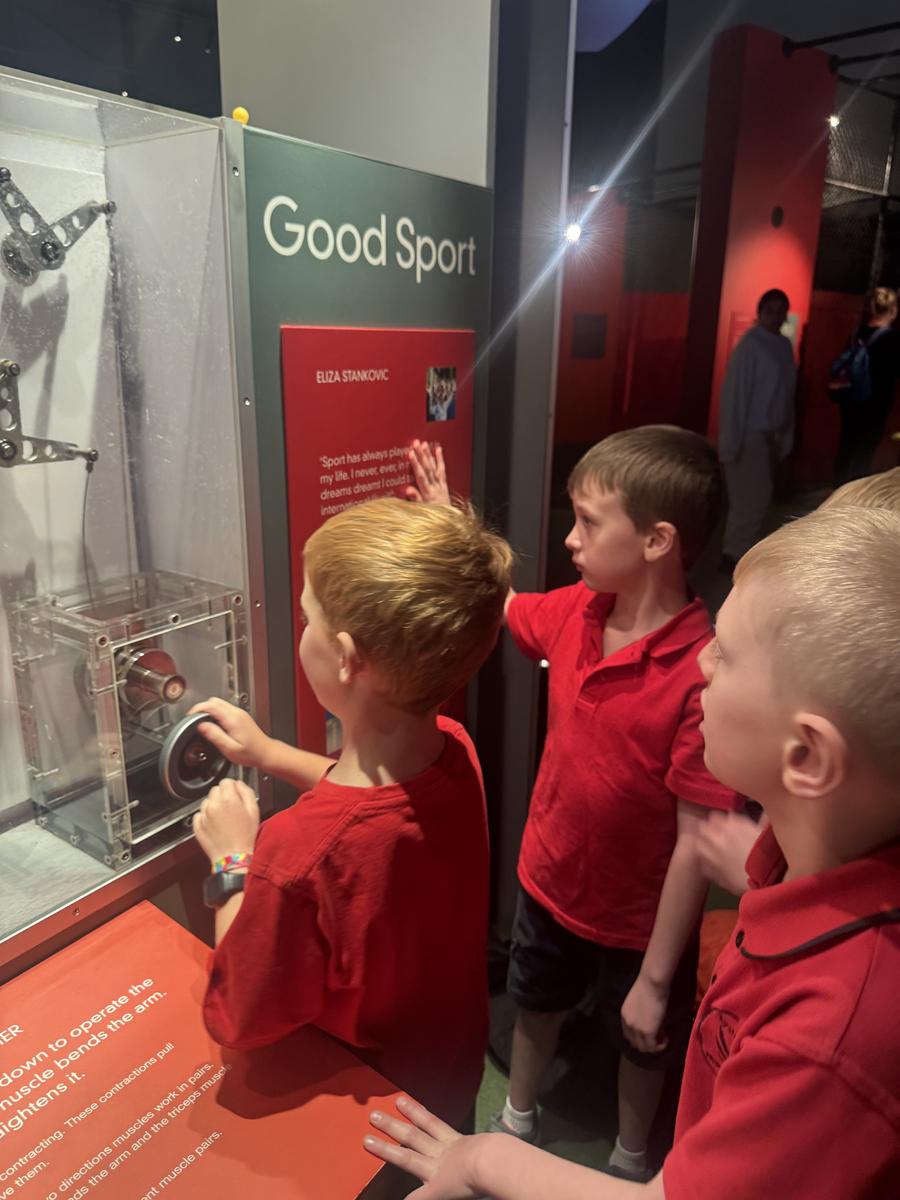
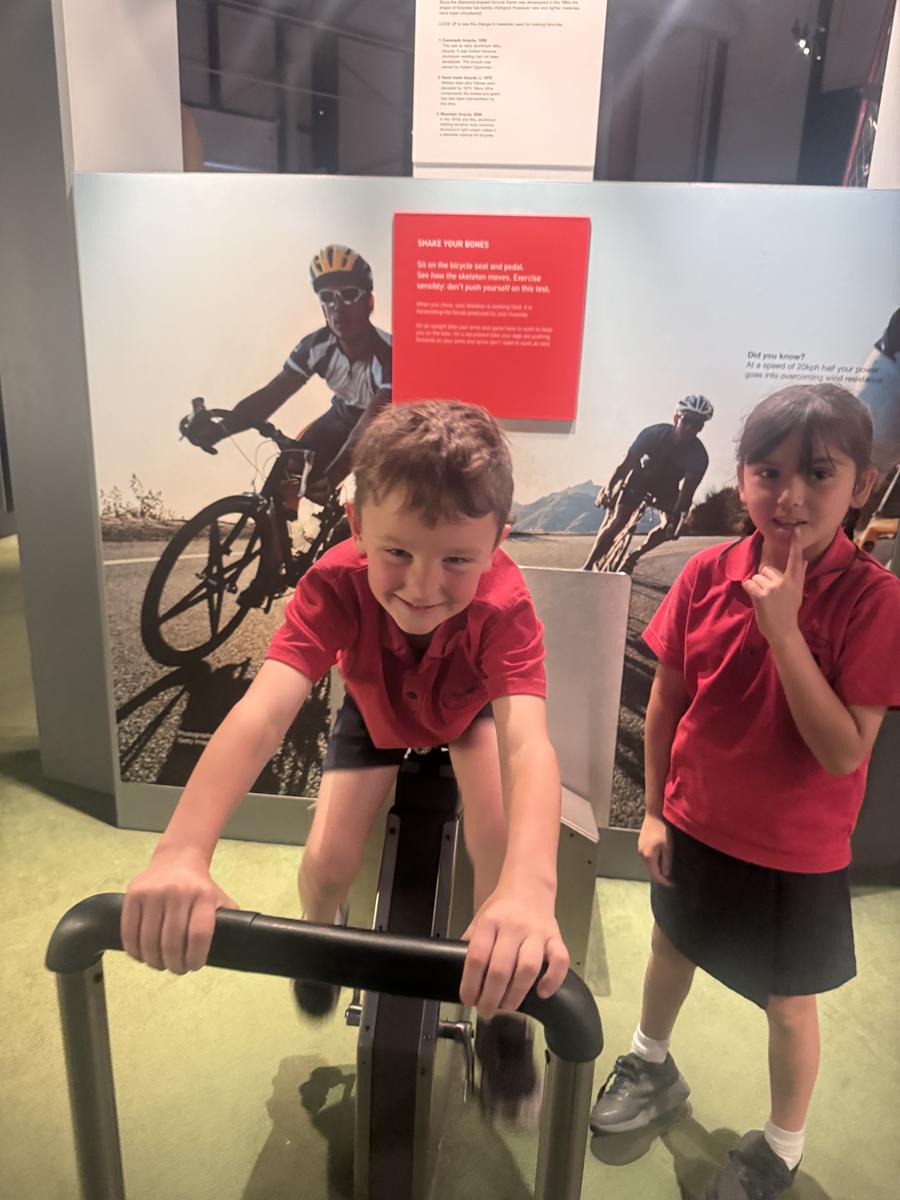
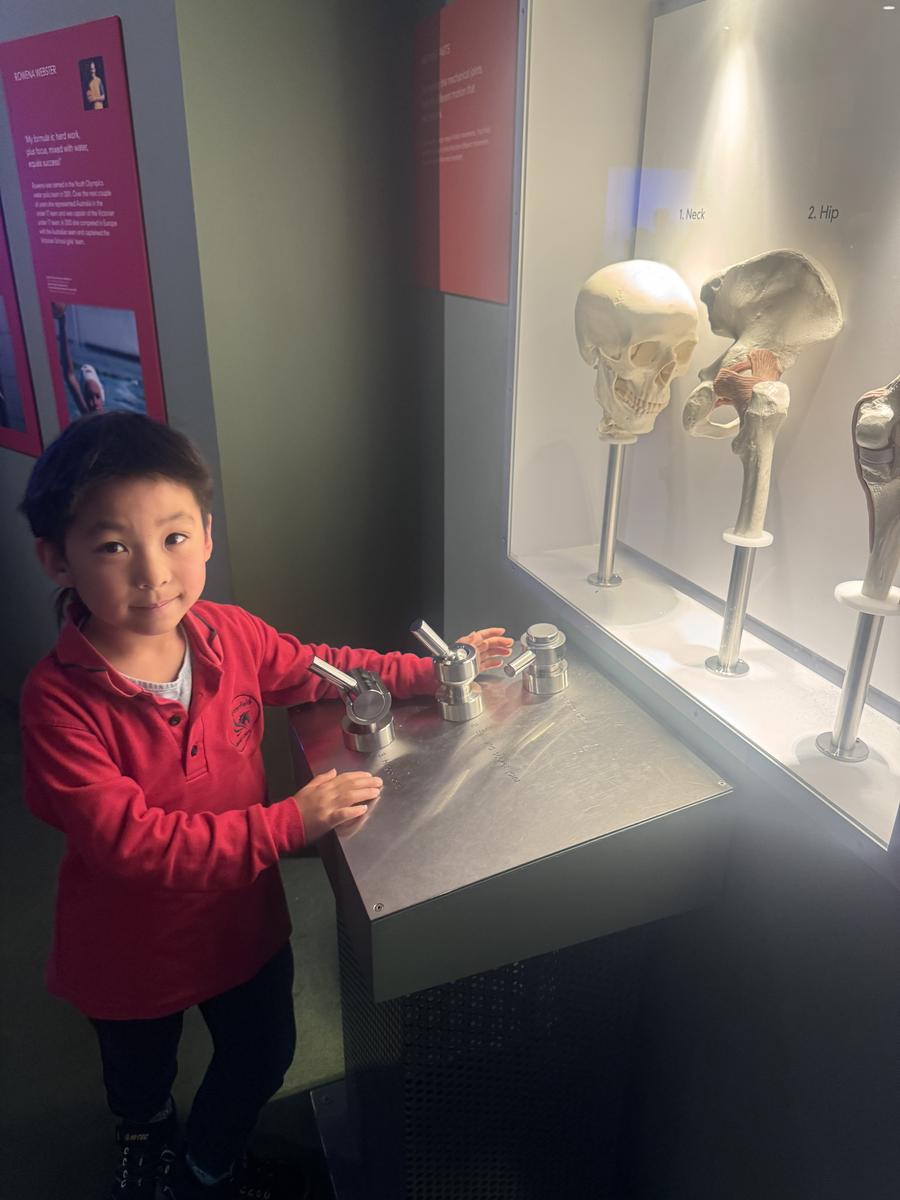
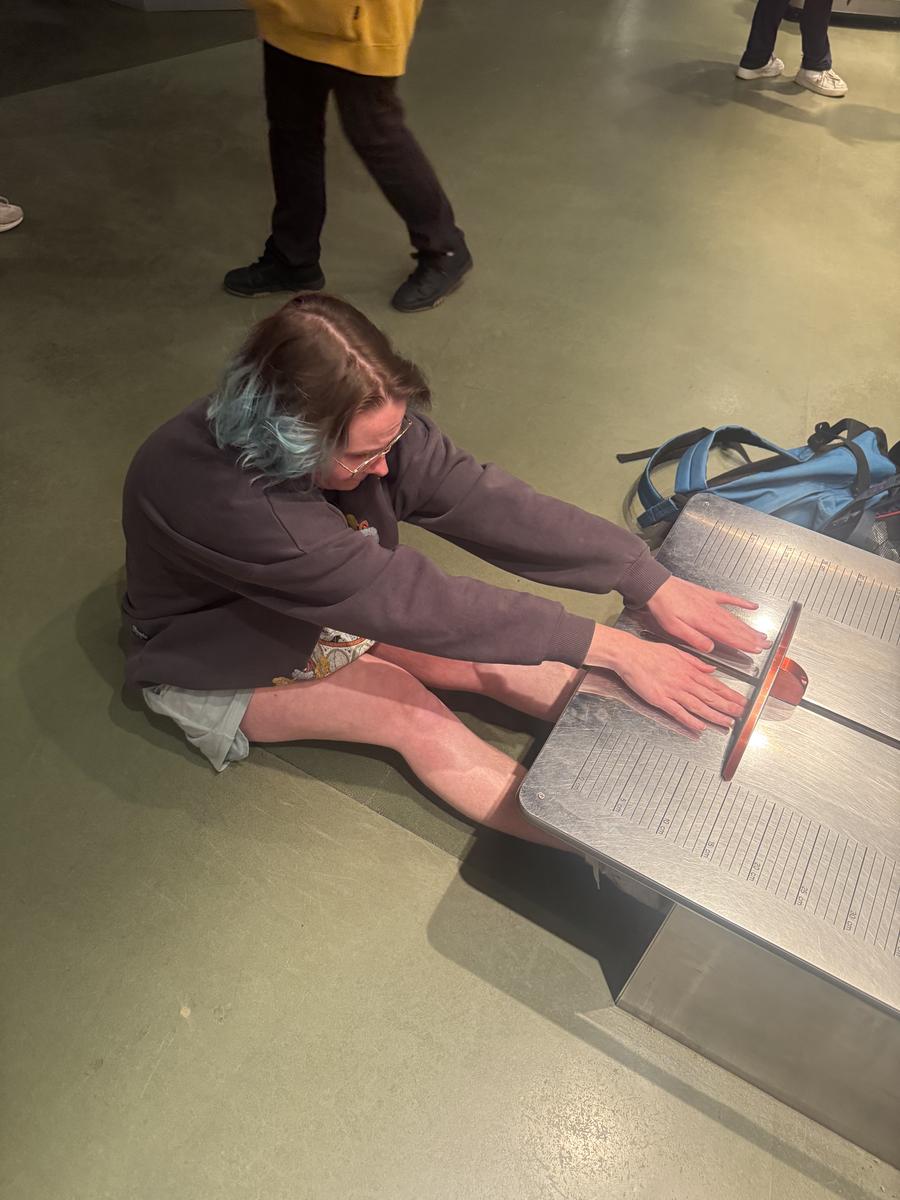
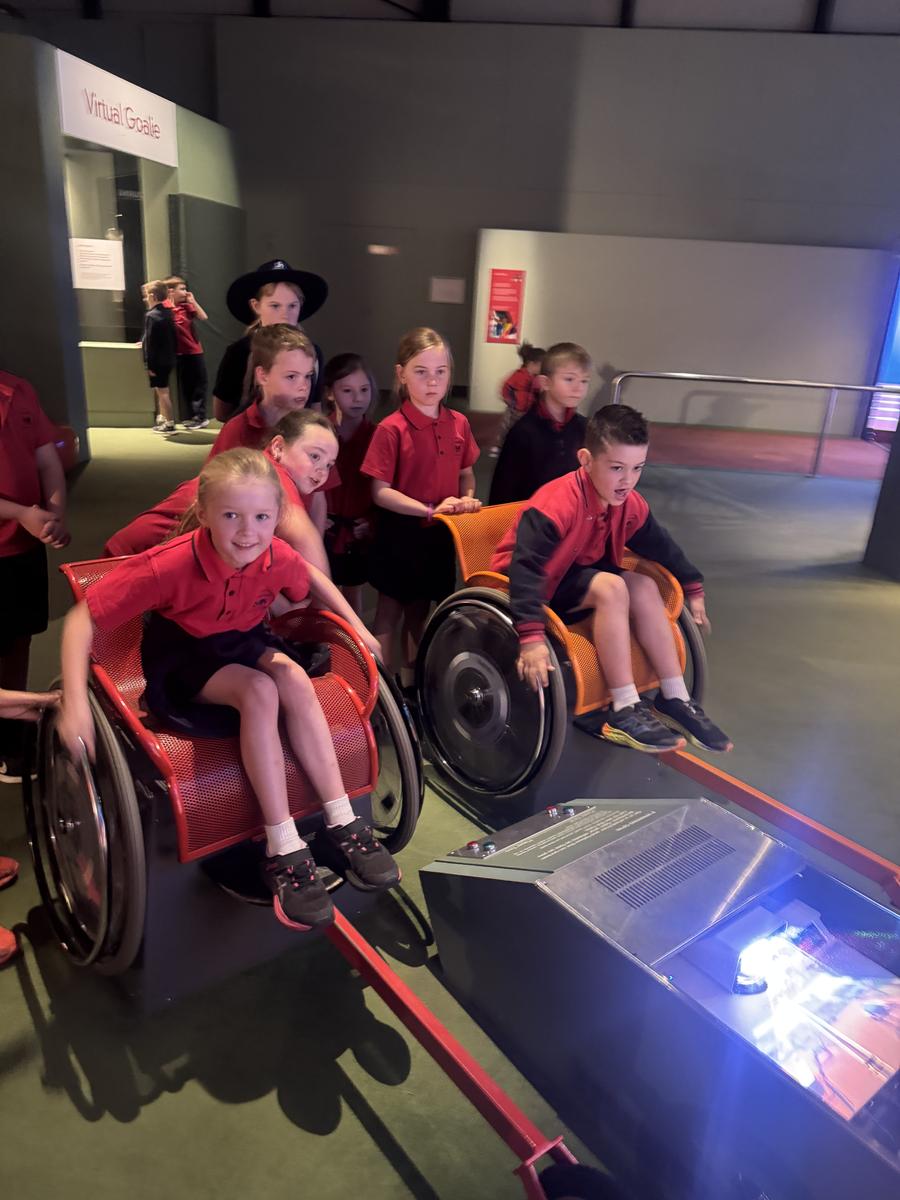
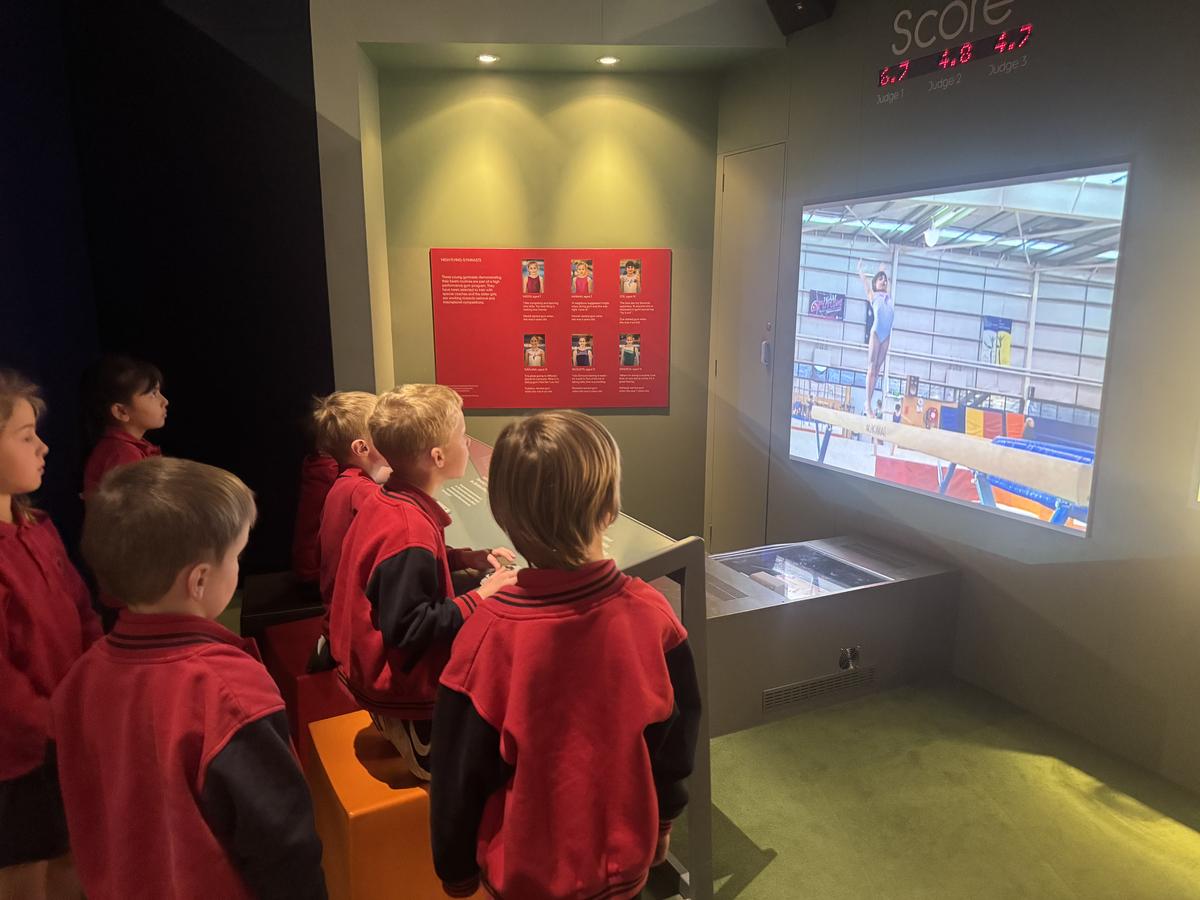
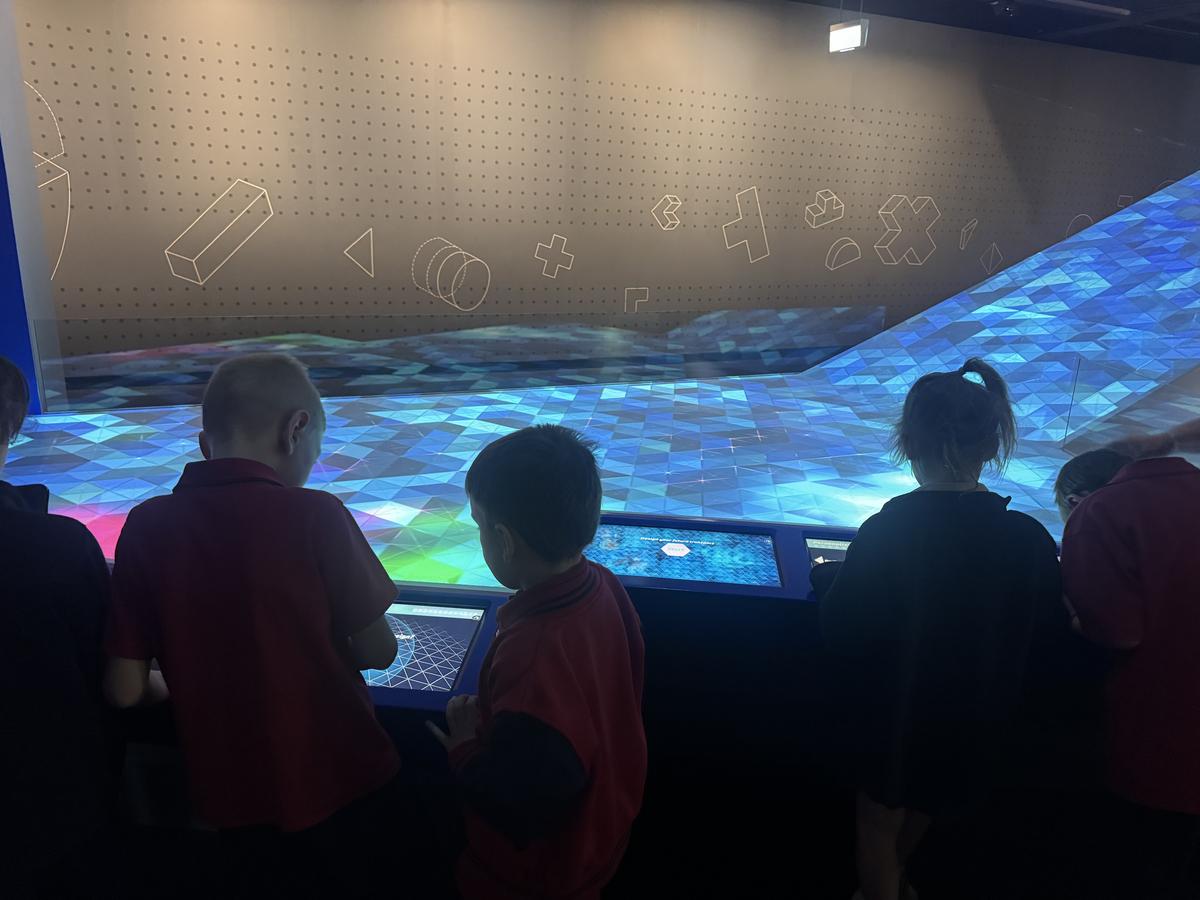
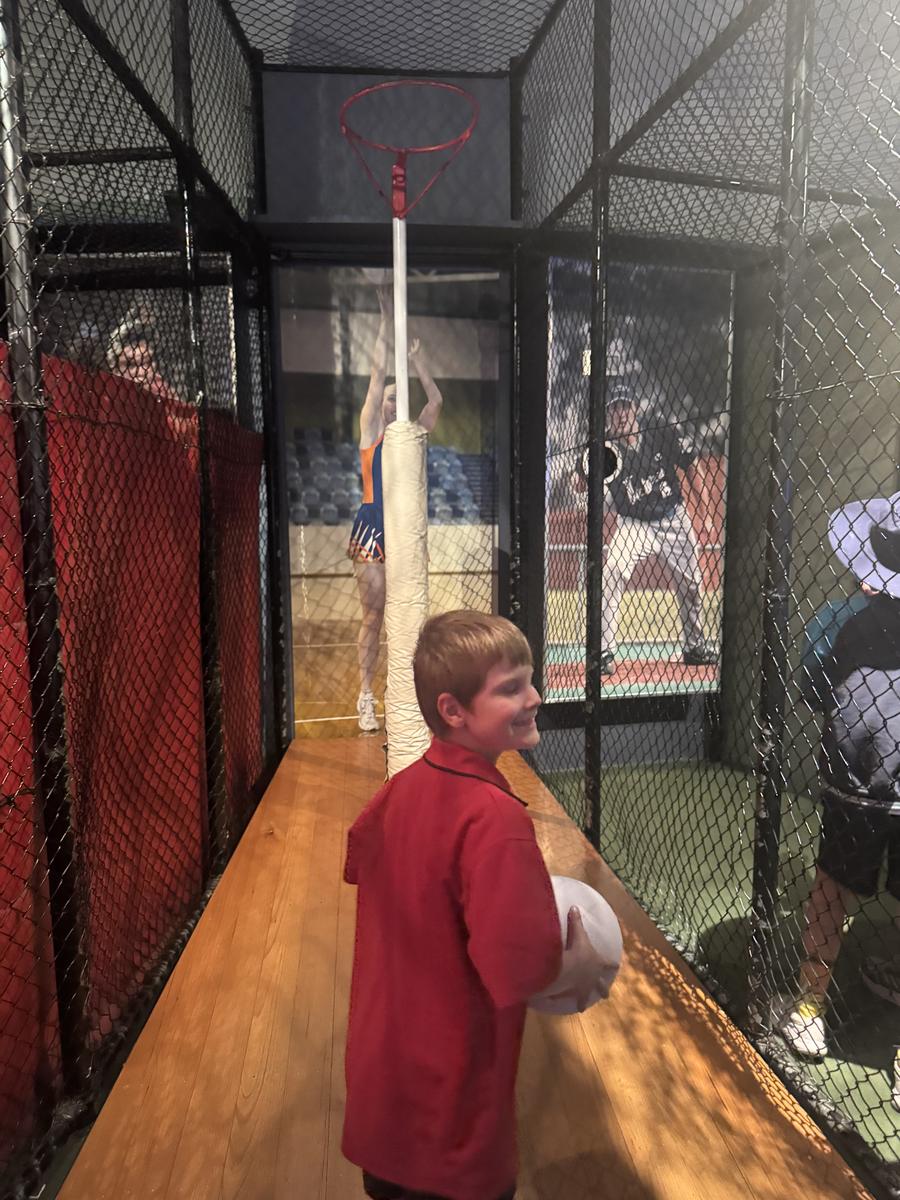
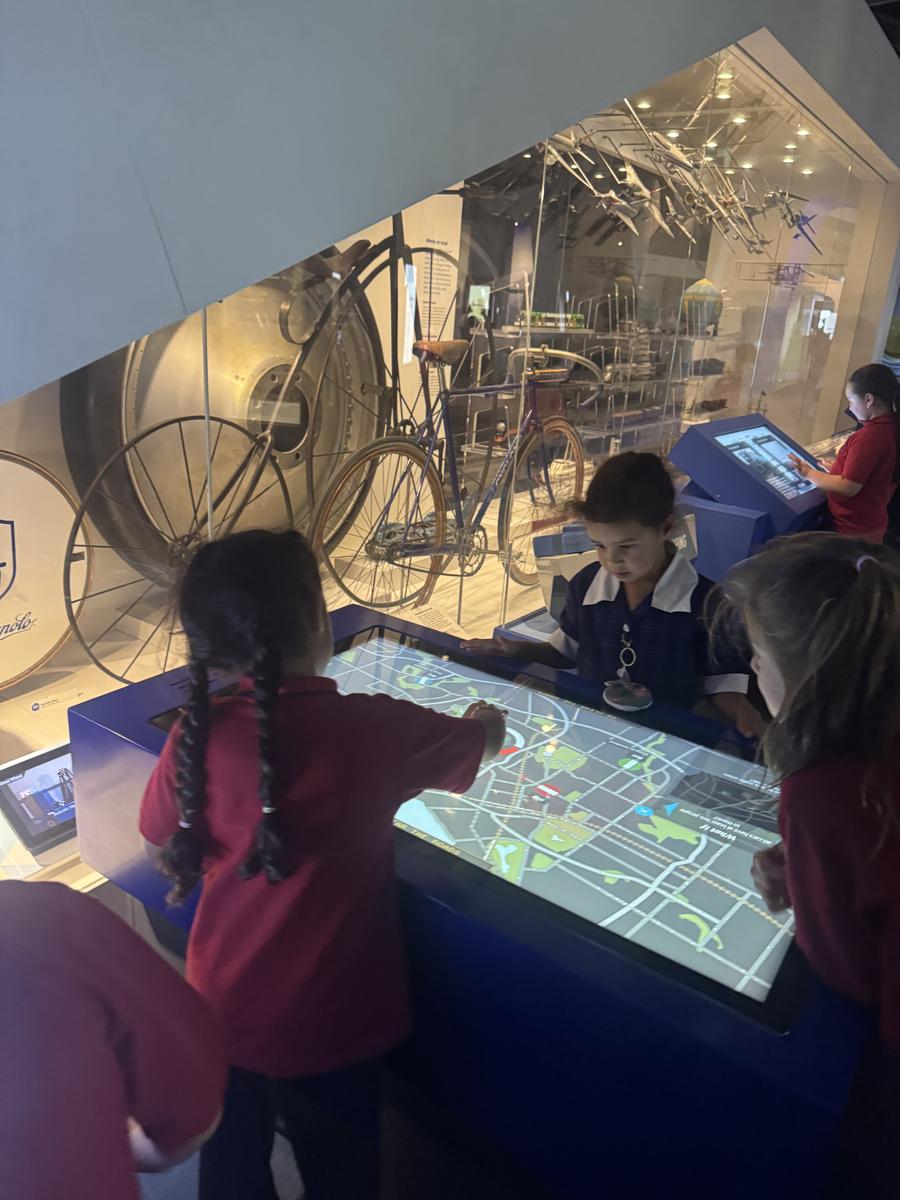
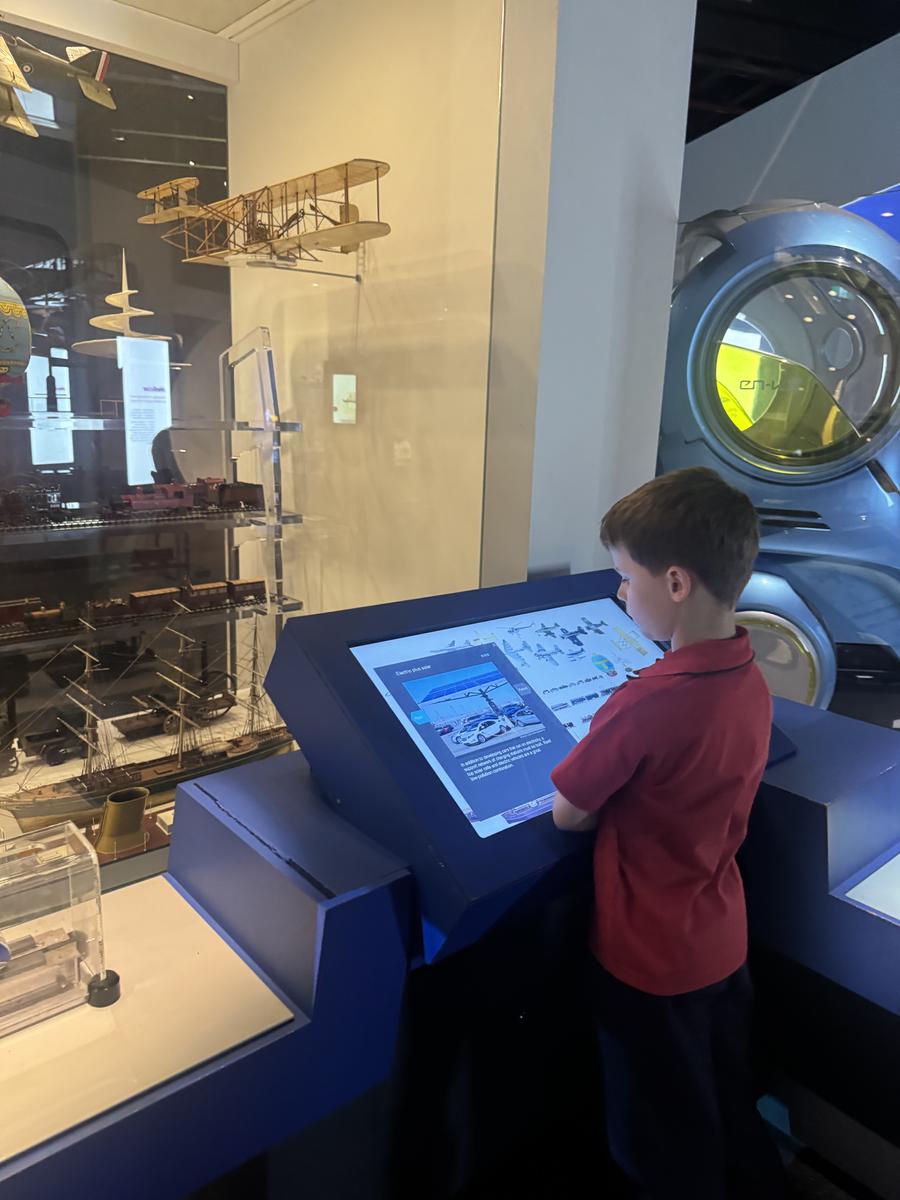
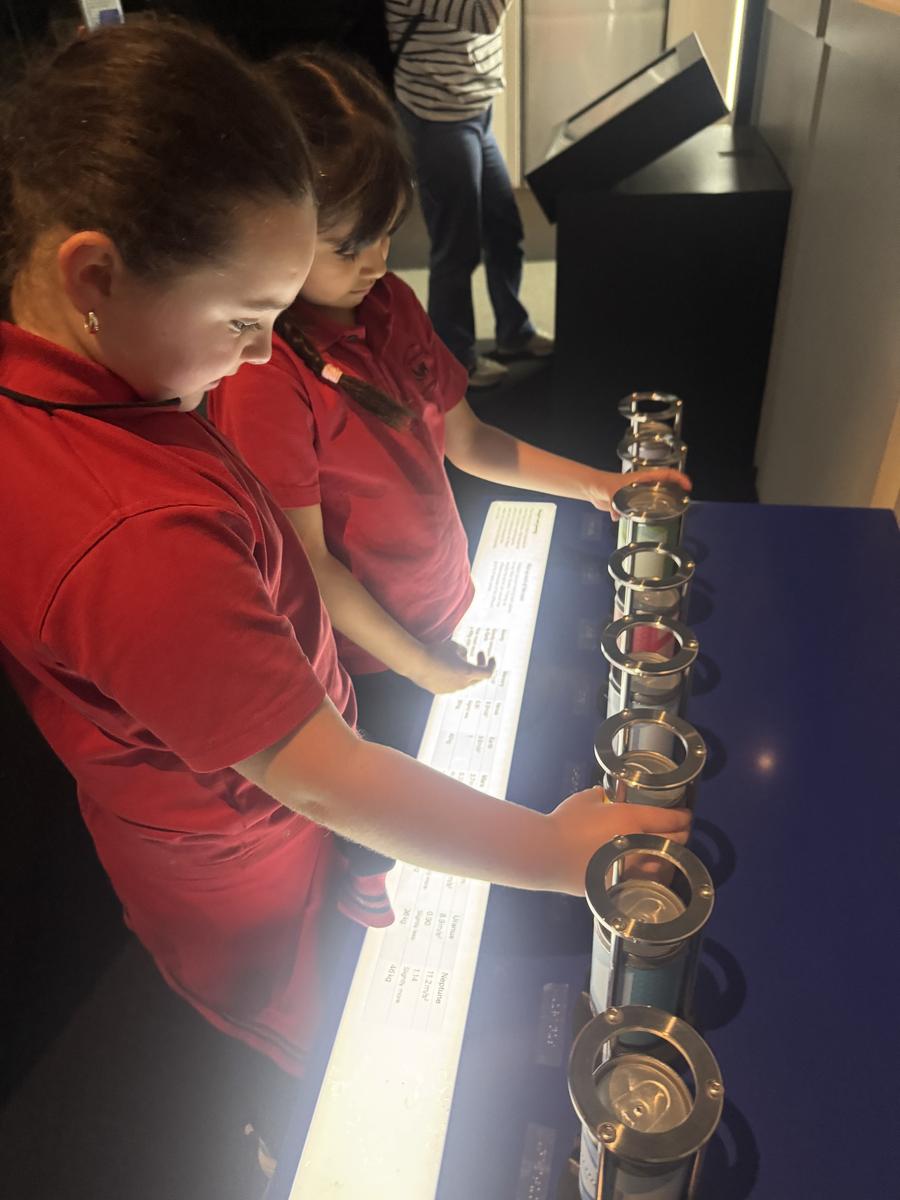
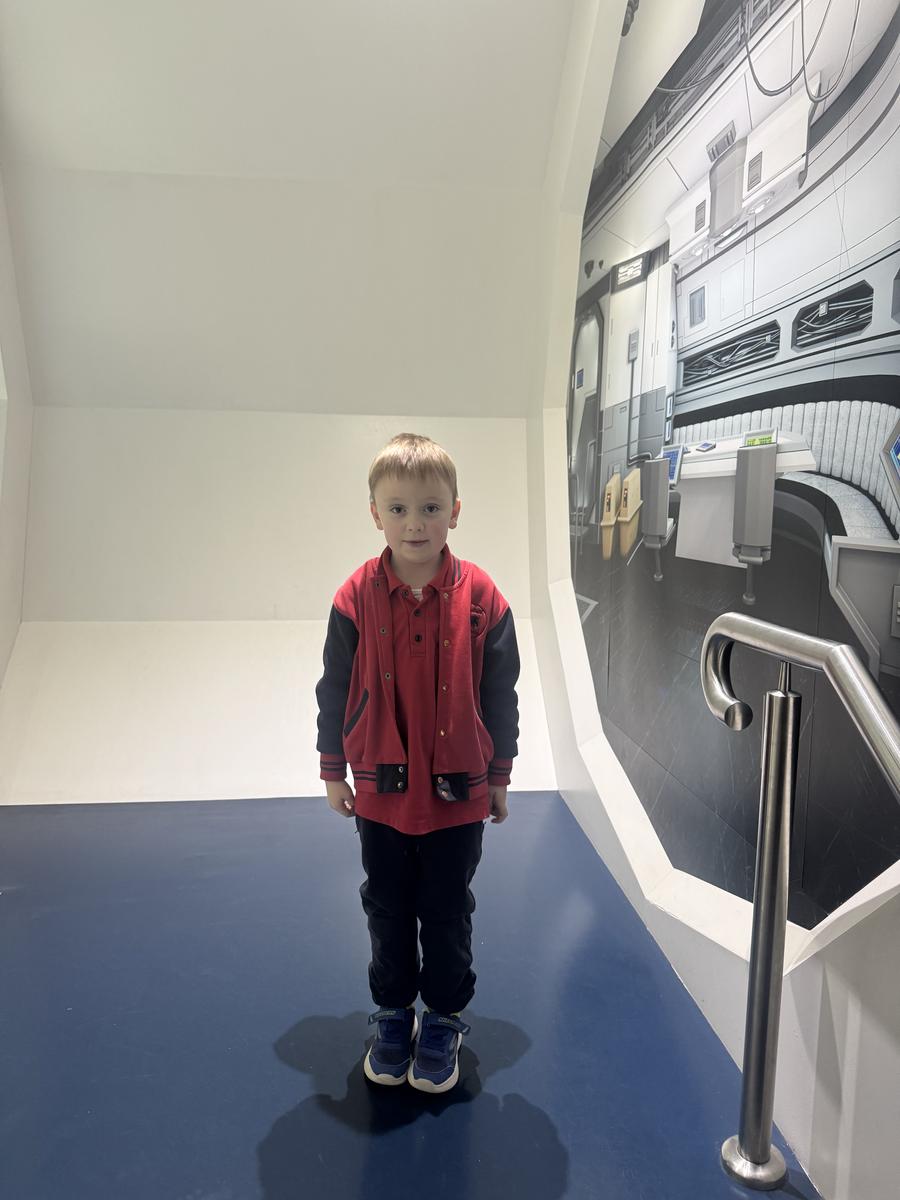
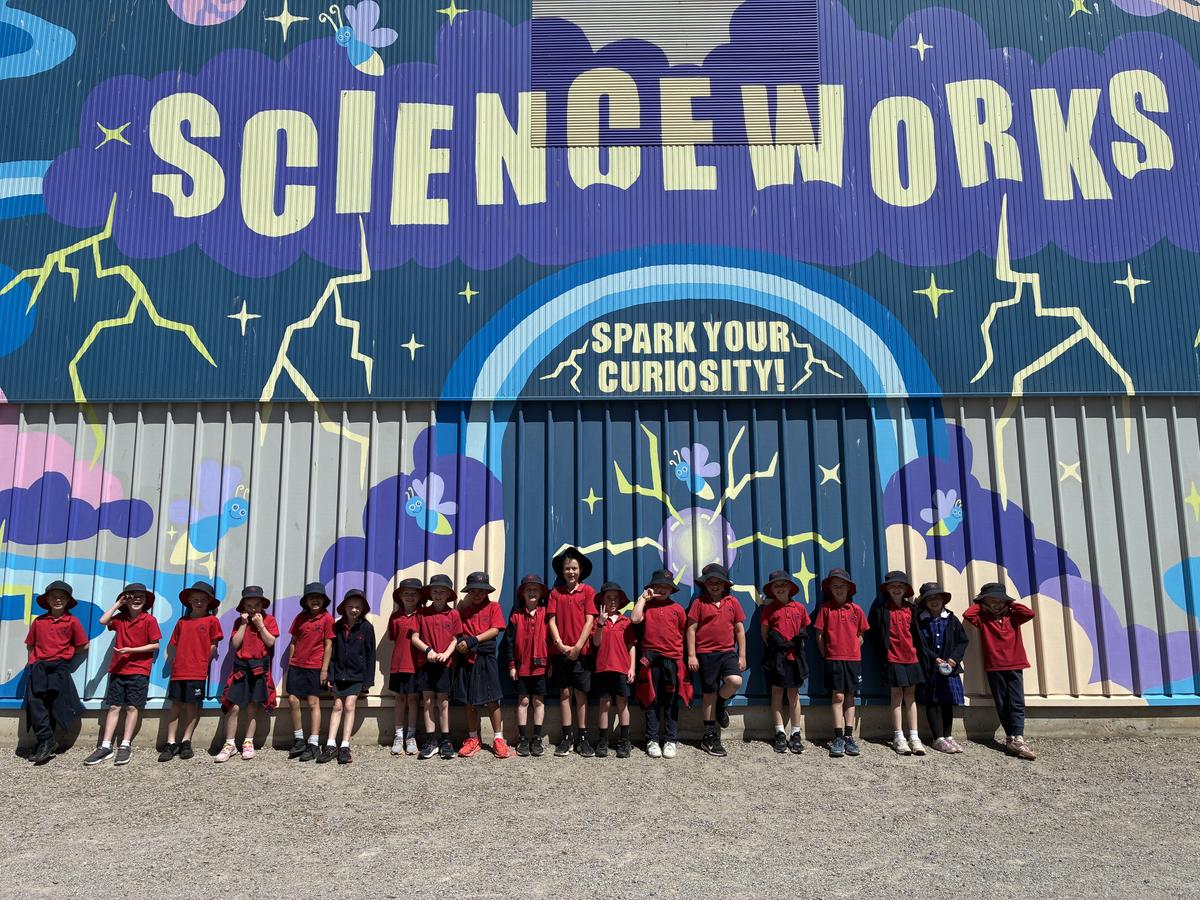
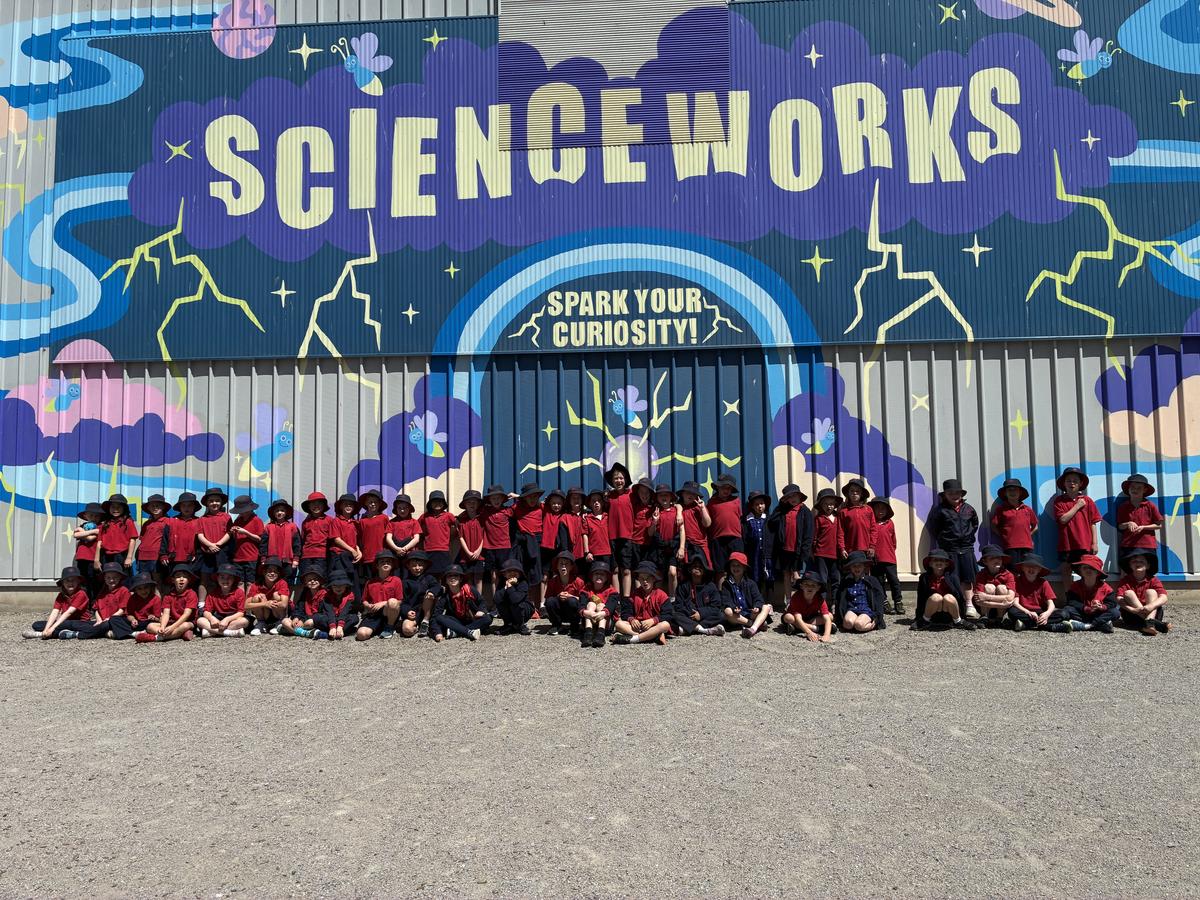
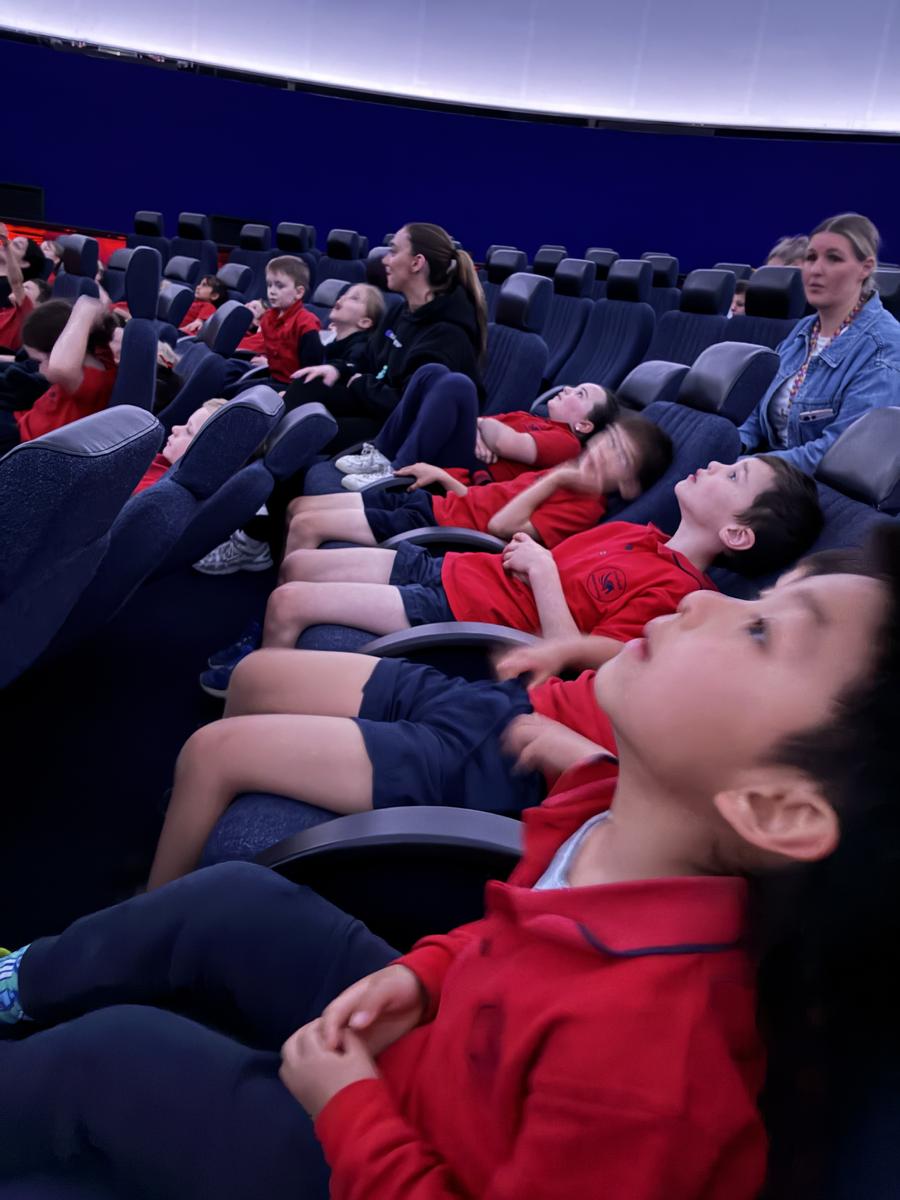
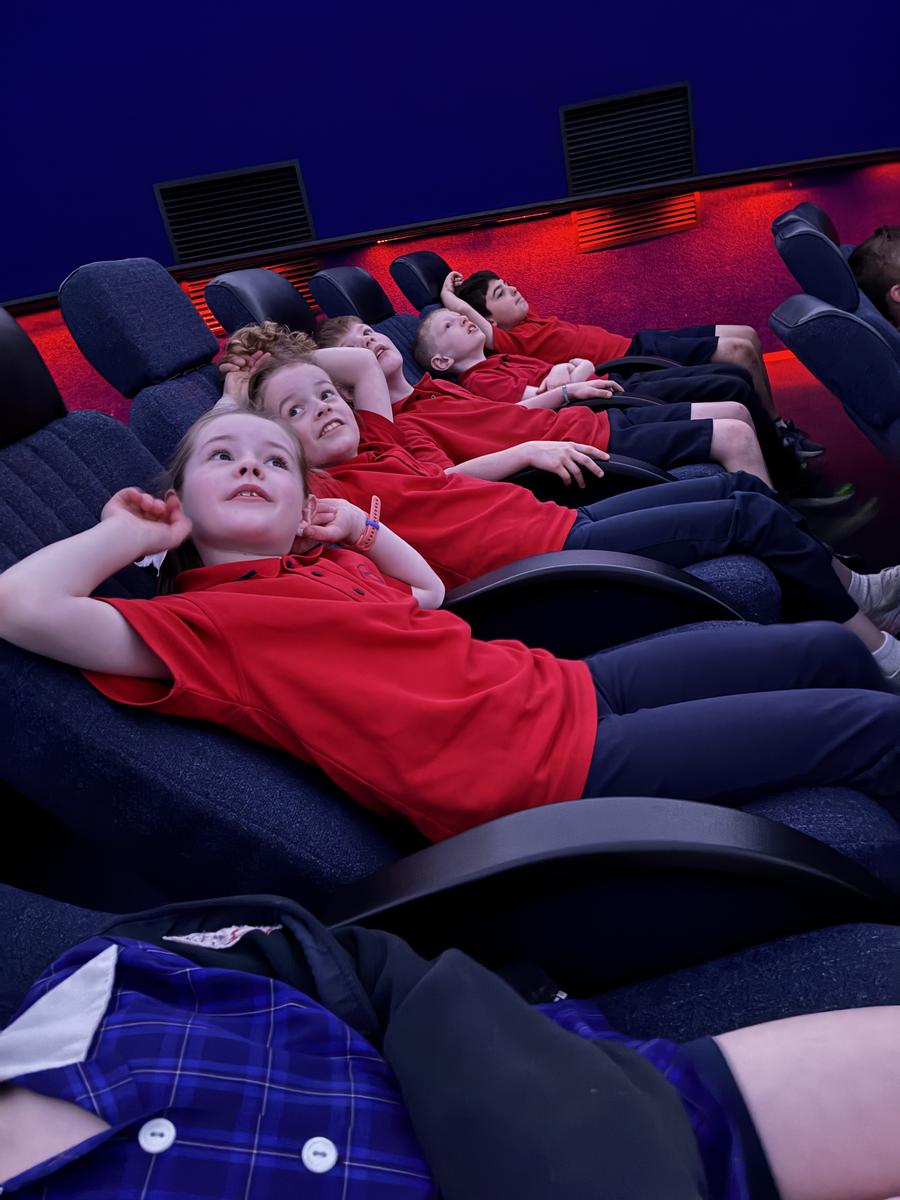
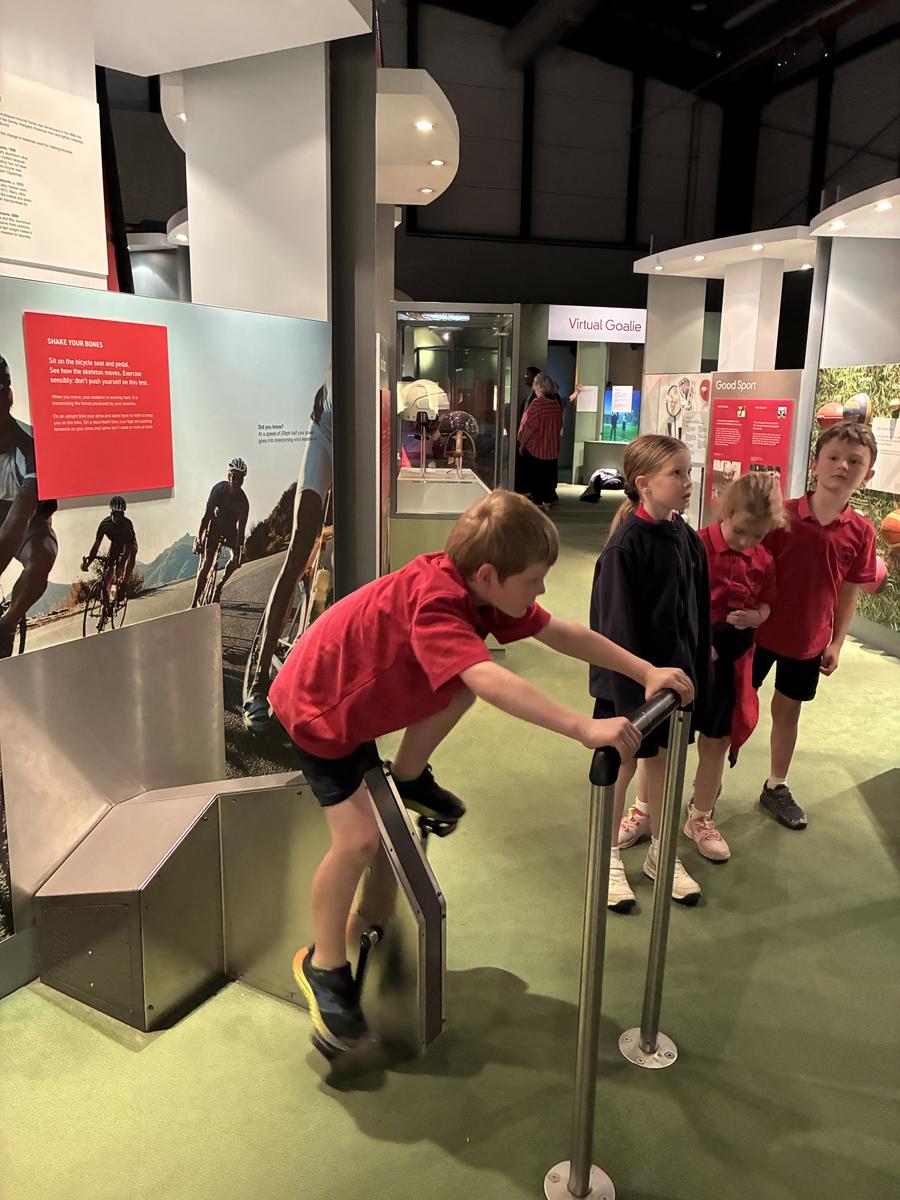
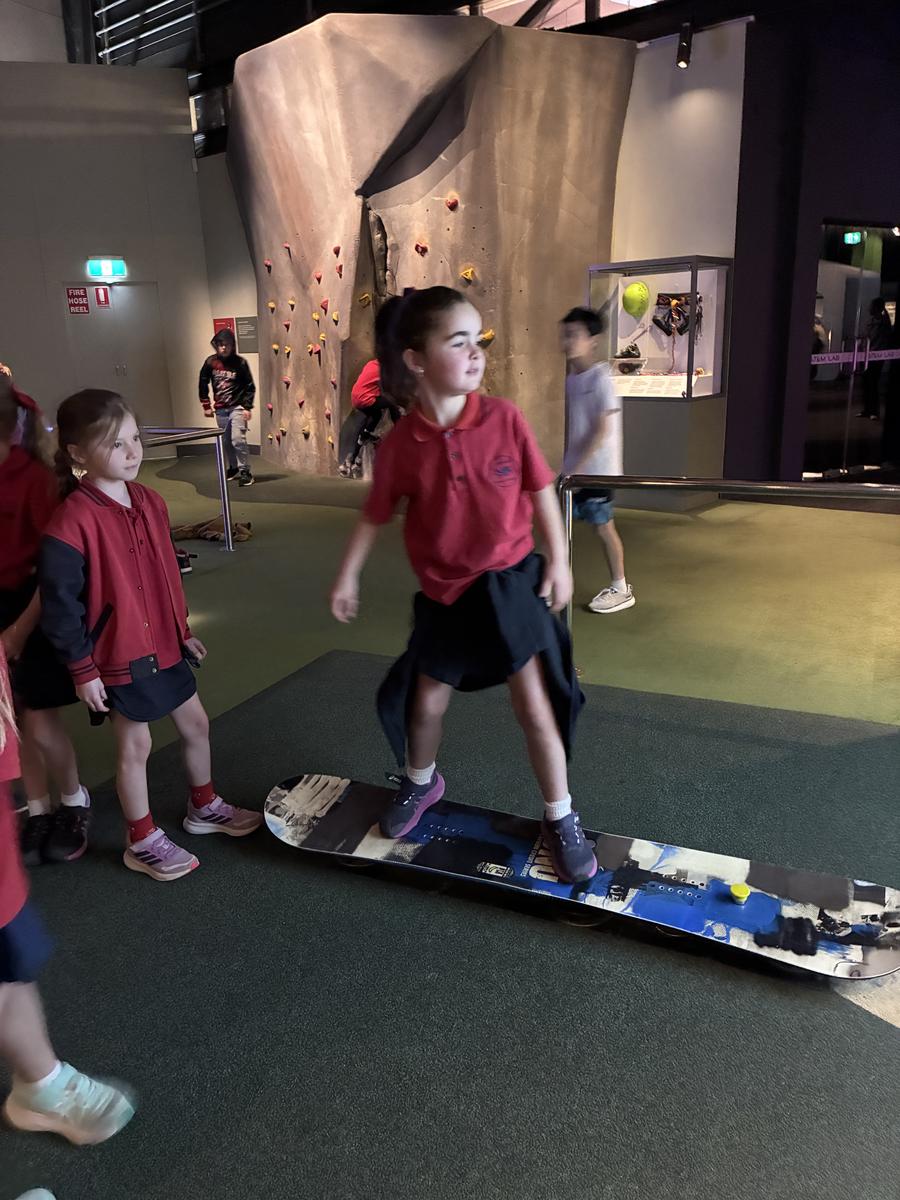
To provide further context for their learning, we visited Scienceworks on Friday, which was a great success. Please enjoy some photos of the day.
➗ Maths
Over the past fortnight, students have been deepening their understanding of 2D shapes and 3D objects through a range of hands-on and collaborative activities. They created two-dimensional shapes on geoboards, followed instructions to draw shapes, and compared their drawings with a partner to check accuracy. Students also explored how shapes can be combined to form new shapes, and they practised sorting and categorising shapes based on their features.
As the unit progressed, students identified common 2D shapes and 3D objects, described the features of three-dimensional objects, and sorted everyday 3D items from around the classroom. Through investigation, discussion, and concrete exploration, students strengthened their ability to recognise, describe, and classify shapes in both mathematical tasks and real-world contexts.
Preview for Learning: Over the next fortnight, students will conclude their unit on shape, and we will begin to explore our final Maths unit for the term, Addition and Subtraction.
Wellbeing
Students were introduced to the idea that trust is a key building block of healthy friendships. It helps children recognise that trust grows when friends are kind, reliable, and keep their promises, and that trust can be broken if friends are unkind or dishonest.
Our focuses were:
- To understand what trust means in the context of friendships.
- To explore behaviours that build trust (e.g. keeping promises, telling the truth, being kind and fair).
- To consider what can happen when trust is broken, and how it can be repaired.
Preview for learning: Students will learn the importance of joy and play in building and maintaining friendships. Students will learn that while trust, courage, and kindness are important, having fun together is also what makes friendships strong and enjoyable.
From the Grade 1 teachers,
Miss Albanese, Ms Holmes and Miss Kitteringham