Deputy Principal
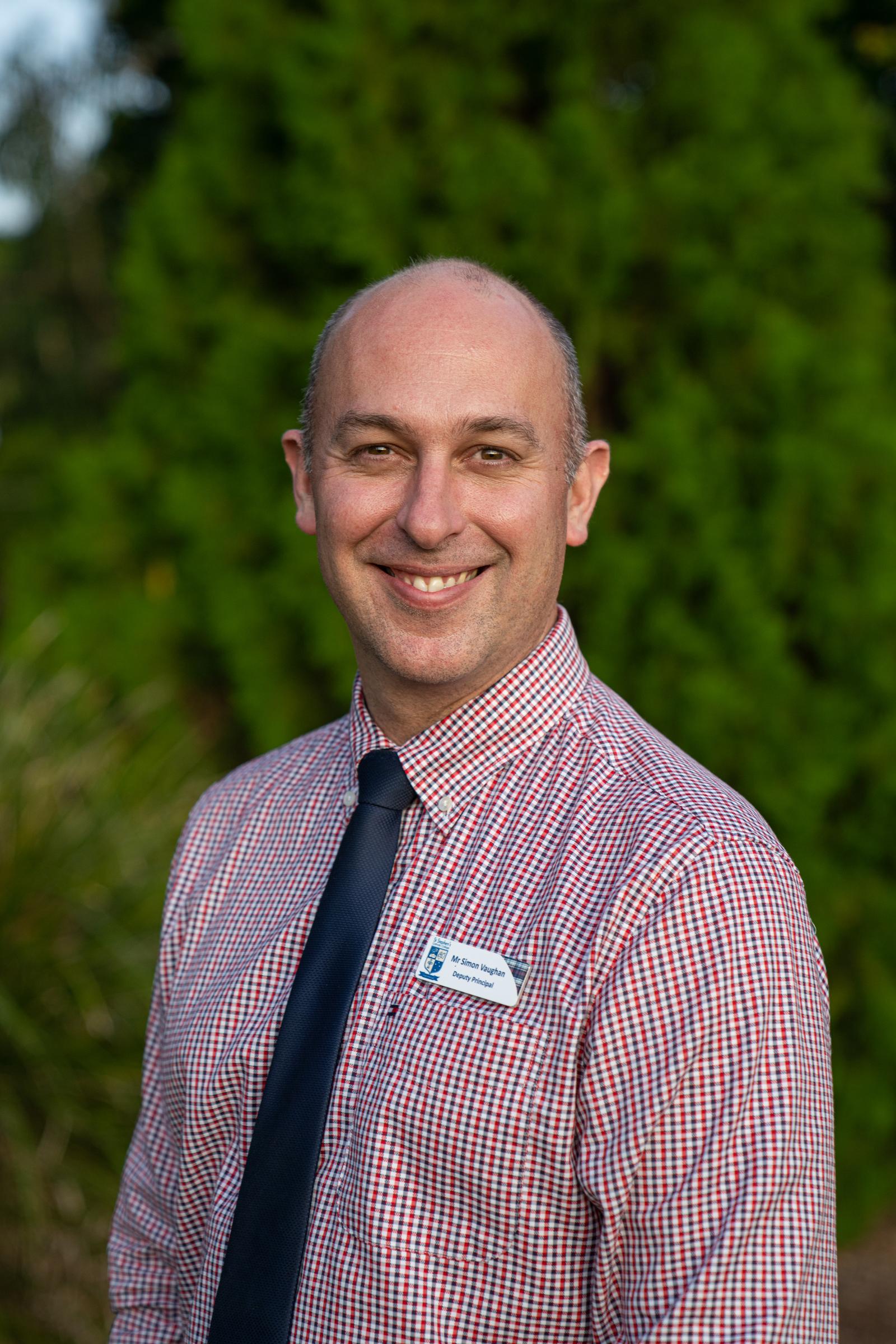
Mr Simon Vaughan, Deputy Principal
Deputy Principal
Mr Simon Vaughan, Deputy Principal
At St Stephen’s Catholic College, we recognise that meaningful assessment is at the very heart of effective teaching and learning. As highlighted in the recent Education Matters – Secondary article, “A teacher’s heart at the centre of national assessment,” assessment is far more than a measure of performance—it is a powerful tool that informs, guides, and shapes each student’s learning journey.
Assessment provides our teachers with critical insights into where their students are in their learning. It enables them to identify strengths, uncover gaps in understanding, and recognise individual learning needs. At our College, this is reflected through a balanced approach that includes assessment of learning, assessment for learning, and assessment as learning.
Assessment of learning enables teachers to evaluate what students have achieved at a particular point in time. Through exams, assignments, and formal tasks, teachers gather evidence of student outcomes and ensure that standards are met. While important, this is only one part of the broader assessment picture.
Equally vital is assessment for learning, which occurs continuously throughout the teaching process. Through questioning, observation, and formative tasks, teachers gain immediate feedback about student understanding and can adjust their teaching accordingly. This ongoing approach ensures that lessons remain responsive and targeted, allowing teachers to intervene early and provide the right support or extension.
Perhaps most importantly, we promote assessment as learning, where students are actively involved in their own progress. By reflecting on feedback, setting goals, and monitoring their growth, students develop the skills to become independent and self-regulated learners. This aligns strongly with the message of the article—that assessment must remain centred on the learner and guided by the professional judgement and care of the teacher.
At St Stephen’s, teachers use a variety of assessment methods—both formal and informal—to build a rich and holistic picture of each learner. This information empowers them to plan the next steps in learning with precision. Whether it is providing targeted support, extending high-achieving students, or adapting teaching strategies, assessment becomes a catalyst for growth rather than simply a reflection of achievement.
Importantly, meaningful feedback strengthens this process. When students understand where they are and what they need to do next, they are more confident, motivated, and engaged in their learning.
Ultimately, the strength of assessment lies in the professional expertise and care “the teacher’s heart” that brings it to life. At St Stephen’s Catholic College, we remain committed to ensuring that assessment continues to support every student to progress, achieve, and flourish.