Aquatic Practices
Mr Jim Ballin, Aquatic Practices Teacher
Aquatic Practices
Mr Jim Ballin, Aquatic Practices Teacher
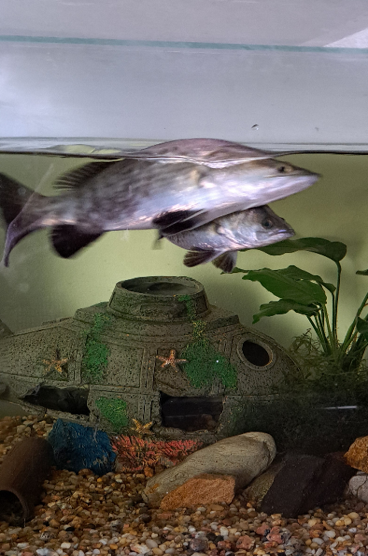
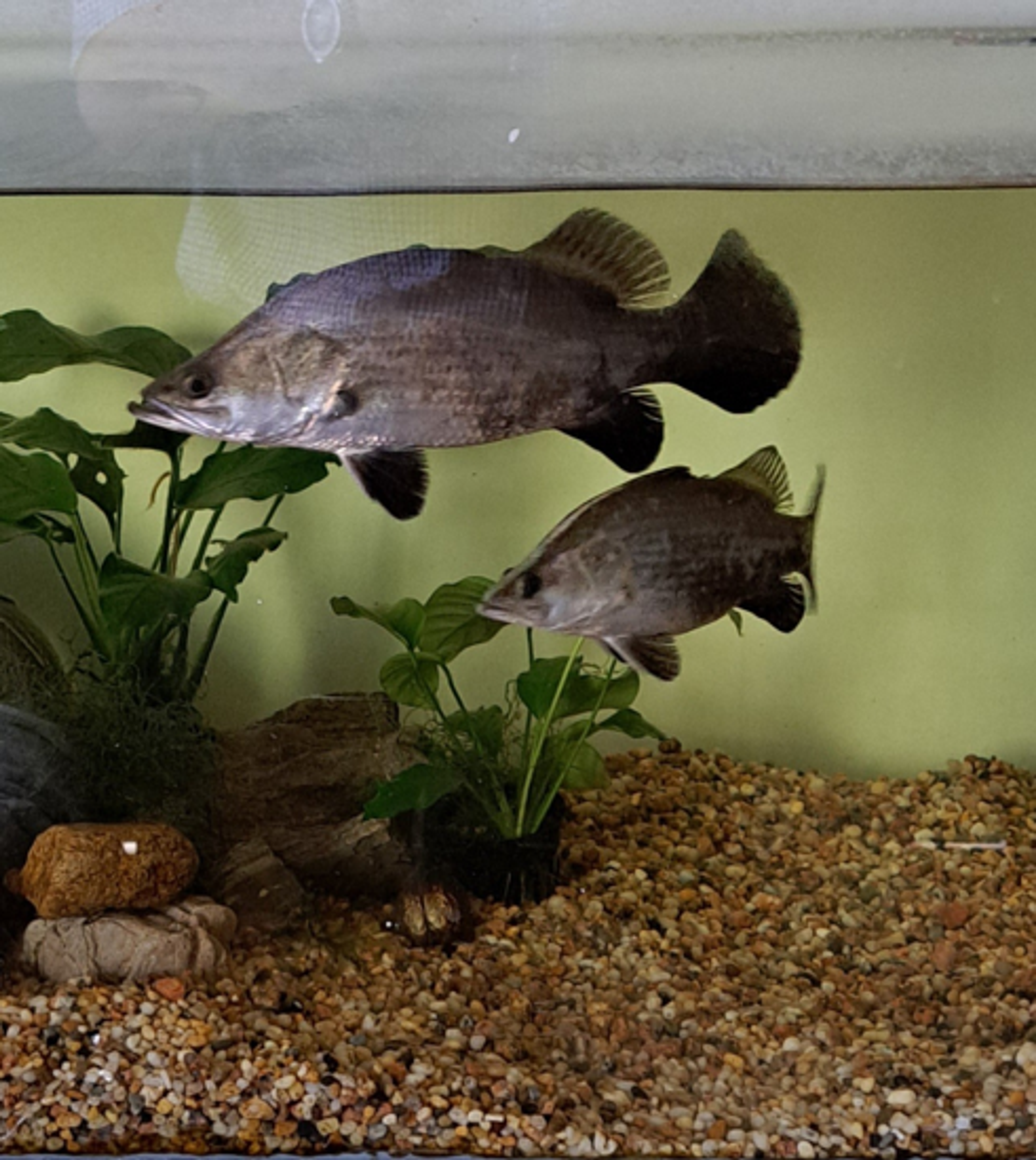
This term we have been looking after two barramundi in our three-foot aquarium. These barramundi were sourced from the Barramundi Gardens at Julatten. This is a commercial barramundi aquaculture farm that raises around 30 000 barra every year. The barra are sold to restaurants in the surrounding area. The barra that we were given are a special genetic variant. They are the super fast growing barra that grow too quickly to fit into the commercial harvest. This means that they grow so fast that they must be separated from the other fish because they will eat the average barra. Therefore, these barra are sold to farms stocking their private dams and in this case to St Stephen's for our study.
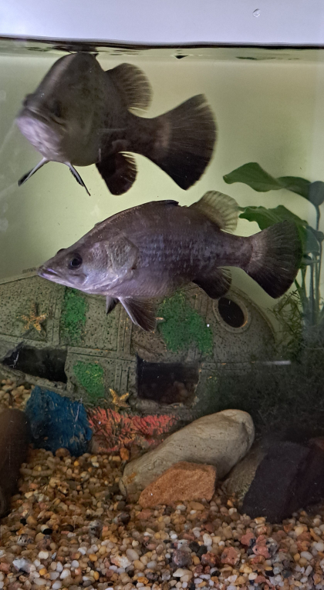
These barra have a genetic variation that makes them grow super fast. This genetic variation is beneficial in the wild because in a good season with a lot of rain these fish will grow fast and reach breeding size early. However, in a poor wet season these fish will struggle to survive as the season is not kind to fast growing fish and will rather benefit slower growing barra that can survive in smaller billabongs and eat less food.
Our barra are called Meat and Veg because early in their lives one was a vegetarian eating only algae wafers and the larger one ate a lot of the fish-based pellets.
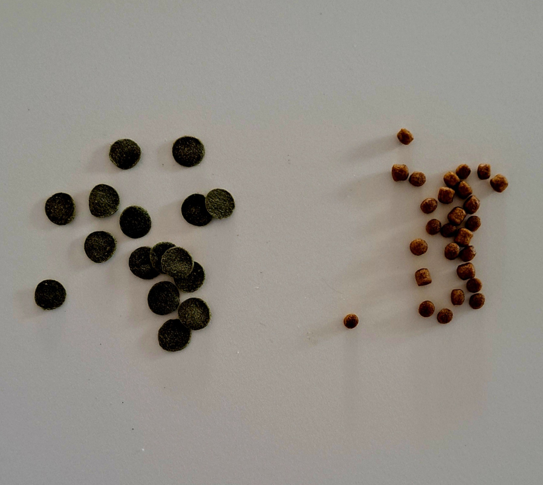
We started off feeding the barra both floating algae wafers and sinking fish pellets. The algae wafers are 37% protein and are include spirulina. The pellets are made of fish meal from wild caught pilchards or sardines and plant proteins. These pellets have 45% protein content. After four weeks the barra began exclusively eating the pellets.
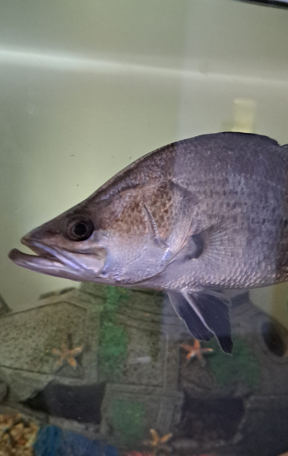
Barramundi have a very fast growth rate especially this genetic variant which comes from the Gulf of Carpentaria. They can change colour from very dark to mottled silver when they are excited.
The barra are very healthy and have grown from about 12 cm to 22 cm over the last 2 months.
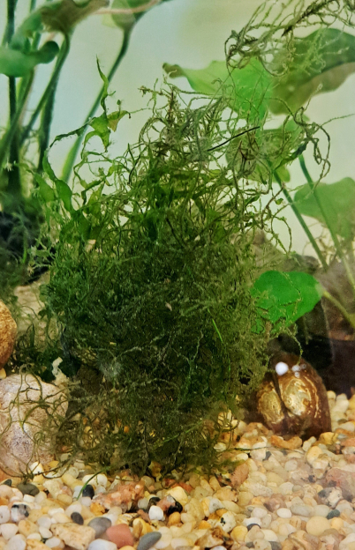
Two different species of aquatic plants are kept in the tank. They help with cleaning the water and oxygenating the water. They are anchored into the gravel at the bottom of the tank with their roots.
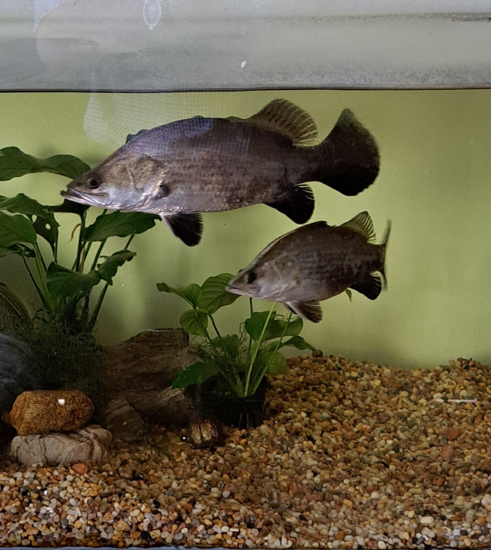
This photo shows the two types of aquatic plants that are in the tank. The larger leafed plants are Anubias Nana. It is a slow growing African plant that can deal with low sunlight and does not require a C02 supplement.
The other type is Java moss that is very hardy and it can attach to the ornaments in the tank.
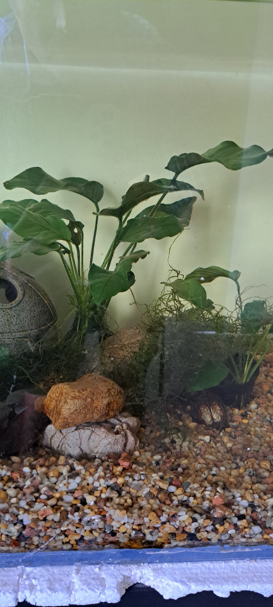
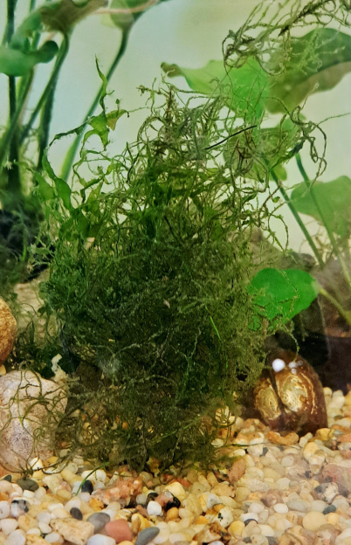
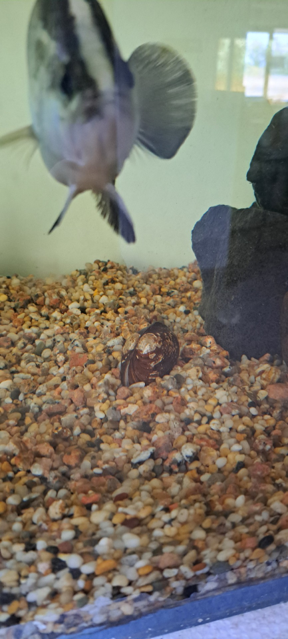
Underneath the barra and next to the Java Moss are the two freshwater mussels that we have in the tank. These mussels help to filter and clean the water. They do move around the tank but are often stationery and half buried in the gravel.