Supporting your child
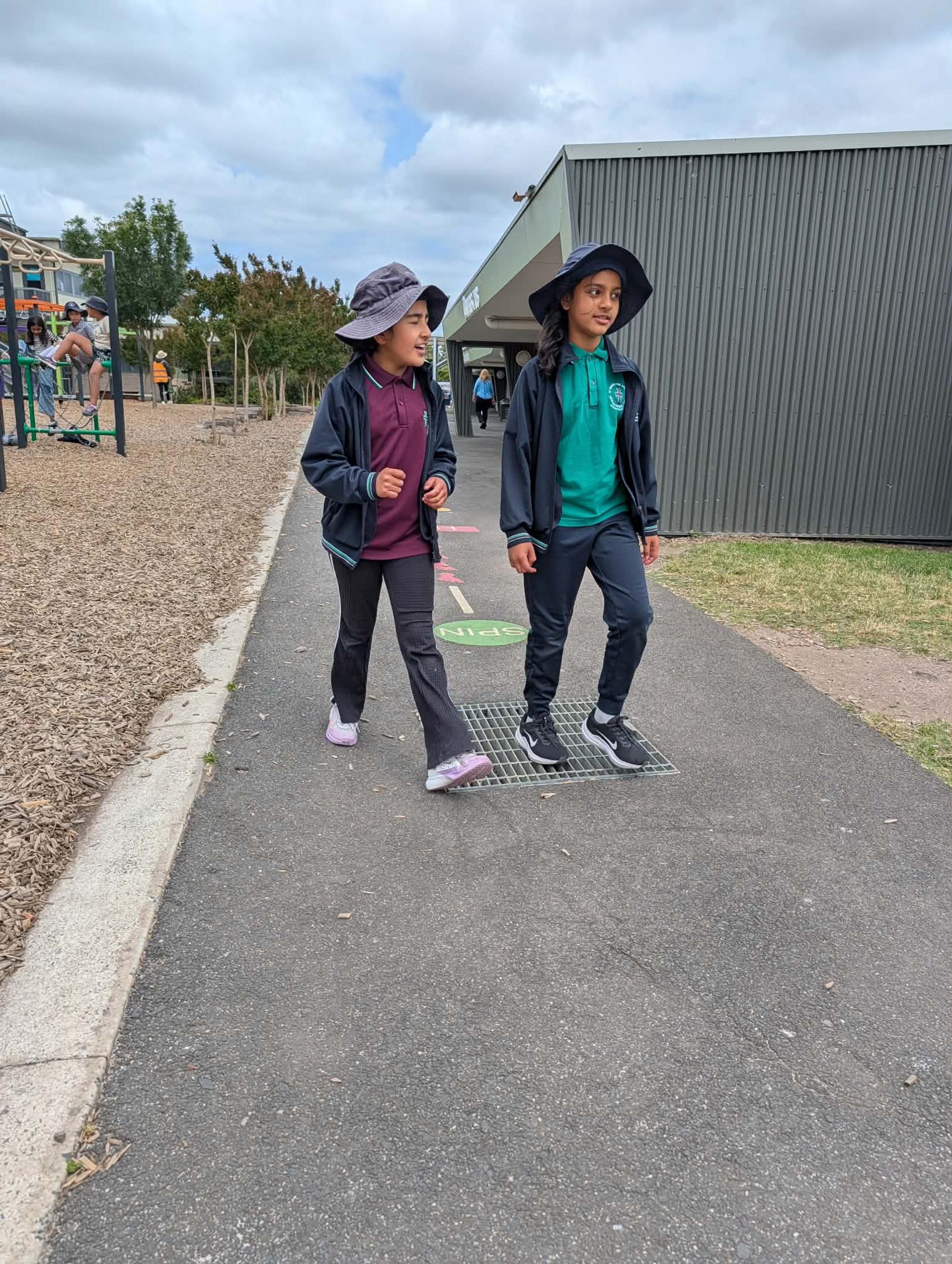
Friendship Reflections:
Two Stars and a Wish
At the end of the day, children can think about how they were a good friend. A star might be, "I asked someone to play with me." Another star might be, "I shared toys during group time." A wish could be, "Next time, I want to listen more when my friend is talking. "This helps children remember the good things they did and set a goal for next time.
Talk About Friendship
- Ask open-ended questions like:
- “Who did you play with today?”
- “What games did you play?”
- “How did you feel during playtime?”
Talk about what makes a good friend (kindness, sharing, listening).
Role-Play Social Situations
- Practice simple scenarios at home:
- “What would you say if you wanted to join a game?”
- “What can you do if someone says ‘no’?”
- “How can you be a good friend on the playground?”
Set Up Playdates
- Keep them short and structured at first (1–2 hours).
- Choose simple, cooperative activities (building, crafts, baking).
- Observe gently to support sharing or conflict resolution if needed.
Model Friendly Behaviour
- Children learn from watching. Let them see you:
- Greet neighbours kindly
- Apologise when needed
- Solve problems calmly
- Narrate your thinking: “I’m listening to my friend because it’s kind.”
Listen Without Judgment
- If your child is struggling with friends, avoid rushing to fix it.
- Empathise first: “That must have felt hard.”
- Then brainstorm together: “What could you try next time?”